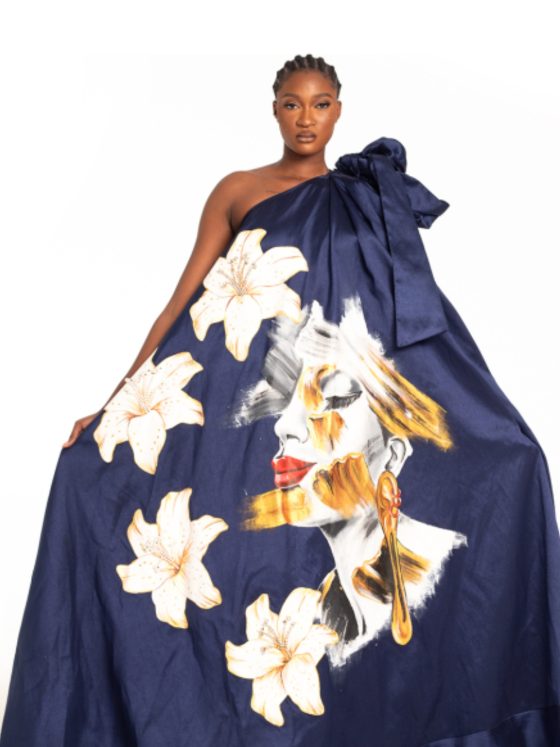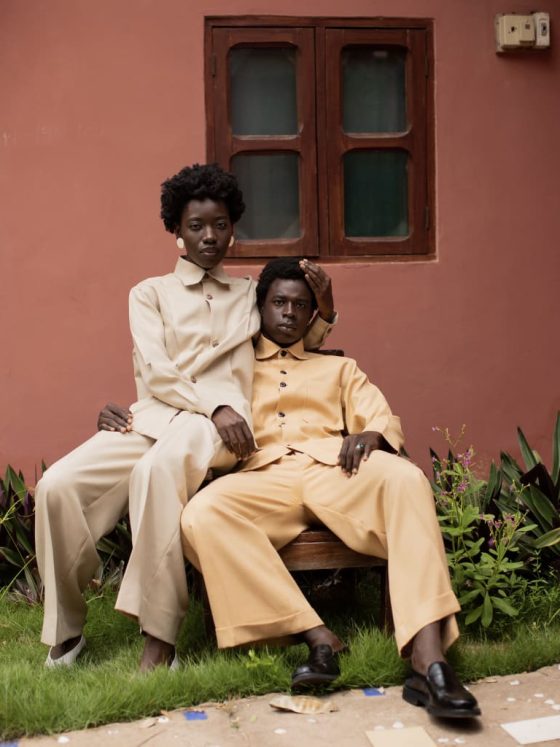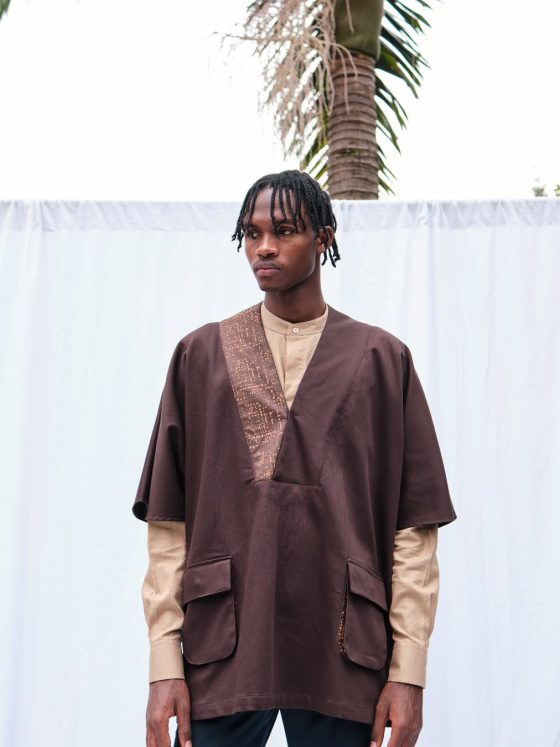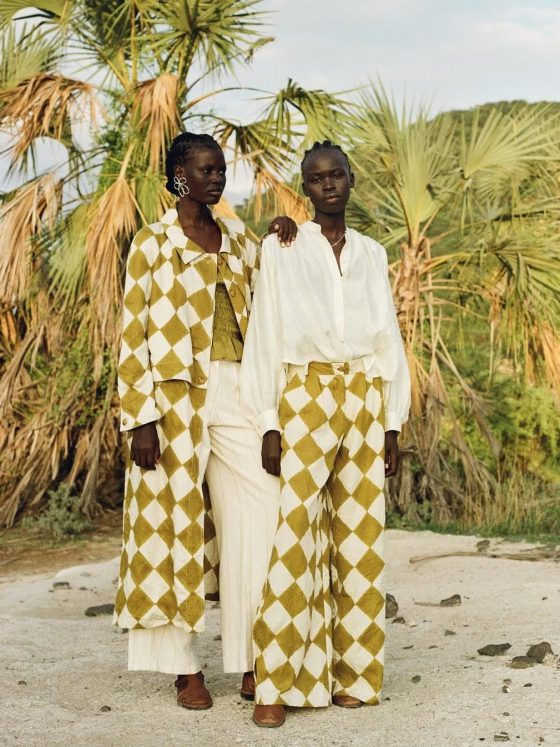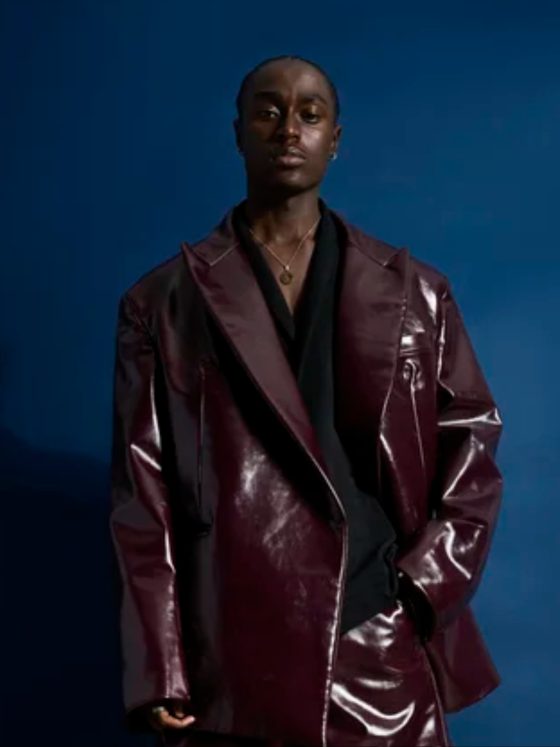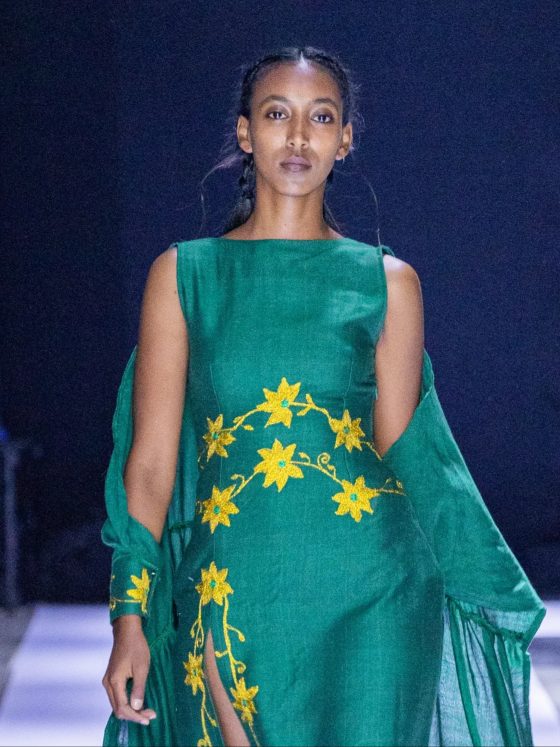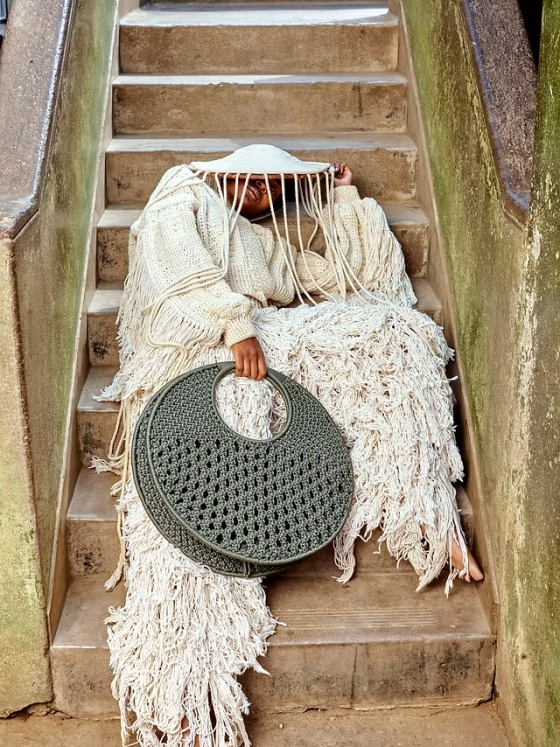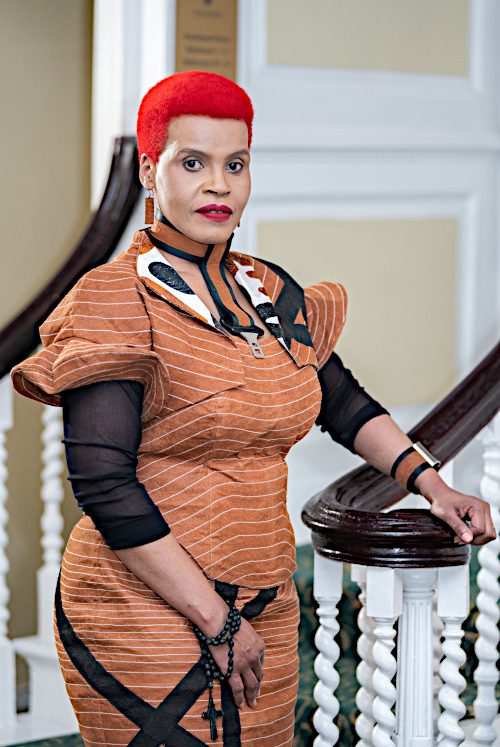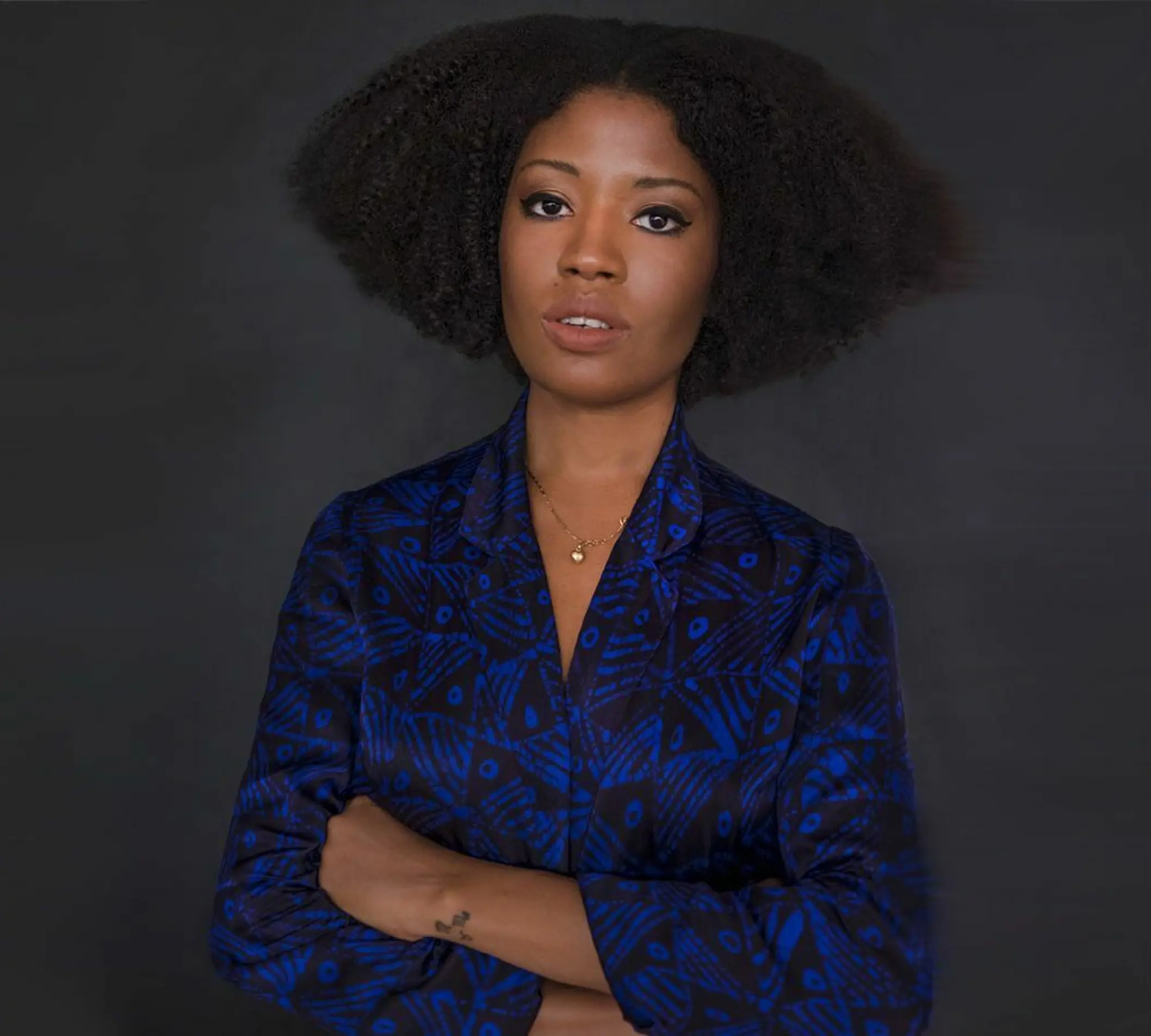
In the evolving language of contemporary fashion, Maki Oh stands as a quiet yet decisive voice translating tradition into form, texture, and intention. Founded by Amaka Osakwe, the womenswear label approaches African heritage not as nostalgia, but as a living archive, one that can be refined, questioned, and carried forward through modern design. By infusing traditional garments and hand-crafted textiles with Western silhouettes, Maki Oh creates pieces that feel at once grounded and progressive.
Each design reflects a deeper construct of responsibility: to preserve cultural memory while allowing it to evolve with integrity. There is restraint in the work, a deliberate refusal to over-ornament or dilute meaning. Instead, craftsmanship, symbolism, and structure are used to maintain cultural continuity within a global fashion context. Through this balance, Maki Oh positions fashion not merely as aesthetic expression but as cultural stewardship shaped for the modern world.
Explore Maki Oh, the womenswear label by Amaka Osakwe, where African textile heritage is reimagined through refined Western silhouettes and modern luxury.
Quick Glance Highlights
Name: Amaka Osakwe
Origin: Lagos, Nigeria (West Africa)
Profession: Fashion designer, creative director
Brand: Maki Oh
Scope: Women’s wear, artisanal ready-to-wear
Signature: Hand-dyed textiles, intricate craftsmanship, narrative-led detailing
Design Language: Modern womenswear shaped by indigenous techniques, subtle symbolism, and contemporary silhouettes
Positioning: A heritage-driven luxury label translating African tradition into globally resonant fashion narratives
Influence: Reframing African women’s wear through cultural responsibility, textile innovation, and quiet global authority
Translating Heritage into Contemporary Form
What distinguishes Maki Oh’s design philosophy is not only its aesthetic clarity but also the depth of observation that informs it. During her research, Amaka Osakwe turned her attention to the everyday strength of women in buka shops, spaces often overlooked yet sustained by discipline, resilience, and quiet authority. These women, grounded in routine and responsibility, became living references for a collection that examined strength beyond spectacle.
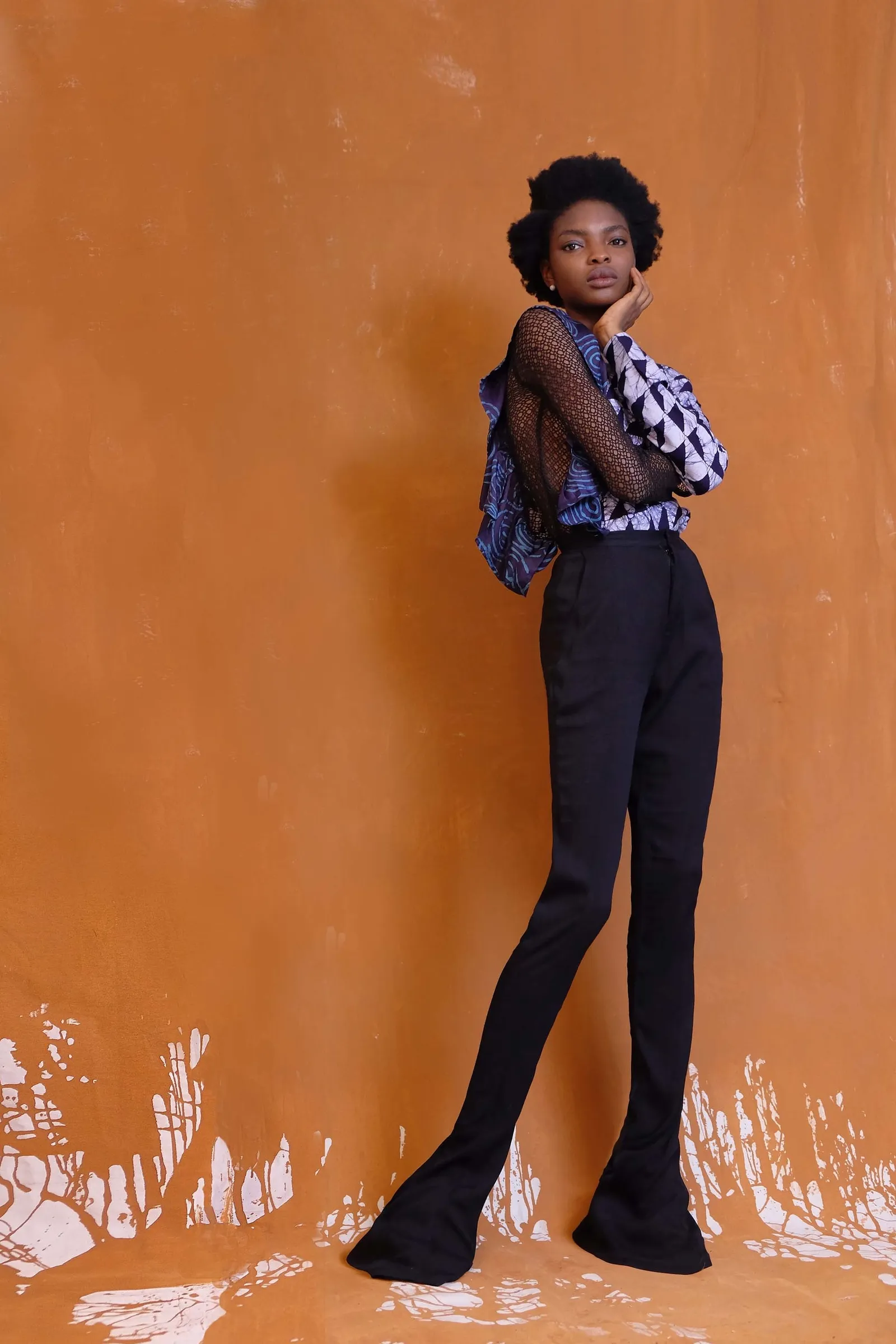
Rather than a literal representation, Maki Oh translated their presence into form. Traditional textiles were refined through Western silhouettes, allowing cultural memory to exist within modern proportions. The result was clothing that carried meaning without explanation, garments shaped by lived experience rather than abstraction. In this process, culture became a design language instead of a theme.
By observing responsibility as a form of power, Maki Oh reframed heritage as something active and evolving. Fashion, in this context, functions as interpretation, a thoughtful dialogue between tradition and contemporary life rendered with restraint, respect, and intention.
Design as Cultural Responsibility
At the core of Maki Oh’s work is an understanding that fashion carries consequences. Each collection reflects a measured awareness of what it means to draw from culture and the obligation that follows. Amaka Osakwe approaches design as a practice of care, where heritage is neither extracted nor diluted but handled with precision and respect. The focus on hand techniques and careful building supports this view, giving equal weight to the process and the result.
Responsibility, in this context, is expressed through restraint. Details are intentional, silhouettes are composed, and symbolism is never overstated. By allowing materials and methods to speak quietly, Maki Oh preserves the integrity of traditional practices while situating them within contemporary fashion. This balance ensures that cultural references remain intact even as they evolve in form.
Through this lens, fashion becomes a form of stewardship. Maki Oh demonstrates that maintaining culture does not require rigidity but discernment. By honouring origin while designing for the present, the brand sustains relevance without compromise, reinforcing the idea that modern luxury can be both progressive and rooted in responsibility.
RECOMMENDED:
- The Future of Luxury Modesty Fashion Trends in Africa for 2026
- What New Year Fashion Has Always Represented
- Redefining Luxury Beyond the Fashion Capitals
Global Presence Shaped by Technique
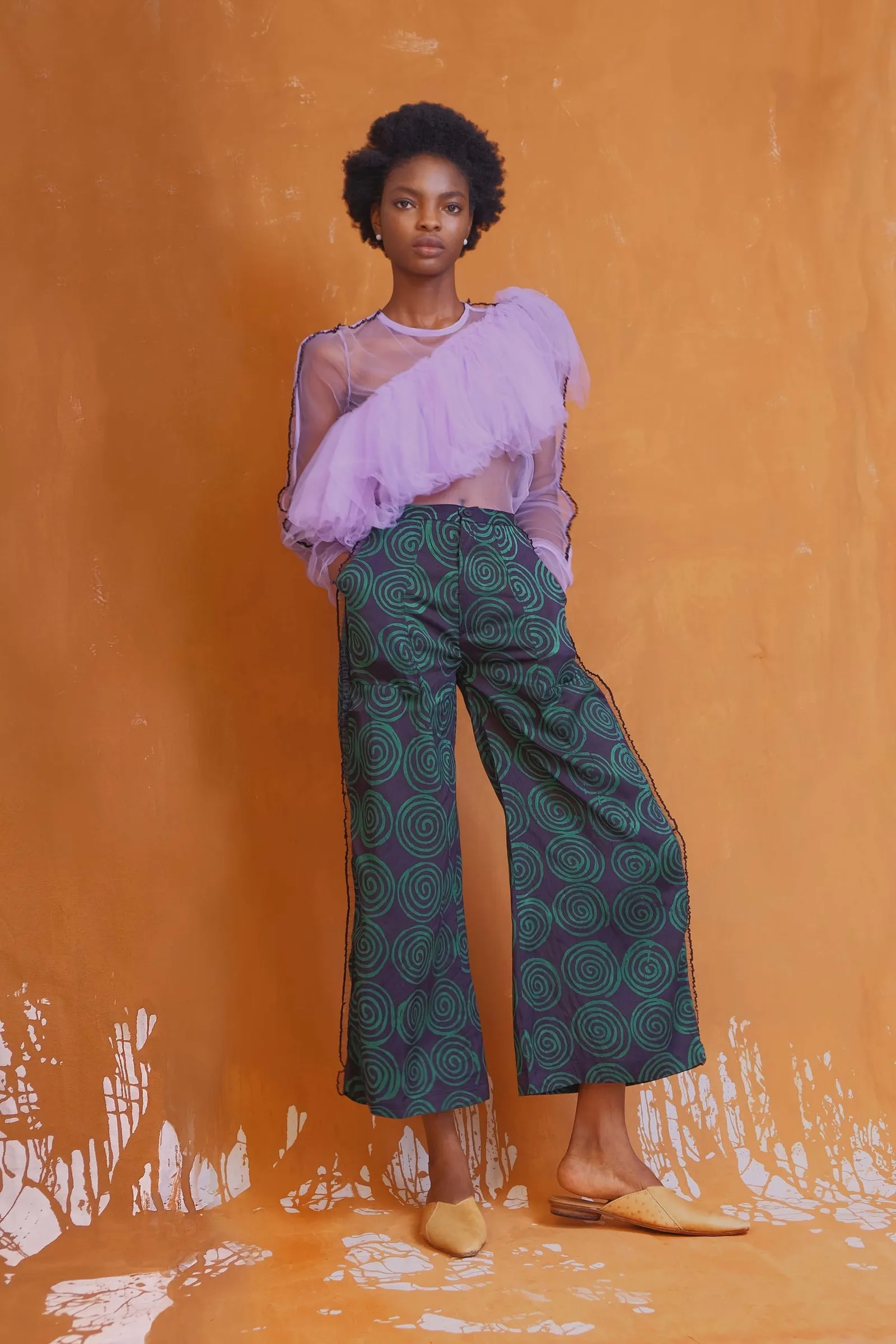
Method has shaped Maki Oh’s global recognition more than visibility. The brand’s commitment to technique, from hand-dyed textiles to deliberate construction, has positioned its work within international fashion spaces that value substance over spectacle. These processes communicate authenticity, allowing the garments to travel across cultural contexts without losing meaning.
By grounding contemporary silhouettes in indigenous methods, Amaka Osakwe created a design language that is legible beyond its point of origin. Editors, curators, and global audiences respond not to novelty but to the clarity of intention embedded in the work. The technique itself becomes the bridge, translating cultural specificity into universal relevance.
This approach has enabled Maki Oh to occupy global fashion conversations with quiet authority. Rather than adapting to external expectations, the brand maintains its identity through craft. In doing so, Maki Oh demonstrates how technique, when rooted in culture and executed with discipline, can establish a lasting global presence without dilution.
Milestones in the Evolution of Maki Oh.
The Buka Special collection marked a defining moment in the evolution of Maki Oh. Emerging from the close observation of women in buka shops, the collection translated everyday resilience and responsibility into garments shaped by intention. Rather than dramatising its source, the work distils lived experience into form, reinforcing the brand’s ability to transform cultural study into refined design language.
Beyond this pivotal collection, Maki Oh’s presentations at London Fashion Week signalled a broader global recognition. Showing within an international fashion capital affirmed the brand’s relevance beyond geography, positioning its culturally rooted techniques within a worldwide luxury context. These milestones reflect a practice built on discipline, observation, and consistency rather than momentary visibility.
Conclusion
Maki Oh demonstrates that fashion can function as a site of preservation as much as innovation. Through measured observation, technical clarity, and cultural responsibility, Amaka Osakwe has established a womenswear brand that translates heritage into contemporary relevance without compromise. The work remains composed, intentional, and grounded, allowing meaning to surface through design rather than declaration.
For Omiren Styles, Maki Oh represents a clear expression of where heritage shapes modern luxury. The brand’s journey confirms that global presence does not require cultural dilution, only conviction. By maintaining fidelity to origin while engaging international fashion spaces, Maki Oh continues to shape a narrative of African design defined by depth, authority, and longevity.
Frequently Asked Questions (FAQs)
1. Who is the designer behind Maki Oh?
Maki Oh was founded by Nigerian fashion designer and creative director Amaka Osakwe, whose work focuses on cultural research, craftsmanship, and modern womenswear.
2. What is Maki Oh known for?
The brand is known for translating African heritage and traditional textile practices into contemporary silhouettes, emphasising restraint, technique, and narrative depth.
3. What inspired the Buka Special collection
The Buka Special collection was inspired by the everyday strength and responsibility of women working in buka shops. Their discipline and resilience informed both the concept and execution of the designs.
4. How has Maki Oh gained global recognition?
Maki Oh’s dedication to technique and cultural integrity has shaped its global recognition. The brand’s presence at international fashion platforms reflects the universal clarity of its design.
5. Has Maki Oh ever showcased its collections at a major fashion week?
Yes. Maki Oh has presented collections at London Fashion Week, reinforcing its position within global fashion discourse while maintaining a strong cultural foundation.