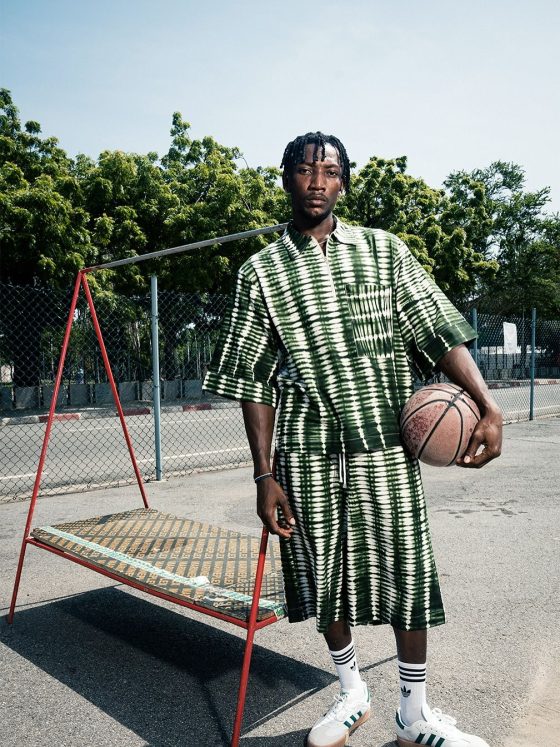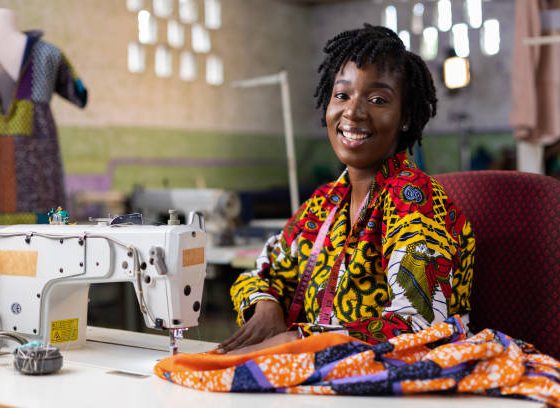
In the courtyards of old Arabian homes, hospitality was measured not only by food and space, but by appearance. A host received guests who were dressed with intention, clean, loose, and with dignity. Clothing was never loud; it was deliberate. Among these garments, one silhouette quietly crossed deserts, ports, and empires: the kaftan.
Today, the kaftan appears in Moroccan palaces, Sudanese weddings, and the royal courts of Northern Nigeria. Though its fabrics, embroidery, and names have changed, its essence remains: a garment designed for climate, culture, and respect.
As a writer, I traced how this Arabian robe became Africa’s most powerful fashion icon, exploring how trade, faith, hospitality, and local knowledge reshaped it along the way. You will learn how Arabian and African fashion traditions coexist, not through domination but through dialogue, and why the kaftan remains one of the most enduring garments in the history of African and Arabian lifestyles.
Let’s take a deep dive and explore the secret together.
From desert courts to African streets, the kaftan didn’t travel; it transformed. This is the story of how Africa turned a robe into a cultural institution.
A Kaftan is more than a Robe.
The kaftan is a long, loose-fitting garment, traditionally worn by men and women across parts of the Middle East, North Africa, and West Africa. Its defining features include:
- A relaxed silhouette
- Breathable construction suited for heat
- Minimal tailoring with symbolic decoration
- A balance between modesty and status
The word “kaftan” itself has roots commonly associated with Persian and broader Middle Eastern usage, later absorbed into Arabic-speaking regions, and means “robe.” What matters more than origin, however, is how the garment adapted wherever it landed.
Clothing as Knowledge in Arabian and African Societies
In both Arabian and African traditions, clothing served as social language, a symbol of modesty, and a medium for storytelling. A kaftan could also communicate and explain the:
- Religious observance
- Social status
- Occasion (daily life, prayer, ceremony)
- Respect for elders and guests
This shared philosophy made the kaftan highly transferable across cultures that valued meaning over spectacle.
Arabia: The Cultural and Climatic Foundation
Arabian fashion evolved under intense heat, open landscapes, and communal living. Loose garments like the kaftan were not aesthetic accidents; they were climate solutions. Airflow, sun protection, and mobility were central concerns.
Hospitality also shaped dress. In Arabian culture, receiving a guest was a moral duty. A host’s clothing needed to reflect:
- Cleanliness
- Modesty
- Dignity
The kaftan answered all three.
Trade Routes and Cultural Transmission
Arabian merchants travelled extensively across:
- The Red Sea
- The Indian Ocean
- Trans-Saharan trade routes
Alongside spices, textiles, and ideas, clothing styles moved with traders, scholars, and pilgrims. The kaftan did not arrive in Africa as a finished product; it came as a concept, open to interpretation.
The Kaftan in the Sahel and the Arabian Peninsula didn’t just coexist by accident; it was the result of trade, faith, transportation, and desert adaptation.
Morocco: Royal Craft and Urban Refinement
From Trade to Court Culture
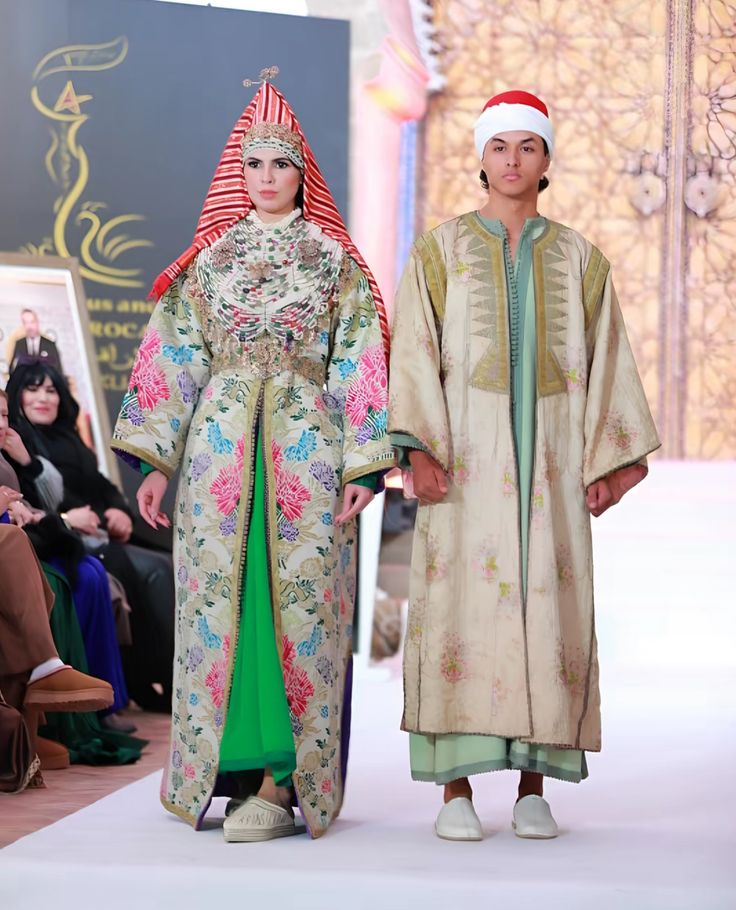
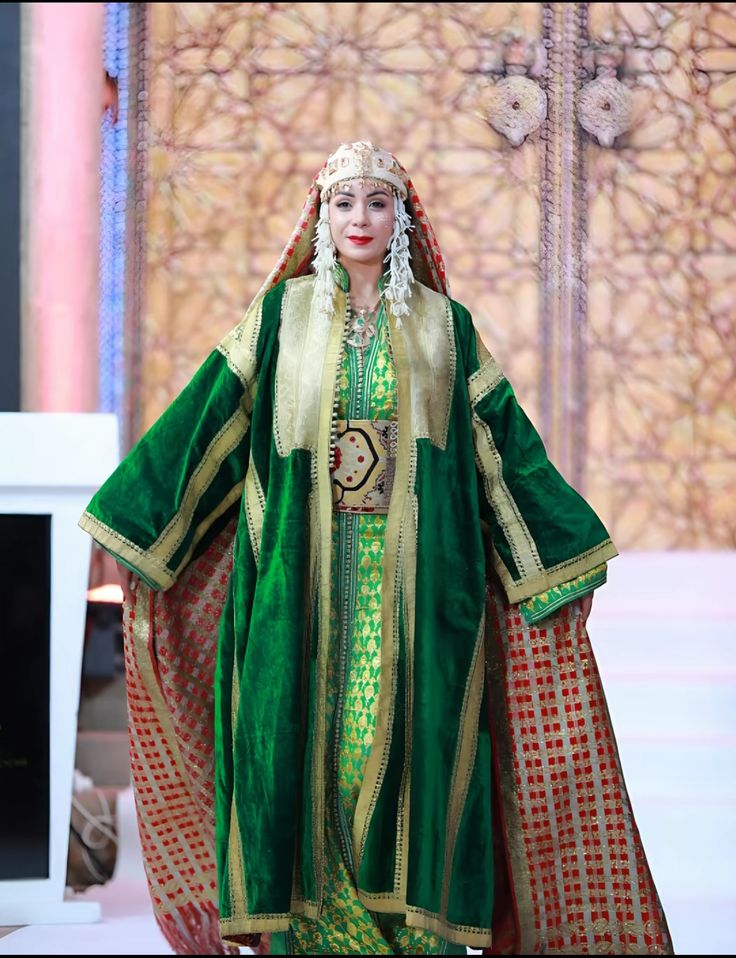
Morocco’s position at the crossroads of Arab, Amazigh (Berber), Andalusian, and sub-Saharan African worlds made it a fertile ground for textile innovation. The kaftan here evolved into a court garment, associated with royalty, urban elites, and ceremonial life.
Moroccan kaftans became known for:
- Luxurious fabrics (silk, velvet)
- Intricate embroidery (sfifa, maâlem craftsmanship)
- Structured layering, sometimes worn with belts
While inspired by Arabian garments, Morocco’s kaftan reflected local craftsmanship and social hierarchy.
Kaftan and Moroccan Hospitality
In Moroccan homes, especially during weddings and religious celebrations, the kaftan plays a role in honouring guests. Dressing well is a form of respect, an extension of hospitality.
Here, fashion is not individual performance; it is collective dignity.
Sudan: Simplicity, Spirituality, and Continuity
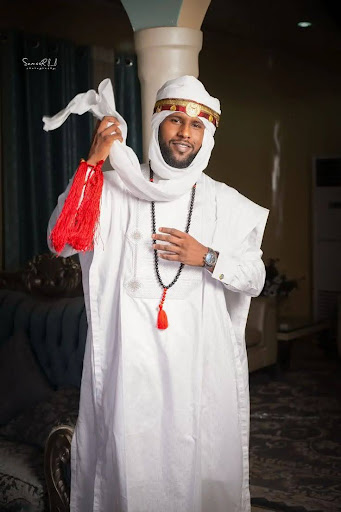
The Kaftan in the Sudanese Lifestyle
Sudan represents a quieter chapter in the kaftan’s journey, less documented globally but deeply significant. Sudan’s dress traditions emphasise:
- Loose silhouettes
- Light fabrics
- Spiritual modesty
The kaftan aligns naturally with these values, especially among scholarly and religious communities [to be verified].
Unlike the Moroccan kaftan’s ornamentation, Sudanese expressions tend to favour restraint, reflecting a lifestyle where clothing supports daily life rather than announces wealth.
Cultural Exchange Along the Nile and Red Sea
Sudan’s historical connections with Arabia, through pilgrimage routes and Red Sea trade, facilitated cultural exchange. The kaftan’s adoption here reflects shared values, not imitation.
Northern Nigeria: Authority, Identity, and Adaptation
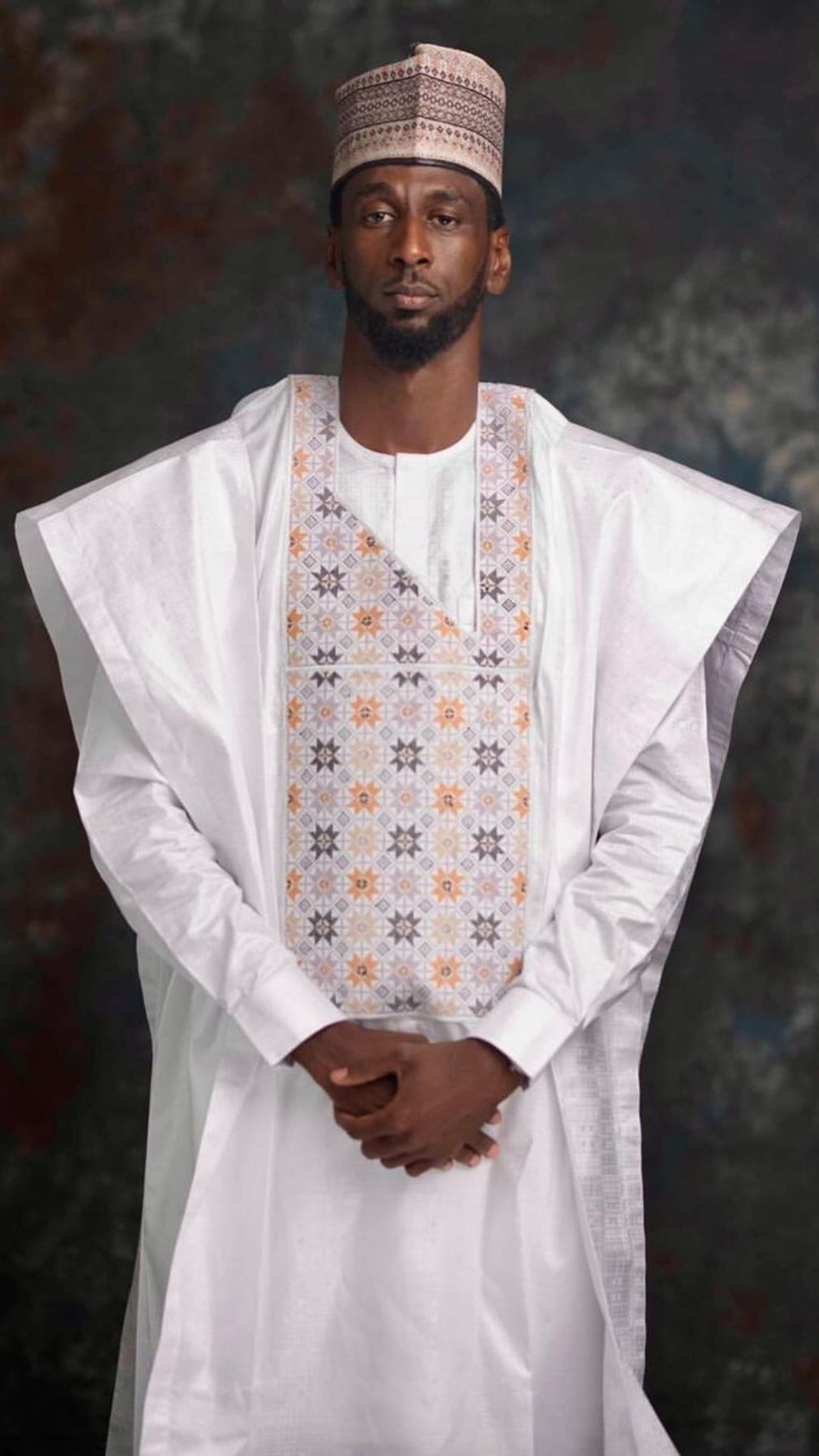
In Northern Nigeria, the kaftan did not arrive quietly; it came with scholarship, trade, and spiritual authority. Carried across desert routes by scholars, traders, and pilgrims, the Arabian kaftan entered a society where clothing already spoke powerfully about status, faith, and belonging. What followed was not imitation but transformation. Northern Nigeria did not borrow the kaftan; it re-authored it, turning a foreign robe into an intensely local language of dignity, leadership, and identity.
Power Draped in Fabric: How the Kaftan Became a Symbol of Authority
In cities like Kano, Katsina, Zaria, and Sokoto, the flowing silhouette of the Arabian kaftan found immediate resonance with existing traditions of courtly dress. Emirs, judges, scholars, and elders adopted the garment not simply for its elegance, but for what it communicated: restraint, moral authority, and command without excess. Over time, the kaftan evolved into the babban riga, layered over tunics and trousers, becoming ceremonial armour in cloth—the wider the sleeves, the heavier the embroidery, the deeper the prestige.
How Modesty and Identity Shaped the Northern Nigerian Style
The Arabian kaftan’s loose structure aligned naturally with Islamic ideals of modesty, making its adoption feel spiritual as much as sartorial. Northern Nigerian tailors softened the silhouette for heat, introduced breathable cottons, and adapted embroidery patterns to Hausa symbolism. The result was clothing that honoured faith while affirming local identity: garments worn to mosques, weddings, naming ceremonies, and Friday gatherings, where cloth became a declaration of belonging and belief.
From the Imported icon to the Northern Nigerian Identity
Rather than preserving the kaftan in its Arabian form, Northern Nigeria transformed it through texture, tailoring, and storytelling. Gold-thread chest embroidery became bolder, sleeves grew wider, and robes were layered for visual gravitas. What emerged was not a replica but a reinvention, a garment that carried Arabian ancestry while speaking fluent Hausa culture. The kaftan did not simply survive in Northern Nigeria; it became Nigerian, woven into leadership, masculinity, ceremony, and everyday elegance.
Here, the kaftan is no longer a foreign fabric. It is an authority you can wear.
ALSO CHECK OUT:
- Arab–Swahili Fashion Heritage: The Role of Omani Traders in Zanzibar and Mombasa
- Threads of the Desert: How Arab Thobes Shaped Sahelian Men’s Outfits
- Why Modesty Became Power: The Cultural Significance of Loose Clothing for Afro-Arab Women
Kaftan as Lifestyle, Not Costume
Everyday Wear vs Ceremony
Across regions, the kaftan functions on a spectrum:
- Simple cotton versions for daily life
- Decorated versions for prayer, festivals, weddings
This adaptability explains its longevity. It is not frozen in time; it moves with life.
Modern Fashion and Cultural Responsibility
In contemporary fashion, kaftans appear on runways and social media. While visibility is welcome, context matters. Without cultural understanding, the kaftan risks becoming a costume rather than a culture.
At Omiren Styles, we emphasise fashion as knowledge, understanding where garments come from and what they mean to the people who wear them.
The kaftan’s journey from Arabia to Morocco, Sudan, and Northern Nigeria is not a story of cultural dominance; it is a story of mutual understanding. Across deserts, ports, and empires, people recognised something familiar in its form: respect for climate, faith, and community.
In a world increasingly driven by fast fashion, the kaftan reminds us that true style is slow, intentional, and rooted in knowledge.
At Omiren Styles, we tell these stories to preserve more than aesthetics. We preserve memory, hospitality, and the quiet wisdom woven into cloth.
Enjoy more in-depth stories on Arabian and African fashion, lifestyle, and history at Omiren Styles because we believe fashion is not just a garment but an iconic symbol of dignity, respect, and historical reflection.
FAQs
1. Is the kaftan originally Arabian or African?
The kaftan has roots in the broader Middle Eastern region and was later adopted and adapted across North and West Africa through trade, faith, and cultural exchange.
2. Why is the kaftan worn every day in Morocco and Northern Nigeria?
Both regions had strong historical links to Arabian trade routes and Islamic scholarship, which facilitated cultural transmission.
3. Are Moroccan and Nigerian kaftans the same?
No. While they share a loose silhouette, Moroccan kaftans emphasise court craftsmanship, whereas Nigerian versions highlight bold embroidery and Sahelian practicality.
4. Is the kaftan religious clothing?
The kaftan is not religious clothing, but it aligns well with the common spiritual values of modesty and dignity in Islamic societies.
5. Why has the kaftan survived modern fashion changes?
Because it is climate-smart, culturally meaningful, and adaptable to both everyday life and ceremony.