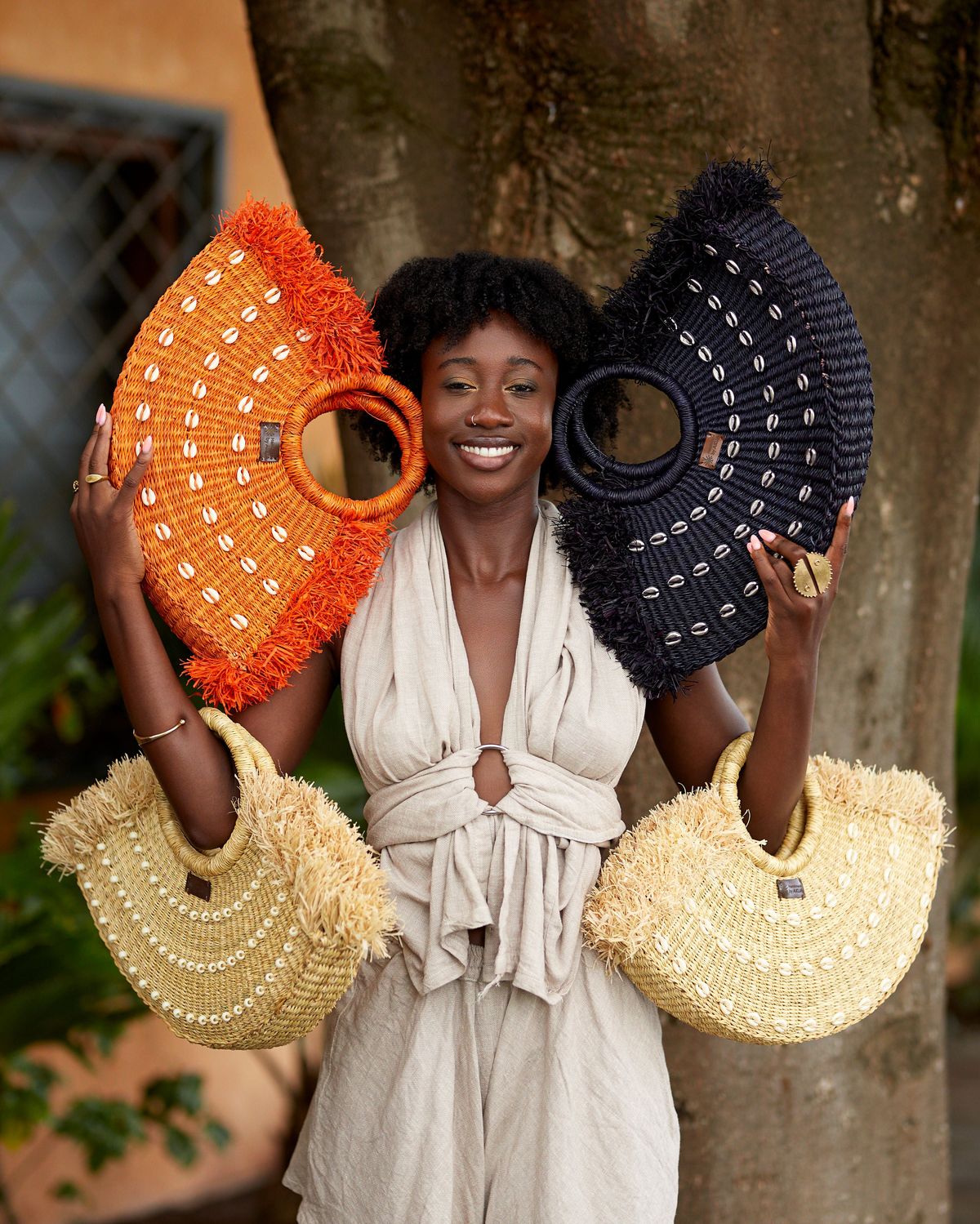
There is a quiet tension shaping fashion and culture right now. The world is moving faster than ever, yet the things holding people’s attention are slowing down.
Handmade objects sit at the centre of that shift. Not because they are new, but because they resist the logic of speed. They carry time in a way that mass production cannot hide. Every stitch, every weave, every detail insists that someone was present.
In many African contexts, this is not a rediscovery. Craft never disappeared. It continued in homes, in markets, and in communities where skill is passed hand to hand, not rebranded as innovation.
What has changed is how the world views it.
Handmade feels radical today because it reveals something uncomfortable. The systems that promised convenience also erased connection. And now, there is a growing desire to feel that connection again, not as nostalgia, but as something necessary.
From African ateliers to global studios, handmade craft is reshaping value, labour, and luxury in today’s fast-paced world.
A Reaction to a World That Moved Too Fast
The rise of the handmade is often attributed to a preference for authenticity. That explanation is too soft. What is happening is closer to fatigue.
For years, global production has been optimised for efficiency. Clothes became faster to make, cheaper to buy, and easier to discard. But something was lost in that process. Not just quality, but connection.
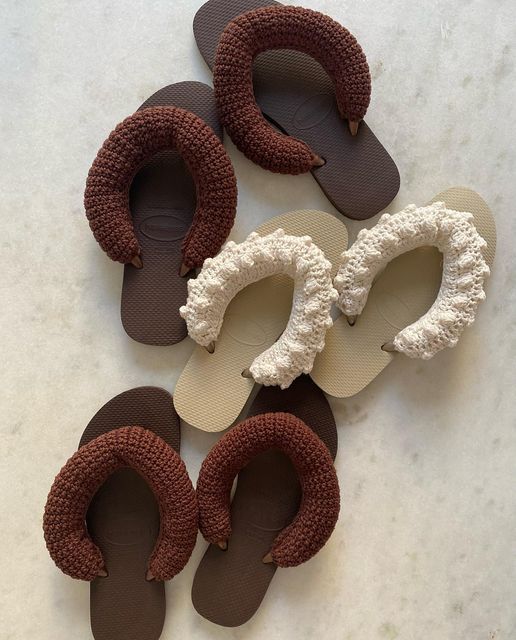
Handmade objects interrupt that cycle. They demand patience from the maker and awareness from the buyer. You can see the difference. You can feel it.
That difference is what people are responding to. Not perfection, but presence.
Africa as Reference Point, Not Footnote
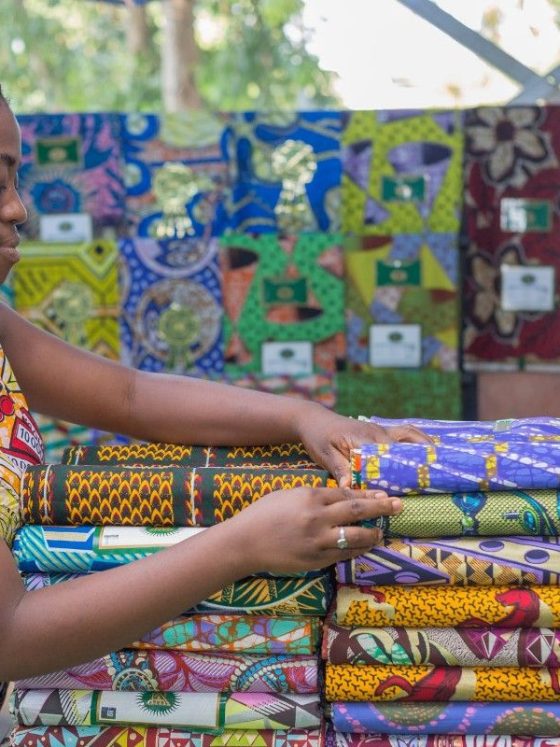
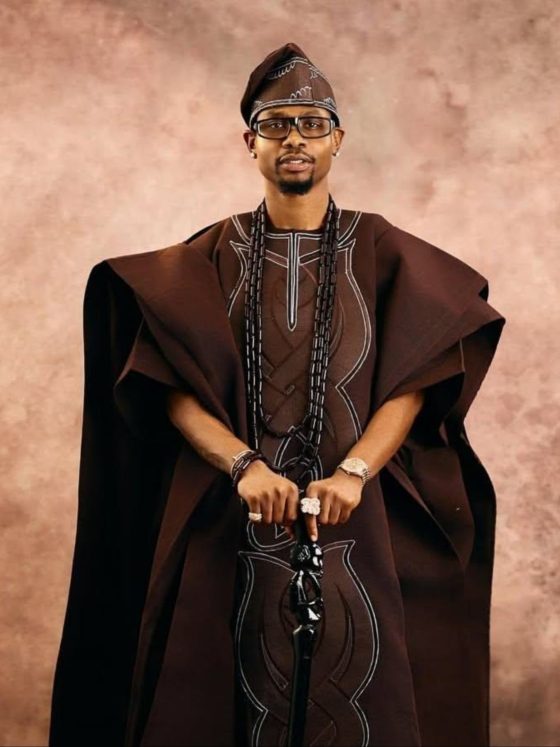
Across much of Africa, craft was never abandoned. Textile traditions like adire in Nigeria or kente in Ghana did not disappear and return. They adapted, sometimes quietly, sometimes under pressure, but they remained.
What is happening now is not a rediscovery of craft but a revaluation of it.
Designers and consumers globally are beginning to understand that these practices are not decorative extras. They are systems of knowledge. They carry information about the environment, identity, and social structure.
A dyed fabric is not just a colour. It reflects access to materials, methods of preservation, and even belief systems. A woven basket is not just storage. It encodes technique, rhythm, and community.
Craft as Work, Not Hobby
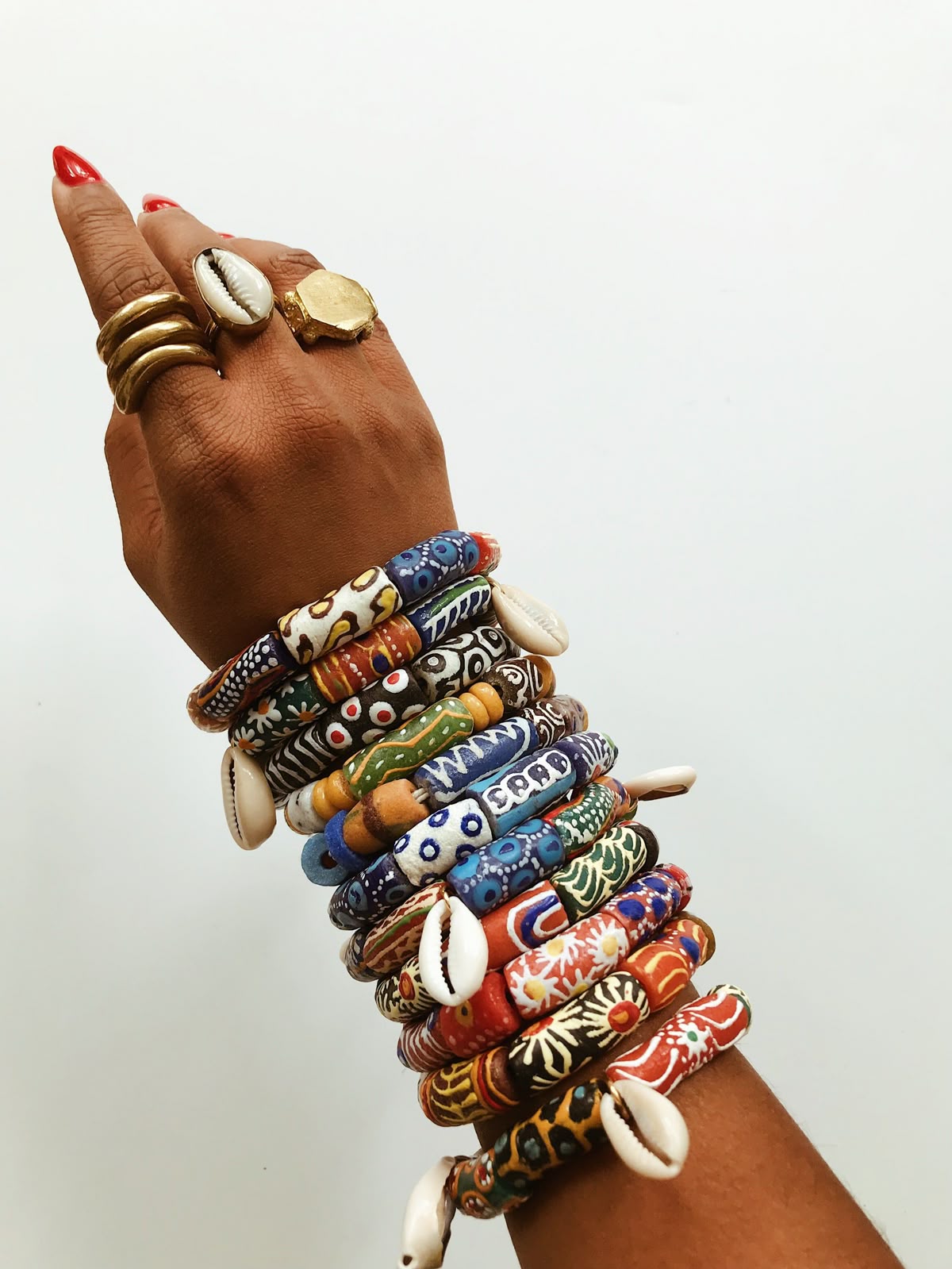
There is a tendency, especially in global conversations, to soften craft into something sentimental. A hobby. A lifestyle choice. That framing erases labour.
In many African contexts, craft is work. It is income, survival, and increasingly, ownership.
Women dominate large parts of this ecosystem. From beadwork to weaving to dyeing, their skills have long sustained households and communities. What is changing now is visibility and control.
With access to digital platforms, artisans are no longer limited to local markets. They can set prices, tell their stories, and reach buyers directly. The shift is not just economic. It is a narrative.
They are no longer anonymous producers. They are authors of their work.
Redefining Luxury Through Skill and Story
Luxury has long been defined by distance. Distance from the ordinary, from accessibility, from labour. The less visible the process, the higher the perceived value.
That definition is being challenged.
Today, there is growing interest in knowing who made something, how long it took, and what techniques were used. Skill is becoming visible again, and with that visibility comes a new understanding of value.
In this context, a handwoven textile or a beaded piece is not “simple”. It is complex in a different way. It carries time, attention, and inherited knowledge.
Luxury is shifting from branding to meaning. From logos to lineage.
Beyond Sustainability Language
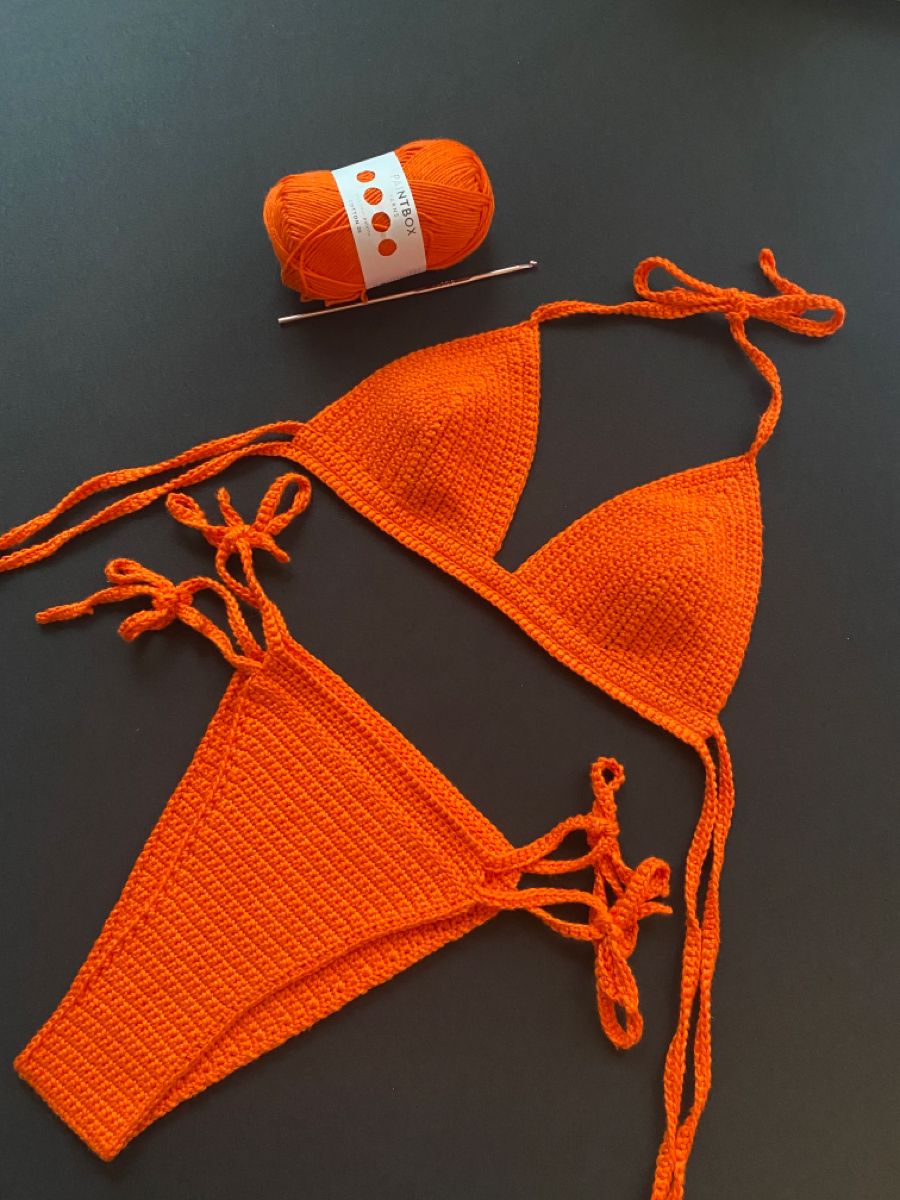
Global fashion often frames handmade in environmental terms. While that conversation is valid, it is incomplete.
Many African craft systems have always operated with restraint. Materials are sourced locally. Waste is minimised not as a trend, but as a necessity. Items are made to last, repaired when needed, and passed down.
This is not innovation. It is continuity.
Framing these practices only through modern environmental terms risks misunderstanding them. They are not responses to a crisis. They are systems that existed before the crisis was named.
Diaspora as Connector, Not Symbol
The role of the diaspora is often reduced to representation. But its impact is more structural.
Diaspora communities act as bridges. They create pathways between local production and global markets. They fund, collaborate, reinterpret, and expand.
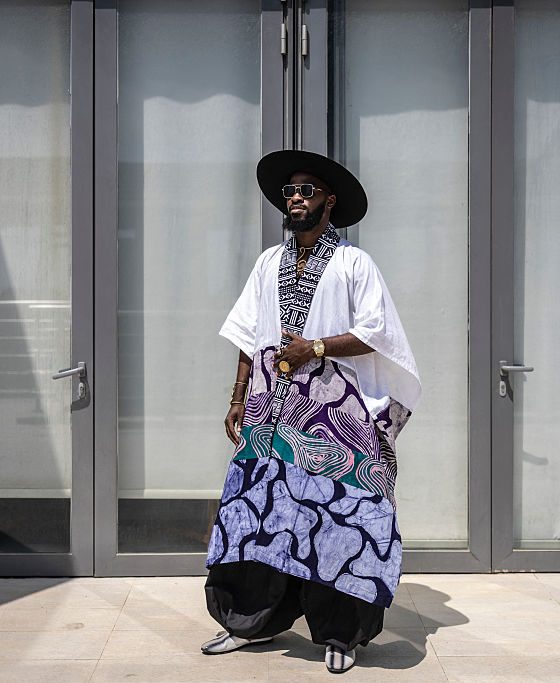
Designers working across cities like Lagos, London, and New York are not simply blending aesthetics. They are building networks. They are positioning African craft within global systems without detaching it from its origin.
This is not about visibility alone. It is about access and control.
READ ALSO:
- Why the Fabric You Choose Is the Most Important Fashion Decision You Will Ever Make
- The invincible Woman: Sustainable Luxury Fragrance for the Omiren Woman
- Pleats Speak: How Folded Fabric Became a Language of Movement and Power
Why It Matters Now
Handmade feels radical because it exposes the cost of everything we have normalised.
It reminds us that speed has consequences. That invisibility of labour is a choice. That value is not fixed but constructed.
When people choose handmade, they are not just buying differently. They are thinking differently about time, about work, about culture.
And that shift, even if quiet, is significant.
Conclusion
The conversation around craft is often framed as a return to the past. That framing misses the point.
This is not about going back. It is about seeing clearly.
What was once dismissed as traditional is being recognised as intelligent. What was once overlooked is being centred. Not because it changed, but because perception did.
Handmade is not radical on its own. It becomes radical in a world that forgot how to value what it represents.
And in that sense, this moment is less about craft rising and more about the world recalibrating.
5 FAQs
1. Why does handmade feel important again today?
Because it offers connection, visibility of labour, and meaning in contrast to fast, impersonal production systems.
2. How does African craft shape global fashion?
It provides techniques, materials, and cultural frameworks that influence how fashion understands value, identity, and production.
3. Is handmade only about sustainability?
No. While it often involves low-waste practices, it is also about culture, labour, history, and storytelling.
4. What role do women play in craft industries?
Women are central as producers and increasingly as business owners, shaping both the economic and cultural direction of craft.
5. How is luxury changing because of craft?
Luxury is shifting from brand visibility to skill, time, and story, placing craftsmanship at the centre of value.