Fashion has long been mapped through capitals: Paris, Milan, and London. The movement of garments has traditionally followed a single direction — raw materials extracted in one place, transformed elsewhere, and validated far away. What Hamaji Studio proposes is a different geography altogether.
Based in Nairobi and founded by Louise Somerlatte, Hamaji operates more like a living route than a brand anchored to one city. Its name, drawn from the Swahili word for nomad, reflects not aesthetic drift but intentional movement between Kenyan weaving communities, Indian textile artisans, and international fashion platforms such as Berlin Fashion Week.
The result is not fashion built on borders. It is fashion, built on passage.
Hamaji Studio reimagines fashion through global craft systems, linking Kenyan weavers, Indian artisans, and Berlin runways with quiet authority.
Design as Coordination, Not Fusion
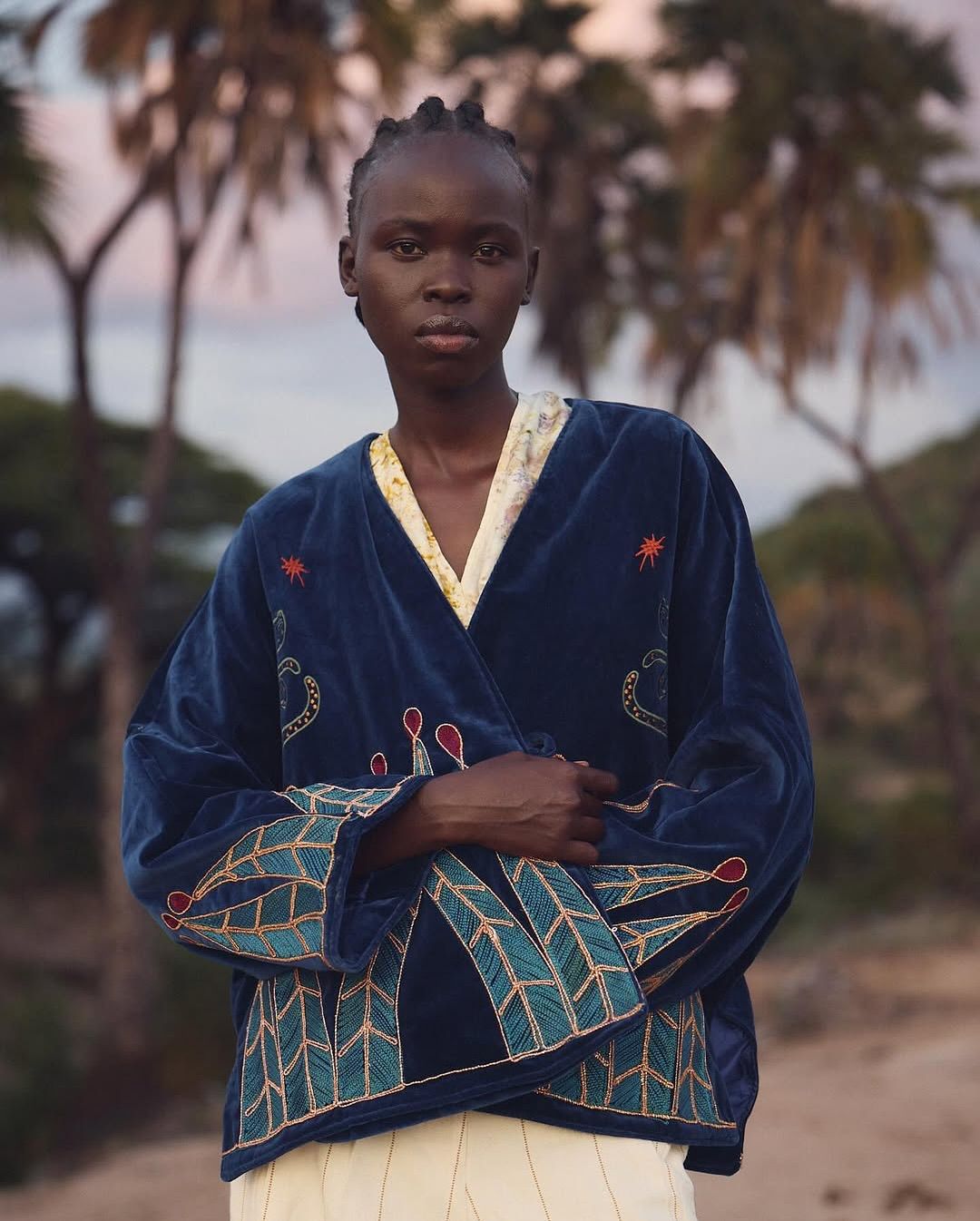
Hamaji is often described as blending East African and Asian craft, but “fusion” is too imprecise a word. Fusion suggests flattening. Hamaji does the opposite.
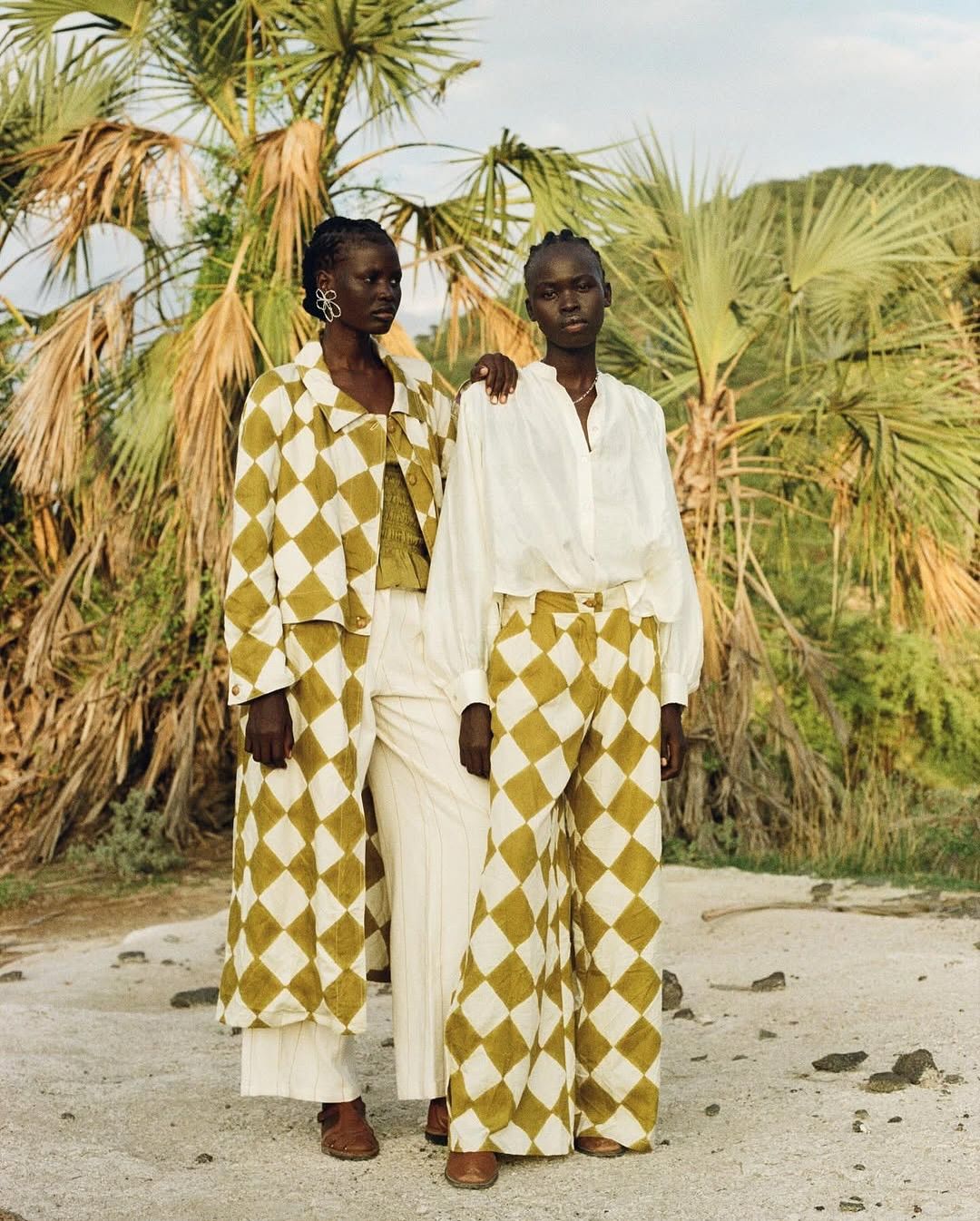
Kenyan cotton retains its texture and density. Indian silks maintain their fluidity and technical specificity. Botanical dyes behave differently across surfaces, and the garments are designed to preserve those differences. Nothing is disguised as sameness.
The clothes feel composed rather than combined. Each fabric knows its origin.
This approach positions Hamaji not as a stylistic experiment but as a coordinator of craft systems, a brand that understands fashion as an act of alignment rather than dominance.
From Loom to Garment: A Cooperative Supply Chain
Hamaji’s supply chain is not just ethical in intent; it is also legible in its structure.
Across Kenya, the brand collaborates with weavers who work within established textile traditions. These are not anonymous production units; they are contributors whose techniques inform the final design. In India, Hamaji works with artisans skilled in silk weaving and specialised textile finishing, engaging centuries-old expertise without reducing it to aesthetic shorthand.
What’s notable is how these relationships are maintained. Hamaji does not centralise production in one location. It allows materials to be made where knowledge already exists, then brings them together through design.
This decentralisation resists the fashion industry’s habit of efficiency at the expense of agency.
Silhouette as Restraint
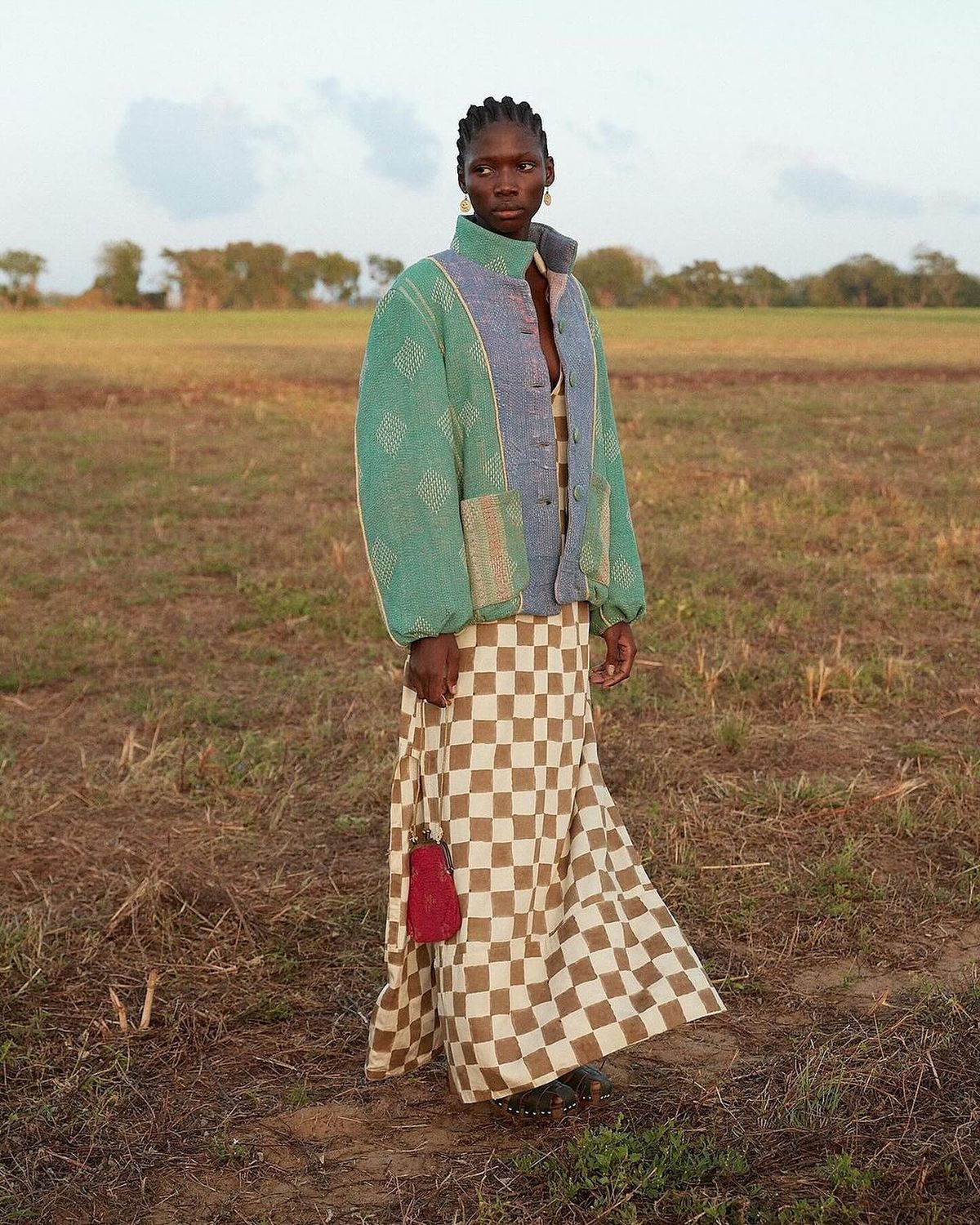
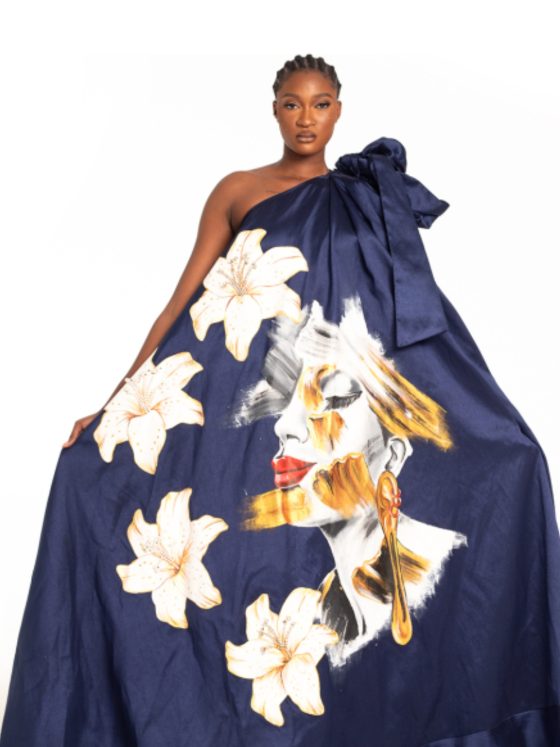
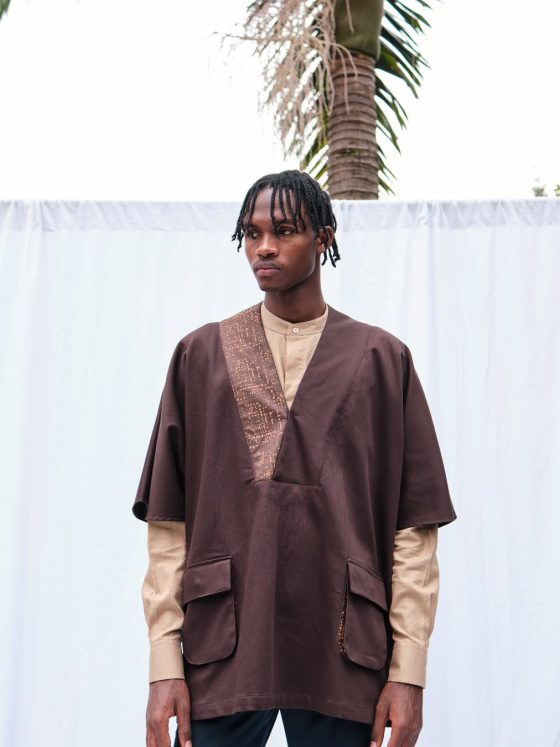
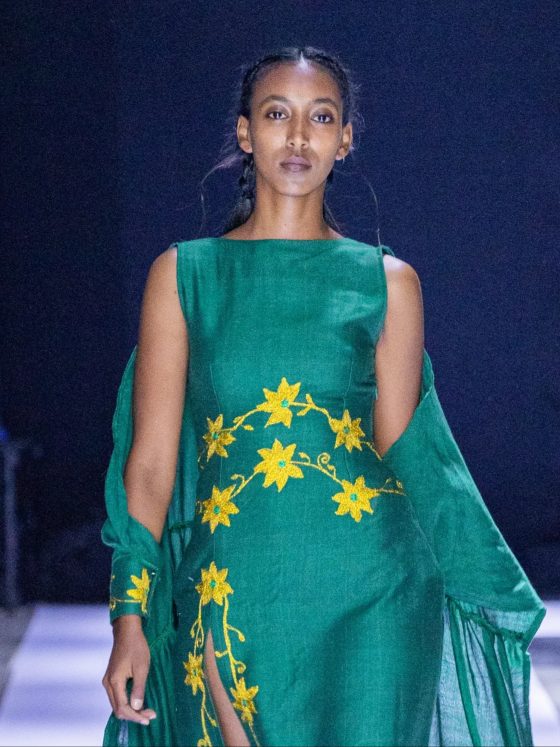
Hamaji’s silhouettes are deliberately understated. Jackets, dresses, and layered garments are cut to emphasise fabric movement and structure rather than trend-driven shapes.
This restraint is not minimalism for its own sake. It is a design choice that keeps the material as the protagonist. Botanical dyes and upcycled fabrics carry visual depth without requiring excess detail.
The garments feel calm. They do not perform urgency. In a fashion culture increasingly driven by acceleration, this refusal to rush becomes a statement in itself.
Upcycling Without Spectacle
‘Upcycling’ has become a fashionable word, often accompanied by visual excess or conceptual explanation. Hamaji treats it differently.
Upcycled fabrics are quietly integrated into collections rather than highlighted as a novelty. The intention is not to announce sustainability but rather to normalise it. Waste becomes material, material becomes clothing, and the cycle continues without drama.
This approach reinforces Hamaji’s central philosophy: sustainability is not a narrative layer — it is a design condition.
Berlin Fashion Week and Strategic Visibility
Hamaji’s presentation at Berlin Fashion Week marked a critical moment, not because it signalled arrival, but because it demonstrated placement.
Berlin, known for its emphasis on experimental design and alternative luxury, provided a context that allowed readers to interpret Hamaji’s garments without resorting to exoticism. Buyers and editors encountered clothing whose value was legible through construction and coherence, not explanation.
What travelled from Nairobi to Berlin was not just a product but a process.
The garments carried their supply chain with them, visible in texture, weight, and finish. This is how Hamaji resists being classified as “ethical fashion from Africa” and instead positions itself as contemporary global fashion with depth.
A Brand Built on Movement

Hamaji’s nomadism is not romantic. It is logistical.
The brand moves because fashion itself is in motion. It responds to shifting conversations about labour, sustainability, and authorship. Rather than anchoring itself to a single narrative, Hamaji builds relevance through adaptability.
This adaptability does not dilute identity. It sharpens it.
Hamaji’s identity lies in its ability to hold multiple geographies at once without collapsing them into a single aesthetic.
Read also:
- Nao Serati and the Intelligence of Urban Dressing
- Nao Serati and the Intelligence of Urban Dressing
- Bazin Riche in Senegalese Fashion: History, Meaning, and Cultural Significance
Why Hamaji Matters Now
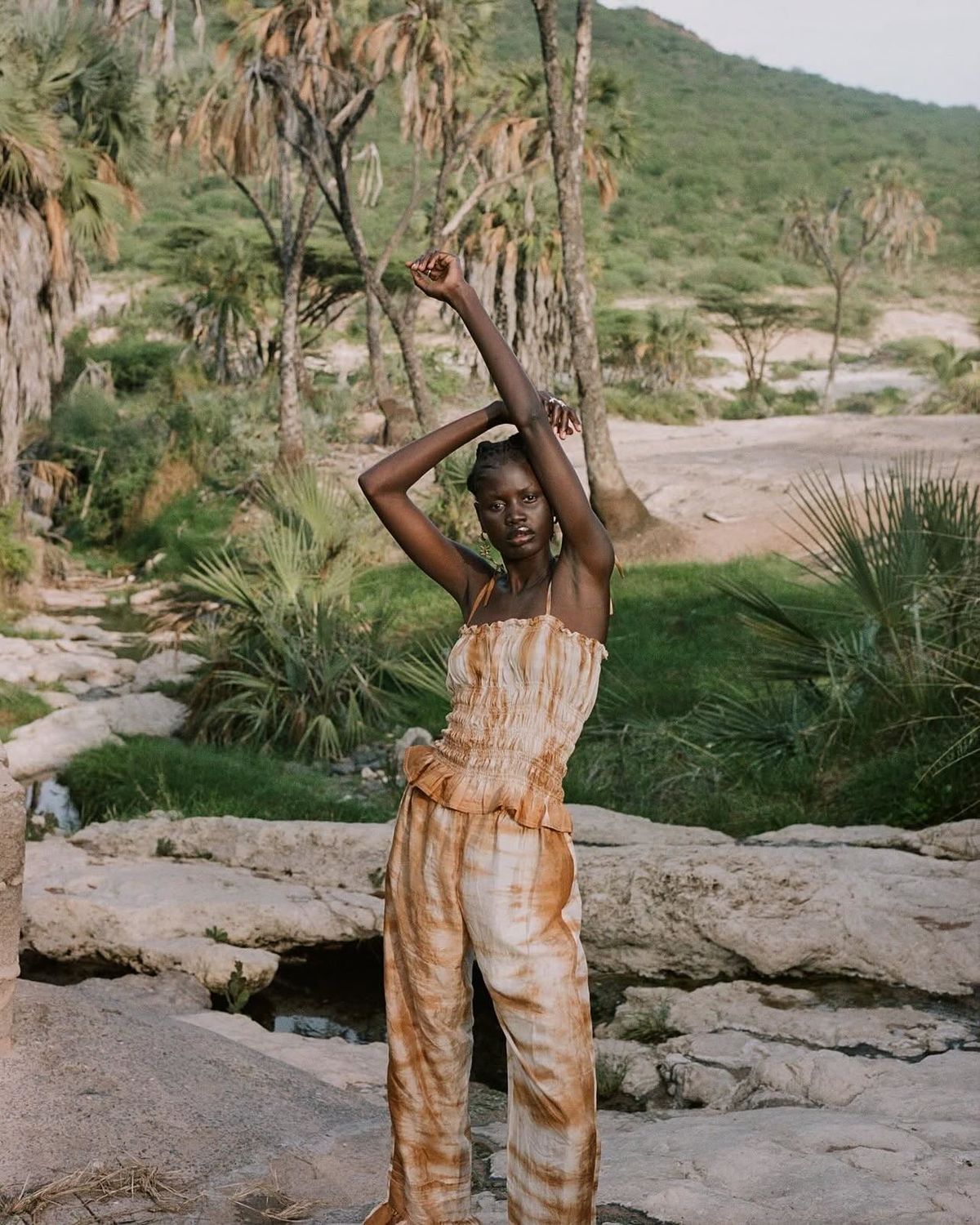
As the global fashion industry reassesses its production models, brands like Hamaji offer a working alternative. This is not a utopian solution, but rather a functional system.
It shows how:
- decentralised craft networks can scale
- Sustainability can exist without spectacle.
- African-based brands can lead global conversations.
- Fashion can move without erasing its origin.
This is not the future of fashion imagined abstractly. It is the future already in practice.
Celebrate innovative design rooted in culture — browse African Fashion Designers on OmirenStyles.
Frequently Asked Questions
- What is Hamaji Studio?
Hamaji Studio is a Nairobi-based fashion brand operating across Kenya and India, producing handwoven garments rooted in craft and sustainability.
- Who founded Hamaji Studio?
Designer Louise Somerlatte founded the brand.
- What materials does Hamaji use?
Hamaji works with Kenyan cottons, Indian silks, botanical dyes, and upcycled fabrics.
- Has Hamaji shown internationally?
Yes, Hamaji has presented its collections at Berlin Fashion Week.
- Why is Hamaji important in African fashion?
It demonstrates how African-based brands can build ethical, global supply chains without erasing craft or identity.