Menu
  • AFRICA
    • African Fashion
    • African Designers
    • Textiles & Craft
    • Heritage Clothing
    • Made in Africa
    • Regional Style
  • DIASPORA
    • Diaspora Voices
    • Diaspora Connects
    • UK Scene
    • US Scene
    • Caribbean Diaspora
    • Afro-Latino Identity
    • Migration & Identity
  • CULTURE
    • Style & Identity
    • Ceremony & Ritual
    • Art & Music
    • Cultural Inspirations
    • Black Culture
    • Heritage Stories
  • FASHION
    • Trends
    • Street Style
    • Runway
    • Sustainable Fashion
    • Tailoring
    • Luxury Fashion
  • INDUSTRY
    • Editorial Intelligence
    • Market Trends
    • Brand Strategy
    • Retail & Commerce
    • Partnerships
    • Reports
    • Insights
  • BEAUTY
    • Skincare
    • Makeup
    • Hair & Hairstyle
    • Fragrance
    • Beauty Traditions
    • Natural Beauty
  • MEN
    • Men’s Style
    • Grooming Traditions
    • Traditional & Heritage
    • The Modern African Man
    • Menswear Designers
  • WOMEN
    • Women’s Style
    • Evening Glam
    • Workwear & Professional
    • Streetwear for Women
    • Accessories & Bags
    • Bridal
  • NEWS
    • Cover Stories
    • Fashion Weeks
    • Opinion & Commentary
    • Style Icons
    • Rising Stars
  • DIRECTORY
    • Designers
    • Brands
    • Boutiques
    • Stylists
    • Models
    • Photographers
    • Creative Teams
    • Events
    • Production
    • Materials & Suppliers
Omiren Magazine Partner With Us Advertise Style Index
Subscribe
OMIREN STYLES OMIREN STYLES

Fashion · Culture · Identity

OMIREN STYLES OMIREN STYLES OMIREN STYLES OMIREN STYLES
  • AFRICA
    • African Fashion
    • African Designers
    • Textiles & Craft
    • Heritage Clothing
    • Made in Africa
    • Regional Style
  • DIASPORA
    • Diaspora Voices
    • Diaspora Connects
    • UK Scene
    • US Scene
    • Caribbean Diaspora
    • Afro-Latino Identity
    • Migration & Identity
  • CULTURE
    • Style & Identity
    • Ceremony & Ritual
    • Art & Music
    • Cultural Inspirations
    • Black Culture
    • Heritage Stories
  • FASHION
    • Trends
    • Street Style
    • Runway
    • Sustainable Fashion
    • Tailoring
    • Luxury Fashion
  • INDUSTRY
    • Editorial Intelligence
    • Market Trends
    • Brand Strategy
    • Retail & Commerce
    • Partnerships
    • Reports
    • Insights
  • BEAUTY
    • Skincare
    • Makeup
    • Hair & Hairstyle
    • Fragrance
    • Beauty Traditions
    • Natural Beauty
  • MEN
    • Men’s Style
    • Grooming Traditions
    • Traditional & Heritage
    • The Modern African Man
    • Menswear Designers
  • WOMEN
    • Women’s Style
    • Evening Glam
    • Workwear & Professional
    • Streetwear for Women
    • Accessories & Bags
    • Bridal
  • NEWS
    • Cover Stories
    • Fashion Weeks
    • Opinion & Commentary
    • Style Icons
    • Rising Stars
  • DIRECTORY
    • Designers
    • Brands
    • Boutiques
    • Stylists
    • Models
    • Photographers
    • Creative Teams
    • Events
    • Production
    • Materials & Suppliers
Uncategorized

How African Designers Lead the New Era of Structural Minimalism

  • Faith Olabode
  • November 30, 2025
How African Designers Lead the New Era of Structural Minimalism
Total
0
Shares
0
0
0

Luxury fashion often emphasises bold, maximalist styles, yet true sophistication now lies in restraint. A new approach is emerging in Africa, where designers use structural design to highlight essential forms. They draw inspiration from the clean lines of traditional architecture. This is more than Western minimalism; it is a philosophy where every detail reflects cultural knowledge. Designers are transforming the shapes of earthen buildings and the flowing style of traditional robes into contemporary clothing. This Afrofuturist style shows that the strongest fashion statements come from intention, volume, and a deep connection to heritage.

African designers are redefining global minimalism. Explore how structural tailoring, Afrofuturist concepts, and ancestral architecture are leading a new aesthetic.

The New Afro-Minimalist Aesthetic
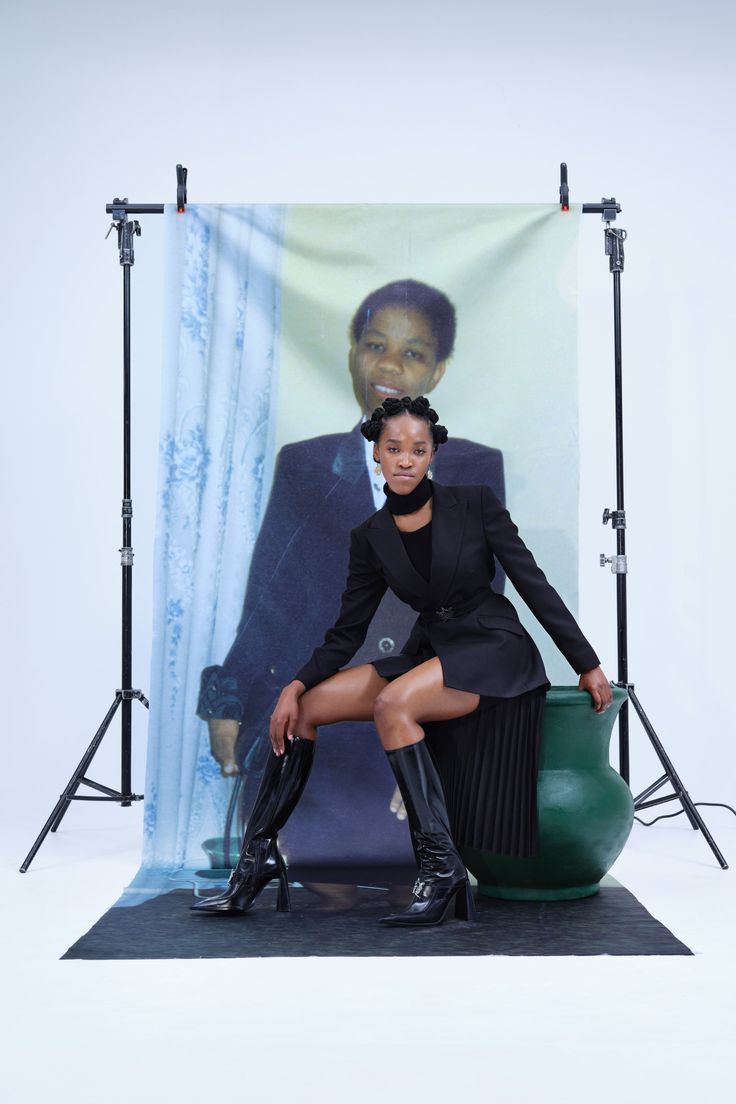
Thebe Magugu structural tailoring, showcasing a sharply defined blazer and sophisticated, contemporary African design.

The shift from print-heavy design is evident. The new Afro-Minimalist style is not about emptiness, but about purposeful volume and structure. Here, fabric is used more like an architectural material than a simple textile. This approach draws on ancestral garments, such as the spacious Babbar Riga and the sharply pleated Aso-Oke, to create clothes that feel both grand and easy to wear.

This is where real Afrofuturism appears, blending tradition with clean, modern lines. Thebe Magugu, a South African Louis Vuitton Moët Hennessy (LVMH) Prize winner, shows this by making what he calls “wearable relics.” He uses careful tailoring and sharp shapes to weave South African political and cultural stories into modern, practical clothes.

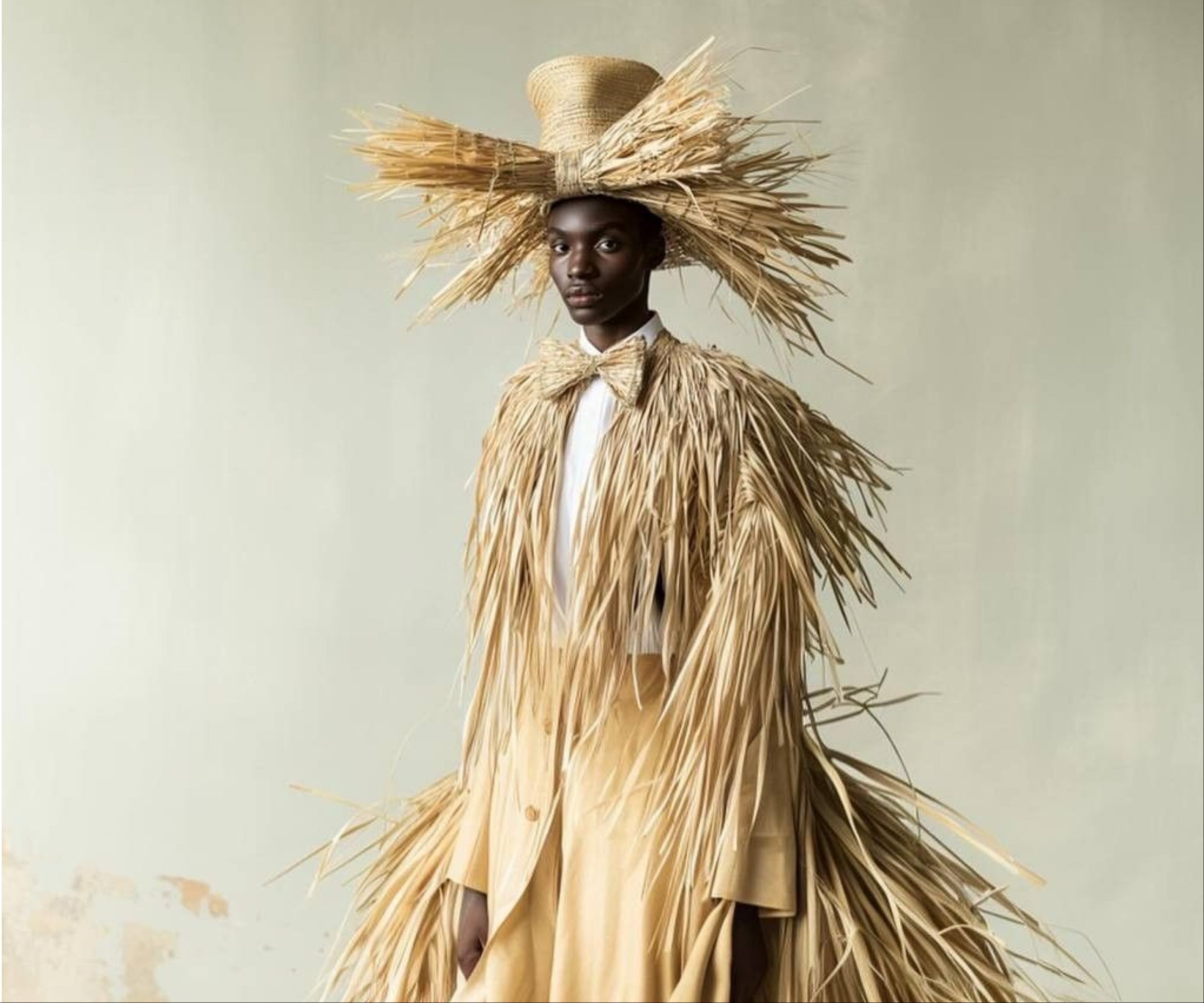
Similarly, IAMISIGO, a design house based in Lagos, Nairobi, and Accra, takes “slow design” further by turning materials such as raffia and PVC waste into abstract, structured pieces that reflect cultural knowledge and global artistic influence. IAMISIGO’s rise from Lagos Fashion Week to Copenhagen Fashion Week. These designers use structure to tell a story, showing that true luxury comes from thoughtful design and innovative ideas.

The Earthen Palette: Colour as Restraint
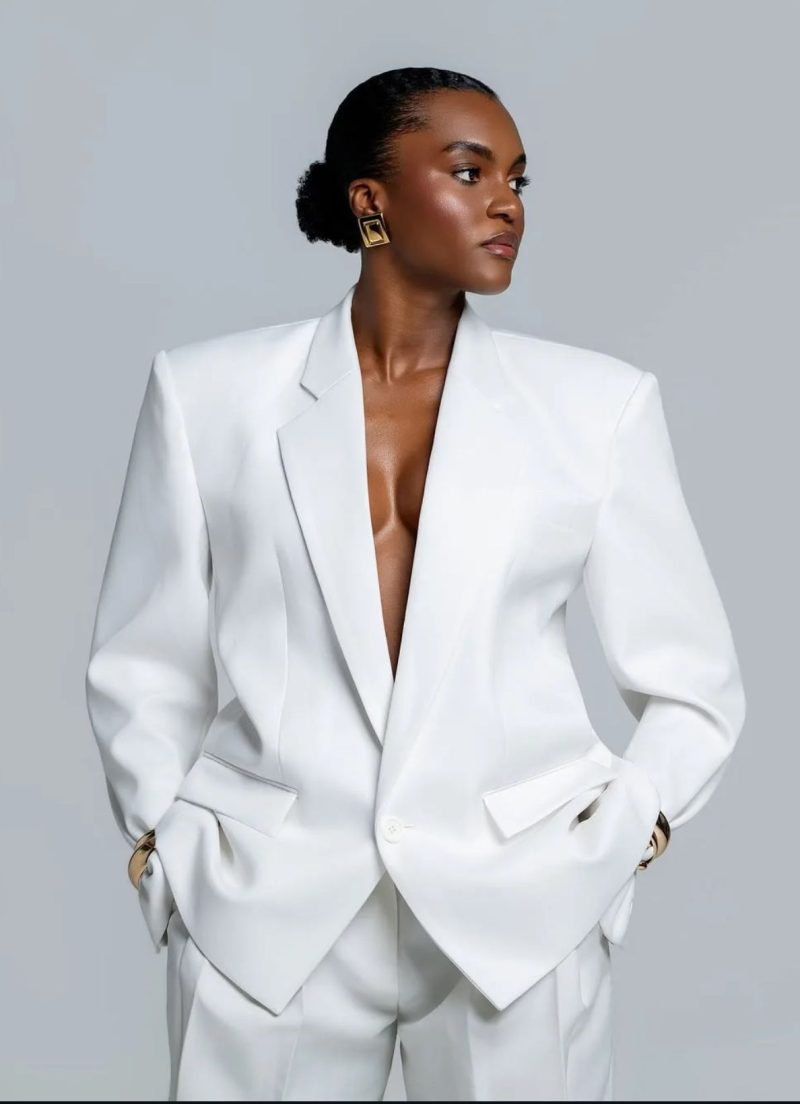
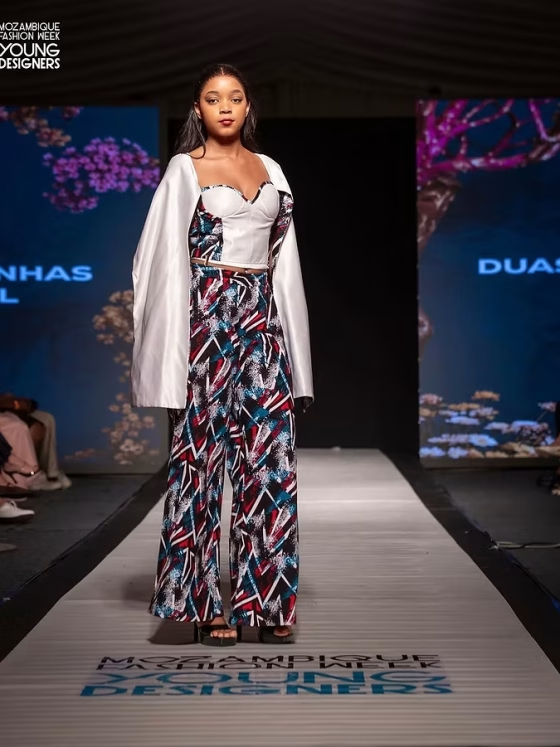
Afro-Minimalist structured dress in a neutral shade, emphasising tailoring and colour restraint.

In modern structural African design, colour is used with restraint and respect, not for show. The minimalist palette of deep indigo, undyed cotton, muted ochre, and sun-baked earth tones comes directly from ancestral textile traditions. The geometric black-and-white of Malian Bògòlanfini (mud cloth) and the layered neutrals of some Aso-Oke weaves form the fundamental basis of this style.

Using earthy colours makes a garment timeless, shifting attention to the cut and texture rather than passing trends. This idea is clearly seen in the work of designers like Abiola Olusola, whose collections show refined minimalism with clean lines and muted colours that let the craftsmanship stand out. South African designer, Lukhanyo Mdingi, is also known for connecting deeply with materials, blending local techniques with modern luxury through monochromatic, textured fabrics. These designers show that true sophistication comes from subtle quality and lasting colour, not from bright, synthetic shades.

The Global Influence: From Lagos to Paris
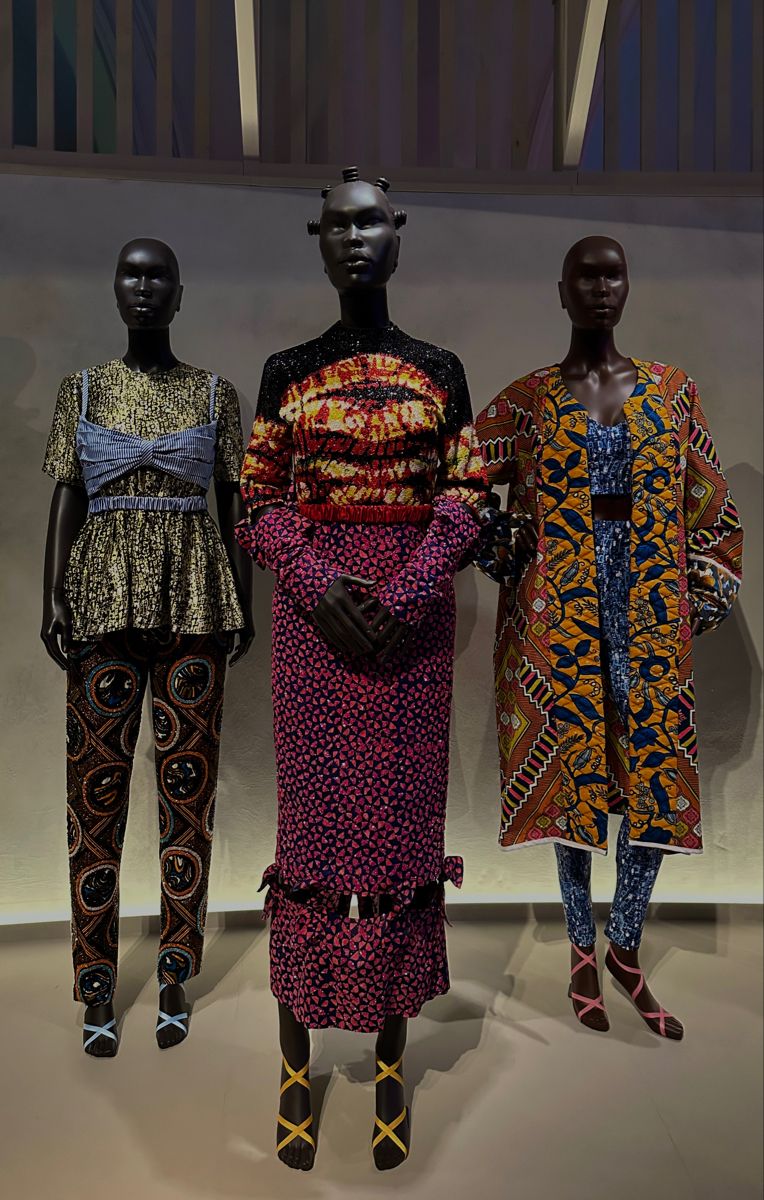
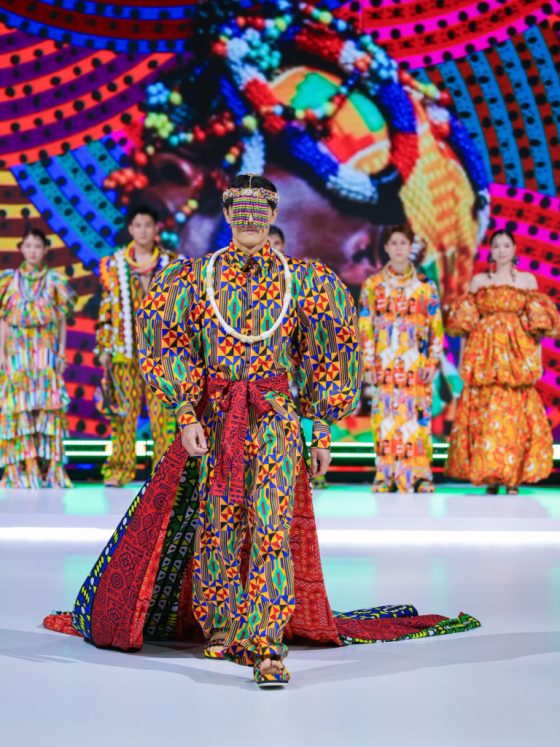
African fashion exhibit at the Victoria & Albert Museum, London, showcasing contemporary structural designs and their global cultural impact.

The focus has shifted from African fashion aiming for international recognition to African designers setting new global style standards. Afro-minimalism’s rise is apparent, shown by both critical praise and strong sales in top retail spaces.

Designers like Thebe Magugu, who won the LVMH Prize, and brands that appear at major trade shows like Tranoi Paris, where they meet international buyers, have strengthened their global presence. This progress is highlighted by cultural milestones such as the Victoria & Albert Museum’s ‘Africa Fashion’ exhibit in London, which showcased the creativity and worldwide influence of African fashion, making this style a lasting part of global design history.

Brands like BOYDE from South Africa and AJABENG from Ghana bring strong structure and thoughtful design, offering Western markets authentic cultural insight and clear origins. Today’s global buyers want more than just prints; they look for stories, refined design, and lasting Afrofuturist pieces.

ALSO READ:

  • How African Culture Is Shaping Global Fashion in 2025: Trends, Designers, and Style Movements
  • How Lagos Fashion Week Gave African Designers a Place in History
  • Azzedine Alaïa: The North African Visionary Who Redefined Couture

Functionality as Innovation
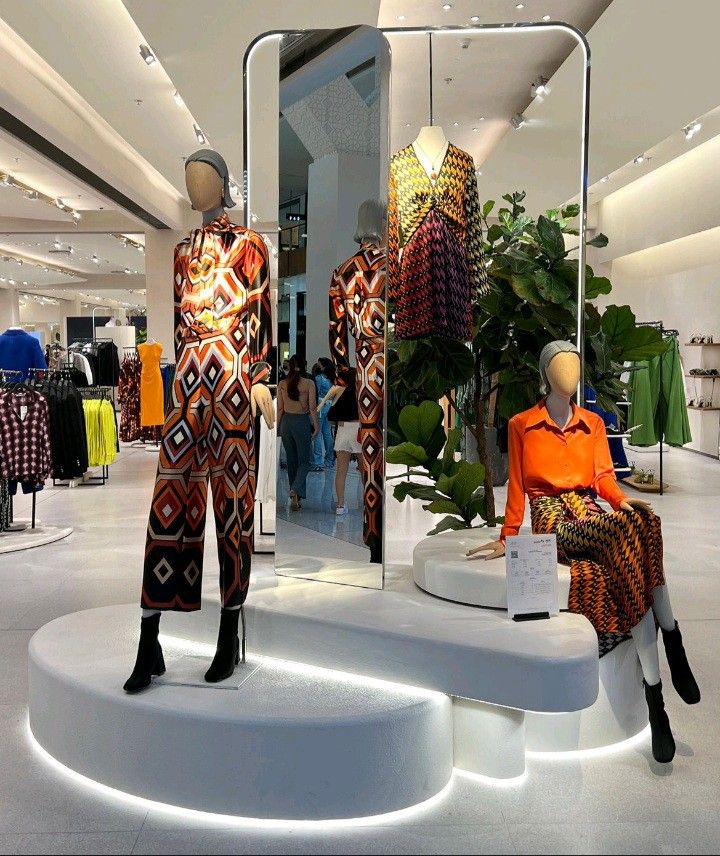
African minimalist garment displayed in a global luxury retail window, symbolising the commercial success and integration of structural African design.

For those who embrace Afrofuturism, functionality is more than just a feature. It represents the highest form of luxury and serves as a political statement. This perspective moves away from the Western idea of clothing made mainly for short-term visual impact. Instead, it centres on garments designed for durability, modularity, and purpose, drawing inspiration from ancestral clothing built to withstand the elements. 

Some of the most intriguing work in fashion today is about changing how garments are made. Designers are adding modular features like detachable sleeves, multi-way closures, and pieces that can change shape with a single adjustment. This lets people easily adapt their outfits from a business meeting in Lagos to a gala in New York. Known as modular fashion, this trend is growing in high-end markets, where luxury items are expected to be both beautiful and practical. 

By creating clothing that is versatile and long-lasting, African designers are offering more than just style; they are helping people build wardrobes that are both useful and a wise investment, showing that function is now a key part of luxury.

Conclusion
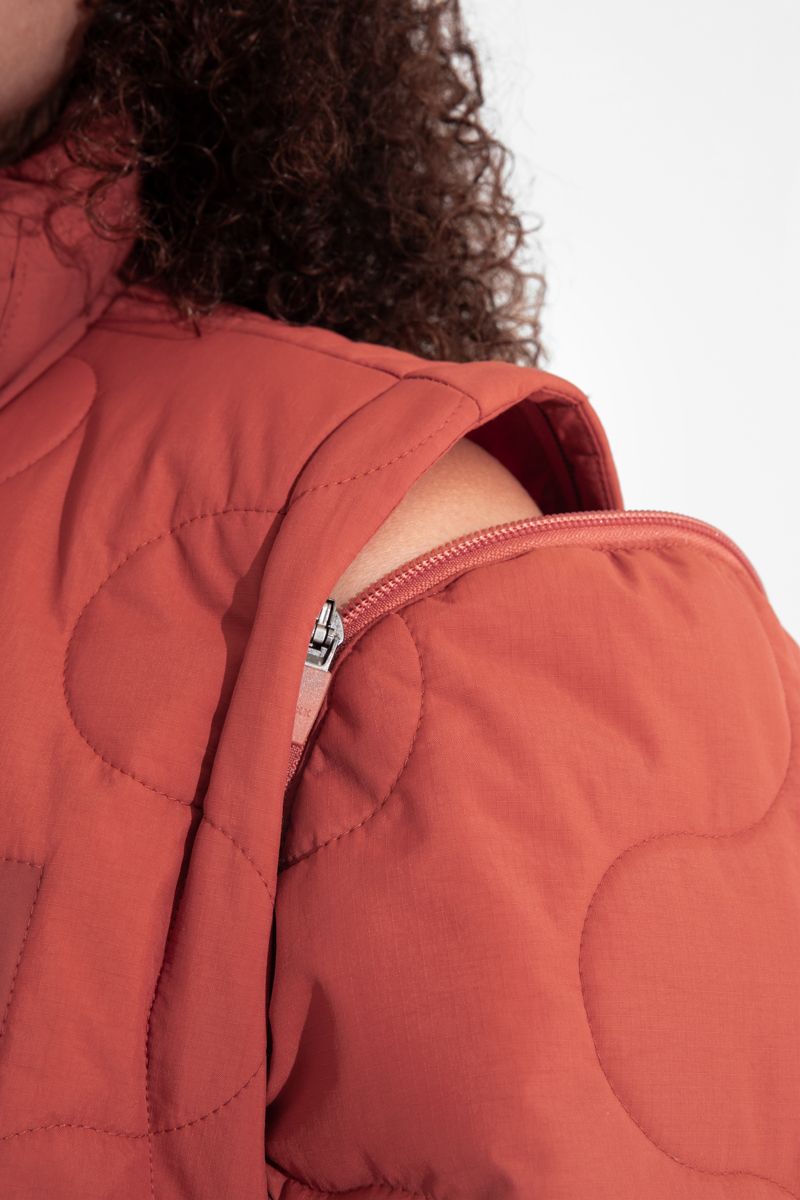
Close-up of a structural modular jacket showing detachable components and innovative closures, illustrating functionality as a luxury design feature.

The direction of style is clear: African designers are shaping the future of global luxury minimalism. This movement, grounded in structural African design, favours lasting forms, functions, and ancestral geometry over passing trends. By blending the practical elegance of heritage garments with Afrofuturist innovation, these designers are creating wardrobes that are both practical and timeless for global citizens. The focus on clean lines, subtle colours, and modular pieces shows that true modern luxury is about cultural intelligence and strong structures. African design is not just influencing the world; it is setting the standard for a sophisticated look.

Frequently Asked Questions (FAQs)

  1. How is this ‘Structural Minimalism’ different from traditional Western minimalism?

A: Traditional Western minimalism usually highlights absence and starkness. Structural African Design, on the other hand, is based on cultural knowledge and practical use. It limits colour and decoration to emphasise the garment’s shape, often drawing inspiration from historical, voluminous garments like Babbar Riga or the simple forms of earthen buildings.

  1. What are the key visual markers of this aesthetic?

A: The main features are strong, architectural shapes like defined shoulders, sharp folds, or large, purposeful forms. The colour palette is earthy, with neutral tones, deep indigo, and terracotta. There are no busy patterns, so texture and the way the garment is cut stand out.

  1. What does it mean for a garment to have ‘modularity’ in luxury fashion?

A: Modularity means the garment can be changed or adjusted by the wearer, such as with detachable sleeves, adjustable hemlines, or different ways to close it. This focus on practical design is a type of Afrofuturism, making each piece a wise investment for people with active, global lifestyles.

  1. How is this style influencing the global fashion industry?

A: This approach is offering a fresh way of thinking about design worldwide. Major stores and awards, such as the LVMH Prize, have recognised it. These successes show that African designers’ focus on structure is setting a new standard for thoughtful, high-end fashion.

  1. Which traditional forms inspire this structural work?

A: The designs are inspired by traditional architecture, such as the precise shapes of mud buildings, and by historical clothing that focused on volume and protection. Examples include the layered wraps of the Maasai, the wide boubou, and the carefully tailored Aso-Oke.

  1. Does this focus on minimalism mean rejecting vibrant African prints?

A: Not at all. This movement adds to the story of African fashion. It shows that designers from the continent are skilled in every style, from bold, story-filled prints to simple, striking shapes. This gives a fuller and more refined view of African 

Post Views: 661
Total
0
Shares
Share 0
Tweet 0
Pin it 0
Related Topics
  • African Fashion
  • Contemporary African Style
  • Minimalist Design
Avatar photo
Faith Olabode

faitholabode91@gmail.com

You May Also Like
How a Gaborone Beadwork Jewellery Label Turns Heritage Into Contemporary Design
View Post
  • Accessories & Bags

How a Gaborone Beadwork Jewellery Label Turns Heritage Into Contemporary Design

  • Ayomidoyin Olufemi
  • July 25, 2026
Southern African Beadwork Deserves Runway Recognition: An Opinion on Fashion's Editorial Blind Spot
View Post
  • Accessories & Bags

Southern African Beadwork Deserves Runway Recognition: An Opinion on Fashion’s Editorial Blind Spot

  • Faith Olabode
  • July 25, 2026
African Designers Buyers Should Act On in 2026: A Three-Tier Shortlist
View Post
  • Market Trends

African Designers Buyers Should Act On in 2026: A Three-Tier Shortlist

  • Rex Clarke
  • July 25, 2026
The Return: Why the African Influence on Black American Fashion Is Not a Discovery — It Is a Homecoming
View Post
  • Diaspora Connects

The Return: Why the African Influence on Black American Fashion Is Not a Discovery — It Is a Homecoming

  • Peace Vera
  • July 24, 2026
Black American Fashion Spending: Why African and Diaspora Brands Are Missing the Biggest Opportunity
View Post
  • US Scene

Black American Fashion Spending: Why African and Diaspora Brands Are Missing the Biggest Opportunity

  • Rex Clarke
  • July 24, 2026
Why Every Major Fashion Brand Is Now Trying to Understand Nigeria and Getting It Wrong
View Post
  • Editorial Intelligence

Why Every Major Fashion Brand Is Now Trying to Understand Nigeria and Getting It Wrong

  • Tobi Arowosegbe
  • July 24, 2026
Trinidad Carnival Costume Cost: Consumer Price, Band Revenue, and Who Captures the Value
View Post
  • Caribbean Diaspora

Trinidad Carnival Costume Cost: Consumer Price, Band Revenue, and Who Captures the Value

  • Adams Moses
  • July 24, 2026
How Colonial Law Targeted African Dress and Hair
View Post
  • CULTURE

How Colonial Law Targeted African Dress and Hair

  • Adams Moses
  • July 23, 2026

Leave a Reply Cancel reply

Your email address will not be published. Required fields are marked *

The Omiren Argument

African fashion and culture are not emerging. They are foundational. We document, interpret, and argue for the full cultural weight of African and diaspora dress. With precision. Without apology.

Omiren Styles Fashion · Culture · Identity

All 54 African Nations
Caribbean · Afro-Latin America
The Global Diaspora

Platform

  • About Omiren Styles
  • Our Vision
  • Our Mission
  • Editorial Pillars
  • Editorial Policy
  • The Omiren Collective
  • Campus Style Initiative
  • Sustainable Style
  • Social Impact & Advocacy
  • Investor Relations

Contribute

  • Write for Omiren Styles
  • Submit Creative Work
  • Join the Omiren Collective
  • Campus Initiative
Contact
contact@omirenstyles.com
Our Reach

Africa — All 54 Nations
Caribbean
Afro-Latin America
Global Diaspora

African fashion intelligence, in your inbox.

Editorial features, designer profiles, cultural commentary. No noise.

© 2026 Omiren Styles — Rex Clarke Global Ventures Limited. All rights reserved.
  • Privacy Policy
  • Editorial Policy
  • Terms of Use
  • Accessibility
Africa · Caribbean · Diaspora
The Omiren Argument

African fashion and culture are not emerging. They are foundational. We document, interpret, and argue for the full cultural weight of African and diaspora dress. With precision. Without apology.

Omiren Styles Fashion · Culture · Identity
  • About Omiren Styles
  • Our Vision
  • Our Mission
  • Editorial Pillars
  • Editorial Policy
  • The Omiren Collective
  • Campus Style Initiative
  • Sustainable Style
  • Social Impact & Advocacy
  • Investor Relations
  • Write for Omiren Styles
  • Submit Creative Work
  • Join the Omiren Collective
  • Campus Initiative
Contact contact@omirenstyles.com

All 54 African Nations · Caribbean
Afro-Latin America · Global Diaspora

African fashion intelligence, in your inbox.

Editorial features, designer profiles, cultural commentary. No noise.

© 2026 Omiren Styles
Rex Clarke Global Ventures Limited.
All rights reserved.

  • Privacy Policy
  • Editorial Policy
  • Terms of Use
  • Accessibility
Africa · Caribbean · Diaspora

Input your search keywords and press Enter.

Newsletter Subscribe

Join Our Community

Get exclusive access to new collections, special offers, and style inspiration.