Few materials have shaped global clothing the way cotton has. Today, it appears so ordinary that its historical weight is easy to overlook. Cotton shirts, cotton trousers, cotton bedsheets – modern life is saturated with fibre. Yet behind its everyday presence lies one of the most influential stories in the history of clothing, trade, and human migration.
Long before the industrial age transformed cotton into a global commodity, societies across Africa, Asia, and the Americas had already developed sophisticated systems for cultivating, spinning, and weaving the fibre. In these contexts, cotton was never merely a raw material. It was a cultural technology, an innovation that enabled communities to create textiles suited to their climate, their rituals, and their social structures.
Understanding cotton’s journey means tracing the movement of knowledge as much as the movement of fibre. It reveals how different civilisations shaped the way cotton was grown, processed, and worn and how those practices eventually connected wardrobes across continents.
Cotton shaped global fashion, trade, and culture. Explore how one fibre connected African, Asian, and American civilisations.
Early Civilisations and the Cotton Revolution
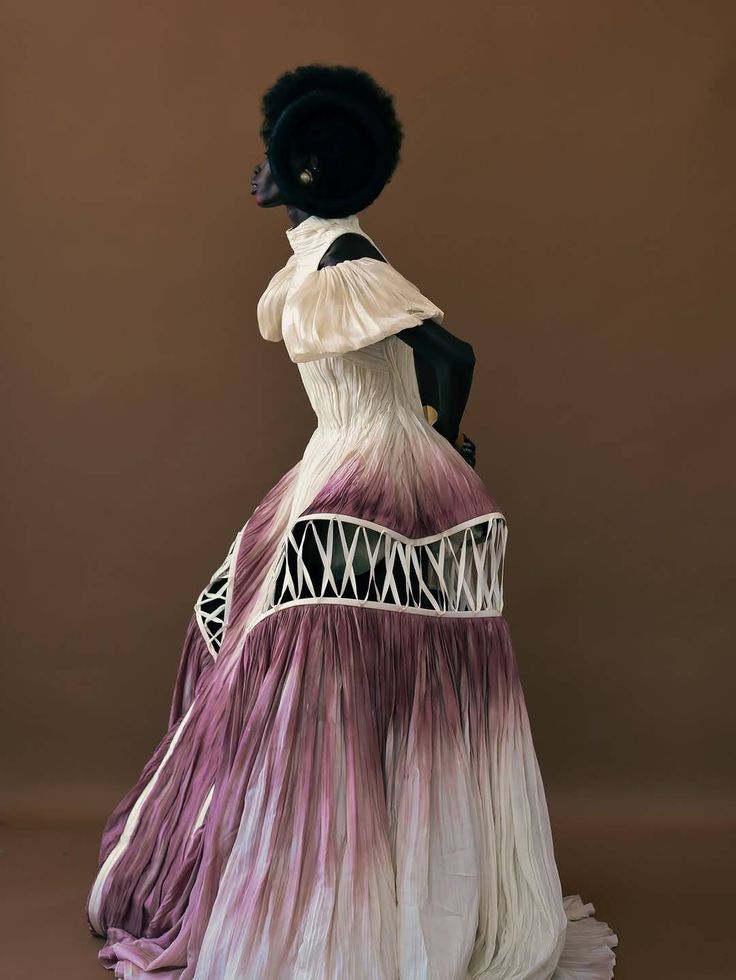
Archaeological evidence suggests that cotton cultivation emerged independently in several regions of the world thousands of years ago. Early forms of cotton textiles have been discovered in ancient settlements in South Asia, parts of Africa, and the Americas.
In South Asia, cotton cultivation and textile production were already highly advanced by the time regional trade networks expanded across the Indian Ocean. Indian cotton fabrics became widely sought after for their softness, breathability, and intricate dyeing techniques. These textiles circulated through trading networks connecting merchants from East Africa, the Middle East, and Southeast Asia.
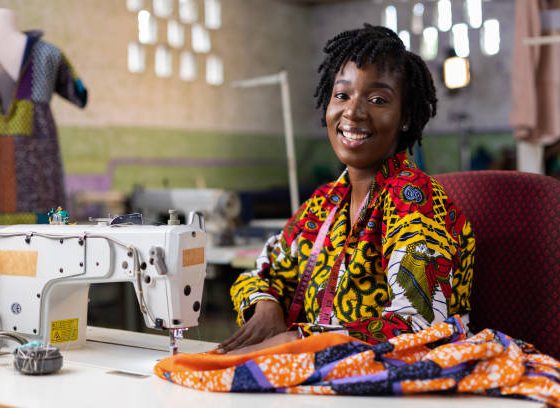
Across parts of Africa, cotton weaving developed into a skilled craft that supported local economies and social traditions. Handspun cotton threads were woven into fabrics suited to regional climates and cultural needs, forming the basis of many traditional garments.
Meanwhile, in pre-Columbian civilisations of the Americas, cotton cultivation flourished in regions with suitable climates. Communities developed distinct weaving techniques and decorative traditions, producing textiles that served both everyday and ceremonial purposes.
These parallel innovations illustrate an important point: cotton did not belong to one culture or civilisation. It evolved through the shared ingenuity of many.
Trade Routes That Wove the World Together

As trade networks expanded, cotton textiles became one of the most widely exchanged commodities in the pre-modern world. Merchants transported fabrics along the Indian Ocean trade routes, across trans-Saharan caravan networks, and through Mediterranean ports.
Indian cotton fabrics became especially influential. Their fine weaving and vibrant dyeing methods attracted buyers from Africa, the Middle East, and Europe. These textiles were prized not only for their comfort but also for their aesthetic sophistication.
African traders and artisans were not passive participants in these exchanges. Cotton cloth circulated within regional markets and interacted with imported fabrics, creating hybrid styles and new textile traditions.
Through these networks, cotton connected societies that were geographically distant but economically and culturally intertwined. The fibre became part of a shared material language across continents.
Cotton and the Industrial Transformation of Fashion
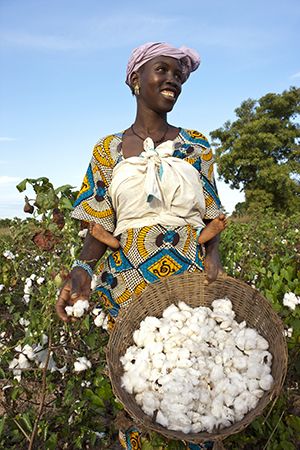
The global significance of cotton intensified dramatically during the Industrial Revolution. Mechanised spinning and weaving technologies transformed textile production in Europe and North America, allowing cotton fabrics to be manufactured at an unprecedented scale.
This industrial expansion reshaped global economies. Cotton cultivation expanded in regions where the climate allowed large-scale farming, and the fibre became central to international trade systems.
At the same time, industrial production altered the cultural meaning of cotton. What had once been a locally crafted material increasingly became part of mass manufacturing. The fabric’s accessibility expanded, but the connection between textile and artisan weakened in many parts of the world.
Despite this shift, cotton retained its central role in everyday clothing. Its durability, comfort, and adaptability ensured that it remained one of the most widely used fibres in the global wardrobe.
READ MORE:
- Reclaiming the Narrative: How Cultural Resistance Shaped the World’s Most Powerful Style Movements
- What Ceremony Teaches Us About Dressing: The Sacred Origins of Our Most Everyday Choices
Cotton in the Contemporary Wardrobe
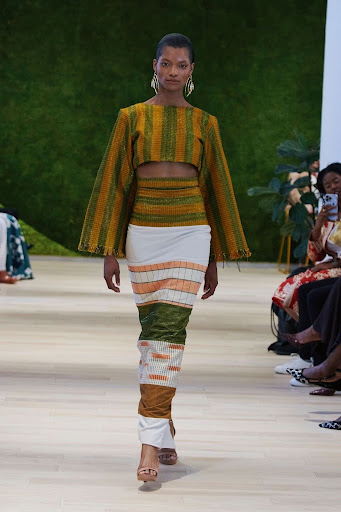
Today, cotton remains the backbone of global fashion production. From casual shirts to formal garments, the fibre continues to dominate clothing markets due to its versatility and comfort.
Yet contemporary conversations around fashion are beginning to revisit cotton’s deeper history. Designers, researchers, and consumers are increasingly interested in the cultural knowledge embedded in traditional cotton production methods.
Handwoven cotton textiles, natural dyeing processes, and small-scale cultivation practices are being re-examined as models for more sustainable fashion systems. These approaches reconnect the fibre to the communities that historically shaped its production.
In this way, cotton’s long journey is not only about global trade but also about rediscovering the cultural intelligence that originally made the fibre so valuable.
A Fibre That Still Connects the World
Cotton’s global migration tells a story that stretches far beyond fabric. It reflects centuries of human movement, exchange, and innovation. Civilisations separated by oceans developed techniques that would eventually converge through trade and industry.
The cotton shirt hanging in a modern wardrobe may appear simple, but it carries a remarkable lineage. Within its threads are the legacies of farmers, spinners, dyers, weavers, traders, and designers whose knowledge travelled across continents.
In that sense, cotton remains what it has always been: a material that connects people not just through commerce, but through the shared human desire to transform raw fibre into something meaningful, wearable, and enduring.
FAQs
- How did cotton become a global textile fibre?
Cotton became global through ancient trade networks connecting Asia, Africa, and the Americas. Merchants exchanged cotton fabrics along routes such as the Indian Ocean trade system.
- Which civilisations first used cotton for clothing?
Early cotton textiles appeared in ancient South Asia, Africa, and the Americas, where communities independently developed cultivation, spinning, and weaving techniques.
- Why is cotton one of the most widely used fibres in fashion today?
Cotton is widely used because it is breathable, durable, versatile, and adaptable to different climates and clothing styles.
- How did the Industrial Revolution change cotton production?
The Industrial Revolution introduced mechanised spinning and weaving machines, enabling the mass production of cotton textiles.
- Is cotton considered a sustainable fabric today?
Cotton can be sustainable when grown and processed responsibly. Traditional handwoven cotton production often uses environmentally friendly methods.