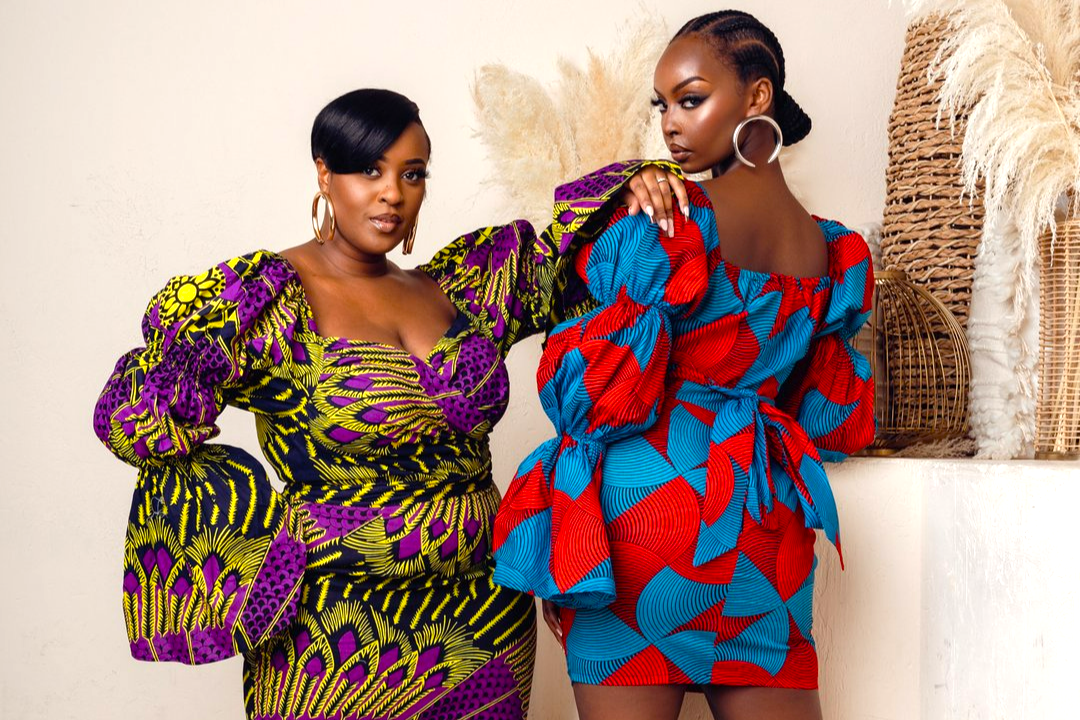
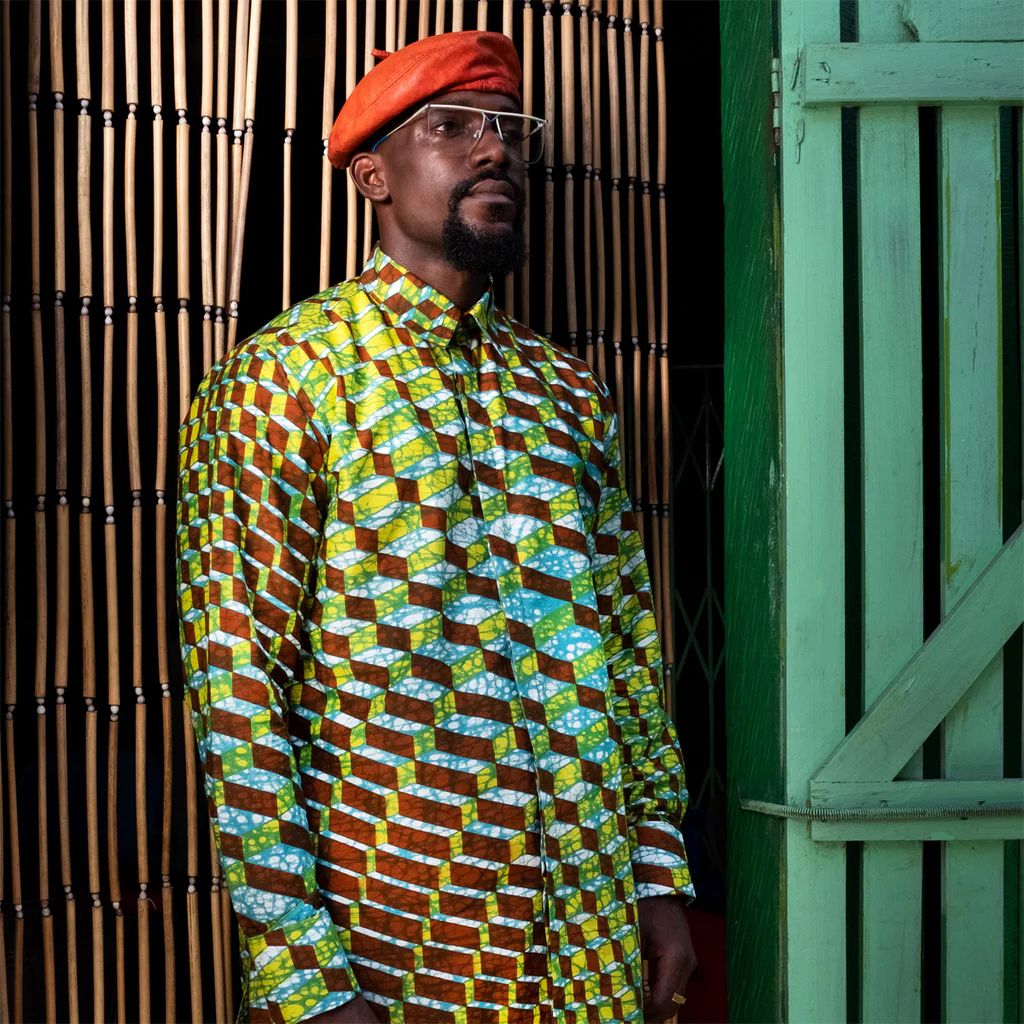
Modern Ghanaian fashion is often seen through Ankara and wax prints, which many people use as shorthand for Ghanaian dress.
In everyday view, these fabrics seem to represent the whole of Ghanaian style and identity. But this is only part of the story. Modern Ghanaian fashion is made up of different textile systems that work together, not one single tradition.
This includes indigenous weaving traditions like Kente and industrial wax prints produced through global production networks. These fabrics also move through international trade before reaching local markets in Ghana.
What looks like one simple fashion identity is actually a mix of different histories, production systems, and everyday cultural use.
Modern Ghanaian fashion is shaped by Ghanaian textiles and global fabric systems, not just wax prints or tradition.
Indigenous Textile Systems in Ghana
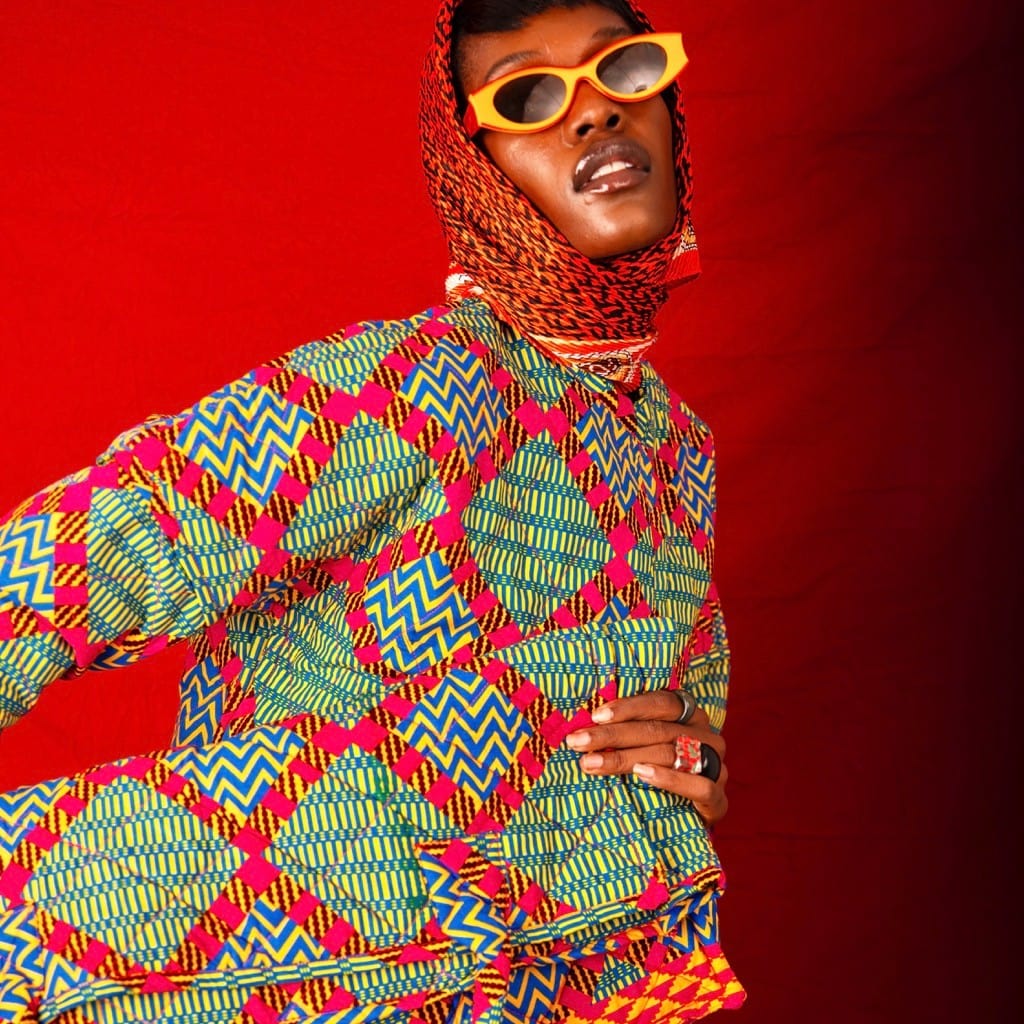
Ghanaian textiles begin with long-standing weaving traditions that shape how cloth is made and understood locally.
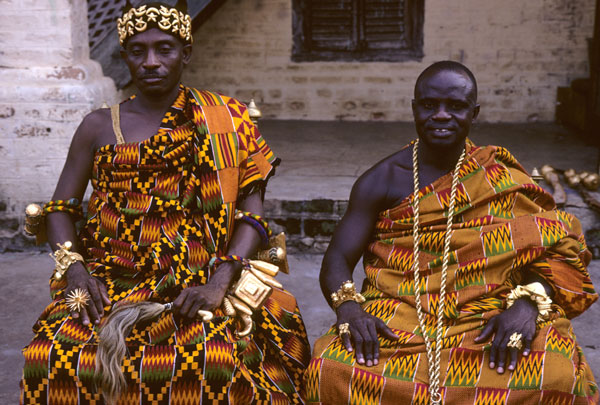
These systems form the foundation of modern Ghanaian fashion, especially through indigenous practices such as Kente weaving in towns like Bonwire and Agotime. In these towns, weaving remains tied to community knowledge and ceremonial use.
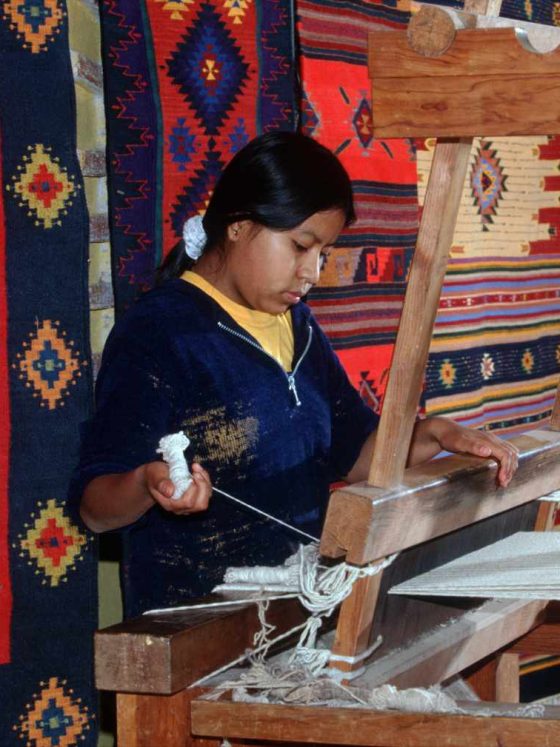
Each cloth is created through strip weaving, where narrow threads are carefully joined to form a wider patterned fabric. The process is slow, skilled, and passed down through generations.
In these weaving traditions, cloth is not only a material. It conveys meaning through colour choices, pattern structure, and how it is worn in social settings.
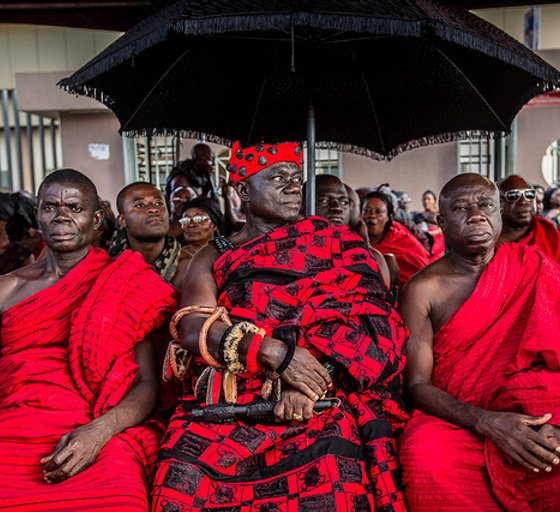
This is why traditional Ghanaian weaving remains central to ceremonies such as weddings, funerals, and naming events, where specific designs convey status, family history, and identity.
Kente remains the most widely recognised example. However, it is part of a wider network of Ghanaian textiles, including other regional weaving and dyeing practices.
Wax Prints, Ankara, and Industrial Textile Circulation
In Ghana, wax prints and Ankara are often treated as everyday fabric choices, but their journey begins far from local markets.
These textiles enter Ghana through industrial production and international trade routes, and then take on new meaning once they reach local hands.
Historically, wax prints are associated with Dutch industrial textile production and were mass-produced before being shipped across West Africa.
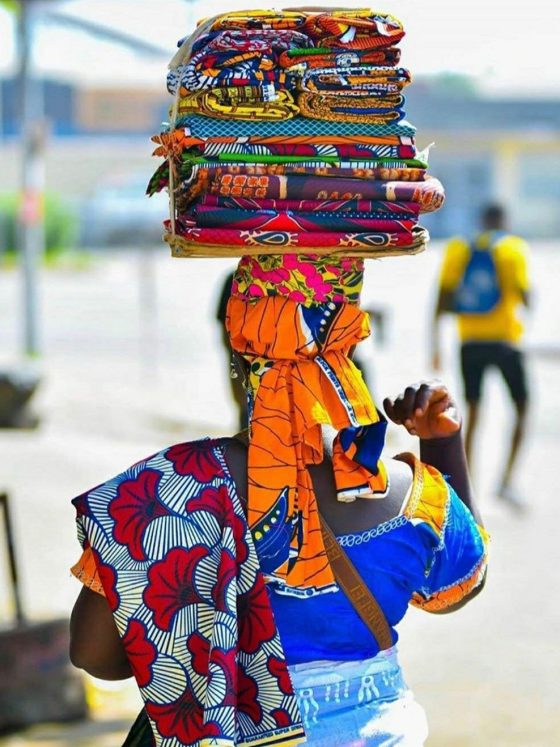
In Ghana, they are sold in markets such as Makola Market in Accra and Kejetia Market in Kumasi, where traders lay out rows of printed cotton for customers choosing cloth for weddings, funerals, and naming ceremonies.
Ankara follows a similar path. It circulates across West African countries as a commercial fabric category rather than a single locally rooted textile tradition. This movement through fabric supply chains in Africa shapes not only the availability of cloth but also how people value and select it.
Trade, Markets, and Everyday Fabric Choice
In fabric markets across Accra, buyers rarely begin with origin stories. A trader lays out different Ankara prints side by side, each with a name, a price, and a meaning shaped by everyday use.
However, what guides choice isn’t production history, but occasion, cost, and personal taste. With this, Ghana fabric trade markets become spaces where fabric decisions are shaped by social need rather than where the cloth was made.
Tailors working in roadside shops, market stalls, and small urban workshops sit at the centre of this process. Once purchased, cloth moves directly from market stalls into tailoring shops, where it is cut and reshaped for specific events.
A wedding outfit, church wear, or funeral clothing is created through this exchange between buyer and tailor. In this way, Ankara fabric in West Africa becomes part of everyday life, shaped less by industrial origin and more by how it is worn and seen.
Textile and Cultural Claims Clarification
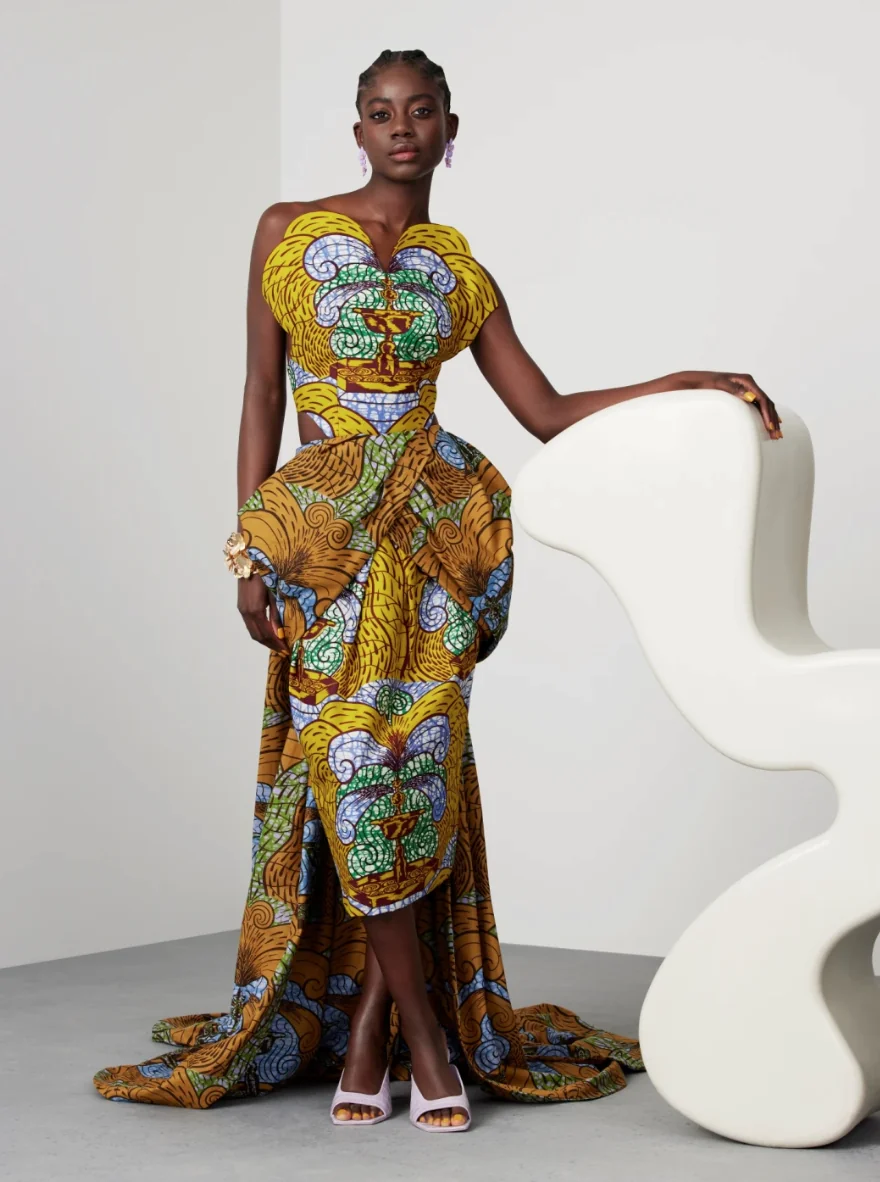
There is a lot of confusion around Ghanaian dress because many fabrics are grouped under one label in everyday conversation. This often leads to the assumption that anything widely worn in Ghana is locally produced or culturally uniform.
In reality, the way textiles are named, sold, and understood does not always match how they are made. One common error is treating all printed cotton fabrics as a single category, even though different fabrics operate in different production and trade systems.
Some are locally woven through long-established craft traditions, while others move through industrial manufacturing and are later adopted into Ghanaian dress culture.
Another issue is how naming shapes perception. Terms used in markets, tailoring shops, and everyday speech often describe patterns or styles rather than origin or production history. This means the same fabric can carry different meanings depending on where and how it is used, not just where it comes from.
Modern Ghanaian Fashion: What Actually Holds the System Together
A single fabric or tradition doesn’t define modern Ghanaian fashion; rather, it’s how different textile systems overlap in everyday life.
Indigenous weaving traditions like Kente continue to carry meaning through community knowledge and ceremonial use. At the same time, printed fabrics such as wax prints and Ankara circulate through trade and tailoring systems that connect Ghana to wider West African and global textile networks.
These fabrics aren’t separate worlds. They meet in the same markets, the same tailoring shops, and the same everyday dress decisions. This shows that the real structure of modern Ghanaian fashion is, therefore, not appearance but interaction.
In this sense, Ghanaian dress is not a fixed identity. It is a working system shaped by how textiles are made, moved, and reinterpreted in daily life.
Also Read:
- Ankara Is Not African Print: The Vlisco Problem and the Ownership Question
- Jamaican Textiles and Cloth Culture: Bandana Fabric, Maroon Weaving, and the Kingston Garment Economy
- Why African Diaspora Men Are Turning to Traditional Dress for Everyday Style
Trade, Labour, and Textile Economies
Behind many West African fashion textiles is a large economic network centred on production, importation, tailoring, and fabric sales.
Cloth moves through different layers of labour before appearing as finished clothing in markets and ceremonies. This structure connects weavers, traders, wholesalers, retailers, and tailors across the textile industry in Ghana.
Also, locally woven fabrics depend on artisan labour and time-intensive production, which affects pricing and availability. Industrial prints move differently.
From Tema Port, fabrics pass through wholesalers before reaching markets in Accra and Kumasi. Within these African textile production systems, prices are shaped by import costs, currency shifts, and market demand.
Furthermore, labour changes across these systems. Artisan weaving depends on specialised craft knowledge. While industrial circulation relies on transport, distribution, market trade, and tailoring labour.
The Omiren Argument
Modern Ghanaian fashion is often read through Ankara and wax prints, creating the assumption that printed fabrics define the country’s style identity. This view comes from visibility in markets and ceremonies, where these textiles are more common than woven cloth.
However, it hides the fact that Ghanaian dress is built from overlapping systems of production, trade, and weaving traditions that operate at different scales and speeds.
What appears as one fashion culture is actually shaped by indigenous weaving, like Kente weaving in Ghana, and by industrial circulation linked to the history of Dutch wax print. It is also shaped by wider fabric supply chains in Africa that move materials through ports, markets, and tailoring shops before they become clothing.
This means Ghanaian fashion is not a fixed identity anchored in a single textile source but a system in which meaning is produced through movement, labour, and everyday use.
This process unfolds across Ghana’s fabric trade markets and the textile industry’s networks.
Read more Afrocentric fashion analysis on Omiren Styles as we document the textile systems, dress cultures, and fashion economies shaping West Africa today.
Frequently Asked Questions
-
What is Ankara wax fabric?
Ankara is a printed cotton fabric widely used in West African fashion. It is mass-produced through industrial textile systems and is not originally a single traditional Ghanaian textile.
-
What is the traditional fabric of Ghana?
Kente is the most recognised traditional fabric in Ghana. It is handwoven using strip-weaving techniques developed by the Akan and Ewe communities.
-
What is printed wax cloth used for?
Printed wax cloth is used for clothing such as wedding attire, funeral attire, church wear, and everyday outfits. It is also chosen based on social occasion and personal style.
-
What is the most popular clothing in Ghana?
Clothing made from wax prints, Ankara, and Kente is widely worn across Ghana. These fabrics are tailored into outfits for both casual and ceremonial use.
-
What is Ghanaian cloth called?
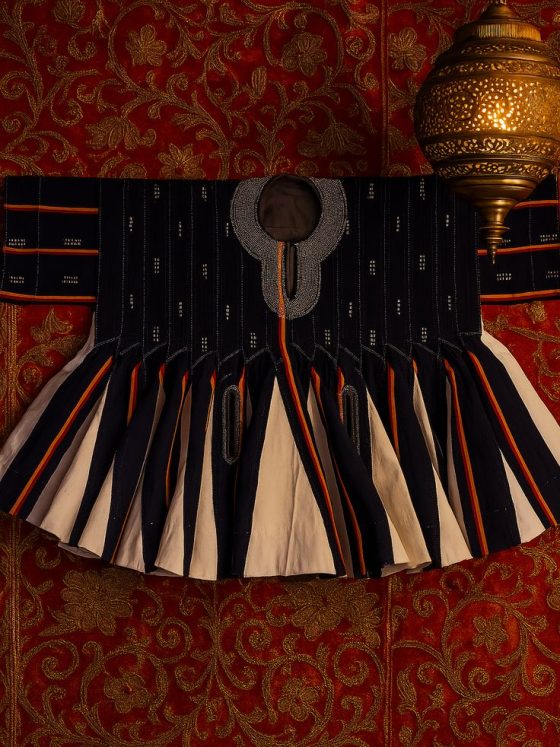
There is no single name for Ghanaian cloth because different textile traditions exist. Common types include Kente, smock (fugu), wax prints, and Ankara fabrics.