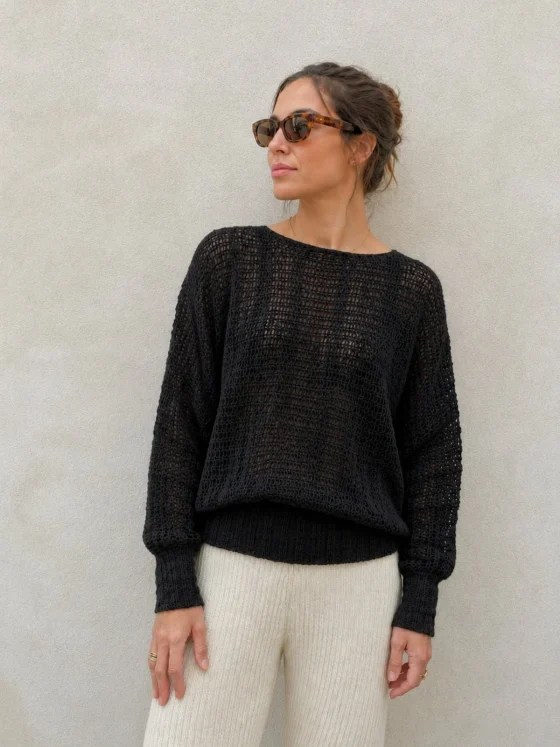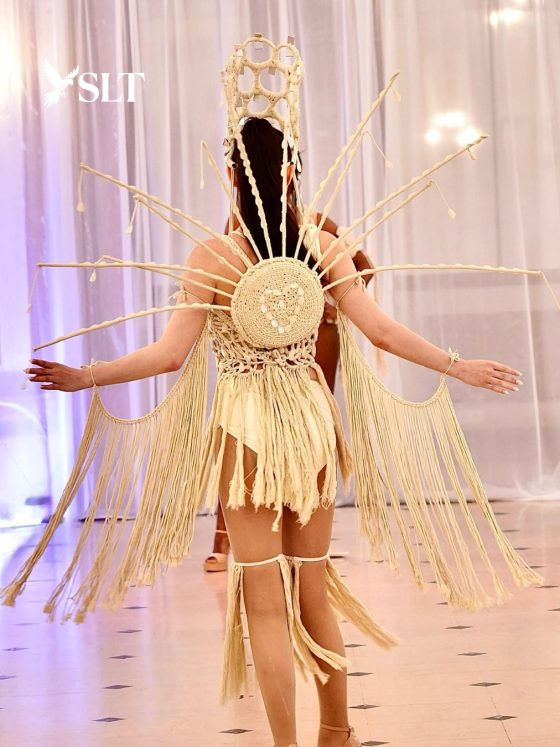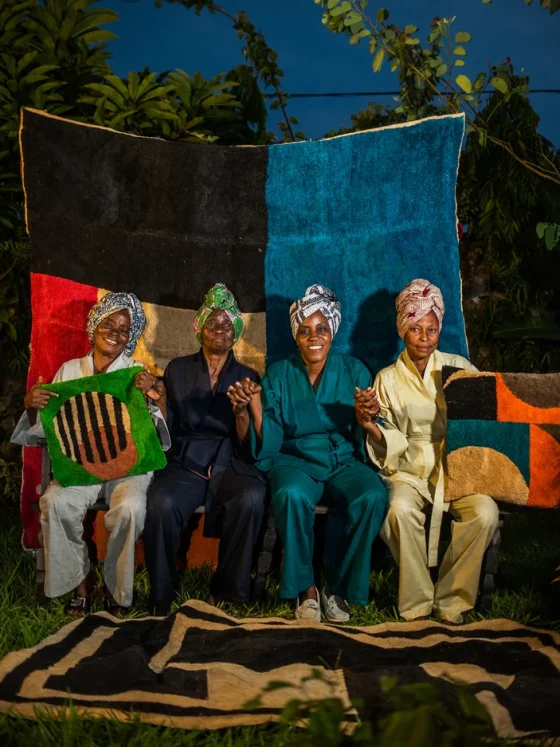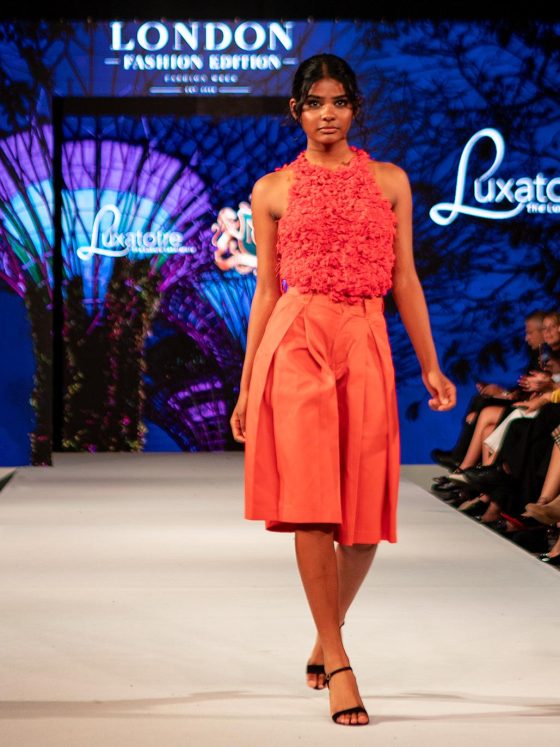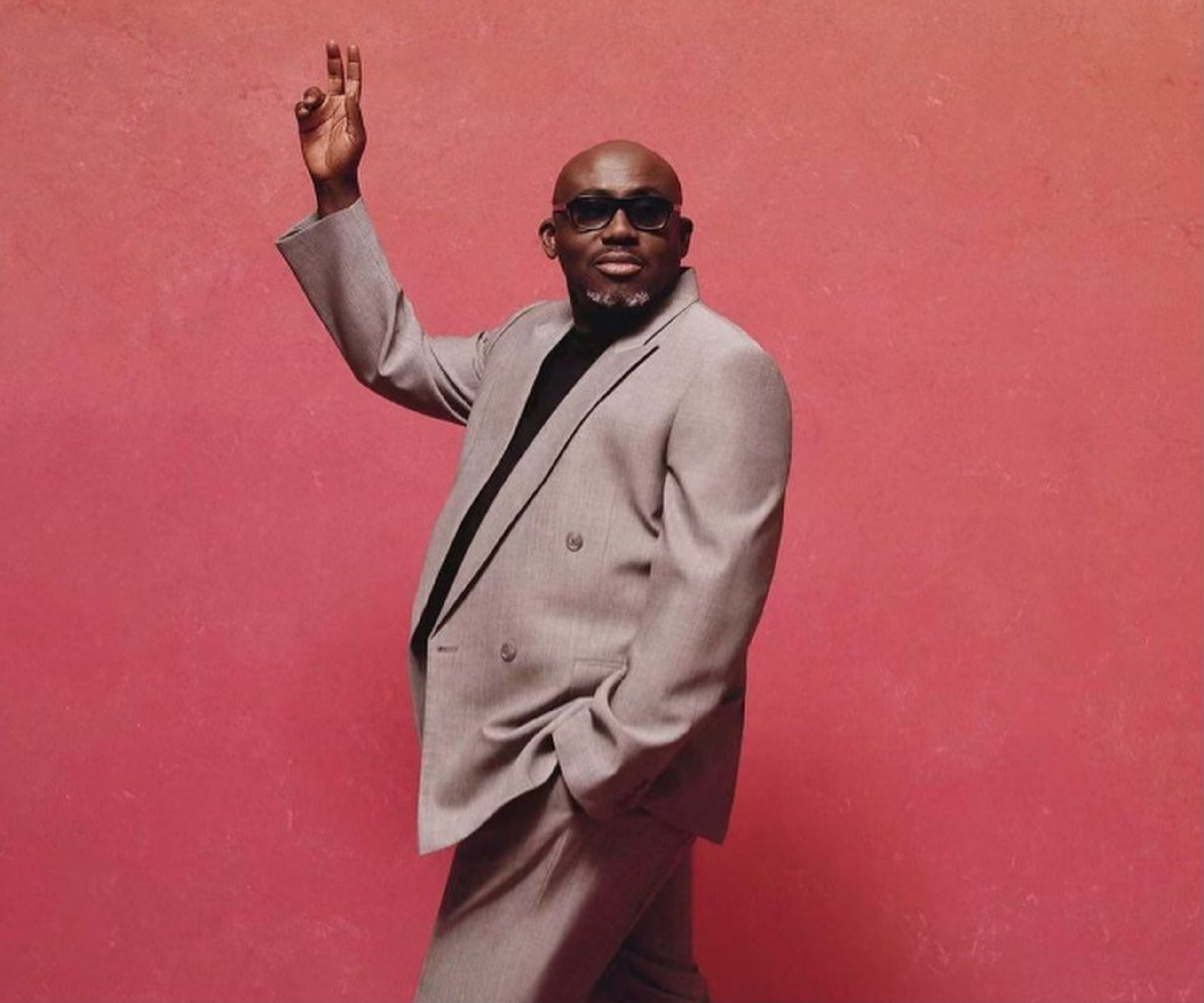
Fashion is remembered visually. Long after collections leave stores and trends fade from relevance, images remain. These images shape perception, memory, and meaning. At the centre of this process is the stylist, whose role is often misunderstood as decorative but fundamentally editorial.
Stylists interpret garments, decide context, and control how fashion enters the world. Through selection, framing, and restraint, they determine what audiences see and, just as importantly, how those images are read. In an industry driven by visibility, stylists are the unseen authors of fashion’s visual language.
The following stylists exemplify this power. Their work operates globally, influencing luxury, editorial fashion, and cultural representation at the highest level. They shape how stories are told.
Stylists shape how fashion is seen and remembered. This article examines the global figures who frame narratives, influence luxury imagery, and define visual culture.
Ib Kamara
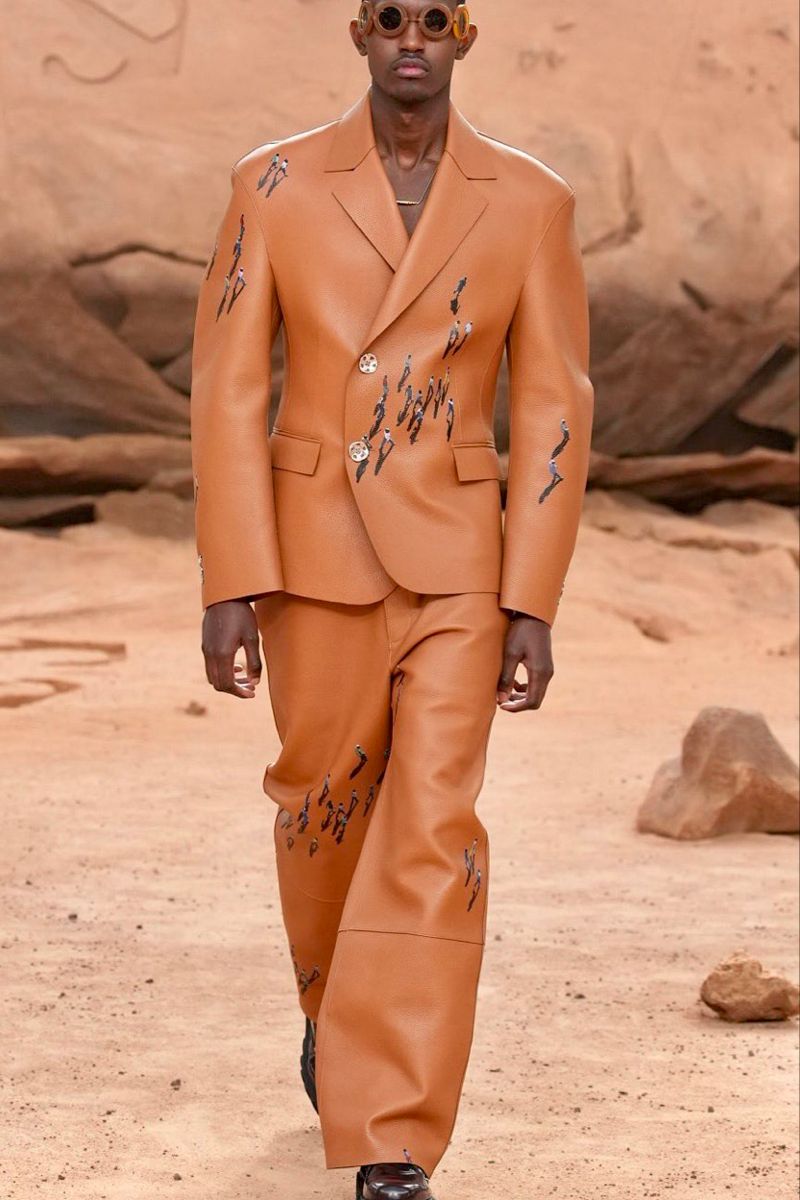
As Editor-in-Chief of Dazed, Ib Kamara occupies one of the most influential editorial positions in global fashion media. His background as a stylist is evident in how fashion is framed under his leadership: charged, political, and deeply human. Kamara’s styling has consistently challenged how Black bodies, masculinity, vulnerability, and power are represented within luxury imagery.
His work is rooted in tension rather than polish. Garments are positioned within narratives that question authority, identity, and belonging. Through styling, Kamara reframes luxury not as aspiration alone, but as a space for cultural interrogation.
What distinguishes his influence is not visibility but authorship. He rewrites fashion’s visual language.
Edward Enninful
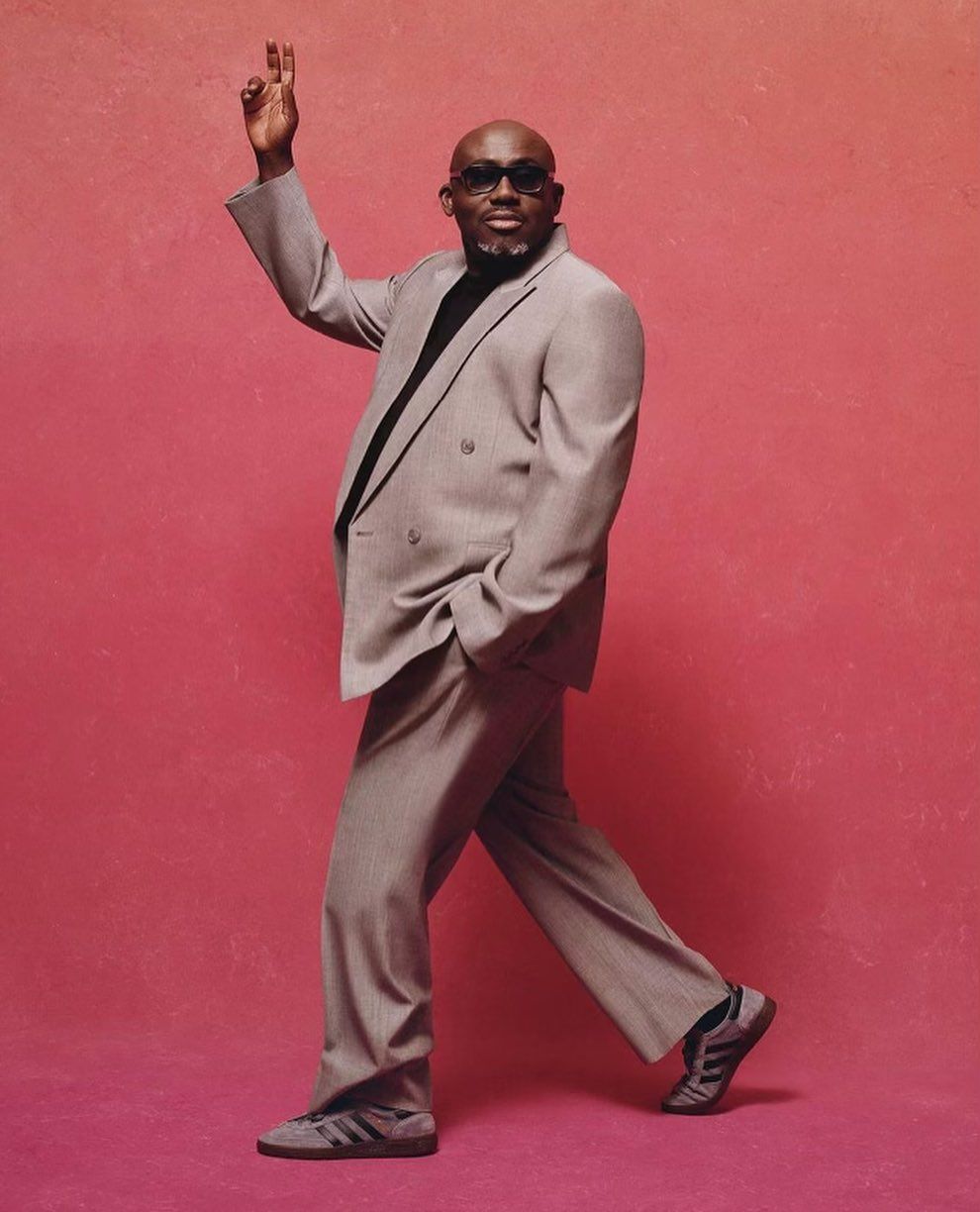
Edward Enninful’s legacy in fashion is inseparable from his work as a stylist. Before redefining British Vogue, Enninful reshaped editorial fashion through images that emphasised dignity, elegance, and cultural depth. His styling moved away from spectacle toward presence, expanding who was seen and how they were framed.
As an editor, his decisions carried institutional weight. As a stylist, his influence was visual and immediate. He demonstrated that styling is not just about clothing but about authority, which is presented as worthy of attention, beauty, and respect.
Enninful’s impact lies in his transformation of fashion imagery within established systems, proving that styling can shift culture at scale.
Jason Rembert
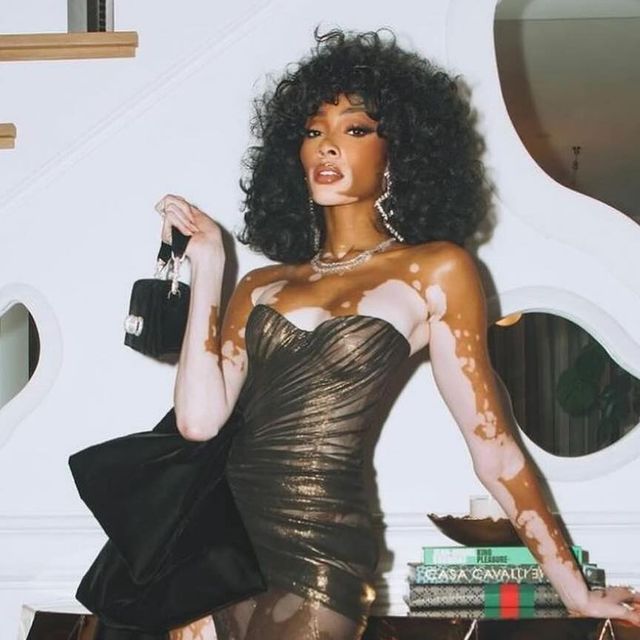
Jason Rembert operates at the intersection of celebrity, culture, and luxury. His styling has redefined how red-carpet fashion functions, turning obvious moments into deliberate narratives rather than uniform glamour. Each appearance is constructed with intention, balancing individuality with cultural awareness.
Rembert’s influence is particularly evident in his rejection of formulaic styling. Silhouettes, colours, and references are chosen to convey identity rather than conformity. In doing so, he reshapes mainstream fashion imagery, introducing nuance where spectacle once dominated.
His work demonstrates that styling, even in commercial spaces, can carry editorial depth.
Sarah Diouf
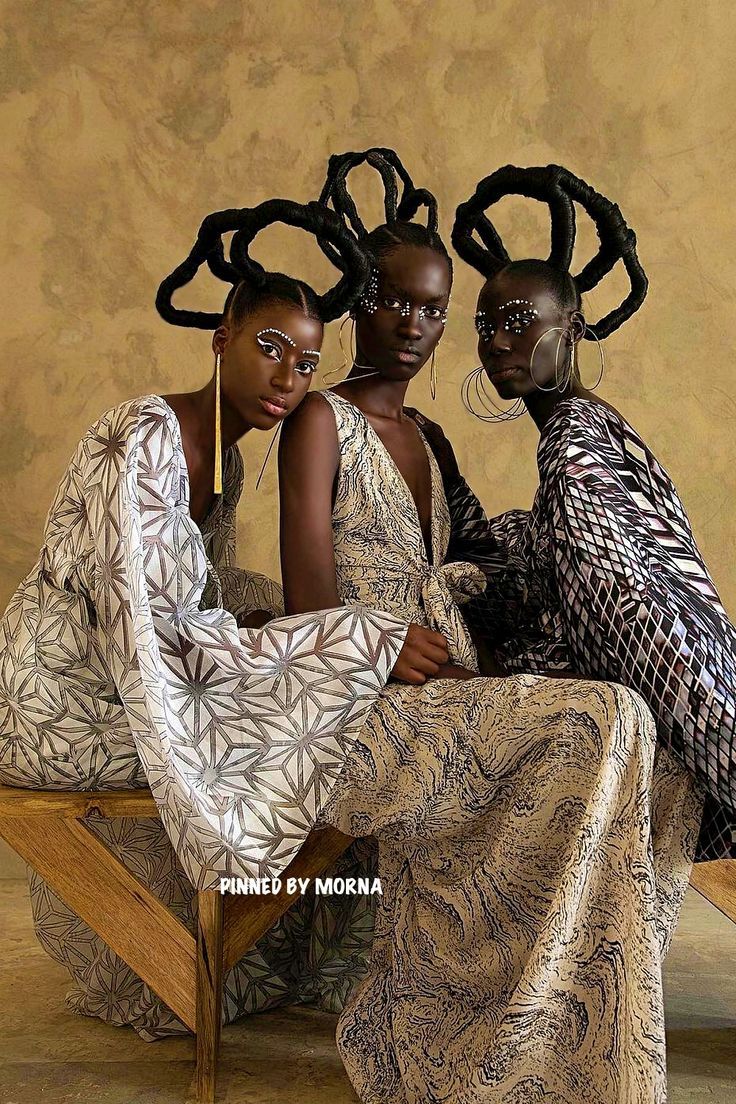
As the founder of Tongoro, Sarah Diouf’s influence extends beyond design into styling and image direction. Her work illustrates how styling functions as brand architecture. Every visual output is cohesive, controlled, and intentional.
Diouf understands that clothing does not exist independently of how it is presented. Through styling, she establishes continuity, cultural grounding, and visual clarity. Her approach rejects excess in favour of meaning, allowing garments to exist within a broader narrative of place, identity, and confidence.
Her work proves that styling is central to how fashion brands communicate value.
Thebe Magugu
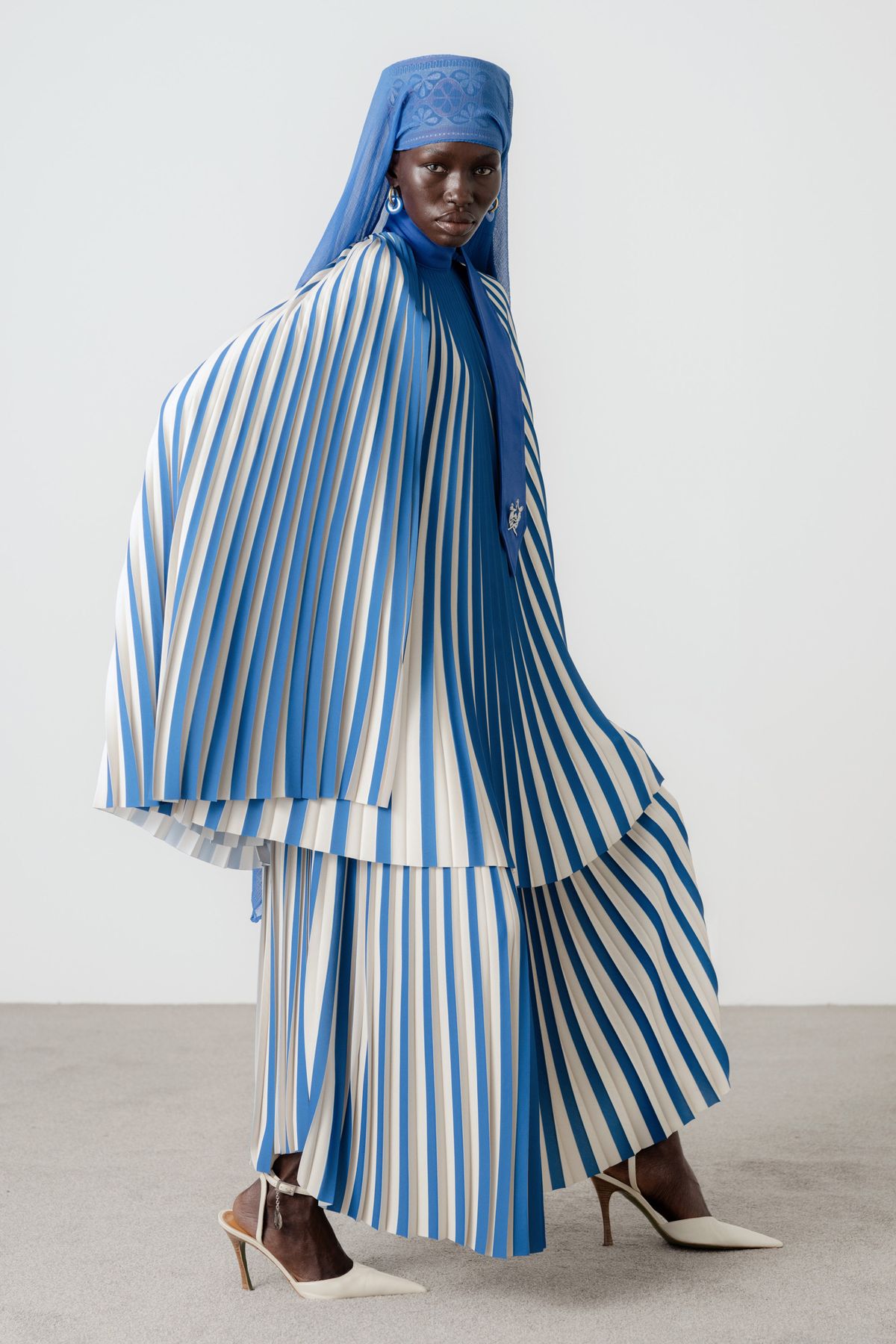
Thebe Magugu’s fashion output is inseparable from its visual presentation. His collections are framed through styling that references history, memory, and social structure—casting, garment pairing, and setting function together to create meaning beyond the runway.
Magugu treats styling as documentation. Each image feels considered, anchored in context rather than trend cycles. Through this approach, he positions fashion as a cultural record, one shaped as much by styling as by design.
His work reinforces the idea that styling determines how fashion is understood across time.
Adebayo Oke-Lawal
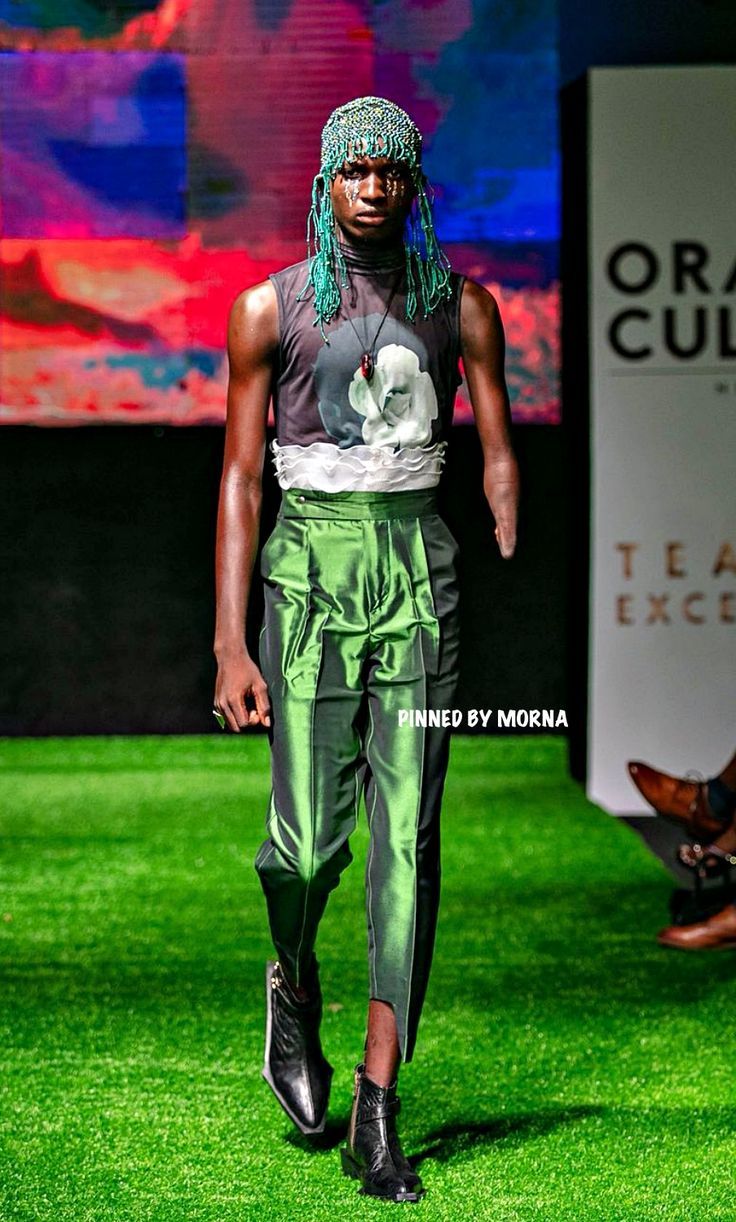
Adebayo Oke-Lawal’s influence lies in his use of styling to challenge rigid interpretations of gender, masculinity, and softness in fashion. His imagery reframes the body, rejecting traditional binaries in favour of emotional openness and fluid expression.
Styling, in this context, becomes political. Through silhouette choice, fabric movement, and casting, Oke-Lawal redefines how vulnerability is visualised in luxury fashion. His work does not seek validation through shock but through honesty.
By controlling how bodies are styled and presented, he expands the visual vocabulary of contemporary fashion.
ALSO READ:
Collective Styling Practices
Not all influence is singular. Increasingly, styling operates through collectives, studios, and collaborative ecosystems. These groups challenge the idea of sole authorship by favouring shared vision and cultural exchange.
Collective styling practices emphasise continuity, mentoring, and dialogue. Images produced through these systems often reflect layered perspectives rather than individual dominance. This shift reflects broader changes in how fashion culture is created and sustained.
The future of styling, in many ways, is communal.
Styling as Cultural Power
Styling has never been secondary to fashion. It determines how garments are understood, how bodies are read, and how meaning circulates. Stylists operate as editors, shaping narratives through selection and framing rather than words.
Their influence often outlasts the garments themselves. Images endure. They become references, archives, and cultural markers. Stylists, therefore, act as custodians of visual memory.
In a global landscape of images that travel rapidly and across contexts, the role of the stylist becomes more complex. Cultural intelligence, restraint, and authorship are essential. Without them, fashion flattens into spectacle.
The stylists who shape the perception of stories comprehend this responsibility. Their work does not seek noise. It builds meaning. Through their decisions, fashion becomes legible, layered, and remembered.
To understand fashion clearly, one must look beyond the clothes and toward those who decide how they are seen.
FAQs
1. Why are stylists important in shaping fashion narratives?
Stylists interpret garments and place them within context. Through selection, framing, and restraint, they shape how fashion images are understood, remembered, and valued over time.
2. How does styling differ from fashion design or photography?
Design creates the garment, and photography captures the image, but styling determines meaning. Stylists decide how clothing meets the body, the setting, and the story being told.
3. Do stylists impact luxury fashion beyond editorial shoots?
Yes. Stylists influence red-carpet appearances, brand campaigns, cultural representation, and public perception. Their decisions shape how luxury is read across media and markets.
4. Why are stylists often less visible than designers or photographers?
Fashion systems traditionally prioritise designers and image owners. While stylists hold significant narrative influence, their labour is often embedded in collaborative processes rather than foregrounded.
5. How is the role of the stylist evolving today?
As fashion becomes more global and culturally complex, stylists increasingly act as cultural editors, translators, and custodians of visual memory rather than trend interpreters.