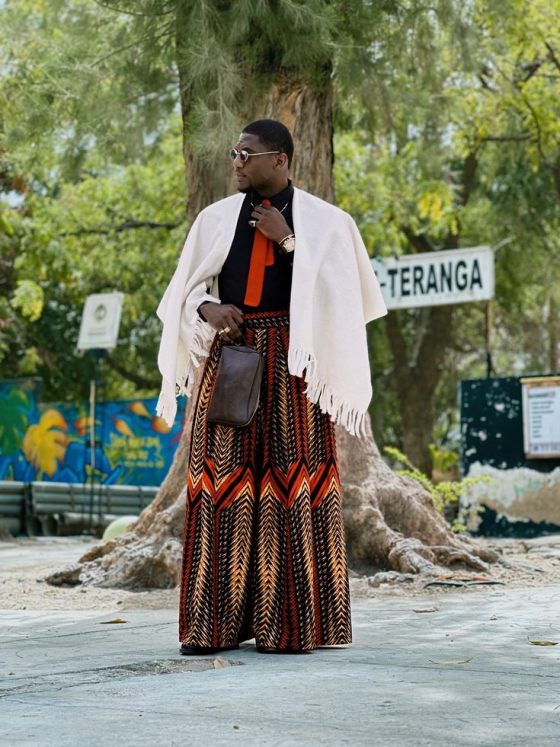
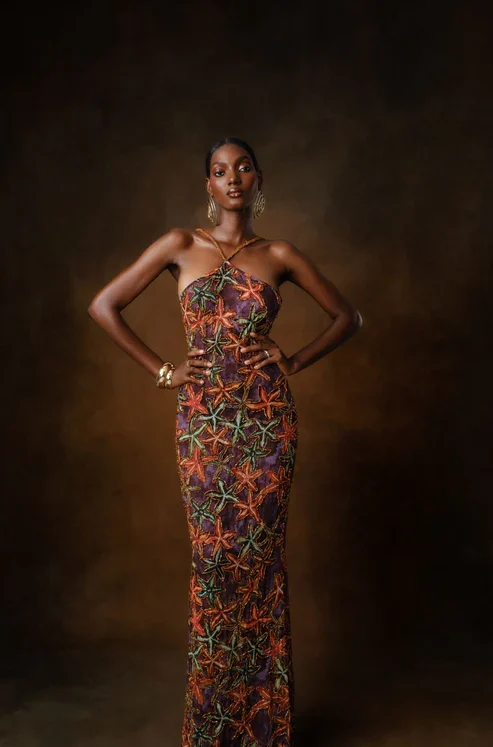
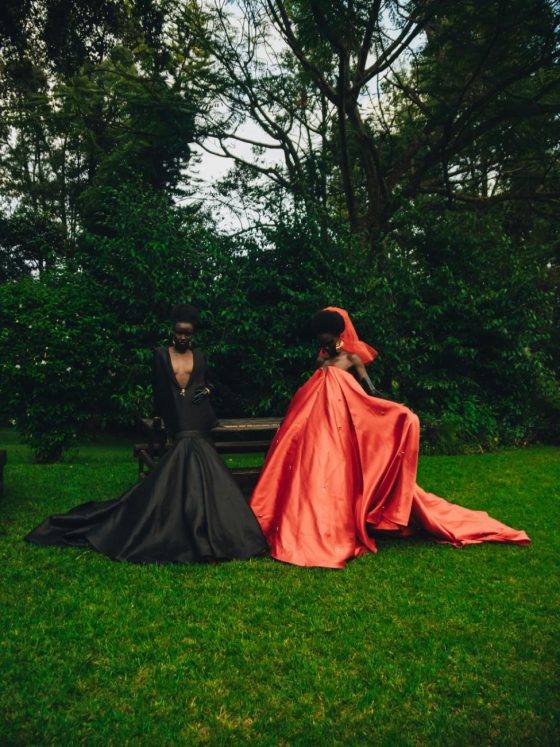
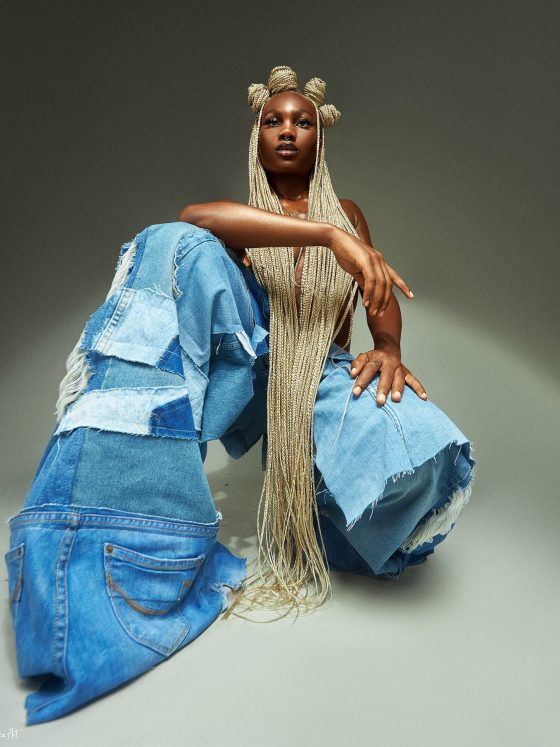
Fashion is no longer defined by collections alone. While a strong season can attract attention, attention by itself no longer secures relevance or longevity. The fashion brands shaping the present moment are those that operate beyond release cycles, building systems that hold meaning over time.
Today, leading brands function as cultural ecosystems. Clothing exists within a broader structure that includes imagery, sound, values, pacing, and visual discipline. Each element reinforces the other, allowing the brand to remain present without constant output. The garment is still central, but it is no longer the sole carrier of value.
This shift explains why some fashion brands maintain influence with measured releases, while others struggle to sustain interest despite frequent collections. In an industry defined by excess visibility, coherence has become the clearest marker of strength.
Fashion brands are evolving beyond collections. This article examines how cultural ecosystems now drive relevance, longevity, and brand identity.
Collections No Longer Carry the Entire Brand
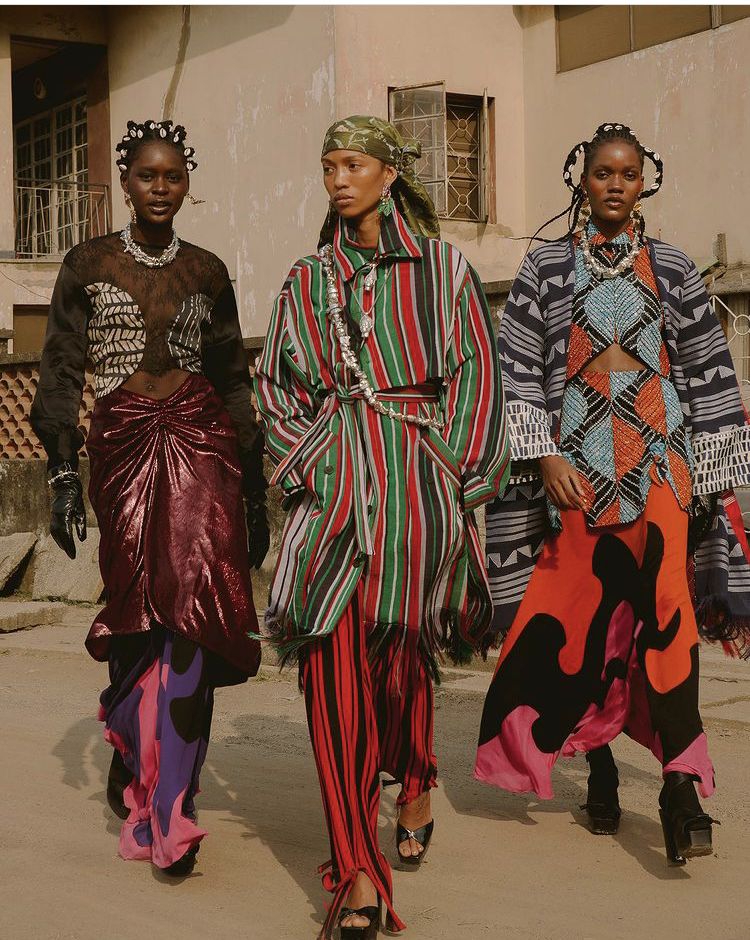
For decades, collections functioned as the primary unit of value in fashion. Designers presented, buyers selected, editors reviewed, and consumers responded. That cycle still exists, but it no longer carries the same weight.
The pace of fashion visibility has changed. Images circulate faster than production cycles. Consumers encounter brands daily, not seasonally. In this environment, a collection without context struggles to land. It may be visually strong, but without a clear world to support it, the impact fades quickly.
Brands have responded by shifting focus. Instead of asking, “What is this season about?” they now ask, “What universe does this belong to?”
What It Means to Build a Brand World
A brand world is not a marketing gimmick. It is a controlled ecosystem.
It includes:
- A consistent visual language
- A clear emotional tone
- Repeated cultural references
- A recognisable pace and rhythm.
Most importantly, it tells the audience how to interpret the clothing before they ever touch it.
When a brand has a world, the garment arrives already contextualised. The consumer understands what it should feel like, who it speaks to, and what values it carries. This reduces friction. Meaning is not negotiated each season; it is reinforced.
Why This Shift Is Happening Now
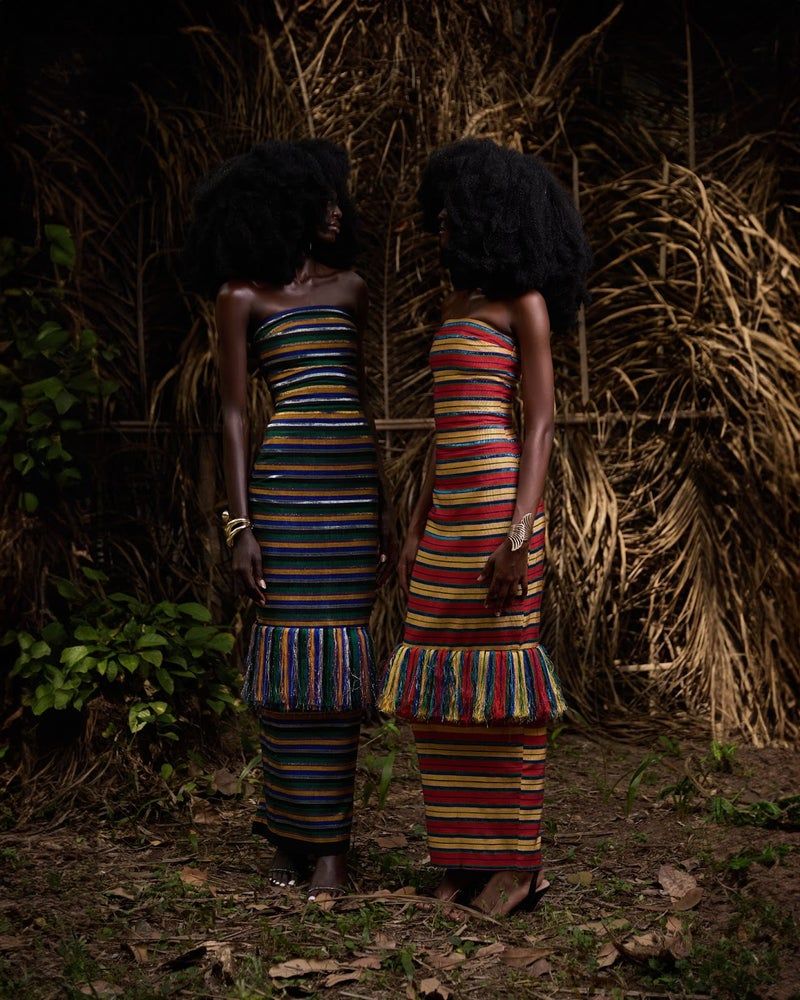
Three significant forces are driving this change.
First, attention is fragmented. Fashion no longer competes only with other brands. It competes with music, film, art, wellness, and lifestyle culture. A brand without a world disappears in the noise.
Second, production cycles are under pressure. Sustainability concerns, rising costs, and consumer fatigue have made constant output unsustainable. Building a world allows brands to stay present without overproducing.
Third, trust has become central. Consumers are more selective. They invest emotionally and financially in brands that feel stable, intentional, and coherent. A world signals seriousness.
How Brand Worlds Create Long-Term Value
Brand worlds do something collections alone cannot; they compound meaning.
When every campaign, lookbook, collaboration, and public appearance reinforces the same atmosphere, the brand becomes familiar without becoming repetitive. Recognition builds quietly. Over time, this recognition turns into authority.
This is why some brands can release fewer pieces and still command attention. Their audience is not waiting for novelty; they are staying within a space that already feels complete.
In this sense, fashion has borrowed from architecture. Strong spaces are not defined by constant renovation. They are characterised by proportion, balance, and restraint.
INTERESTING READS:
- What New Year Fashion Has Always Represented
- The Next Generation of Fashion Innovators: What Will Shape 2026
The Role of Consistency Over Volume
One of the most noticeable traits of brands building worlds is restraint. Output is controlled. Visuals are deliberate. Messaging rarely shifts dramatically.
This is not accidental. Consistency reduces the need for explanation. When a brand’s language is stable, each new piece feels additive rather than corrective.
In contrast, brands that chase constant reinvention often reset their meaning every season. The audience must relearn how to engage. Over time, this becomes exhausting.
World-building solves this by anchoring change within familiarity.
Why This Levels the Playing Field
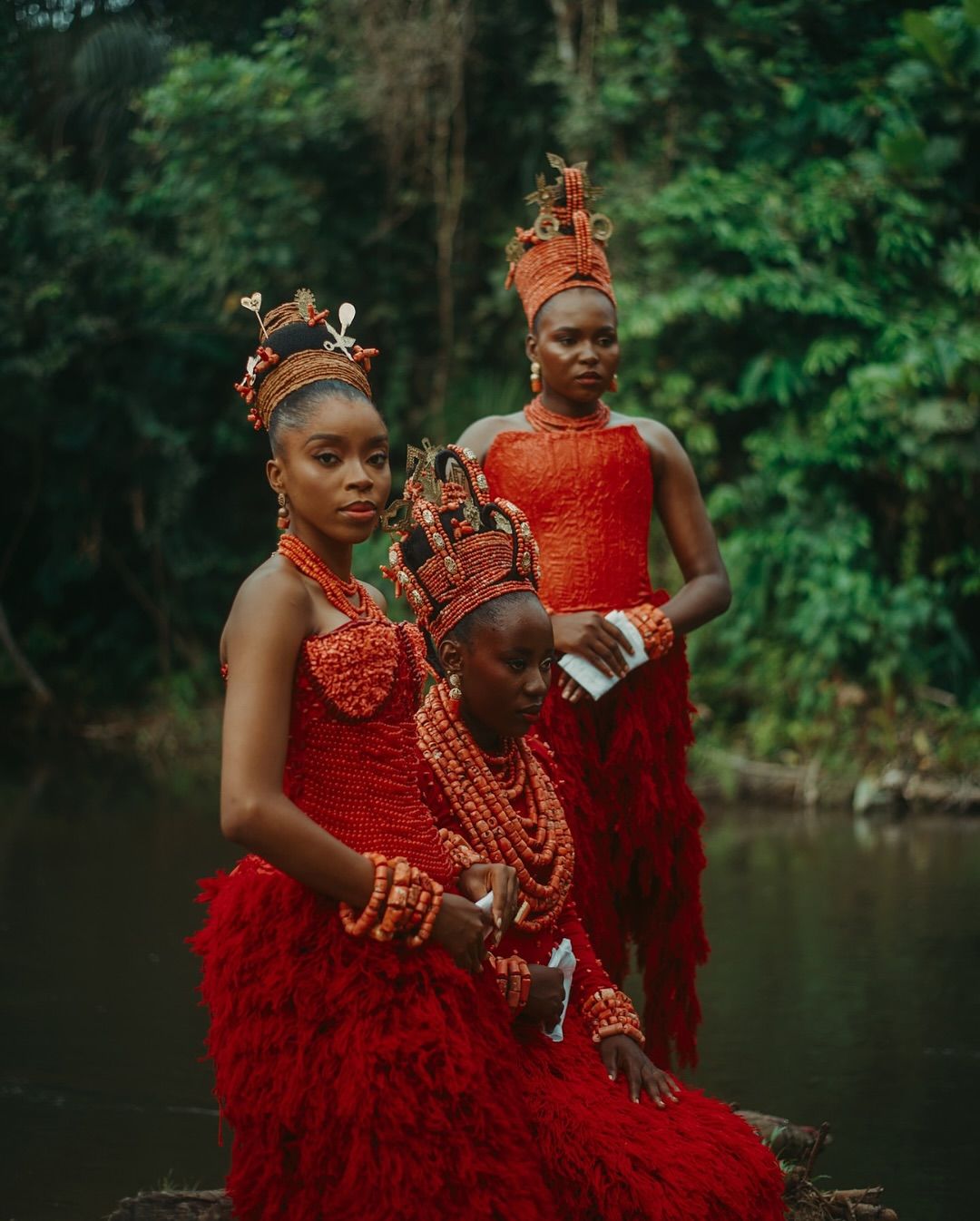
For brands operating without massive budgets or legacy infrastructure, world-building is a strategic approach.
Limited marketing spend transforms coherence into a valuable asset. A strong world allows a brand to compete through clarity rather than scale. Every image works harder. Every appearance reinforces the same message.
This technique is particularly relevant for designers operating outside traditional fashion capitals. Building a world allows global legibility without geographic dependence. The brand speaks for itself, regardless of location.
Fashion Worlds vs. Lifestyle Branding
It is essential to separate world-building from lifestyle branding.
Lifestyle branding often expands outward indiscriminately, adding products to create a sense of completeness. Fashion worlds do the opposite. They tighten focus. They limit what enters the brand’s space.
The fashion world does not attempt to encompass everything. It defines boundaries. Those boundaries create tension, and uncertainty creates interest.
Brands that mistake expansion for depth often dilute their identity. Brands that understand world-building protect their atmosphere.
Retail, Media, and the Power of Context
Retailers and editors respond strongly to brands with worlds because context simplifies decision-making.
For buyers, a clear world signals reliability. It suggests that future collections will align with past ones, reducing risk. For editors, it offers narrative continuity. Stories become easier to tell when the brand’s logic is consistent.
This is why brands with defined worlds often receive deeper editorial treatment. They are not explained repeatedly. They are referenced.
The Quiet Shift Away From Trend Dependence
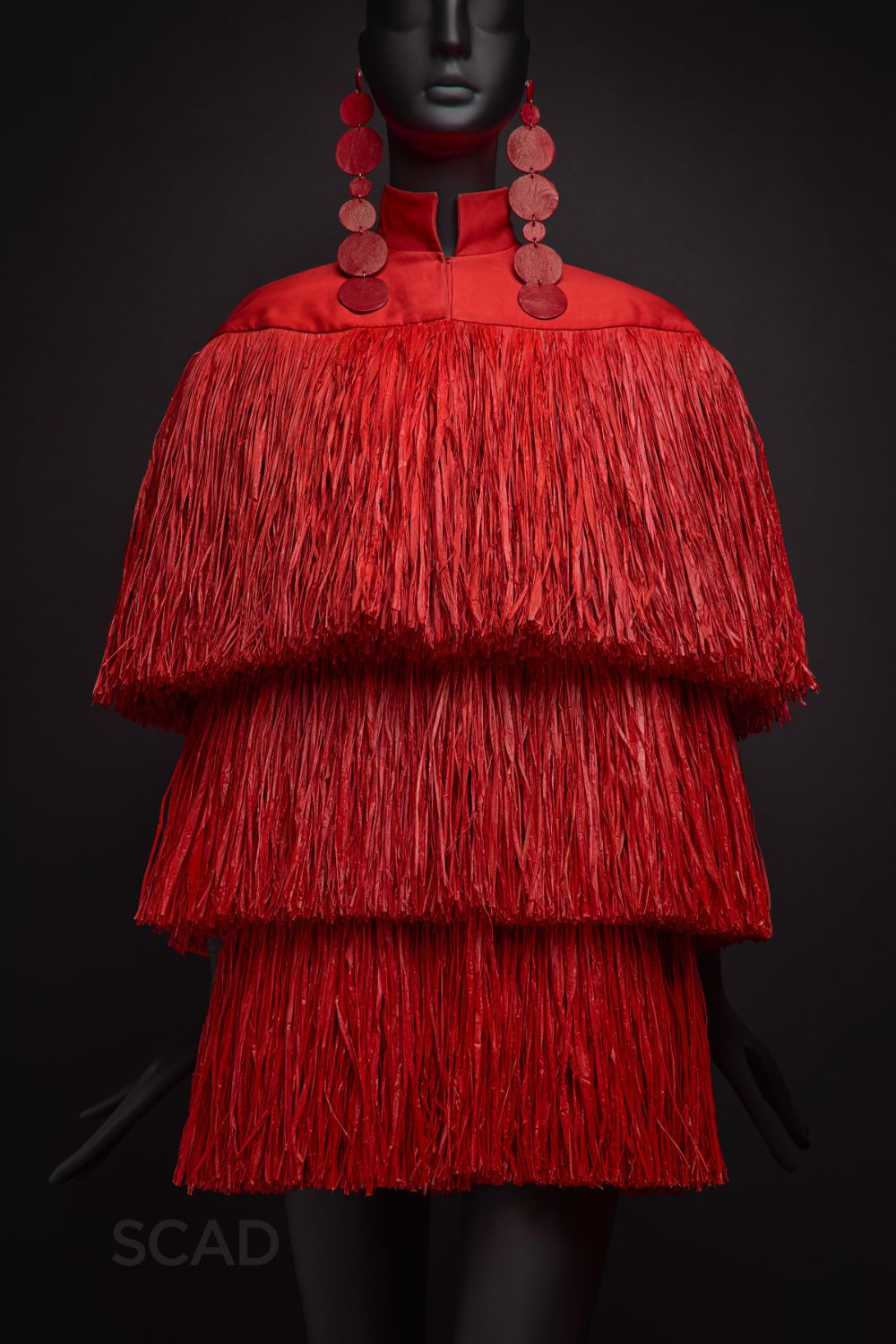
Another consequence of world-building is reduced dependence on trends.
When a brand operates within a defined space, trends become optional rather than mandatory. Elements may overlap with broader movements, but they are filtered through the brand’s internal logic.
This protects longevity. Trends pass. Worlds endure.
Fashion brands that survive shifts in taste are rarely the most reactive. They are the most grounded.
What This Means for the Future of Fashion
As fashion moves toward 2026, the brands that last will not be the loudest or the most prolific. They will be the most coherent.
Collections will remain important, but they will serve as chapters rather than standalone events. The real work will happen between seasons, through imagery, positioning, and restraint.
Fashion is no longer asking brands to impress repeatedly. It asks them to mean the same thing consistently.
FAQs
1. What does it mean for a fashion brand to build a “world”?
It means creating a consistent ecosystem of visuals, values, tone, and references that gives context to collections beyond seasonal releases.
2. Why are fashion brands moving beyond collections?
Because collections alone no longer sustain attention. Brand worlds allow relevance, recognition, and engagement between seasons without overproduction.
3. How does world-building benefit smaller or independent fashion brands?
It allows brands to compete through coherence rather than scale, making limited output more impactful and globally legible.
4. Is world-building the same as lifestyle branding?
No. World-building focuses on restraint and clarity, while lifestyle branding often expands indiscriminately, risking diluting identity.
5. Will fashion trends still matter in a world-driven industry?
Trends will exist, but brands with defined worlds can engage selectively, reducing dependence on short-lived trend cycles.