If a child’s wardrobe is the first space they truly own, shouldn’t every piece of clothing reflect their heritage and strength?
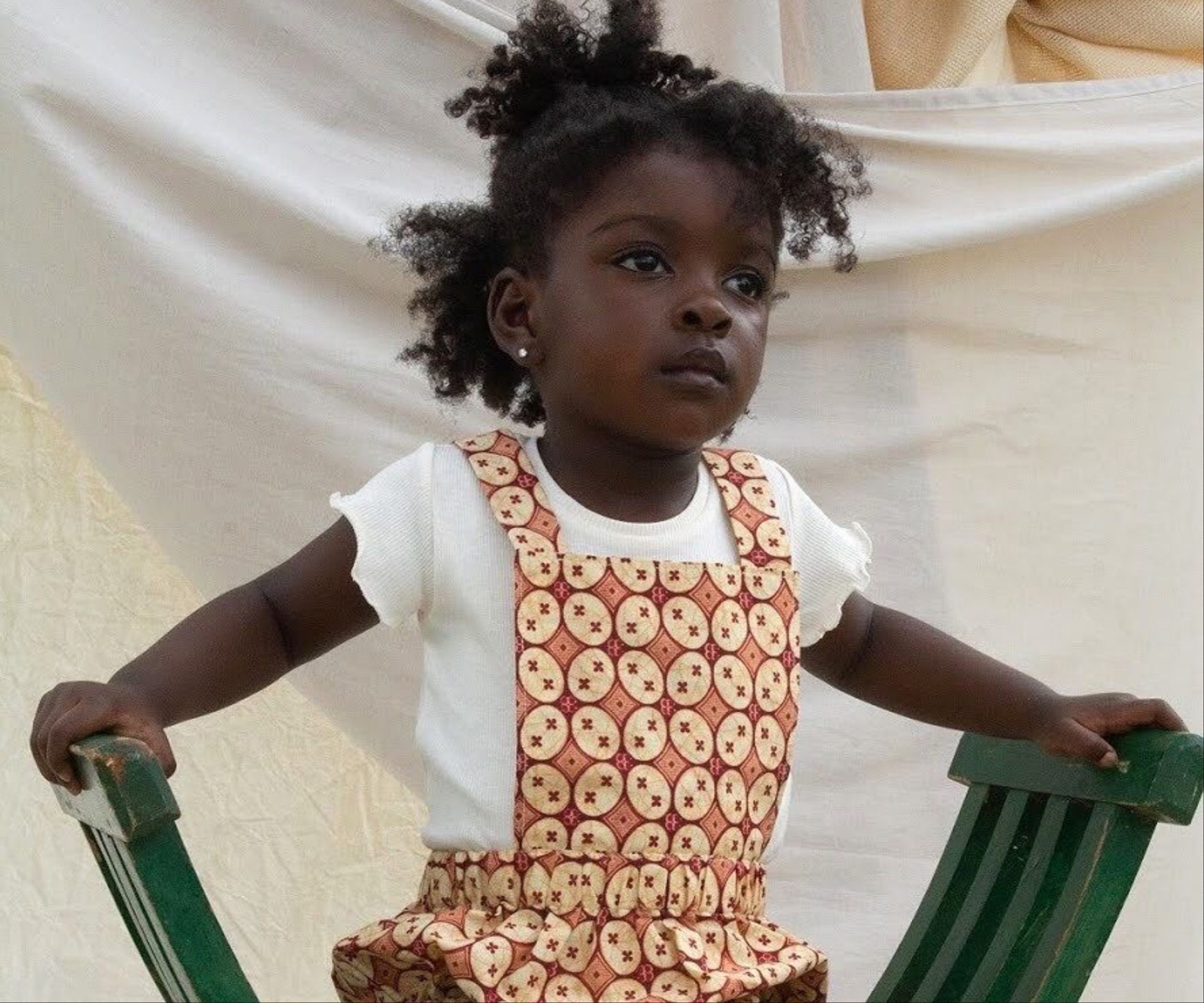
I see this idea come to life in Black Children’s Luxury Fashion Brands. This goes beyond selling clothes; it is a cultural investment that helps the next generation of leaders wear their history with pride. These brands are setting a new standard for ethical kidswear, showing that heritage-based design and careful craftsmanship are the objective measures of cultural value in today’s luxury market.
Black Children’s Luxury Fashion redefines kidswear with heritage-driven design, heirloom-quality craftsmanship, and ethical production. Invest in the future of premium kidswear.
The Mandate of Cultural Authority
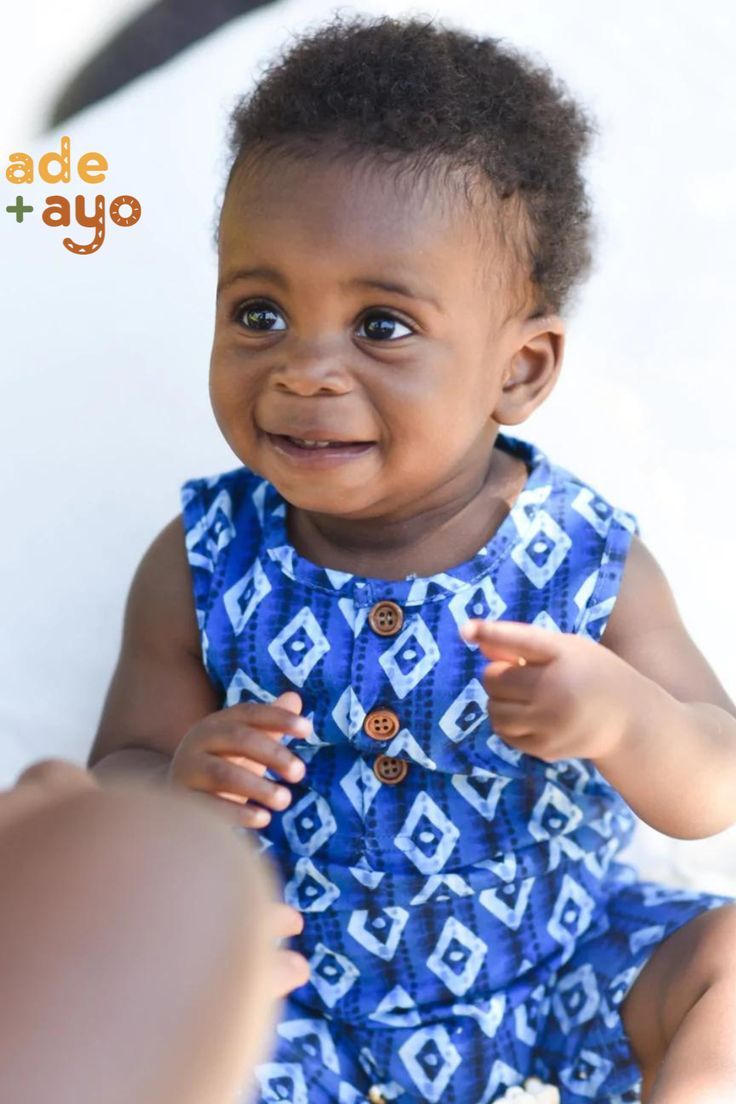
The real value of a luxury brand lies in its lasting cultural impact, not just its financial results. For generations, established European houses have provided well-made wardrobes, but they have missed the story of African and Diasporic excellence. Because of this gap, many parents now seek clothing for their children that affirms their identity from the very start.
Black children’s luxury fashion brands stand out for their strong cultural purpose. For example, Ade + Ayo was created to help children experience the beauty of African design, using Nigerian and West African styles to make heritage part of daily life. Yinibini Baby also connects generations by printing original illustrations, inspired by Caribbean childhood memories, onto organic cotton, making each piece full of personal history.
This careful approach turns each garment into more than just a purchase; it becomes a meaningful cultural asset. This is why these brands can set higher prices based on cultural authenticity, something mass-market brands cannot match.
Ethical Foundations: The Miniature Sustainable Supply Chain
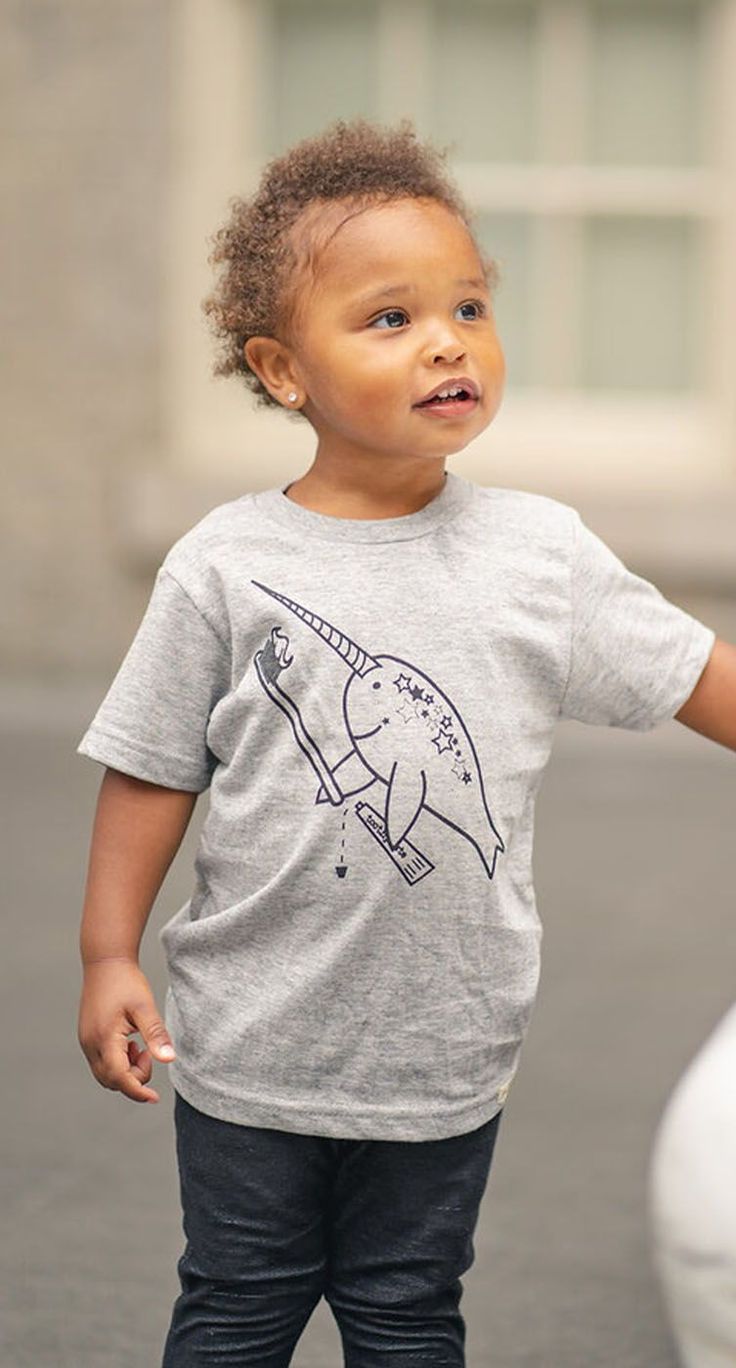
The idea of luxury is changing quickly, especially in children’s clothing. Today, the real value lies in transparency, safety, and knowing where products come from. More consumers want ethical production. While traditional luxury brands are slow to adapt, Black children’s luxury fashion brands are taking the lead by focusing on sustainable and ethical practices.
For example, Yinibini Baby uses certified organic cotton, ensuring the fabric is free of harmful pesticides and non-toxic dyes, which is essential for children’s sensitive skin.
This dedication extends throughout the supply chain, which helps build trust and authenticity. Kamso, a brand founded by a British-African woman, sources organic cotton and uses local Nigerian textiles to craft small-batch pieces by artisans. This regional and traceable approach is very different from the waste and pollution of fast fashion. It makes each child’s garment a thoughtful design that is clean, fair, and long-lasting. In the end, true luxury is about caring for both children’s health and the planet.
The Design Authority Crafting Heirloom Quality
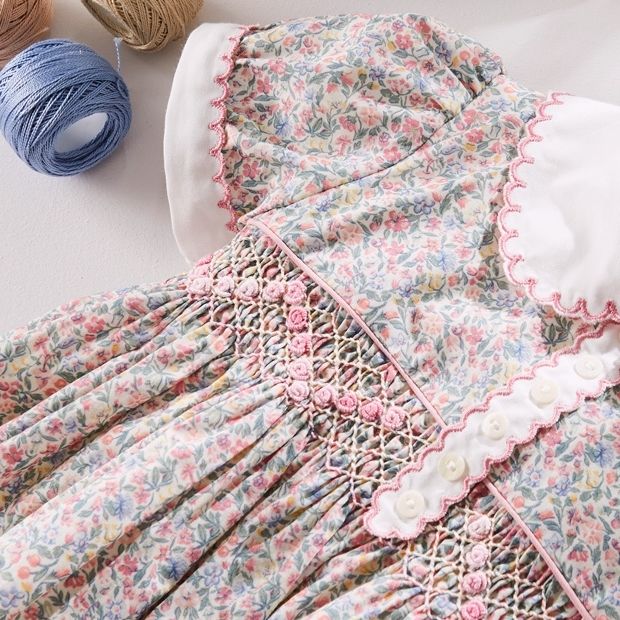
True luxury is not about the logo but about how long a piece lasts and the skill that goes into making it. Black children’s luxury fashion brands stand out here. Unlike fast fashion, which is made to be thrown away, these clothes are designed to last and be passed down in families.
This commitment leads to a careful, heritage-inspired design, as reflected in the materials and the way the clothes are made. Brands often use substantial, high-quality cotton and traditional methods like hand-smocking or embroidery, so the clothes hold up to both play and washing. Nigerian brands such as Ruff ‘n’ Tumble have built a strong reputation by mixing local styles with international appeal, focusing on durability and unique design for more than twenty years.
This focus on craftsmanship is a choice that values both history and the future. Brands such as Little Gabies, inspired by the Ethiopian Gabi blanket, show respect for heritage by using high-quality, natural materials that feel warm and traditional, making each piece something to treasure for years. By focusing on quality and cultural meaning, these brands turn clothing into a lasting legacy and build a strong market presence.
ALSO READ:
The Global Stage and Future Forecast
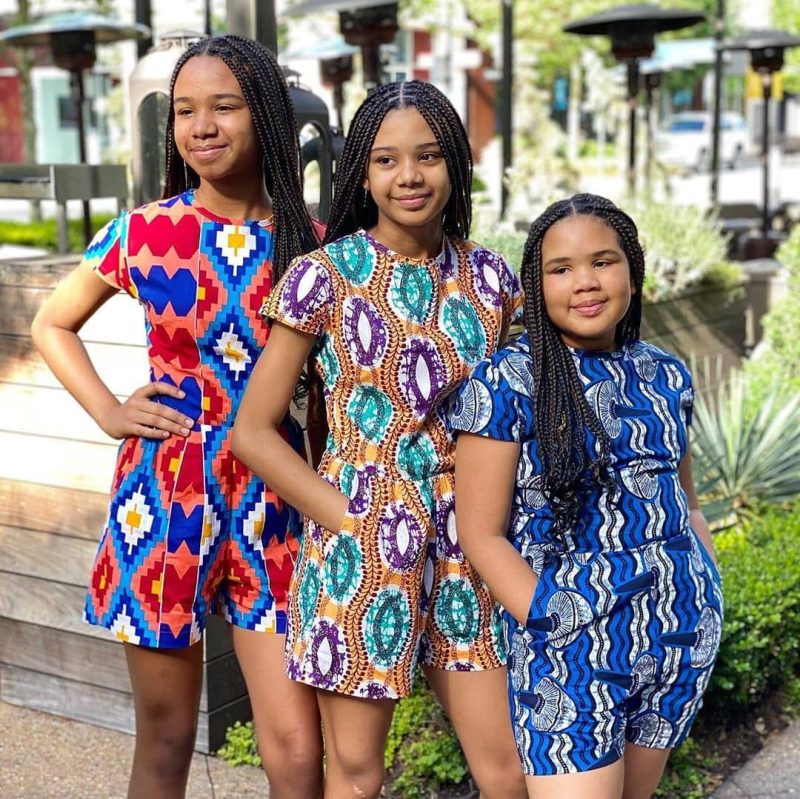
Black children’s luxury fashion brands are no longer just a niche; they now have a strong global presence and are shaping the future of the luxury market. What started as a call for authentic representation has attracted a much broader group of consumers who care about origin, storytelling, and truly sustainable and ethical luxury. The unique look of heritage-inspired design shows that cultural influence is now a key driver of business success.
Market forecasts highlight this change, showing that the premium kidswear segment will continue to grow, especially for brands that combine quality with a strong story and demand greater transparency. Investors are now backing companies that support local craftsmanship and fair labour, setting a new standard for ethical kidswear that even the most prominent luxury brands will need to follow.
Brands like Miles & Milan, which began as local solutions with gender-neutral, comfortable basics and inclusive designs, are now succeeding globally online, showing that this approach can scale. The real achievement of this is not just making new clothes, but proving that the most lasting luxury is the kind that honours its roots and celebrates the world’s diversity.
Uncover the economic and cultural stakes of this critical movement and follow the future of textile heritage revival exclusively on Omiren Styles.
Conclusion
True luxury goes beyond simple consumption and becomes something that can be passed down, and Black children’s luxury fashion brands are now leading the way. This is more than just a passing trend; it represents the future of premium kidswear, where accountability and excellence matter. By combining heritage-inspired design with firm commitments to sustainability and ethics, these brands make sure that quality, origin, and cultural meaning are part of a child’s earliest clothes. They are making garments meant to last for generations, turning each purchase into a meaningful legacy.
Frequently Asked Questions (FAQs)
- How do Black children’s luxury fashion brands drive cultural legitimacy?
A: They drive cultural legitimacy by consciously embedding heritage-driven design and authentic cultural motifs into their garments, transforming clothing into a powerful statement of identity and pride for the next generation.
- What defines the “heirloom quality” in this market segment?
A: Heirloom quality is defined by meticulous, intentional design, superior craftsmanship, and the exclusive use of high-grade, durable, and often organic materials that ensure the garment lasts for generations rather than ending up as fast-fashion waste.
- How do these brands lead in sustainable and ethical production?
A: They lead by prioritising radical ethical production, including the use of non-toxic dyes, certified organic cotton, and small-batch production that supports local artisans and creates a fully traceable, sustainable & ethical luxury supply chain.
- What is the most significant future growth factor for this market?
A: The most significant growth factor is the combined demand from global consumers for both authentic cultural representation and uncompromising safety/sustainability, making these brands the clear benchmark for the entire industry. The most significant future growth opportunity is in the premium wear market.