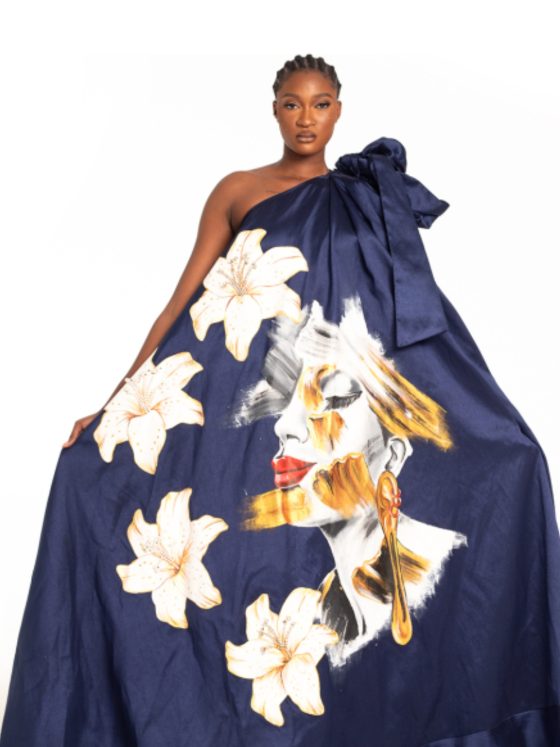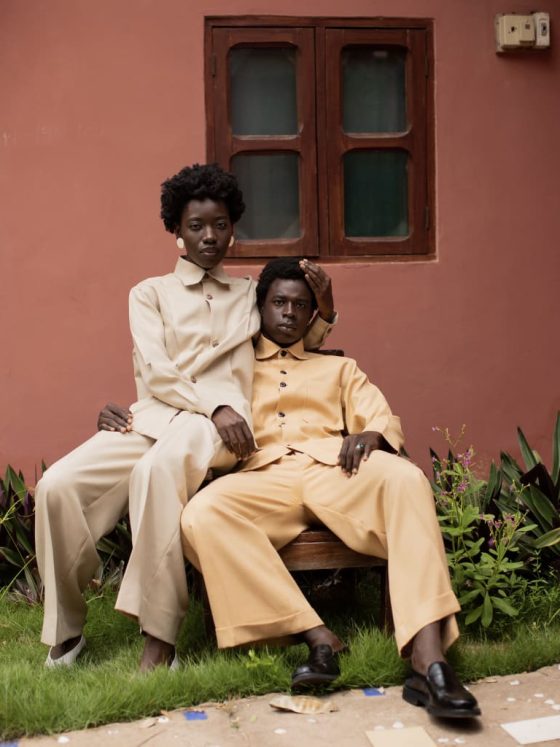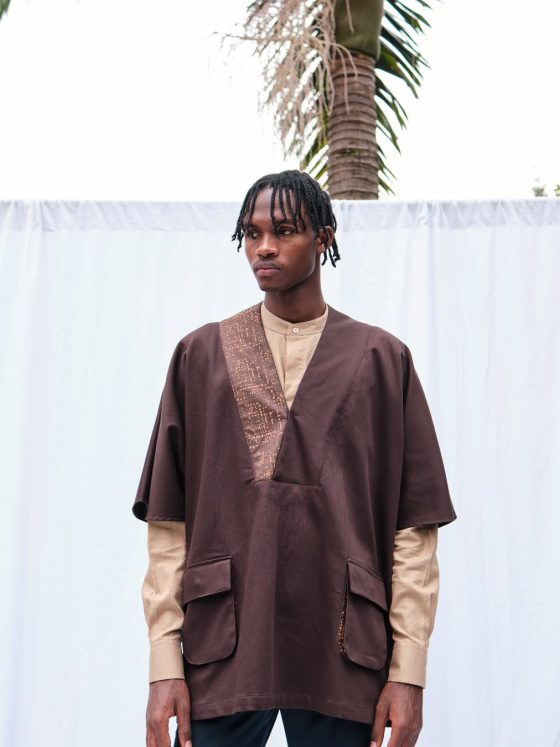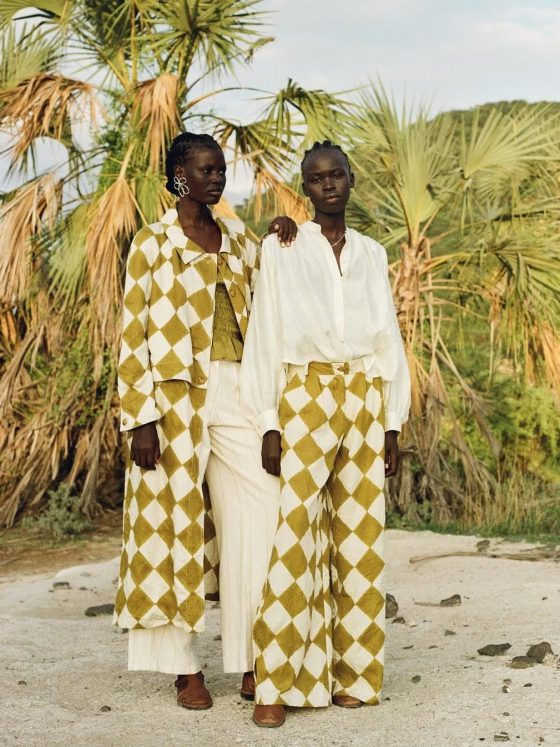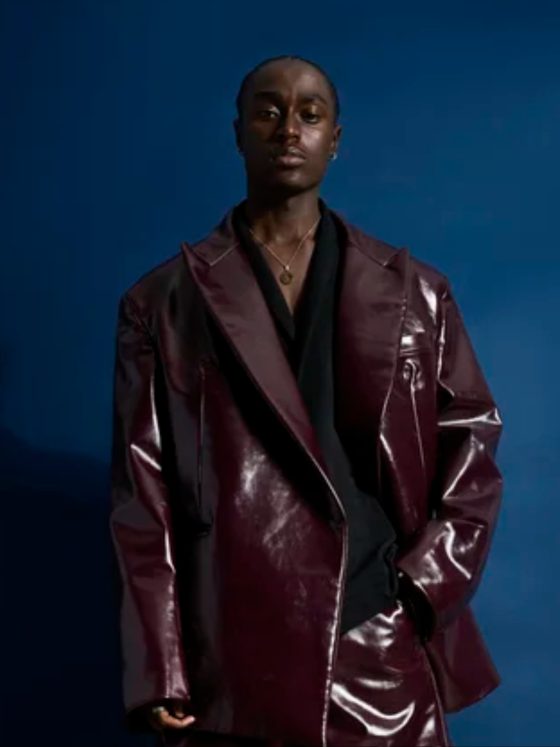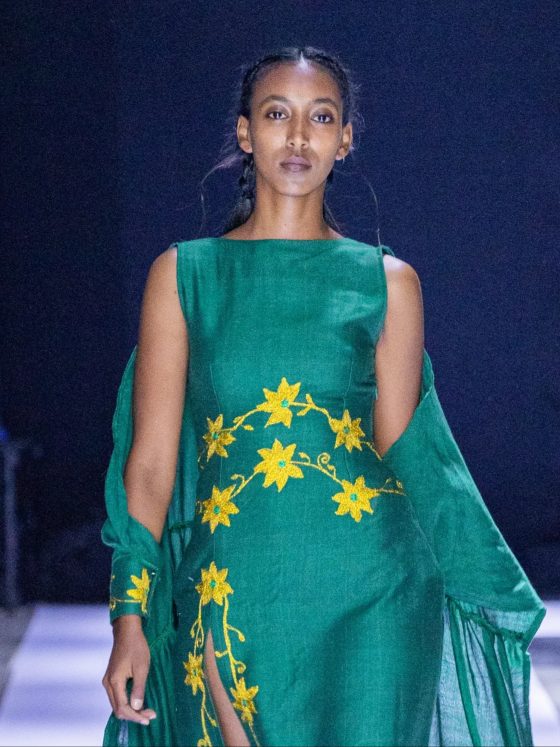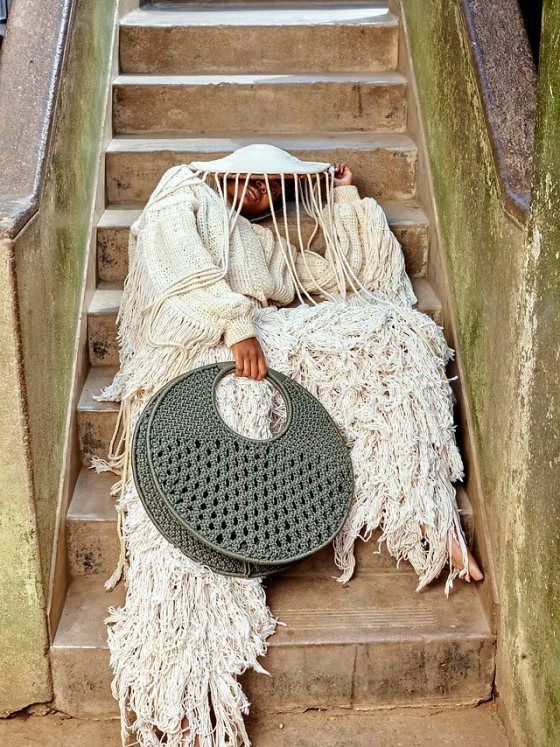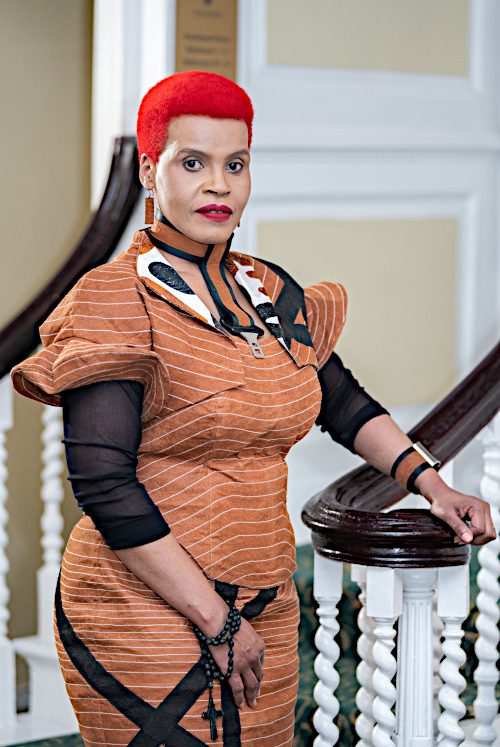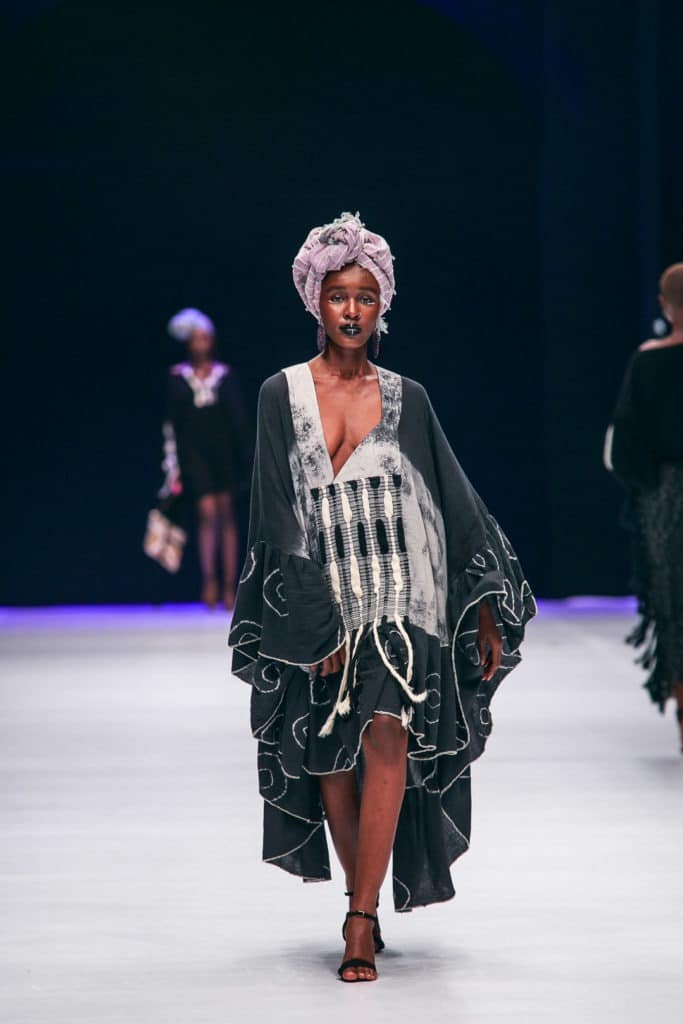
There are fashion careers built on visibility, and others built on position.
Awa Meité belongs to the latter. Her work does not circulate through noise or constant self-definition. It accumulates relevance through repetition and through carefully made, consistently upheld material decisions over time. In an industry trained to value speed, her practice operates on control.
From Bamako, she has constructed a fashion language that does not announce itself as African, sustainable, or experimental. It acts as though those concepts are already well-known.
That confidence is not accidental.
Awa Meité builds a fashion language rooted in Bamako, grounded in material intelligence, restraint, and a new model of African luxury.
The Intelligence of Beginning With Fabric
For Meité, design does not begin with concept boards or seasonal narratives. It starts with access to cotton, weavers, dye houses, and the realities of production in Mali.
This starting point shapes everything that follows.
When fabric is sourced locally and woven in limited quantities, silhouette becomes a decision rather than a fantasy. Cuts must respect weight. Volume must justify itself. Waste is not abstract; it is visible.
This constraint produces clarity. Meité’s garments feel resolved because they are designed within real parameters, not ideal ones. The clothes know where they come from.
Why Bamako Shapes the Brand
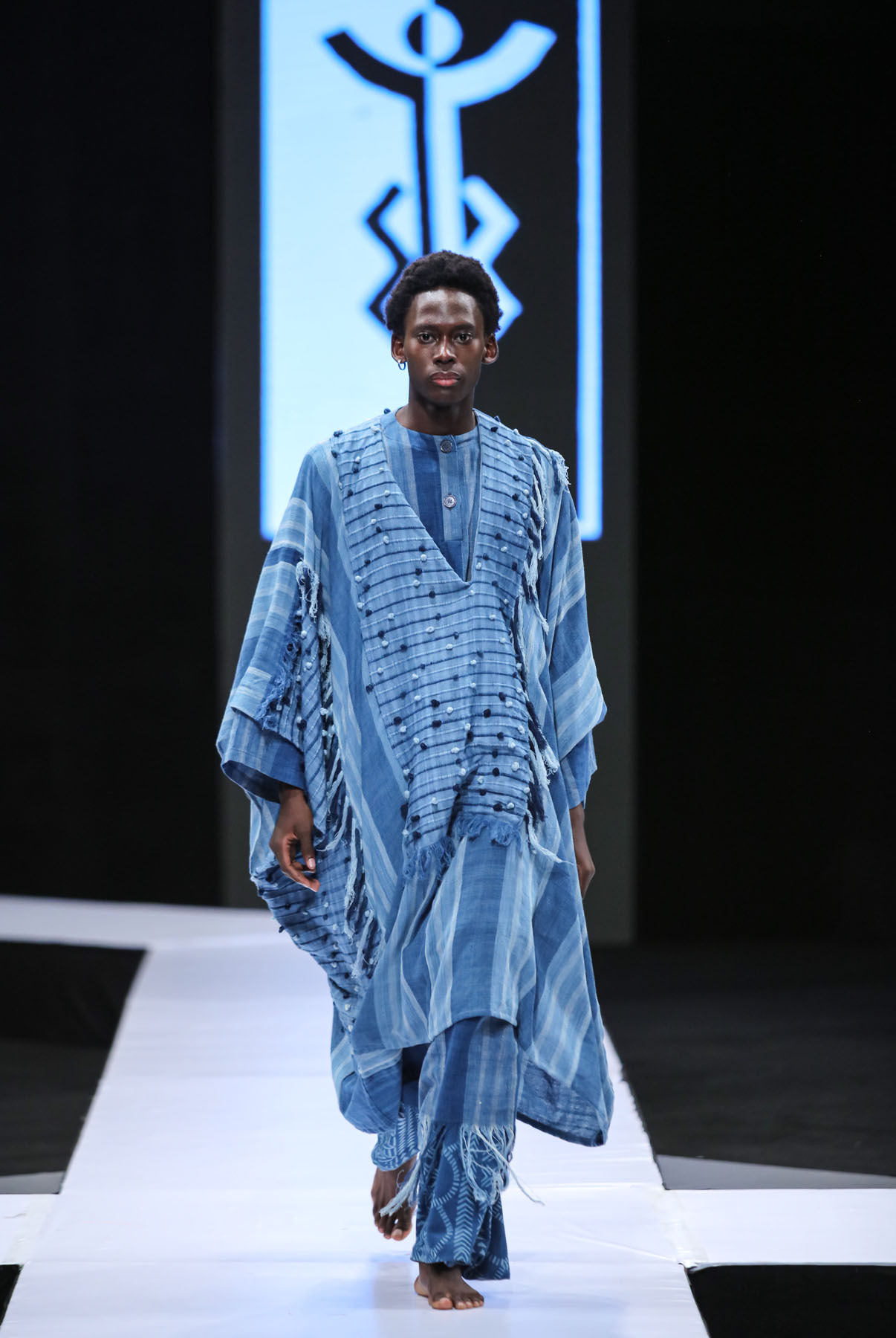
Building a fashion brand from Bamako requires a different definition of success. There is no expectation of constant collection drops, no pressure to feed a global calendar. Distribution is selective. Growth is deliberate.
This environment allows something rare in fashion: continuity.
Rather than chasing expansion, Meité has focused on coherence — ensuring that each collection strengthens the last. Over time, this creates recognisability without repetition. Her work becomes identifiable not through logos or signatures, but through posture.
The brand stands upright.
Editing as Design Philosophy
What often goes unnoticed in discussions of African fashion is the role of editing. Meité’s work demonstrates how robust subtraction can be.
She removes excess detail. She limits colour stories She avoids unnecessary embellishment even when tradition might allow it. Such an approach is not a rejection of heritage; it is an understanding of proportion.
The result is clothing that feels intentional rather than expressive — fashion that trusts the wearer instead of instructing them.
Craft as Infrastructure, Not Storytelling
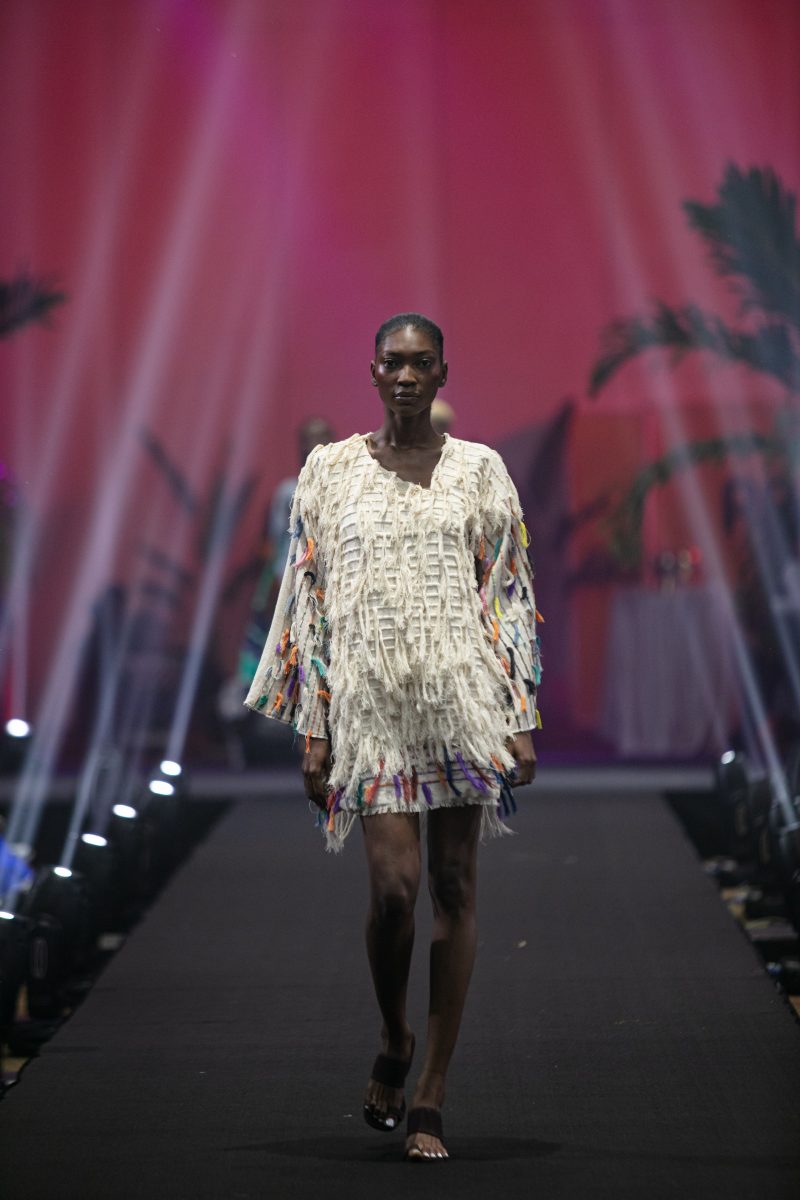
Meité’s relationship with artisans is operational, not symbolic. Weavers and dyers are collaborators within a system, not references in a narrative.
This distinction matters.
By treating craft as infrastructure, she ensures consistency and quality while avoiding the trap of nostalgia. Techniques evolve because they must, not because they are being preserved for display.
Her garments embody history without explicitly showcasing it.
Sustainability Without Rhetoric
In global fashion discourse, sustainability is often communicated through language. In Meité’s work, it is communicated through outcome.
Garments are produced in small quantities because scaling would compromise control. Materials are chosen for durability because replacement is inefficient. Local production persists because oversight matters.
These decisions are pragmatic, not ideological — and that pragmatism is what makes them effective.
Global Visibility, Strategically Timed
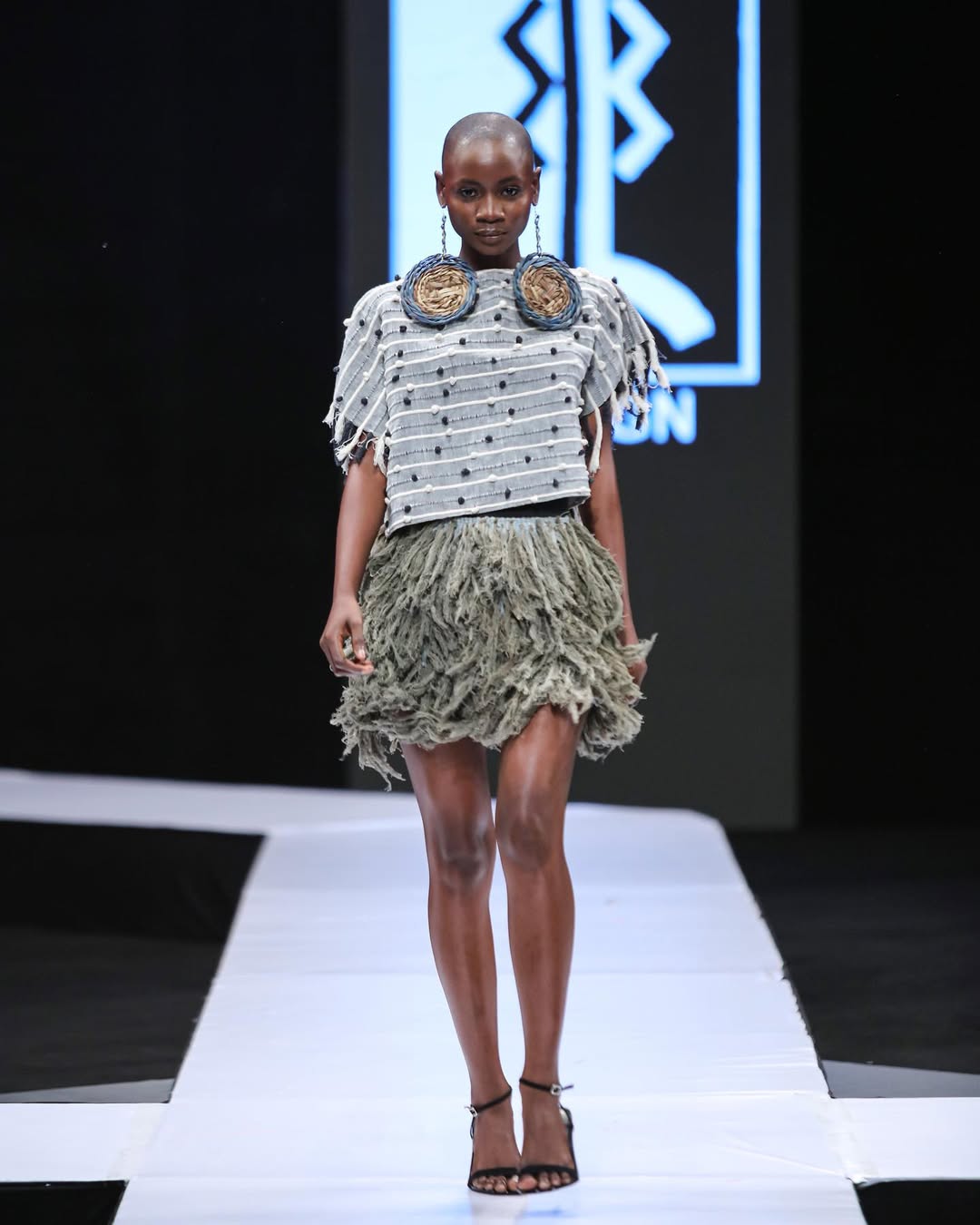
Meité’s entry into international fashion spaces has been measured. Appearances at Lagos Fashion Week, Paris presentations, and Shanghai Fashion Week did not mark reinvention moments. They extended an existing logic.
Her work resonates globally because it does not adjust itself for global approval. The clothes remain rooted, and that rootedness becomes their appeal.
Recognition followed discipline, not the other way around.
The Business of Restraint
What many readers may not realise is that restraint functions as a business strategy.
By limiting output, Meité protects brand integrity By refusing overexposure, she maintains value. By prioritising longevity, she establishes trust with clients, collaborators, and buyers.
The result is not slow fashion as a moral position. It is slow fashion as a competitive advantage.
READ MORE:
- Laduma Ngxokolo: Crafting the Future of Xhosa Luxury
- Moshions: Kigali’s Brand Redefining Contemporary Rwandan Style
- Loza Maléombho: Redefining African Fashion for the Global Stage
A Different Model of African Luxury
Meité’s work challenges prevailing assumptions about African luxury, that it must be bold, symbolic, or maximal to be legible.
Instead, she offers another possibility: luxury as judgment.
Her garments suggest that confidence can be quiet, that culture can be embedded, and that modernity does not require erasure.
Why This Matters Beyond One Designer
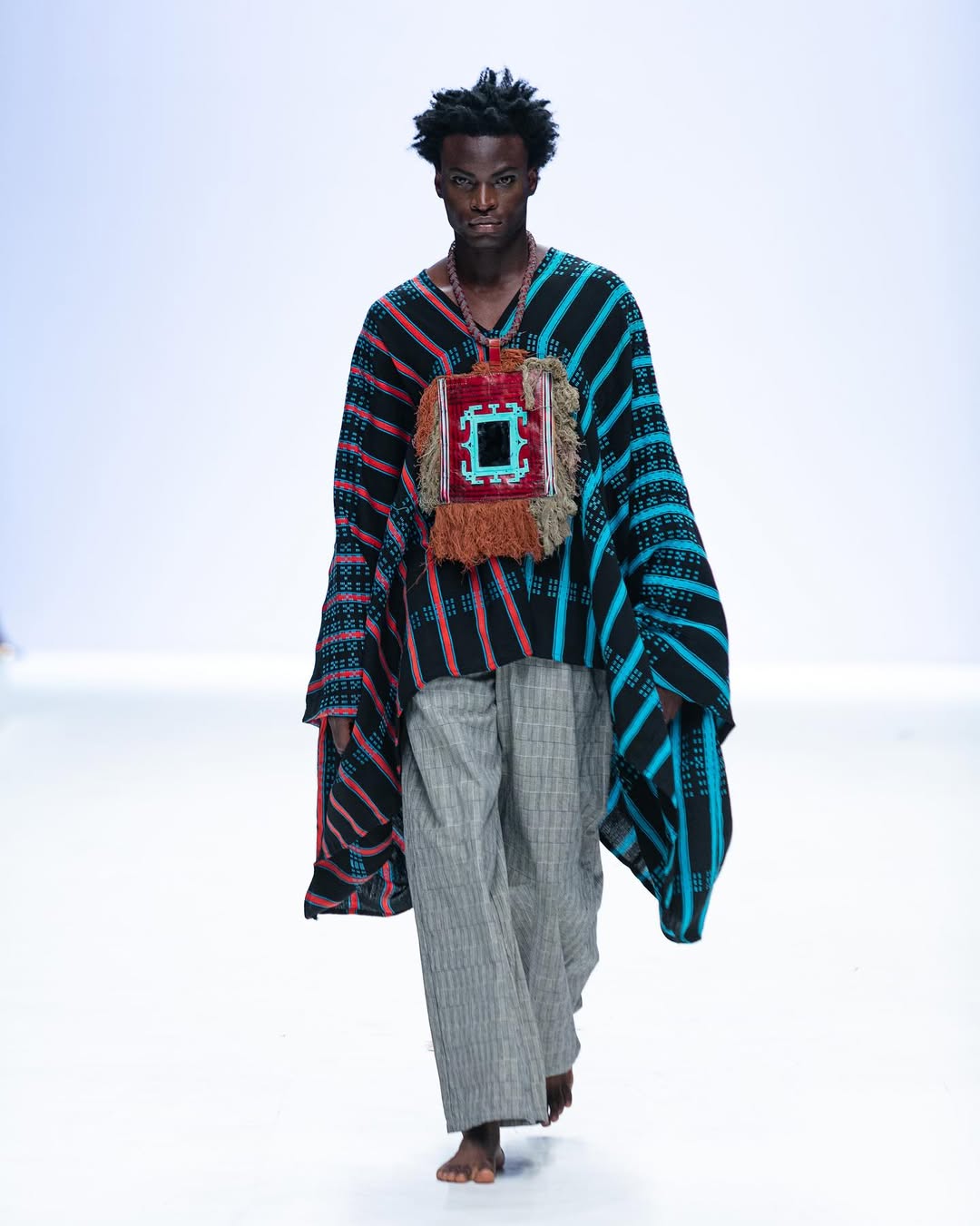
Awa Meité’s practice signals a broader shift in African fashion, one led by designers who prioritise systems over spectacle.
These designers do not seek inclusion. They are building structures that make inclusion irrelevant.
From Bamako, Meité demonstrates how fashion authority can be patiently and intelligently constructed on one’s own terms.
That is not a trend. It is a position.
Celebrate innovative design rooted in culture — browse African Fashion Designers on OmirenStyles
Frequently Asked Questions
- Who is Awa Meité?
Awa Meité is a Bamako-based fashion designer known for sculptural silhouettes and a disciplined approach to contemporary African luxury rooted in Malian craft.
- What defines Awa Meité’s design approach?
Her work prioritises material intelligence, restraint, and structure; she designs garments based on fabric behaviour rather than trends or seasonal narratives.
- Where is Awa Meité’s fashion label based?
Her label operates from Bamako, Mali, with production closely tied to local artisans, weavers, and traditional dye specialists.
- Is Awa Meité associated with sustainable fashion?
Yes. Sustainability in her work is practical and built into production through local sourcing, small-batch manufacturing, and long-term garment design.
- Why is Awa Meité significant in African fashion today?
She represents a new model of African luxury defined by clarity, cultural confidence, and global relevance without spectacle or overstatement.