In fashion, very few designers earn the title of master. Even fewer do so quietly without loud runways, branding hype, or the frantic rhythm of fashion weeks. Azzedine Alaïa, the Tunisian-born couturier who moved from Tunis to Paris, belongs to that rare group. Known for sculptural precision, unrivalled craftsmanship, and garments engineered to celebrate the female form, Alaïa built a global legacy rooted in discipline rather than spectacle.
This article explores his life, the technical depth of his work, the milestones that shaped his influence, how to patronise Maison ALAÏA today, and why he remains one of the most important designers ever to emerge from Africa.
Azzedine Alaïa, Tunisian couturier, reshaped global fashion with sculptural craft. Explore his legacy, milestones, and how to shop Maison ALAÏA today.
Quick-Glance Highlights
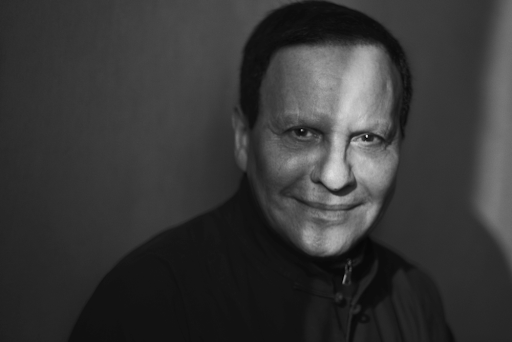
- Name: Azzedine Alaïa
- Origin: Tunis, Tunisia (North Africa)
- Profession: Couturier, shoe designer, sculptor
- Signature: Body-conscious silhouettes, precision cutting, second-skin dresses, laser-cut leather
- Brand: Maison ALAÏA (Paris)
- Legacy: Global icon, museum-grade designer, influential atelier model
- How to Buy: Official online store, Paris flagship, luxury retailers, authenticated vintage pieces
Early Life in Tunisia – The Making of a Vision
Azzedine Alaïa was born in Tunis in 1935 and raised in a small community where drawing and sculpting captured his early interests. His first connection to fashion came from helping a local dressmaker. These early experiences taught him about craftsmanship, fabric handling, and silhouette foundations that later defined his global identity.
Later, Alaïa went to the École des Beaux-Arts in Tunis to study sculpture. This sculptural lens shaped his philosophy: clothes should reveal the body’s structure rather than hide it.
His North African heritage played a significant role in his sensitivity to curves, posture, and the natural beauty of the human form, a quality critics and historians consistently highlight in discussing his influence.
Paris Years – The Rise of a New Kind of Couturier
When Alaïa moved to Paris in the 1950s, he entered an industry dominated by French couture giants. Though he briefly worked with iconic houses, he preferred small-scale craftsmanship. This independence allowed him to refine his unique method: hand-cutting, fitting, and sculpting garments directly on bodies rather than mannequins.
He operated privately, building a quiet clientele of women who valued precision over trend. By the late 1970s and 1980s, through word of mouth alone, Alaïa became a global name.
Why Paris Embraced Him
- His technique was unlike traditional couture.
- He focused on engineering garments rather than decorating them.
- He approached clothing with a structural, disciplined, and intentional mindset, similar to how one would approach architecture.
- Celebrities and models became consistent ambassadors, wearing Alaïa both publicly and privately.
Signature Style – Craft That Became Language
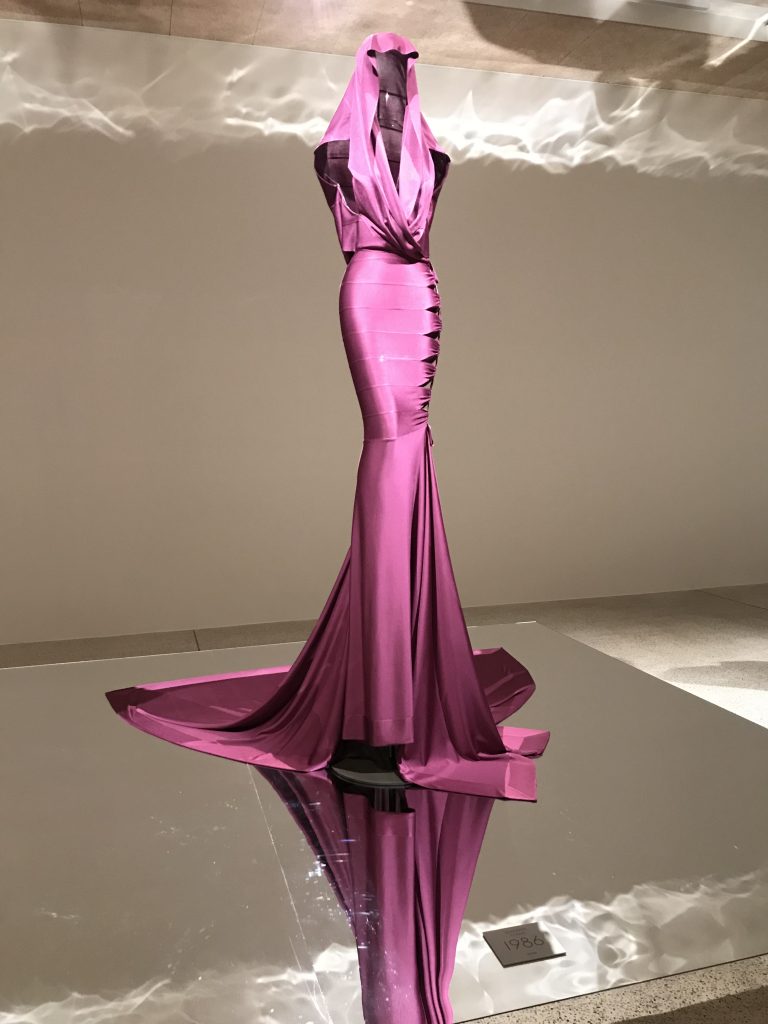
Alaïa’s work is often described by one word: sculptural.
But what did that actually mean?
a. Engineering the perfect fit
Instead of relying on standard fashion patterns, Alaïa cut and fitted garments directly on bodies. This strategy resulted in:
- Seam placements that enhanced curves
- Fits that felt almost anatomical.
- Dresses that moved with the wearer
b. Master of stretch and structure
He was one of the earliest couturiers to experiment with:
- Dense stretch knits
- Viscose jerseys
- Laser-cut leathers
These fabrics allowed him to create garments that clung without constraining, a revolutionary idea at the time.
c. The “King of Cling”
Because of his ability to create second-skin dresses that shaped and celebrated the wearer’s figure, he unofficially became known as “The King of Cling”.
But unlike many designers who embraced sexuality as spectacle, Alaïa’s approach was rooted in respect for the body rather than the male gaze. He sculpted curves with reverence, not provocation.
ALSO READ:
- Thebe Magugu: African Heritage Meets Global Luxury in 2025
- IAMISIGO: Preserving Indigenous Textiles and Growing Global Recognition
Milestones That Prove His Global Status
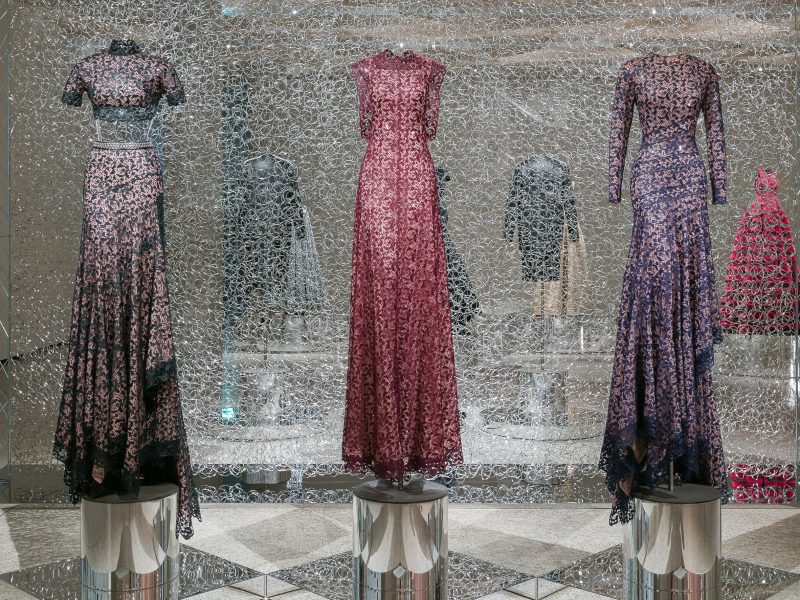
1950s–60s – Paris Apprenticeships
He worked with several couturiers and dressmakers, absorbing technical precision.
1970s — Private atelier begins
Alaïa built an elite clientele through private fittings at his apartment atelier.
1980s — International breakthrough
Supermodels, celebrities, and world icons embraced his designs. His clothing became synonymous with power, luxury, and craft.
1990s — Cult status
While the fashion world shifted toward branding and commercial expansion, Alaïa resisted. This decision preserved his artistic purity and increased his cult following.
2000s–2010s — Institutional acclaim
His work entered major museum collections. Retrospectives celebrated his contributions to modern dressmaking.
2017 — Passing and legacy
At his death, Alaïa was celebrated not just as a designer but as a teacher of craft and discipline. His remains were returned to Tunisia, affirming his connection to North Africa.
Why Azzedine Alaïa Remains a Global Fashion Giant
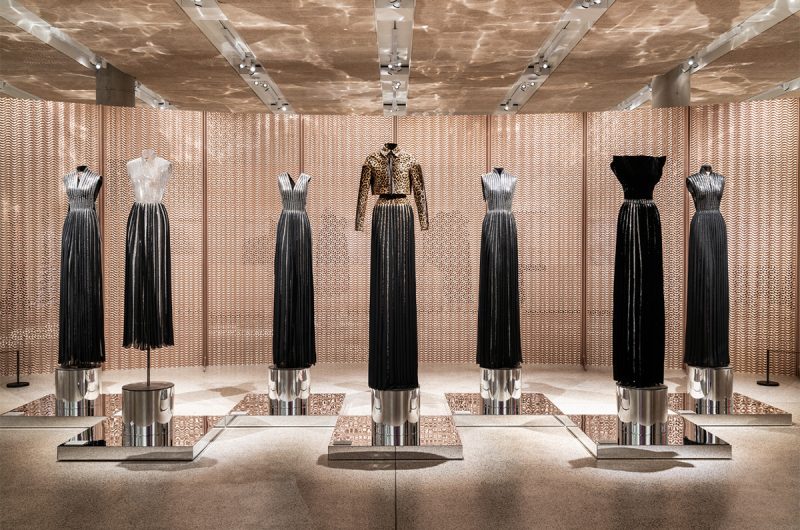
Alaïa’s influence extends far beyond the runway. His principles reshaped how the world views couture.
a. Craft over spectacle
His refusal to follow the fashion calendar inspired a new respect for slow, deliberate creation.
b. Museum-level artistry
His designs are now part of permanent collections in major museums around the world, proof that his work sits at the intersection of fashion and fine art.
c. Foundation and Archive
The Azzedine Alaïa Foundation in Paris preserves:
- Thousands of garments
- Tools, sketches, fabrics
- Other designers’ works he collected.
This archive serves as a learning hub for scholars, designers, and fashion historians.
How to Patronise Maison ALAÏA Today
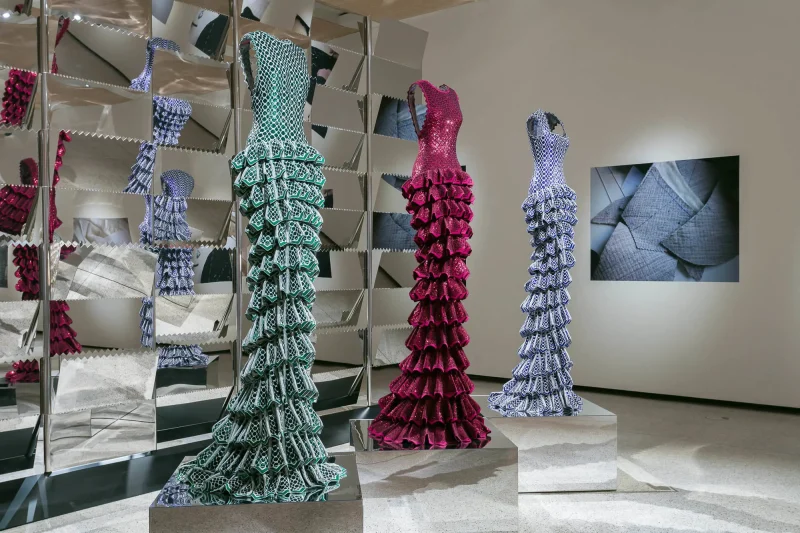
Alaïa’s brand continues actively after his death. Here’s how to buy authentic pieces:
1. Official Online Store
Maison ALAÏA sells ready-to-wear, accessories, bags, shoes, and seasonal collections directly through its website.
This is the safest, most authentic source.
2. Paris Flagship
Located at Rue du Faubourg Saint-Honoré, the flagship offers the full brand experience.
3. Luxury Retailers
Selected global retailers stock Alaïa:
- Selfridges
- Bergdorf Goodman
- Matches
- Harrods
4. Vintage Couture
For older pieces from the 1980s and 1990s, include vintage clothing and accessories.
- High-end vintage houses
- Auction platforms
- Curated resale stores
Tip: Always verify authenticity, especially with older pieces.
5. Private Atelier The brand still offers bespoke options for elite clients. Contacting the brand directly is required.
Why African Writers and Fashion Scholars Should Study Alaïa
Alaïa is essential to Africa’s global fashion narrative because:
- He is one of the continent’s most influential designers in history.
- His global success proves African designers can dominate couture without erasing their roots.
- His technical discipline sets a standard for upcoming designers.
- He used his heritage as a strength, not a limitation.
Alaïa’s story expands the map of African excellence:
North Africa → Paris → Global Art & Fashion History
Explore more profiles of Africa’s rising and established designers exclusively on Omiren.
FAQs
1: Who was Azzedine Alaïa?
A Tunisian-born couturier known for sculptural, body-conscious designs and exceptional craftsmanship. He built his career in Paris and became a global fashion icon.
2: Is the Alaïa brand still active?
Yes. Maison ALAÏA continues to release collections, accessories, and shoes, while preserving its heritage.
3: Where can I buy Alaïa pieces?
Through the official Maison ALAÏA online store, the Paris flagship, select luxury retailers, or authenticated vintage sellers.
4: What makes Alaïa unique?
His engineering-like approach to cutting garments, mastery of stretch fabrics, and museum-level craftsmanship.
5: Is Alaïa considered haute couture?
While he operated outside the official couture calendar, his pieces meet couture-level standards in technique and construction.
6: What is his foundation about?
The Azzedine Alaïa Foundation preserves his archive, hosts exhibitions, and supports fashion education.