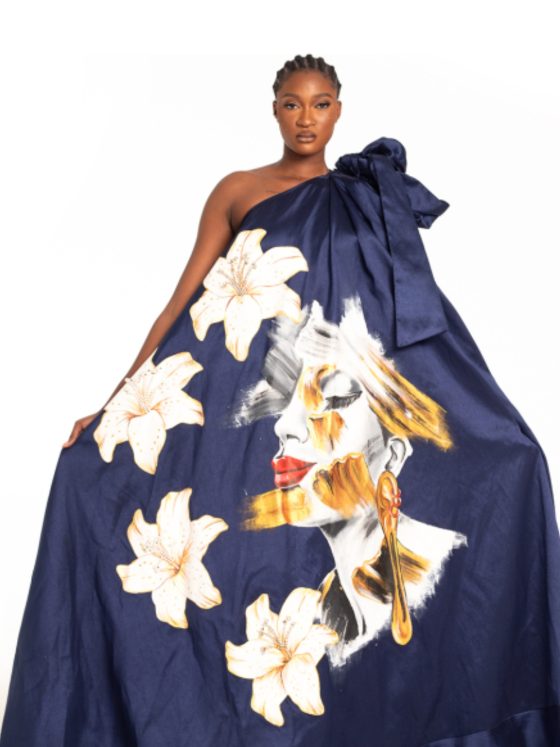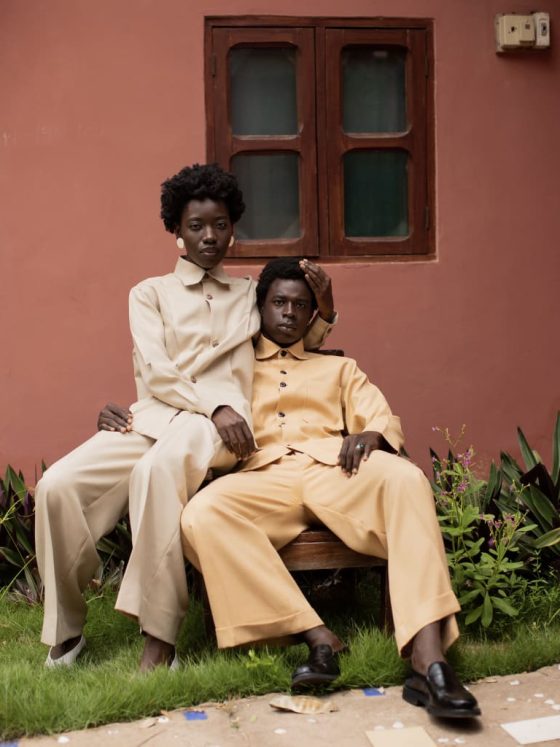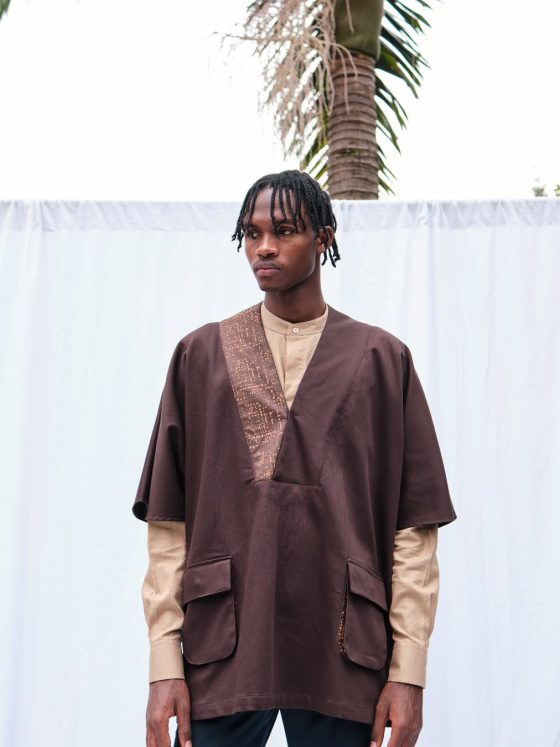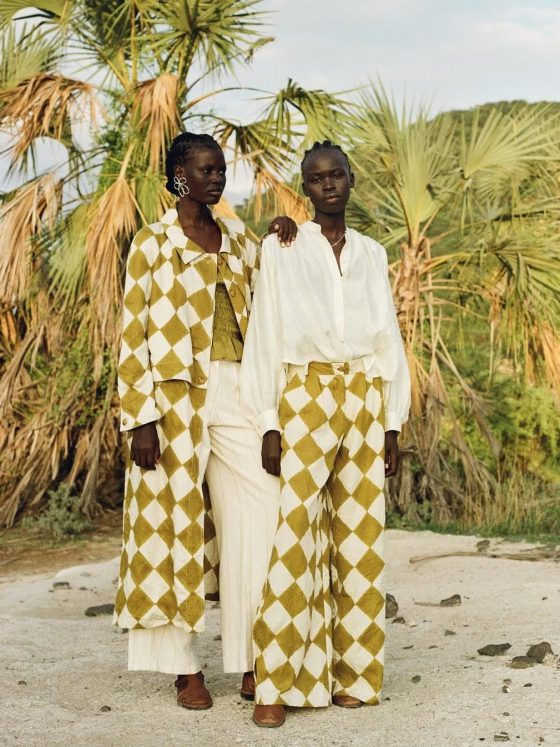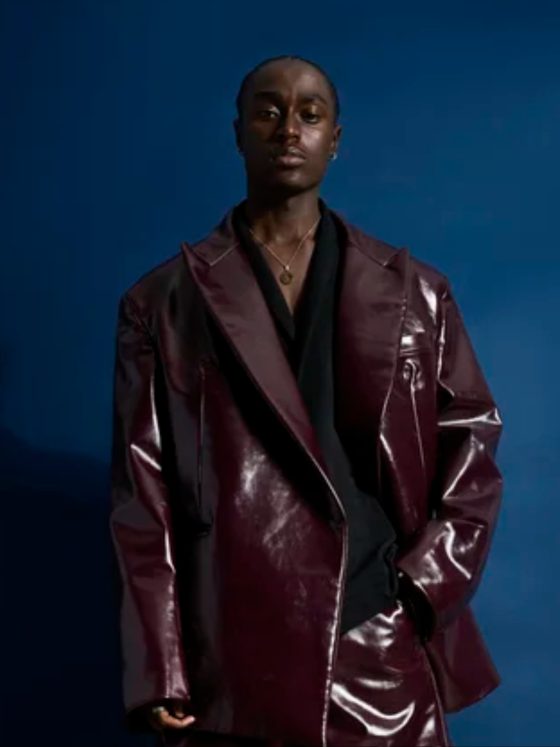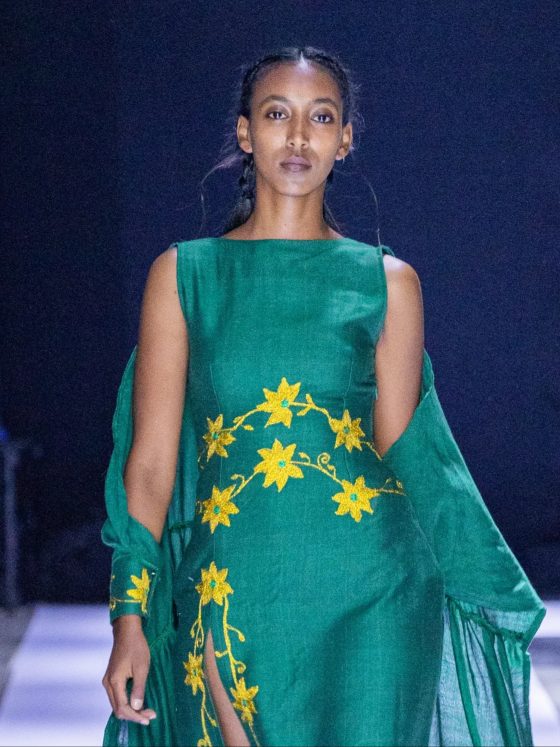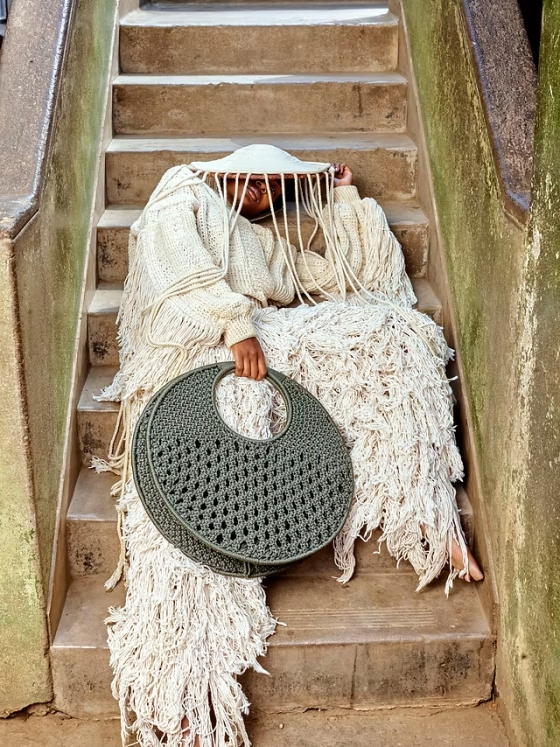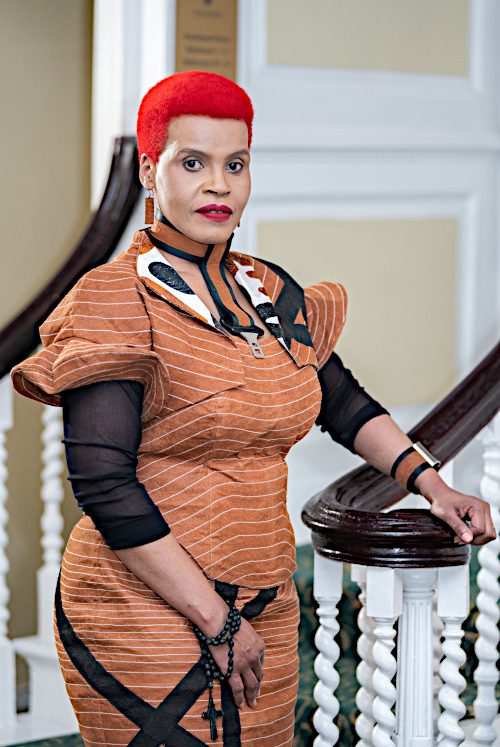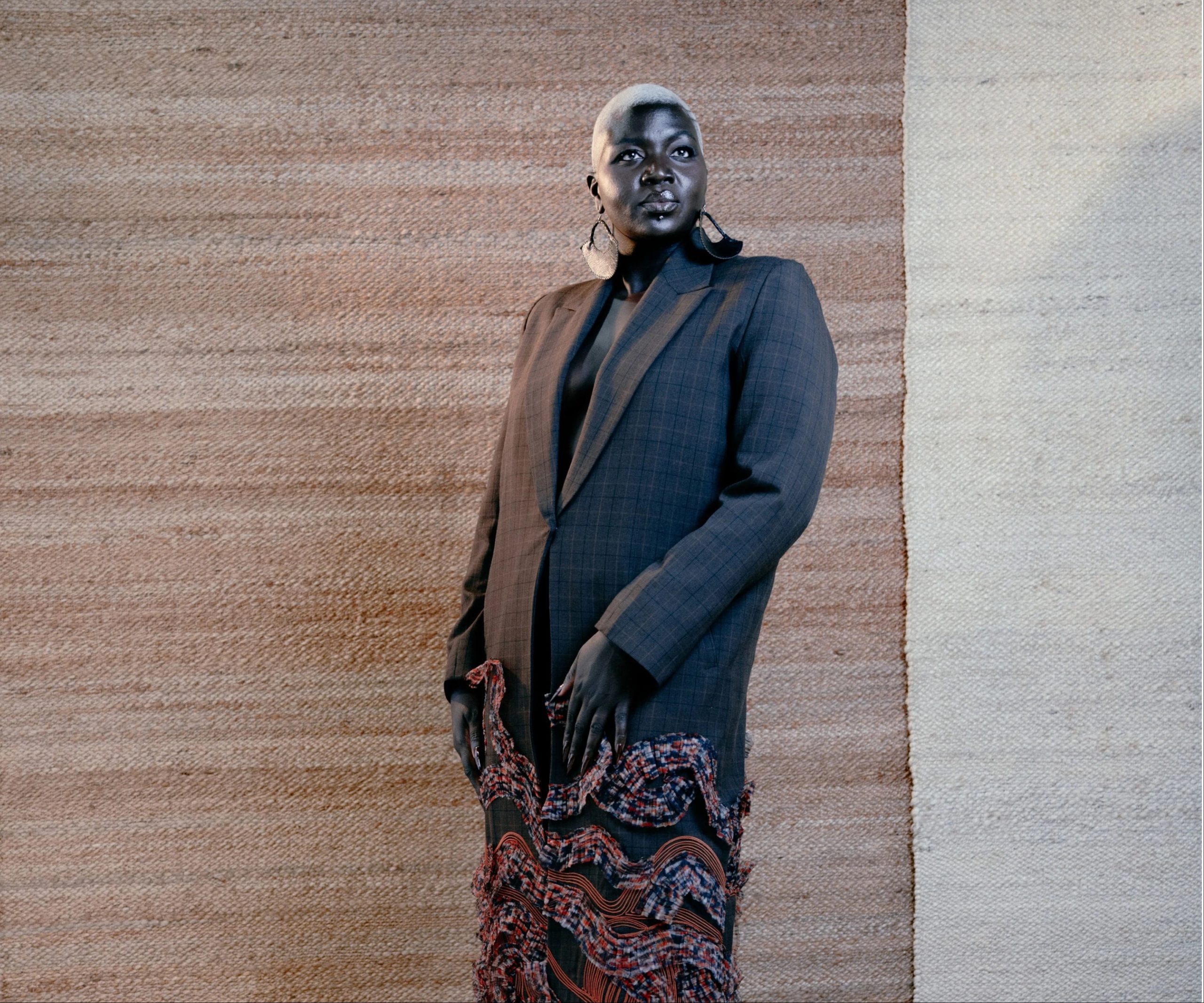
For decades, the global luxury fashion industry functioned as a closed circle, acknowledging Africa’s contribution only in whispers. But that era is over!
A new class of African luxury designers is rewriting the language of high fashion, not as outsiders hoping for recognition, but as authoritative voices shaping the very direction of global runway culture.
Their work challenges outdated narratives, introduces new aesthetic codes, and expands the possibilities of what luxury can represent in a world that increasingly demands authenticity and depth.
Across North, West, East, Central, and Southern Africa, a generation of designers has pushed beyond regional acclaim to establish global relevance, earning spots on Paris runways, Met Gala carpets, red-carpet premieres, and museum exhibitions.
The rise of African luxury is a structural shift powered by craftsmanship, cultural memory, and innovation.
This article investigates the designers leading that shift, how they achieved global presence, and why luxury’s future now runs through Africa.
African luxury designers are reshaping global fashion with new aesthetics, craftsmanship, and cultural depth, redefining today’s runway culture.
The New Luxury: Rooted in Craft, Shaped By History
What sets African luxury apart on the world stage is the philosophy that underpins its work. Many African designers create with a dual lens of preserving heritage while inventing new design languages that feel globally relevant. This foundation of craft, identity, and heritage has given African luxury a narrative depth rare in modern fashion.
The global industry has also shifted. Consumers now demand authenticity and cultural grounding. Museums are curating African fashion as fine art. Luxury brands seek fresh creative voices beyond Europe. In this landscape, African designers are not merely participants; they are leaders.
Designers Shaping the Global Fashion Landscape
1. Imane Ayissi (Cameroon) – The Couture Revolutionary
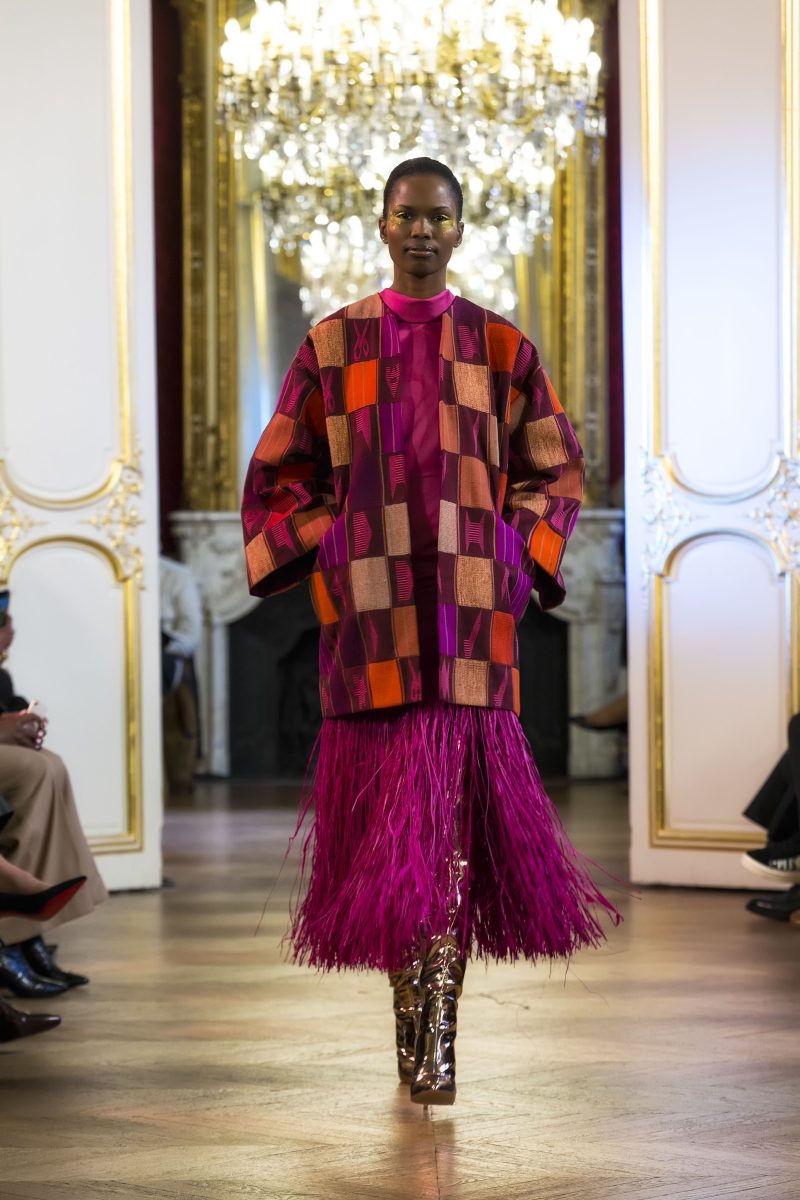
Imane Ayissi’s debut on the Paris Haute Couture calendar marked a historic moment: one of the very few African designers to show on the official stage. His collections fuse rare African textiles, sculptural forms, and continental fabrics into high-fashion garments. Ayissi challenges Eurocentric couture norms, proving that precision, elegance, and African heritage can coexist on fashion’s most elite stage.
2. Thebe Magugu (South Africa) – The Intellectual Designer
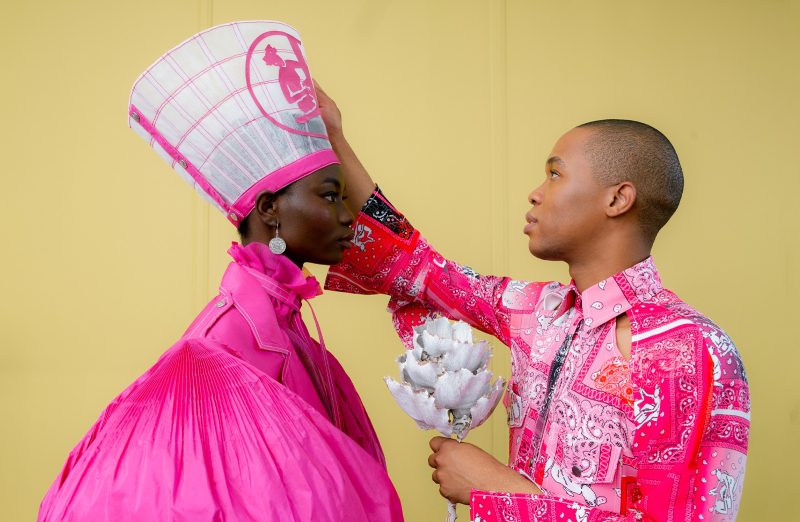
Thebe Magugu, the 2019 LVMH Prize winner, is renowned for her ability to combine investigative storytelling with luxury fashion. Each collection explores cultural narratives, socio-political history, and African heritage through sharp tailoring and modern silhouettes. Magugu’s work transforms South Africa’s socio-historical memory into a global luxury vocabulary, with international stockists, red-carpet appearances, and recognition from fashion institutions.
3. Kenneth Ize (Nigeria) – The Modern Custodian of Craft
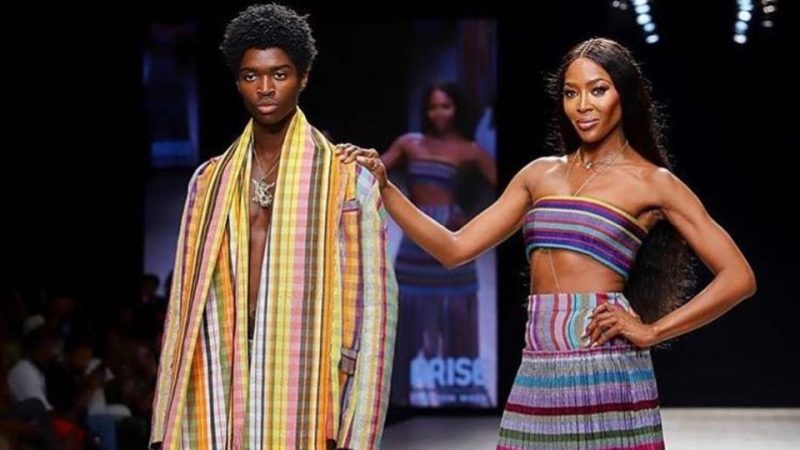
Kenneth Ize brought Nigeria’s traditional textile, Aso Oke, to the global runway with modern precision. His Paris Fashion Week debut showcased artisanal weaving communities, merging craft preservation with contemporary luxury. Collaborations with international designers and global stockists highlight how local textile industries can thrive without compromising authenticity, cementing Ize’s role as a custodian of Nigerian craft in global fashion.
4. Laduma Ngxokolo (South Africa) – The Cultural Engineer
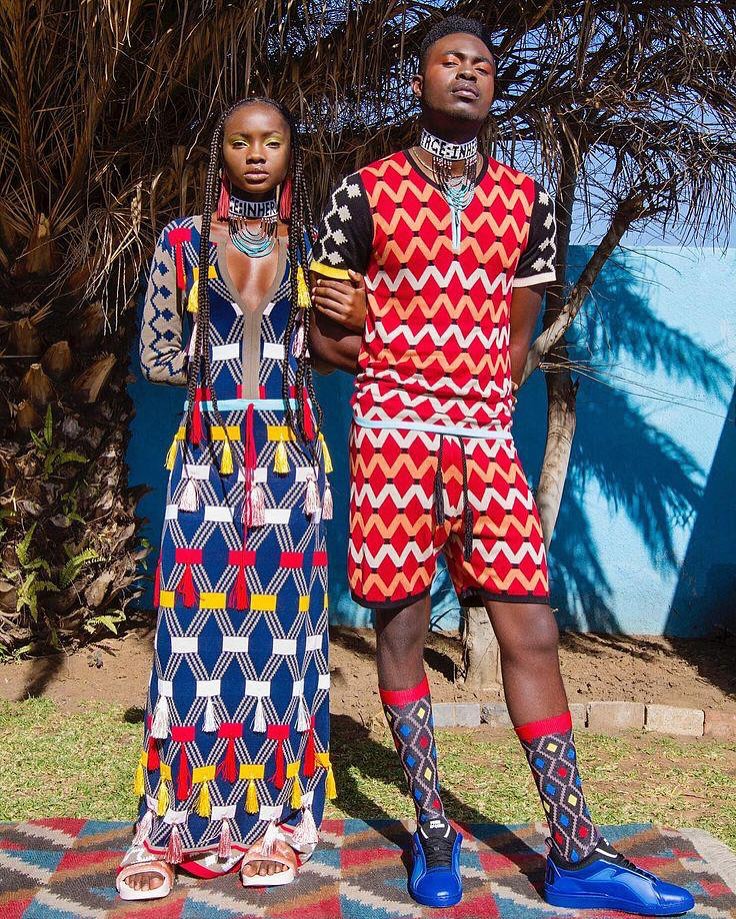
Under MaXhosa Africa, Laduma Ngxokolo transformed Xhosa-inspired knitting into a globally recognised luxury brand. Starting with a personal exploration of culturally appropriate attire for Xhosa initiation rites, MaXhosa is now featured in international exhibitions and luxury stockists. Ngxokolo’s work demonstrates how micro-cultural identity can expand into a macro-fashion movement that celebrates South African heritage on the world stage.
5. Lisa Folawiyo (Nigeria) – The Beaded Architect
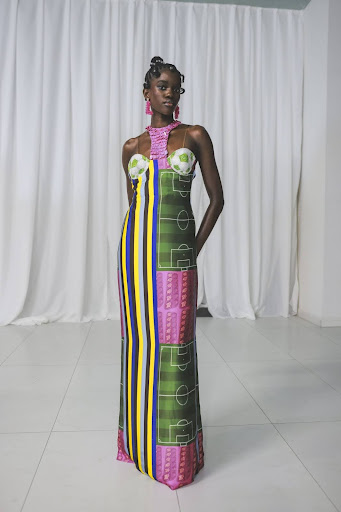
Lisa Folawiyo redefined West African fashion by transforming Ankara fabric into luxurious, couture-quality garments through intricate hand-beading and refined finishing. Her collections have appeared in major international publications and been showcased globally, including in Lagos, New York, and Johannesburg. Folawiyo’s work highlights the technical mastery and sophistication of Nigerian fashion while elevating traditional textiles to the status of luxury.
6. Christie Brown (Ghana) – The Pan-African Visionary
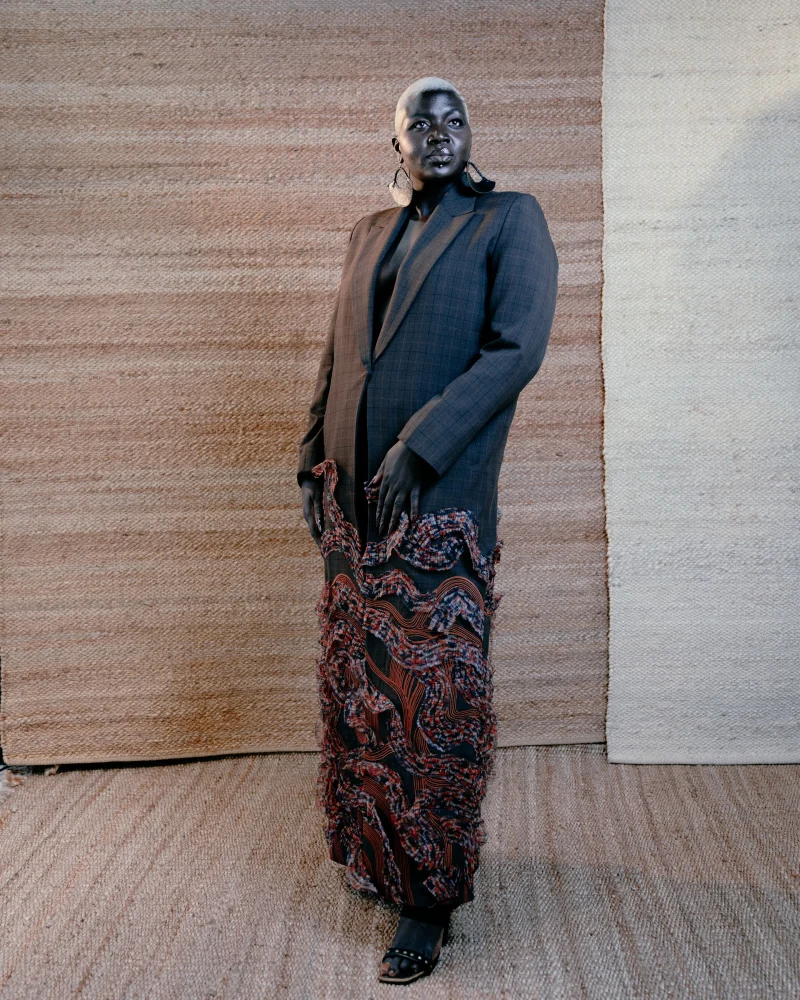
Christie Brown blends modern silhouettes with Ghanaian heritage, creating garments that resonate across Africa and globally. Founded by Aisha Ayensu, the brand champions luxurious fabrics, bold prints, and innovative tailoring. Christie Brown has dressed African celebrities, including Lupita Nyong’o. She continues to elevate West African fashion in international luxury markets, demonstrating how African roots can define a global brand identity.
7. Selly Raby Kane (Senegal) – The Afro-Futurist Designer
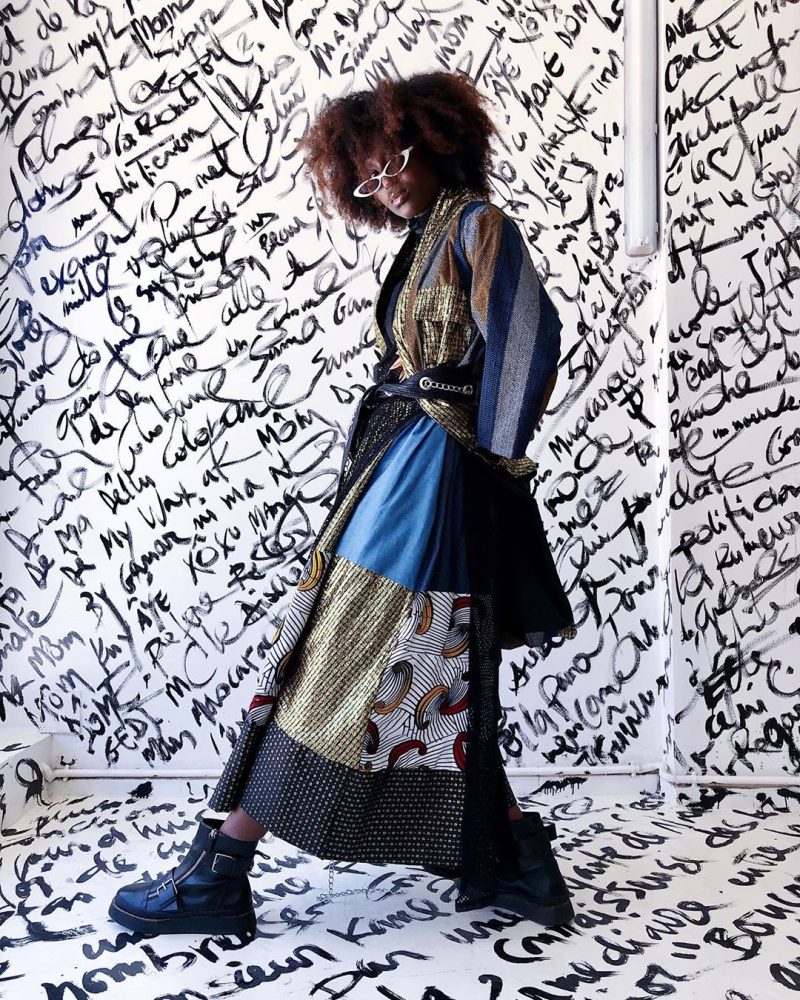
Selly Raby Kane merges Senegalese heritage with avant-garde, futuristic silhouettes, creating designs that bridge culture and innovation. Based in Paris, Kane has shown at international fashion weeks, bringing West African narratives to the global stage. Her collections challenge conventional fashion hierarchies while showcasing Africa’s creative potential, blending bold prints, sculptural forms, and contemporary luxury
8. Loza Maléombho (Ivory Coast) – The Global African Innovator
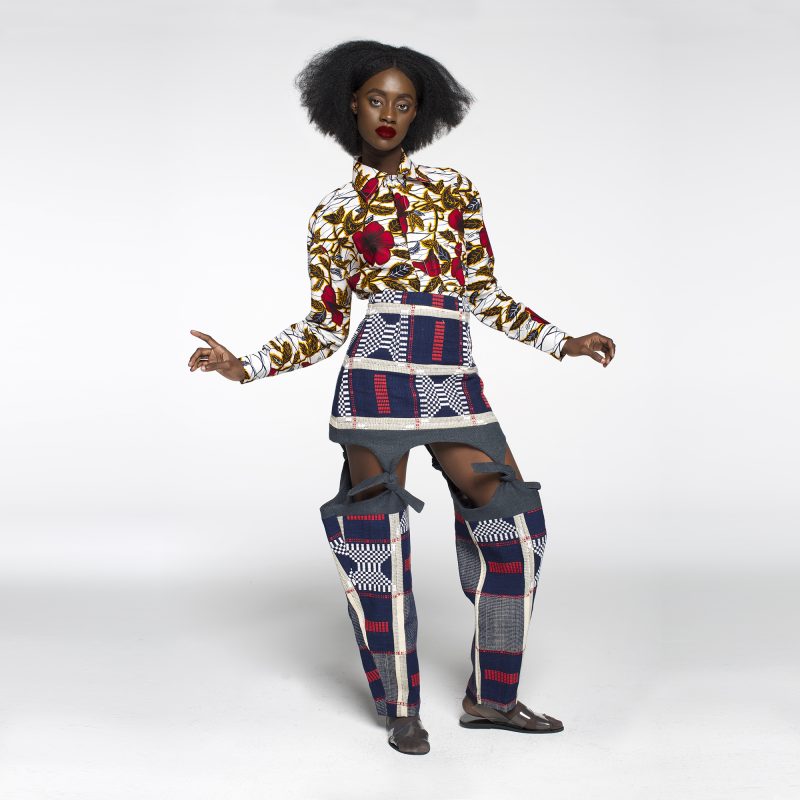
Loza Maléombho combines Ivorian heritage with modern tailoring, creating fashion that is both culturally resonant and globally aspirational. Her collections feature bold prints, architectural silhouettes, and storytelling rooted in African identity. Stocked internationally and recognised on runways from New York to Paris, Maléombho demonstrates how African heritage can shape innovative luxury fashions for the global market.
Why African Luxury is Redefining Runway Culture
Global luxury is shifting toward values Africa has embodied for generations:
1. Craftsmanship as Cultural Language
African designers work closely with artisans, weaving communities, dyers, embroiderers, and textile houses. This gives their collections a sense of human touch, rarity, and depth that machine-driven luxury cannot replicate.
2. Authentic Stories with Global Relevance
The best African designers do not produce “ethnic fashion”. They produce luxury grounded in truth. Their work reflects political histories, migration stories, craftsmanship traditions, and personal archives, resulting in collections that resonate far beyond aesthetics.
3. A New Aesthetic Vocabulary
From Magugu’s conceptual tailoring to Ayissi’s sculptural silhouettes and Ngxokolo’s bold graphic knitwear, African designers are introducing visual languages that luxury fashion had little access to before.
4. A Turning Point in Global Gatekeeping
Fashion weeks, museums, luxury retailers, and red carpets are widening their perspectives. Africa is no longer a footnote; it is a source.
Conclusion
The rise of African luxury designers is a reorientation of the global fashion map. By merging heritage with innovation, craft with modernity, and identity with international relevance, these designers are reshaping runway culture from the inside. Africa is defining the future of luxury.
Follow the pulse of African luxury. Explore more stories on Omiren Styles.
Top African Menswear Collections Released in 2025
FAQs
- Who are the leading African luxury designers shaping global fashion today?
Designers like Imane Ayissi, Thebe Magugu, Kenneth Ize, Amina Muaddi, and Laduma Ngxokolo are redefining global luxury with African craftsmanship and innovation.
- What makes African luxury fashion unique on the global stage?
African luxury stands out for its craftsmanship, heritage-driven narratives, artisanal textiles, and the merging of cultural identity with modern design.
- Which African designers have showcased at major global fashion weeks?
Imane Ayissi (Paris Haute Couture), Kenneth Ize (Paris Fashion Week), and Thebe Magugu (global runway circuit) are among the top names.
- How is African fashion influencing global runway culture?
African designers are contributing new silhouettes, textiles, and storytelling frameworks that challenge traditional European luxury norms.
- Why is African luxury gaining global recognition now?
A shift toward authenticity, heritage, and craftsmanship aligns perfectly with Africa’s long-standing design traditions, making African luxury highly relevant today.