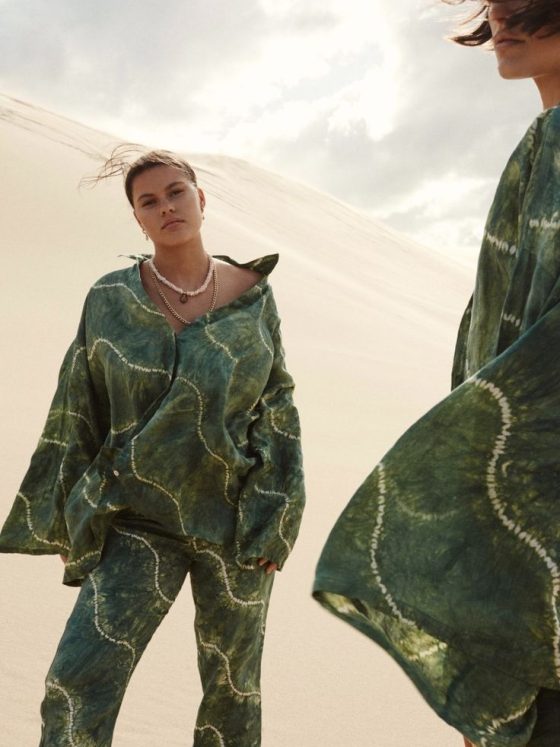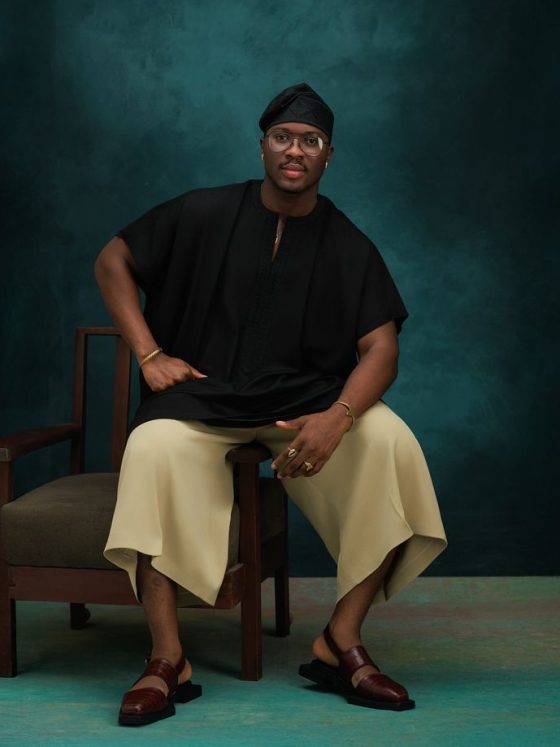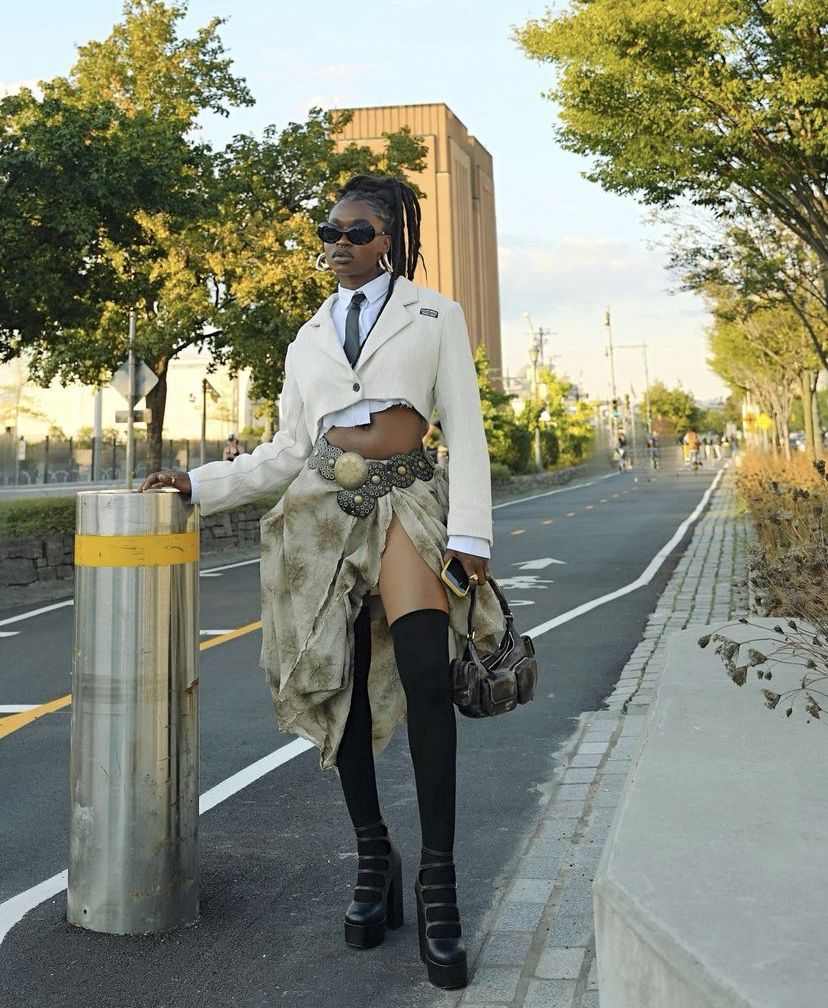
Across Africa, style has never been decorative. It has always functioned as communication—clothing signals belonging, refusal, imagination, and sometimes dissent. What is often flattened into the term “street style” is, in practice, a collection of visual languages developed by young people responding to social structures, economic realities, and inherited expectations.
These movements are not trend cycles. They are systems of meaning.
They emerge from cities, streets, music scenes, and communities where fashion is tested daily against visibility, safety, and credibility. And long before global fashion began searching for “authenticity,” African youth were already dressing with intention.
Across Africa, youth-led style movements from Congo to Dakar are reshaping global fashion through identity, resistance, and cultural intelligence.
Elegance as Discipline: Congo’s Sapeurs
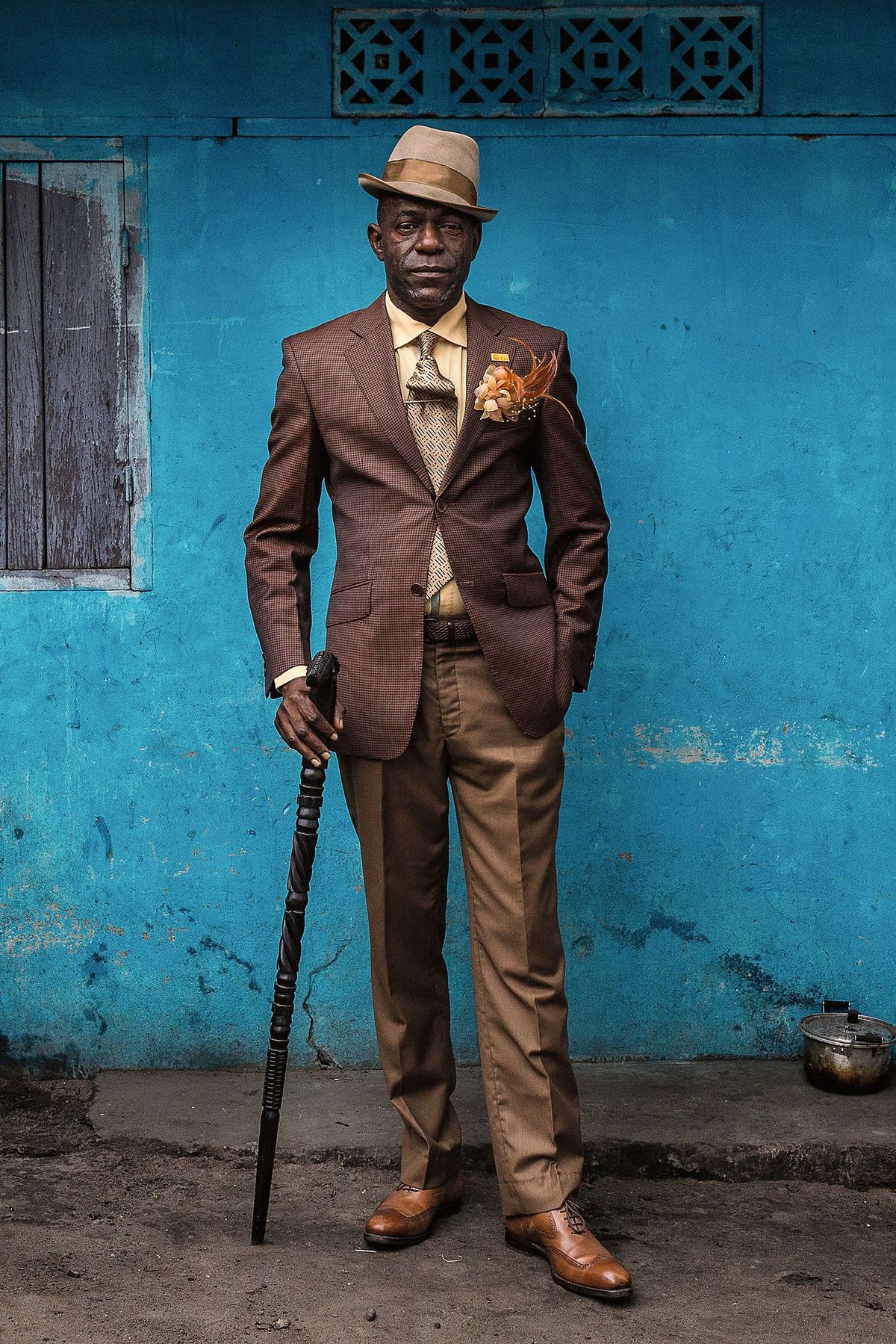
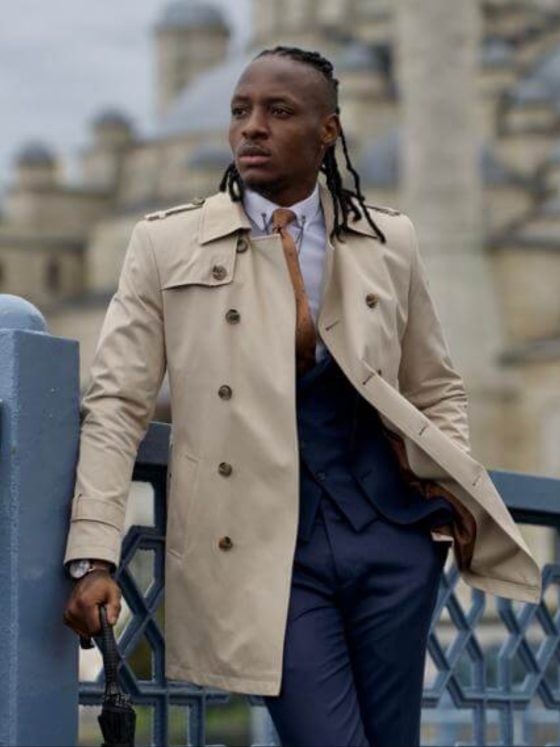
In Kinshasa and Brazzaville, the Sapeurs represent one of Africa’s most enduring and codified style movements. Their sharply tailored suits, deliberate colour clashes, and ritualised public appearances are not about extravagance. They are about control.
The Society of Ambience-Makers and Elegant People uses classic European tailoring to reclaim dignity in environments shaped by economic constraint. Each outfit follows strict internal rules. Every walk, pose, and gesture is considered.
What fashion continues to borrow from the Sapeurs is not simply the silhouette, but the idea that elegance can be an assertion of self-authorship. Style here becomes moral discipline.
Refusal as Identity: Nigeria’s Alté Scene
Alté did not begin as a fashion movement. It emerged from music, photography, nightlife, and digital communities. Its power lies in refusal.
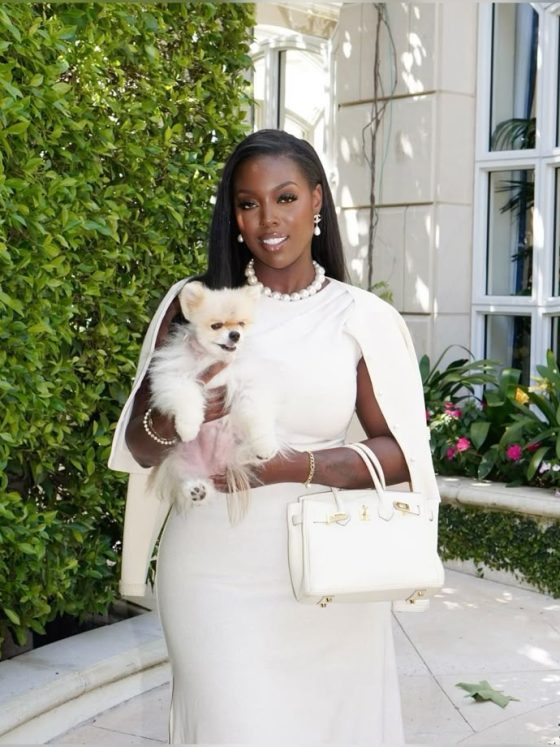
Alté style rejects conservative norms around gender, sexuality, and respectability. The silhouettes reference early Nollywood aesthetics, Y2K pop culture, and Lagos street improvisation. Clothing is layered, playful, and sometimes intentionally unresolved.
What matters is permission. To dress softly. To dress loudly. To dress without explanation.
This approach has reshaped how African youth are styled in editorials, music videos, and global campaigns. Alté’s influence is less about looks and more about attitude.
Speculating the Future: Dakar’s Afrofuturists
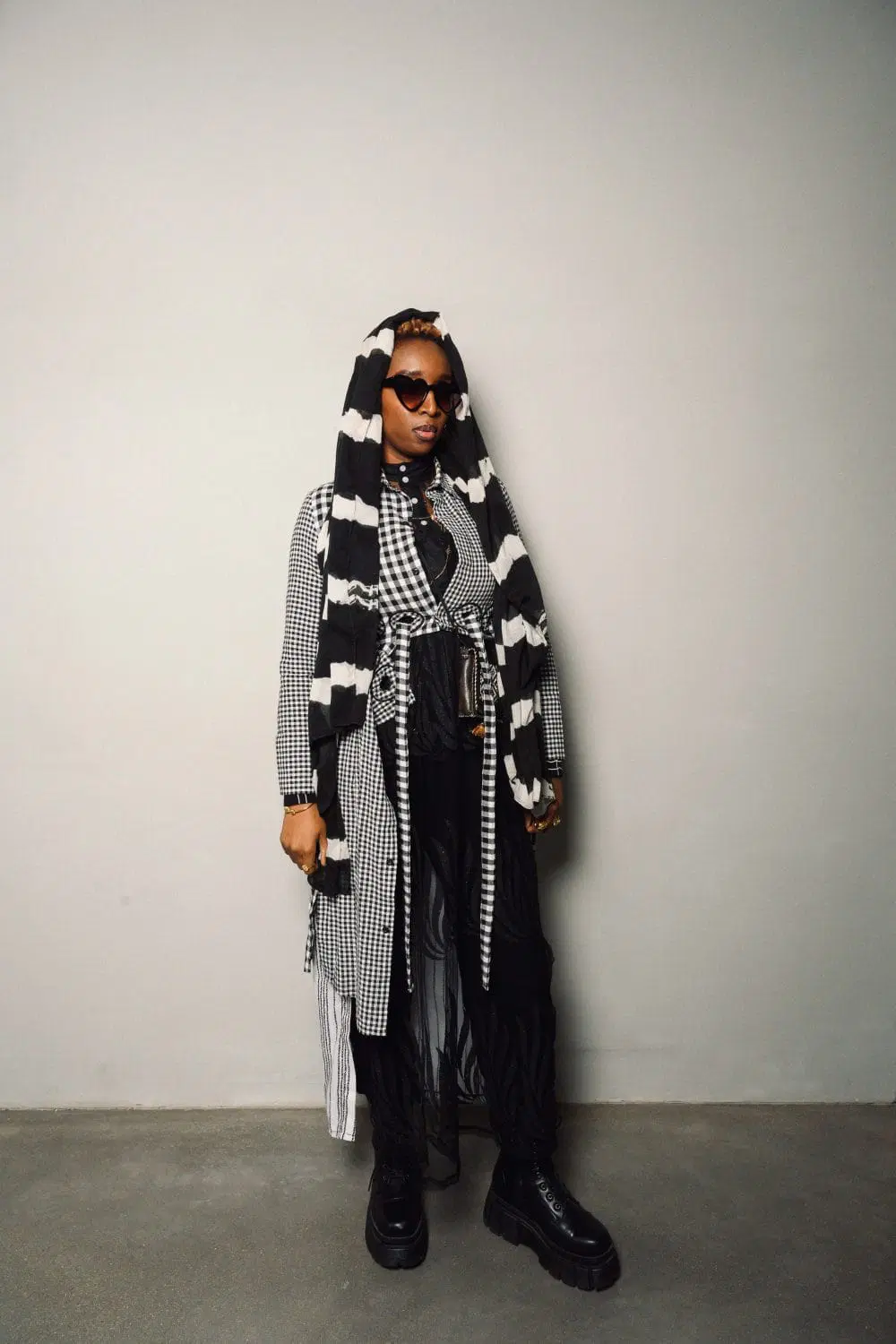
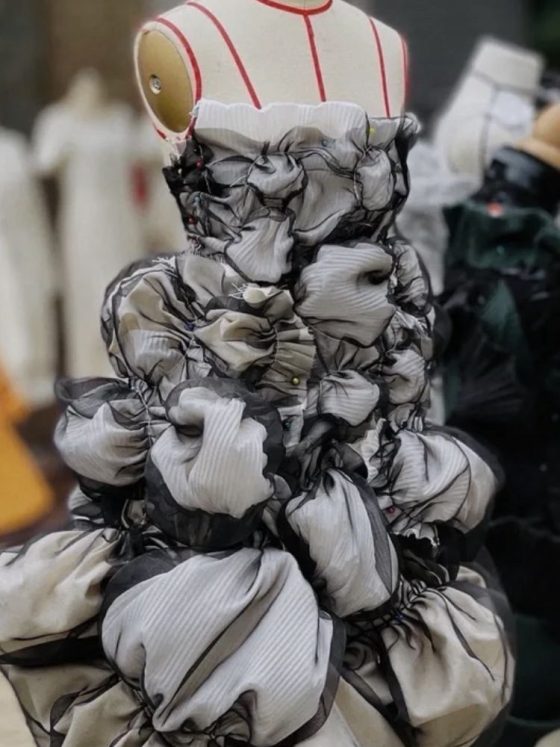
In Dakar, fashion operates as speculation. Designers and creatives working within Afrofuturist frameworks use clothing to imagine futures that extend beyond colonial narratives and static heritage.
Led by figures such as Selly Raby Kane, Dakar’s Afrofuturist scene integrates fashion with performance, sound, architecture, and digital art. Garments are often theatrical, but never costumes. Traditional symbols are stretched forward rather than preserved.
This movement matters because it insists that African identity is not anchored in the past. It is elastic, experimental, and future-facing.
Mobility and Presence: Morocco’s Women Riders
In Morocco, all-women biker collectives have quietly rewritten what visibility means in public spaces. Their style is rooted in function: leather jackets, protective gear, scarves, and boots.
The aesthetic is not designed for fashion validation, but it carries cultural weight. It reframes femininity as movement and autonomy. Designers observing this space have begun to rethink how strength and softness coexist within women’s wear.
Here, fashion is not styled. It is alive.
Utility as Aesthetic: Botswana’s Skate Culture
In Gaborone, skate crews have built a visual culture around durability and ease of use. Oversized tees, worn denim, sneakers built for impact. The repetition is intentional.
This is fashion stripped of performance. Clothes are chosen for movement, not display. Yet this honesty has influenced contemporary menswear’s turn toward utility, oversized silhouettes, and functional minimalism.
The lesson is simple: relevance comes from use.
Uniform Dressing: Cape Town’s Broke Boys
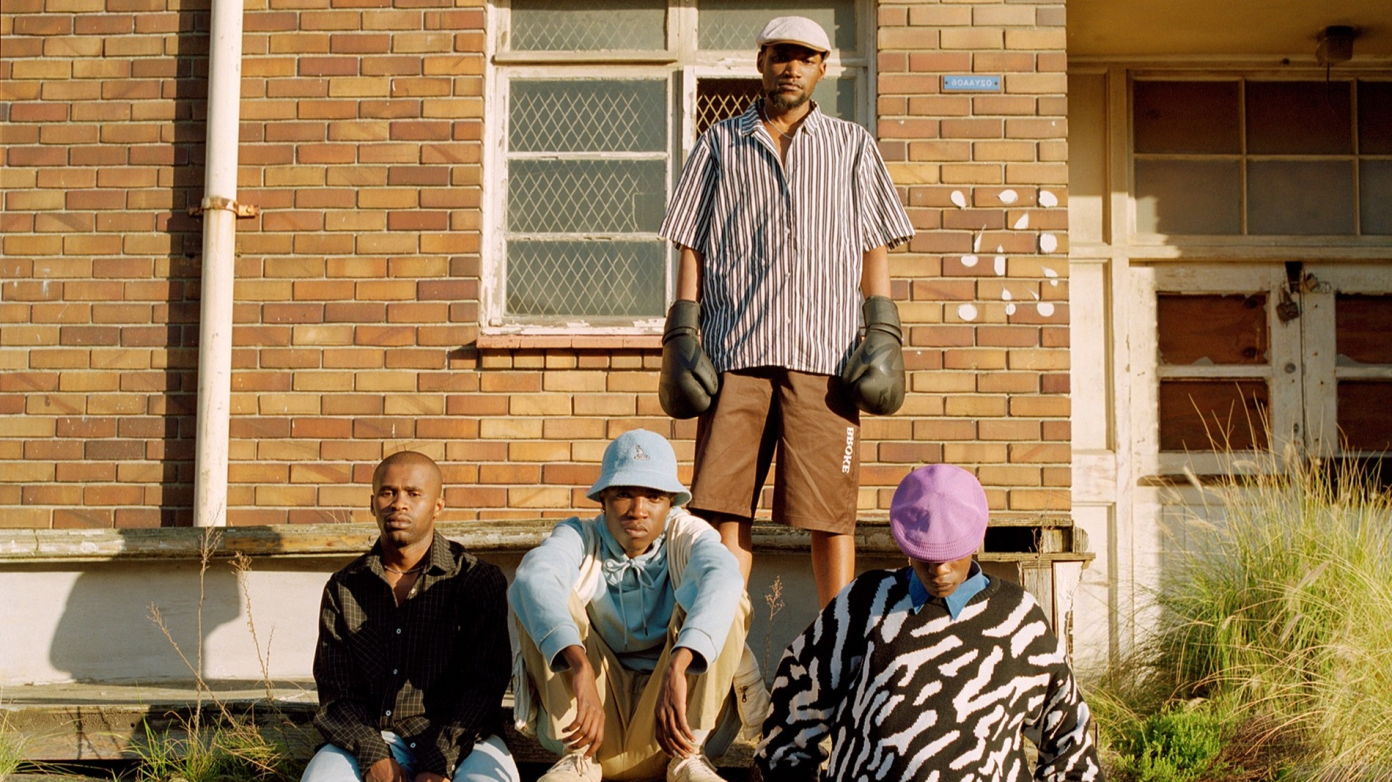
Cape Town’s Broke Boys skate crew is defined by consistency. The same silhouettes are worn repeatedly, in neutral colours. Clean lines. No excess.
This approach has quietly influenced editorial fashion’s current fascination with uniform dressing and repetition. Authority here comes not from novelty, but from commitment.
Style becomes recognisable through restraint.
Streetwear as Structure: Ghana’s Free The Youth
Free The Youth operates at the intersection of fashion, activism, and community building. What began as a streetwear label has become a visual code for youth consciousness in Accra.
Graphic garments carry political messaging, but the impact is structural. Fashion becomes a tool for organising identity and visibility. This model has influenced how African brands approach storytelling, ethics, and audience engagement.
What These Movements Share
Despite their differences, these movements are united by clarity.
They are not trend-driven.
They are not designed for export.
They are not reactive to Western fashion cycles.
They exist because young Africans are creating visibility for themselves using whatever resources are available to them.
INTERESTING READS:
- Fashion Cycles and Identity: Why We Keep Returning to Past Styles
- Fashion as Statecraft: The Power of Black Cultural Diplomacy
Why Fashion Is Paying Attention
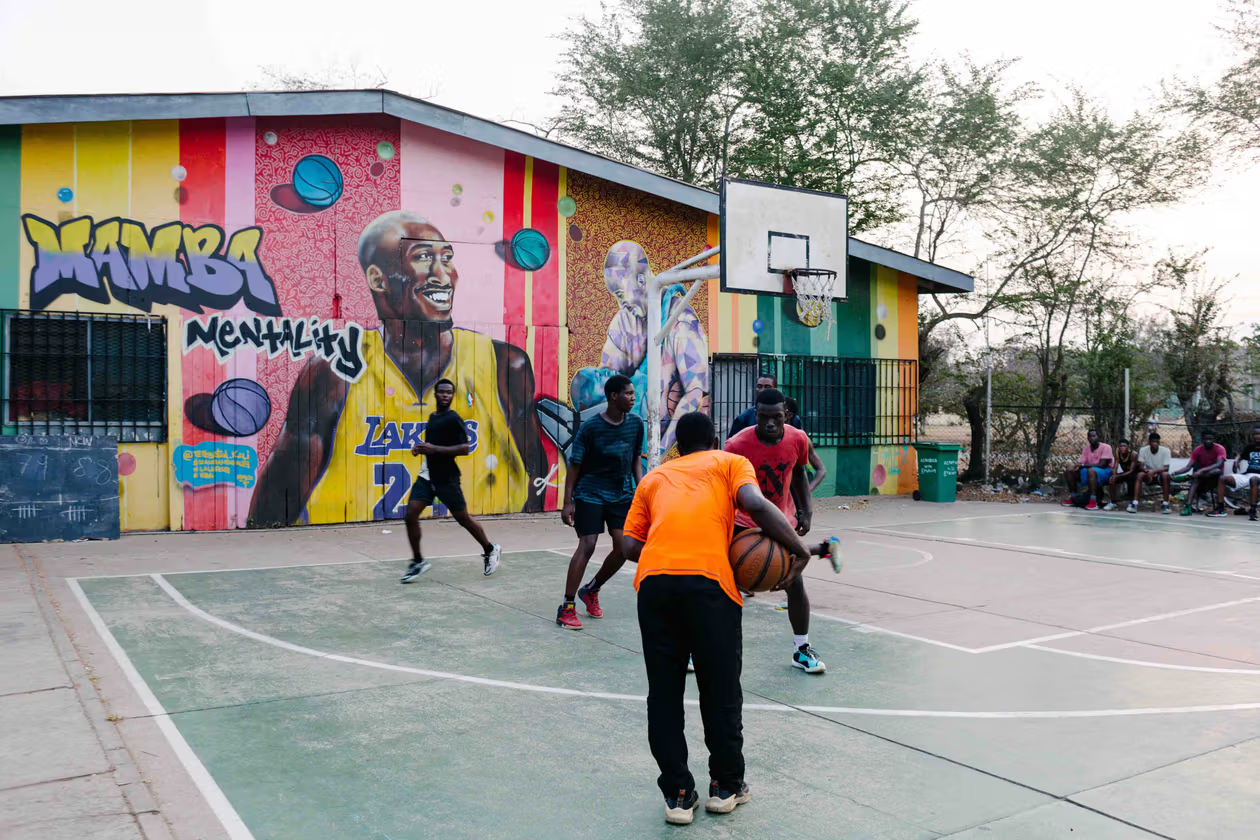
Global fashion’s current obsession with authenticity, community, and meaning did not begin on the runway. It started in places where clothes had to function socially before they could be admired aesthetically.
African street movements offer fashion something it often lacks: conviction.
They demonstrate that style does not need permission to matter.
Find today’s top styles — explore the Trends category on OmirenStyles.
Frequently Asked Questions
- What are African street style movements?
They are youth-driven fashion cultures that use clothing to express identity, resistance, and community rather than trends.
- Is African street style influencing global fashion?
Yes. Its emphasis on authenticity, repetition, and cultural confidence has shaped contemporary styling, silhouettes, and editorial direction.
- What is Alté fashion in Nigeria?
Alté is a creative movement rooted in music and youth culture that rejects conservative dress codes and celebrates self-expression.
- Who are the Sapeurs?
The Sapeurs are a Congolese style movement known for disciplined elegance and tailored dressing as a social assertion.
- Why is African street style important today?
It offers fashion models rooted in meaning, community, and lived experience rather than spectacle.