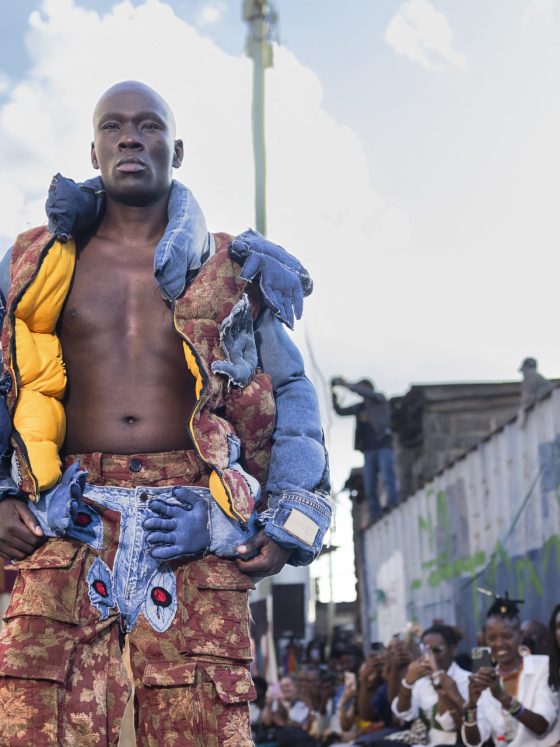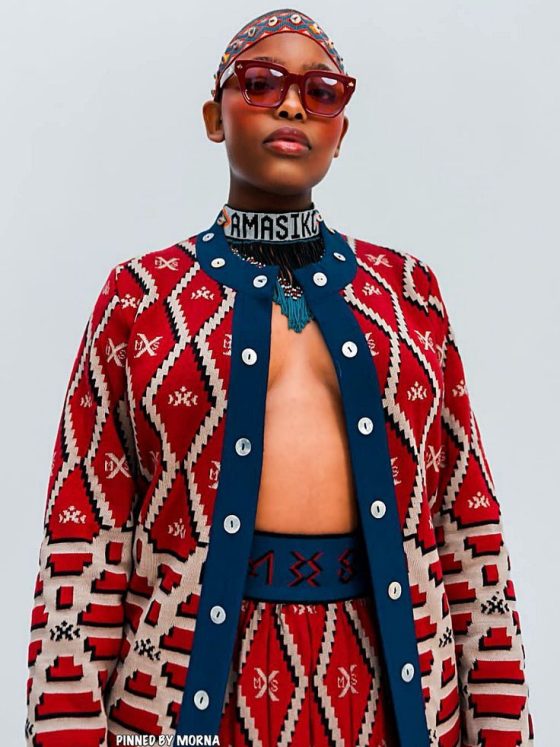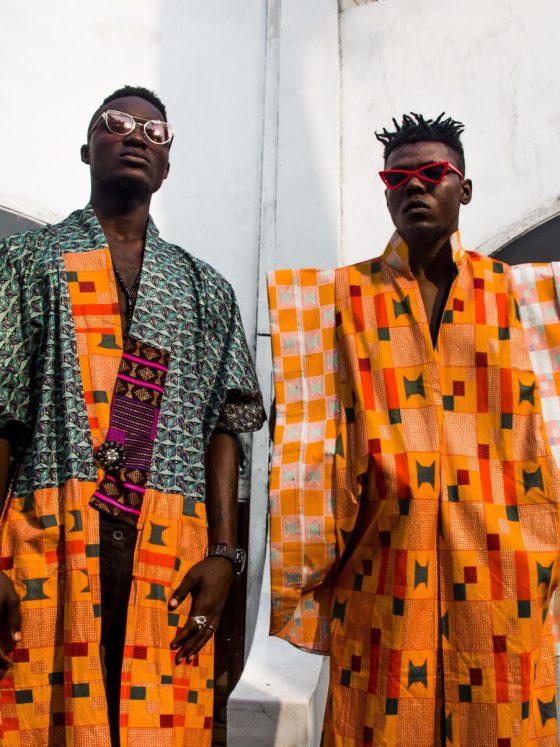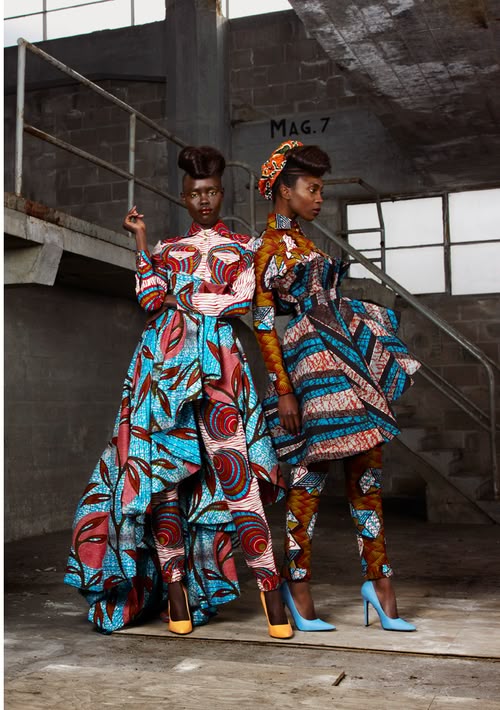
The suit was Ghanaian. The fabric was Malian. The silhouette referenced a tailoring tradition that predates every fashion house currently crediting it as inspiration. The show was in Paris. The review ran in three international publications. The designer’s name appeared once, in the seventh paragraph. The fabric supplier was not mentioned at all. This is not an isolated incident. It is the operating model.
African fashion is celebrated on global runways and in luxury campaigns. This is the argument about who profits from that visibility and who does not.
The Recognition the Industry Is Willing to Give
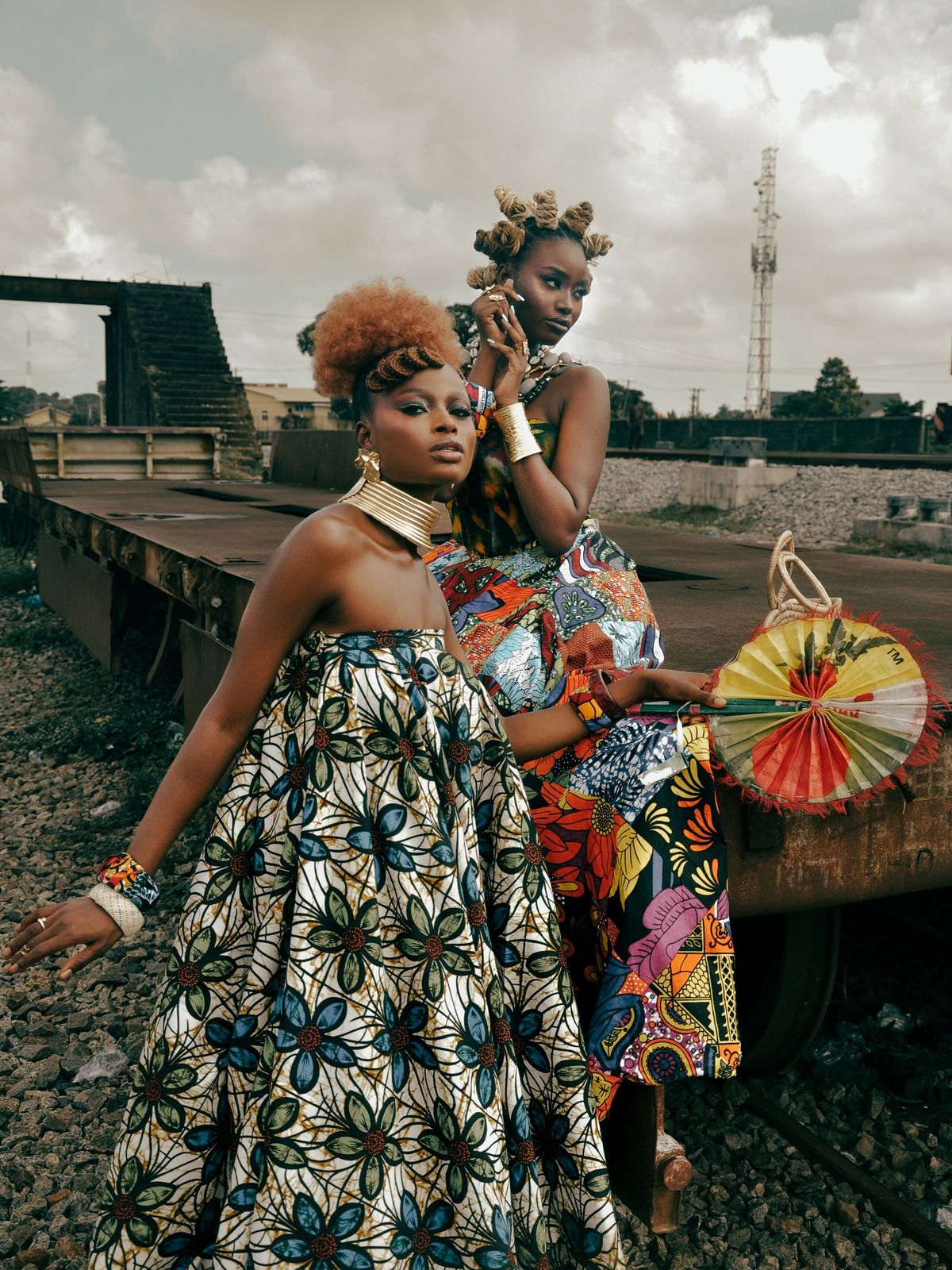
Something has shifted in global fashion’s relationship with African design. The shift is real and documented. South African designer Thebe Magugu became the first African recipient of the LVMH Prize for emerging talent. Maxhosa Africa’s Laduma Ngxokolo has shown at London Fashion Week. Ivory Coast-based Loza Maléombho dressed Beyoncé for her Black Is King visual album. Nigerian and Ghanaian designers are landing red carpet placements, appearing in Vogue editorials, and building international retail presences at Ssense, Nordstrom, and Moda Operandi.
The global fashion press has noticed. The global fashion calendar has adjusted. And the global fashion industry has, in its own careful way, declared African design a worthy subject.
What it has not done is invest in the infrastructure that would allow African designers to build durable, scalable, financially sovereign careers on the continent that produced them. Recognition and investment are not the same thing. The industry has been generous with the first and reluctant about the second, and the gap between them is where this conversation needs to live.
What the Data Says About Where the Money Goes
The numbers are not ambiguous. A 2023 UNESCO report on Africa’s fashion sector projected that demand for African haute couture will increase by 42 per cent by 2033. The same report found that the continent produces the raw materials to be a global textile leader: 37 African countries grow cotton. The continent then imports $23.1 billion worth of textiles annually, including the clothing and footwear that its own designers use to build work that Western markets subsequently celebrate. As CNN’s reporting on African fashion’s global moment documented, Magugu himself has noted that importing fabric into South Africa carries a 45 per cent duty. The continent that supplies the raw material pays a premium to receive it back in processed form.
This is not an infrastructure failure in the neutral sense. It is a structural condition that Western fashion has every commercial incentive to maintain. African designers who build international profiles make those profiles possible through access to global networks, shows, and press relationships that are concentrated in a small number of Western cities. As Fashionista reported in its January 2026 analysis of African fashion’s global expansion, the logistical barriers facing African designers include tariffs, cross-border shipping costs, and regulatory fragmentation, which in some cases make shipping fees higher than the production cost itself.
The designer who builds a reputation in Lagos, Accra, or Nairobi and seeks to grow it internationally does not encounter a neutral market. They encounter a market engineered over decades to make outward movement expensive and inward investment rare.
The Fashion Week Problem Nobody Wants to Name
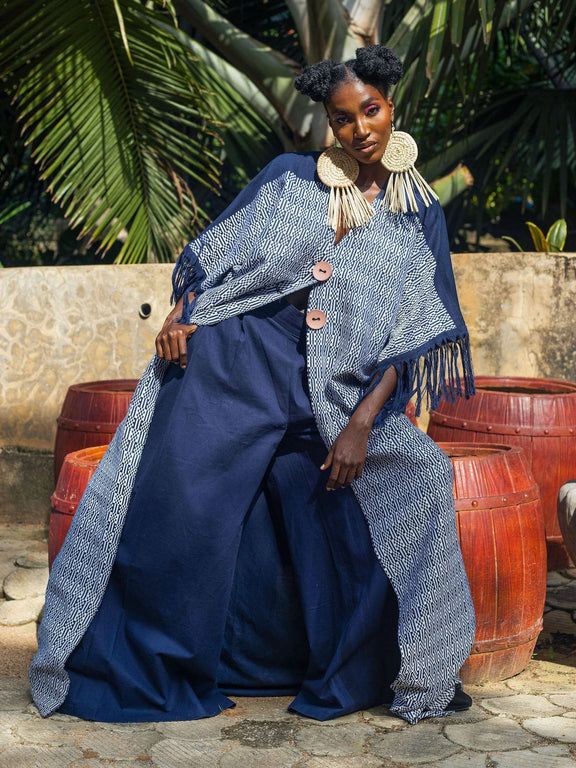
Approximately 32 fashion weeks are held across the African continent each year, according to the UNESCO report. Lagos Fashion Week has built genuine international attention. Dakar, Nairobi, and Johannesburg run significant events with regional and increasingly global profiles. And yet, as African Business magazine has documented, the international buyers who drive commercial outcomes for designers at New York, Milan, and Paris Fashion Weeks are not showing up in equivalent numbers at African fashion weeks. The designers must go to them.
This is not a logistics problem with a logistics solution. It is a power problem. The fashion calendar is not neutral geography. It is a hierarchy, and that hierarchy determines whose work gets seen by the people with purchasing authority. When African designers are required to attend Western fashion weeks to forge the connections that their Western counterparts gain through proximity, they incur a cost that compounds across every season of their careers.
The fashion calendar is not neutral geography. It is a hierarchy, and that hierarchy determines whose work gets resourced and whose work gets admired from a distance.
The connection to the broader structural argument Omiren has made about why African fashion brands fail to scale is direct. Scaling in fashion is an infrastructural achievement before it is a creative one. The infrastructure required, buyer relationships, press access, retail partnerships, reliable logistics, and access to capital, sit disproportionately outside the continent. Celebrating African designers in Paris does not move that infrastructure to Accra.
Also Read
Cultural Reference as Raw Material
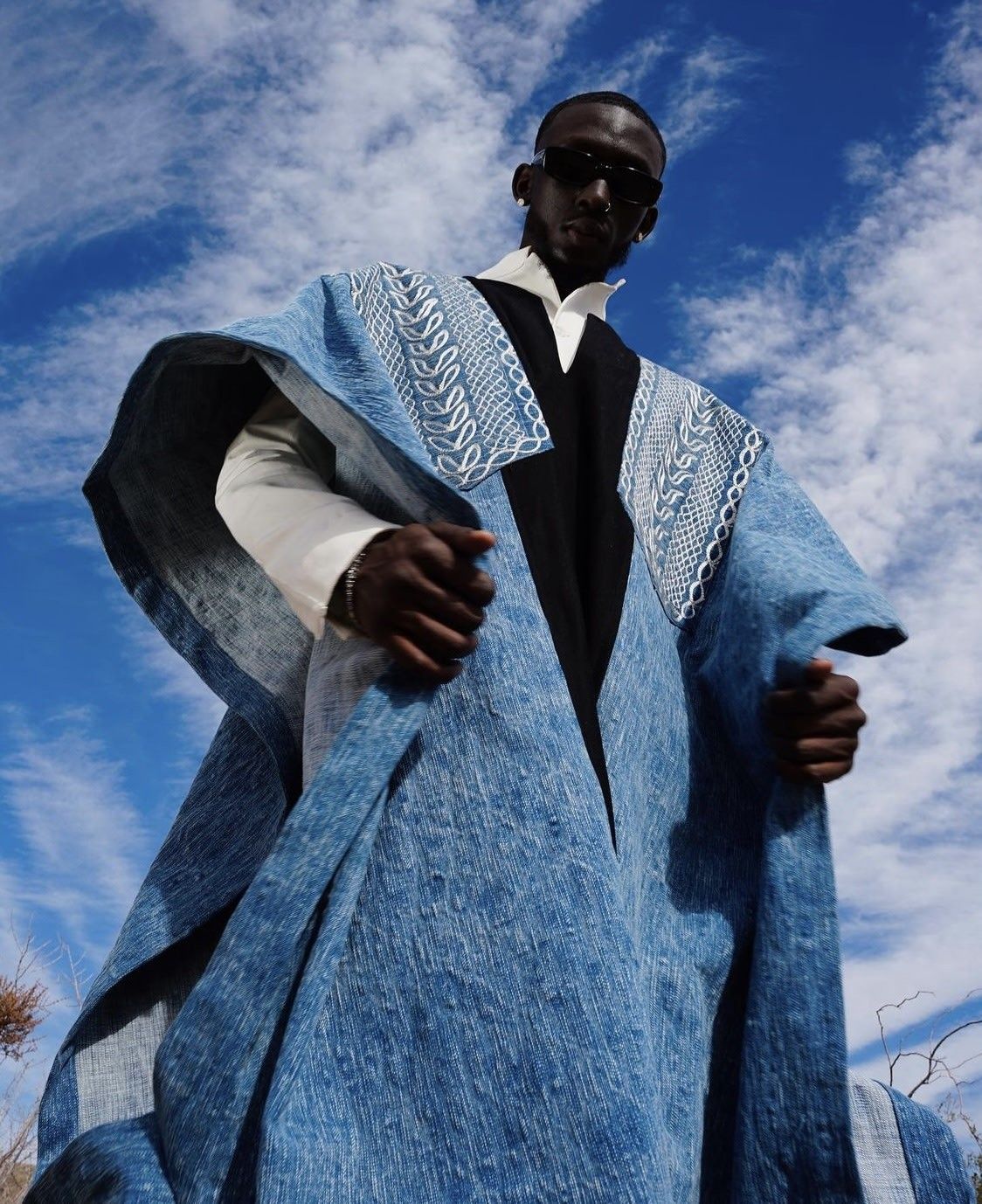
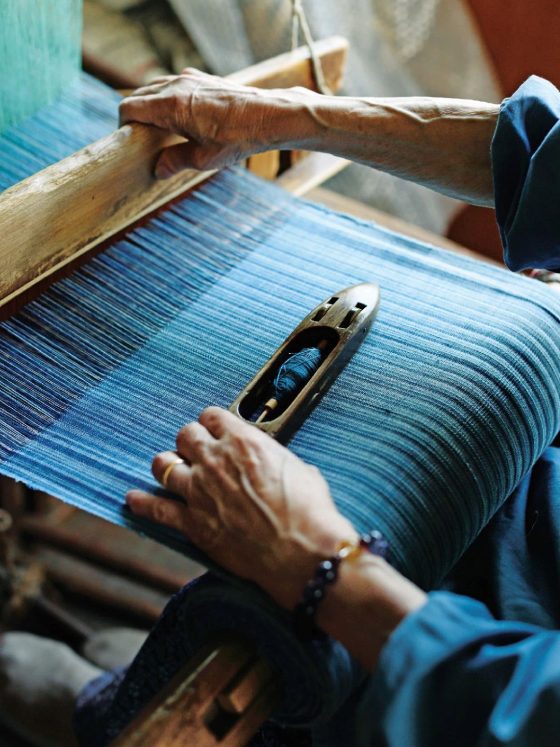
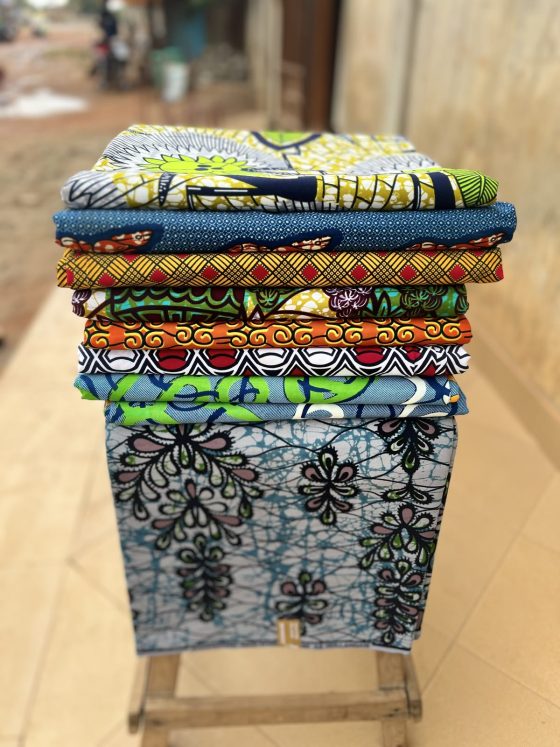
There is a specific economy operating beneath the celebration. Western luxury brands and fast fashion retailers alike have drawn on African textile traditions, silhouettes, and cultural references for decades. Kente, Ankara, adire, kanga, and mud cloth have all appeared in global collections, sometimes credited, frequently not, and almost always without financial return to the communities that developed them over generations. As Omiren has explored in its writing on clothing as cultural identity, dress in African communities has never been a neutral aesthetic choice. It carries history, communicates belonging, and encodes cultural knowledge. When that knowledge is extracted and repackaged for global consumption, the community that generated it is not compensated. The brand that packages it is.
This is the extraction model that runs parallel to the recognition narrative. The industry celebrates African fashion in one register and mines it in another. The celebration provides cover. The mining generates revenue. And the designers and communities whose cultural production makes both possible remain on the margins of the financial outcomes their work generates.
The UNESCO projection of 42 per cent growth in demand for African haute couture by 2033 is frequently cited as evidence of the industry’s future. It is also evidence of the scale of the market that currently exists without adequate infrastructure to capture it on the continent’s own terms.
The Investment Gap and Who Is Trying to Close It
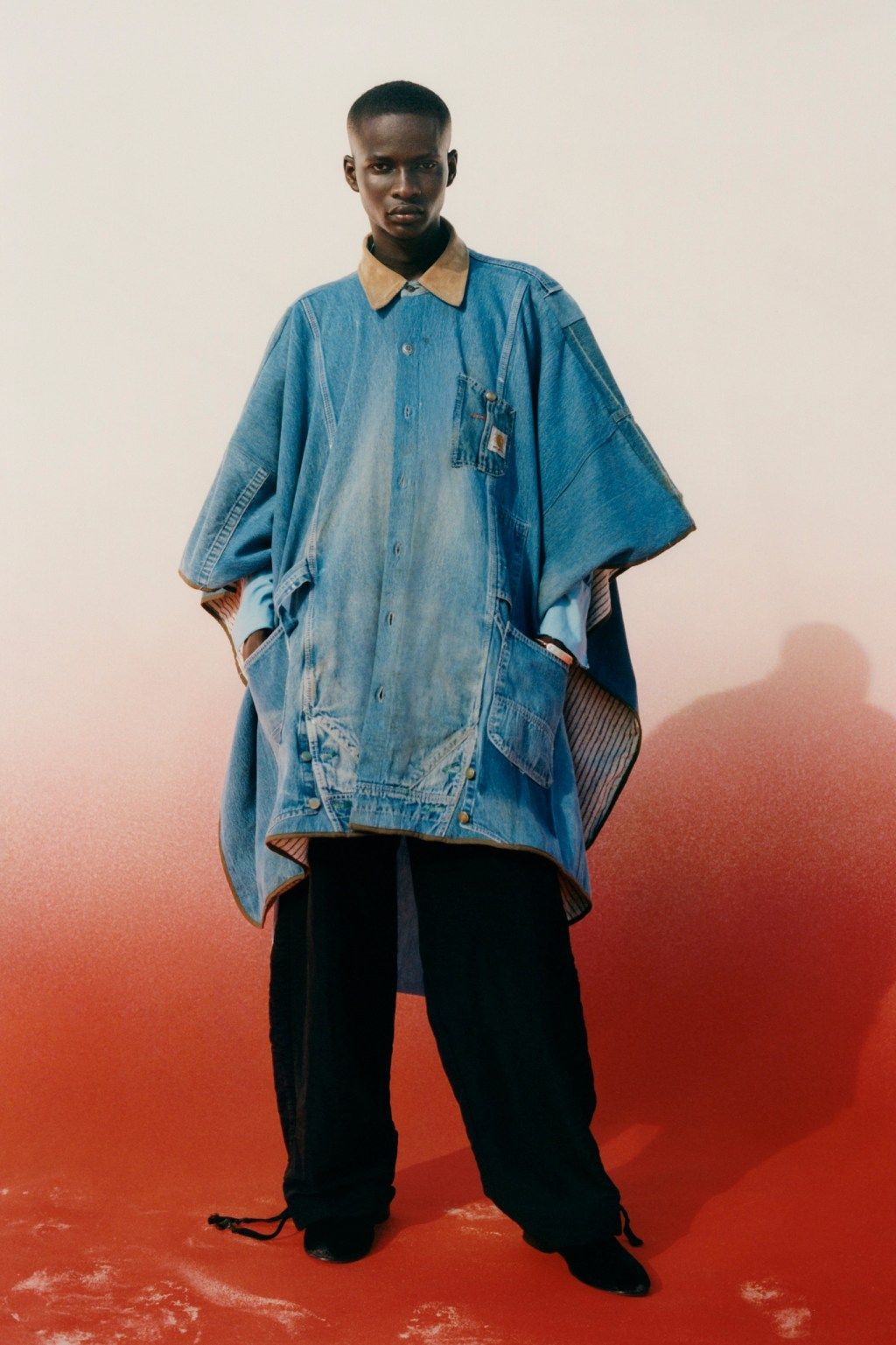
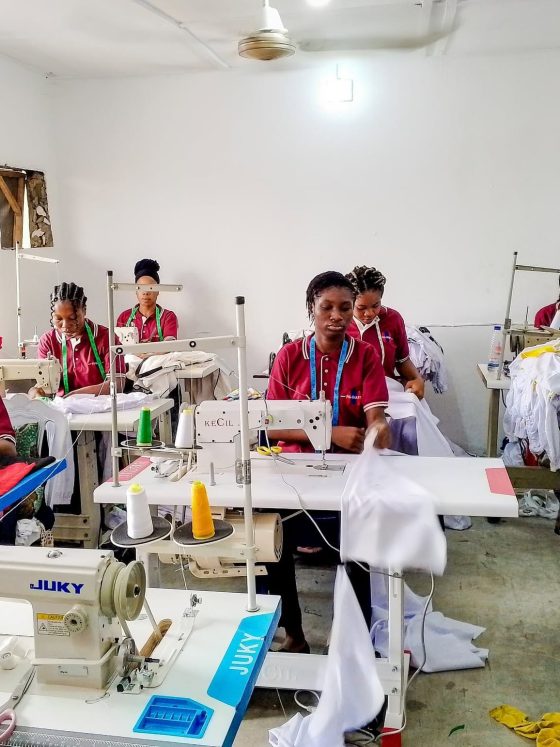
Some institutions are attempting to address the structural problem directly. Afreximbank, the African Export-Import Bank, has pledged to co-finance the construction of industrial parks in Nigeria, Benin, and other countries that will house manufacturing facilities, including textile mills and garment factories. The bank also operates a $2 billion creative industries fund supporting export-focused initiatives for designers across Kenya, Ghana, and beyond. As The Business of Fashion reported in its analysis of African fashion investment, these commitments are meaningful. Still, they also expose the gap: a multilateral bank is filling infrastructure roles that the global fashion industry, which profits from African cultural production, has not chosen to fill.
Platforms including Industrie Africa, The Folklore, and Raisefashion have built bridges between African designers and international buyers and retail relationships. These efforts represent genuine progress in access and visibility. They do not resolve the upstream problems of production costs, import duties, logistics infrastructure, and the concentration of fashion’s financial architecture in cities outside the continent.
The argument Omiren has made about culture as the foundation of style applies with particular force here. Cultural knowledge is not decoration. It is the generative system from which aesthetic production flows. When the global fashion industry draws on that system without returning proportionate investment in the infrastructure that sustains it, it is not celebrating African fashion. It is consuming it.
The Omiren Argument
Global recognition of African fashion is not the solution to the problem. In its current form, it is the most sophisticated expression of the problem. The industry has found a way to celebrate African design loudly enough to deflect accountability while maintaining the structural conditions that prevent African designers from capturing the financial value of their own cultural production. The Ghanaian suit gets reviewed in Paris. The Malian fabric gets cited in a trend report. The designer gets a feature. The infrastructure that would allow that designer to build a sovereign, scalable, continent-based enterprise does not get built. The celebration and the extraction run simultaneously, and they are not in contradiction. They are the same transaction viewed from different angles.
What the industry owes African fashion is not more coverage. It is a structural investment: in manufacturing capacity, in buyer access on the continent, in import duty reform, in logistics infrastructure, in the retail relationships that convert cultural authority into commercial sustainability. The UNESCO projection of 42 per cent demand growth by 2033 is not a trend report. It is a description of value that someone will capture. The question African fashion must force the global industry to answer is whether it will be African designers operating on African terms, or, as it has largely been until now, intermediaries who celebrate the culture in one city and invoice it in another.
Frequently Asked Questions
1. Why is African fashion celebrated globally but not supported locally?
The global fashion industry benefits commercially from African cultural references and design without returning proportionate investment in African manufacturing, retail, or production infrastructure. Recognition and investment serve different commercial interests, and the industry has historically prioritised the former while withholding the latter.
2. What structural barriers do African designers face when trying to scale?
African designers face a compounding set of structural challenges: high import duties on processed textiles, cross-border shipping costs that sometimes exceed production costs, limited buyer access at African fashion weeks, restricted access to capital, and logistical fragmentation across the continent. Fashionista’s 2026 analysis documents these barriers in detail.
3. What did the 2023 UNESCO report find about Africa’s fashion sector?
The UNESCO report projected 42 per cent growth in demand for African haute couture by 2033, while identifying a lack of funding, infrastructure, and training programmes as the primary obstacles holding the sector back. It also found that despite 37 African countries growing cotton, the continent imports $23.1 billion of textiles annually.
4. Who is investing in African fashion infrastructure?
Afreximbank is co-financing industrial parks and textile facilities across Nigeria and Benin, and operates a $2 billion creative industries fund. Platforms including Industrie Africa, The Folklore, and Raisefashion are building retail access for African designers internationally. The Business of Fashion has reported in detail on Afreximbank’s role.
5. What is cultural extraction in the context of African fashion?
Cultural extraction refers to the practice of Western brands drawing on African textile traditions, silhouettes, and cultural references in their collections without adequate attribution, licensing, or financial return to the communities and designers who developed those traditions. It operates alongside and is often obscured by the industry’s celebration of African fashion.
6. How does Afrocentric editorial differ from mainstream fashion coverage of African design?
Afrocentric editorial positions African designers, communities, and cultural systems as the primary subjects and authorities on their own work, rather than framing African fashion through the lens of Western discovery or validation. It treats African design as a producer of fashion meaning rather than a recipient of fashion attention.
7. What would structural investment in African fashion actually look like?
Structural investment means manufacturing capacity on the continent, reform of import duties on processed textiles, increased buyer presence at African fashion weeks, retail partnerships that do not require designers to relocate or present exclusively at Western fashion capitals, and capital access frameworks designed for the specific conditions of African fashion businesses.
Continue the Conversation
Omiren Styles covers the business, politics, and cultural arguments of fashion across Africa, the Caribbean, and the global Black diaspora. Follow the Industry section for reporting on who the global fashion system rewards, who it extracts from, and what it would take to restructure both.