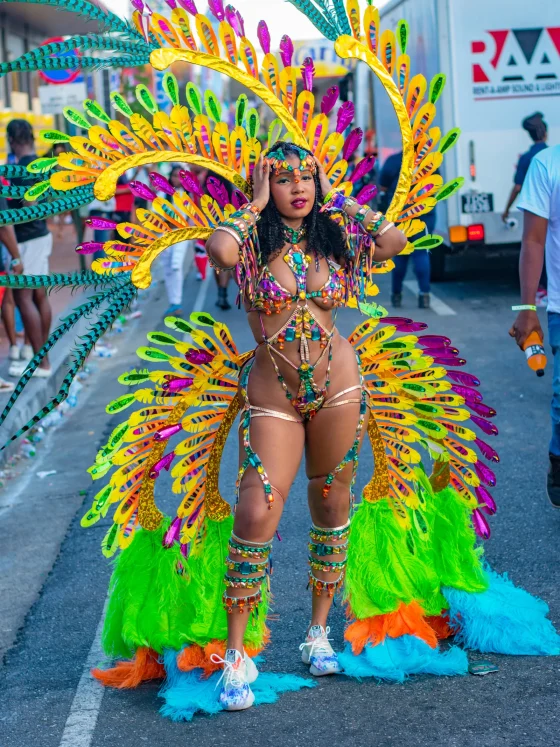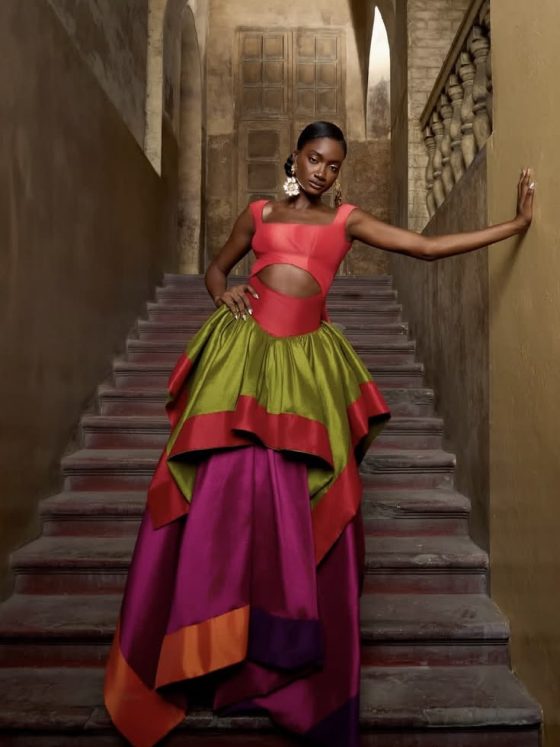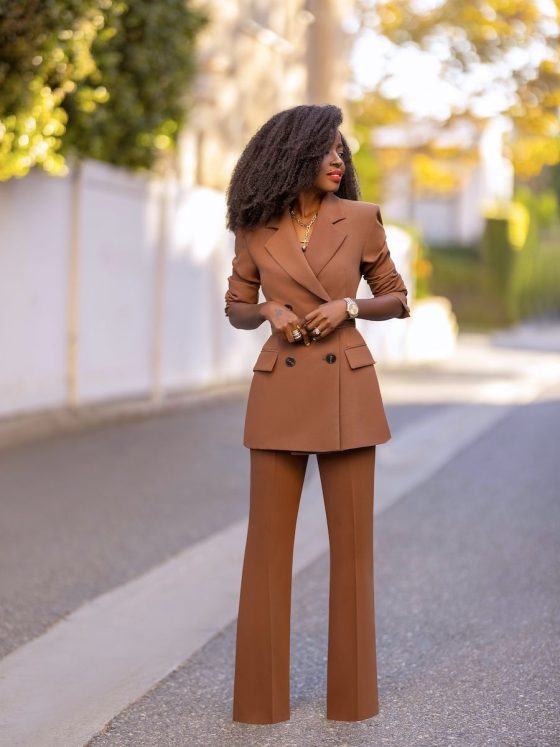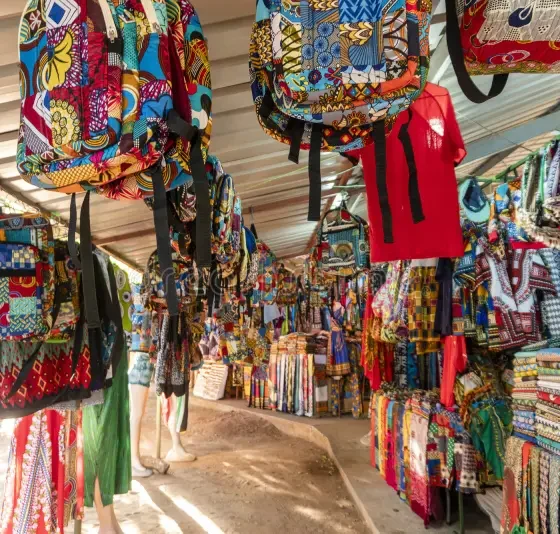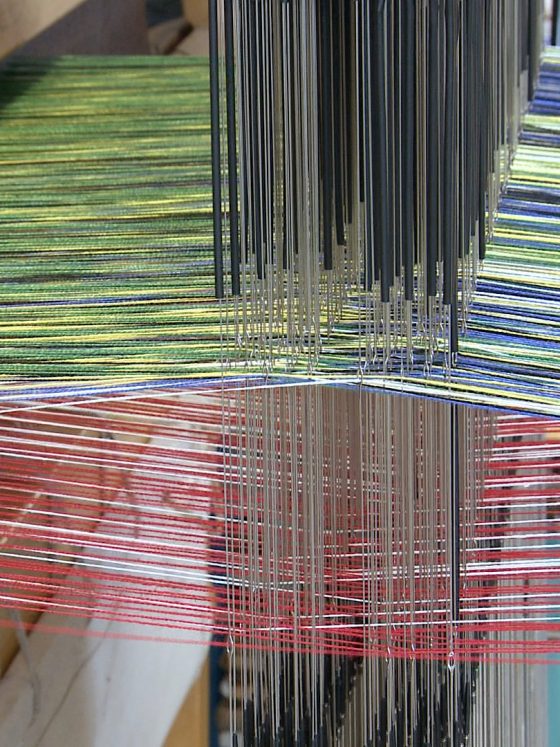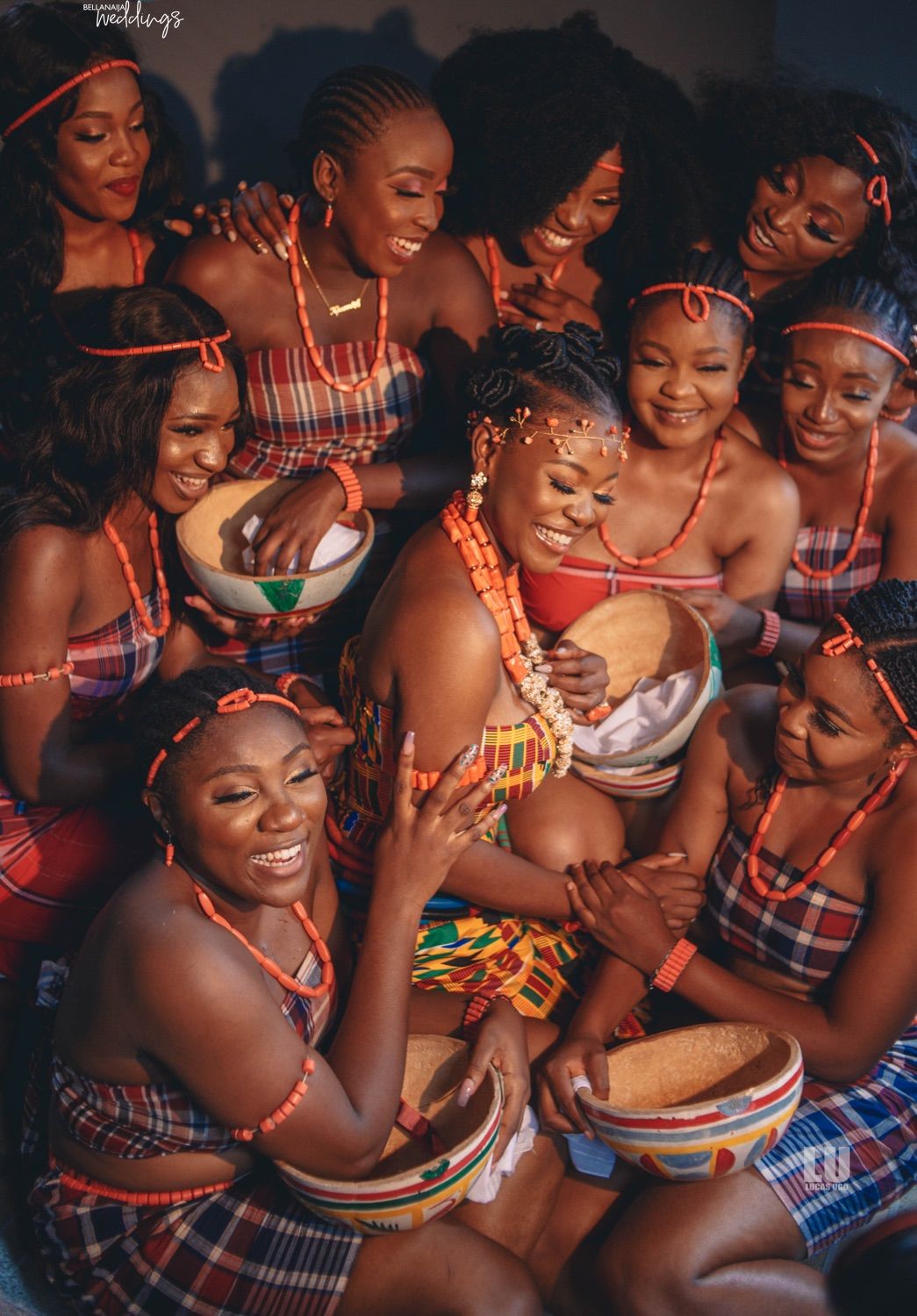
Style isn’t just personal taste. It’s shaped by the culture we grow up in, the values we share, the rules we follow, and the environments we live in. Across different societies, culture quietly decides what looks appropriate, respectable, or modern. It influences colours, fabrics, silhouettes, and even when and how certain clothes are worn.
This is why style looks different from one region to another, even in a world where trends move freely across borders. While fashion trends change quickly, culture moves slowly and intentionally. It anchors style to history, belief systems, and social meaning.
Understanding why culture is the foundation of style helps us see fashion not just as appearance, but as a reflection of identity, heritage, and shared experience. Keep reading to learn more.
Discover why culture is the foundation of style: how heritage, traditions, and social values shape fashion in Africa and influence the world.
Why Culture Is The Foundation Of Style

The way we dress tells a story, shaped by the traditions, values, and history that surround us. Clothing communicates status, identity, and belonging, revealing how deeply society and the environment shape personal expression.
Cultural rules quietly shape what feels appropriate, modern, or respectable in any community. While trends move fast, culture moves deliberately, reinforcing specific ways of dressing and discouraging others. This fact is precisely why culture is the foundation of style: it determines which looks endure, which convey authority, and which carry meaning across generations.
Style is inseparable from the culture that shapes it, as the same garment can signal status or informality. Recognising this connection reveals that style is not just a personal choice; it develops within cultural boundaries, linking clothing to identity, history, and shared experience.
The Traditions And Values That Give Style Its Meaning
Clothing is never just fabric; it carries stories, identity, and intention. Across Africa, garments reflect centuries of rituals, beliefs, and social codes, giving every outfit meaning beyond appearance. These traditions shape fashion, ensuring that style communicates heritage, community, and lived experience.
Some of the key factors include:
- Heritage and Tradition: Rituals, ceremonies, and long-standing practices influence the fabrics, colours, and styles people choose.
- Social Identity: Clothing signals belonging, status, and respect, communicating meaning without words.
- Environmental Context: Climate and geography determine what is practical and stylish, shaping materials and garment construction.
- Cultural Symbols: Patterns, textures, and colour combinations carry historical and symbolic significance, reflecting shared values.
- Continuity Across Generations: Styles rooted in tradition often persist longer than fleeting trends, maintaining cultural memory in fashion.
Together, these factors show that style is never random. Personal expression exists within a framework of shared values and environmental realities, illustrating why fashion is inseparable from the culture that shapes it.
How African Culture Shapes Fashion Around the World
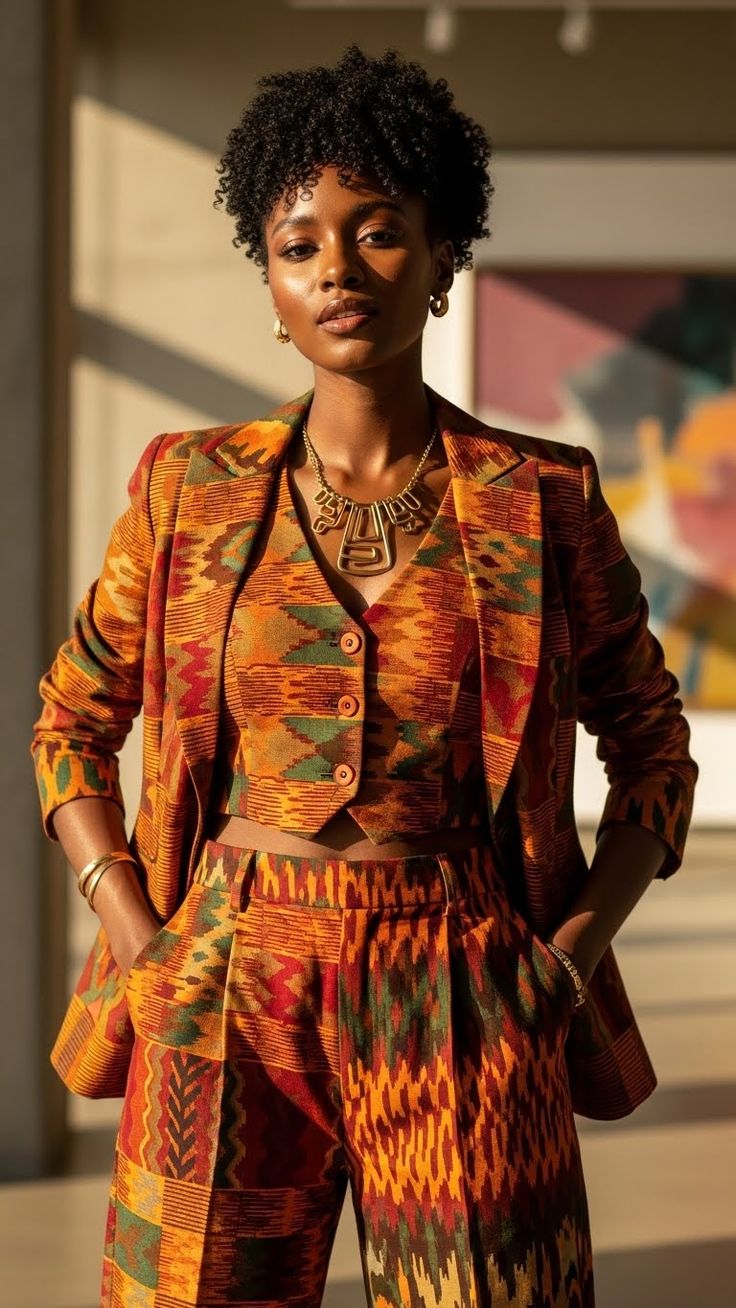
African culture reaches far beyond the continent, shaping global fashion in subtle and powerful ways. Colours, patterns, and textures rooted in tradition appear on runways from Paris to New York, while everyday style borrows heritage motifs to express identity in modern contexts.
Beyond looks, African culture guides how fashion communicates meaning. Prints, embroidery, and fabrics carry stories and social signals that resonate globally, showing why culture is the foundation of style.
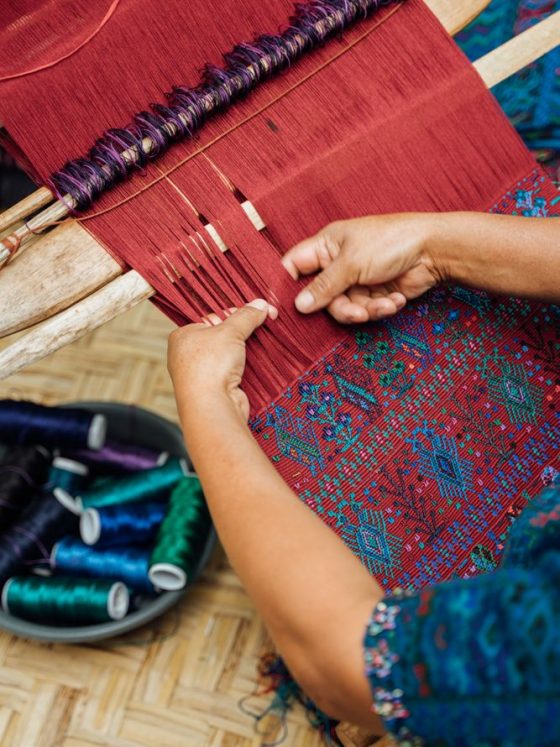
Even as trends move fast, African heritage provides depth and continuity. Techniques like weaving, dyeing, and layering are reinterpreted worldwide, but the cultural logic behind them remains, proving that style is always rooted in life, identity, and shared experience.
ALSO READ:
- How African Drums Shape Global Music: The Real Backbone of Modern Sound
- The Influence of African Music on Modern Wellness Practices
- 10 Festivals Where Heritage Becomes Heartbeat
- 10 Black Cinematographers Transforming Visual Storytelling in Hollywood
What Happens When Fashion Is Separated From Culture
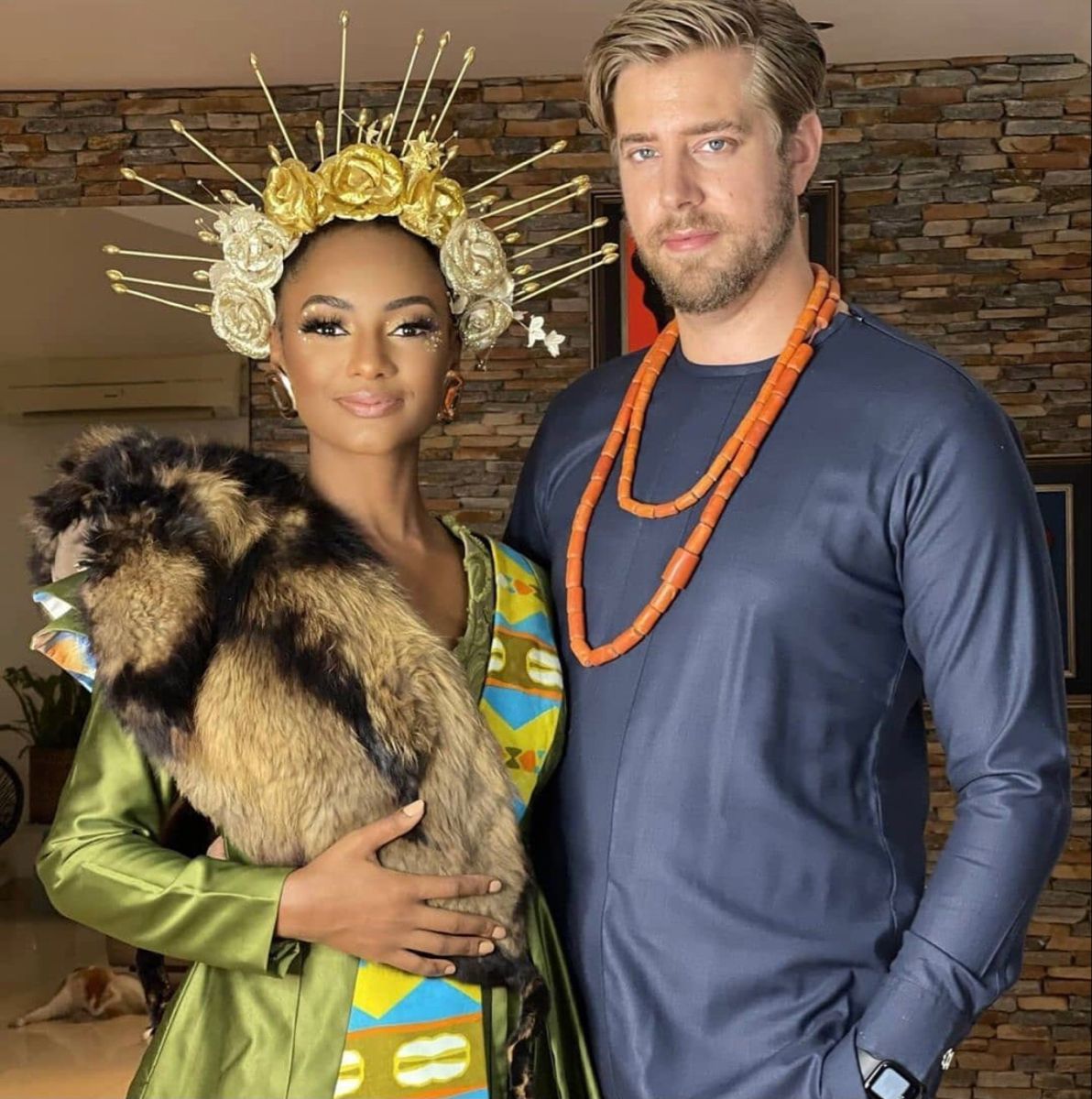
When fashion ignores its cultural roots, it loses depth and meaning. Trends may excite briefly, but without connection to heritage, they quickly fade. Clothing becomes decoration rather than expression, and style loses the stories, values, and identity that make it resonate.
In Africa and beyond, this disconnect can lead to overconsumption, trend fatigue, and the erasure of traditional techniques and symbols. Without culture, fashion risks becoming shallow, a reflection of the latest craze rather than the life and society that gave it shape.
Recognising why culture is the foundation of style reminds us that every garment carries more than aesthetics.
True style thrives when it reflects history, environment, and shared values; it proves that fashion is most powerful when it honours the culture from which it emerges.
Conclusion
Fashion is more than trends or personal choice; it reflects the culture around us. From the streets of Lagos to runways around the world, culture shapes what we wear and how it communicates identity, values, and history.
This is why culture is the foundation of style: it gives every garment meaning and depth. Honouring these cultural roots turns fashion into more than just decoration. It preserves tradition, tells stories, and carries identity across generations, showing that true style always begins with the culture it comes from.
Celebrate art, identity, and inspiration — explore Culture & Arts on OmirenStyles.
Frequently Asked Questions
1. Why Is Culture So Important In Fashion?
Culture gives clothing meaning. It shapes what is considered appropriate, stylish, and symbolic, connecting garments to identity, heritage, and shared values.
2. How Does African Culture Influence Global Fashion?
African traditions, fabrics, and motifs inspire designers and everyday fashion worldwide. From prints to weaving techniques, cultural logic shapes trends and interpretations of style across continents.
3. Can Fashion Exist Without Culture?
Yes, but it risks being shallow. Without cultural roots, clothing becomes decoration rather than expression, losing depth, history, and the stories that give it significance.
4. What Makes Certain Styles Endure Over Time?
Styles grounded in tradition and cultural values last because they carry meaning, reflect community identity, and are tied to rituals, symbols, or environmental realities, unlike fleeting trends.