Menu
  • AFRICA
    • African Fashion
    • African Designers
    • Textiles & Craft
    • Heritage Clothing
    • Made in Africa
    • Regional Style
  • DIASPORA
    • Diaspora Voices
    • Diaspora Connects
    • UK Scene
    • US Scene
    • Caribbean Diaspora
    • Afro-Latino Identity
    • Migration & Identity
  • CULTURE
    • Style & Identity
    • Ceremony & Ritual
    • Art & Music
    • Cultural Inspirations
    • Black Culture
    • Heritage Stories
  • FASHION
    • Trends
    • Street Style
    • Runway
    • Sustainable Fashion
    • Tailoring
    • Luxury Fashion
  • INDUSTRY
    • Editorial Intelligence
    • Market Trends
    • Brand Strategy
    • Retail & Commerce
    • Partnerships
    • Reports
    • Insights
    • Omiren Style Index
  • BEAUTY
    • Skincare
    • Makeup
    • Hair & Hairstyle
    • Fragrance
    • Beauty Traditions
    • Natural Beauty
  • MEN
    • Men’s Style
    • Grooming Traditions
    • Traditional & Heritage
    • The Modern African Man
    • Menswear Designers
  • WOMEN
    • Women’s Style
    • Evening Glam
    • Workwear & Professional
    • Streetwear for Women
    • Accessories & Bags
    • Bridal
  • NEWS
    • Cover Stories
    • Fashion Weeks
    • Opinion & Commentary
    • Style Icons
    • Rising Stars
  • DIRECTORY
    • Designers
    • Brands
    • Boutiques
    • Stylists
    • Models
    • Photographers
    • Creative Teams
    • Events
    • Production
    • Materials & Suppliers
Subscribe
OMIREN STYLES OMIREN STYLES

Fashion · Culture · Identity

OMIREN STYLES OMIREN STYLES OMIREN STYLES OMIREN STYLES
  • AFRICA
    • African Fashion
    • African Designers
    • Textiles & Craft
    • Heritage Clothing
    • Made in Africa
    • Regional Style
  • DIASPORA
    • Diaspora Voices
    • Diaspora Connects
    • UK Scene
    • US Scene
    • Caribbean Diaspora
    • Afro-Latino Identity
    • Migration & Identity
  • CULTURE
    • Style & Identity
    • Ceremony & Ritual
    • Art & Music
    • Cultural Inspirations
    • Black Culture
    • Heritage Stories
  • FASHION
    • Trends
    • Street Style
    • Runway
    • Sustainable Fashion
    • Tailoring
    • Luxury Fashion
  • INDUSTRY
    • Editorial Intelligence
    • Market Trends
    • Brand Strategy
    • Retail & Commerce
    • Partnerships
    • Reports
    • Insights
    • Omiren Style Index
  • BEAUTY
    • Skincare
    • Makeup
    • Hair & Hairstyle
    • Fragrance
    • Beauty Traditions
    • Natural Beauty
  • MEN
    • Men’s Style
    • Grooming Traditions
    • Traditional & Heritage
    • The Modern African Man
    • Menswear Designers
  • WOMEN
    • Women’s Style
    • Evening Glam
    • Workwear & Professional
    • Streetwear for Women
    • Accessories & Bags
    • Bridal
  • NEWS
    • Cover Stories
    • Fashion Weeks
    • Opinion & Commentary
    • Style Icons
    • Rising Stars
  • DIRECTORY
    • Designers
    • Brands
    • Boutiques
    • Stylists
    • Models
    • Photographers
    • Creative Teams
    • Events
    • Production
    • Materials & Suppliers
Uncategorized

Why Fit Is the Most Underrated Language in Fashion

  • Fathia Olasupo
  • April 21, 2026
Why Fit Is the Most Underrated Language in Fashion

When people talk about fashion, they often begin with trends, colour, or brand. These elements are visible and easy to describe.

However, what is registered first is not always what is most discussed.

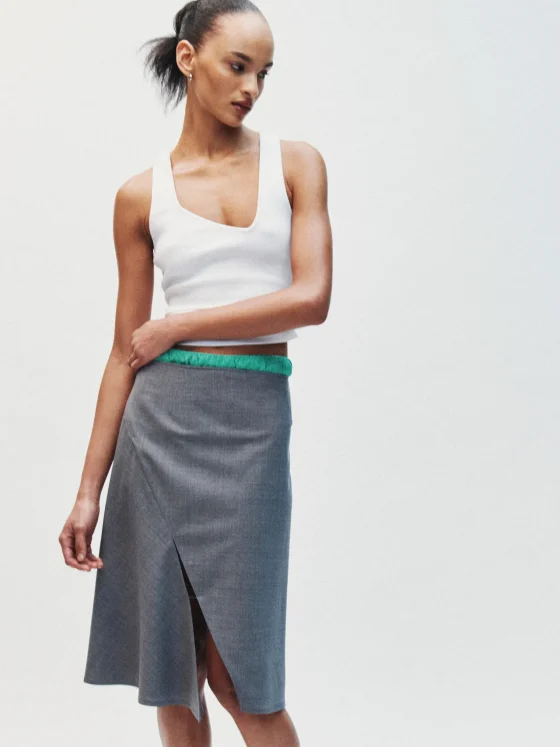
Before a fabric is examined or a label is noticed, the eye reads proportion. It reads how a garment sits on the body, how it moves, and how it holds its shape. This is what determines whether an outfit feels considered or unresolved.

Fit operates quietly, but it defines the entire impression. It is not an added detail. It is the structure on which everything else depends.

Why fit shapes how fashion is perceived. Explore how tailoring, proportion, and silhouette communicate identity, power, and intention.

Fit as a Form of Communication
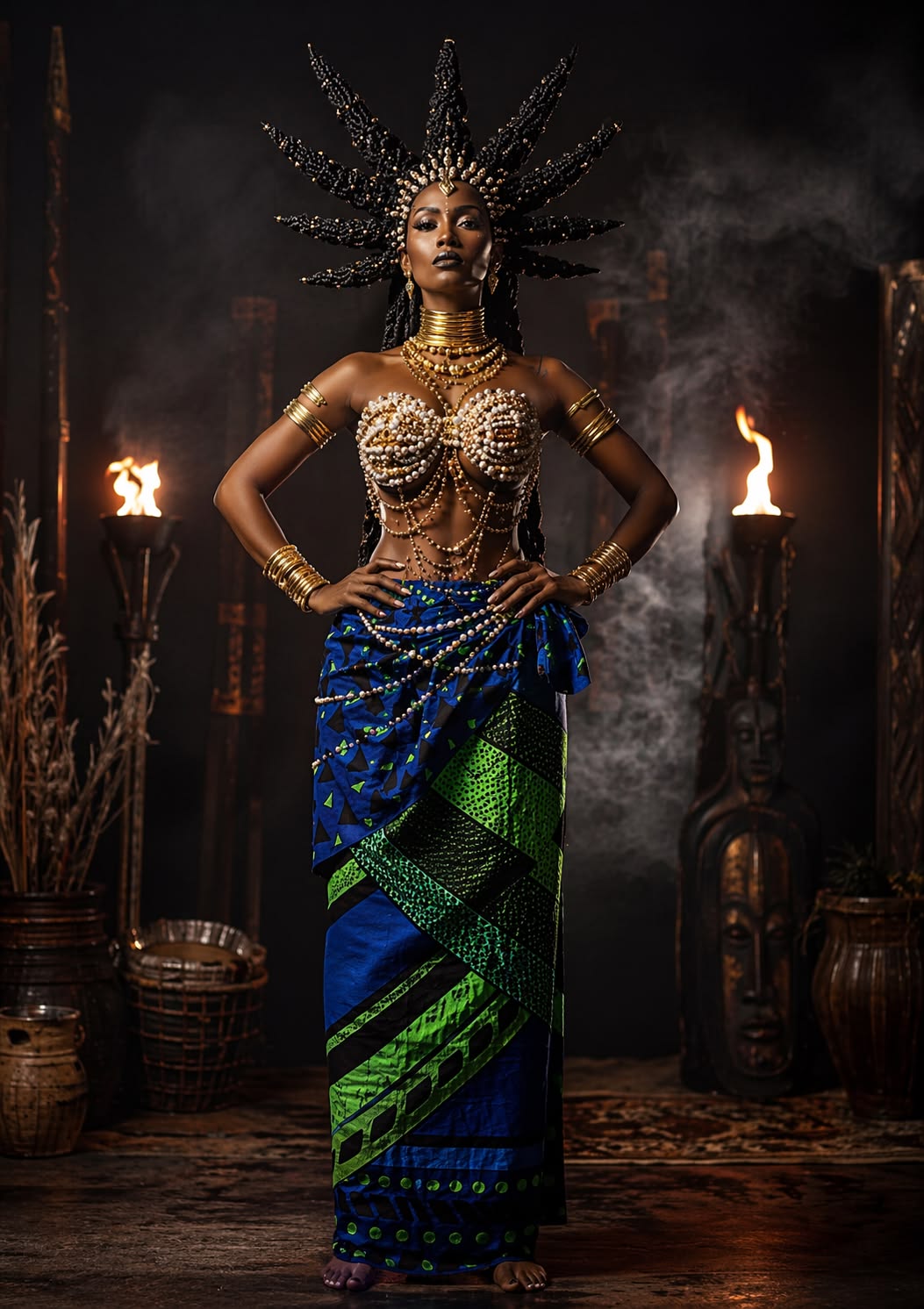
Fit as a Form of Communication

Fit is often treated as a technical concern, something to be corrected rather than interpreted. In reality, it functions as a language.

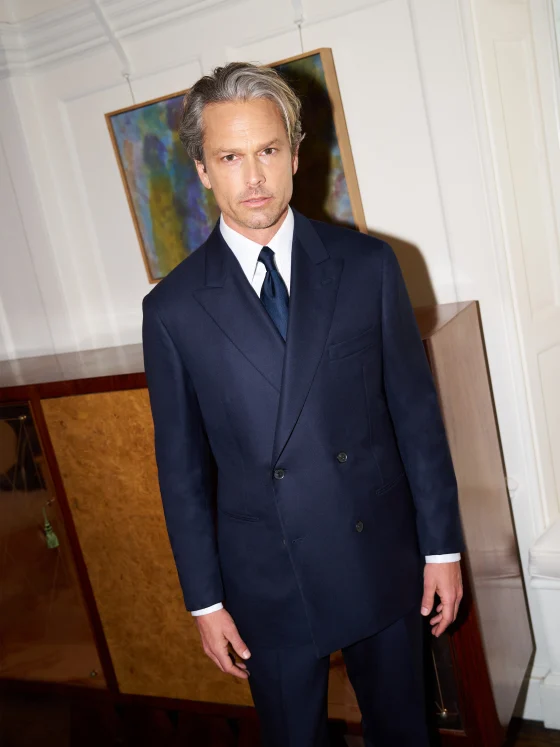
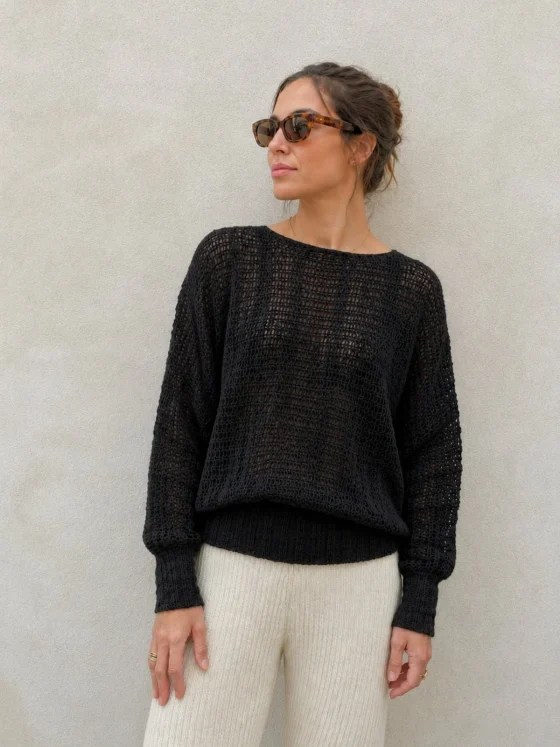
A sharply tailored jacket communicates control and precision. A relaxed silhouette suggests ease and informality. An oversized structure can signal detachment, experimentation, or resistance to convention.

These are not accidental readings. They are responses to how clothing interacts with the body.

Designers like Giorgio Armani reshaped modern tailoring by softening structure and introducing an elegance that moved away from rigidity. In contrast, Rei Kawakubo entirely disrupted conventional ideas of fit, using distortion and asymmetry to challenge how the body is defined by clothing.

In both cases, fit is not passive. It is intentional, and it carries meaning.

Cultural Definitions of “Good Fit”

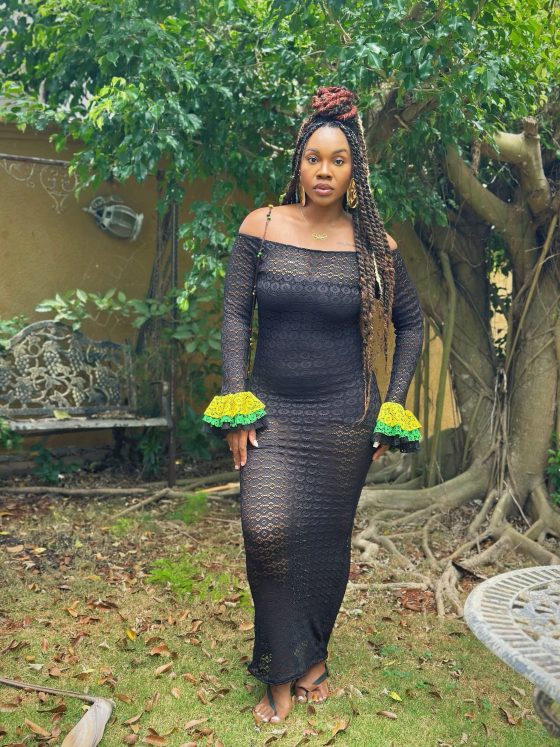
What is considered a good fit is not universal. Cultural expectations, social environments, and historical context shape it.

In many Western fashion systems, tailored precision is often associated with professionalism and discipline. Garments are expected to fit the body closely, creating a clean, controlled silhouette.

In contrast, other fashion cultures embrace volume and fluidity. In cities like Lagos and Dakar, fit often allows for movement, airflow, and a sense of presence. Clothing is designed not only to sit on the body but to exist around it.

These differences are not simply aesthetic. They reflect how societies understand the relationship between the body and clothing.

Fit and the Performance of Power
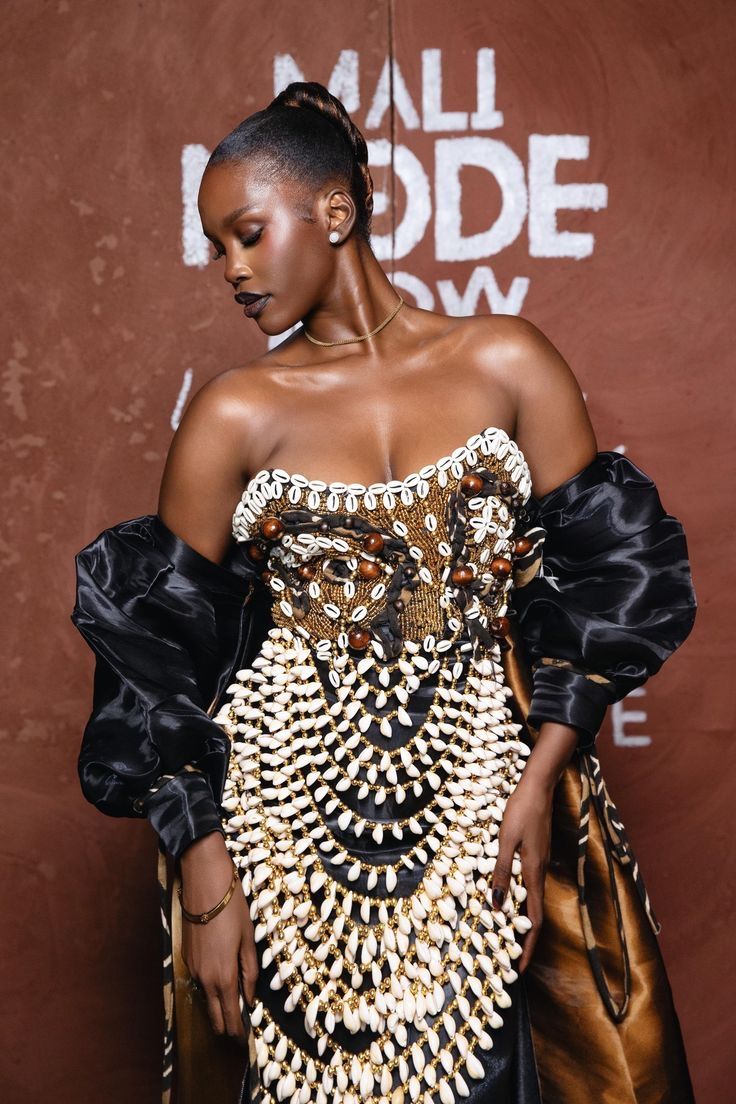
Fit and the Performance of Power

Fit plays a critical role in how authority is constructed and perceived.

Public figures, from political leaders to corporate executives, rely heavily on precise tailoring. A well-fitted garment signals control, discipline, and attention to detail. It suggests that nothing is accidental.

This is why adjustments, alterations, and custom tailoring are often prioritised in spaces where perception matters. The difference between an average fit and a precise one can shift how a person is read in professional or public contexts.

Fit, in this sense, becomes a tool. It shapes not only appearance, but also how presence is interpreted.

The Invisible Labour Behind Fit

Achieving the right fit is rarely immediate. It is the result of adjustments, corrections, and skilled labour.

Tailors and pattern makers play a central role in this process. They translate design into form, ensuring that garments align with the body in a way that feels intentional.

In many informal fashion systems, this process is standard. Clothing is expected to be altered, refined, and personalised. The idea of wearing something exactly as purchased, without adjustment, is less common.

This highlights an important point. Fit is not only designed for, but it is also constructed through ongoing interaction between maker and wearer.

When Designers Reject Fit

While fit is often associated with precision, it can also be deliberately disrupted.

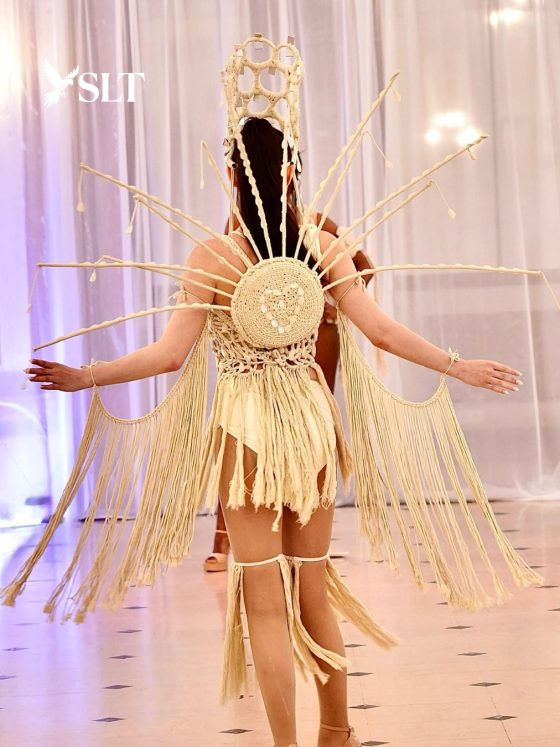
Contemporary fashion has seen a growing interest in silhouettes that challenge traditional ideas of proportion. Oversized garments, extended sleeves, dropped shoulders, and exaggerated forms are used to shift how the body is framed.

Designers like Demna have built entire collections around this idea, using unconventional fit to question norms around structure and beauty.

In these cases, what appears to be an “incorrect” fit is actually a controlled deviation. It is a redefinition of how clothing relates to the body.

READ MORE:

  • Fashion Without Factories: Africa’s Original Bespoke Economy
  • Who Gets Credit in Fashion: The Gap Between Influence and Recognition

Why Fit Is Rarely Discussed
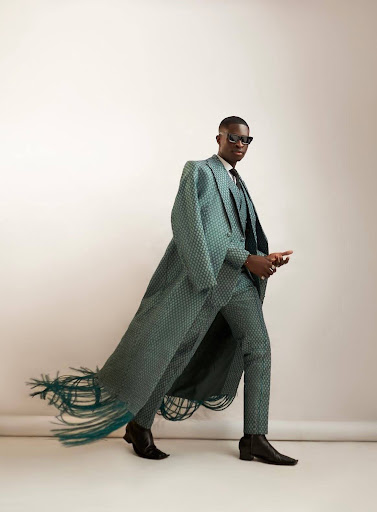
The Structure Beneath Everything

Despite its importance, fit is often overlooked in fashion conversations.

One reason is that it is expected. When it is done well, it becomes almost invisible. Attention shifts to more obvious elements such as colour, branding, or trend alignment.

Another reason is that fit requires a different kind of language. It is not always easy to describe proportion, balance, or movement in simple terms.

As a result, it is felt more than it is explained.

However, this does not reduce its significance. If anything, it reinforces the idea that fit operates at a deeper level, shaping perception without needing constant articulation.

The Structure Beneath Everything

Fit is not an afterthought. It is the foundation of how fashion is experienced.

It determines how garments are read, how bodies are framed, and how presence is communicated. It operates across cultures, adapting to different ideas of form, movement, and expression.

While trends change and aesthetics evolve, the role of fit remains constant. It is the element that holds everything together, even when it is not explicitly acknowledged.

Because in the end, fashion is not only about what is worn. It is about how it sits, how it moves, and how it is understood the moment it is seen.

FAQs

  1. Why is fit important in fashion?

Fit shapes how clothing is perceived, influencing appearance, comfort, and overall presentation.

  1. What does “good fit” mean in clothing?

A good fit depends on proportion, balance, and how well a garment aligns with the body and intended style.

  1. How does tailoring affect fashion style?

Tailoring refines garments, improving structure and ensuring that clothing communicates intention clearly.

  1. Are oversized clothes considered a good fit?

Yes, when designed intentionally. Oversized silhouettes can express style and challenge traditional proportions.

  1. How does culture influence clothing fit?

Different cultures define fit differently, shaping how garments are designed and worn.

Post Views: 152

Stay Connected

Enjoyed this article? Get more style tips, buying guides, and product recommendations delivered straight to your inbox.

👉 Subscribe to the Omiren Styles Newsletter: https://omirenstyles.com/subscribe/

Related Topics
  • African Fashion
  • fashion fit importance
  • personal style fit
  • tailoring basics
Fathia Olasupo

olasupofathia49@gmail.com

You May Also Like
African Consumers Are Locked Out of the Brands They Are Making Famous
View Post
  • Retail & Commerce

African Consumers Are Locked Out of the Brands They Are Making Famous

  • Adams Moses
  • June 12, 2026
Street Fashion in Conakry: Youth Expression and Urban Identity
View Post
  • Street Style

Street Fashion in Conakry: Youth Expression and Urban Identity

  • Philip Sifon
  • June 12, 2026
View Post
  • Traditional & Heritage

Fabrics and Cultural Fusion in Cape Verdean Style

  • Faith Olabode
  • June 12, 2026
The Ghanaian Smock: Why Fugu and Batakari Matter Beyond Northern Ghana
View Post
  • Textiles & Craft

The Ghanaian Smock: Why Fugu and Batakari Matter Beyond Northern Ghana

  • Ayomidoyin Olufemi
  • June 12, 2026
The Folklore Connect: The B2B Wholesale Platform Transforming African Fashion Retail
View Post
  • Retail & Commerce

The Folklore Connect: The B2B Wholesale Platform Transforming African Fashion Retail

  • Rex Clarke
  • June 12, 2026
Thebe Magugu Brand Strategy: What African Fashion Designers Can Learn From It
View Post
  • Brand Strategy

Thebe Magugu Brand Strategy: What African Fashion Designers Can Learn From It

  • Adams Moses
  • June 12, 2026
Why Most African Fashion Brands Have a Pricing Problem They Cannot See
View Post
  • Brand Strategy

Why Most African Fashion Brands Have a Pricing Problem They Cannot See

  • Rex Clarke
  • June 11, 2026
Afropolitan New York: How African Designers Are Building a US Market Without Compromising Their Identity
View Post
  • Brand Strategy

Afropolitan New York: How African Designers Are Building a US Market Without Compromising Their Identity

  • Rex Clarke
  • June 11, 2026

Leave a Reply Cancel reply

Your email address will not be published. Required fields are marked *

The Omiren Argument

African fashion and culture are not emerging. They are foundational. We document, interpret, and argue for the full cultural weight of African and diaspora dress. With precision. Without apology.

Omiren Styles Fashion · Culture · Identity

All 54 African Nations
Caribbean · Afro-Latin America
The Global Diaspora

Platform

  • About Omiren Styles
  • Our Vision
  • Our Mission
  • Editorial Pillars
  • Editorial Policy
  • The Omiren Collective
  • Campus Style Initiative
  • Sustainable Style
  • Social Impact & Advocacy
  • Investor Relations

Contribute

  • Write for Omiren Styles
  • Submit Creative Work
  • Join the Omiren Collective
  • Campus Initiative
Contact
contact@omirenstyles.com
Our Reach

Africa — All 54 Nations
Caribbean
Afro-Latin America
Global Diaspora

African fashion intelligence, in your inbox.

Editorial features, designer profiles, cultural commentary. No noise.

© 2026 Omiren Styles — Rex Clarke Global Ventures Limited. All rights reserved.
  • Privacy Policy
  • Editorial Policy
  • Terms of Use
  • Accessibility
Africa · Caribbean · Diaspora
The Omiren Argument

African fashion and culture are not emerging. They are foundational. We document, interpret, and argue for the full cultural weight of African and diaspora dress. With precision. Without apology.

Omiren Styles Fashion · Culture · Identity
  • About Omiren Styles
  • Our Vision
  • Our Mission
  • Editorial Pillars
  • Editorial Policy
  • The Omiren Collective
  • Campus Style Initiative
  • Sustainable Style
  • Social Impact & Advocacy
  • Investor Relations
  • Write for Omiren Styles
  • Submit Creative Work
  • Join the Omiren Collective
  • Campus Initiative
Contact contact@omirenstyles.com

All 54 African Nations · Caribbean
Afro-Latin America · Global Diaspora

African fashion intelligence, in your inbox.

Editorial features, designer profiles, cultural commentary. No noise.

© 2026 Omiren Styles
Rex Clarke Global Ventures Limited.
All rights reserved.

  • Privacy Policy
  • Editorial Policy
  • Terms of Use
  • Accessibility
Africa · Caribbean · Diaspora

Input your search keywords and press Enter.