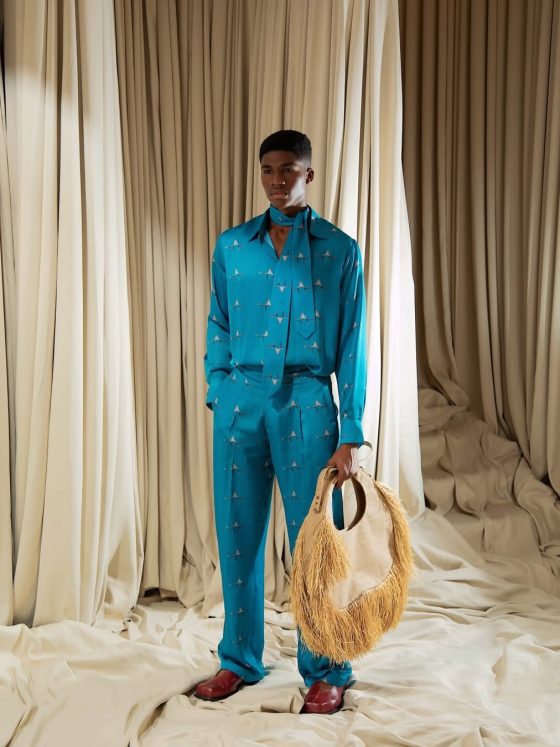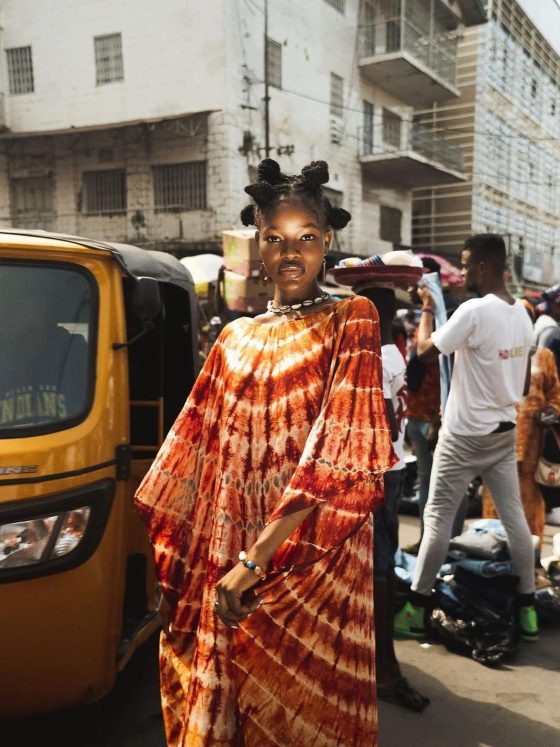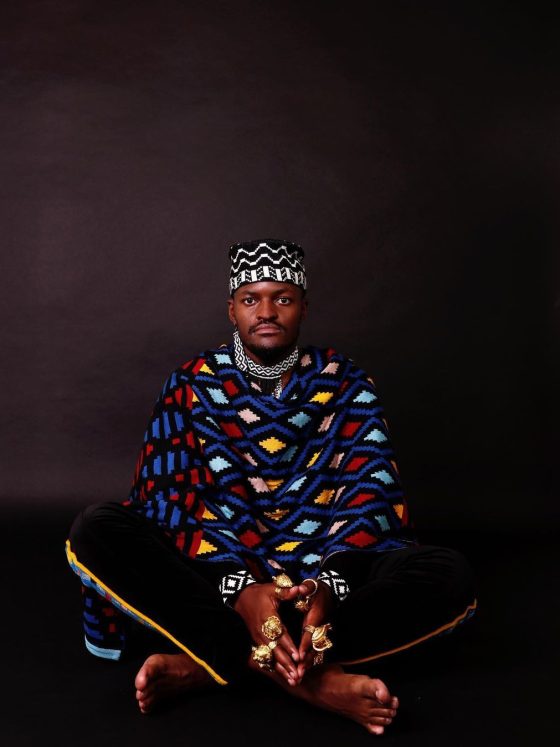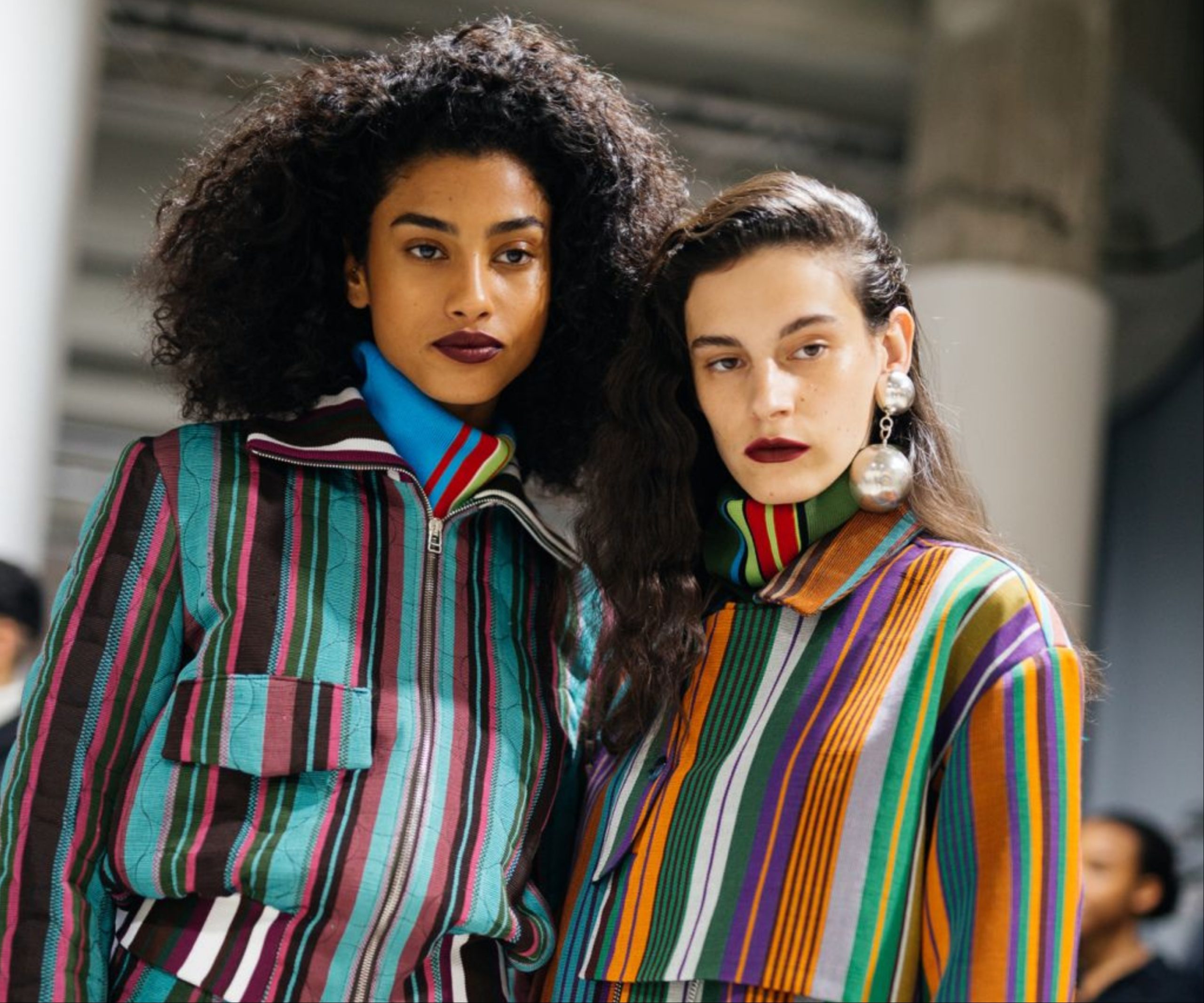
A subtle change is taking place in the sun-drenched ateliers of 2026, where the steady, regular pulse of the loom has evolved into the global runway’s heartbeat. The industry used to gauge success by the delivery truck’s speed, but a new generation of forward-thinking CEOs is making a stunning intervention. Kenneth Ize, a designer who went from being a University of Applied Arts Vienna graduate to a master of a worldwide narrative, is leading this movement. He has demonstrated that Aso-Oke, an old Yoruba textile, is more than just a ceremonial fabric; it is a sophisticated, high-end language that expresses a need for soulful connection and permanence.
Ize’s voyage is a master class in fusing tradition with the contemporary urban landscape. By centring his collections around traditional artistry, he has shifted his focus from the “new” to the “forever.” His art has developed into a powerful, autonomous movement that goes beyond the product in 2026. He has made the top cloth of the Yoruba people a mainstay of the global avant-garde by working with local artisan cooperatives in Nigeria to turn a regional skill into a worldwide currency. Wearing Ize is an act of storytelling for the lady who travels the world with a sense of purpose; it’s a means of bringing a fragment of a living archive through the halls of international authority.
This change signifies a dedication to a future in which our possessions bear the responsibility of the people who created them. Ize is demonstrating that genuine influence comes from the enduring strength of community and the bravery to put the craftsman ahead of the assembly line rather than from a fad. As we examine his influence, we discover that the most prestigious pieces in our closets are those that proudly anchor us in a bright, inclusive present while whispering of the past.
In the vibrant landscape of 2026, one name has become synonymous with the global ascent of West African heritage. Discover how Kenneth Ize transitioned from a visionary graduate in Vienna to the master of the loom, transforming the traditional Yoruba craft of Aso-Oke into a high-fashion language spoken from Lagos to Berlin.
The Weave of a Visionary
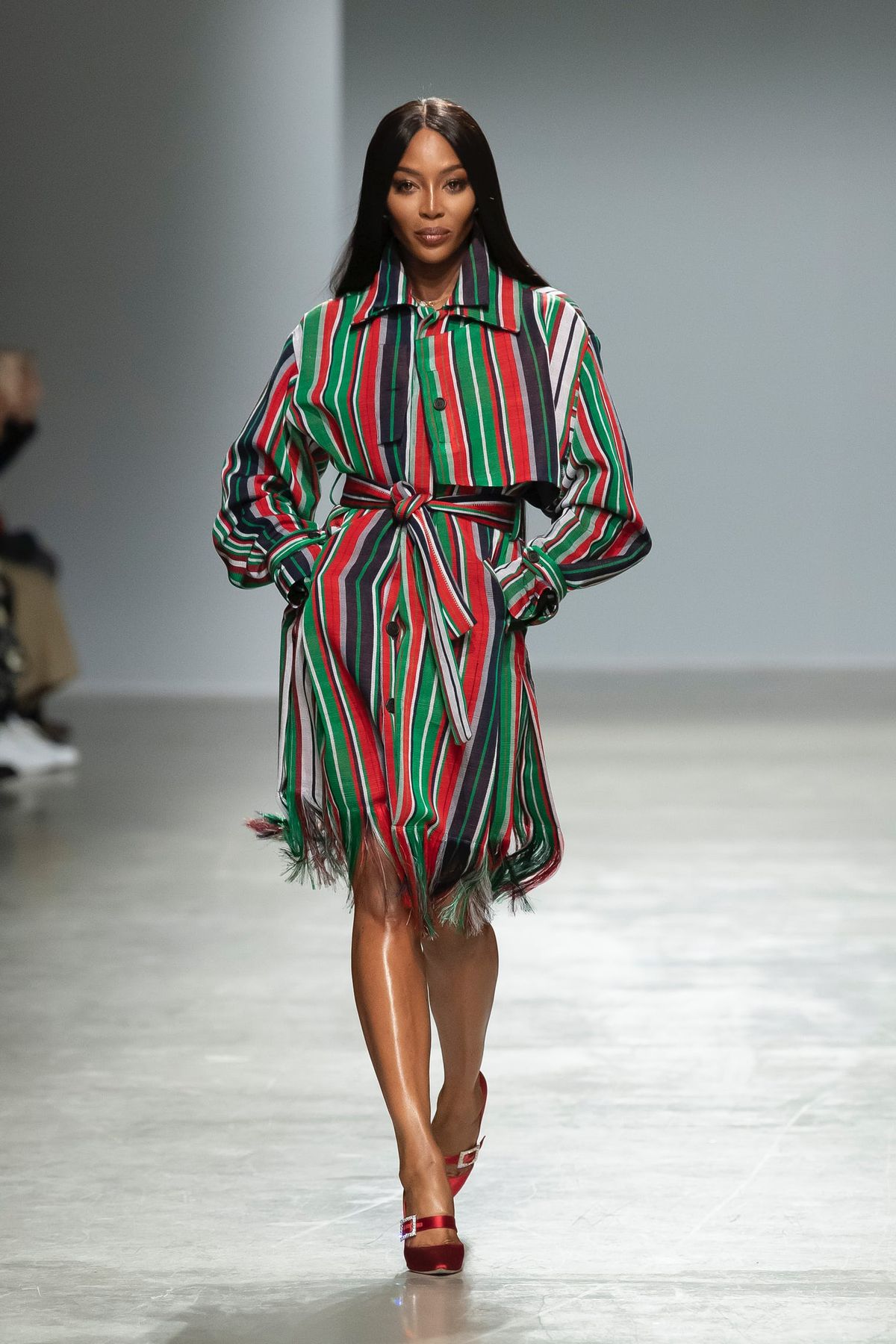
Kenneth Ize’s story starts with a recollection from his early years: the colourful, architectural drape of his mother’s ceremonial clothing. This individual’s past served as the foundation for a company that values provenance over financial gain. In a field that is sometimes accused of superficial inspiration, Ize opts for deep-tissue cooperation. He empowers the hands that create it rather than merely using a fabric.
By 2026, Ilorin’s traditional weavers will be recognised as the true designers of contemporary luxury, thanks to their dedication to artisanal sustainability. This is the core of his JOY collection, which has revolutionised the runway by demonstrating that legacy is a live, breathing pulse rather than a static relic.
Ize has pushed the limits of the conventional loom in his most recent creation, fusing unexpected materials such as denim, velvet, and fine wool with the robust, handwoven strips of Aso-Oke. This is a spiritual investigation of vulnerability and unity rather than just a technical achievement. He shows that even the most formal tailoring can convey a genuine human truthfulness by blurring the distinction between the inner self and the urban skyline. It serves as a reminder that fashion that doesn’t abandon its artisans is the most progressive.
A shift toward social justice and transparency has characterised this phase of his career. Ize ensures that the visible stitch of African artisans is preserved for future generations by investing in the infrastructure of weaving communities. His studio has evolved into a place of cultural preservation, where the shuttle’s repetitive click acts as a link between the traditional and the modern. An Ize item is more than just a piece of clothing for the global woman; it is a validated part of a broader narrative that grounds her in a bright, inclusive map of global craftsmanship.
From Lagos to the Global Stage
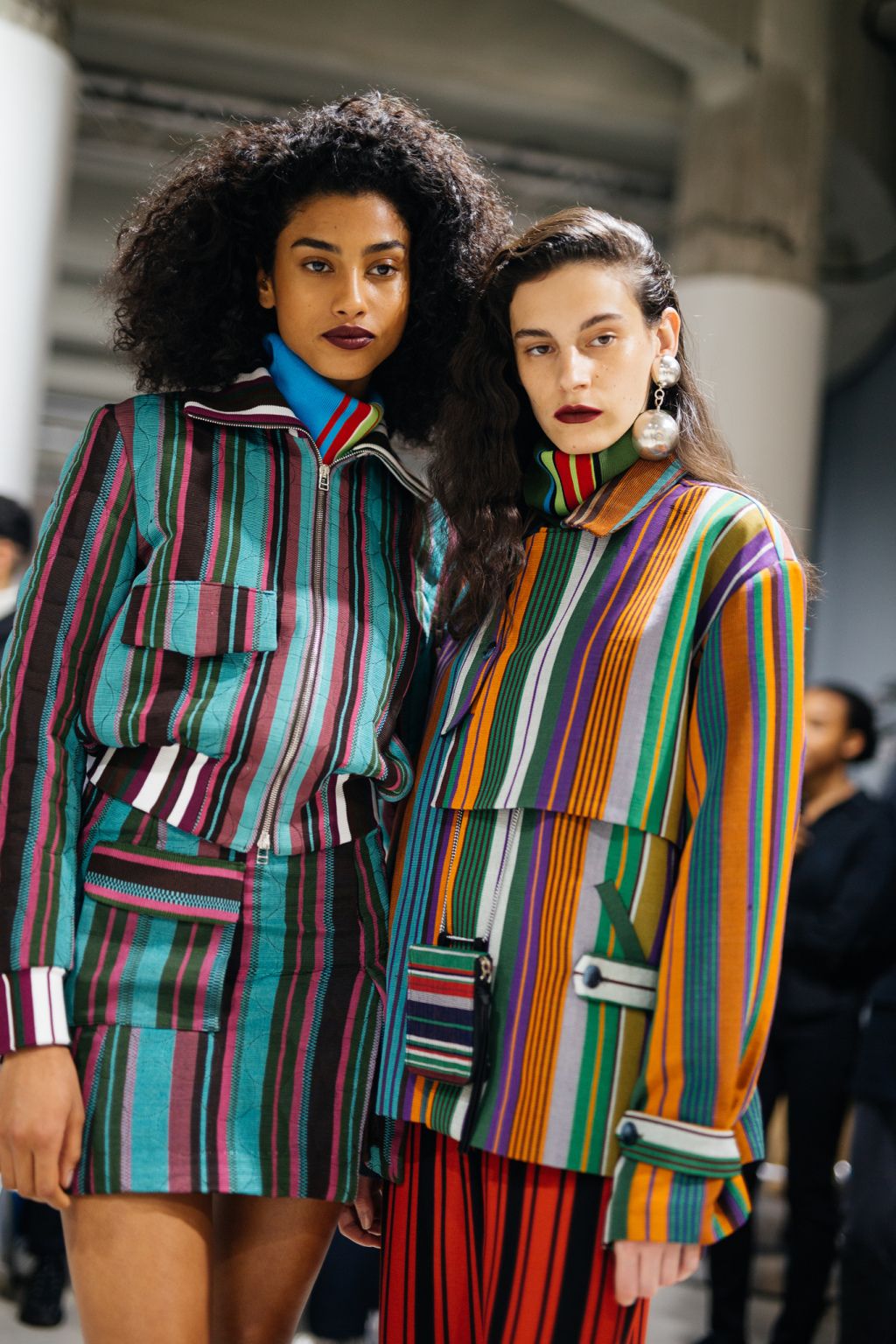
In the 2026 fashion scene, Kenneth Ize has skillfully shifted from a rising talent to a global authority. His recent victory at the Berlin Contemporary competition is unquestionably proof of his lasting impact. The architectural framework he is creating for a more inclusive industry is more important than the distinctive technicolour stripes that have come to represent him. Ize is creating a template for the fashion industry that values artisans just as much as executives from his studio in Sabo Yaba, Lagos.
His partnerships, such as the historic alliance with Karl Lagerfeld’s company, have been a crucial link between West African soul and European tailoring. The idea that traditional fabrics are costume has been debunked by these instances, which have instead established Aso-Oke as a high-performing, adaptable fabric that can command any boardroom from London to New York.
The Ize silhouette, lean, sophisticated, and delicately undone, has come to represent a new form of luxury as 2026 progresses. It is a luxury that demands openness, embraces variety, and won’t allow history to be forgotten.
Ize has made sure that Nigeria’s top cloth is now a global necessity rather than a localised secret by promoting this global connectivity. His art offers a genuine link to a community of makers for the woman who prioritises significance over labels. It serves as a reminder that stories that transcend national boundaries without losing their accent are the most compelling in 2026. Wearing an Ize design is a way to join a movement that views heritage as the greatest luxury, demonstrating that the most contemporary piece of clothing is part of a legacy that has been preserved.
ALSO READ:
- Black Designers Leading Sustainability in Luxury Fashion
- Music, Identity, and Dress: How Afrobeats Became the World’s Unspoken Style Language
Crafting a Living Archive
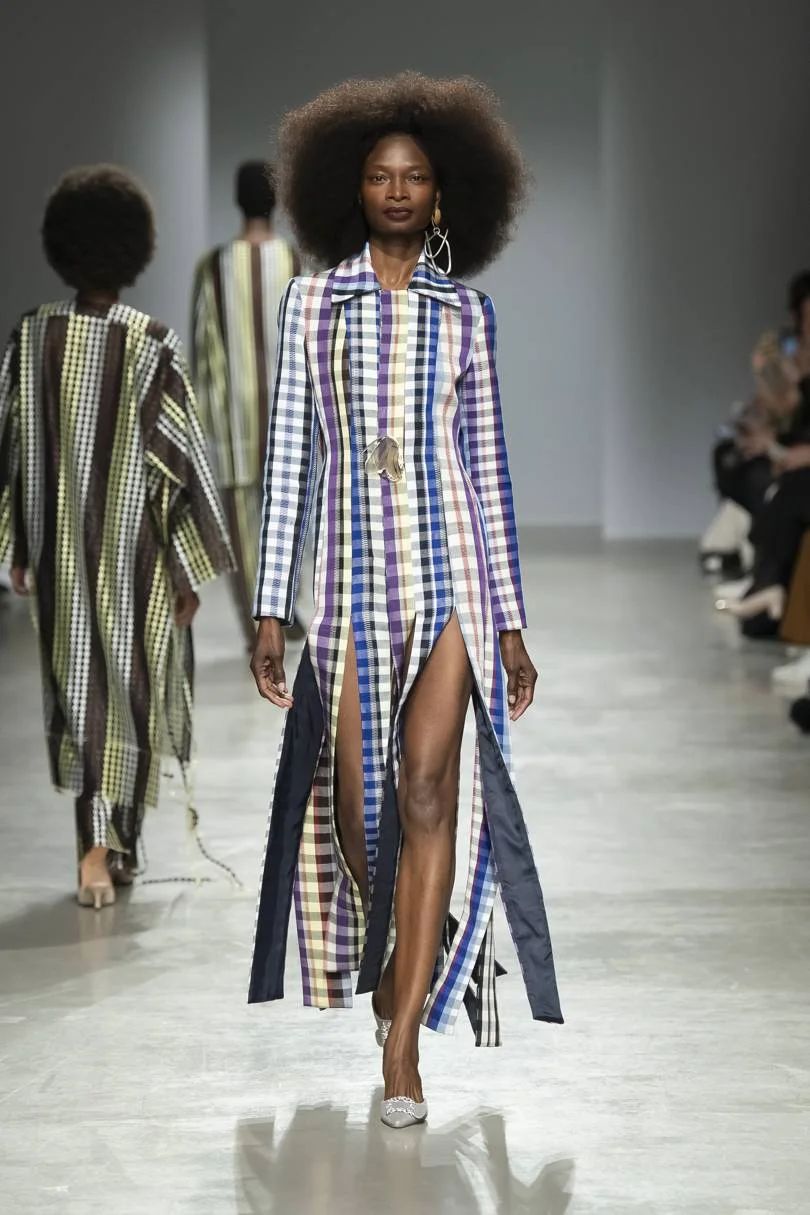
As his legacy comes to an end in 2026, Kenneth Ize has transitioned from being a typical designer to a living archive caretaker. He has realised that Aso-Oke needs the backing of a strong, welcoming community to withstand the fast-paced demands of the global market.
Ize has developed a circular stewardship plan that ensures the craft’s future by establishing a dedicated weaving centre in Ilorin. Here, the slow-burning quality is prioritised over bulk manufacturing. Every rhythmic pedal stroke and hand-dyed thread is an investment in a future in which the craftsman is the protagonist.
This dedication to the community turns each item of clothing into an upscale relic. A work made with such meticulous attention to detail has a spirit that machines can never duplicate.
The visible stitching on an Ize blazer is a badge of honour in 2026, indicating a link to an ethical and transparent supply chain. Ize is creating a brand that feels like a healthy, internal sanctuary for users by emphasising the human element. It is an area where fashion serves as a link between the traditional knowledge of Nigeria’s countryside and the contemporary urban skyline.
In the end, the Kenneth Ize legacy is eternal because of this community architecture. He is demonstrating that the craft is safeguarded when the maker is protected. He has ensured that Aso-Oke will remain a vital component of the global dialogue for many generations to come by cultivating a sense of common purpose and global connectivity. This means that a worldwide woman’s wardrobe is now a carefully chosen display of human resiliency and brilliant artistry rather than merely a collection of clothing.
The Omiren Argument:
The fashion industry has a long history of treating African textiles as raw material for someone else’s vision. A Western house borrows a print. A luxury brand sources a weave. The fabric travels, but the community that created it rarely does. Kenneth Ize is the counter-argument to that entire system, and this article makes the case for why his work matters beyond aesthetics.
What Ize has built is not simply a label. It is a proof of concept. He has demonstrated that Aso-Oke, a hand-woven Yoruba textile with centuries of ceremonial and social significance, can hold its own in the highest tiers of global fashion without being stripped of its origin or its makers. The weavers in Ilorin are not a footnote in the Ize story. They are its premise.
This is precisely the argument Omiren Styles exists to make. African fashion intelligence is not about which Western institution has validated a designer or which collaboration has given a fabric global access. It is about whether the community at the root of the work is protected, credited, and sustained when that work travels. Ize has answered that question with a weaving centre, direct partnerships with artisans, and a supply chain that names its makers.
The deeper argument this piece carries concerns what luxury actually means when African fashion is the subject. Luxury is not simply a price point or a matter of exclusivity. It is longevity, provenance, and the ethical weight of how something was made. By that definition, an Ize blazer stitched on a loom in Ilorin by a master weaver carries more luxury than most things sitting on shelves in Milan. Fashion. Culture. Identity. This article makes that case, and Omiren Styles stands behind it without qualification.
Conclusion
Looking ahead to 2026, Kenneth Ize’s influence is a clear indication of how luxury will develop worldwide. He has shown that the most progressive fashion is found in the preservation of the forever, not in the search for the new. Ize has made sure that the Aso-Oke Global Legacy is no longer a localised secret but rather a high-fashion requirement by giving a cloth that has reverberated through Nigerian streets for centuries a worldwide platform. He has made the loom a tool for architectural narrative, demonstrating that tradition is the most sophisticated language a designer can speak when it is handled with compassion and an inclusive vision.
In the end, the Kenneth Ize tale serves as a reminder that each of us is responsible for the legacies we choose to wear. The global woman creates a wardrobe that is both a haven and a statement by investing in the visible stitch and the maker’s soul. These days, luxury is determined by the longevity of our decisions and the strength of our cultural ties rather than by a brand. We conclude that honouring the hands that weave our future is the most contemporary thing we can do as the shuttle continues its rhythmic dance in Lagos’ and other cities’ ateliers.
Frequently Asked Questions (FAQs):
- Who is Kenneth Ize?
Kenneth Ize is a Nigerian-Austrian designer who has become a global authority in fashion. He is celebrated for taking traditional West African textiles and reimagining them as high-end, structured luxury pieces for the modern urban skyline.
- What is Aso-Oke?
Aso-Oke is a hand-woven textile created by the Yoruba people of Nigeria. Traditionally used for ceremonial attire, Ize has transformed it into a versatile, high-performing fabric used for everything from tailored blazers to avant-garde accessories.
- Why is his work considered sustainable?
His brand is built on circular stewardship. By working directly with artisan cooperatives in Ilorin, Nigeria, he ensures fair wages, preserves ancient weaving techniques, and maintains a transparent supply chain that prioritises people over mass production.
- What makes the “JOY” collection significant?
The “JOY” collection represents a move toward a more soulful and inclusive fashion narrative. It blends the visible stitch of the loom with contemporary silhouettes, proving that heritage can be both architectural and deeply emotional.
- Where can I see his influence today?
By 2026, Ize’s influence is everywhere, from high-profile collaborations with heritage houses like Karl Lagerfeld to the wardrobes of global leaders. His work has made Nigeria’s top cloth a staple of international luxury and a conversation starter on the world stage.