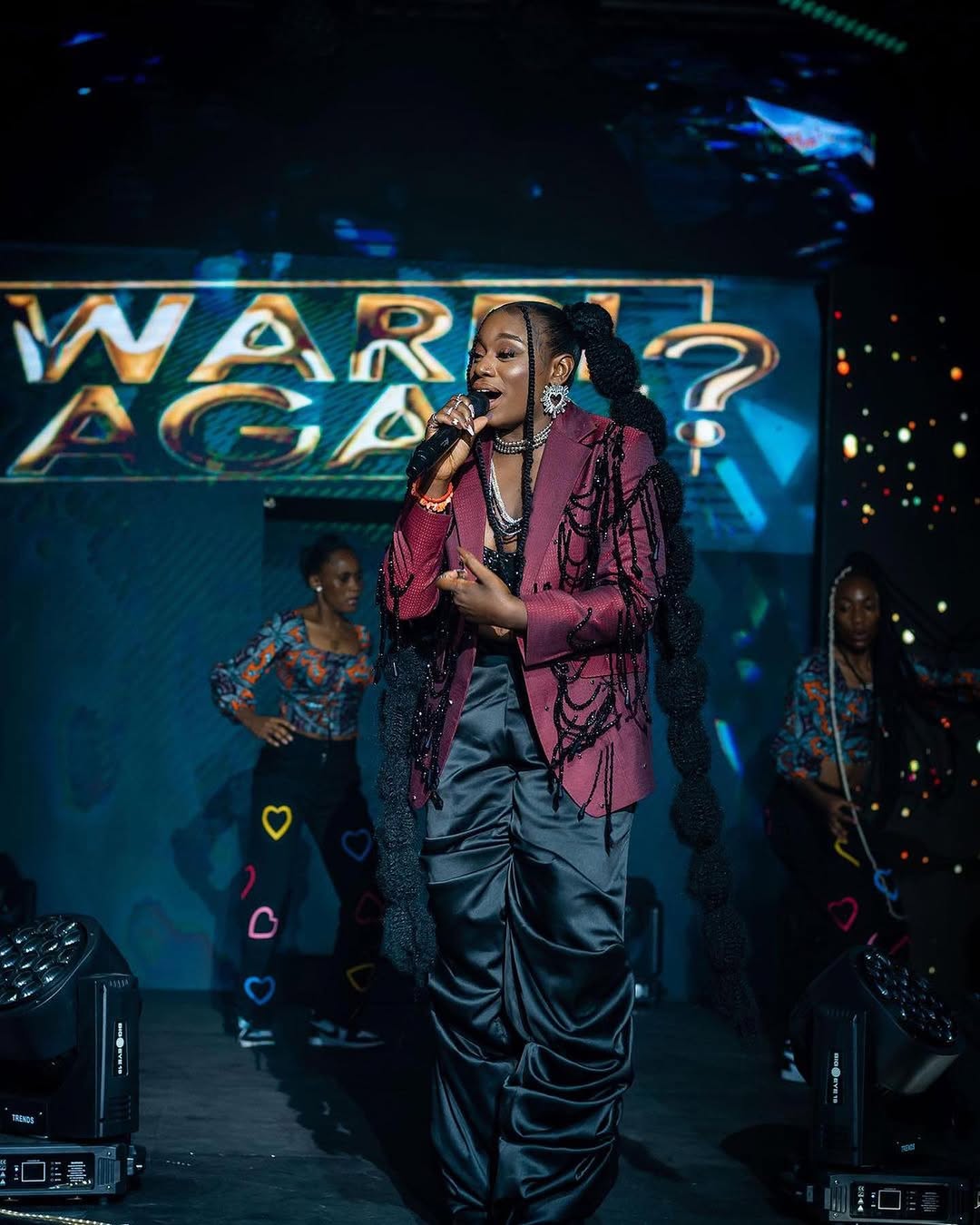
Some artists make music, and others carry a culture in their voices. Roli Thompson is firmly in the second camp. The Itsekiri-born singer from the Warri Kingdom in Delta State, Nigeria, has spent the last few years building a body of work entirely in her native Itsekiri language, one song at a time. And with her latest release, IRA (Time), dropped on 11 March 2026, she signals that her moment has fully arrived.
Roli Thompson’s new single IRA (Time) is more than a song. Discover how the Itsekiri singer from Warri Kingdom is reclaiming time, memory, and cultural identity through music.
From the Palace to the Playlist
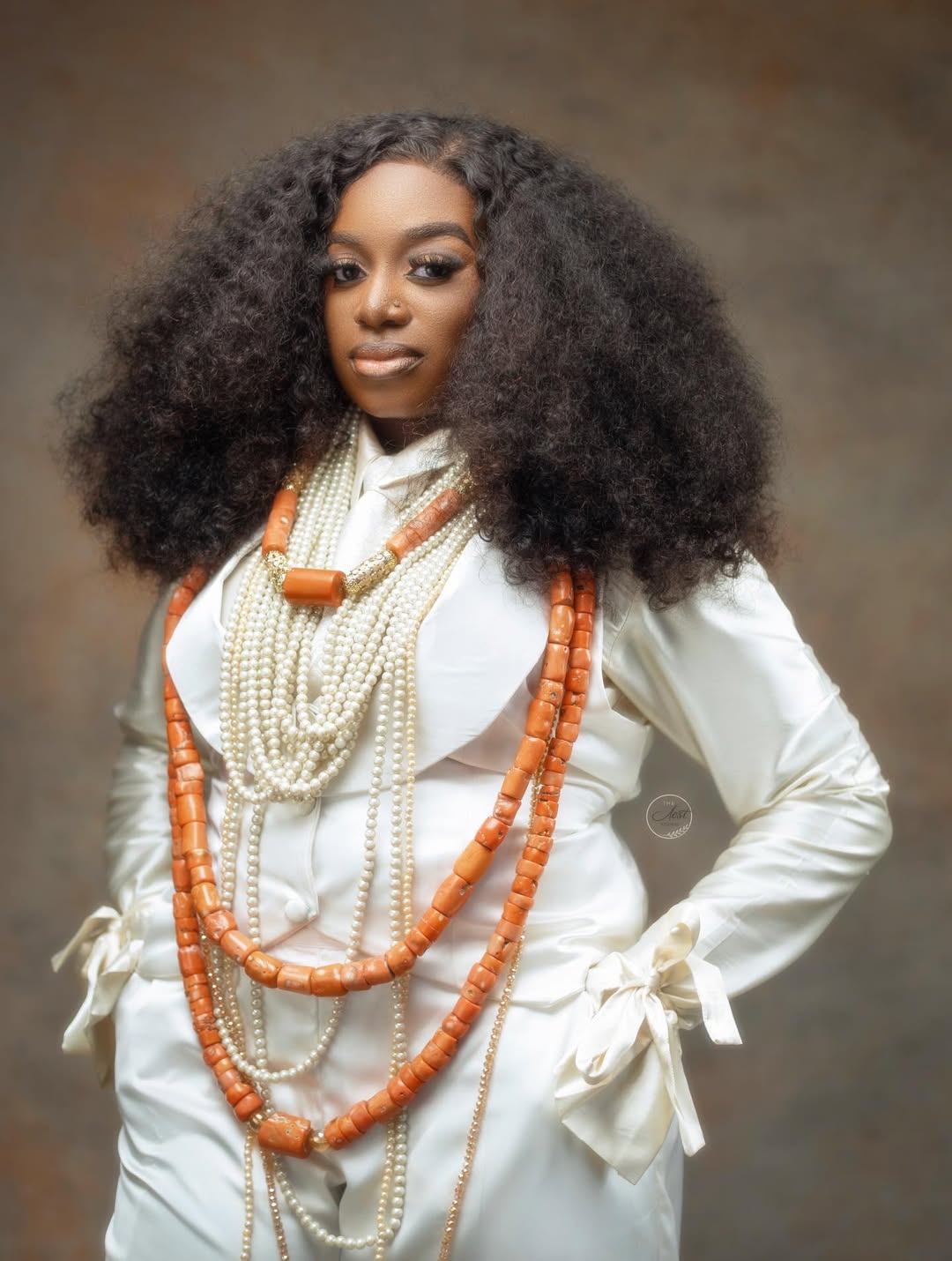
Roli Thompson‘s rise has not followed the conventional Nigerian music industry script. There have been no viral dance challenges on social media, no major-label machinery pushing her name. Instead, her ascent has been rooted in something more enduring: cultural authenticity.
Her breakthrough came with Omiwere in 2023, a song whose title is itself a statement of identity. In Itsekiri, omiwere is a deeply meaningful expression tied to the Warri Kingdom’s heritage. The song resonated far beyond music streaming platforms. Roli has performed it on stage at the Palace of the Olu of Warri Kingdom, one of the most revered traditional royal courts in the Niger Delta. That is not a feat most artists can claim, and it says everything about the reverence her community holds for her voice.
The Name Behind the Music
“Roli” is a shortened form of Urowoli, a traditional Itsekiri name given to a firstborn daughter, meaning “softness has come into the house.” It is tender, feminine, and deeply cultural. That same softness and cultural depth thread through every song she releases.
Her discography to date reads like a journey inward:
- Omiwere (2023), the song that introduced her to the world
- Urowoli (2024), named after her own traditional name
- Moyo (2025) has a continued evolution of her sound
- IRA (Time) (2026) is her newest and most personal chapter yet
IRA (Time): A Mirror, Not Just a Song

IRA is rooted in something deeply human: time, memory, and the quiet persistence of the child within us.
The inspiration came from a reflective place. Growing up, there is a version of ourselves that exists without fear, without pretence, a version that believes, feels, and dreams freely. As life unfolds, that purity often gets buried under responsibility, loss, expectations, and survival. IRA became a way to revisit that space, not to escape reality but to reconnect with it more honestly.
“Ira”, which translates to “time” in Itsekiri, is both a question and a statement. It asks: What has time done to us? And at the same time, it affirms that time does not just take. It also reveals, heals, and returns us to ourselves, if we allow it.
Sonically, the track carries a sense of nostalgia, almost like a conversation between past and present. There is an intentional softness in the delivery, balanced with emotional weight, because the message is not loud. It is felt. It is the kind of truth that sits quietly with you long after the song ends.
The visual extends this idea. The video leans into childhood symbolism, memory recreation, and simplicity, not as an aesthetic choice alone, but as a statement. The decision to embody childlike moments was deliberate: to remind us that growth is not just about becoming something new but also about remembering who we were before the world told us who to be.
“Sometimes, the most powerful form of growth is not moving forward, but returning, gently and honestly, to the truth of who you have always been.
ALSO READ:
- Omiwere: How Roli Thompson Brought Itsekiri to the Mainstream
- The Rise of Indigenous African Music in the Streaming Era
- Warri Kingdom and the Culture Shaping Nigeria’s Next Sound
Rooted in Culture, Speaking to the World

There is also a cultural undercurrent running through IRA that cannot be overlooked. Roli Thompson is rooted in Itsekiri identity, and the song carries a quiet but powerful sense of place and belonging. It subtly reflects the importance of heritage, of knowing where you come from, and how that shapes your understanding of time, self, and purpose.
In a music landscape shaped by algorithmic trends and cross-border pop formulas, she is doing something counter-cultural: going deeper, not broader. She is singing in Itsekiri to an Itsekiri audience first, and in doing so, she is finding a global one. Her music sits at the intersection of dancehall rhythms and indigenous storytelling, a blend that feels both fresh and ancient at the same time.
Why IRA Matters Right Now
IRA (Time) is not just a song. It is a mirror. It invites listeners to pause, reflect, and reconnect with parts of themselves they may have forgotten. At Omiren Style, we believe that music which speaks to identity, memory, and cultural truth is the music that lasts, and Roli Thompson is making exactly that kind of music.
With IRA, Roli Thompson is not just releasing a song. She is staking a claim. The time, it seems, is hers.
Also Read: 5 Itsekiri Artists You Should Be Listening To Right Now
Frequently Asked Questions
1. Who is Roli Thompson?
Roli Thompson is a Nigerian singer and songwriter from the Warri Kingdom in Delta State, Nigeria. She is of Itsekiri heritage and is known for creating music entirely in the Itsekiri language, blending dancehall and Afrobeats with indigenous sounds. She rose to prominence with her 2023 single Omiwere and has since released Urowoli, Moyo, and her latest single IRA (Time) in 2026.
2. What does IRA mean in Itsekiri?
“Ira” translates to “time” in the Itsekiri language. In the context of the song, it functions as both a question and an affirmation, asking what time has taken from us while also acknowledging that time can reveal, heal, and restore. It is a deeply reflective word choice that anchors the song in Itsekiri cultural identity.
3. What is the IRA (Time) music video about?
The music video for IRA (Time) leans into childhood symbolism and memory recreation. It uses simplicity as a visual statement, embodying childlike moments to remind viewers that growth is not only about moving forward, but about reconnecting with who you were before life shaped you. It is a visual complement to the song’s central theme of time, identity, and inner truth.
4. Where can I listen to Roli Thompson’s music?
Roli Thompson’s music is available on all major streaming platforms, including Apple Music, Spotify, and others. Her catalogue includes her singles Omiwere (2023), Urowoli (2024), Moyo (2025), and IRA (Time) (2026).