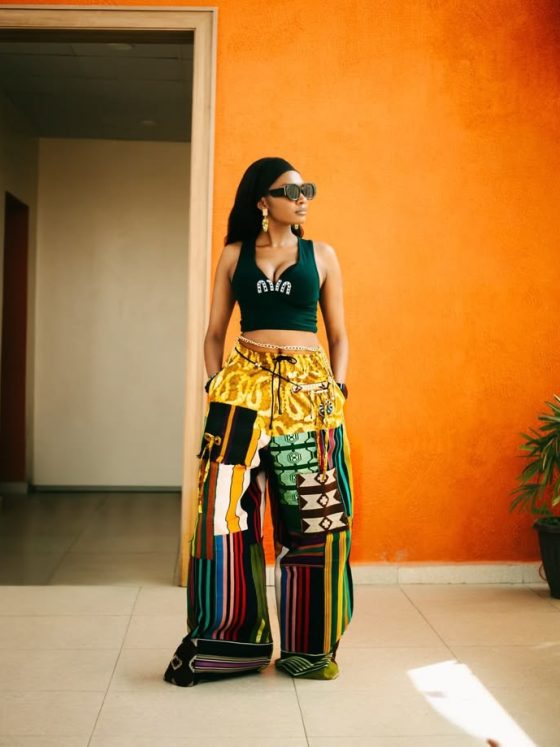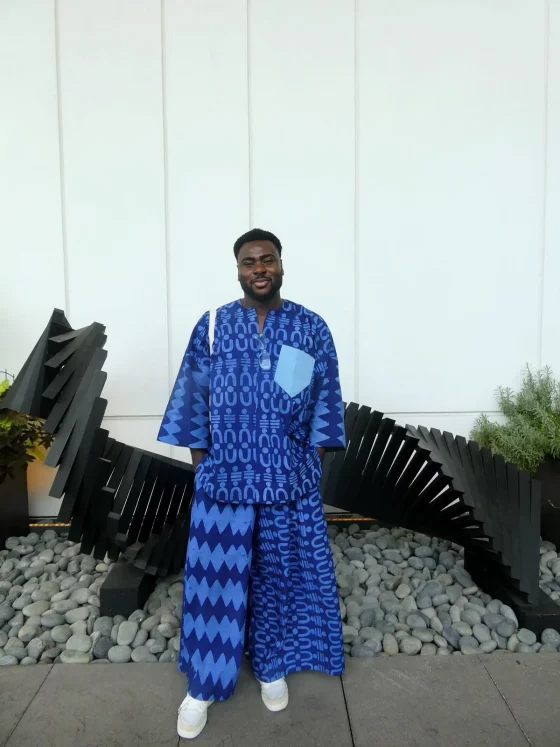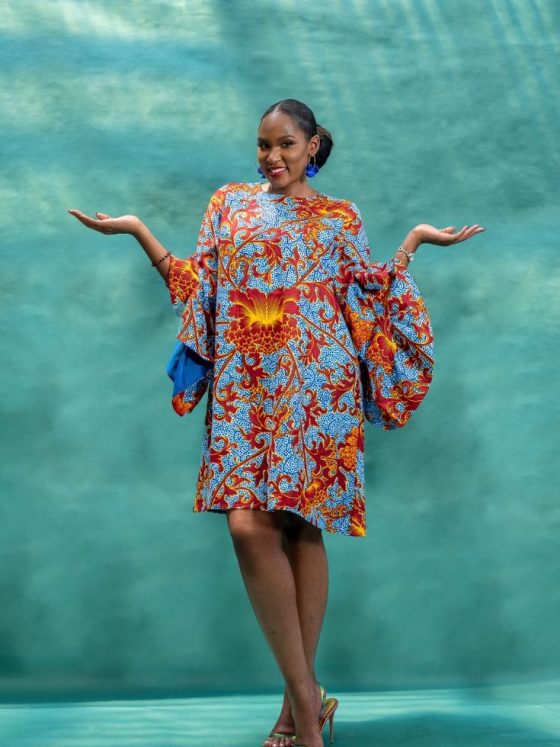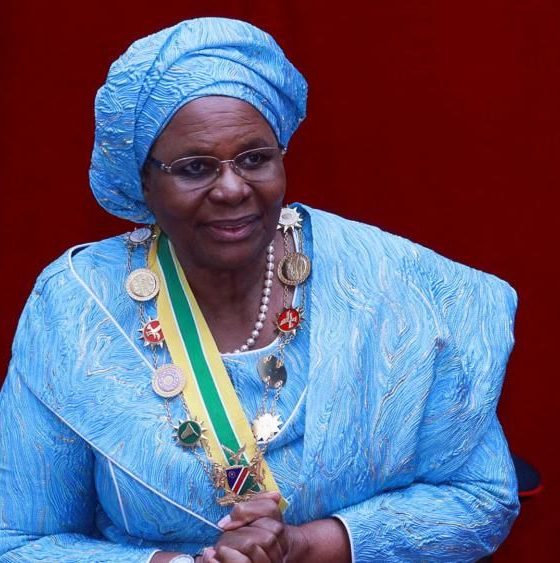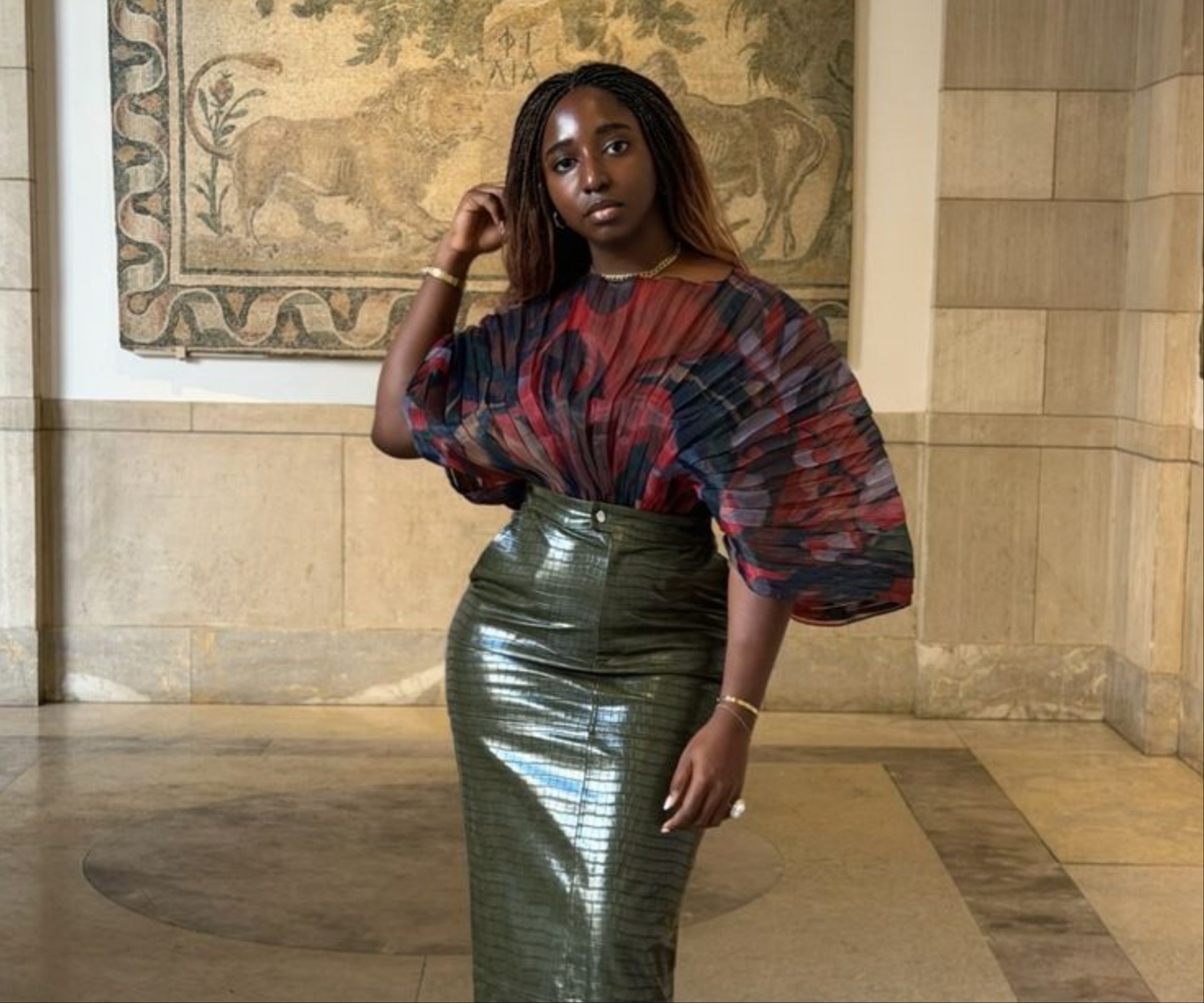
In a world where fast fashion and constant trends dominate, many women are turning to signature dressing, a deliberate, almost uniform-like approach to personal style. From CEOs to creative directors, this method of dressing is not about restriction; it is a tool of empowerment.
The uniform signals consistency, authority, and identity. By wearing thoughtfully chosen, repeated ensembles, women eliminate daily indecision while communicating confidence and cultural literacy. Every garment becomes intentional, every combination purposeful.
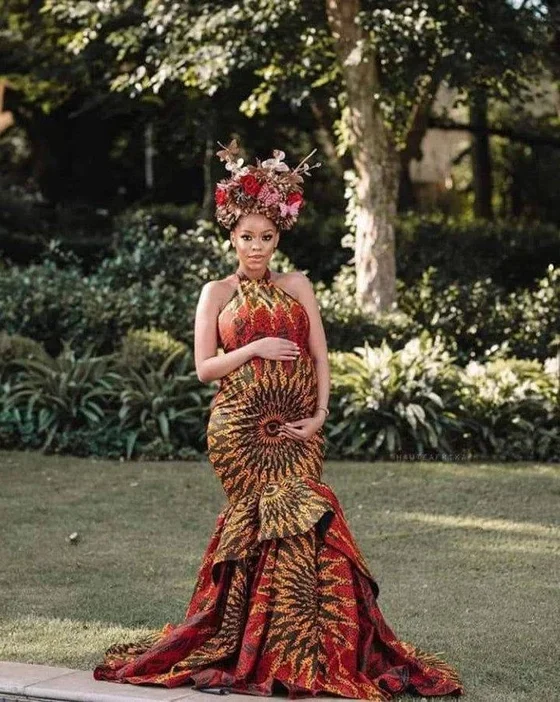
Across African, Caribbean, and diaspora contexts, signature dressing has deeper significance. It is a way of anchoring professional authority while asserting cultural identity, allowing women to navigate global spaces without compromising their roots.
Powerful women are redefining style through signature uniforms. Explore how consistent dressing communicates authority, culture, and personal identity.
The Historical Power of the Uniform
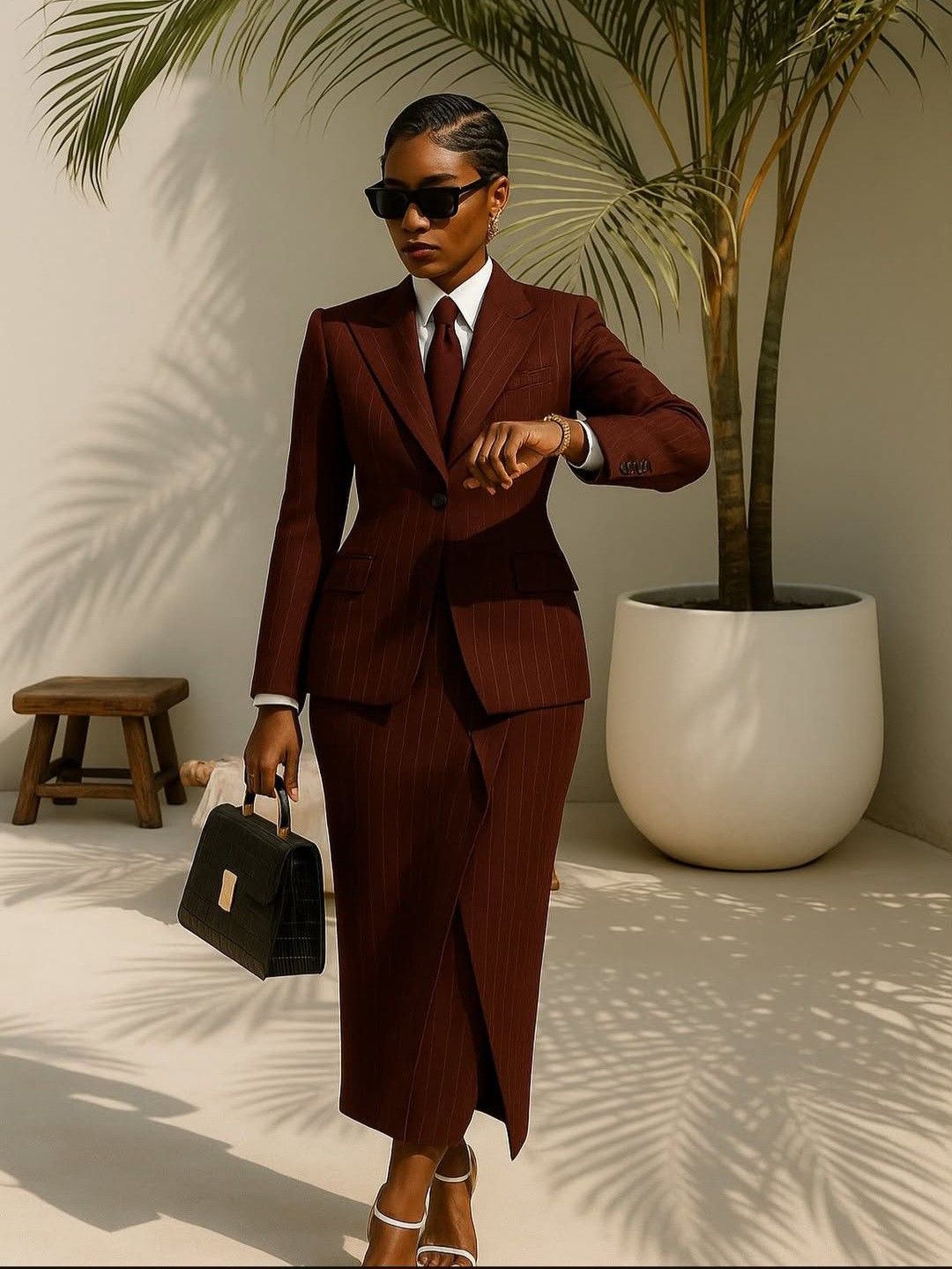
Uniforms have historically been a sign of power and social clarity:
- African queens and female leaders used ceremonial attire and patterned wrappers to denote rank, authority, and lineage.
- In the diaspora, clothing choices became coded expressions of resilience, ambition, and cultural pride.
- European history offers examples such as the tailored suits worn by early 20th-century suffragettes, which projected seriousness in male-dominated spaces.
Today’s powerful women adopt similar principles but adapt them to contemporary contexts: repeating signature ensembles, curating limited wardrobes, and combining functionality with heritage-inspired pieces.
Signature Dressing as a Tool of Agency
The uniform is not about monotony. It is about agency, focus, and visibility:
- Eliminates trivial choices: simplifying daily decisions frees mental energy for leadership, creativity, and innovation.
- Strengthens personal brand: Repeated, recognisable styles communicate authority, intentionality, and consistency.
- Signals cultural literacy: Integrating heritage fabrics, patterns, and textures roots the wardrobe in identity while engaging global aesthetics.
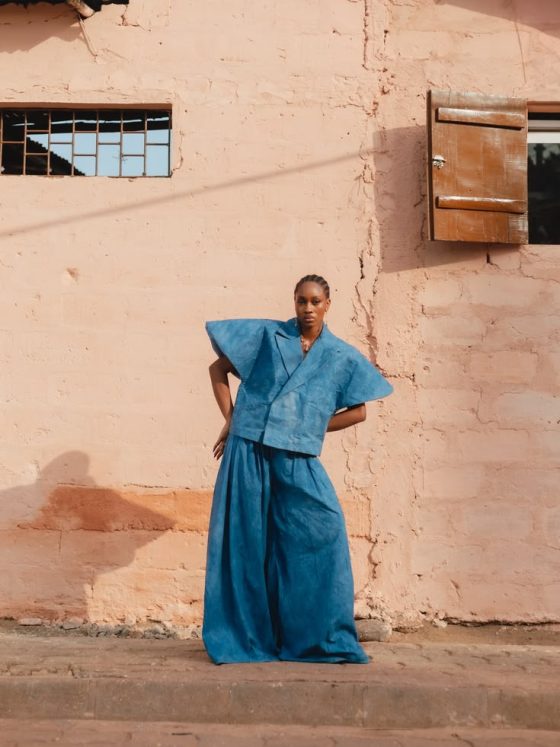
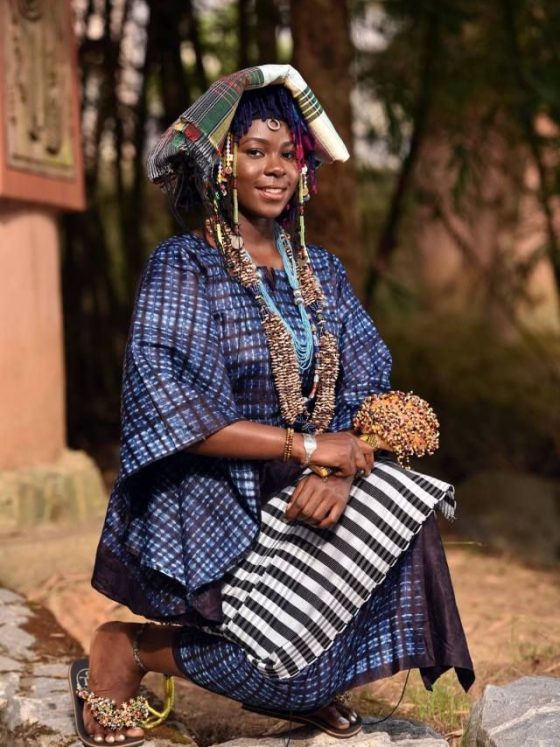
For example, a Lagos-based entrepreneur may favour handwoven Ewe Kente skirts paired with minimalist jackets, creating a look that is both culturally grounded and executive-ready. Similarly, Caribbean creatives might integrate hand-dyed cotton or batik prints in neutral silhouettes to express lineage while maintaining professional polish.
READ ALSO:
- Why the Fabric You Choose Is the Most Important Fashion Decision You Will Ever Make
- The Politics of Luxury Fashion: Who Gets to Wear What and Who Decides
Beyond Fashion: The Cultural Implications
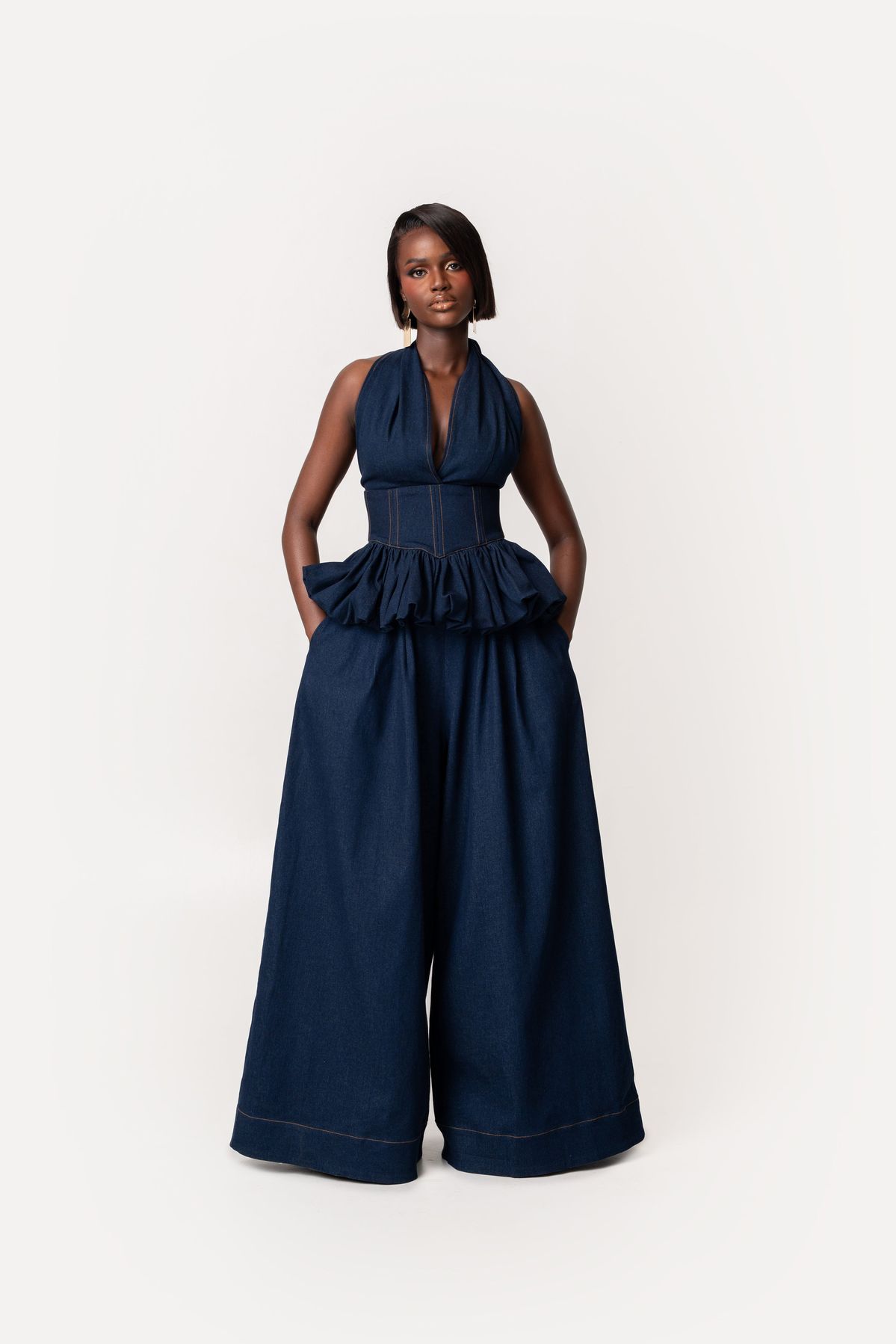
Signature dressing carries political and cultural weight. It challenges colonial and Western-centric norms of professional style by prioritising garments and fabrics that carry meaning. A well-curated uniform communicates that African, Caribbean, or Latin American heritage is not ornamental; it is authoritative.
By repeating culturally significant pieces, women reclaim wardrobe authority in spaces that often undervalue non-Western aesthetics. Their style becomes a silent yet undeniable declaration of presence, knowledge, and intent.
The Psychology of Uniforms
Psychological research shows that having a signature style can enhance confidence, reduce decision fatigue, and establish credibility. For women navigating high-stakes environments, these benefits are amplified: the uniform functions as an extension of professional strategy and personal narrative.
When combined with culturally rooted textiles or artisan-made pieces, the effect is transformative. It communicates sophistication, intentionality, and cultural fluency simultaneously.
The Future of Signature Dressing
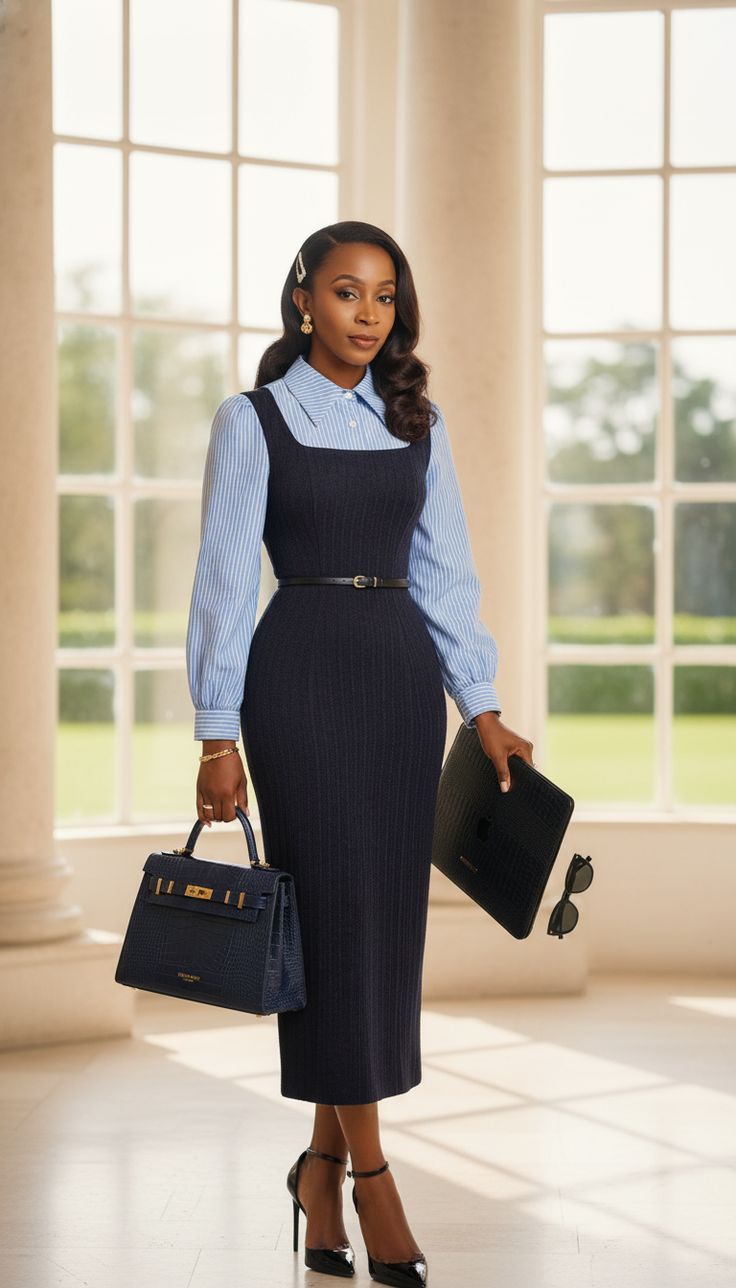
As global fashion becomes increasingly saturated, the power of the uniform will continue to rise. Designers and wardrobe consultants are helping women curate capsule wardrobes that respect heritage, align with professional ambition, and provide adaptability for global contexts.
Ultimately, signature dressing is not about conformity. It is about clarity, consistency, and cultural expression. Powerful women are not just dressing to impress; they are dressing to assert identity, claim authority, and create a lasting visual legacy.
FAQs
- What is signature dressing for powerful women?
Signature dressing involves creating a consistent, intentional wardrobe that communicates authority, identity, and professionalism.
- How does uniform dressing empower women?
Uniform dressing reduces decision fatigue, enhances confidence, and strengthens a personal brand while reflecting cultural identity.
- Can African and diaspora fabrics be part of professional uniforms?
Yes. Handwoven textiles, batik, and traditional prints can be integrated into contemporary professional wardrobes to convey heritage and authority.
- Why are CEOs and leaders adopting signature dressing?
Consistent style allows leaders to focus their mental energy on work, project authority, and maintain a recognisable personal brand.
- How does signature dressing challenge Western fashion norms?
By incorporating heritage fabrics and repeated culturally meaningful garments, women assert cultural authority and redefine professional style standards globally.