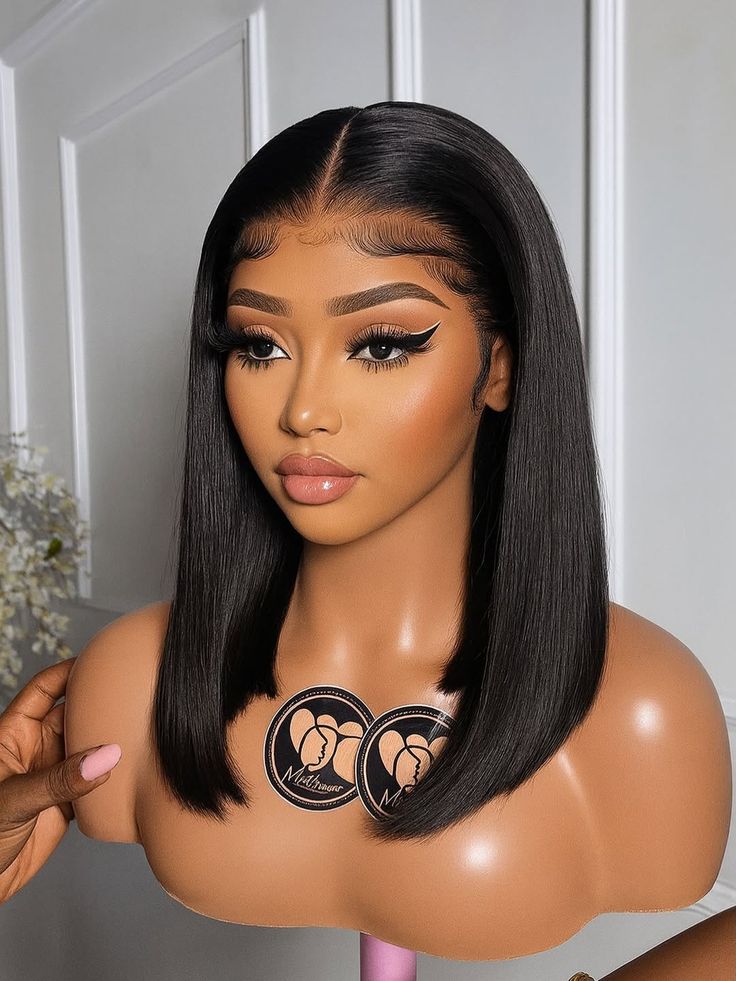
In many African homes, a wig is never just a wig. It sits inside a box wrapped in tissue paper, sometimes older than the daughter who now wears it. It carries memory. It carries caution. It carries ambition.
To trace a wig across three generations is to trace how African women have negotiated visibility in a world that often polices their bodies first. The grandmother wore it to be taken seriously. The mother wore it to reinvent herself. The daughter wears it to create worlds on her own terms.
This is not a beauty trend story. It is a cultural record. It asks why wigs became necessary, who they served, and what their evolution reveals about power, work, luxury, and identity across time.
From Lagos salons to global runways, three generations show why wigs have moved from a survival tool to a cultural power and economic sovereignty.
First Generation: Respectability as Strategy
In post-independence Nigeria, particularly in cities like Lagos and Ibadan, formal employment expanded within civil service, banking, and education. These spaces were modelled on colonial bureaucracies. Grooming standards followed European codes.
For many women entering offices in the 1970s and 1980s, straight wigs became a quiet requirement. Natural textures were often labelled ‘unkempt’ or ‘distracting’. The wig functioned as armour. It allowed access to salary, stability, and social mobility.
Why did this matter? Because hair became entangled with employability. A woman’s competence could be assessed before she spoke, based on texture alone. The wig did not erase that bias, but it helped navigate it.
In this generation, the wig served institutions more than it served the woman. It was a strategy of survival shaped by colonial hangover and respectability politics. Yet even then, there was agency in the choice to adapt rather than withdraw.
Second Generation: Style as Negotiation
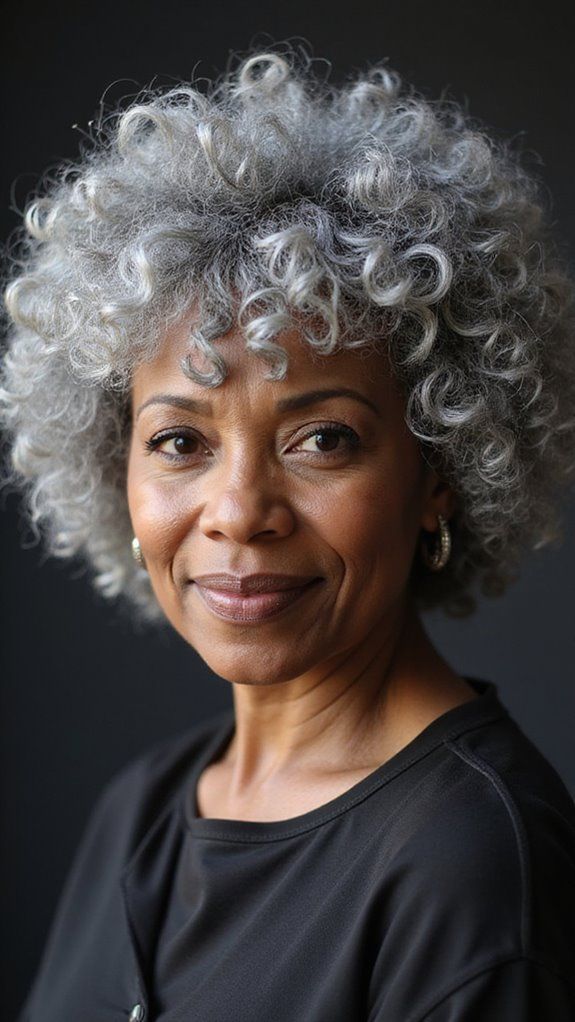
By the 1990s and early 2000s, urban Africa was more connected to global Black culture. Satellite television, music videos, and later social media reframed what glamour looked like. Artists such as Beyoncé projected images of scale and theatrical femininity. In Nigeria, performers like Tiwa Savage blended global pop aesthetics with African rhythm and presence.
Wigs shifted from camouflage to creative expression. Lace fronts, bold colours, dramatic lengths. Salons in Lagos, Accra, and Johannesburg became laboratories of reinvention. The woman who once wore a conservative bob to the bank could now wear waist-length curls to a wedding without apology.
This period also intersected with natural hair movements. Some women cut off chemically straightened hair and embraced coils and kinks. Others alternated between natural styles and wigs. The conversation was no longer about obedience versus rebellion. It became a choice.
Why did this shift matter? Because it signalled that African women were not only reacting to Western beauty standards. They were producing their own visual language. The wig became a tool for playing with identity rather than hiding it.
In diaspora communities from London to Toronto, wigs also mediated a sense of belonging. They allowed women to move between corporate boardrooms and Afro-Caribbean carnivals without splitting themselves in two. The object was small. The negotiation was not.
READ ALSO:
Third Generation: Sovereignty and Enterprise
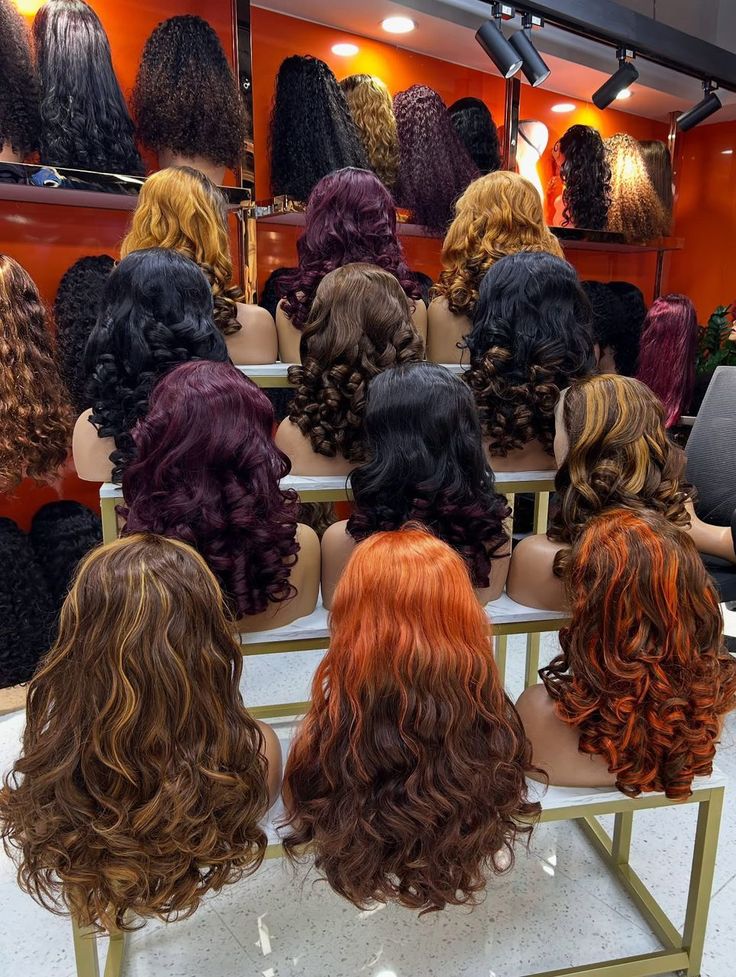
Today, the wig is embedded in a thriving economic ecosystem. Markets in Lagos sell raw hair, closure pieces, and custom units. Young stylists build six-figure businesses through Instagram and TikTok. Tutorials circulate globally within hours.
This generation understands the wig as capital. It generates income, visibility, and cultural influence. It is worn in tech offices, on film sets, in parliament, and at fashion week. It travels between continents, carried in hand luggage.
Luxury, in this context, is being redefined. It is no longer measured only by European brand labels. It is measured by craftsmanship in Surulere, by a stylist’s reputation in Lekki, by the ability to source and construct hair units that compete on a global stage without surrendering creative control.
Why does this matter? Because control over aesthetics often precedes control over narrative. When African designers and stylists define what beauty looks like, they shift value chains. They move from consumer to creator.
Beyond Style: Work, Wellness, and Identity

Across generations, wigs intersect with workwear politics, mental wellness, and personal ambition. For some women, protective styling reduces daily labour and frees time for business or study. For others, switching hairstyles becomes a ritual of emotional reset.
The expanded scope is clear. The wig touches employment policy, entrepreneurship, migration, and self-perception. It records how societies treat Black women and how Black women respond.
To interpret this journey only as fashion would be shallow. It is a map of adaptation and assertion.
Conclusion
A wig passed from grandmother to mother to daughter is not just an accessory. It is evidence of how Black women have navigated shifting landscapes of power.
First, it secured entry into rigid institutions. Then, it became a medium of style and negotiation. Now, it operates as a site of sovereignty and enterprise.
The why behind this journey is simple and profound. Hair has always been political because visibility is political. The wig matters because it reveals who defines professionalism, who profits from beauty, and who controls representation.
Told well, the story builds authority not by speed but by depth. It reminds us that fashion, when treated as a cultural record, becomes history in motion.
5 FAQs
- Why were wigs so important to earlier generations of African women?
They provided strategic conformity in workplaces shaped by colonial beauty norms. Wearing them reduced the risk of discrimination and supported economic mobility.
- Did wigs replace natural hair movements?
No. Many women use both. The evolution reflects expanded choice rather than a single direction. The debate itself shows shifting power dynamics around identity.
- How is the wig economy significant today?
It fuels entrepreneurship across African cities, creates jobs in styling and retail, and positions African creatives as global trend leaders rather than followers.
- Is wearing a wig a rejection of African identity?
Not inherently. Meaning depends on context. For some, it once symbolised pressure to assimilate. Today, it can represent experimentation, artistry, or convenience.
- What makes wigs part of a broader cultural conversation?
They intersect with work standards, migration, gender politics, and definitions of luxury. Studying them reveals how societies value Black women’s bodies and labour.