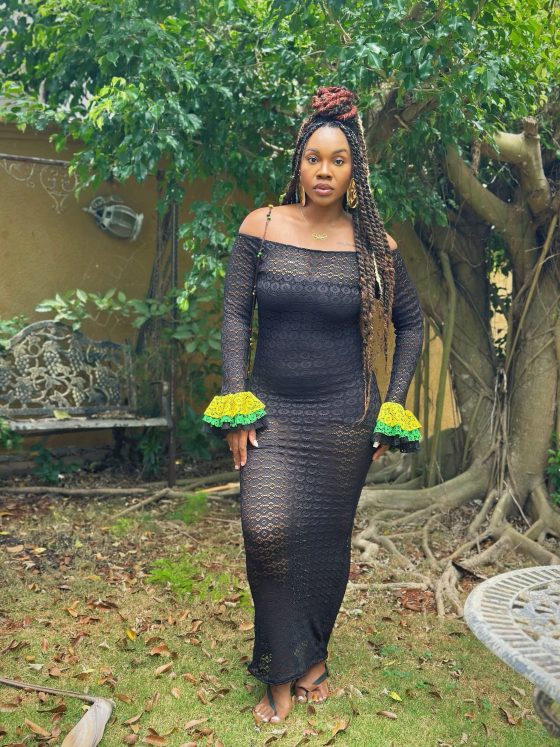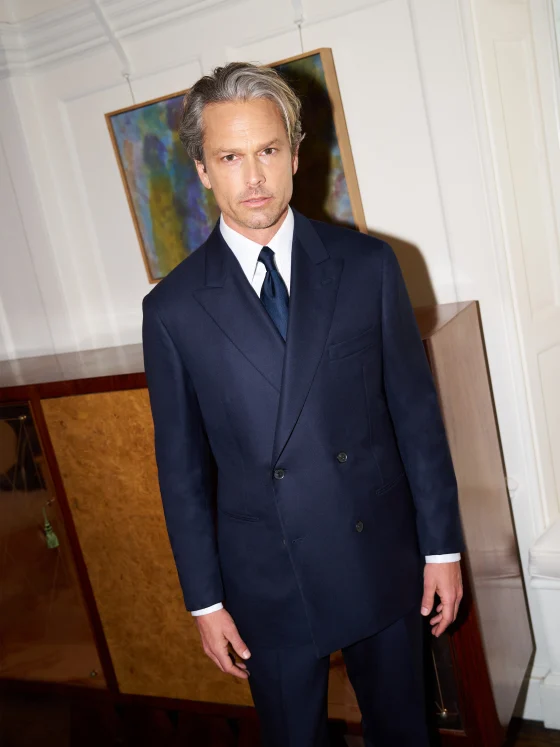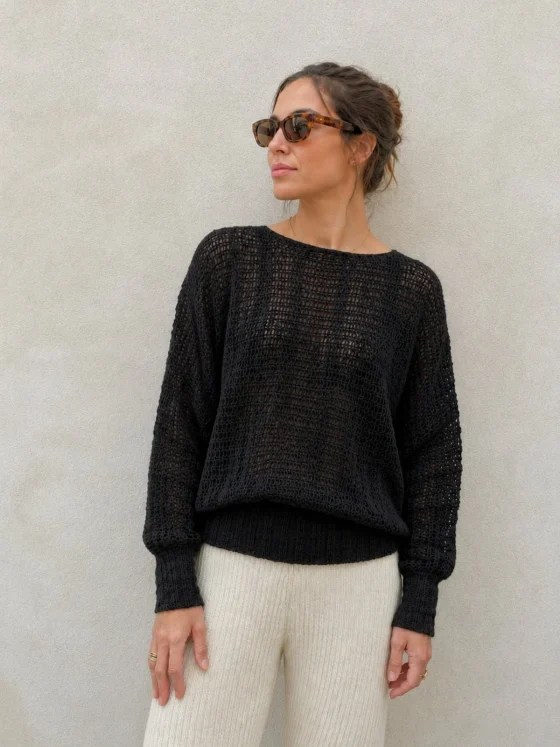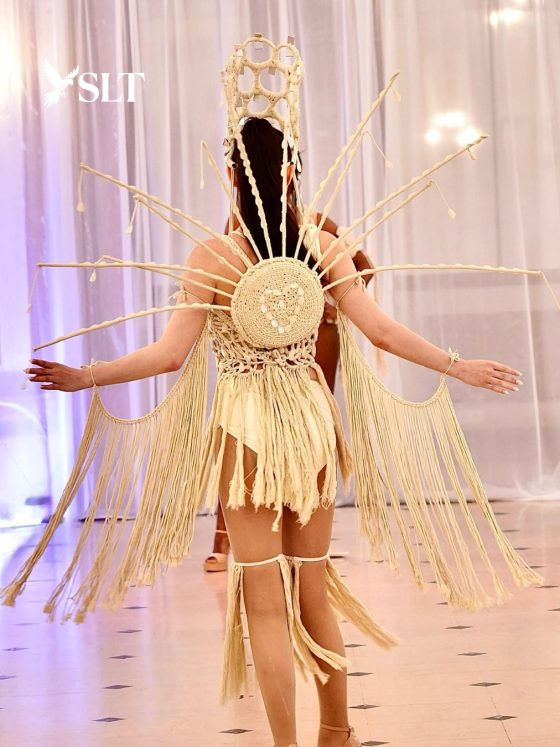
For decades, global fashion rewarded neutrality. The safest wardrobes were considered the most sophisticated. Minimal palettes signalled seriousness. Cultural markers were softened in the name of universality, which was never a neutral category; it was a category defined by whoever held the authority to name it. Cultural confidence in fashion was framed as regional, occasional, and ceremonial. A person would dress down when the stakes were high.
In 2026, that hierarchy has collapsed. Identity-driven dressing is not a niche expression. It is the engine driving influence across runways, boardrooms, and digital platforms. Designers, communities, and cities that established their practices based on cultural specificity before commercial reward are experiencing consistent popularity. They are the current.
Luxury now belongs to the wardrobe that can explain itself. Not through a marketing campaign, but through the garment itself: its origin, its making, and the knowledge embedded in every design decision.
Neutrality Was Never Neutral
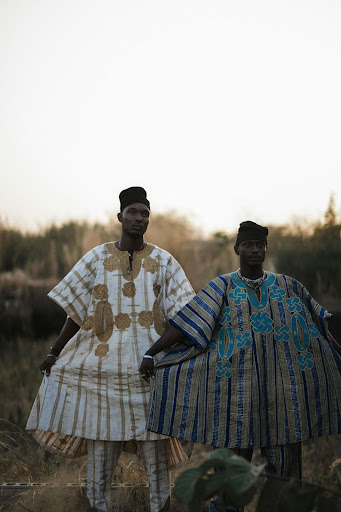
Calvin Klein and Jil Sander built global reputations on restraint and reduction. Their influence was real, and their craft was rigorous. But the aesthetic hierarchy their success reinforced carried an embedded message: visible culture was excess. To be taken seriously by the institutions that granted seriousness, a designer or wearer needed to subtract.
The historical context for these events is not incidental. Western fashion institutions developed their authority during the same period in which African and Asian textile traditions were being systematically devalued by colonial trade policies that favoured European clothing over locally produced fabrics. The relationship between cultural invisibility and sophistication was not a mere aesthetic coincidence. It was constructed over time through economic and institutional pressures that rewarded erasure and penalised specificity.
African and diaspora communities maintained a different logic throughout. Ankara communicates celebration, grief, lineage, and belonging through colour combinations that a reader within the culture decodes immediately. Aso-Oke encodes regional identity, ceremonial significance, and social status through its weave. Kente carries royal and spiritual authority in its strip structure and colour vocabulary. Muting these markers in pursuit of global polish was always a form of cultural suppression. It was a specific act of cultural suppression that the communities who wore these textiles declined to perform, regardless of what the institutions said sophistication required.
In 2026, the global market is recalibrating toward what those communities always knew: cultural detail is not a liability in luxury branding. It is the differentiator.
What African Fashion Understood Before the Algorithm Did
The digital era rewards clarity. Social platforms prioritise distinctive visual identities over ecological conformity. Designers who foreground cultural specificity consistently outperform those who dilute it for mass appeal. This African fashion did not adopt this strategy because of the algorithm. It predates the algorithm by generations.
Thebe Magugu does not reference South African socio-political history as a narrative layer in his collections. He constructs silhouettes from it: the structure, the textile choices, and the proportions all carry the argument. His 2019 LVMH Prize win was not the moment his work became legitimate. It was the moment a European institution caught up to what his work had always been.
Kenneth Ize integrates hand-woven aso-oke into contemporary tailoring without resolving the tension between the two. The garment holds both registers simultaneously: the weave’s cultural specificity and the tailoring’s contemporary precision. That refusal to smooth the contrast is the work’s intelligence. It does not ask the wearer to choose between heritage and modernity. It insists that the choice was always false.
Ozwald Boateng demonstrated on Savile Row, the geographic centre of the aesthetic hierarchy this piece examines, that Ghanaian colour sensibility and British tailoring tradition are not mutually exclusive in negotiations. They are collaborators producing something neither can produce alone. He did not need the institution’s permission to make this argument. He reached the institution’s address.
This event is not a cultural revival. This event finally gives cultural continuity the amplification it has always deserved.
Diaspora Street Style Is Setting the Agenda
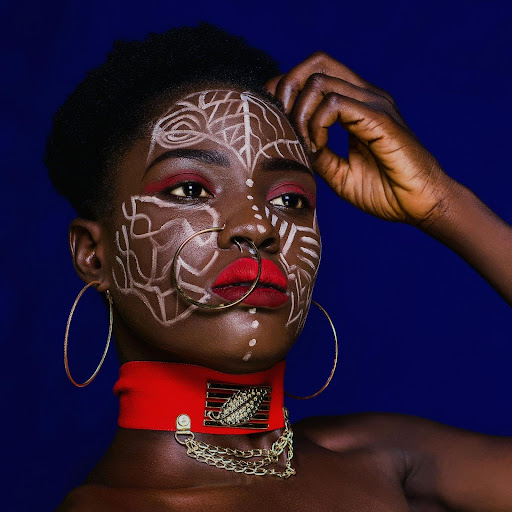
Luxury trend reports have long spotlighted Paris and Milan as the sources of directional fashion. The actual sources of influence in 2026 are elsewhere: Peckham and Brixton in South London, Lagos Island, Accra’s Osu district, and Johannesburg’s Braamfontein. Diaspora street style from these corridors now shapes international fashion photography, editorial direction, and retail buying decisions. Trend agencies track it. Buyers follow it. The influence flows from the street outward, not from the institution downward.
The hybrid wardrobe that diaspora communities have always assembled, a tailored blazer layered over Ankara trousers, heirloom beads with minimalist heels, gele styled with contemporary suiting, has become a global reference point precisely because it demonstrates something that institutional fashion has never taught: how to hold cultural multiplicity without hierarchy and how to wear two worlds in a single outfit without either world shrinking.
Search volume data for African print office wear and modern traditional outfits continues to rise in the UK and US markets. Retailers who build partnerships with African textile producers or name artisan sourcing from Ghana and Nigeria in their supply chain documentation record measurable increases in consumer engagement. Transparency converts because it is the quality that luxury’s original definition required and that institutional fashion spent decades obscuring.
Cultural confidence is not just culturally significant; it is also personally meaningful. It is commercially dominant.
ALSO READ:
- The Geometry of Heritage: Why Shweshwe Still Defines South African Fashion
- What Denim Owes Africa: The Indigo History Fashion Left Out
- The Case for Mud Cloth as Fine Art
- Michelle Adepoju Engineers Yoruba Cosmology into Contemporary Kìléntár Fashion
- Abidjan Ascendant: Inside Ivory Coast’s Quiet Fashion Renaissance
Runway Evidence: 2025 to 2026 Marks Structural Change
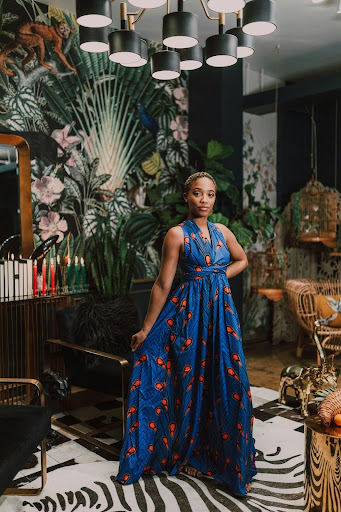
The most recent runway seasons confirm a pivot toward cultural authorship that goes beyond surface embellishment. Designers at major fashion weeks have foregrounded handcraft techniques, visible textile irregularities, and overt heritage references that are credited rather than absorbed. The shift is structural because the argument is no longer decorative: the craft is the collection’s thesis, not its finish.
At London Fashion Week, Kìléntár’s Yoruba cosmology collections demonstrate that African spiritual systems operate as high-fashion intellectual infrastructure, not exotic reference. In Paris, collections incorporating indigo dye processes and hand-woven strip fabrics are crediting West African textile traditions by name in show notes rather than absorbing them anonymously.
Fashion media outlets, which once treated African narratives as seasonal interest stories, now analyse them as structural market forces. This is not charity coverage. It is demand-driven editorial recalibration. The audience for cultural specificity is larger, more commercially active, and more brand-loyal than the institutions assumed when they designed their coverage hierarchies.
Cultural confidence is profitable because the market was always larger than the institutions were willing to measure.
Redefining Luxury in 2026
In the previous era, luxury was defined as restraint, the invisibility of labour, and the removal of cultural evidence from the final object. The garment’s origins were not discussed. The weaver was not named. The tradition was not cited. The prestige came from the erasure of all of that.
In 2026, luxury is defined by the opposite: transparency, traceability, and the willingness to articulate provenance without performing it. Consumers ask who made this, where it was woven, and what the motif means. African fashion has always answered those questions without a marketing campaign, because the answers lived in the garment itself. The narrative did not function as a brand asset for management. It was the cloth.
Luxury now belongs to the designer, who integrates history without exoticising it. The brand discloses its artisan collaborations not as a marketing strategy, but rather as an acknowledgement. The wearer understands that dressing with cultural identity does not signify division. It is a statement of authorship.
Cultural confidence in fashion is not a seasonal aesthetic. It is a structural correction; the market is finally aligning with what African and diaspora designers have always known.
The most influential wardrobes moving forward will not chase validation from traditional fashion capitals. They will define their own. Lagos. Accra. Johannesburg. London’s diaspora corridors.
Identity is no longer an accent in global style. It is the grammar.
And in 2026, grammar determines power.
Frequently Asked Questions
1, What is cultural confidence in fashion?
Cultural confidence in fashion is the practice of dressing from a place of cultural authorship rather than cultural apology. It means wearing garments that carry the full weight of their origin, including their textile traditions, symbolic vocabulary, and community history, without softening those markers for external validation. In 2026, it has emerged as the defining quality of the most influential wardrobes globally, not as a trend but as a structural position.
2. Why is identity-driven dressing considered a form of luxury?
Because luxury’s most rigorous definition has always been about irreplaceability and provenance, a garment whose design is rooted in specific cultural knowledge, produced by artisans whose craft carries generational intelligence, cannot be replicated by industrial production at scale. That specificity is precisely what luxury claims to offer. Identity-driven dressing delivers it without requiring a European institution to certify it first.
3. Which African designers are leading the cultural confidence movement in fashion?
Thebe Magugu, whose collections embed South African socio-political history directly into silhouette construction; Kenneth Ize, whose hand-woven aso-oke tailoring refuses to separate crafts from contemporary fashion; and Ozwald Boateng, who built Ghanaian colour sensibility into Savile Row tailoring without asking either tradition for permission. Each represents a different geography and a different design approach, but all share the same foundational argument: African cultural knowledge is high fashion’s intellectual equal, not its footnote.
4. How is diaspora street style influencing global fashion in 2026?
Diaspora street style from London’s Peckham and Brixton, Lagos Island, Accra’s Osu, and Johannesburg’s Braamfontein now directly shapes international fashion photography, retail buying decisions, and editorial direction. The hybrid wardrobe — Ankara trousers with a tailored blazer, heirloom beads with contemporary heels, gele with modern suiting — has become a global reference point because it demonstrates a form of cultural fluency that institutional fashion has never fully taught. Trend agencies track these corridors. The influence moves from the street outward.
5. Is cultural confidence in fashion a trend or a permanent shift?
It is a structural correction, not a seasonal trend. The market has recalibrated toward transparency, provenance, and cultural specificity because consumers are asking different questions: who made this, where was it woven, and what does this motif mean? African fashion has always answered those questions through the garment itself. What has changed is not the fashion; it is the audience’s willingness to listen and the commercial institutions’ recognition that the audience demanding cultural authenticity is larger and more brand-loyal than any previous measurement suggested.