For much of modern fashion history, luxury was defined by what it concealed. The highest form of tailoring was invisible tailoring. Seams were buried, hems were immaculate, and symmetry was treated as proof of discipline. Precision signalled wealth. Polish signalled power. It was customary to conceal the garment’s construction, treating the labour-intensive process as an embarrassment rather than a focal point.
In 2026, that agreement was broken. And the most intriguing designers working in deconstructed fashion are rediscovering an old philosophy. They are converging on one that African craft has held for generations.
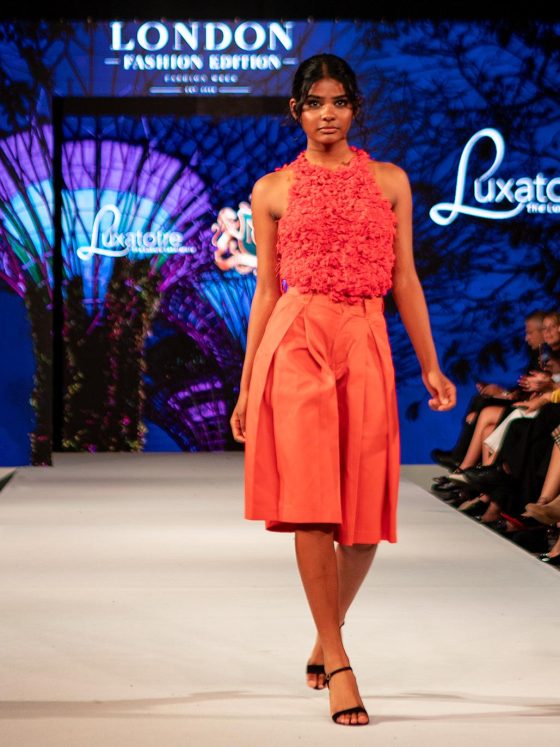
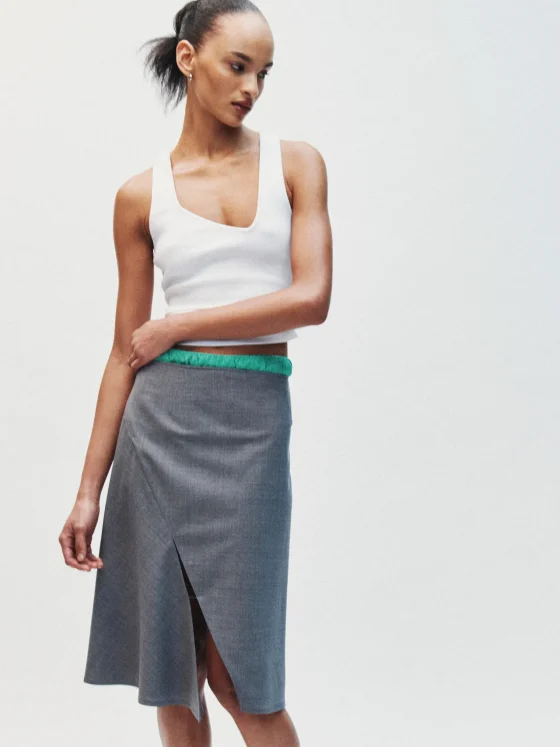
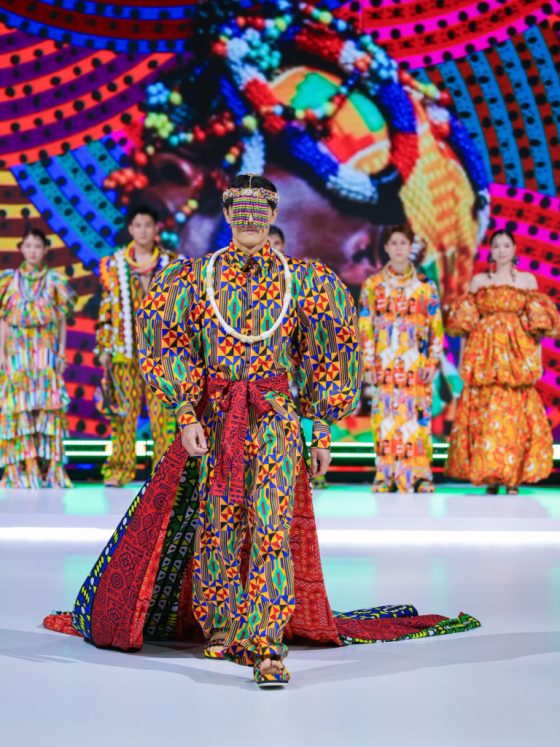
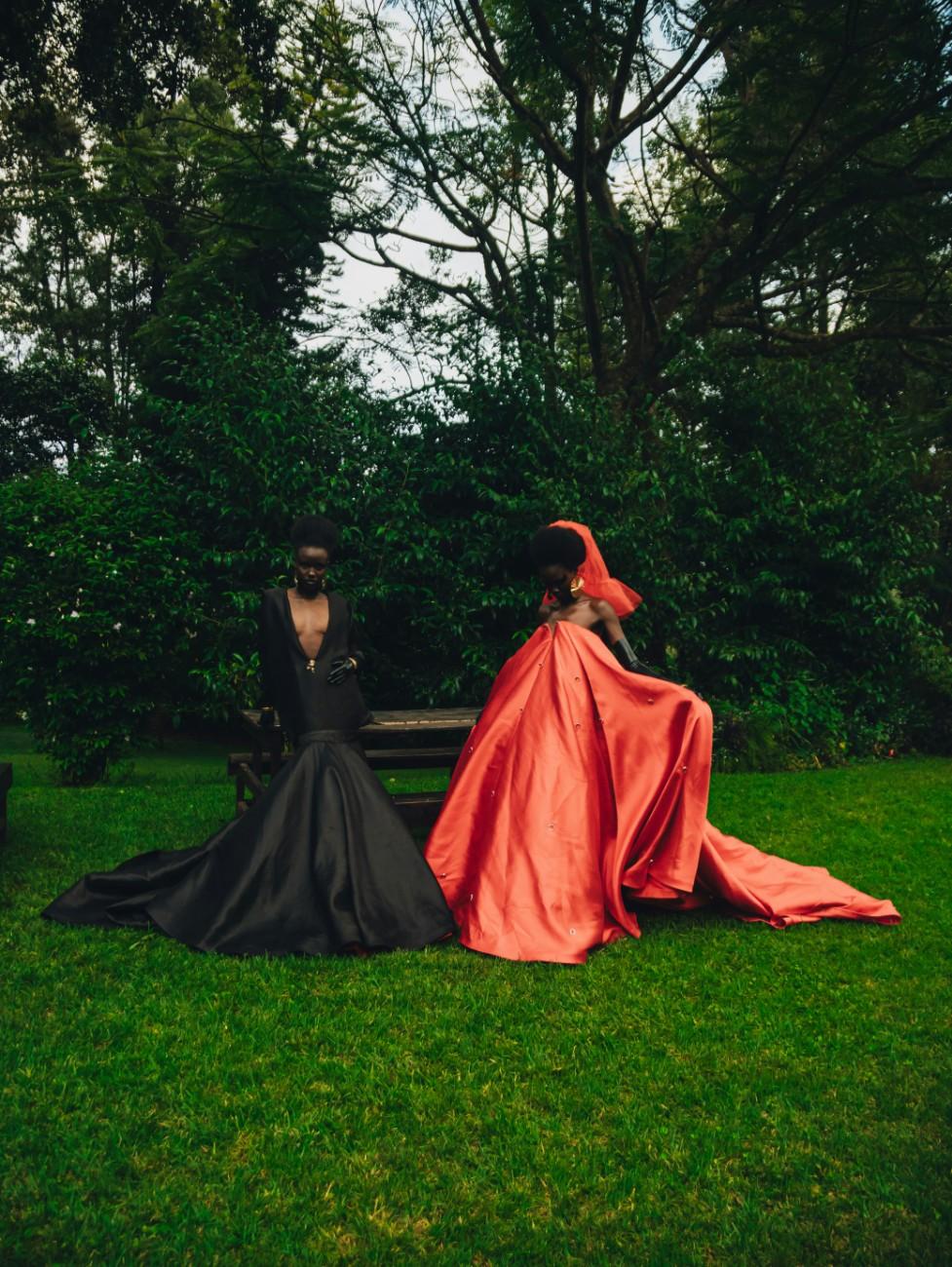
Across global runways and within African fashion capitals, designers allow garments to breathe. Seams are visible. Edges are left raw. Proportions are deliberately unsettled. Jackets carry intentional looseness. Dresses fall into asymmetry without apology. The aesthetic suggests effortlessness, but the intelligence behind it is precise and fully considered. Undone dressing is not a disorder. It is a different definition of refinement, one that values transparency over concealment and processing over polish.
African textile traditions did not discover imperfection as a design principle in 2026. They have held it as a mark of integrity for centuries. The runway has finally caught up.
What African Craft Knew Before the Runway Did
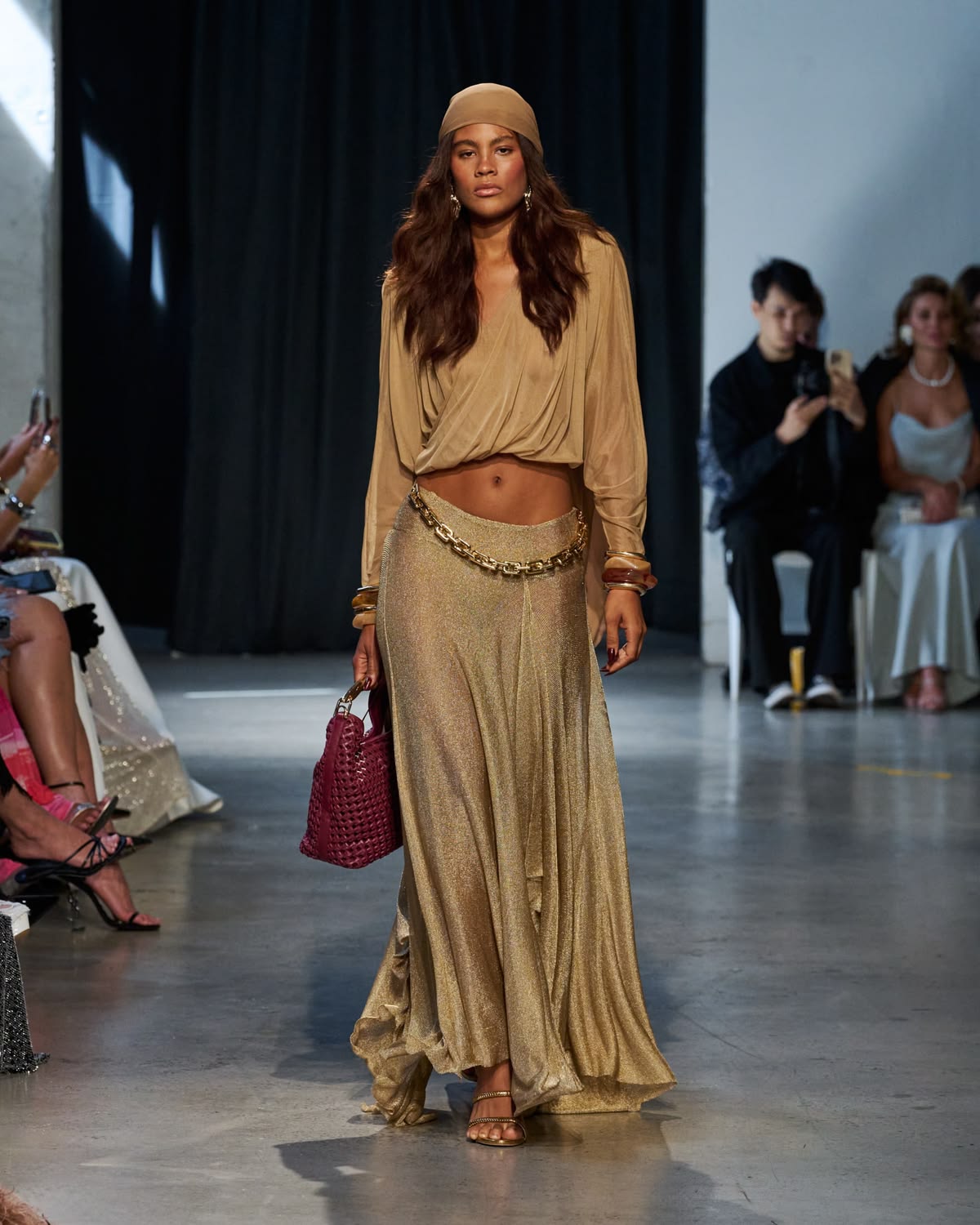
The European narrative of deconstruction typically begins in the 1980s, with Rei Kawakubo at Comme des Garçons presenting torn hems and asymmetrical silhouettes at Paris Fashion Week, and Martin Margiela exposing lining, visible stitching, and garment architecture as aesthetic content. These movements formalised the undone aesthetic in the luxury industry and gave it critical language. They are significant. They are not, however, the origin.
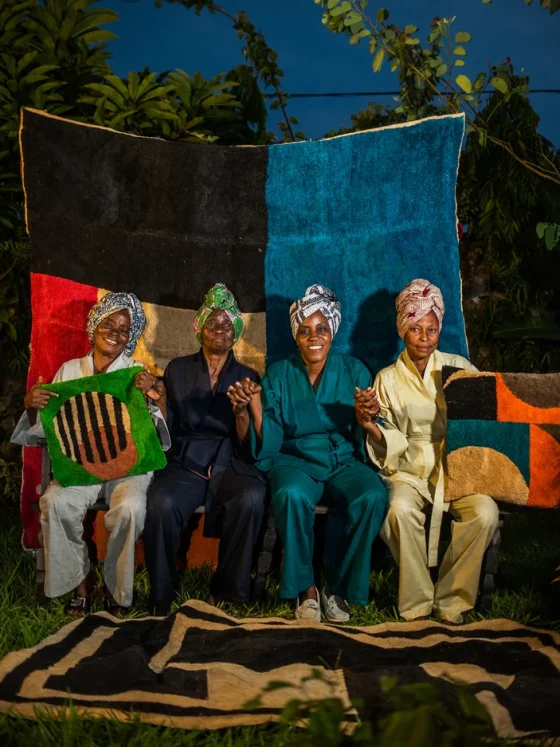
Aso-Oke, the hand-strip-woven textile of the Yoruba people of Southwest Nigeria, reveals subtle irregularities in its weave that industrial production would classify as defects. The slight variation in thread tension, the marginal inconsistency in colour density across strips, and the small gaps where human hands rather than machines make decisions—none of these are corrected. They are evidence of the weaver’s presence in the cloth. They are the point.
Adire, the Yoruba resist-dyed indigo textile produced through hand-painting, folding, stitching, and tying techniques, develops tonal shifts shaped entirely by the resist process and the individual hand that applied it. No two pieces are identical. The variation is a valued characteristic. It is the fabric’s identity, the record of its making, made visible in the cloth itself.
This technique is not a primitive precursor to contemporary deconstruction. It is a fully realised design philosophy that predates Kawakubo by centuries: visible construction as transparent, acknowledged labour as valuable, and variation as authentic. When 2026 fashion’s exposed seams and raw finishes appear on runways and in editorials, they mirror a design intelligence that African craft has sustained across generations without requiring a theoretical framework to justify it.
The Designers Making the Argument Now
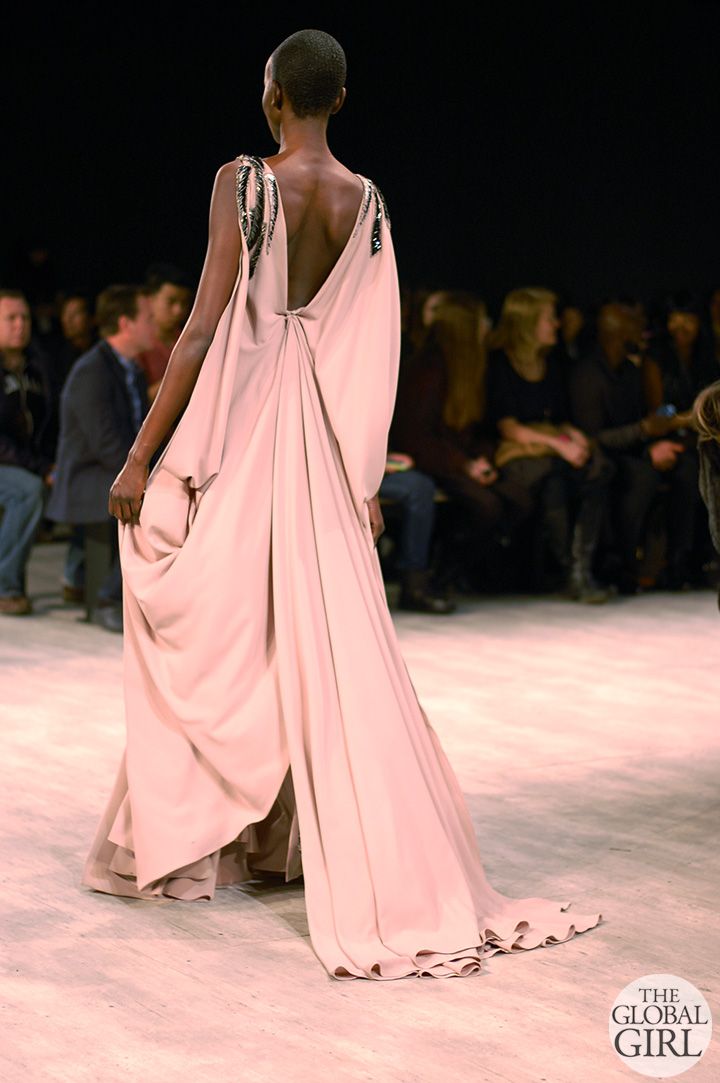
The most precise contemporary articulation of this philosophy lives in the work of African and diaspora designers who did not need to discover imperfection as a concept because they were trained within traditions that never treated it as a problem.
Thebe Magugu, the South African designer whose structured work carries visible construction decisions, approaches garment architecture as an argument rather than concealment. His seam placements are deliberate interventions in the silhouette, not resolved finishing details. The garment shows its thinking.
Kenneth Ize, the Nigerian designer working in Lagos and Vienna, builds collections from hand-woven aso-oke that carry the weave variation of their making directly into the final garment. The cloth does not pretend to be machine-produced. Its irregularity is its authority. Ize has shown at Paris Fashion Week to critical recognition precisely because the garments carry a form of proof that luxury manufacturing erased and now, through undone dressing, attempts to reclaim.
Bianca Saunders, the British-Jamaican designer based in London, works in menswear with deliberately softened tailoring: jackets that release tension at the shoulder, trousers that carry volume without precision, garments that suggest the body beneath them rather than commanding it. The undone quality in her work is not a rejection of structure. It is a reframing of what structure is for.
These designers are not executing a trend that originated on European runways and migrated elsewhere. They are the source from which the trend has converged.
Ease as Authority in African Style Capitals
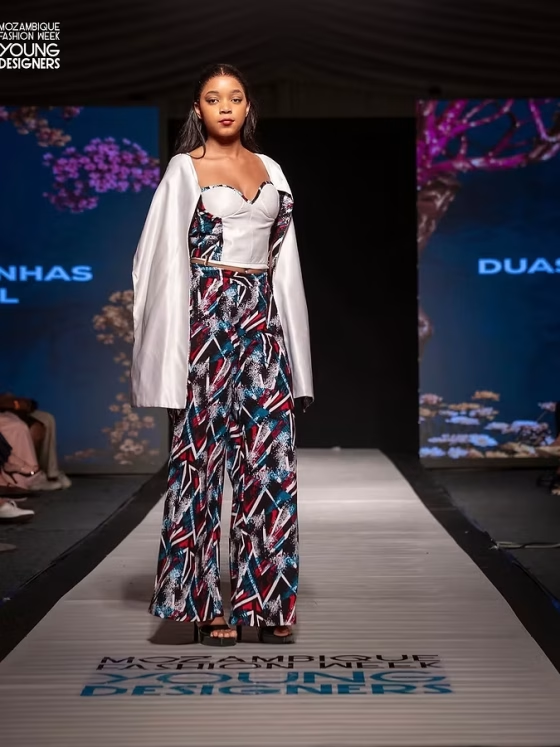
In Lagos, tailoring is increasingly styled with fluidity rather than stiffness. A sharply cut blazer may be layered over a softer inner garment and left open. A structured fabric might be paired with relaxed trousers to temper formality. The composition remains controlled, but it does not feel forced.
In Johannesburg, designers experiment with artistry and subtle imbalance to question inherited dress codes. Movement interrupts structured garments. Draped elements offset clean lines. The result is composed and yet dynamic.
This approach reflects cultural confidence. Authority does not need to be proven through rigidity. It can exist alongside softness and motion.
“Undone” dressing, within these contexts, becomes a balance between structure and ease.
The Psychology Behind the Shift
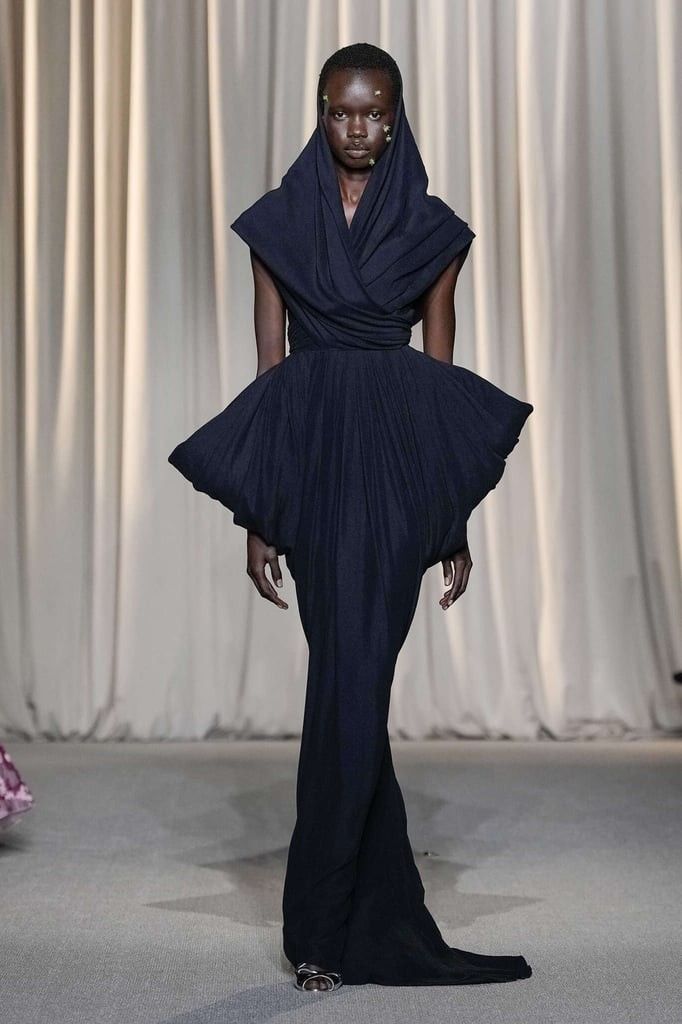
Hyper-polished dressing can create emotional distance. It projects control, but it often suppresses individuality. The undone aesthetic introduces a measured vulnerability without sacrificing sophistication.
A visible seam invites transparency. A slightly asymmetric silhouette suggests motion and adaptability. A relaxed drape softens authority without undermining it. These details humanise luxury, allowing garments to feel lived in rather than staged.
An undone dressing range is ideal for the Omiren woman, who seamlessly transitions between professional spaces and celebratory gatherings. A structured piece can maintain its authority in formal settings while allowing flexibility in social ones. The garment adapts without losing coherence.
READ ALSO:
- The Trench Coat Is Being Rewritten, and Africa Is Holding the Pen
- How Texture Is Replacing Colour as the New Statement in 2026 Dressing
Craft Over Cosmetic Perfection
Traditional luxury systems have prioritised invisibility. The finest artistry was the workmanship that disappeared. In contrast, undone dressing foregrounds the process. It allows the construction of a garment to remain visible.
This visibility aligns closely with African craft traditions, where the maker’s presence is integral to the garment’s identity. The slight variation in weave, the tonal shift in dye, and the evidence of handwork all signal authenticity.
What the global industry may describe as avant-garde experimentation often reflects principles long embedded in African design culture.
Imperfection as Cultural Confidence
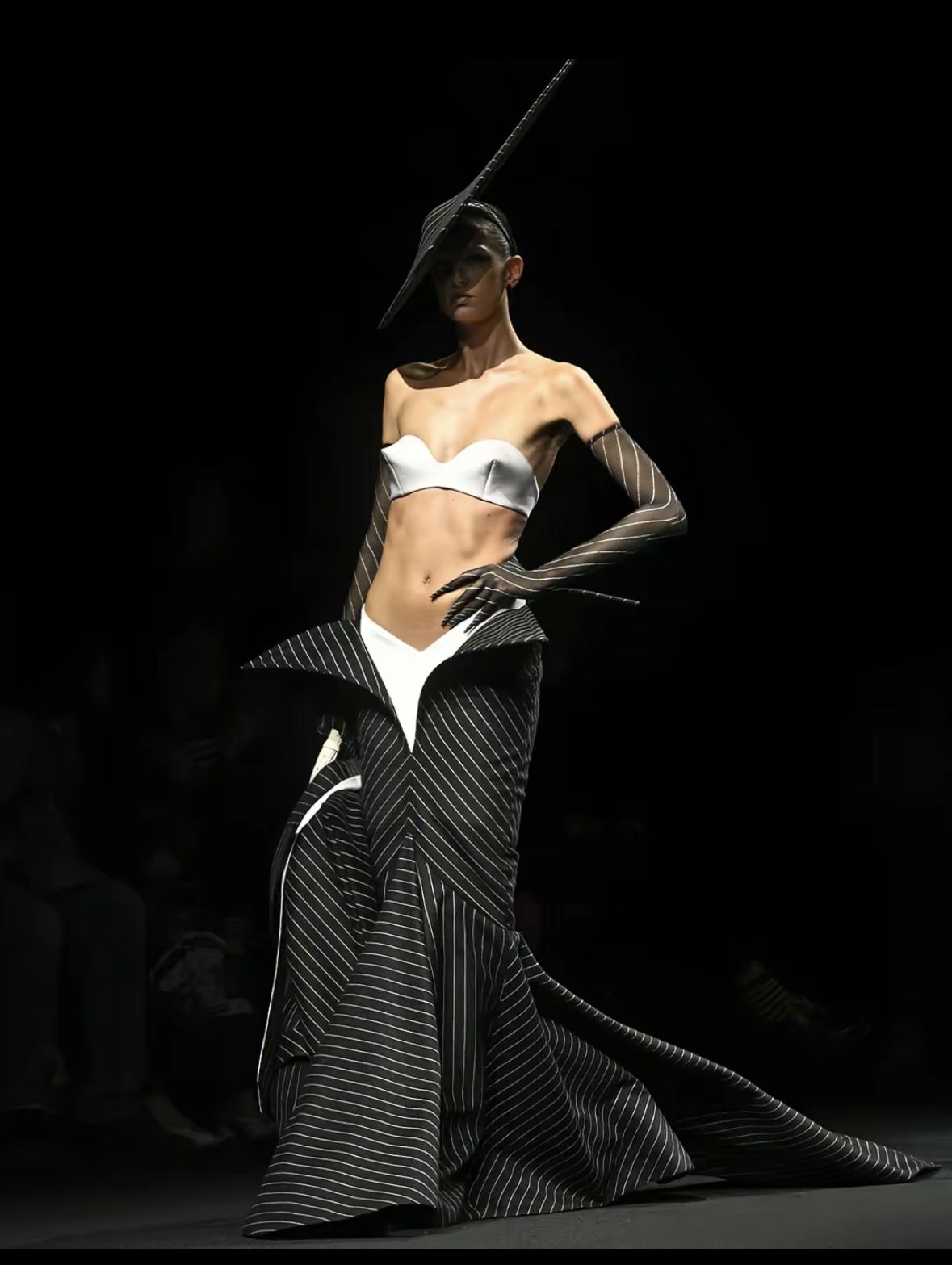
The significance of 2026 does not lie in the presence of raw hems or asymmetry. It lies in the refusal to label them as mistakes. Imperfection is understood as an aesthetic intention rather than a compromise.
African designers and stylists are engaging with this shift from a position of authority. Their work demonstrates that refinement does not require sterility. Structure can coexist with movement. Precision can accommodate variation.
The most compelling looks this season are not those that appear mechanically perfected. They are those that feel intentional, textured, and aware of their construction.
Conclusion
The rise of “undone” dressing signals a broader transformation in fashion’s understanding of luxury. Perfection is no longer the sole indicator of sophistication. Process, texture, and subtle imbalance now carry equal significance.
Within African fashion, this evolution feels less like disruption and more like recognition. Craft has always allowed room for variation. Structure has always permitted movement.
Imperfection, when intentional, is not a flaw. It is authorship visible.
FAQs
- What is “undone” dressing?
It refers to deliberate styling and construction choices such as exposed seams, raw hems, relaxed layering, and asymmetry that appear effortless but are carefully executed.
- Is an undone dressing unprofessional?
No. When balanced properly, subtle looseness can maintain authority while adding dimension and individuality.
- How does African fashion connect to this movement?
African textile traditions have long embraced visible craft and variation, making the aesthetic an extension of established design principles rather than a novelty.
- Can an undone dressing work in formal settings?
Yes. Structured garments with controlled asymmetry or relaxed layering can remain sophisticated in professional environments.
- Why is imperfection gaining relevance in 2026?
Fashion is shifting toward authenticity, visible craftsmanship, and garments that acknowledge process rather than conceal it.