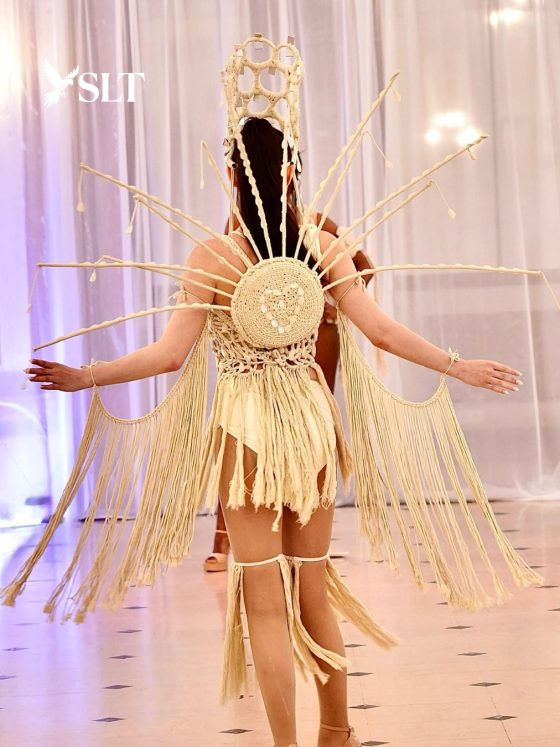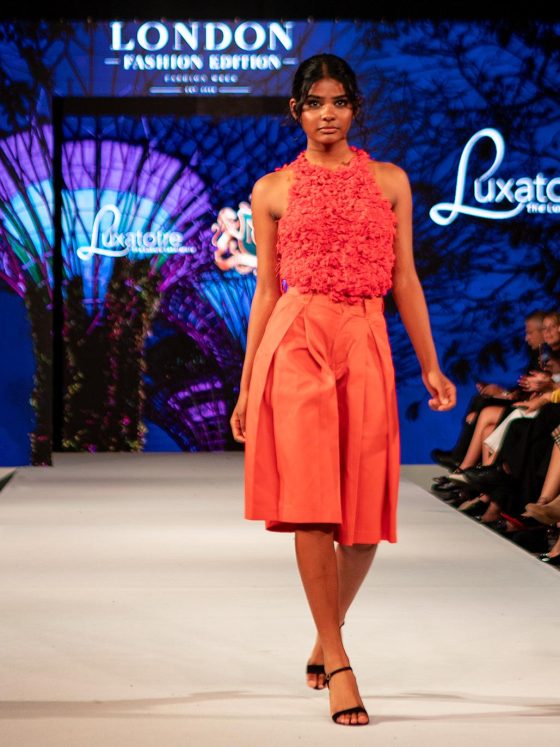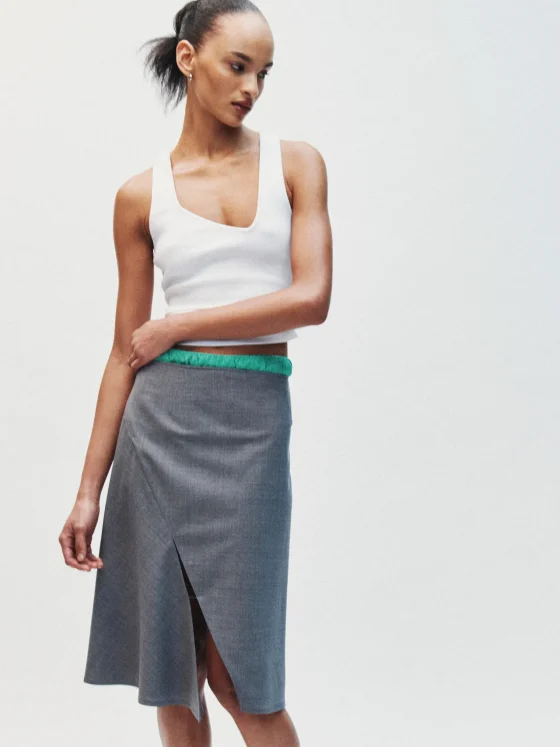
Imagine getting dressed only to find your shirt refusing to stay on your shoulders, your hair floating like a halo, and every pocket becoming useless as nothing stays in place. This scenario is not science fiction. It is the daily reality of microgravity, and it raises a question that fashion has never seriously had to answer: what happens to clothing when the invisible force that designed it simply disappears?
Zero-gravity fashion forces a confrontation with something most designers never question. Gravity is not just a physical condition. It is a design assumption embedded in how fabric falls, how silhouettes are constructed, how bodies are presented, and even what has historically been considered elegant, professional, or proper. Remove that force, and the entire logic of dress must be rewritten from scratch.
But the implications reach far beyond astronaut uniforms. Who gets to dress for space, and whose body the design system defaults to, is a question with a long precedent on Earth. NASA’s early spacesuit design was based on male body measurements. African nations sent their first astronauts to space only in the 21st century. The story of zero-G fashion is, at its core, the same story fashion has always told: about systems, about whose dignity gets designed for, and about how cultural assumptions travel, even beyond Earth’s atmosphere.
Zero-gravity fashion reveals what clothing has always been: a system of assumptions about bodies, power, and identity — and what happens when those assumptions are stripped away.
What Microgravity Does to the Language of Dress
On Earth, fabric communicates through fall and weight. A structured shoulder holds authority. A flowing hem reads as feminine. A crisp collar signals formality. These are not universal truths. They are gravity-dependent conventions so deeply embedded in the design process that most garment construction never questions them. In microgravity, none of these signals functions as intended. The structured shoulder floats. The crisp collar drifts. The hem has no direction to flow toward.
Clothing in space must therefore shift its purpose entirely, from appearance to function, from presentation to performance. Fastenings must work without gravity’s assistance. Fabrics must not shed microparticles into a sealed atmosphere. Silhouettes must allow full three-dimensional movement rather than two-dimensional movement. The challenge is not just technical. It is philosophical.
Why Zero-G Fashion Exists
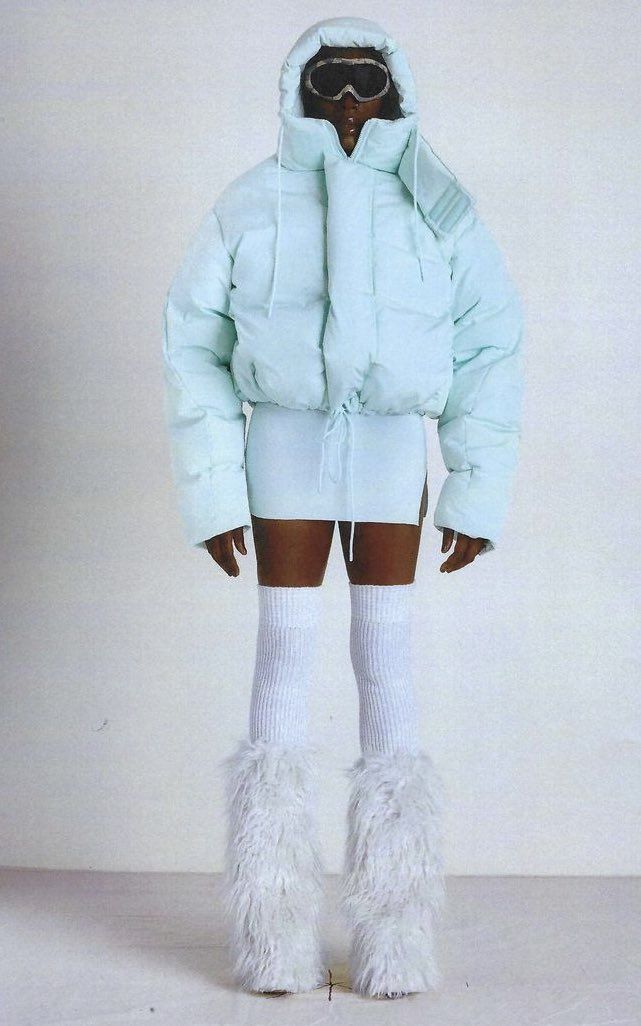
In orbit, clothing must solve problems before it expresses identity. Loose fabric can drift into equipment, restrict movement, or block visibility. Materials must manage sweat, resist odour, and remain stable without the downward pull that normally keeps garments in place.
Designers create elastic structures, strategic fastenings, and lightweight textiles to simulate contact between body and cloth. Even getting dressed requires rethinking closures, since gravity no longer helps guide the fabric.
This practical focus reminds us that fashion has always been a response to the environment. Just as desert garments protect against heat or layered clothing shields against cold, zero-Gravity clothing responds to a new terrain: weightlessness.
Who It Serves And Why It Matters
Historically, space programs have reflected geopolitical priorities, meaning the bodies tested and measured were limited in diversity. As commercial space travel grows, questions emerge about inclusion: whose hair textures, body shapes, and cultural needs are considered in design?
For example, helmet fit and hygiene routines become more complex for people with textured or braided hair. This is not a small detail; it speaks to whether systems are built with a narrow standard or with broader human realities in mind.
Zero-G fashion, therefore, becomes a conversation about representation. When we design for extreme environments, we reveal whose comfort is considered essential and whose is optional.
Clothing as Health Infrastructure
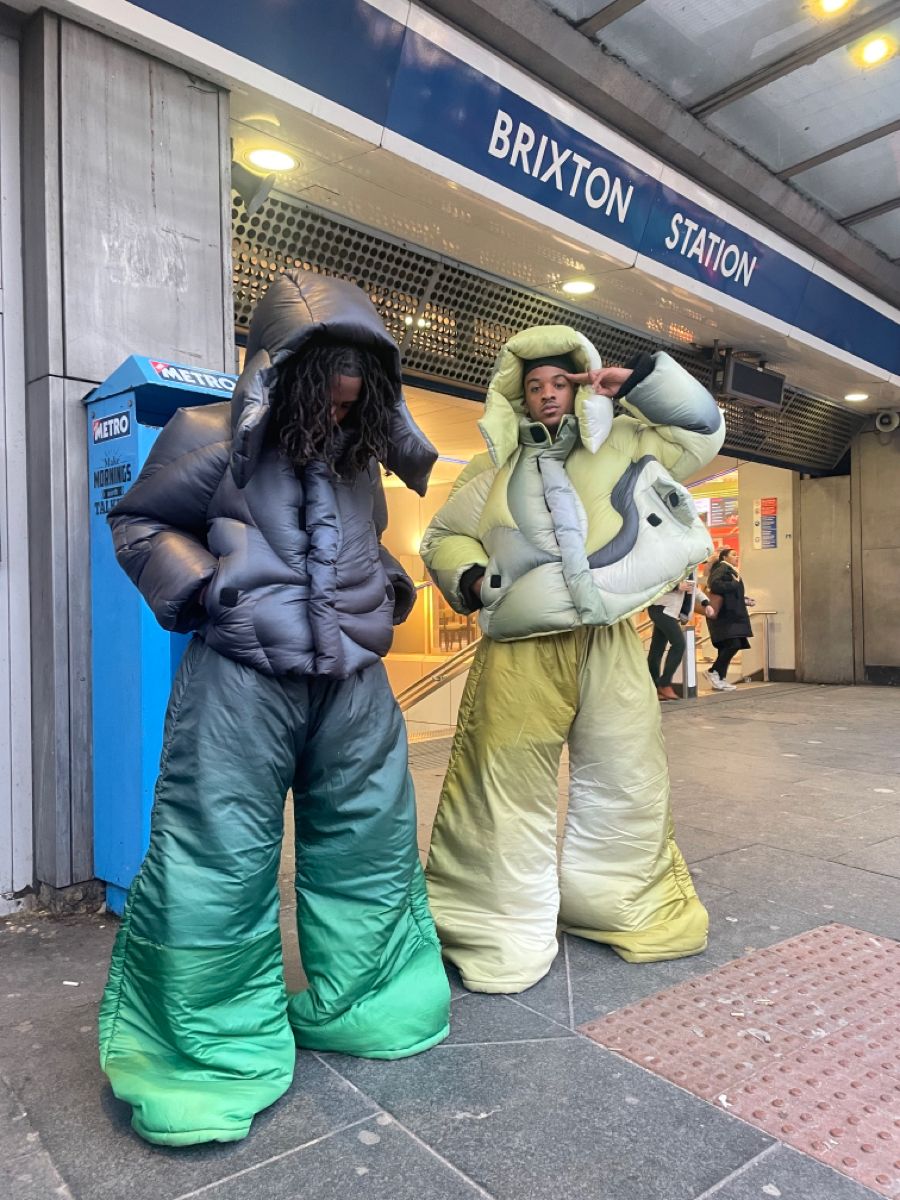
In microgravity, muscles weaken, and bones lose density. Specialised garments use tension or compression to simulate resistance, helping maintain physical health. Here, clothing becomes part of a medical system rather than a lifestyle choice.
This reframes how we think about everyday dress. Workwear, athletic gear, and even traditional clothing often guide posture and movement. Zero-G simply makes this function visible, reminding us that garments shape how bodies exist in space, both literally and socially.
RECOMMENDED:
- A Garment’s Final Act: What Happens After We Stop Wearing Our Clothes And Why It Matters
- How Texture Is Replacing Colour as the New Statement in 2026 Dressing
- The “Deep Work” Uniform: Clothing as a Focus Tool
Luxury Beyond Earth
As private companies and fashion houses explore collaborations in space technology, orbit risks becoming the ultimate symbol of exclusivity. The idea of “space style” can easily slide into spectacle.
Yet a deeper reading asks different questions: is luxury access to space, or is it the ability to build technologies that serve collective futures? When viewed this way, zero-G fashion invites a redefinition of value, shifting attention from status to capability.
Cultural Meaning in a Floating World

Hair drifting freely, garments moving in slow motion, and bodies untethered from the ground create new visual languages. These images influence art, film, and design, shaping how societies imagine the future.
They also challenge norms. Without gravity enforcing upright posture, ideas of discipline and presentation shift. The floating body becomes a symbol of possibility and vulnerability, reminding us that control is often environmental rather than inherent.
This perspective resonates with communities across the world, including those in rapidly urbanising regions. It suggests that adapting to change is not new; it is a continuation of humanity’s long history of responding to shifting conditions.
What Zero-G Teaches Us on Earth
Studying fashion in microgravity highlights lessons relevant to everyday life:
- Design must anticipate real conditions, not ideal ones
- Comfort is engineered through attention to detail
- Identity persists even in highly controlled environments
- Clothing reflects power structures and social priorities
By examining extreme contexts, we gain clarity about ordinary ones.
Conclusion
Fashion in zero-G is not a curiosity reserved for astronauts. It is a powerful case study in how humans negotiate environment, identity, and technology. When gravity disappears, clothing reveals its deeper role as infrastructure that supports health, dignity, and expression.
This story matters because it expands our understanding of design beyond runways and markets. It shows that fashion is a language through which societies solve problems, imagine futures, and define belonging.
Looking up at Orbit, we are not just seeing new garments; we are seeing new questions about how we choose to live together.
FAQs
- What is zero-G fashion?
It refers to clothing designed for environments with little or no gravity, focusing on safety, comfort, and functionality.
- Why can’t astronauts wear regular clothes?
Regular garments can float unpredictably, interfere with equipment, and fail to manage moisture or temperature properly.
- Does fashion still matter in space?
Yes. Beyond function, clothing supports morale, identity, and psychological well-being during long missions.
- How does zero-G design influence Earth fashion?
Innovations in materials, ergonomics, and health monitoring often translate into sportswear, medical garments, and workwear.
- What cultural questions does zero-G fashion raise?
Zero-G fashion underscores concerns about inclusivity, representation, and the process by which societies determine the priority of certain needs in emerging technologies.