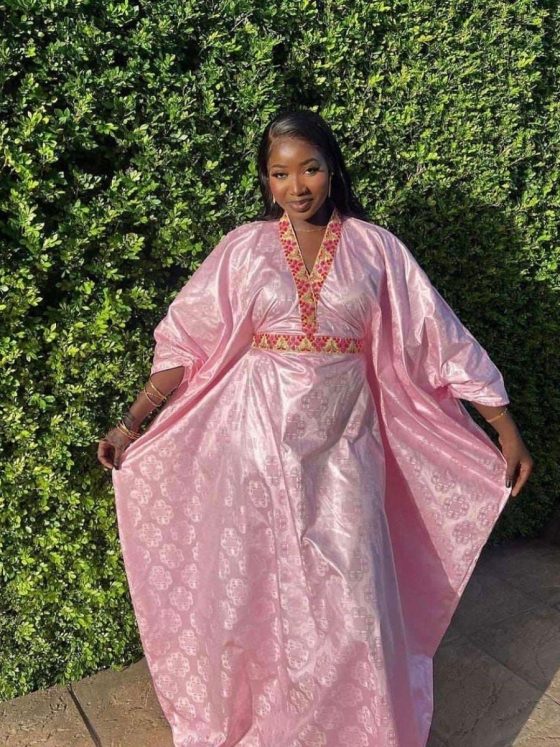
In many African societies, history was not written first. It was worn.
Before archives, before photography, before global fashion systems, cloth functioned as a record, a ritual, and an identity. In Ethiopia, this truth remains unusually intact. Handwoven cotton textiles continue to carry religious significance, social codes, and national memory. For designer Fikirte Addis, these textiles are not references or inspiration. They are the foundation of her work.
Through her label, Yefikir Design, Addis has built a career around Ethiopian handwoven fabrics whose meanings predate modern fashion. Her designs are not about reviving tradition for nostalgia. They concern the translation of historical cloth into contemporary garments without severing its cultural memory. This is what distinguishes her from many designers working with heritage materials. The clothes do not merely look Ethiopian. They remain Ethiopian in meaning.
An in-depth profile of Fikirte Addis and how Ethiopian handwoven textiles with deep historical meaning shape her designs, legacy, and global influence.
Ethiopian Handwoven Cloth Before Fashion

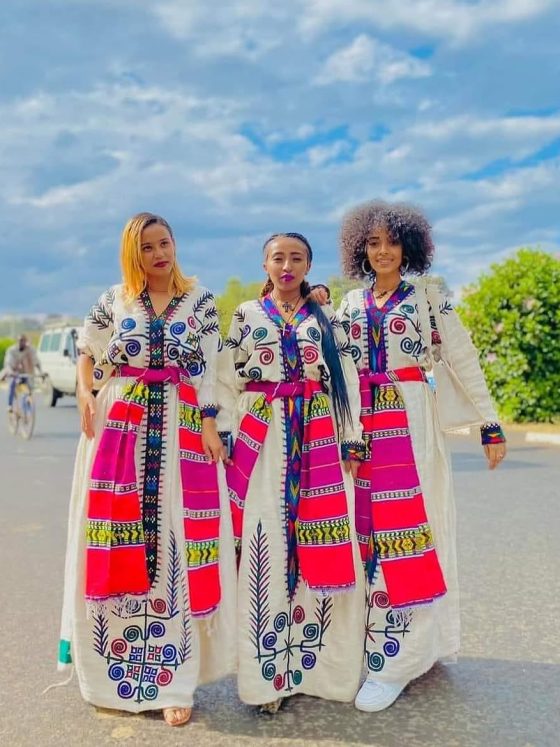
The primary textile tradition central to Fikirte Addis’s work is shema, a handwoven cotton fabric produced on narrow looms across Ethiopia. Shema is not decorative by origin. It is functional, spiritual, and social. Woven from hand-spun cotton, it requires time, precision, and skilled labour passed down through generations.
Historically, shamma served as the base material for garments such as the netela (shawl) and the habesha kemis (traditional dress). These garments were worn during religious ceremonies, weddings, funerals, and significant life events. The fabric’s whiteness symbolised purity, humility, and spiritual readiness, particularly within Ethiopian Orthodox Christian traditions.
The most significant detail lies in the tibeb, the woven border that edges these garments. Tibeb is not ornamental excess. Its geometric patterns and colours signal regional identity, ceremonial purpose, and social meaning. Specific designs are reserved for sacred occasions, others for daily wear. The placement of the tibeb alone can indicate formality, respect, or ritual significance.
Unlike many African textile traditions disrupted or industrialised under colonial pressure, Ethiopian weaving endured with remarkable continuity. Ethiopia’s resistance to long-term colonisation allowed these textile systems to remain living practices rather than museum artefacts. This continuity is essential to understanding why these fabrics remain culturally active rather than symbolic relics.
Fikirte Addis: Encountering a Living Tradition
Fikirte Addis founded Yefikir Design in 2009 in Addis Ababa. Trained as a psychologist, she entered fashion with a sensitivity to community, ethics, and cultural responsibility. Her choice to work with handwoven Ethiopian textiles was not a branding decision. It was a recognition of cultural proximity. These were not “heritage fabrics” rediscovered later. They were fabrics already embedded in everyday Ethiopian life.
From the beginning, Addis worked directly with local weavers, preserving traditional loom widths and weaving techniques rather than altering the material to suit industrial production. This choice immediately imposed limits on scalability while maintaining integrity. The narrow loom width, for example, dictates garment construction. Rather than cutting against tradition, Addis designs with it.
Her work treats cloth as an author rather than a surface. The material determines silhouette, structure, and rhythm. This approach reverses the dominant fashion logic, in which fabric is subordinate to design. In Yefikir’s work, design responds to history rather than overwriting it
Designing Without Erasure: Translating Meaning Into Form
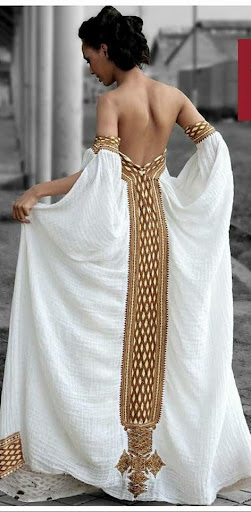
Fikirte Addis’s garments are modern in cut and function, yet they retain the behavioural expectations of traditional cloth. The shema remains visible. The tibeb retains placement and prominence. These elements are not abstracted into motifs or prints. They remain physically intact.
Addis often employs layering to echo the manner in which netela is worn, allowing garments to drape rather than cling. This respects the cultural modesty embedded in traditional Ethiopian dress while adapting it for contemporary urban life. The result is clothing that moves fluidly between past and present without collapsing either.
Importantly, Addis does not strip the fabric of context to appeal to global tastes. The garments do not perform “Africanness” through exaggeration. They remain restrained, deliberate, and culturally legible. This restraint is part of their authenticity.
Collections as Cultural Chapters
Rather than seasonal spectacle, Yefikir’s collections function as evolving conversations about identity, continuity, and modern Ethiopian womanhood. Across multiple collections presented at Lagos Fashion Week, Africa Fashion Week New York, and other international platforms, Addis has remained consistent in its material choices while expanding conceptual depth.
Her collections often explore transition. Tradition meets mobility. Rural craft entering urban space. Ethiopian identity negotiating global visibility. The cloth remains constant, but its positioning changes. This continuity allows viewers to trace a clear lineage across her career.
There is no evidence that Addis abandons historical textiles in favour of trend-driven alternatives. Even as silhouettes evolve, the material language stays rooted. This consistency reinforces her work as cultural preservation through design rather than reinterpretation through novelty.
As of early 2026, there is no verified documentation of a radical departure from this material philosophy. Her recent presentations continue to centre on Ethiopian handwoven cotton, reaffirming a long-term commitment rather than experimentation for attention.
Global Visibility Without Cultural Dilution
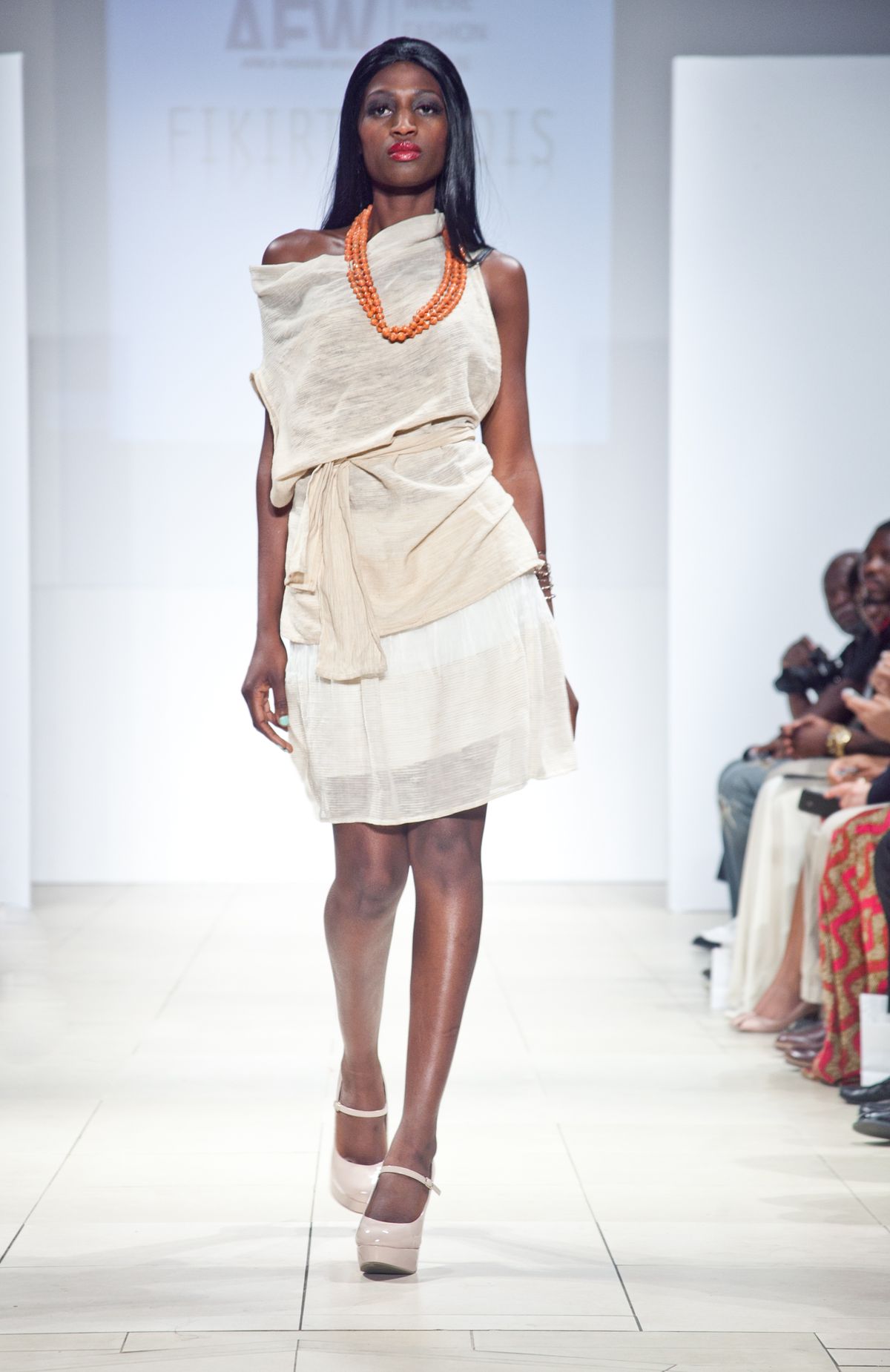
Fikirte Addis’s work has been showcased internationally, including in the United States and across African fashion capitals. Her presence on global platforms has not compromised aesthetics. Instead, it has positioned Ethiopian textiles within global fashion discourse as complete systems rather than sources of inspiration.
This distinction matters. Ethiopian cloth is often flattened into “African white cotton” in international contexts. Yefikir’s work resists this simplification. The garments insist on specificity. They require explanation. They carry memories.
By maintaining local production and traditional methods while entering global markets, Addis challenges the assumption that heritage must be diluted to scale. Her work demonstrates that cultural integrity can coexist with international relevance.
Influence, Imitation, and Ethical Distance
There is growing global interest in Ethiopian textiles, particularly netela-inspired garments. While some designers have adopted visual elements of these fabrics, few engage with their historical meaning as thoroughly as Addis does.
There is no documented evidence of direct copying of Yefikir’s designs. However, there is a noticeable trend toward the use of Ethiopian handwoven aesthetics without contextual grounding. What distinguishes Addis is not exclusivity but depth. She does not merely use the cloth. She carries its social weight.
Younger Ethiopian and diaspora designers increasingly cite traditional weaving as a foundation, and Yefikir’s longevity provides a clear reference point. Her work sets a standard rather than a style.
Craft as Continuity, Not Nostalgia

Fikirte Addis’s work is not about returning to the past. It is about refusing to abandon it. In a fashion industry that often treats heritage as raw material, her approach insists on accountability. The cloth remembers, and the designer listens.
Her career demonstrates that African fashion does not need reinvention to remain relevant. It requires recognition of what has already endured. Ethiopian handwoven textiles survived because they mattered. Yefikir’s work ensures they continue to matter now.
Find style rooted in culture — explore the African Style collection on OmirenStyles.
FAQs
- What traditional Ethiopian textiles does Fikirte Addis use?
She primarily works with handwoven cotton known as shema, as well as garments such as netela featuring tibeb borders, which hold religious and cultural significance.
- Why are Ethiopian handwoven textiles historically significant?
They represent centuries of spiritual practice, social identity, and craftsmanship that survived colonial disruption and remain culturally active today.
- How does Fikirte Addis modernise traditional Ethiopian cloth?
She adapts silhouettes and layering while preserving weaving techniques, fabric structure, and cultural meaning rather than altering the textile itself.
- Has Fikirte Addis shown her work internationally?
Yes. Her collections have been presented on platforms such as Africa Fashion Week New York and Lagos Fashion Week while preserving the integrity of Ethiopian textiles.
- Are other designers influenced by her work?
While many designers now reference Ethiopian textiles, Addis’s work stands out for its sustained depth, ethical sourcing, and historical continuity.