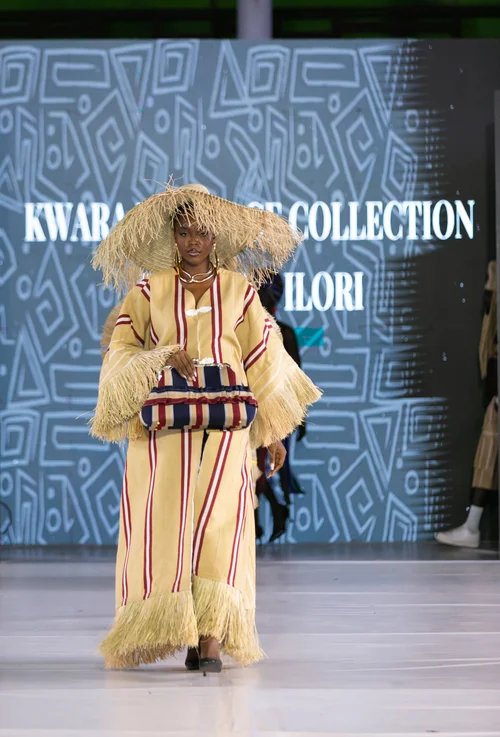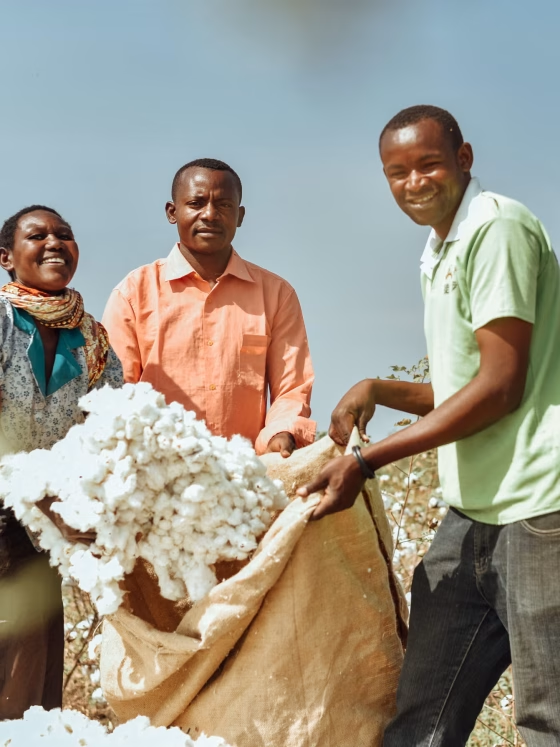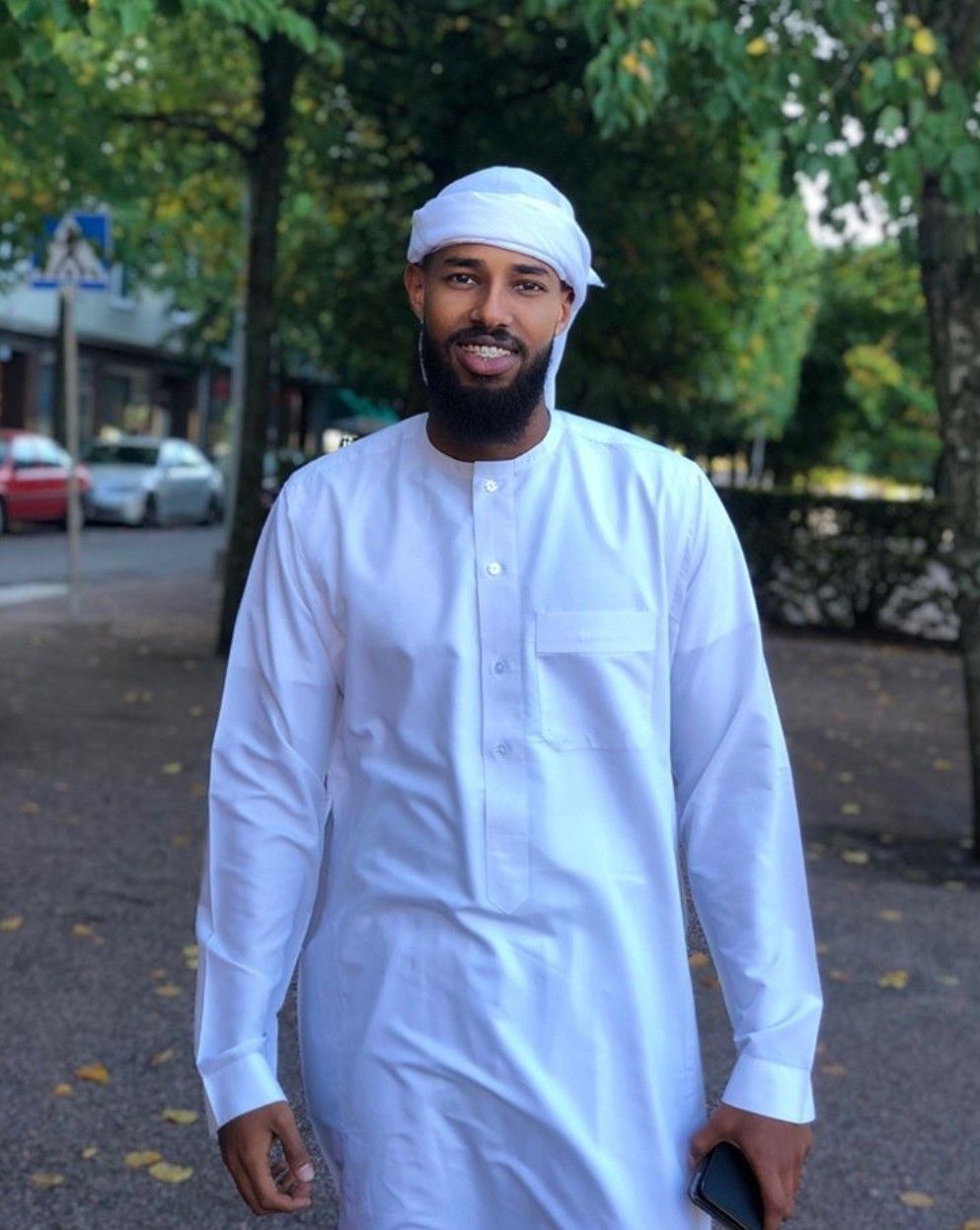
It was early morning in Kano. I was walking around Kofar Mata just after Fajr prayer, taking my usual morning exercise, when I noticed how alive the streets already were, traders setting up, pedestrians flowing in every direction, the city waking into itself.
But something else caught my attention.
Almost everyone was dressed in similar garments, babbar riga and kaftans, and more strikingly, white dominated the scene. White robes moving through dust-lit streets, catching the soft glow of sunrise. It felt intentional, almost ceremonial.
This reminded me of the Hajj ground in Mecca, on the plains of Hajj, where pilgrims prepare for Hajj by shedding every symbol of status, wealth, and identity. Kings and labourers alike wrap themselves in the same simple white ihram unstitched cloth, unadorned bodies, equal before God. Different nations. Different languages. One colour. One meaning.
In both moments, white is not fashionable in the narrow sense. It is language. It is a ritual. It is memory. It is climate wisdom. It is humility stitched into fabric.
Across Arabia and Africa, white garments have long carried meanings far deeper than aesthetics. They signal purity and mourning, devotion and dignity, equality and authority, often all at once. They tell stories of caravan routes and coastal trade winds, of Islam’s spiritual migrations, of desert ecologies and tropical adaptations, and of Afro-Arab identity forged in cloth long before modern borders existed.
I took my time in digesting how the white garment travelled from the Arab to Africa and why it dominated the African wardrobe.
Stick to this article, let’s reveal the secret together.
Across deserts, coastlines, mosques, palaces, and village shrines, white garments have endured for centuries, not as trends but as cultural codes. This story explores how climate science, spirituality, power, and identity intersect in the shared visual language of white across Arabian and African civilisations.
White as Sacred Language in Arabian and African Faith Traditions
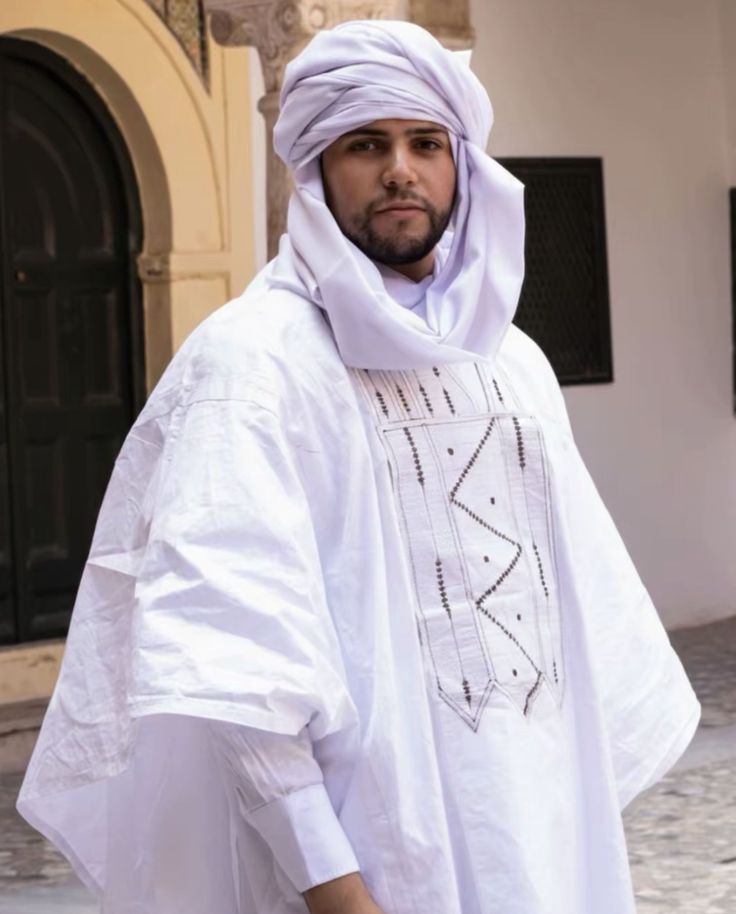
White has always spoken fluently in sacred spaces.
In Islamic tradition, white garments are associated with spiritual cleanliness, humility before God, and the stripping away of social hierarchy. The Prophet Muhammad is reported to have favoured white clothing, encouraging believers to wear it and use it for burial shrouds, linking whiteness not only to life but to the ultimate return to God.
This symbolism travelled southward across the Sahara and eastward along Indian Ocean trade routes, embedding itself within African Islamic societies. In Northern Nigeria, Sudan, Senegal, Somalia, and Zanzibar, white garments became both devotional and dignified, worn during Friday prayers, religious festivals, naming ceremonies, and funerals.
Yet Africa did not merely adopt Arabian religious aesthetics. It reinterpreted them.
Among Hausa communities, white robes often signify moral authority and spiritual leadership, worn by scholars, judges, and imams. In Senegal, marabouts wrap themselves in voluminous white boubous, their garments serving both as a symbol of piety and a marker of prestige. In Swahili coastal towns, white kanzus signal respectability and religious literacy.
Here, white becomes more than purity. It becomes legitimate.
This intersection of faith and fashion reveals something more profound about traditional garments in Africa: clothing has always been theology made visible. And through Arabian influence on African clothing, white became a shared spiritual dialect, but spoken with regional accents.
Climate, Cotton, and the Science of Survival
Long before fashion theory, there was climate intelligence.
White garments dominate the wardrobes of the desert and Sahelian regions not by coincidence, but by environmental necessity. White reflects sunlight rather than absorbing it, helping regulate body temperature under relentless heat. Loose silhouettes, such as thobes, jalabiyas, boubous, and gandoras, allow airflow across the skin, transforming cloth into climate technology.
Across Arabia, this produced the classic white thobe, ankle-length, breathable, and dignified. Across Africa, similar ecological logic shaped the baban riga of the Hausa, the jalabiya of Sudan, and the flowing robes of Saharan Tuareg communities.
But while function drove form, culture shaped meaning.
In Africa’s savannah and Sahel zones, white cotton became associated not only with comfort but with refinement. It required frequent washing, careful maintenance, and economic access, making whiteness a subtle indicator of social order and moral cleanliness.
An older man in Sudan told me
“The White here is not fashion, it is a protection”.
In both African fashion history and Arabian dress traditions, climate did not merely influence clothing. It sanctified it.
Trade Routes, Textile Economies, and the Afro-Arab Wardrobe

To understand why white garments dominate Afro-Arab clothing traditions, one must follow the caravans.
From the 8th century onward, trans-Saharan trade connected North Africa, the Arabian Peninsula, and sub-Saharan kingdoms through networks of gold, salt, books, enslaved peoples and textiles. Cotton from Egypt, Yemen, and India moved inland. Indigo from West Africa travelled north. Islamic scholars travelled with robes. Pilgrims travelled with garments.
And clothing travelled with meaning.
The white jalabiya of the Nile Valley influenced Nubian dress. The Arabian thawb found cousins in the Sudanese jallabiya and Nigerian babban riga. On the Swahili coast, Omani traders introduced long white kanzus that merged seamlessly with East African modest aesthetics.
These were not copies. They were conversations.
African tailoring traditions expanded silhouettes, added embroidery, layered fabrics, and adapted cuts to regional customs. White garments became canvases for cultural dialogue, between desert and savannah, mosque and market, Arab and African worlds.
This is where Afro-Arab identity became embodied, not in treaties or trade agreements, but in fabric.
White, in this context, is not neutrality. It is hybridity, a visual language born of movement, migration, and mutual influence.
White, Power, and Social Authority in African Societies
While white often symbolises humility in Islamic theology, in African societies it has also signified power, but of a particular kind.
In Hausa emirates, Islamic courts, and Fulani aristocracies, white robes became markers of moral authority rather than military dominance. Kings, judges, scholars, and clerics wore white not to intimidate but to sanctify their leadership.
This stands in contrast to European traditions of regal colour, purple, red, and gold, where authority announces itself loudly. In Afro-Arab cultures, authority often whispers.
White garments projected composure, restraint, and discipline. They suggested a leader governed not by ego but by law, divine law, ethical law, and ancestral law.
Among Yoruba Muslims, white agbadas signal spiritual maturity. Among Senegalese marabouts, white garments distinguish religious elders from political elites. In Sudan, the white jalabiya functions as both everyday wear and ceremonial uniform, collapsing boundaries between life and ritual.
This is modest fashion culture at its most profound: not modesty as concealment, but modesty as moral posture.
White does not hide power. It reframes it.
Modern Fashion: White as Heritage, Resistance, and Global Style

Today, white garments occupy a complex position globally, both elevated and misunderstood.
Luxury runways reinterpret thobes, kaftans, jalabiyas, and boubous as minimalist chic, often detached from their spiritual and historical meanings. At the same time, African and Middle Eastern designers reclaim white garments as heritage couture, embedding them with embroidery, storytelling, and political presence.
In Nigeria, designers reimagine the baban riga in silk organza and lace, pairing ancestral silhouettes with contemporary tailoring. In Sudan, white tobes have become feminist symbols, worn by women during political protests as a form of visual resistance and cultural dignity. In Saudi Arabia and the UAE, designers modernise the thobe without abandoning its sacred restraint.
And in an era obsessed with visibility, white continues to communicate quietly.
ALSO READ:
- Arab–Swahili Fashion Heritage: The Role of Omani Traders in Zanzibar and Mombasa
- 5 Reasons Arabian Fashion Blended Naturally with African Clothing
- Top 10 African Traditional Clothes with Clear Arabian Fashion Influence
Cultural Analysis: Why White Endures
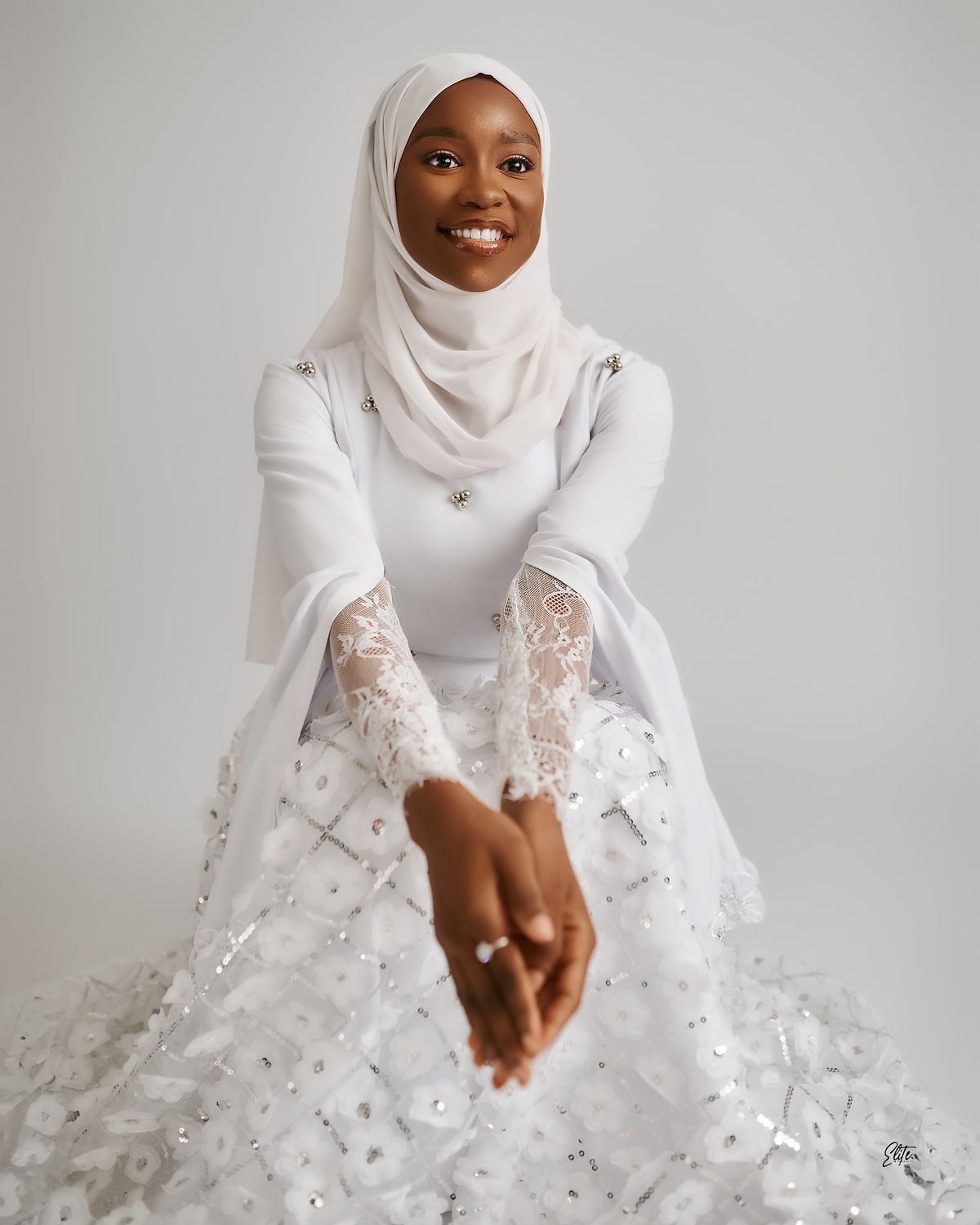
White endures because it performs multiple truths at once.
- It cools the body and humbles the soul.
- It equalises status and elevates dignity.
- It signifies mourning and celebration, authority and surrender.
- It belongs to desert science and divine symbolism, to African cosmology and Islamic theology.
In Afro-Arab cultures, white garments endure not out of nostalgia but because of their relevance. They adapt without abandoning their origin. They evolve, without erasing meaning.
This is the genius of traditional garments in Africa: they are not frozen artefacts. They are living archives.
And white, more than any colour, carries this continuity.
At Omiren Styles, we understand fashion not as spectacle but as testimony.
White garments across the Arabian and African worlds remind us that clothing has always been more than decoration. It has been devotion made visible. Climate intelligence stitched into beauty, identity worn, not announced.
In a world accelerating toward noise, white still speaks softly of humility, heritage, and human continuity. It tells us that elegance does not always shimmer. Sometimes, it breathes.
And in that breath between desert wind and coastal prayer, between ancestral memory and modern life, white continues to clothe civilisations.
Not as a trend.
But as truth.
What does white mean in your own cultural memory, ceremony, faith, mourning, celebration, or belonging?
What makes white garments dominant in the Aro-Arab fashion? Drop your opinion in the comment section.
Enjoy more stories of African fashion history, Afro-Arab identity, and traditional dress at Omiren Styles, and join the conversation shaping how heritage lives in modern style.
FAQs
1. Why is white clothing essential in Arabian and African cultures?
White symbolises purity, peace, and spirituality while also reflecting heat, making it both sacred and practical.
2. What religious meaning does white clothing carry?
In Islam and African spiritual traditions, white represents holiness, ritual readiness, and divine connection.
3. How does climate shape the use of white garments?
White reflects sunlight and keeps the body cool in hot desert and tropical regions.
4. When are white garments traditionally worn?
During prayers, pilgrimages, ceremonies, rites of passage, and funerals.