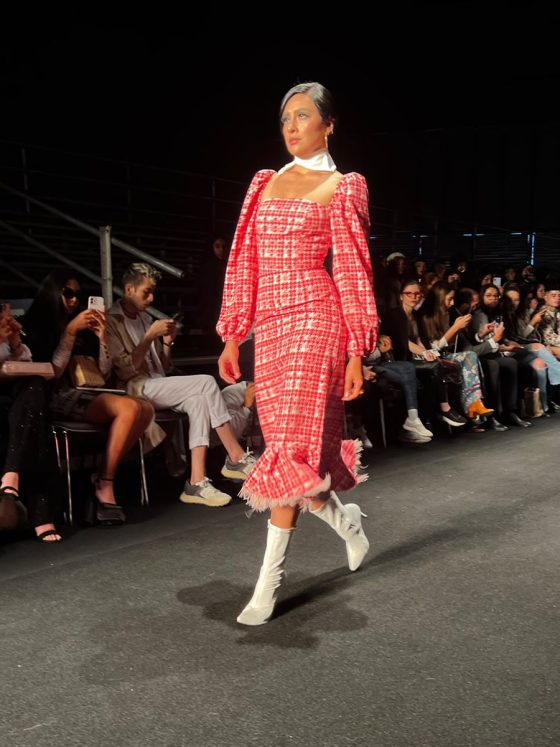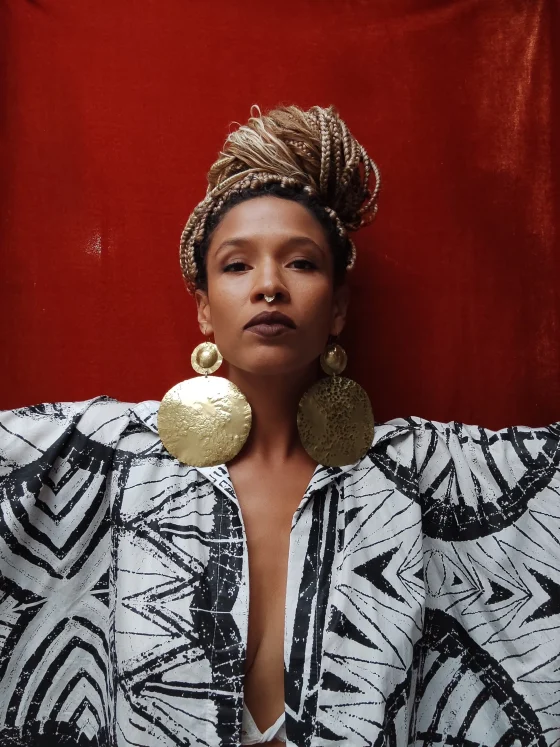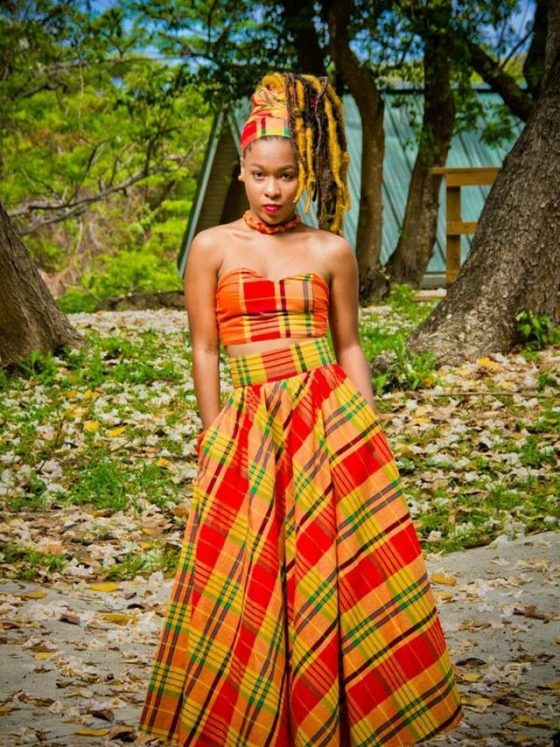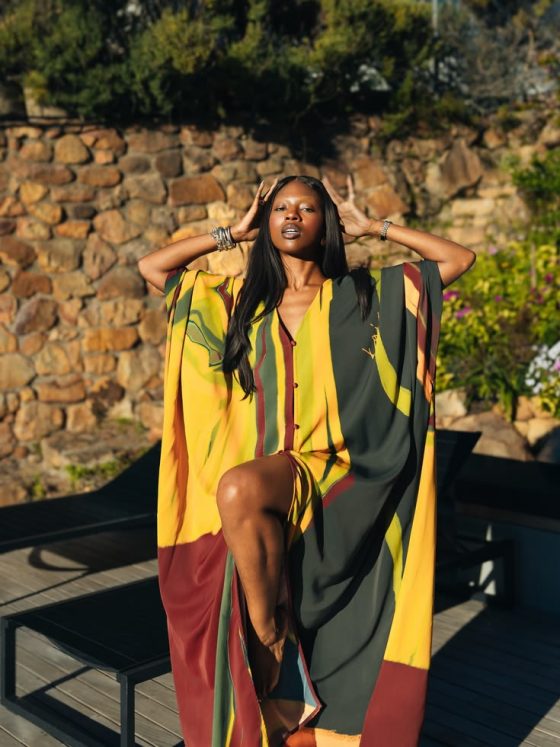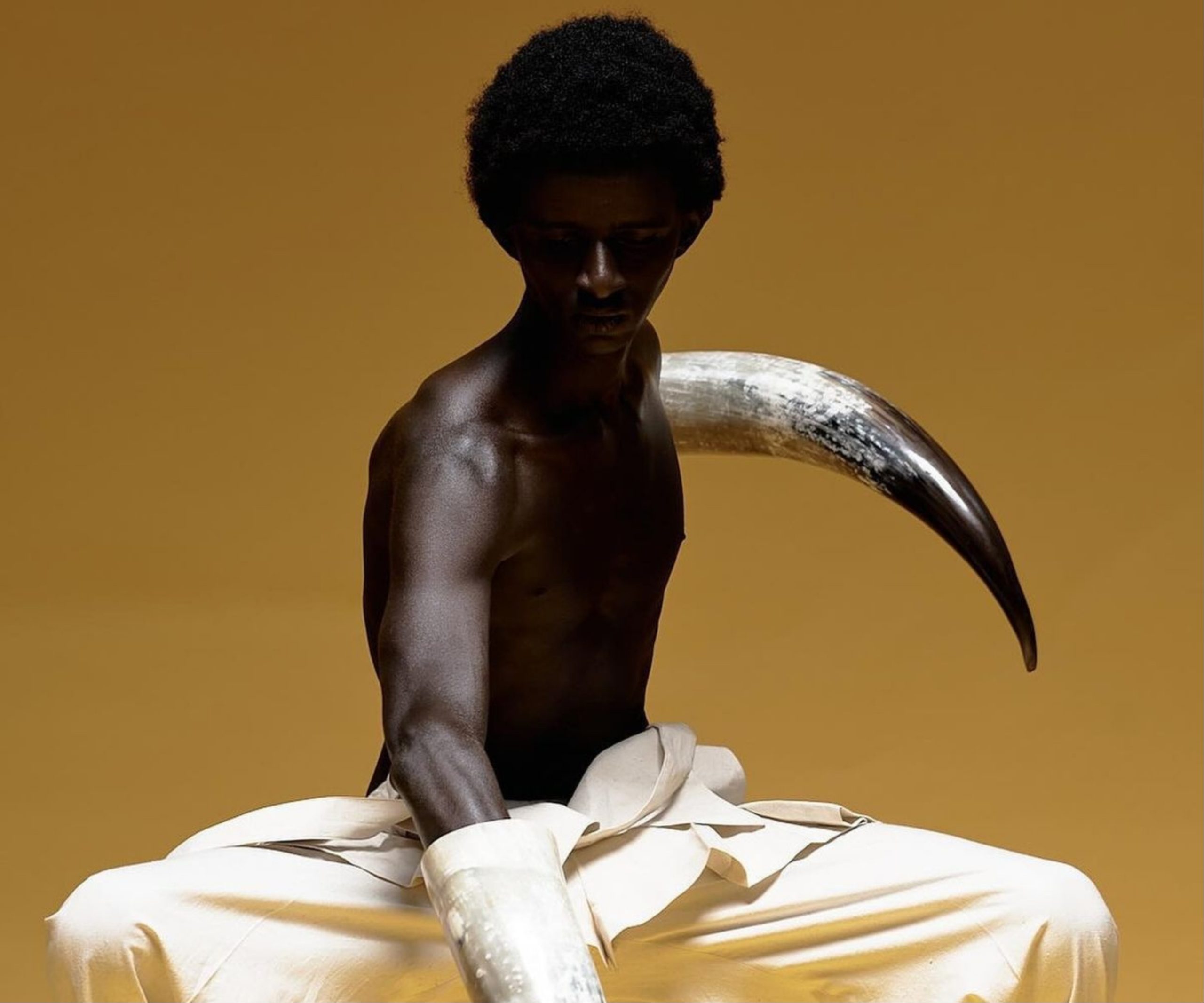
Moshions is a Kigali-based luxury fashion label founded by designer Moses Turahirwa. The brand is recognised across East Africa and internationally for translating Rwandan cultural motifs into tailored, ready-to-wear and statement garments that operate at a luxury level. Its design language prioritises clean silhouettes, precise construction, and the cultural integrity embedded in modern forms.
Moshions functions as both a creative studio and a manufacturer. The brand works with local tailors, patternmakers, and embroiderers to produce small-batch collections that reflect African identity without relying on generic tropes. The label’s stance is simple: Rwanda has the cultural depth, technical skill and creative capacity to compete within the global luxury ecosystem.
Moshions is a Kigali luxury label redefining Rwandan culture through modern tailoring, global showcases, and international retail expansion.
Origins and Brand Positioning
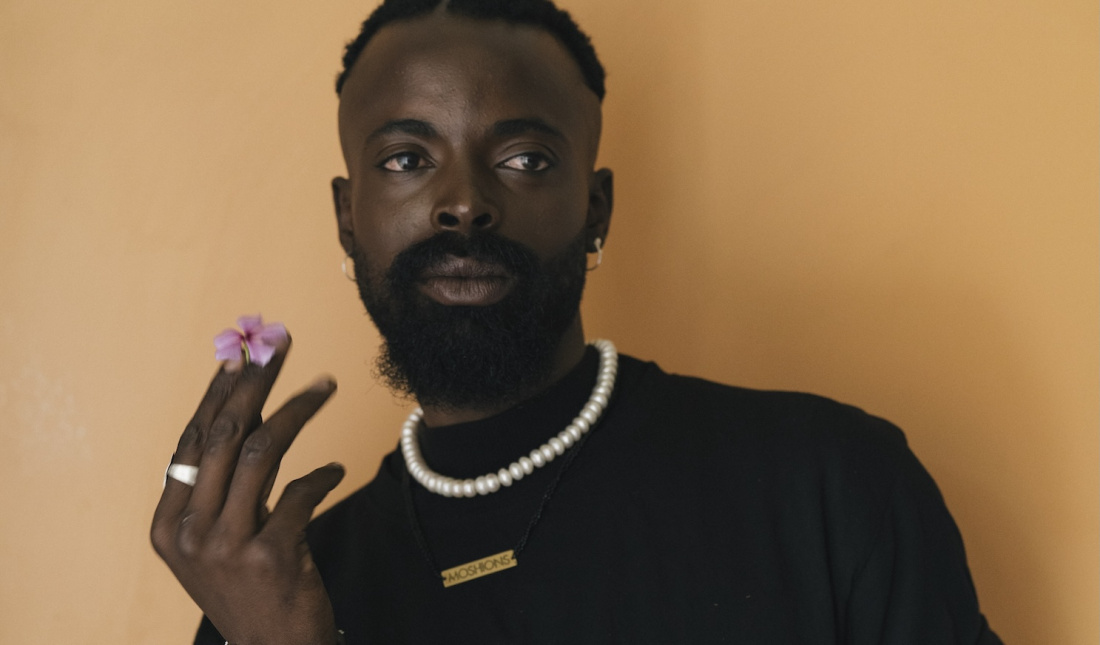
Moshions was founded in Kigali by Moses Turahirwa, a designer trained in architecture and later in fashion development. Turahirwa built the brand with a clear intent to elevate Rwandan identity through precision tailoring rather than relying on printed fabrics or imported design codes.
As the brand grew, it established its identity based on three key pillars:
- Cultural DNA is used as a design source.
- Tailoring drives the technical execution of the brand.
- International showcases and distribution networks support the brand’s global ambition.
This approach allowed Moshions to sit outside the “craft-only” label that historically constrains African fashion brands. Instead, the brand is recognised as an East African luxury house with a controlled aesthetic and continuous output.
Collections and Design Approach
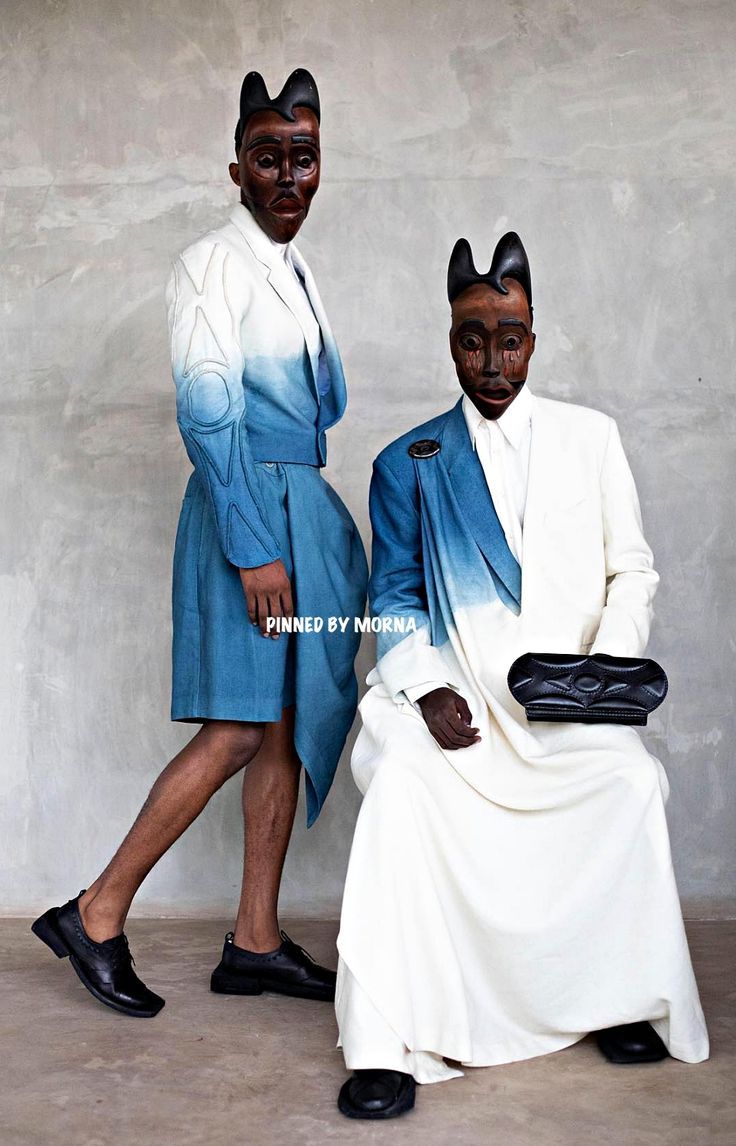
Moshions releases ready-to-wear capsules and seasonal drops through its Kigali atelier and direct retail channels. Each collection is anchored in a cultural idea interpreted through contemporary tailoring and minimalist structures.
Rwandan Motif Collections
Many collections rework cultural elements such as:
- Imigongo patterns.
- Traditional in-store references.
- National colour themes.
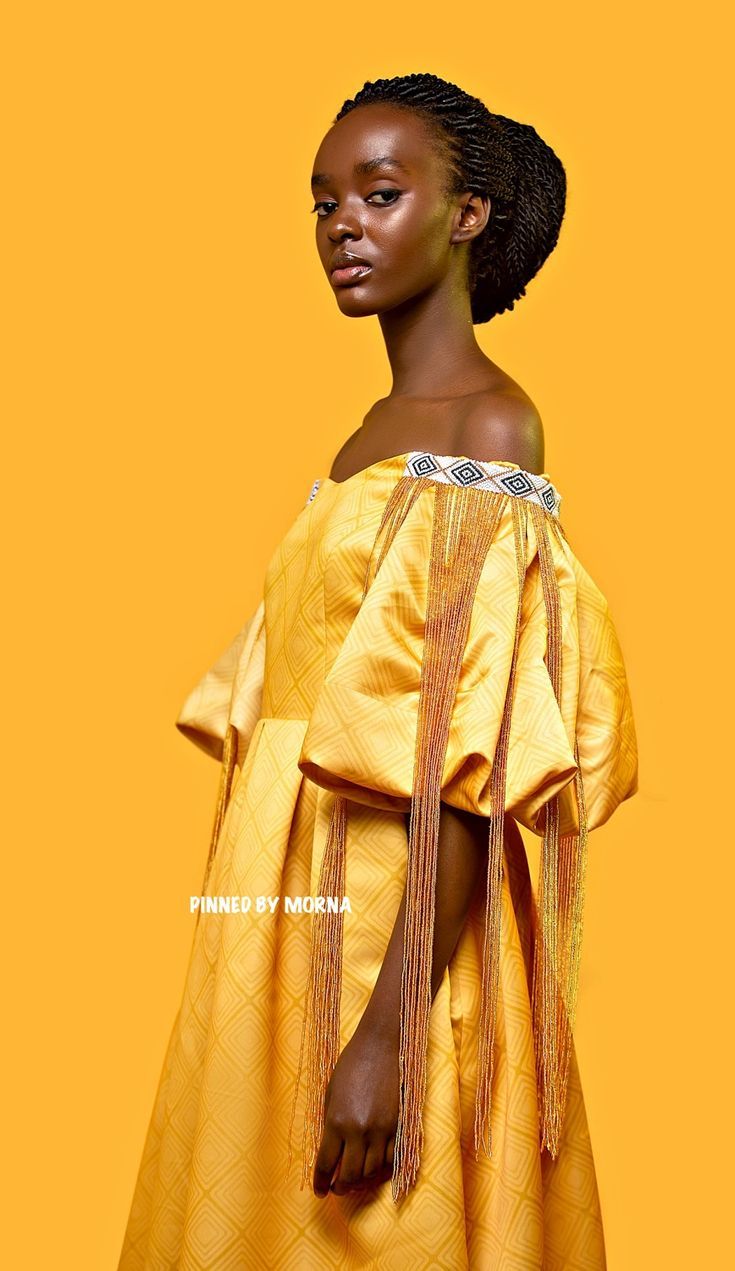
- Localised embroidery systems.
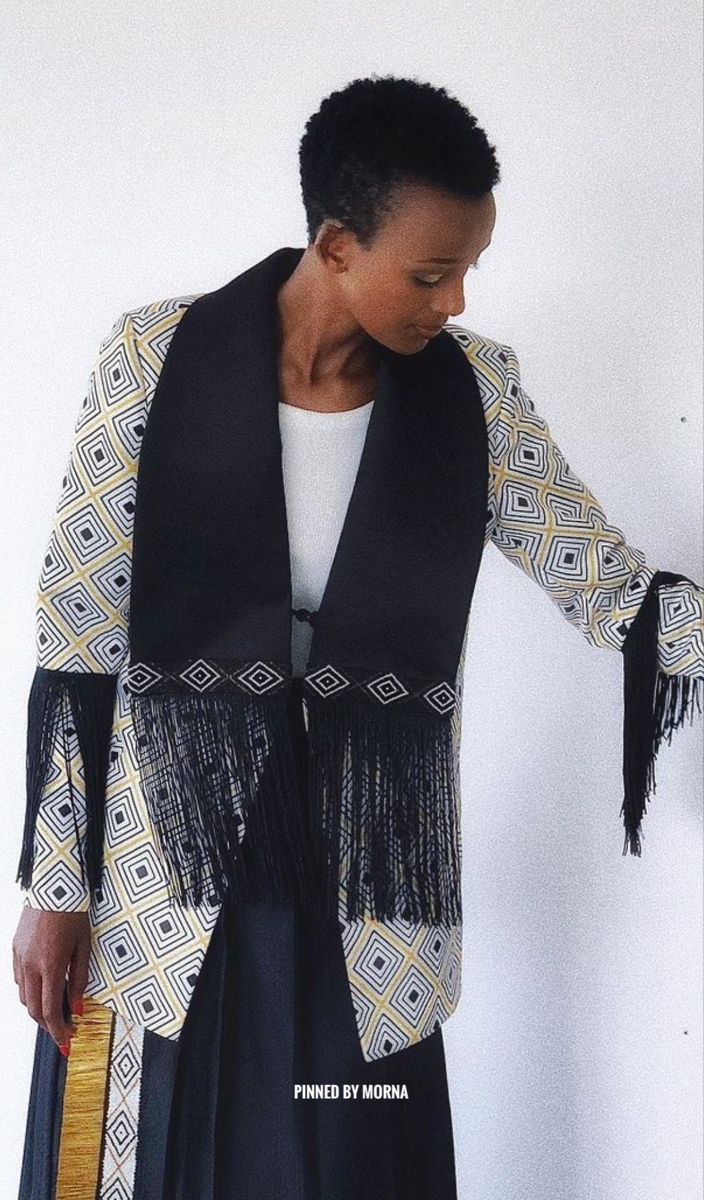
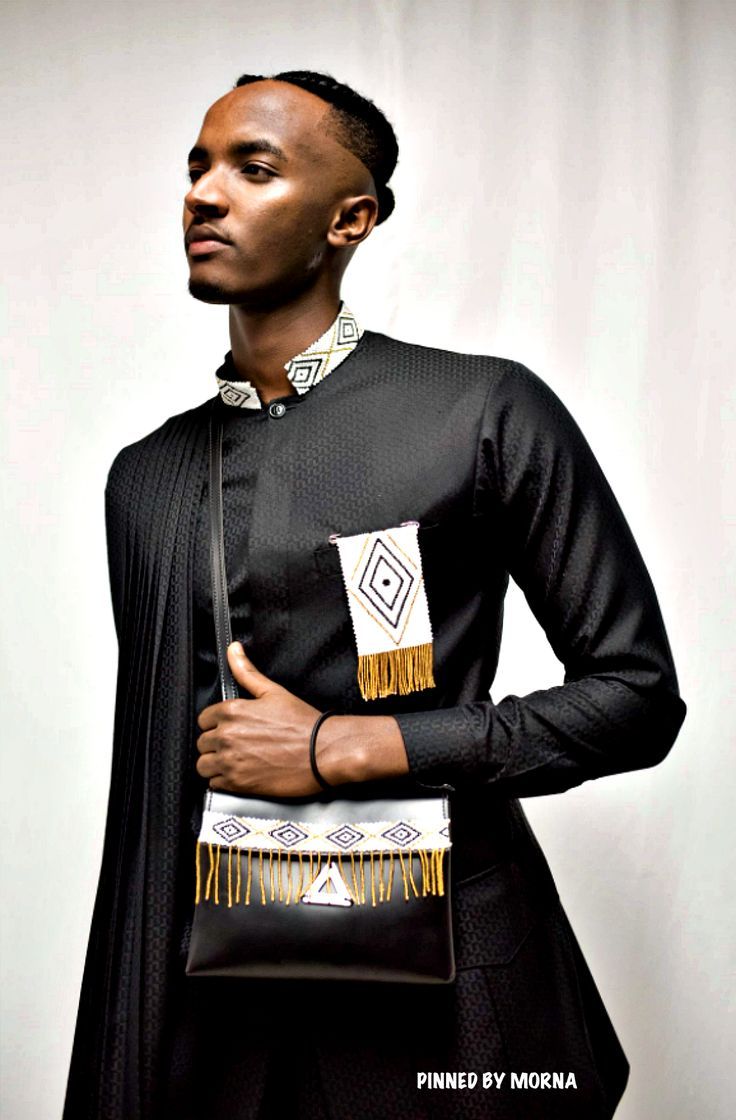
These elements are integrated in controlled doses, typically woven into lapels, seams, panelling, or surface decoration rather than dominating prints. The result is clothing that signals identity without translating into costume.
These collections established Moshions’ signature style of subtle cultural coding, executed with luxurious precision.
Formal and Ceremony Wear
Moshions is widely recognised for its formal pieces, which are worn at:
- State functions.
- Red carpet events.
- Weddings and cultural ceremonies.
The brand has outfitted diplomats, musicians, actors, and cultural figures across Africa. Formal wear is a strategic category for Moshions because it provides visibility, recurring demand, and clear differentiation through tailoring quality.
Global-Ready Capsules
To serve its international audience, Moshions produces ready-to-wear capsules in structured silhouettes:
- Jackets and coats.
- Soft tailoring.
- Minimalist separates.
- The pieces feature statement knitwear and intricate embroidery details.
These pieces are designed with international fit standards, ensuring consistency for global retail partners.
International Showcases and Platforms
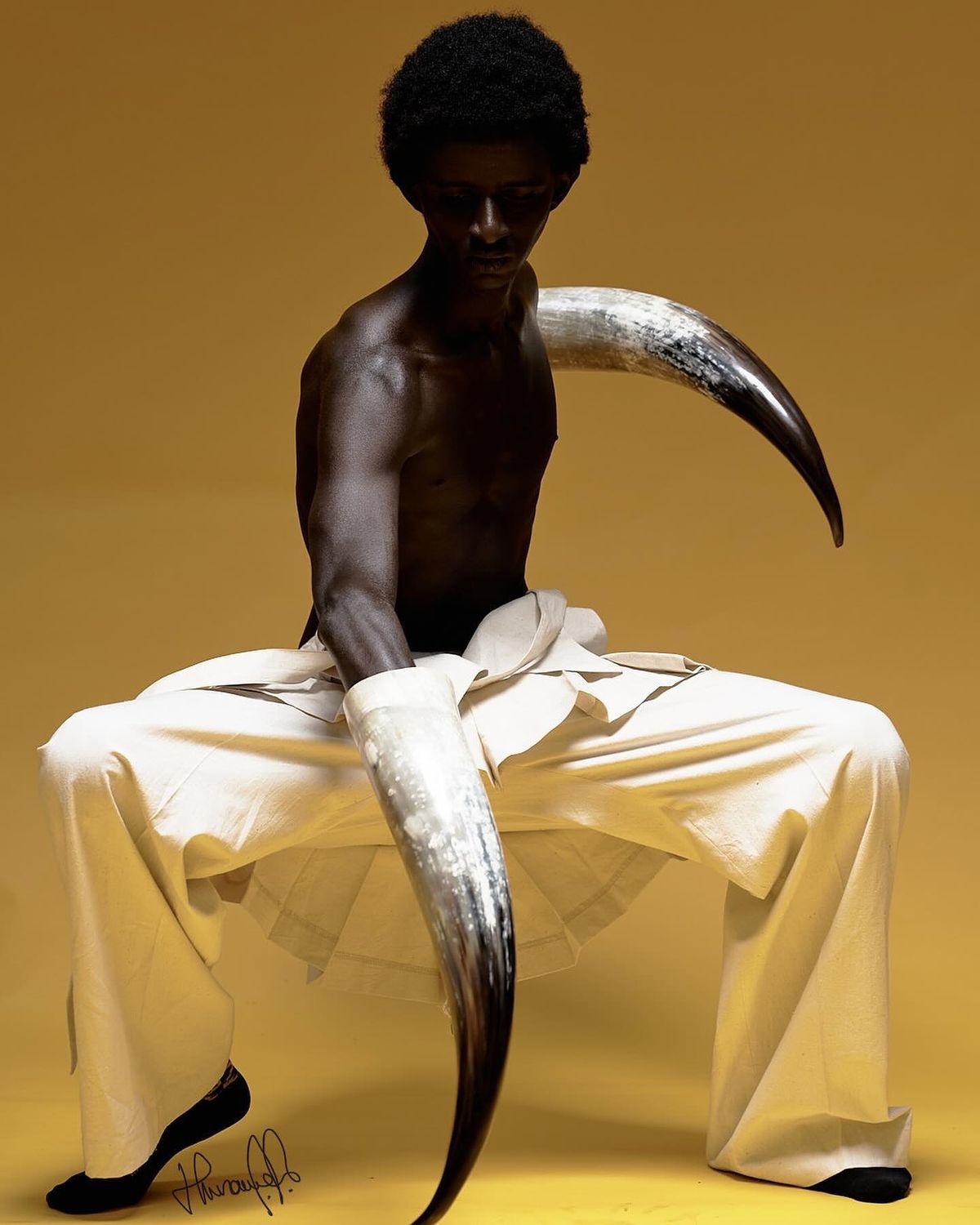
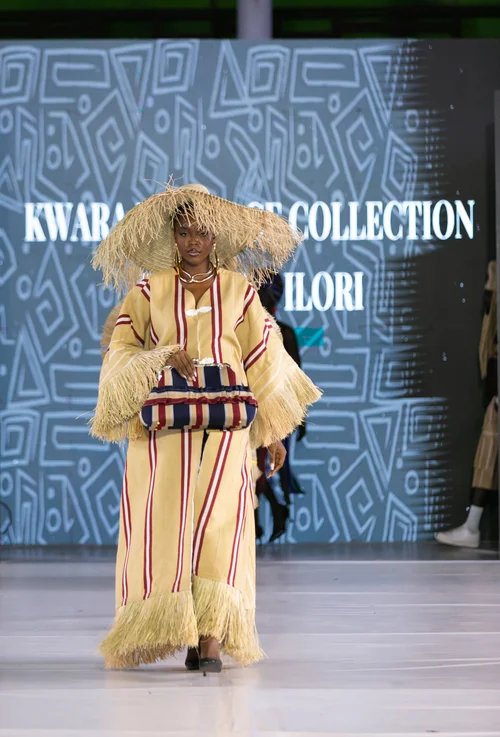
Moshions is one of the few East African brands consistently appearing on international fashion stages.
Fashion Weeks and Showcases
The brand has participated in multiple showcases across:
- Paris.
- Milan.
- Johannesburg.
- Lagos.
- Emerging global platforms are showcasing African talent.
These presentations positioned Moshions as a continental leader in African couture and luxury ready-to-wear.
Cultural and Industry Exhibitions
Beyond runway spaces, Moshions is occasionally featured in exhibitions focused on:
- African identity in design.
- Contemporary cultural reinterpretation.
- New luxury markets.
These appearances support the brand’s long-term strategy to align with cultural institutions while expanding commercial reach.
Stockists, Distribution and Retail Expansion
Moshions currently operates through a multi-channel structure:
- The company operates a flagship atelier and showroom in Kigali.
- Direct-to-consumer e-commerce.
- Select international retail partners.
- Regional boutiques across Africa.
The brand has secured placements on curated luxury platforms and has stocked pieces with distribution aimed at audiences in:
- North America.
- Europe.
- Middle East.
- Pan-African metropolitan hubs.
Retail partnerships have helped Moshions overcome the limitations of local infrastructure and reach customers actively seeking luxury products in emerging markets.
READ ALSO:
- Loza Maléombho: Redefining African Fashion for the Global Stage
- Thebe Magugu: African Heritage Meets Global Luxury in 2025
Brand Recognition and Milestones
Moshions is considered one of East Africa’s strongest fashion success stories. Recognition comes from:
- International press coverage profiling Turahirwa and the brand.
- Celebrity wear moments across African entertainment industries.
- National endorsement through official functions and cultural events.
- Placement in articles documenting Africa’s expanding luxury sector.
- Award nominations and designer shortlists acknowledge craftsmanship and cultural representation.
The brand’s consistent output and visibility place it among the top names redefining the commercial possibilities of East African fashion.
Market Influence and Cultural Impact
1. Reframing Cultural Fashion
Moshions challenges the assumption that African identity must be expressed through prominent symbols or loud print usage. The label’s work demonstrates that:
- Local culture can inform modern luxury.
- Tailoring precision is a valid African design voice.
- Minimalist forms can carry heritage narratives.
This reset has influenced brands across Rwanda and the wider region.
2. Establishing Kigali as a Production Base
Moshions hires and trains local tailors and artisans, ensuring skills remain within the local ecosystem. This supports:
- Knowledge transfer.
- Local economic participation.
- Emergence of East African fashion supply chains.
Kigali now serves as a credible hub for high-quality garment manufacturing, with Moshions at its centre.
3. Regional Representation
Moshions is repeatedly cited among the leading contemporary brands from East Africa alongside Kenya, Uganda and Tanzania’s rising design houses. The brand’s presence helps insert Rwanda into global fashion discussions that the West and Southern Africa have historically dominated.
4. Growth of East African Luxury
The brand has shaped expectations for:
- Price positioning.
- Branding discipline.
- Customer experience.
- Made-in-Africa premium retail standards.
Its output serves as a benchmark for emerging designers building high-value labels.
Current Trajectory and Outlook
Moshions is transitioning from a fast-rising to an established luxury house. The brand is:
- The brand is strengthening its international stockist base.
- Increasing production consistency.
- Broadening its ready-to-wear offering.
- The company is committed to maintaining a limited amount of bespoke and ceremonial work.
- The brand is expanding its recognition beyond Africa.
A future expansion is likely to prioritise:
- Deeper international distribution.
- Small couture lines supported by commercial capsules.
- Collaborative projects with cultural institutions.
- Kigali is accelerating the development of its manufacturing infrastructure.
The brand’s disciplined identity and controlled scaling strategy position it well for sustained growth.
FAQs
- What are Moshions known for?
Moshions is known for luxury tailoring that incorporates Rwandan cultural motifs into modern ready-to-wear and formal pieces.
- Who founded Moshions?
Kigali designer Moses Turahirwa founded the brand.
- Where is Moshions based?
Moshions operates from Kigali, Rwanda, with garment production and design based locally.
- Have Moshions shown internationally?
Yes. Collections and presentations have appeared at fashion weeks and showcases in Paris, Milan, Lagos, Johannesburg and other global cities.
- Where can people buy Moshions?
Through its Kigali showroom, its e-commerce platforms, and select international retail partners offering African luxury labels.