Menu
  • CULTURE
    • Style & Identity
    • Ceremony & Ritual
    • Art & Music
    • Cultural Inspirations
    • Black Culture
    • Heritage Stories
  • DIASPORA
    • Diaspora Voices
    • Diaspora Connects
    • UK Scene
    • US Scene
    • Caribbean Diaspora
    • Afro-Latino Identity
    • Migration & Identity
  • FASHION
    • Trends
    • Street Style
    • Runway
    • Sustainable Fashion
    • Tailoring
    • Luxury Fashion
    • Designers & Brands
  • BEAUTY
    • Skincare
    • Makeup
    • Hair & Hairstyle
    • Fragrance
    • Beauty Traditions
    • Natural Beauty
  • Style
    • Women’s Style
    • Evening Glam
    • Workwear & Professional
    • Streetwear for Women
    • Accessories & Bags
    • Bridal
    • Men’s Style
    • Grooming Traditions
    • Traditional & Heritage
    • The Modern African Man
    • Menswear Designers
  • INDUSTRY
    • Editorial Intelligence
    • Market Trends
    • Brand Strategy
    • Retail & Commerce
    • Partnerships
    • Reports
    • Omiren Style Index
    • Insights
    • Founders Profile
  • NEWS
    • Cover Stories
    • Fashion Weeks
    • Opinion & Commentary
    • Style Icons
    • Rising Stars
    • Press Release
Omiren Magazine Partner With Us Advertise Style Index
Subscribe
OMIREN STYLES OMIREN STYLES

Fashion · Culture · Identity

OMIREN STYLES OMIREN STYLES OMIREN STYLES OMIREN STYLES
  • CULTURE
    • Style & Identity
    • Ceremony & Ritual
    • Art & Music
    • Cultural Inspirations
    • Black Culture
    • Heritage Stories
  • DIASPORA
    • Diaspora Voices
    • Diaspora Connects
    • UK Scene
    • US Scene
    • Caribbean Diaspora
    • Afro-Latino Identity
    • Migration & Identity
  • FASHION
    • Trends
    • Street Style
    • Runway
    • Sustainable Fashion
    • Tailoring
    • Luxury Fashion
    • Designers & Brands
  • BEAUTY
    • Skincare
    • Makeup
    • Hair & Hairstyle
    • Fragrance
    • Beauty Traditions
    • Natural Beauty
  • Style
    • Women’s Style
    • Evening Glam
    • Workwear & Professional
    • Streetwear for Women
    • Accessories & Bags
    • Bridal
    • Men’s Style
    • Grooming Traditions
    • Traditional & Heritage
    • The Modern African Man
    • Menswear Designers
  • INDUSTRY
    • Editorial Intelligence
    • Market Trends
    • Brand Strategy
    • Retail & Commerce
    • Partnerships
    • Reports
    • Omiren Style Index
    • Insights
    • Founders Profile
  • NEWS
    • Cover Stories
    • Fashion Weeks
    • Opinion & Commentary
    • Style Icons
    • Rising Stars
    • Press Release
  • INDUSTRY

The Bespoke Economy Is Not a Niche

  • Tobi Arowosegbe
  • June 3, 2026
Total
0
Shares
0
0
0

African tailoring on its own financial terms

There is a tailor in Lagos who has a six-month waiting list.

He does not have a website. He does not run advertisements. He has never been profiled in a Western fashion publication, and he has not sought to be. His clients find him the way they have always found the best tailors in this part of the world: through someone who already knows, who pulls a friend aside after church and says, quietly, go and see this man. His atelier, if you can call it that, is three rooms above a provisions store in Surulere. The walls are covered in fabric swatches. The floor holds a cutting table that has been in use for thirty-one years. He employs four people and consistently turns down more commissions than he accepts.

He is not a niche. He is an economist.

The narrative that African fashion is an emerging industry, always emerging, permanently on the verge of arriving, has served one purpose above all others: it has kept the terms of valuation in someone else’s hands. To call something emerging is to say that it has not yet been recognised by the structures that confer legitimacy. But those structures, the fashion weeks, the luxury conglomerates, and the editorial hierarchies were not built with African tailoring in mind. They were built around a different tradition, in different cities, for a different client.

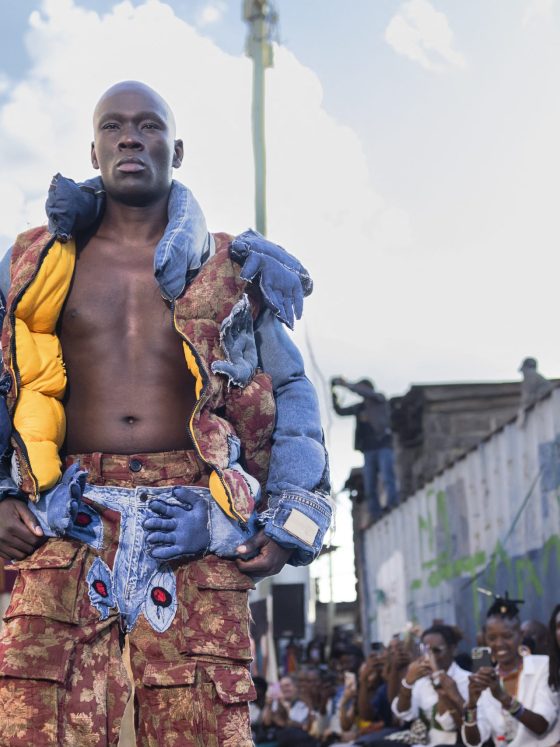
What is actually happening across Lagos, Accra, Nairobi, Dakar and Johannesburg is not emergence. It is a parallel economy that has been functioning, growing and self-sustaining for generations, built on retainer clients, wedding and ceremony economies, and diaspora remittance flows into garment commissions that never appear in any Western industry report. It operates entirely outside the validation systems that Western fashion depends on, and is largely unbothered by their absence.

This feature follows the money. It sits with master tailors who charge what their work is worth and have clients who understand why. It talks to the business minds behind the most sought-after African fashion houses about how they structured their finances without access to the venture capital routes available to their counterparts in London and New York. It asks what happens when an industry builds itself from the inside out, when the quality speaks first, and the story is told on its own terms, in its own time.

The bespoke economy is not a niche market waiting to be discovered by global fashion. It is a fully realised ecosystem that has been hiding in plain sight, not because it was concealed, but because too few people were looking in the right direction.

We are looking now. And what we are seeing is a masterclass in building something that lasts.

Total
0
Shares
Share 0
Tweet 0
Pin it 0
Avatar photo
Tobi Arowosegbe

arowosegbetobi13@gmail.com

You May Also Like
A Fashion Business Change, Explained: Who Is Affected and What Happens Next?
View Post
  • INDUSTRY

A Fashion Business Change, Explained: Who Is Affected and What Happens Next?

  • Peace Vera
  • October 22, 2026
Kenya’s Ota Kopa Fashion Loans: What the Published Terms Establish
View Post
  • Market Trends

Kenya’s Ota Kopa Fashion Loans: What the Published Terms Establish

  • Adams Moses
  • October 20, 2026
Peckham’s Hair-and-Beauty Economy Has More Than One Kind of Ownership
View Post
  • Retail & Commerce

Peckham’s Hair-and-Beauty Economy Has More Than One Kind of Ownership

  • Rex Clarke
  • October 20, 2026
From Runway to Rail: Testing Caribbean Fashion’s Retail Routes
View Post
  • Retail & Commerce

From Runway to Rail: Testing Caribbean Fashion’s Retail Routes

  • Tobi Arowosegbe
  • October 20, 2026
After the First Order: African Fashion’s Repeat-Production Test
View Post
  • Market Trends

After the First Order: African Fashion’s Repeat-Production Test

  • Peace Vera
  • October 20, 2026
AKAL House: Can Cultural Stewardship Become a Durable Fashion Business?
View Post
  • Editorial Intelligence

AKAL House: Can Cultural Stewardship Become a Durable Fashion Business?

  • Tobi Arowosegbe
  • October 19, 2026
Fashion Without Borders Still Meets Customs, Contracts and Cost
View Post
  • Editorial Intelligence

Fashion Without Borders Still Meets Customs, Contracts and Cost

  • Adams Moses
  • October 19, 2026
How Somali Women in London Make Home Through Clothing
View Post
  • Editorial Intelligence

How Somali Women in London Make Home Through Clothing

  • Peace Vera
  • October 19, 2026

Leave a Reply Cancel reply

Your email address will not be published. Required fields are marked *

The Omiren Argument

African fashion and culture are not emerging. They are foundational. We document, interpret, and argue for the full cultural weight of African and diaspora dress. With precision. Without apology.

Omiren Styles Fashion · Culture · Identity

All 54 African Nations
Caribbean · Afro-Latin America
The Global Diaspora

Platform

  • About Omiren Styles
  • Our Vision
  • Our Mission
  • Editorial Pillars
  • Editorial Policy
  • The Omiren Collective
  • Campus Style Initiative
  • Sustainable Style
  • Social Impact & Advocacy
  • Investor Relations

Contribute

  • Write for Omiren Styles
  • Submit Creative Work
  • Join the Omiren Collective
  • Campus Initiative
Contact
contact@omirenstyles.com
Our Reach

Africa — All 54 Nations
Caribbean
Afro-Latin America
Global Diaspora

African fashion intelligence, in your inbox.

Editorial features, designer profiles, cultural commentary. No noise.

© 2026 Omiren Styles — Rex Clarke Global Ventures Limited. All rights reserved.
  • Privacy Policy
  • Editorial Policy
  • Terms of Use
  • Accessibility
Africa · Caribbean · Diaspora
The Omiren Argument

African fashion and culture are not emerging. They are foundational. We document, interpret, and argue for the full cultural weight of African and diaspora dress. With precision. Without apology.

Omiren Styles Fashion · Culture · Identity
  • About Omiren Styles
  • Our Vision
  • Our Mission
  • Editorial Pillars
  • Editorial Policy
  • The Omiren Collective
  • Campus Style Initiative
  • Sustainable Style
  • Social Impact & Advocacy
  • Investor Relations
  • Write for Omiren Styles
  • Submit Creative Work
  • Join the Omiren Collective
  • Campus Initiative
Contact contact@omirenstyles.com

All 54 African Nations · Caribbean
Afro-Latin America · Global Diaspora

African fashion intelligence, in your inbox.

Editorial features, designer profiles, cultural commentary. No noise.

© 2026 Omiren Styles
Rex Clarke Global Ventures Limited.
All rights reserved.

  • Privacy Policy
  • Editorial Policy
  • Terms of Use
  • Accessibility
Africa · Caribbean · Diaspora

Input your search keywords and press Enter.

Newsletter Subscribe

The Omiren Style Index

The reference directory for African, Caribbean and Afro-Latin fashion. New entries, taxonomy updates and intelligence signals — once a month. No noise.

.newsletter-form{
max-width:500px;
margin:auto;
text-align:center;
padding:30px;
}

.newsletter-form h3{
margin-bottom:10px;
font-size:28px;
}

.newsletter-form p{
margin-bottom:20px;
color:#666;
}

.newsletter-form input{
width:100%;
padding:14px 18px;
border:1px solid #ddd;
margin-bottom:15px;
border-radius:4px;
}

.newsletter-form button{
width:100%;
padding:14px;
background:#000;
color:#fff;
border:none;
cursor:pointer;
text-transform:uppercase;
letter-spacing:1px;
}