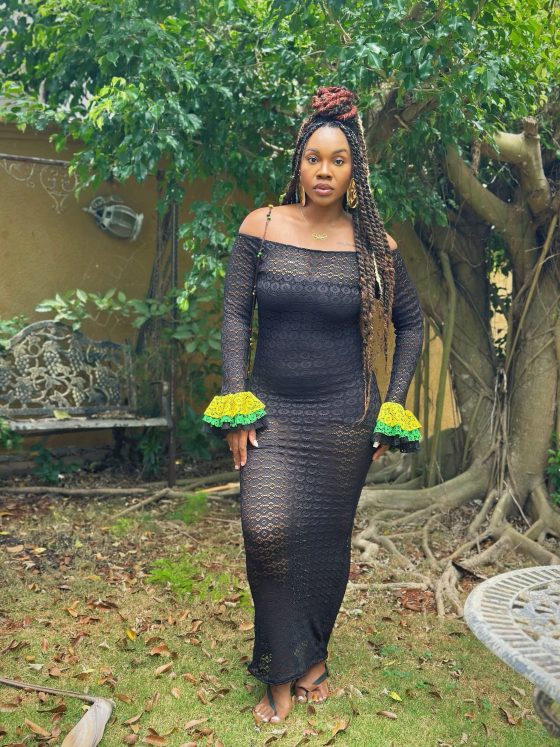
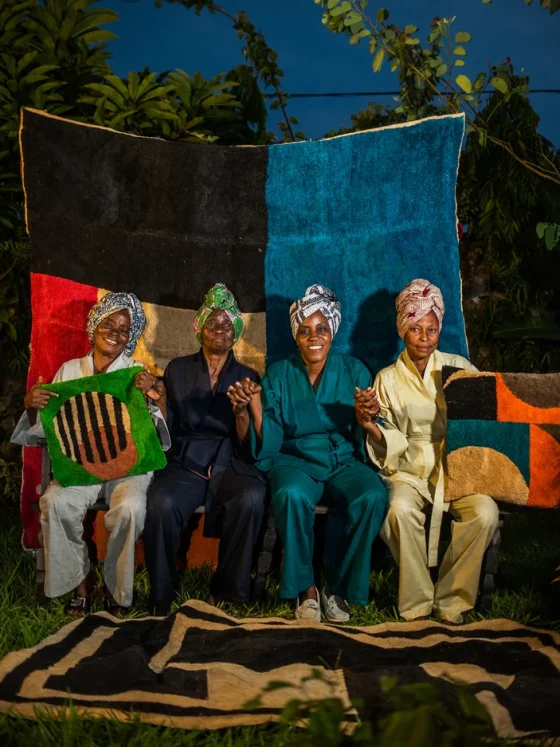
Fashion taste is often spoken of as if it were natural. A trend emerges, a designer gains recognition, and a particular aesthetic becomes desirable. But taste is not accidental. It is shaped, approved, circulated, and protected by systems of power. Designers may create, but they are rarely the sole arbiters of what is considered fashionable.
Today, fashion taste is decided through a network of editors, stylists, buyers, institutions, and platforms. Understanding how this system works is essential to understanding why certain designers gain authority while others remain visible but unsupported. When viewed through African examples, this system becomes even clearer.
Who really decides fashion taste today? An in-depth look at power, influence, and how African creatives are shaping authority in global fashion systems.
Taste Is No Longer Singular
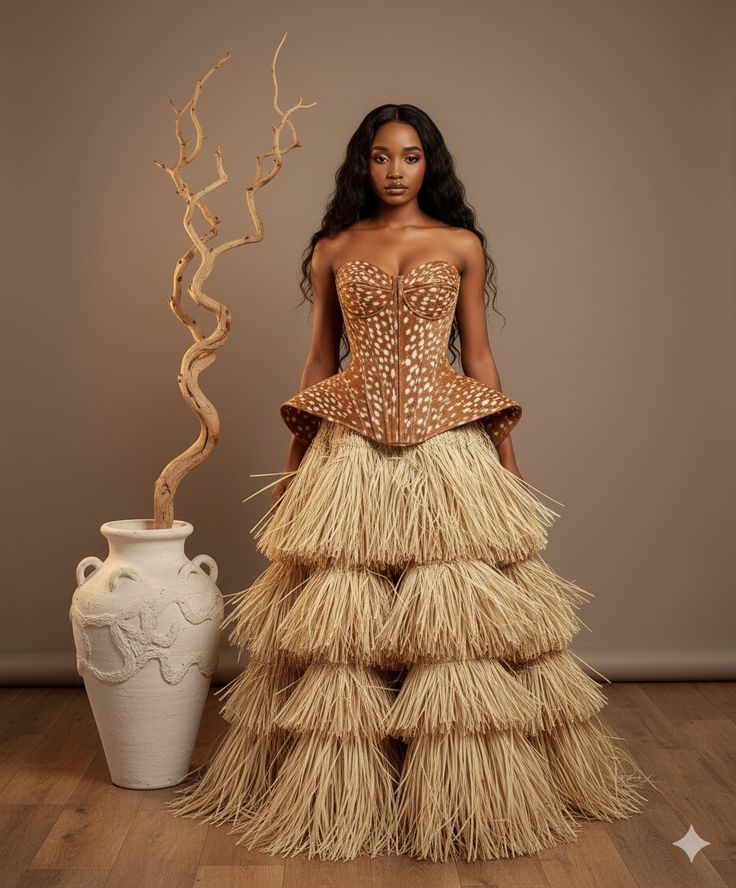
For much of fashion history, taste was framed as designer-led. A small number of fashion houses dictated silhouettes, materials, and ideas, while the rest of the industry followed. That structure no longer reflects reality.
Fashion tastes today are distributed. It is negotiated across editorial rooms, styling decisions, retail floors, award juries, and cultural institutions. A designer’s work only becomes “good taste” once it is interpreted, endorsed, and circulated by these systems.
African fashion exposes these dynamics clearly. African designers have consistently produced strong aesthetics, textiles, and dress systems. What they lacked was not taste, but access to the systems that validate taste globally.
What “Taste” Means in Fashion Today
Taste is often confused with style. Style is personal. Taste is structural.
In contemporary fashion, ‘taste’ refers to what is accepted as legitimate, refined, and worthy of attention. It includes those stocked by major retailers, those reviewed seriously by editors, those shortlisted for awards, and those placed in museums and archives.
For decades, African fashion was often framed as an inspiration rather than a source of authorship. Designers were praised for colour, craftsmanship, or heritage but rarely granted the authority afforded to their European counterparts. Taste existed, but legitimacy was withheld.
Today, that separation is narrowing, not because taste has changed, but because access to power has expanded.
Editors and the Framing of Taste

Editors play a central role in shaping taste because they decide how fashion is interpreted. Coverage alone is not power. Framing is.
Edward Enninful’s tenure at British Vogue is a clear example. His influence was not about inclusion for its own sake. It was about shifting how fashion imagery communicates authority. Under his editorial leadership, designers and creatives of African descent were not presented as alternatives but as central to the fashion conversation.
This distinction matters. Many African designers were visible long before they were taken seriously. Editorial authority is what turns visibility into legitimacy.
Stylists as Visual Gatekeepers
If editors frame meaning, stylists control perception.
Stylists decide how garments fit the body, the mood of an image, and the cultural references associated with clothing. Before African designers were institutionally recognised, they were often introduced to global audiences through styling.
Ib Kamara’s work demonstrates this power. As a stylist and editor, he reshaped how African and diasporic designers were presented, not as novelty but as intellectually and emotionally grounded fashion. Styling did not just make the clothes visible. It made them readable within the global fashion language.
This process matters because styling often precedes institutional approval. Taste is learned visually before it is validated formally.
Buyers and Retail as Taste-Makers
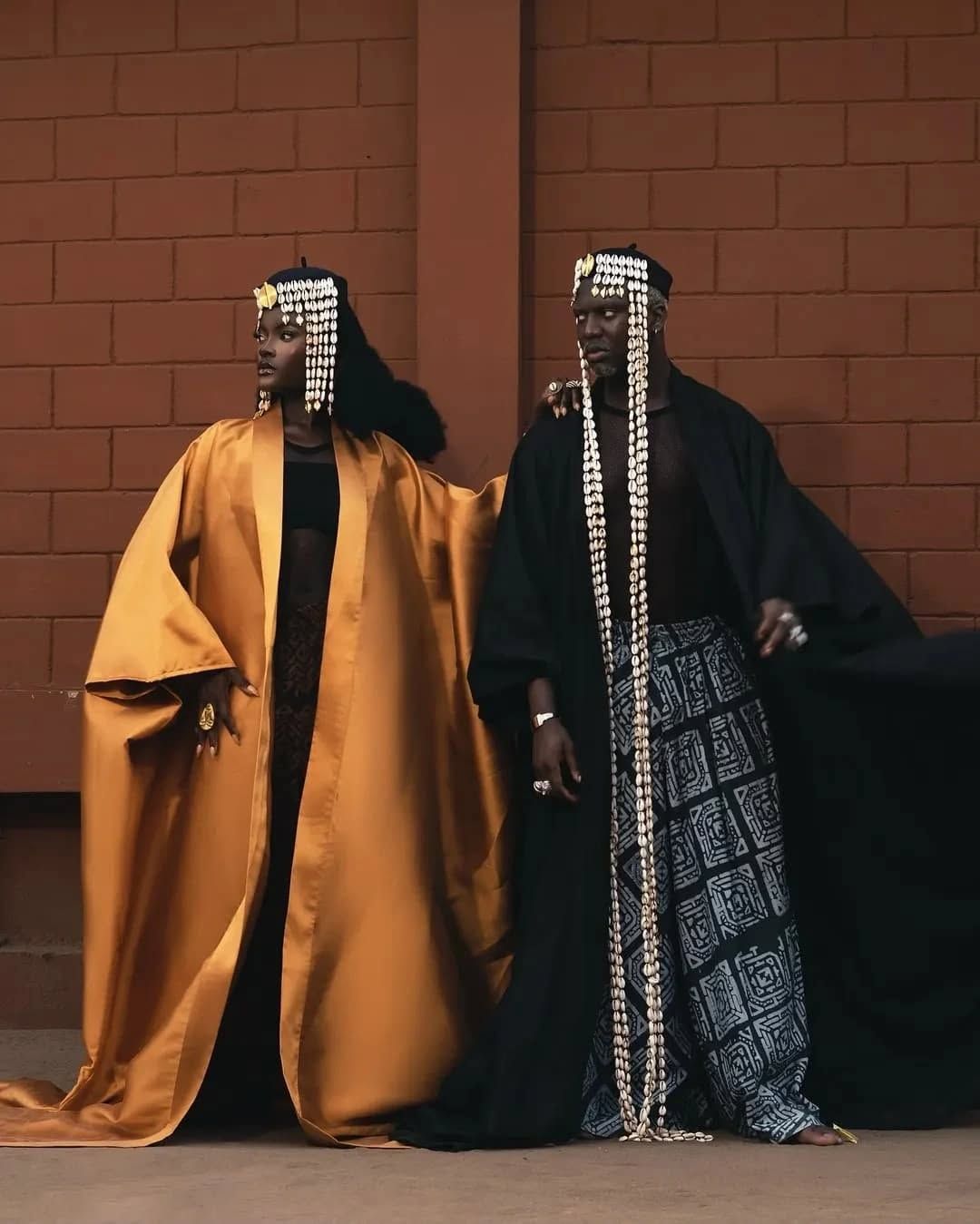
Buyers convert taste into commerce. Their decisions determine which designers move from editorial recognition into sustainable businesses.
For many African designers, international buyers played a critical role in validation long before local retail systems had the capacity to support them at scale. Respected retailers signalled confidence, not charity, by stocking them.
Retail endorsement does not follow hype. It follows perceived longevity. When buyers commit to designers season after season, they are effectively declaring those designers carriers of taste, not of temporary interest.
Institutions, Awards, and the Granting of Authority Play a Crucial Role in the Fashion Industry.
Fashion councils, prizes, and trusts are among the most powerful arbiters of taste. It formalises recognition and signals long-term belief.
African designers shortlisted or awarded by institutions such as the LVMH Prize, CFDA, British Fashion Council, and Fashion Trusts experience a shift in positioning. They are no longer framed as emerging indefinitely. They are treated as peers.
Thebe Magugu’s LVMH Prize win marked such a moment. It did not create his talent. It changed how institutions engaged with his work. Awards do not invent taste. They legitimise it.
Platforms and the Limits of Visibility
Digital platforms expanded access to fashion visibility, especially for African designers. Social media allowed designers to bypass traditional gatekeepers and reach global audiences directly.
But visibility alone does not decide taste. Algorithms amplify what is engaging, not what is enduring. Many African designers achieved online attention without receiving institutional backing or retail support.
This distinction matters. Visibility raises awareness. Authority creates longevity. Fashion taste is ultimately shaped by systems that can support designers beyond the moment.
RECOMMENDED:
- What New Year Fashion Has Always Represented
- The Next Generation of Fashion Innovators: What Will Shape 2026
Designers Within the New Taste System
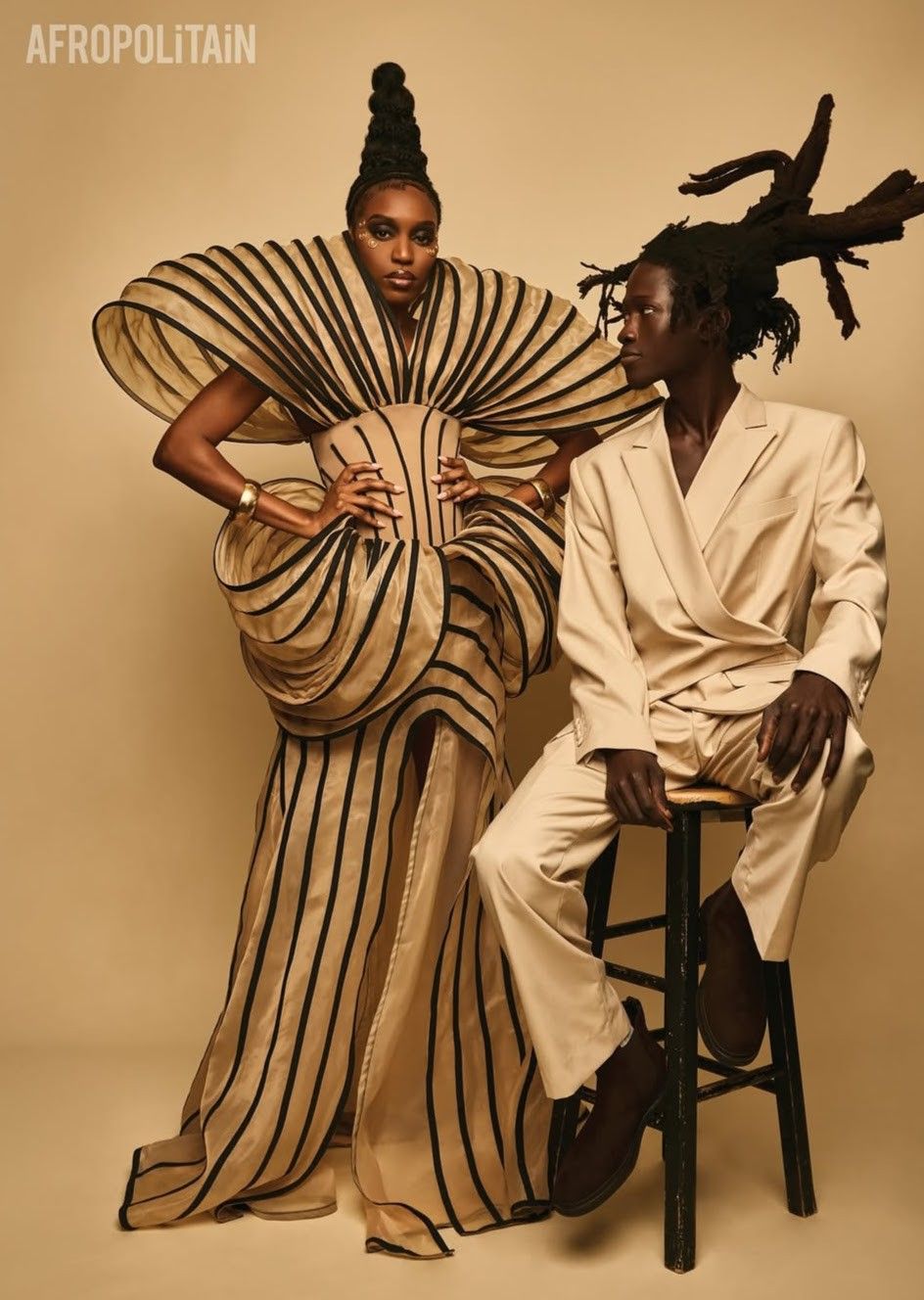
Designers today are no longer passive recipients of taste. Many African designers now participate actively shape it.
Through narrative control, consistent visual language, and strategic engagement with institutions, they move from being interpreted to being recognised. Designers who understand how taste systems operate are better positioned to sustain influence.
This shift does not mean designers control taste alone. It means they now negotiate power within the system, rather than standing outside it.
So, Who Really Determines Taste Today?
No single group holds absolute authority. Taste today is decided through a network:
- Editors frame meaning
- Stylists shape perception
- Buyers validate market readiness
- Institutions formalise legitimacy.
- Platforms amplify visibility
African fashion’s growing authority shows that taste is not fixed. It responds to access, structure, and participation.
Understanding Taste Is Understanding Power
Fashion taste has never been neutral. It has always reflected who holds power, who controls access, and whose narratives are protected.
The current shift is not about Africa’s discovery. It is about African creatives entering the systems that decide taste. That distinction is critical.
To understand fashion today is to know how authority is built quietly, structurally, and over time. Taste follows power. Always has.
FAQs
1. Who decides taste in fashion today?
Fashion taste is shaped collectively by editors, stylists, buyers, institutions, and platforms. Designers create, but authority is distributed across these systems.
2. Why is taste in fashion considered a form of power?
Taste determines legitimacy, visibility, and longevity. Those who control framing, endorsement, and access shape are valued, as are designers and aesthetics.
3. How have African designers influenced global fashion taste?
African designers have influenced fashion through strong narratives, craft, and cultural clarity. Increased access to institutions has transformed visibility into authority.
4. Is social media enough to establish fashion authority?
No. While social platforms create visibility, long-term fashion authority depends on institutional support, retail validation, and sustained editorial framing.
5. How is fashion taste changing globally?
Taste is being decentralised and negotiated across cultures and systems. Authority is shifting from a singular fashion capital to globally connected networks.