Menu
  • DIASPORA
    • Diaspora Voices
    • UK Scene
    • US Scene
    • Caribbean Diaspora
    • Afro-Latino Identity
    • Migration & Identity
  • CULTURE
    • Style & Identity
    • Black Culture
    • Heritage Stories
    • Ceremony & Ritual
    • Art & Music
    • Cultural Inspirations
  • FASHION
    • Trends
    • Street Style
    • Runway
    • Sustainable Fashion
    • Tailoring
    • Luxury Fashion
  • INDUSTRY
    • Editorial Intelligence
    • Market Trends
    • Brand Strategy
    • Retail & Commerce
    • Partnerships
    • Reports
      • Omiren Style Index
    • Insights
  • BEAUTY
    • Skincare
    • Makeup
    • Hair & Hairstyle
    • Fragrance
    • Beauty Traditions
    • Natural Beauty
  • MEN
    • Men’s Style
    • Grooming Traditions
    • Traditional & Heritage
    • The Modern African Man
    • Menswear Designers
  • WOMEN
    • Women’s Style
    • Evening Glam
    • Workwear & Professional
    • Streetwear for Women
    • Accessories & Bags
    • Bridal
  • NEWS
    • Cover Stories
    • Fashion Weeks
    • Opinion & Commentary
    • Style Icons
    • Rising Stars
  • DIRECTORY
    • Designers
    • Brands
    • Boutiques
    • Stylists
    • Models
    • Photographers
    • Creative Teams
    • Events
    • Production
    • Materials & Suppliers
Subscribe
OMIREN STYLES OMIREN STYLES

Fashion · Culture · Identity

OMIREN STYLES OMIREN STYLES OMIREN STYLES OMIREN STYLES
  • DIASPORA
    • Diaspora Voices
    • UK Scene
    • US Scene
    • Caribbean Diaspora
    • Afro-Latino Identity
    • Migration & Identity
  • CULTURE
    • Style & Identity
    • Black Culture
    • Heritage Stories
    • Ceremony & Ritual
    • Art & Music
    • Cultural Inspirations
  • FASHION
    • Trends
    • Street Style
    • Runway
    • Sustainable Fashion
    • Tailoring
    • Luxury Fashion
  • INDUSTRY
    • Editorial Intelligence
    • Market Trends
    • Brand Strategy
    • Retail & Commerce
    • Partnerships
    • Reports
      • Omiren Style Index
    • Insights
  • BEAUTY
    • Skincare
    • Makeup
    • Hair & Hairstyle
    • Fragrance
    • Beauty Traditions
    • Natural Beauty
  • MEN
    • Men’s Style
    • Grooming Traditions
    • Traditional & Heritage
    • The Modern African Man
    • Menswear Designers
  • WOMEN
    • Women’s Style
    • Evening Glam
    • Workwear & Professional
    • Streetwear for Women
    • Accessories & Bags
    • Bridal
  • NEWS
    • Cover Stories
    • Fashion Weeks
    • Opinion & Commentary
    • Style Icons
    • Rising Stars
  • DIRECTORY
    • Designers
    • Brands
    • Boutiques
    • Stylists
    • Models
    • Photographers
    • Creative Teams
    • Events
    • Production
    • Materials & Suppliers
  • Women

Women at the Helm: The New Power Shaping Social Impact

  • Ayomidoyin Olufemi
  • December 18, 2025
Women at the Helm: The New Power Shaping Social Impact
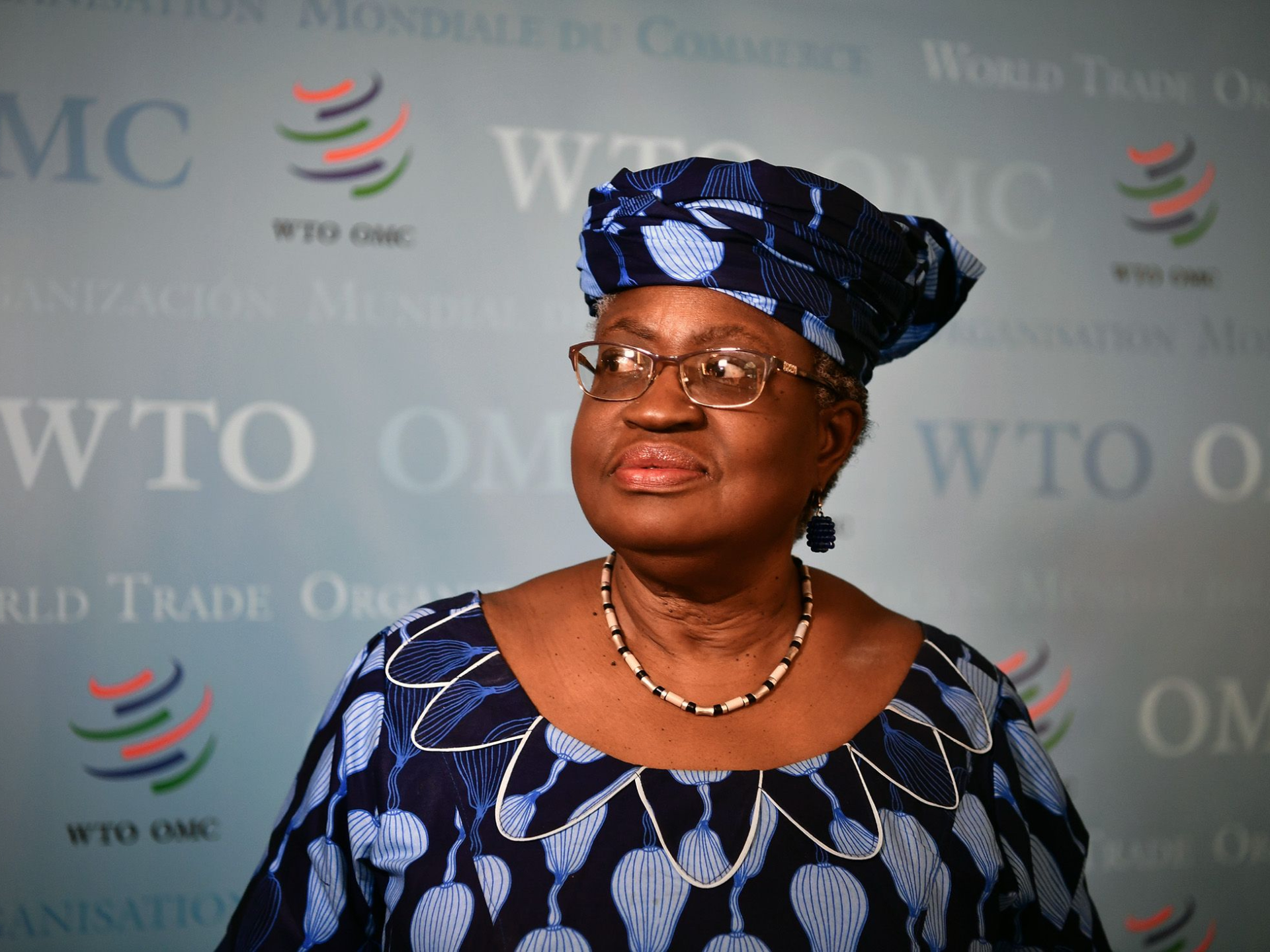
Ngozi Okonjo-Iweala | Al Jazeera.
Total
0
Shares
0
0
0

Power does not always announce itself. In today’s global landscape, some of the most consequential decisions shaping health systems, education access, humanitarian response, and economic inclusion are being made quietly, deliberately, and often outside electoral politics.

A distinct class of women now operates at this level. They lead nonprofit institutions, governance foundations, and multilateral organisations that sit at the intersection of policy, funding, and global coordination. Their influence is not symbolic. It is structural.

This is leadership expressed through systems rather than spectacle.

An inside look at women leading global nonprofits and foundations, shaping policy, governance, and long-term social influence beyond visibility.

When Nonprofits Become Power Centres

The word ‘nonprofit’ often misleads. It suggests charity, goodwill, or peripheral influence. In reality, the most effective nonprofit organisations function as power centres.

They shape policy frameworks

They control multi-billion-dollar funding pipelines

They advise governments, multilateral bodies, and private capital

They operate across borders with diplomatic weight.

Leadership at this level requires more than empathy. It requires fluency in governance, finance, geopolitics, and long-term institutional strategy.

Women at the helm of these organisations are not responding to crises alone. They are shaping the conditions that determine whether crises emerge, persist, or resolve.

Six Women Operating at the Highest Level of Social Impact

These leaders are not profiled for visibility. They are included for reach, authority, and legacy-scale influence.

Ngozi Okonjo-Iweala
Ngozi Okonjo-Iweala
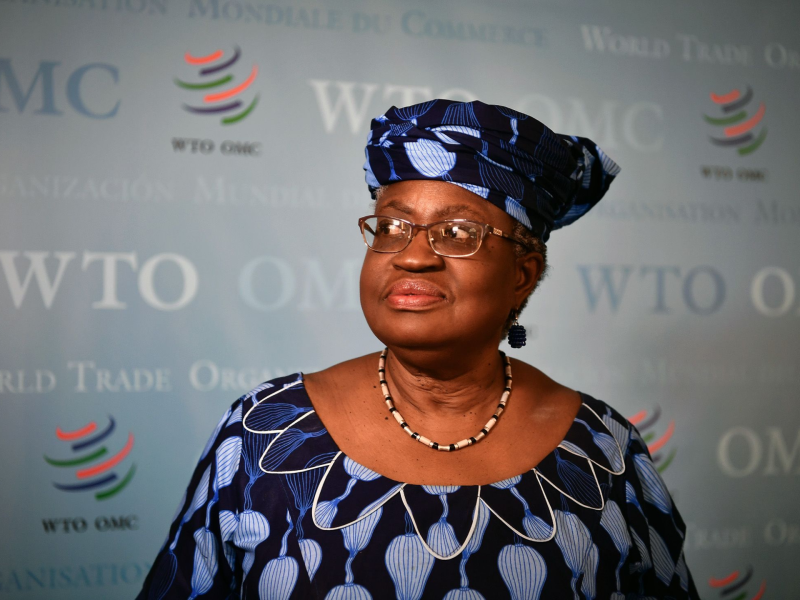
Ngozi Okonjo-Iweala | Photo: Al Jazeera.

Ngozi Okonjo-Iweala operates at the highest level of global economic governance. As Director-General of the World Trade Organisation, she shapes trade rules, development frameworks, and monetary policy outcomes that affect nations, markets, and livelihoods worldwide.

Her leadership represents institutional authority rather than advocacy. She works within multilateral systems where policy, diplomacy, and economic power intersect. Her presence reframes how leadership from the Global South participates in global decision-making at scale, influencing trade equity, financial resilience, and international cooperation.

Her role exemplifies structural influence, not symbolic.

Winnie Byanyima
Winnie Byanyima
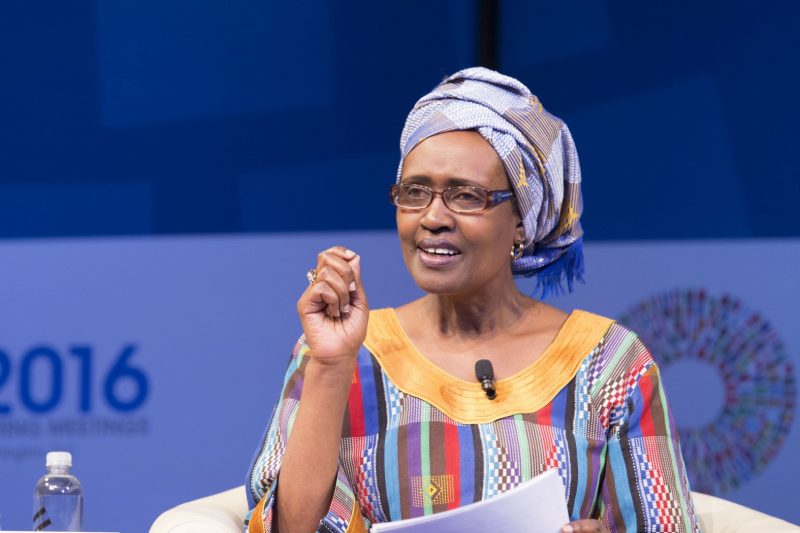
Executive Director, UNAIDS, Winnie Byanyima | Photo: Premium Times.

Winnie Byanyima leads one of the most influential global health institutions in the world. Her work operates at the convergence of public health policy, international diplomacy, and funding governance. Under her leadership, UNAIDS does not merely respond to health outcomes; it negotiates with governments, donors, and global agencies to shape how health equity is defined and delivered.

Her influence extends far beyond healthcare. It touches human rights, gender equity, and economic access at a policy level.

Amina J. Mohammed
Amina J. Mohammed
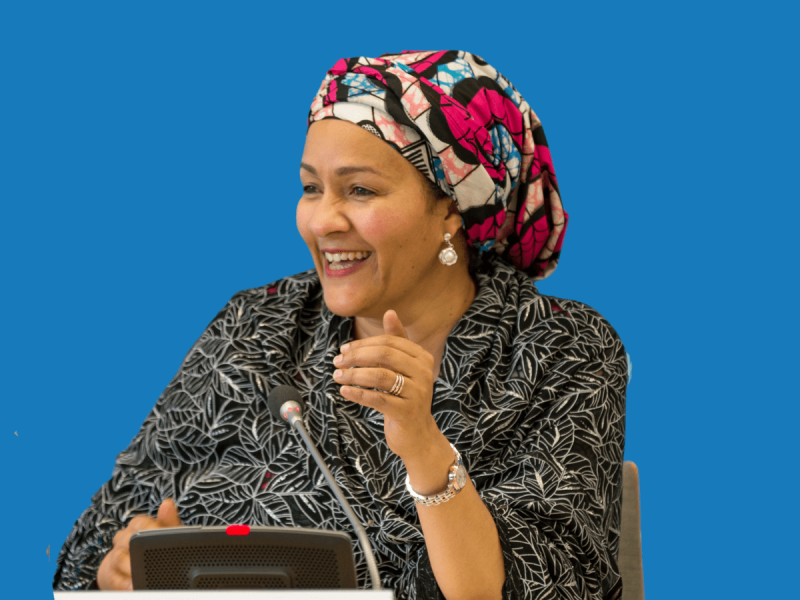
Deputy Secretary-General, United Nations, Amina J. Mohammed | Photo: The New African Woman.

Operating at the highest tier of global governance, Amina Mohammed’s role shapes how international development priorities are coordinated across nations. Her leadership influences climate policy, sustainable development frameworks, and global cooperation mechanisms.

She represents a form of power that is systemic rather than visible. Decisions made at this level ripple across economies, institutions, and generations.

Graça Machel
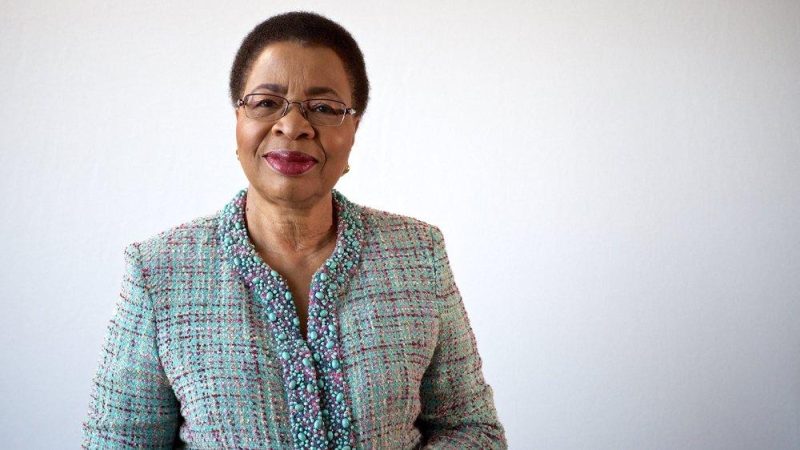
Founder, Graça Machel Trust
Graça Machel | Photo: UN Office for Partnerships.

Legacy thinking anchors Machel’s leadership. Through governance-focused philanthropy, her work, Graça Macheal Trust, centres on women’s leadership, children’s rights, and social justice within policy ecosystems rather than isolated interventions.

Her influence is felt in boardrooms, international forums, and advisory councils where long-term societal direction is negotiated rather than debated publicly.

Agnes Binagwaho
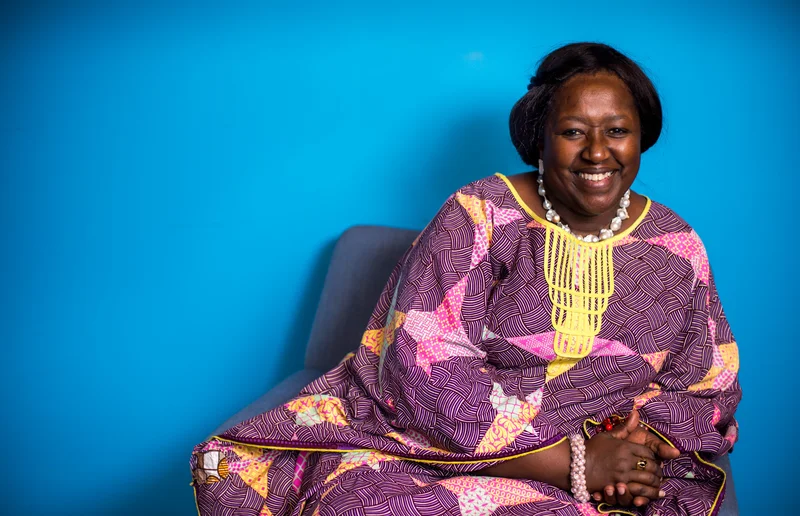
Agnes Binagwaho
Global Health Leader and Academic Executive, Agnes Binagwaho | Photo: NPR.

Binagwaho operates at the intersection of healthcare delivery, institutional reform, and global health education. Her leadership extends from national policy reform to shaping how future leaders are trained to think about health systems.

This is an impact measured not only in outcomes but also in capacity-building and institutional continuity.

Ndidi Okonkwo Nwuneli
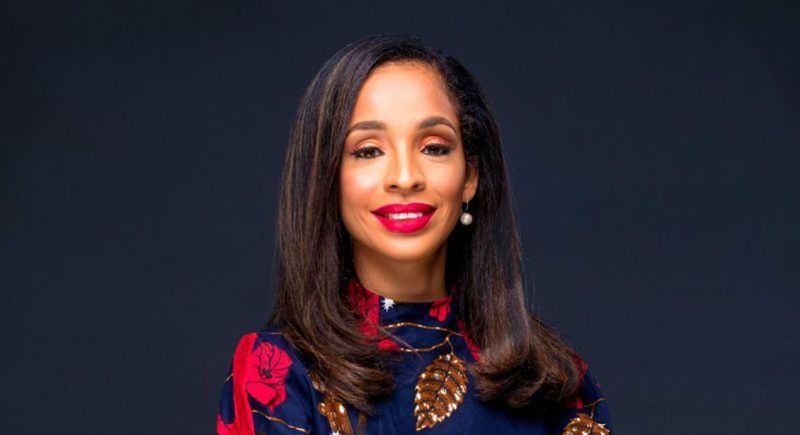
Ndidi Okonkwo Nwuneli
Co-founder, Sahel Consulting, Ndidi Okonkwo Nwuneli | Photo: Guardian.

Nwuneli’s work bridges policy advocacy, agricultural systems, and economic development across multiple regions. Her leadership operates within networks that influence food security policy, investment strategy, and public-private collaboration.

She exemplifies nonprofit leadership that speaks the language of markets as fluently as that of social outcomes.

READ ALSO:

  • How Today’s Billionaires Redefine Power and Wealth
  • 10 Women Leading Global Media: Redefining Journalism and Entertainment  

Lifestyle, Diplomacy, and the Geography of Influence

These women do not exist within a single space. Their lives move fluidly between global capitals, policy summits, boardrooms, and private strategy sessions.

Their lifestyle is not performative. It is functional.

Influence at this level demands:

  • comfort in diplomatic environments
  • command of institutional language
  • credibility across public and private sectors

This is power expressed through proximity to decision-making, not visibility on platforms.

What Legacy Looks Like Without Spectacle

Legacy, in this context, is not about name recognition.

It is about institutional endurance.

These leaders build systems that continue functioning after they leave the room. They shape frameworks that outlast political cycles and public attention. Their success is often measured years later, when policies hold, institutions remain credible, and governance structures endure.

This is leadership that does not seek applause.

It seeks permanence.

Why This Moment Matters

The growing presence of women at this level signals a shift in how global power is exercised. Social impact is no longer framed solely as a moral obligation. It is understood as governance, strategy, and influence.

Nonprofits are no longer adjacent to power.

They are part of its architecture.

And the women leading them are not emerging voices.

They are already shaping outcomes.

FAQs

  • Are these women activists or policymakers?

They operate primarily as institutional leaders and policy influencers, not activists.

  • Why focus on nonprofit leadership instead of government roles?

Nonprofits and global institutions are increasingly shaping policy, funding, and implementation at scale.

  • What distinguishes leadership at this level?

The leadership at this level is distinguished by its institutional reach, governance authority, and long-term strategic impact.

  • Is this about representation or power?

Power. Specifically, how it is exercised beyond public visibility.

  • Why does legacy matter more than visibility here?

This is because enduring systems, rather than personal recognition, determine lasting impact.

Post Views: 325
Total
0
Shares
Share 0
Tweet 0
Pin it 0
Related Topics
  • Female Power Movements
  • Social Change Leaders
  • Women Leadership Impact
Avatar photo
Ayomidoyin Olufemi

ayomidoyinolufemi@gmail.com

You May Also Like
Top 5 Wax Print Styles for Baoulé Women in 2026
View Post
  • Women's Style

Top 5 Wax Print Styles for Baoulé Women in 2026

  • Rex Clarke
  • April 17, 2026
Dressed for Power: How African Women in Politics Turn Clothing Into a Political Language
View Post
  • Women's Style

Dressed for Power: How African Women in Politics Turn Clothing Into a Political Language

  • Philip Sifon
  • April 16, 2026
Why Some Clothes Are Kept Forever: The Emotional Value of What We Wear
View Post
  • Opinion & Commentary
  • Women's Style

Why Some Clothes Are Kept Forever: The Emotional Value of Clothing

  • Fathia Olasupo
  • April 10, 2026
Maternity Fashion in Africa: Celebrating the Changing Body, Challenging the Invisible
View Post
  • Cultural Inspirations
  • Women's Style

Maternity Fashion in Africa: Celebrating the Changing Body, Challenging the Invisible

  • Philip Sifon
  • April 10, 2026
Top 5 Tie-Dye Styles for Mandinka Women in 2026
View Post
  • Traditional to Modern Styles
  • Women's Style

Top 5 Tie-Dye Styles for Mandinka Women in 2026

  • Rex Clarke
  • April 9, 2026
Post-Lenten Lustre Reset: Sustainable Workwear and Modern Women’s Style
View Post
  • Workwear & Professional

Post-Lenten Lustre Reset: Sustainable Workwear and Modern Women’s Style

  • Faith Olabode
  • April 7, 2026
Why Personal Style Takes Time: Identity, Memory, and Power
View Post
  • Opinion & Commentary
  • Women's Style

Why Personal Style Takes Time: Identity, Memory, and Power

  • Heritage Oni
  • April 7, 2026
Dressing for Transition: How Style Evolves When Your Life Is Changing
View Post
  • Trends
  • Women's Style

Dressing for Transition: How Style Evolves When Your Life Is Changing

  • Fathia Olasupo
  • March 30, 2026

Leave a Reply Cancel reply

Your email address will not be published. Required fields are marked *

The Omiren Argument

African fashion and culture are not emerging. They are foundational. We document, interpret, and argue for the full cultural weight of African and diaspora dress. With precision. Without apology.

Omiren Styles Fashion · Culture · Identity

All 54 African Nations
Caribbean · Afro-Latin America
The Global Diaspora

Platform

  • About Omiren Styles
  • Our Vision
  • Our Mission
  • Editorial Pillars
  • Editorial Policy
  • The Omiren Collective
  • Campus Style Initiative
  • Sustainable Style
  • Social Impact & Advocacy
  • Investor Relations

Contribute

  • Write for Omiren Styles
  • Submit Creative Work
  • Join the Omiren Collective
  • Campus Initiative
Contact
contact@omirenstyles.com
Our Reach

Africa — All 54 Nations
Caribbean
Afro-Latin America
Global Diaspora

African fashion intelligence, in your inbox.

Editorial features, designer profiles, cultural commentary. No noise.

© 2026 Omiren Styles — Rex Clarke Global Ventures Limited. All rights reserved.
  • Privacy Policy
  • Editorial Policy
  • Terms of Use
  • Accessibility
Africa · Caribbean · Diaspora
The Omiren Argument

African fashion and culture are not emerging. They are foundational. We document, interpret, and argue for the full cultural weight of African and diaspora dress. With precision. Without apology.

Omiren Styles Fashion · Culture · Identity
  • About Omiren Styles
  • Our Vision
  • Our Mission
  • Editorial Pillars
  • Editorial Policy
  • The Omiren Collective
  • Campus Style Initiative
  • Sustainable Style
  • Social Impact & Advocacy
  • Investor Relations
  • Write for Omiren Styles
  • Submit Creative Work
  • Join the Omiren Collective
  • Campus Initiative
Contact contact@omirenstyles.com

All 54 African Nations · Caribbean
Afro-Latin America · Global Diaspora

African fashion intelligence, in your inbox.

Editorial features, designer profiles, cultural commentary. No noise.

© 2026 Omiren Styles
Rex Clarke Global Ventures Limited.
All rights reserved.

  • Privacy Policy
  • Editorial Policy
  • Terms of Use
  • Accessibility
Africa · Caribbean · Diaspora

Input your search keywords and press Enter.