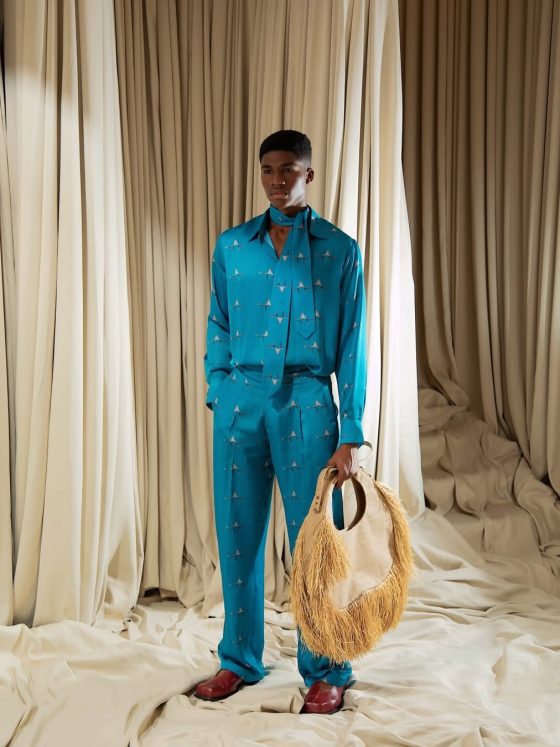
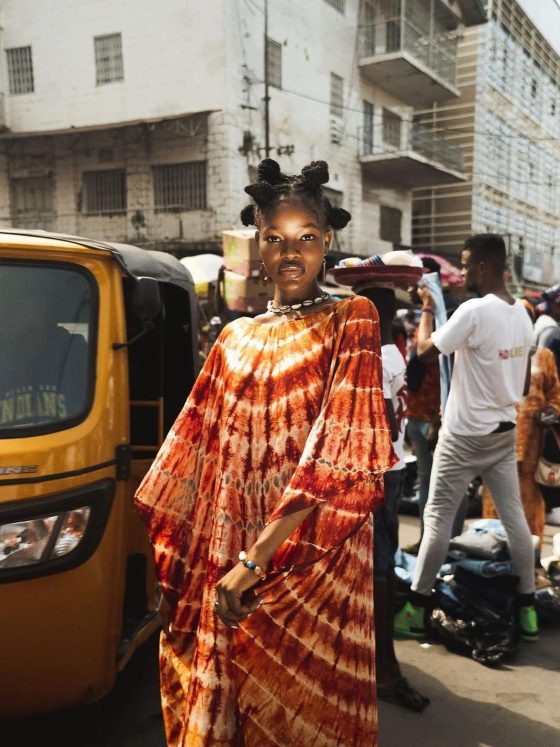
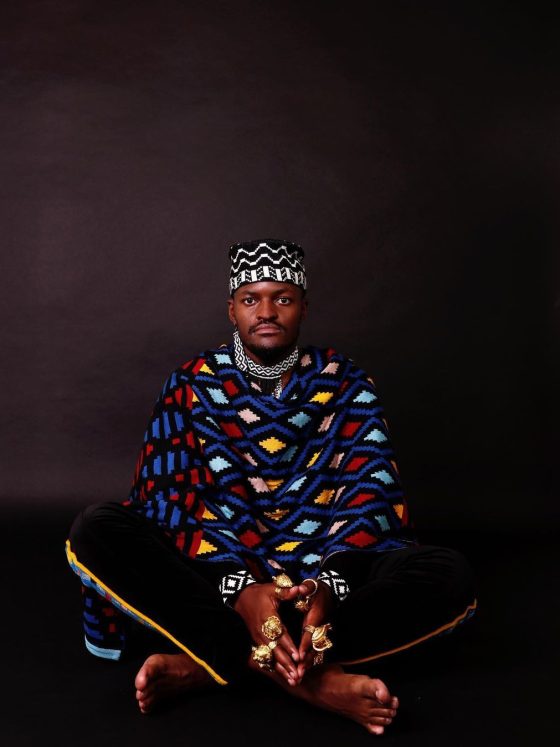
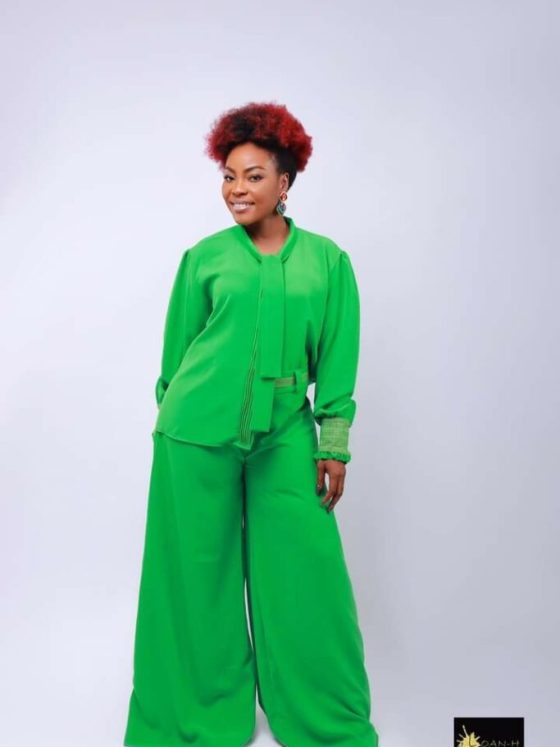
Style forms in places where power, culture, and personal conviction meet. Across industries, specific individuals have shaped how style is understood, not by chasing fashion cycles but by presenting themselves consistently and with purpose.
These figures influenced taste in different ways. Some used appearance to reinforce authority. Others turned style into a creative language that travelled through music, film, design, and public life. What links them is not trend relevance, but longevity. Their choices continue to shape contemporary interpretations of elegance, confidence, and identity.
This article examines eight figures whose personal style left a lasting imprint, tracing how influence moved to creative spaces and how intentional dressing became a form of leadership.
An editorial look at style icons whose personal taste shaped leadership, creativity, and modern fashion across industries and worldwide now.
Contemporary Style Icons Shaping Taste
1. Amina Muaddi (Romania / Jordan, raised in Africa – Tunisian roots)
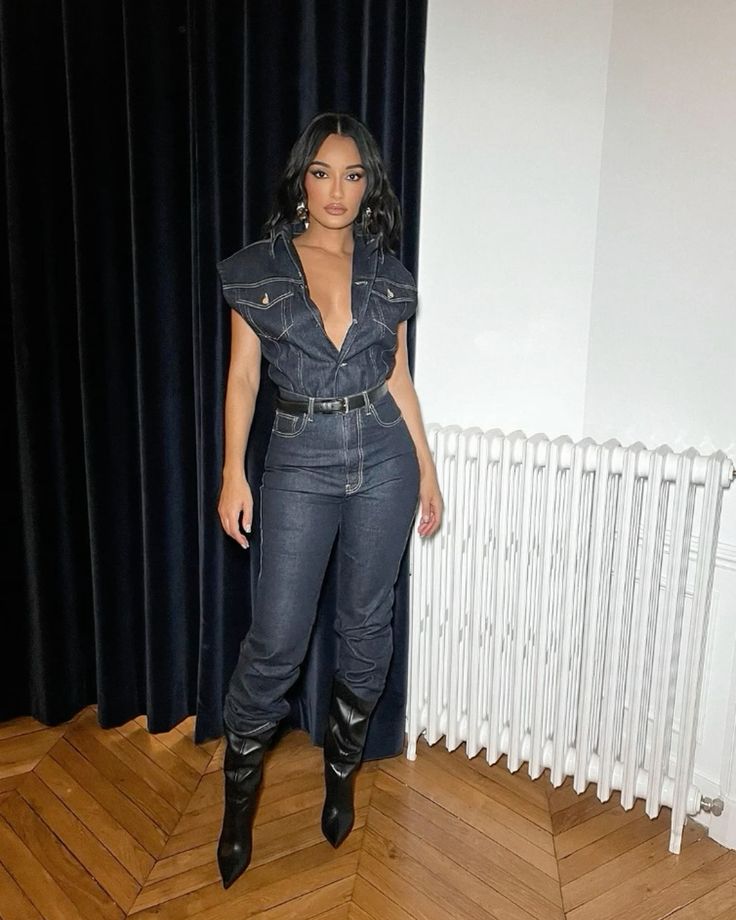
Amina Muaddi has become one of the most influential footwear designers working today. Her personal style mirrors her brand: sharp, confident, and modern. She has a clear understanding of silhouette and impact, often favouring clean lines and strong statements. Her visibility across global fashion capitals has helped reposition African-connected designers as leaders rather than niche voices.
2. Thebe Magugu (South Africa)
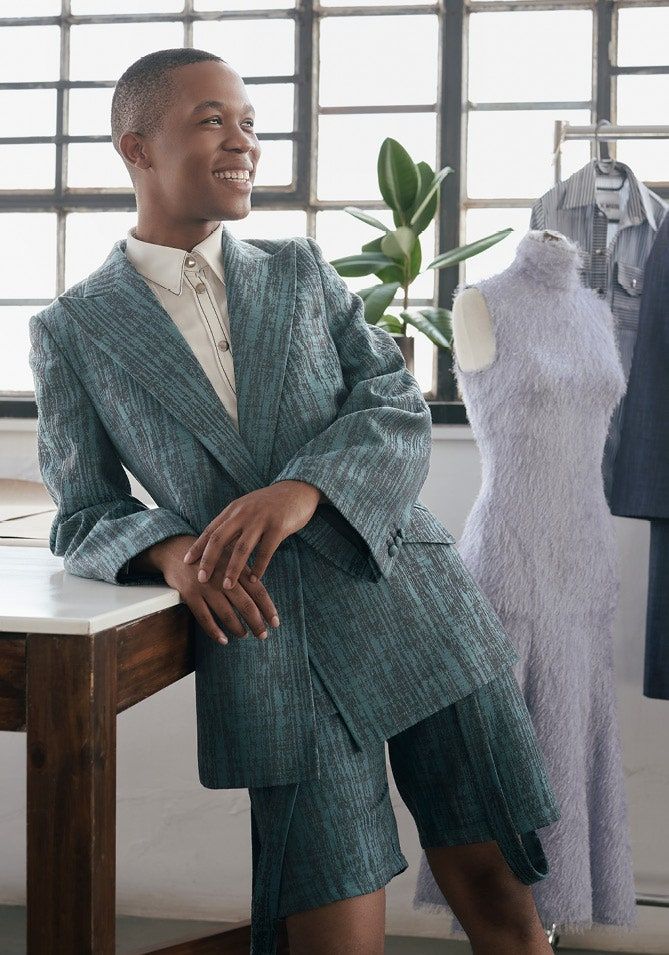
Thebe Magugu’s style reflects discipline and thoughtfulness. His presentation aligns with his design philosophy of clarity, structure, and meaning. He represents a generation of designers whose personal appearance reinforces intellectual authority within fashion spaces.
3. Ibrahim Kamara (Sierra Leone)
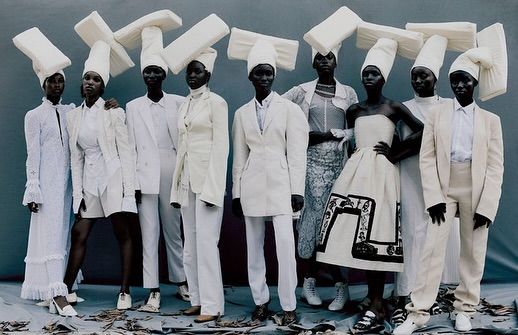
As editor-in-chief of Dazed, Ibrahim Kamara’s personal style is experimental yet controlled. He understands fashion as image-making and storytelling. Contemporary editorials showcase his influence by balancing bold ideas with strong visual coherence. Kamara has transformed the perception of African creatives in global fashion media.
4. Nandi Madida (South Africa)
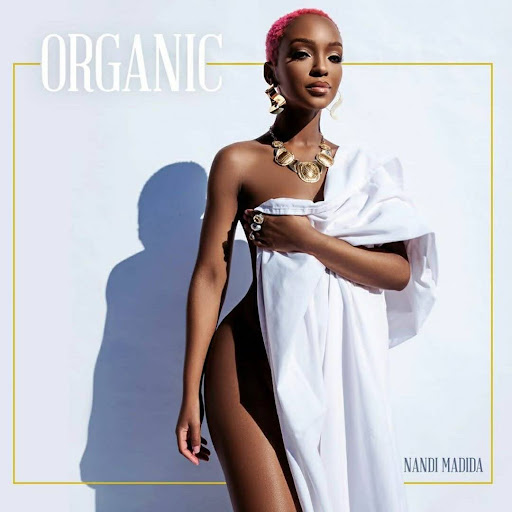
Nandi Madida’s style combines polish with ease. Her appearances consistently reflect an understanding of fit, colour, and occasion. Over the years, she has become a reference point for modern elegance, particularly for women navigating fashion, media, and public life simultaneously.
5. Mayowa Nicholas (Nigeria)
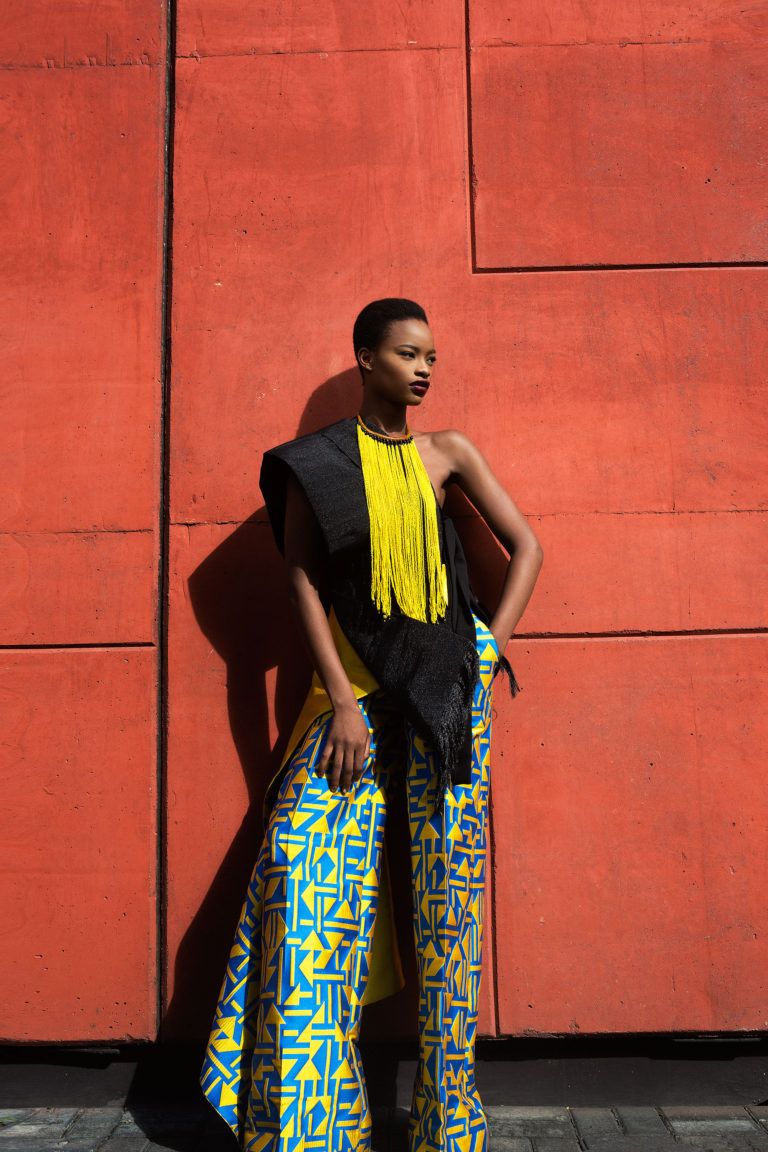
As an international runway and editorial model, Mayowa Nicholas brings clarity and professionalism to personal style. Off the runway, her wardrobe choices lean toward simplicity and strong tailoring. She represents how models influence fashion beyond campaigns, shaping everyday ideas of elegance and confidence.
6. Selly Raby Kane (Senegal)
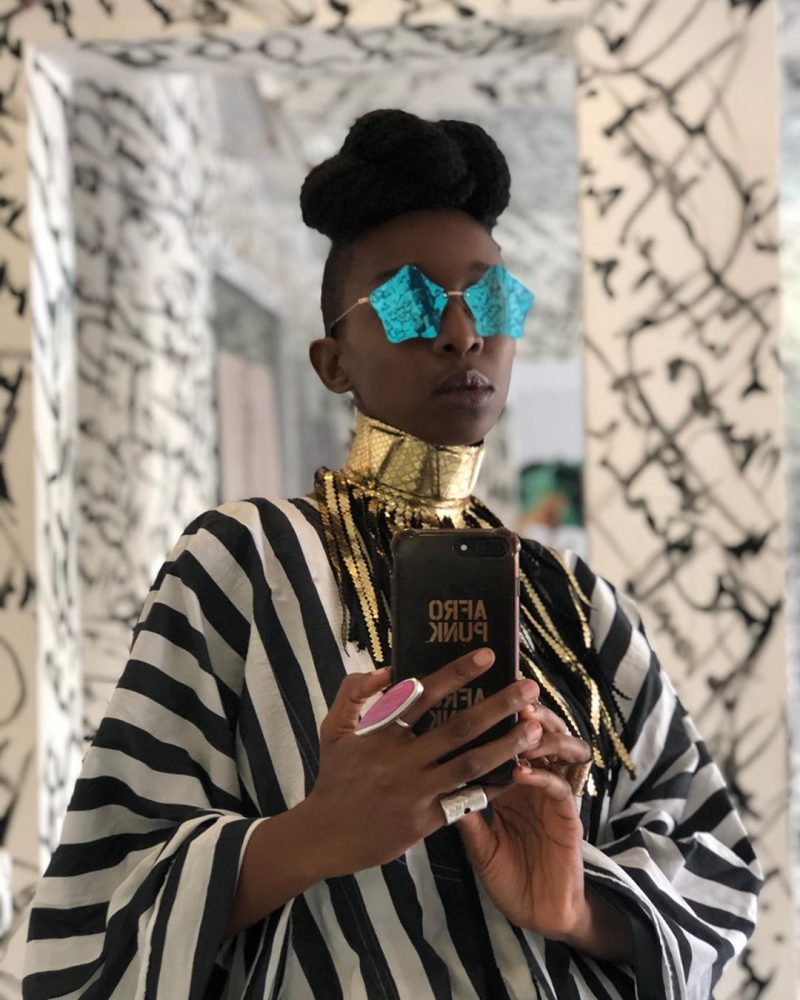
Selly Raby Kane’s style is expressive and imaginative, rooted in storytelling rather than trends. Her personal presentation blurs the line between fashion, art, and performance. She has influenced a generation of creatives who see clothing as a narrative tool rather than a seasonal exercise.
7. Rich Mnisi (South Africa)
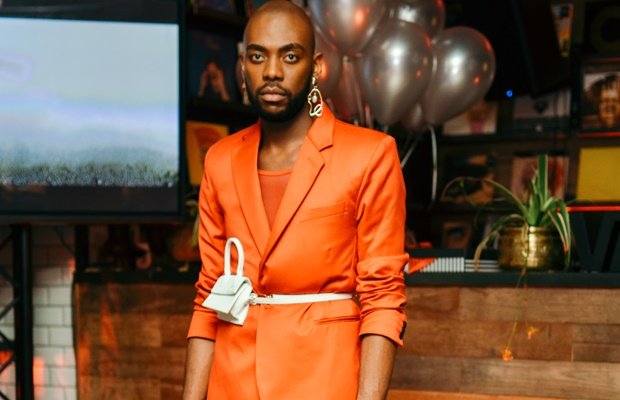
Rich Mnisi’s personal style is fluid, expressive, and intentional. He uses clothing to question gender norms while maintaining clarity and control. His consistency has helped normalise more expansive forms of self-expression within contemporary fashion spaces.
8. Laduma Ngxokolo (South Africa)
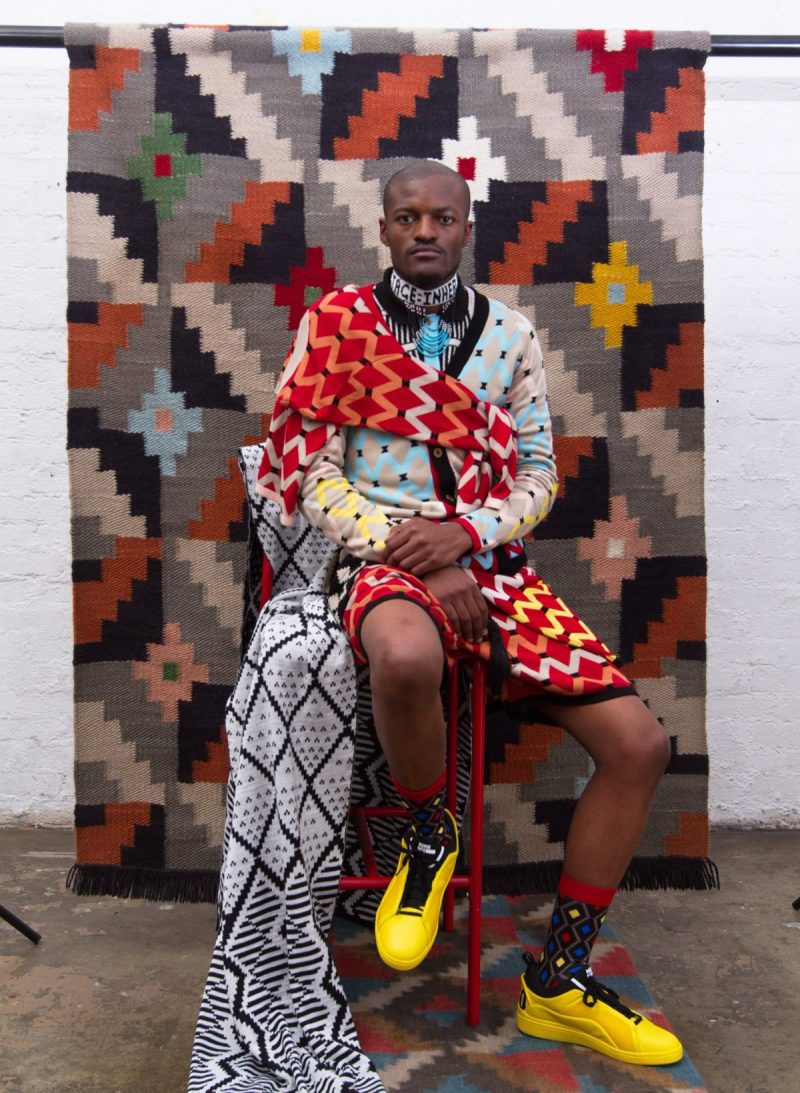
Laduma Ngxokolo’s style reflects his commitment to craft and precision. His personal wardrobe often highlights knitwear, texture, and structure, reinforcing the values behind his work. He stands as a reference for designers whose style aligns closely with their creative output.
ALSO READ:
- Inside the Fashion Wardrobe of the Most Influential Celebrities
- Top African Menswear Collections Released in 2025
What Connects These Style Icons
Despite differences in profession, these figures share key traits:
- Intentional dressing, not trend chasing
- Consistency over time
- Awareness of audience and context
- Respect for craft and meaning
Their style choices were never random. Each decision supported a larger message.
Style as a Visual Language of Authority
For figures in positions of leadership, appearance has always carried meaning. Before uttering a word, clothing, posture, and presentation combine to convey stability and credibility. In royal courts and public institutions, dress functioned as a form of structure. It established hierarchy, commanded respect, and reinforced identity.
Understanding this context explains why specific style icons remain influential. Their choices were deliberate, shaped by responsibility and visibility. Fashion still borrows from this logic. Tailoring, restricted colour palettes, and controlled silhouettes continue to signal authority across industries. This connection grounds the idea of style as a serious tool rather than decoration.
Cultural Influence and the Making of Modern Style Icons
As creative industries gained visibility, influence shifted toward musicians, filmmakers, designers, and public figures. Style became part of storytelling. It helped shape how audiences perceived talent, originality, and confidence.
These individuals influenced taste by repetition and clarity. Their looks appeared consistently across public appearances, editorials, and cultural moments. Over time, those choices set standards that others followed. This process explains how personal style moves into collective memory and why specific figures continue to be referenced long after their peak visibility.
FAQs
- What makes someone a lasting style icon?
Over time, consistency, intention, and influence become increasingly important. True style grows, but it does not lose its core.
- Why focus on individual figures rather than trends?
People shape taste more deeply than trends. Trends fade; personal influence lasts.
- Can style be influential without being loud?
Yes. Many of the most respected figures use restraint to communicate confidence.
- How does personal style connect to authority?
Appearance shapes perception. When aligned with purpose, style strengthens credibility.
- What should readers take away from this list?
That thoughtful dressing is a form of communication, accessible to anyone.