Menswear is evolving. Tailoring, once considered a formal or conventional pursuit, is now a tool for influence, self-expression, and global style dialogue. Across cities, stages, and runways, a new generation of figures is reshaping what it means to dress with purpose. Their wardrobes are no longer just personal; they set standards and inspire trends worldwide.
This year, 2025, is the beginning of a menswear renaissance. There has been a shift towards refined tailoring, thoughtful styling, and versatility, demonstrating how wardrobes can speak with authority without explanation.
Discover the renaissance of menswear and how tailored wardrobes and modern style influence global fashion, blending precision, versatility, and trendsetting.
1. Burna Boy: Statement Tailoring Meets Personal Identity
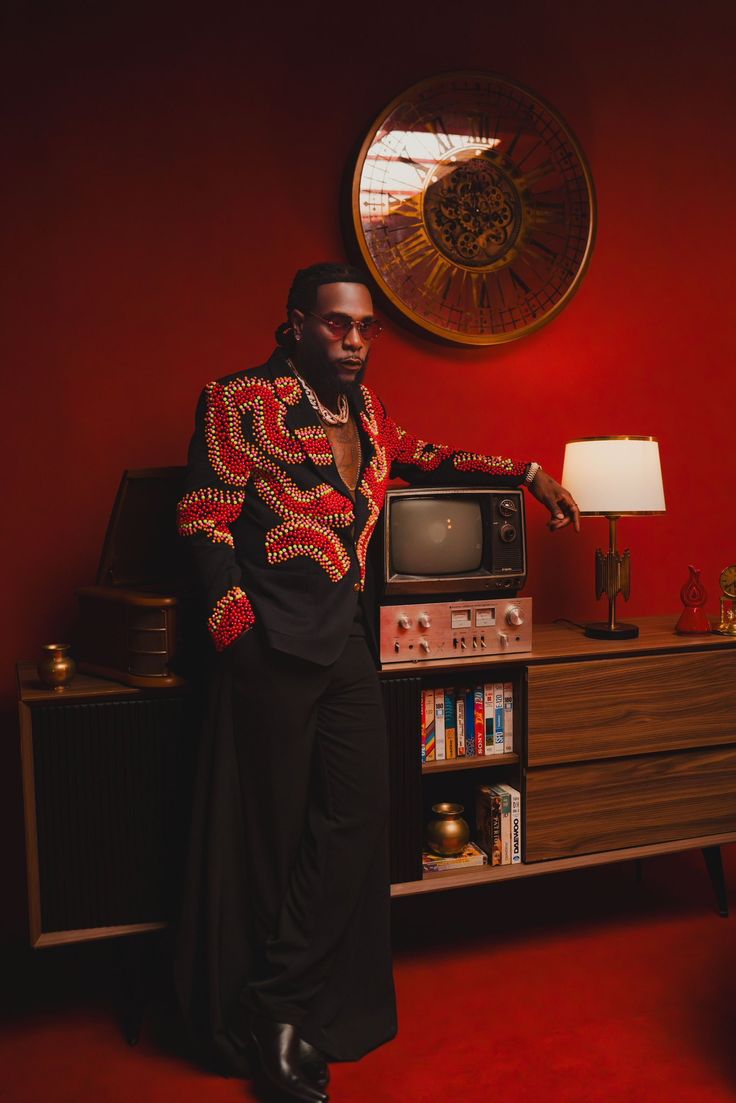
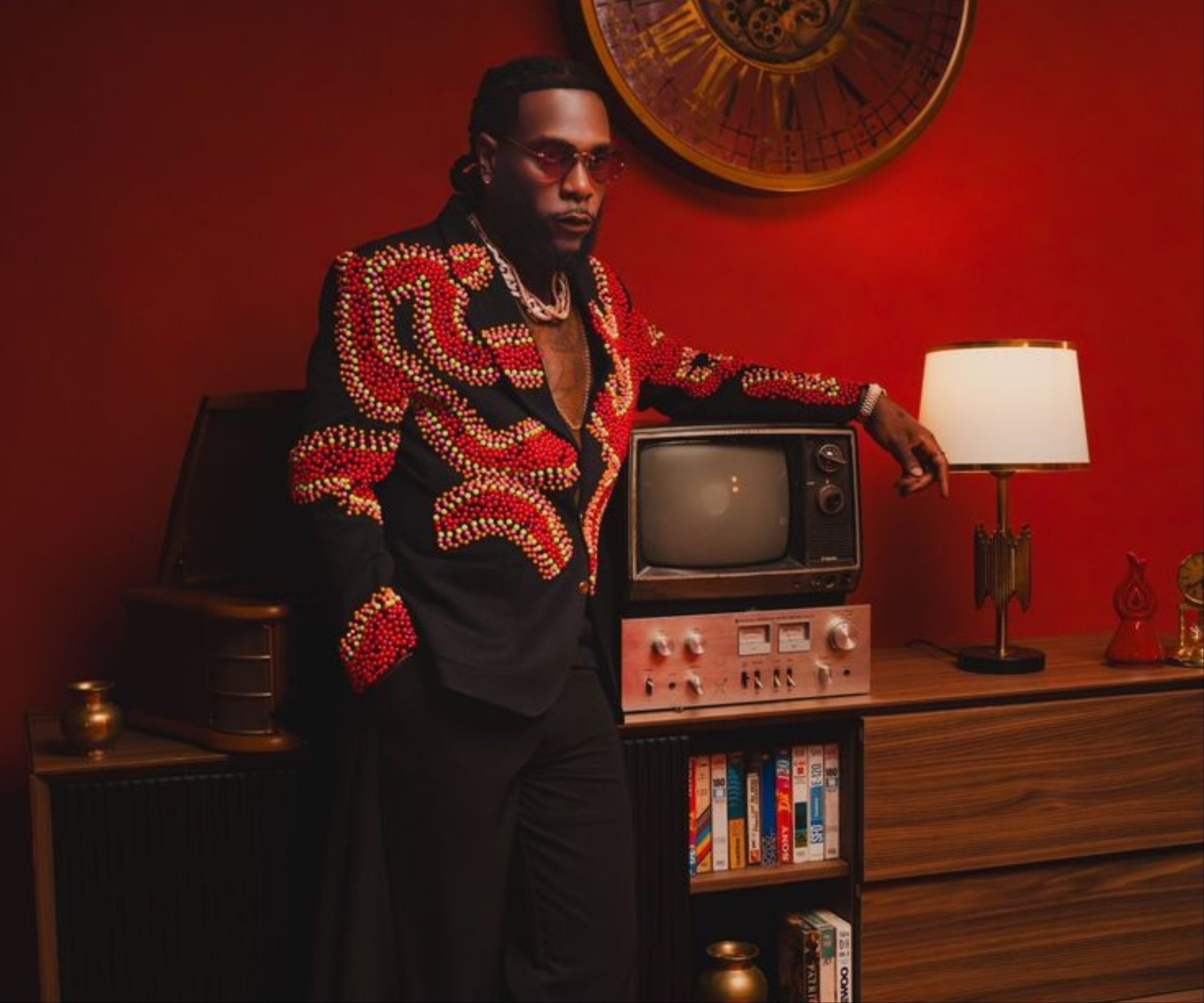
Burna Boy’s wardrobe is defined by bold choices grounded in precision. His custom suits on red carpets and tailored jackets paired with contemporary streetwear blend structure and fluidity. His consistent presence at international events and collaborations with designers establish him as a figure whose wardrobe influences global perceptions of tailored menswear.
2. Wizkid: Casual Meets Couture
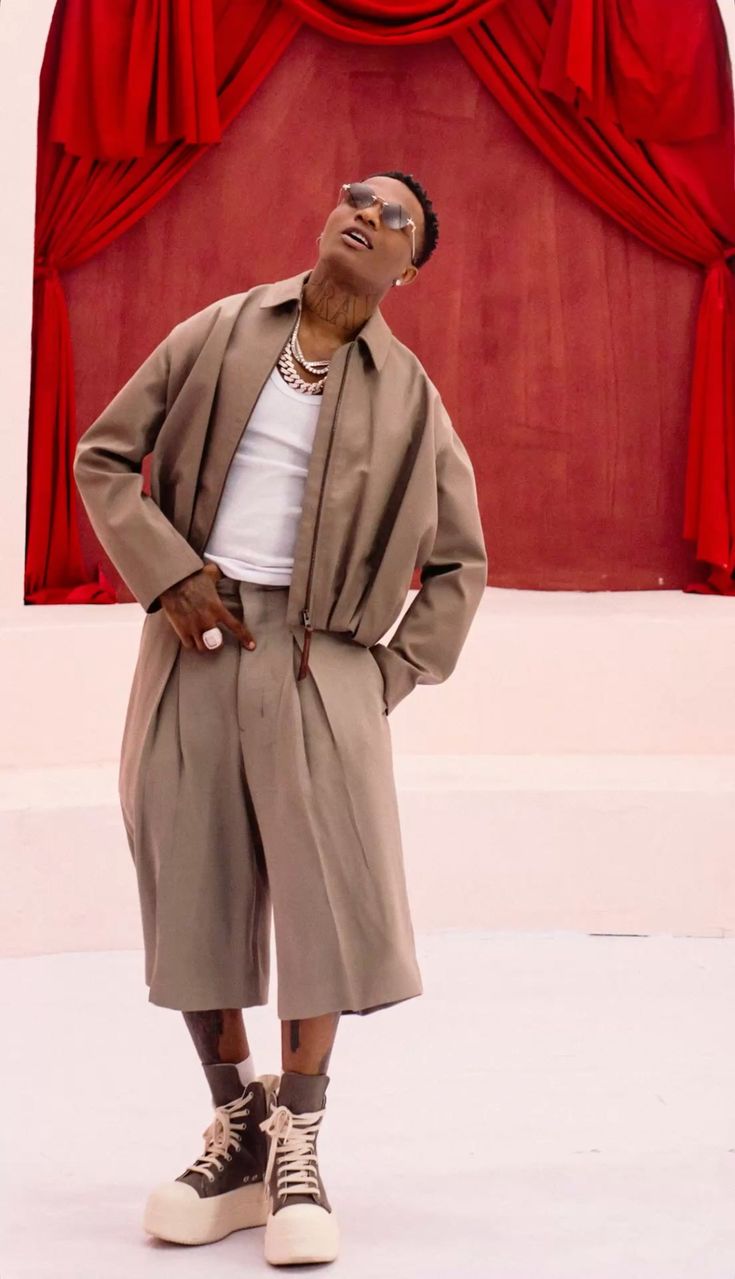
Wizkid merges relaxed silhouettes with luxury tailoring. Oversized coats, sharply cut trousers, and carefully selected accessories allow him to navigate both casual and formal settings. His influence is visible in how international designers now approach street-informed tailoring, proving that style influence extends beyond runways.
3. Trevor Stuurman: Visual Storytelling Through Style
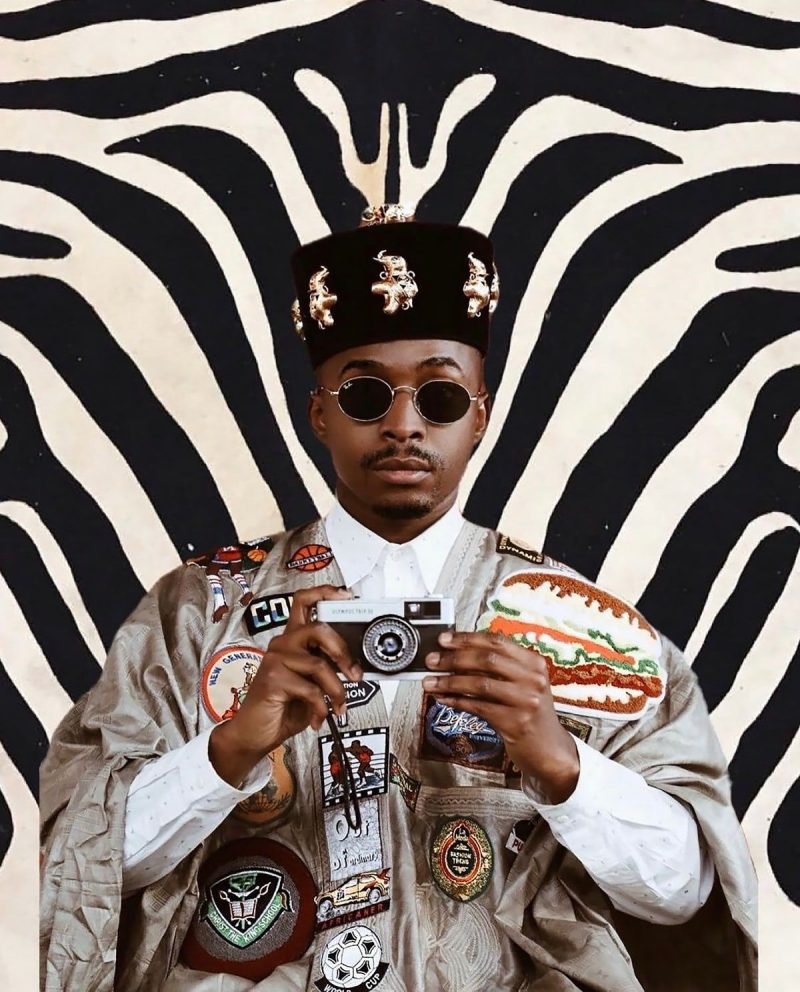
South African creative director and photographer Trevor Stuurman approaches fashion as an extension of visual identity. His wardrobe blends tailored pieces with expressive colour, layered textures, and cultural references that feel intentional rather than performative. By maintaining a clear aesthetic across editorials, public appearances, and personal style, he demonstrates how menswear influence can be built through consistency and narrative rather than excess.
4. Laduma Ngxokolo: Heritage in Contemporary Form
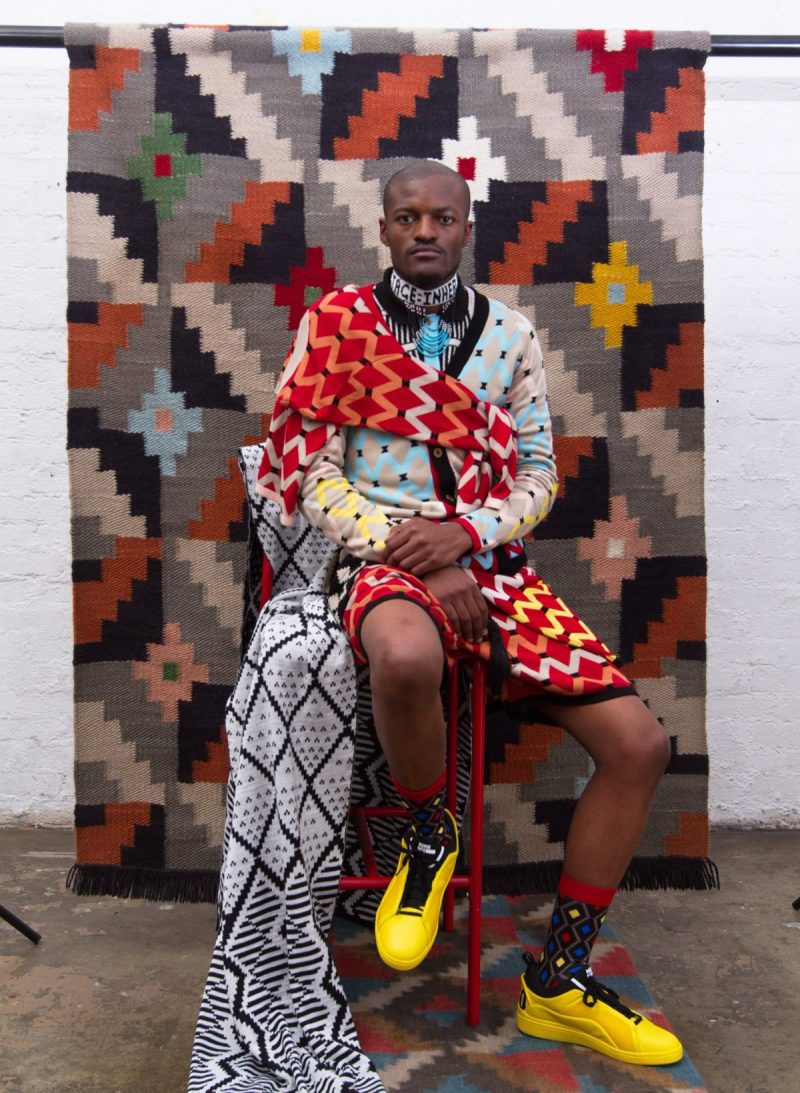
Best known for his work with MaXhosa Africa, Laduma Ngxokolo represents a new model of menswear influence rooted in intellectual design. His personal style often reflects the same principles as his collections’ structured silhouettes, knitwear, and refined traditional references. His global presence reinforces the idea that African menswear influence can come from design philosophy as much as celebrity visibility.
5. Black Coffee: Understated Global Tailoring
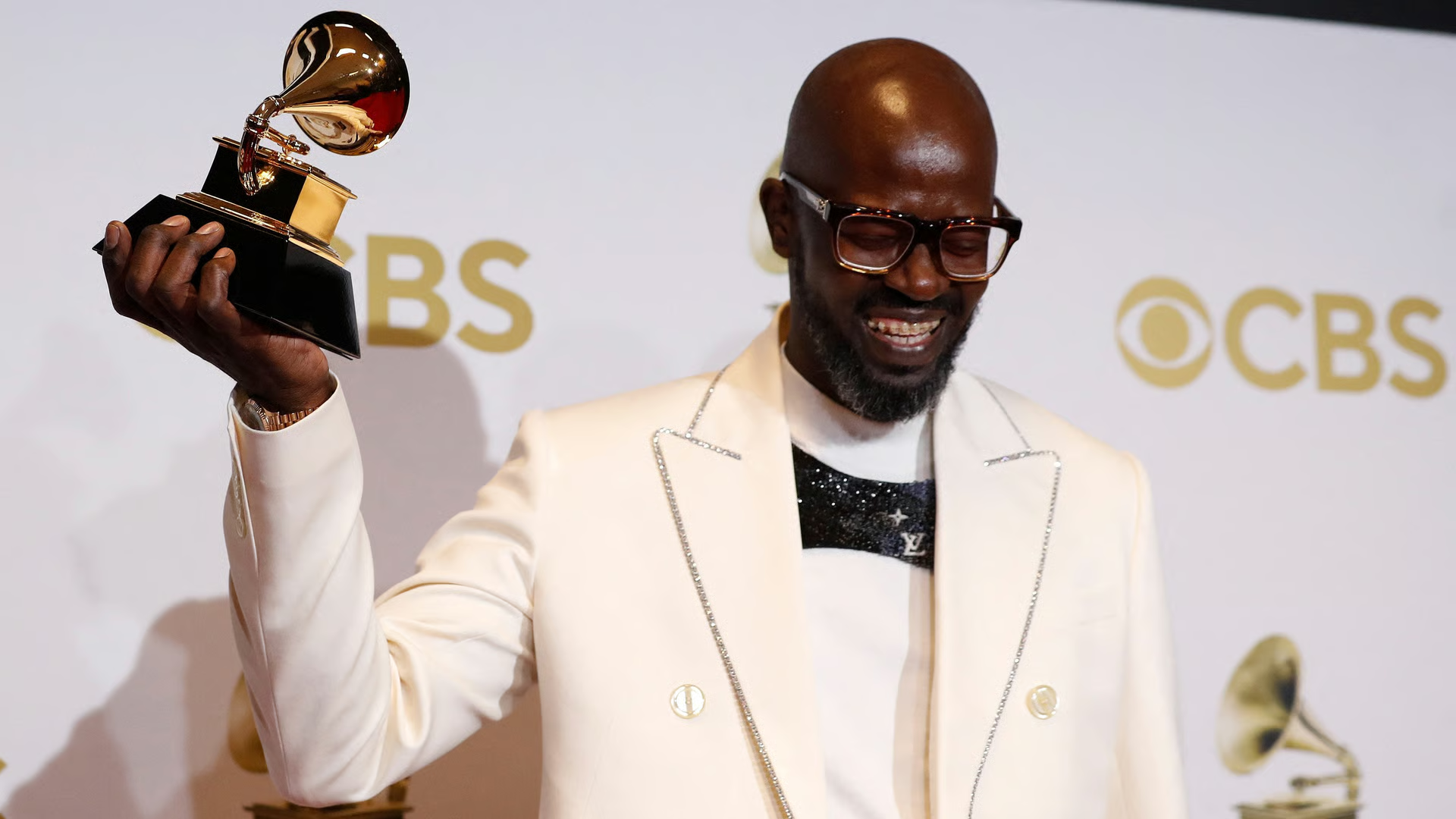
South African DJ and producer Black Coffee is known for a restrained, disciplined approach to menswear. His wardrobe centres around clean tailoring, muted palettes, and precise fits that translate easily across international stages and fashion settings. By avoiding trend-driven styling, he demonstrates how influence can come from consistency and restraint, positioning African men within global fashion conversations without relying on spectacle.
6. Rich Mnisi: Fashion as Cultural Assertion
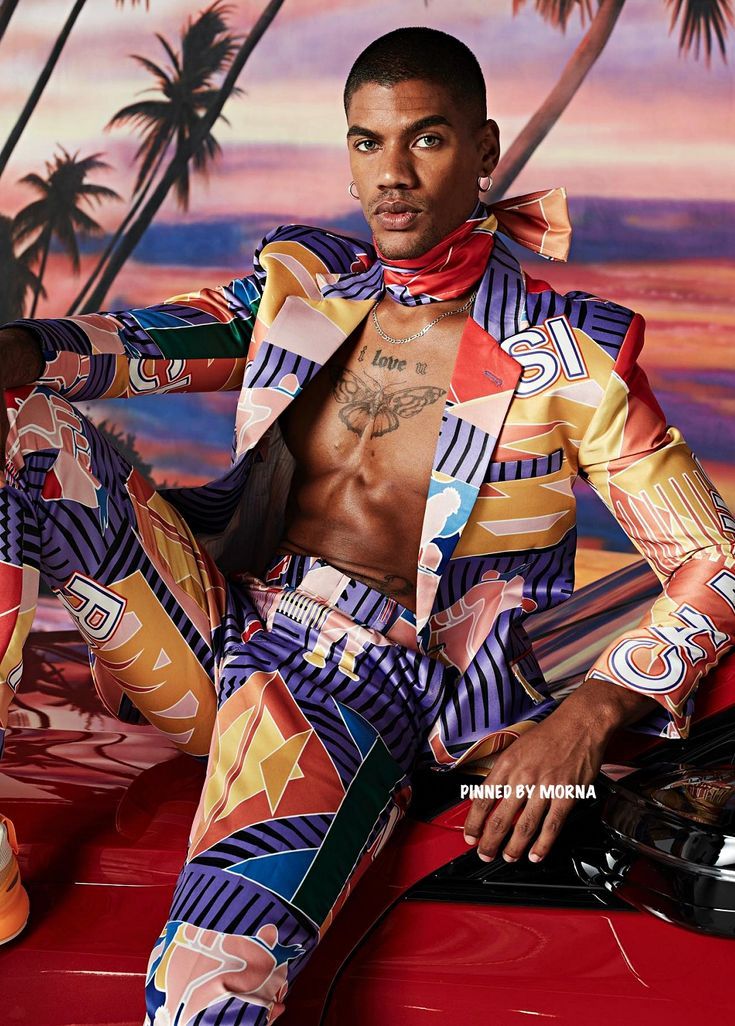
South African designer Rich Mnisi represents a new generation of African menswear influence built on identity, craftsmanship, and global relevance. His personal style and design language blend sharp tailoring with expressive silhouettes, often challenging conventional menswear boundaries. Through international showcases and collaborations, he demonstrates how African men can shape global fashion narratives by asserting cultural confidence rather than adapting to external trends.
7. Pan-African Street-Tailoring Hybrids
Across cities like Johannesburg, Accra, Nairobi, and Dakar, a growing group of creatives is redefining menswear through tailored streetwear. These figures combine sharp jackets, relaxed trousers, traditional fabrics, and modern sneakers in ways that translate easily from everyday life to digital platforms. Their influence is less about celebrity status and more about how wearable, adaptable style travels through social media and urban culture.
READ MORE:
- Inside the Fashion Wardrobe of the Most Influential Celebrities
- Top African Menswear Collections Released in 2025
Global Influence and Industry Shifts
This renaissance is changing the menswear landscape. Figures leading this movement have made tailoring dynamic and culturally resonant. Designers, stylists, and editors increasingly draw inspiration from their wardrobes, and global fashion houses are responding by integrating similar patterns, cuts, and approaches into mainstream menswear.
Today, we measure menswear influence by its reach and relevance, observing how consistently wardrobes set trends, inspire peers, and challenge conventional standards without needing justification.
Lessons from the Menswear Renaissance
- Precision matters – fit, cut, and construction define modern influence.
- Versatility drives reach – mixing formal tailoring with casual elements extends wardrobe impact.
- Consistency is authority – signature styles resonate more than one-off statements.
- Innovation begins within tradition – subtle twists on classic pieces signal leadership in style.
- Global relevance grows from authenticity —clothrobes that reflect purpose attract attention and respect worldwide.
FAQs
- What is the current trend in menswear?
Modern menswear emphasises tailoring, versatility, and wardrobes that convey influence through precision and purpose.
- Which figures are shaping global menswear today?
Artists and style icons like Burna Boy, Wizkid, Omotayo Akinwale, Jidenna, and designer Kenneth Ize are leading the conversation.
- How do casual and street elements affect tailored wardrobes?
Mixing casual and tailored pieces makes menswear more accessible, versatile, and influential across audiences.
- Why is consistency important in menswear?
A recognisable style signals authority, builds influence, and sets trends that others follow.
- How can readers incorporate lessons from this renaissance?
Prioritise fit, blend versatility with signature pieces, and use tailoring to express purpose and individuality.