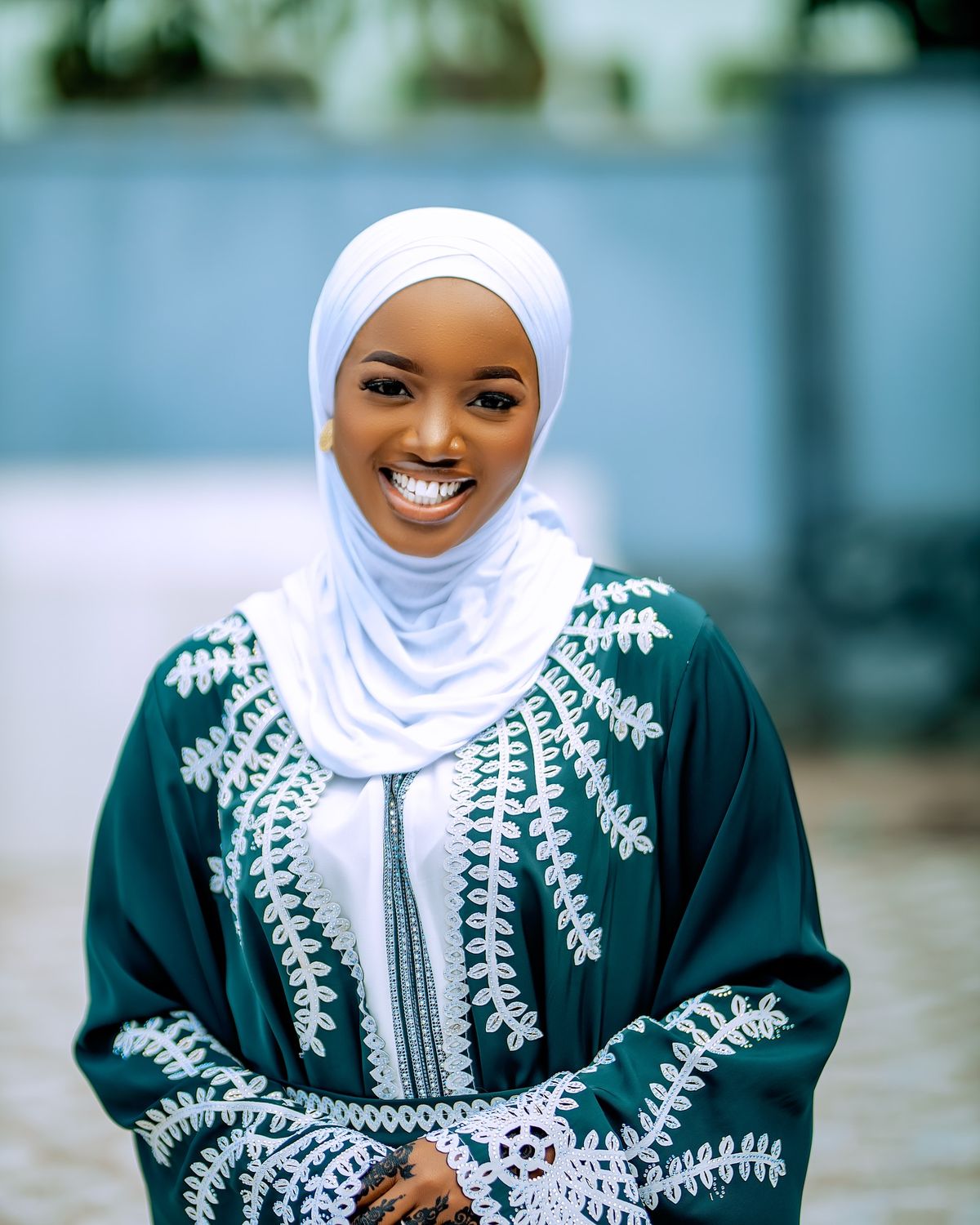
It was a warm evening in Dutse. After Juma’at prayer, I found myself walking around Emir’s Palace (Dutse Emir Palace) when I noticed a group of young ladies decently dressed with hijabs and abayas. They didn’t dress for a wedding or a religious gathering; it is their everyday wear. Yet their dress tells a larger story: how fashion, lifestyle, history, and faith continue to shape the evolving face of modest dressing in Northern Nigeria. Their outfits reflected how Northern Nigerian women blend culture, religion, and tradition with the subtle touches of modernity.
As a fashion content writer from Northern Nigeria, I will guide you through the story behind their dressing. You will see the answer to why the hijab and the abaya are worn in Northern Nigeria, and you will learn how modern abaya and hijab trends have transformed across cities like Kano, Kaduna, Katsina, and Maiduguri. We’ll explore the cultural influences, the role of religion and knowledge, the shift towards contemporary elegance, and how young Northern Nigerian women have embraced a global modest fashion movement while preserving their heritage.
Modern abaya and hijab trends are redefining modest fashion in Northern Nigeria, blending cultural heritage with contemporary style, from social-media-driven inspiration to the rise of local designers and modest-fashion entrepreneurs.
The Evolution of Abaya and Hijab in Northern Nigeria
A Brief History of Modest Wear in the North
Women in Northern Nigeria have embraced modest dressing for centuries, rooted in Islamic influence, cultural identity, and social values. Clothing items such as the zani, gyale, lafaya, hijab, and the iconic Northern veils have been integral to everyday life and history.
But the rise of modern abaya and hijab styles is a more recent phenomenon influenced by:
- Increased access to global fashion trends
- The growth of social media
- Rising modest-fashion influencers
- Greater availability of imported abayas from Dubai, Turkey, and Saudi Arabia
- Local designers reinterpreting traditional designs
Today, modest fashion in northern Nigeria is not just a religious expression; it is an artistic one. Global influence transforms Northern Nigerian modesty into a worldwide symbol.
Modern Abaya: A Cultural Revival Wrapped in Elegance
The Everyday Abaya: Simple, Airy, and Functional
In the hot, dry climate of Northern Nigeria, comfort is essential. The rise of lightweight fabrics such as silk crepe, chiffon, jersey, and linen-blend abayas has made modest wear more practical for daily use. Abaya is now part of the modern way of dressing in the North. The abaya dress looks modest, elegant, and attractive, which always explains the Arabian influence in Northern Nigeria.
It offers the following features:
- Wide sleeves for airflow
- Minimalist embroidery
- Soft neutral colours (cream, beige, ash, olive)
- Zipper or snap-down fronts for versatility
- The most typical colour is black.
These abayas are commonly worn to work, university, errands, and social visits.
Luxury Abayas: The New Wedding and Event Statement
When it comes to ceremonies, especially in cities like Kano and Kaduna, Northern women adore luxurious abayas embellished with:
- Swarovski stones
- Metallic embroidery
- Velvet trimming
- Cape-style drapes
- Layered silhouettes
They are elegant alternatives to the traditional Ankara, lace, or senator-style gowns.
At wedding ceremonies in cities across Northern Nigeria, such as Kano, Kaduna, Abuja, and Jigawa, the bride’s friends (Kawayen Amarya) will wear matching Dubai abayas with gold-thread detailing, blending global fashion with cultural celebration in the name of abaya day.
The Hijab: Beyond Tradition, Toward Expression
From the Gyale to the Modern Wrap
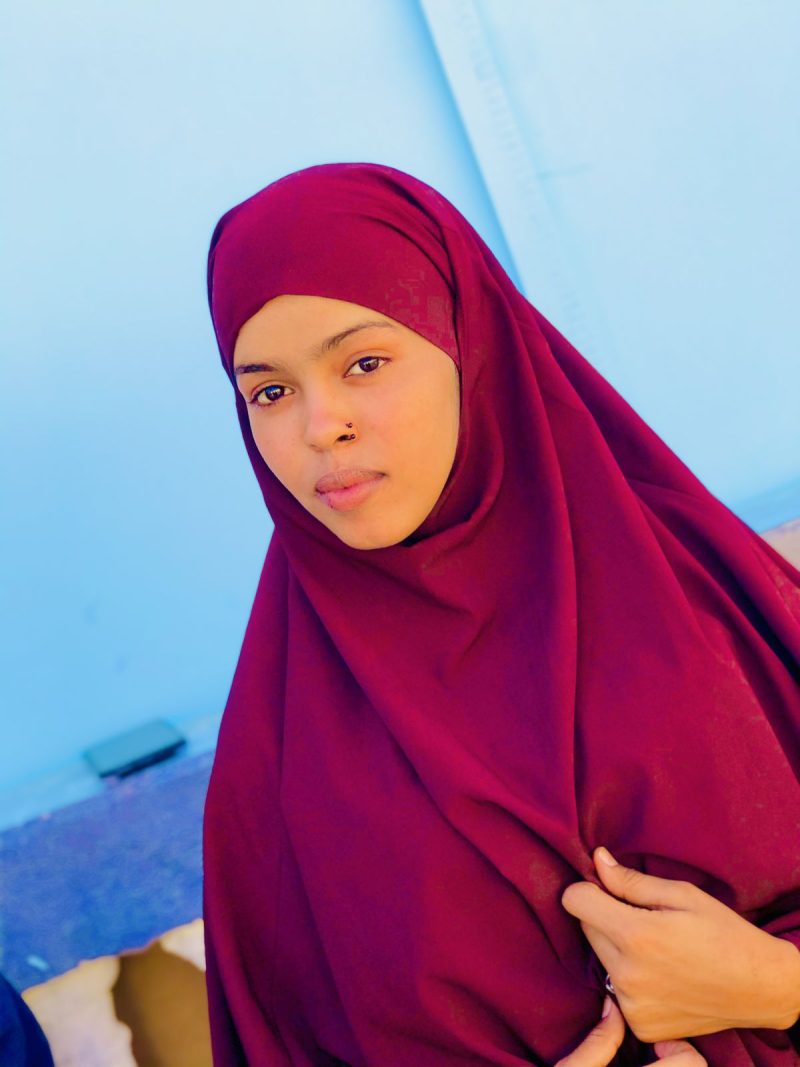
Traditionally, Northern women wore the gyale, a long, draped shawl often paired with wrappers or gowns. Today, the gyale still holds cultural significance at ceremonies, but modern hijab styles have become everyday staples.
Current hijab styles dominate Northern Nigeria:
- Two-piece hijab: Comfortable for school, work, and prayer
- Jilbab / Overhead Khimar
- Shaila Hijab
- Khimar Hijab
- Khaleeji-style wraps: Inspired by Gulf fashion
- Turban hijabs: Trendy for fashion-forward Northern women, more especially for ladies who are highly influenced by Western culture
The Art of Styling
Northern women are known for their creativity in styling hijabs with:
- Structured layering
- Pin-less draping
- Matching colour palettes
- Embroidered or beaded edges for special occasions
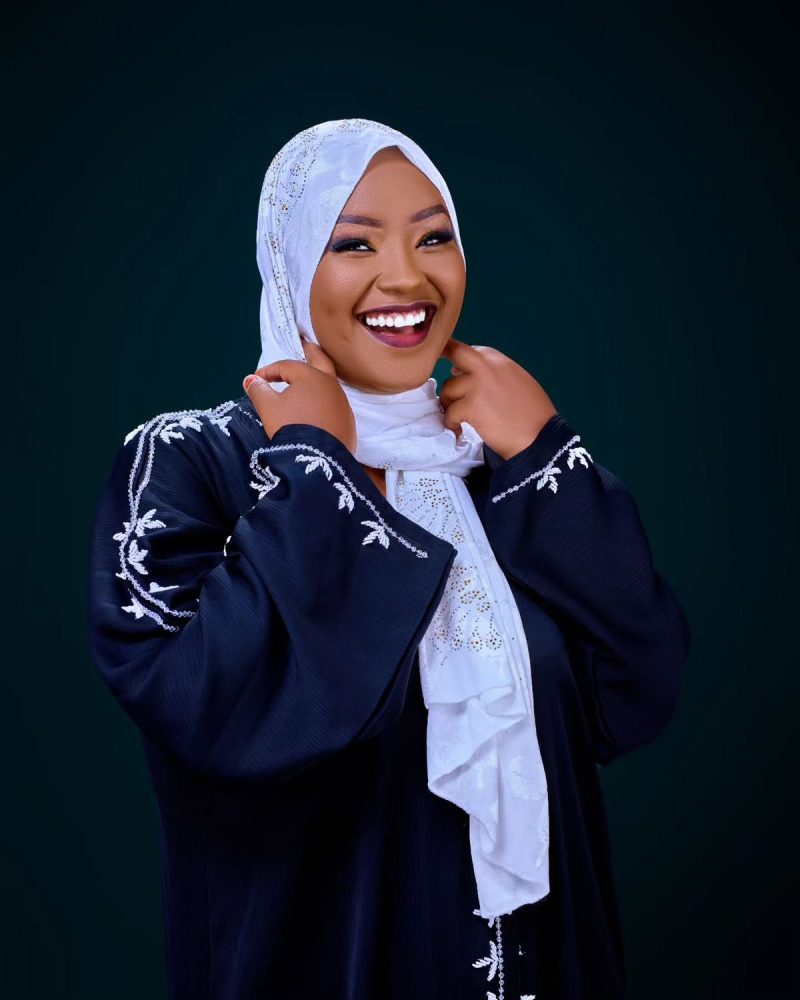
The hijab is no longer just a religious necessity; it has become an essential part of the modern woman’s fashion identity. Today, in Northern Hijab, there is no religion.
Why Modern Modesty Is Flourishing in Northern Nigeria
Religion and Knowledge as the Cultural Foundation
Islamic principles continue to influence dressing strongly, but religious education and access to online knowledge have helped many women understand modesty in a “global context.
Influencers and female scholars share knowledge that helps young women dress modestly without feeling restricted. This has shaped an environment where faith and fashion can coexist beautifully.
Social Media Influence
Platforms like TikTok, Instagram, and Snapchat have become powerful hubs for documenting and learning Northern fashion trends. Through this, women are not only showcasing their personal style but also contributing to the growing culture of Northern Nigerian fashion.
Women share:
- Daily outfit videos
- Hijab-styling tutorials
- Abaya haul content
- Matching couple or best-friend outfits
- Designer abaya showcases
Today, every fashion designer embraces social media, sharing their creativity to modernise Northern fashion. Local influencers from Kano, Abuja, Kaduna and other states have gained thousands of followers simply by sharing modest lifestyle content.
Local Designers Are Stepping In
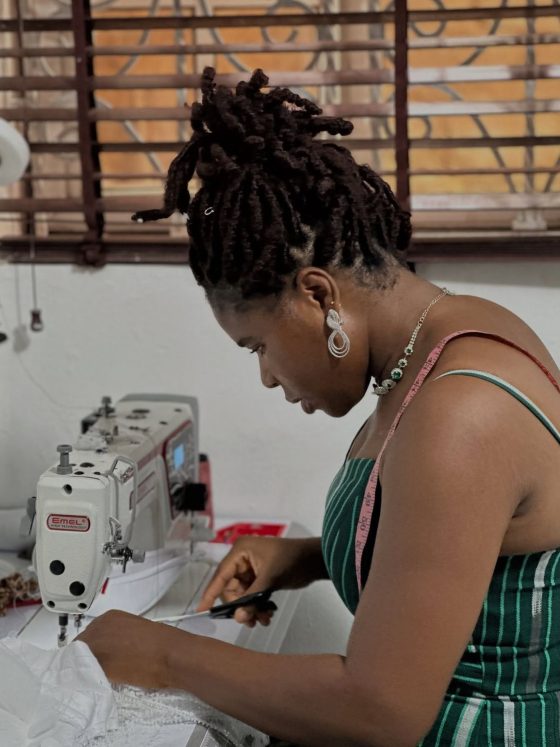
Modern modest fashion has opened opportunities for Northern Nigerian designers, tailors, and boutique owners. Local fashion designers and boutique owners are no longer just following global fashion trends; they are blending them.
They produce:
- Custom abayas
- Locally made luxury hijabs
- Northern-inspired embroidery patterns
- Hybrid outfits blending Hausa culture and Middle Eastern silhouettes
This creative evolution has boosted the local fashion economy of Northern Nigeria.
ALSO READ:
- How Northern Fashion Preserves Nigerian History and Culture
- Northern Nigerian Textiles & Utensils: How Culture Meets the Dining Table
- The Modest Revolution: Redefining Street Fashion Through Hausa Aesthetics
The Northern Wedding Culture
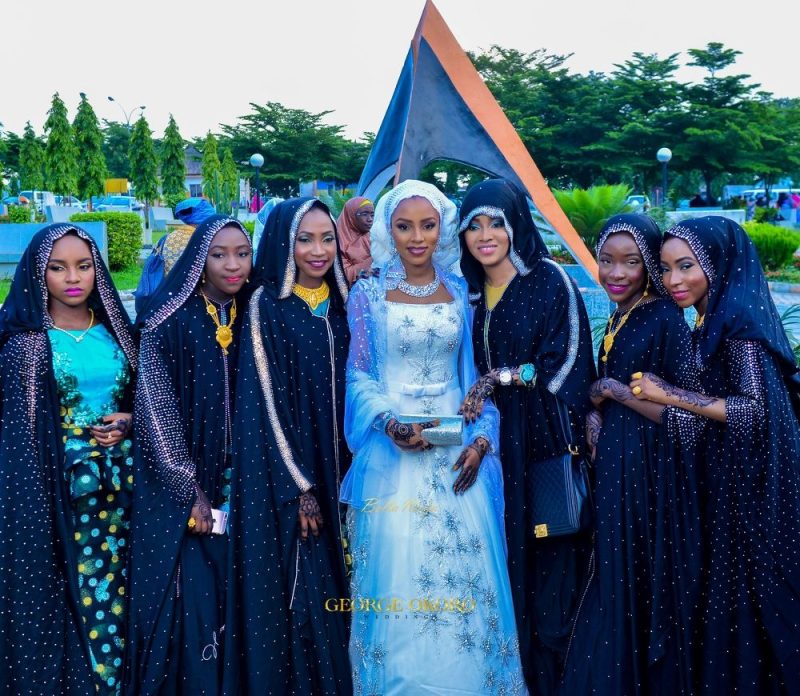
No region in Nigeria celebrates life’s milestones with as much cultural richness and elegance as Northern Nigeria, and the fashion worn at these events reflects that vibrancy.
From kai amarya to kamun and walima, each ceremony carries its history, symbolism, and aesthetic traditions. Recently, the abaya and hijab have become essential style elements within these celebrations.
The Rise of Modest-Fashion Entrepreneurs in the North
The rapid growth of Modern modest fashion dressing has given countless opportunities to women entrepreneurs in various northern Nigerian cities, resulting in the initiation of many fashion businesses in the region
It empowered many women to start businesses such as:
- Abaya shops:
- Hijab brands
- Styling businesses
- TikTok fashion pages
- Online boutiques showcasing “Northern Modesty Aesthetics”
This is especially visible in Kano’s markets, where imported abayas now share space with locally crafted pieces.
FAQs
1. Why are abayas becoming more popular in Northern Nigeria?
They combine comfort, modesty, and global style influences while aligning with the region’s religious and cultural lifestyle.
2. Are modern abayas replacing traditional outfits like the zani or gyale?
Not fully. They coexist; traditional wear is still valid in northern fashion, and the abaya is now part of it.
3. Which fabrics are best suited to Northern Nigeria’s climate?
Lightweight materials such as crepe, chiffon, silk blend, and linen are ideal.
4. Are colourful hijabs acceptable in Northern Nigeria?
Yes. While neutrals are the norm, many young women now embrace vibrant, expressive colours that reflect their personalities.
4. Can an abaya be worn to weddings or official gatherings?
Absolutely. Luxury abayas with embroidery, stones, or statement sleeves are now popular for weddings, dinners, and formal events.
The modern abaya and hijab in Northern Nigeria are more than a fashion trend; they are a cultural conversation. It reflects how women blend religion and knowledge with creativity, celebrate modesty without sacrificing elegance, and keep heritage at the heart of evolving fashion.
As global modest fashion continues to grow, Northern Nigeria stands proudly at the centre, confident, stylish, and deeply rooted in tradition.
Want more inspiring stories and fashion insights?
Explore more articles on OmirenStyles.com, your home for authentic Nigerian fashion, culture, and lifestyle stories.