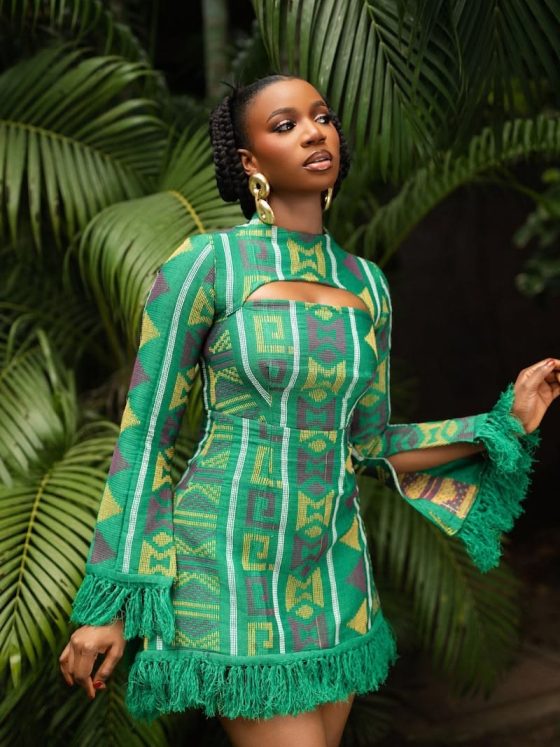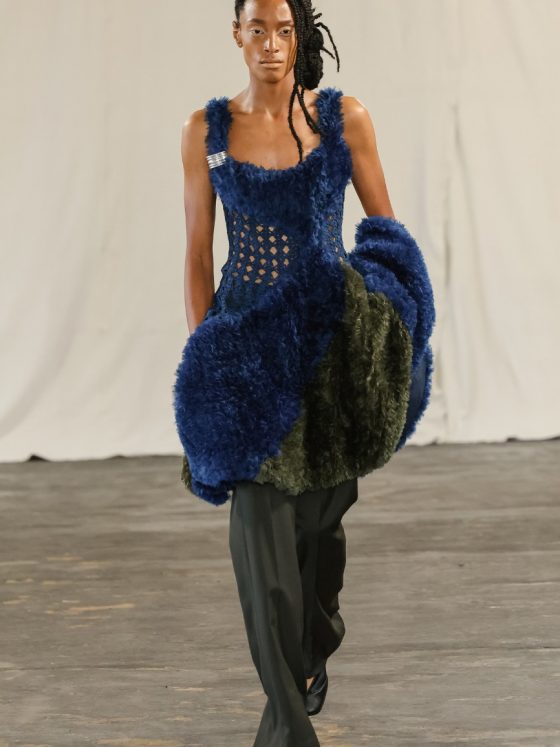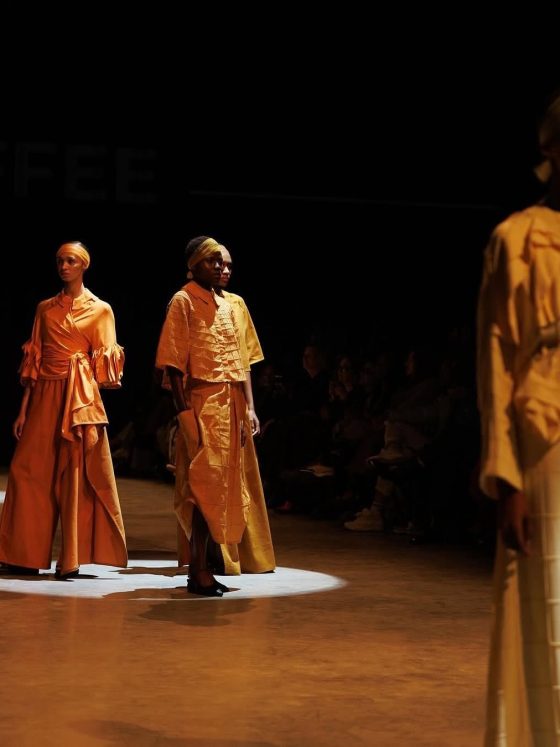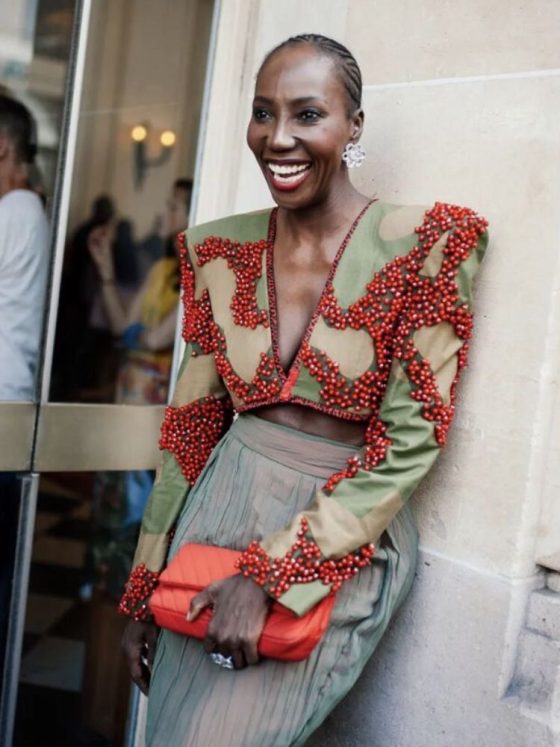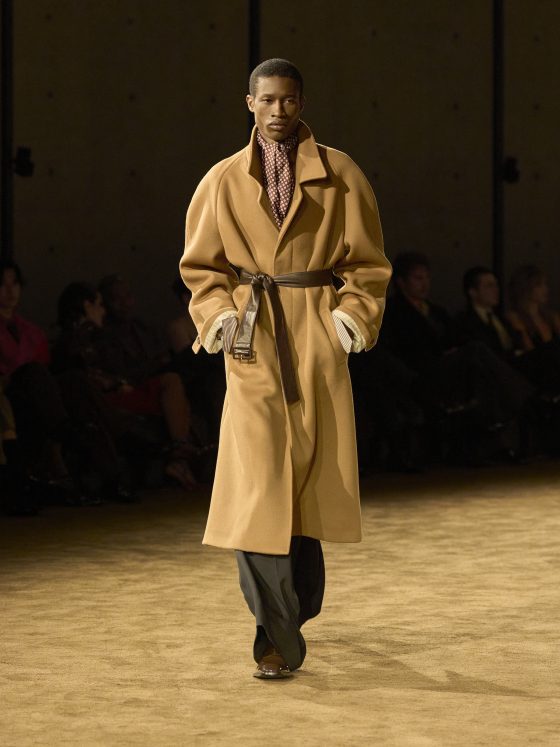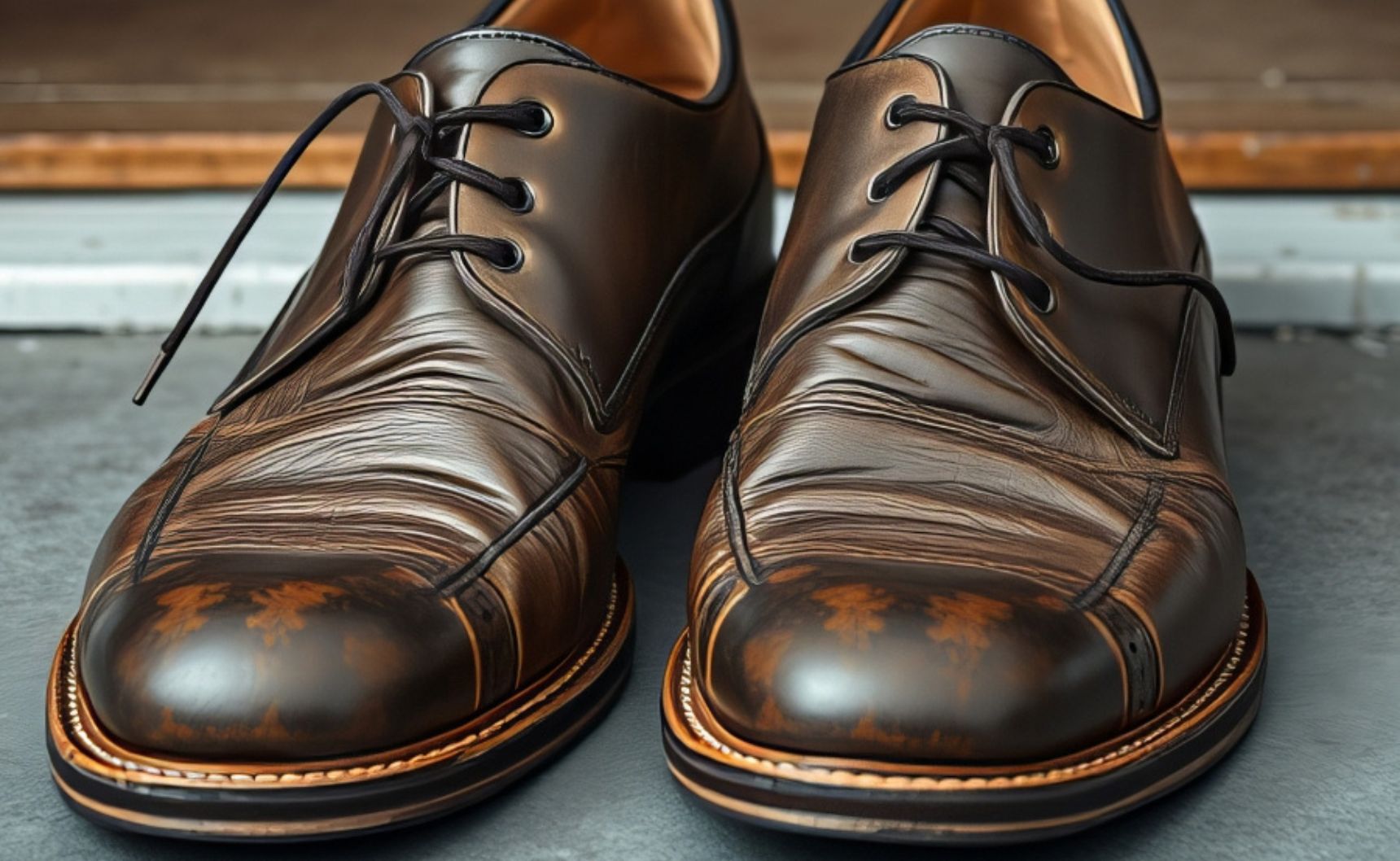
A shoe can complete an outfit visually without being suitable for the person wearing it. The decision needs room for both appearance and use.
A shoe can settle the proportions of an occasion look: the line beneath a trouser, the contrast with a dress, the detail that connects jewellery to the rest of an outfit. That much is visible in the mirror. But the mirror can’t tell you whether the shoe fits properly, whether a strap holds your foot securely, or how the pair will feel once you start moving.
“Choose footwear that is appropriate for the activity you are undertaking.” NHS Lanarkshire Footwear Guidance
NHS Lanarkshire’s footwear guidance draws a practical distinction between fit and function and makes a point worth holding onto: a higher price does not guarantee better support, comfort or fit. For occasion dressing, that means keeping the two assessments separate long enough to do both well. Does the shoe contribute what you want to the outfit? And is it genuinely suitable for your feet and the event ahead? The second question should not disappear just because the first answer is convincing.
Choose occasion shoes by considering fit, fastening and the demands of the event, not just how they look with an outfit.
Give the Shoe a Specific Job
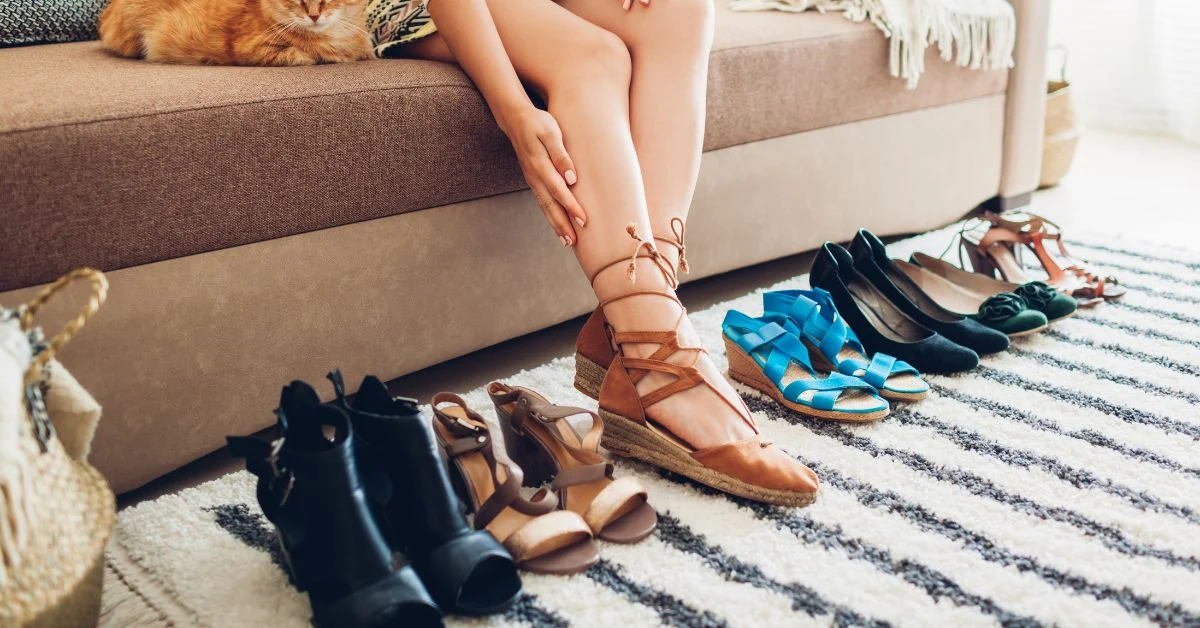
Before you compare pairs, describe the occasion in practical terms. Will you spend most of it seated? Is standing central to what happens? Do you expect to dance? Are there stairs, outdoor paths or a walk between locations? If the venue’s arrangements are unclear, ask rather than assume.
This is a planning exercise, not a search for a universally comfortable shoe. Its purpose is to clarify what the footwear actually needs to accommodate. This distinction aligns with NHS Lanarkshire’s point that party shoes are special-occasion footwear, not an everyday option. “Occasion shoe” is therefore a starting category, not a complete description of suitability. A pair chosen for a short seated dinner may raise different questions at an event involving prolonged standing.
The invitation does not determine a single silhouette either. Where the dress code allows it, you can achieve the visual role you want with a loafer, a lace-up, a flat, a sandal, or a lower-heeled design. The relevant question is not which category is inherently more elegant but which particular pair works for the look and for you.
Fit Is More Than the Number on the Box
Treat the marked size as a starting point, not as the end of the assessment. The Royal College of Podiatry recommends measuring your feet if you are unsure of your size, and shopping in the afternoon, when feet tend to be at their largest. Oxford Health NHS Foundation Trust advises trying on both shoes, because feet are often slightly different sizes, and assessing fit in three dimensions: length, width and depth. That’s more useful than simply checking whether your toes reach the end.
During a fitting, pay attention to whether:
- The front gives your toes room rather than compressing them
- The sides feel tight
- The upper presses down onto your toes
- The heel slips as you move
- A seam, edge or fastening creates an obvious pressure point
Sussex Community NHS Foundation Trust similarly recommends a toe area that follows the foot’s shape and allows room for the toes to move. If a pair does not accommodate your foot, compare another fit or design rather than treating the size label as something you need to make work. Adding length does not automatically resolve a width or depth problem.
Look at What Holds the Foot in place.
Fastenings are part of a shoe’s appearance, but they also perform a practical function. Oxford Health recommends adjustable fastenings, such as laces, straps or buckles, to hold the foot in place and help prevent rubbing. A firm, snug fit around the heel counter matters too.
The useful question isn’t simply whether a shoe has a strap but whether the fastening works for you. Can you adjust it appropriately? Does your heel remain secure? Does the shoe stay on without your having to grip it with your toes? Don’t mistake a decorative detail for a fit feature. Likewise, a fastening doesn’t have to be an aesthetic compromise. It can be part of a design you choose deliberately.
Assess the whole pair. A secure strap doesn’t cancel out a crowded toe box, and a roomy front doesn’t fix a slipping heel.
Heel Height Does Not Settle Wearability

Heel height is easy to compare online. Fit is harder to assess remotely. That can make the measurement seem more decisive than it is, but a low heel won’t fix the wrong width, and a broad heel won’t make a poorly fitting shoe suitable.
Oxford Health’s general guidance favours a low, broad and stable heel, recommending a height below 2.5 centimetres. This is general footwear advice, not a guarantee that every shoe below that measurement will be comfortable for every wearer. The Royal College of Podiatry advises reserving high heels for special occasions rather than regular use, which is sensible context without restricting what you wear to an event that suits you.
You don’t need to turn the decision into a negotiation between looking good and being sensible. If height is the issue with a particular pair, consider which visual effect matters most to the overall look. Colour, finish, embellishment or the shape of the upper can carry an outfit without the same heel. Those are styling possibilities, not promises of comfort. Each pair still needs its own fitting.
New Shoes and the Question of Breaking Them In
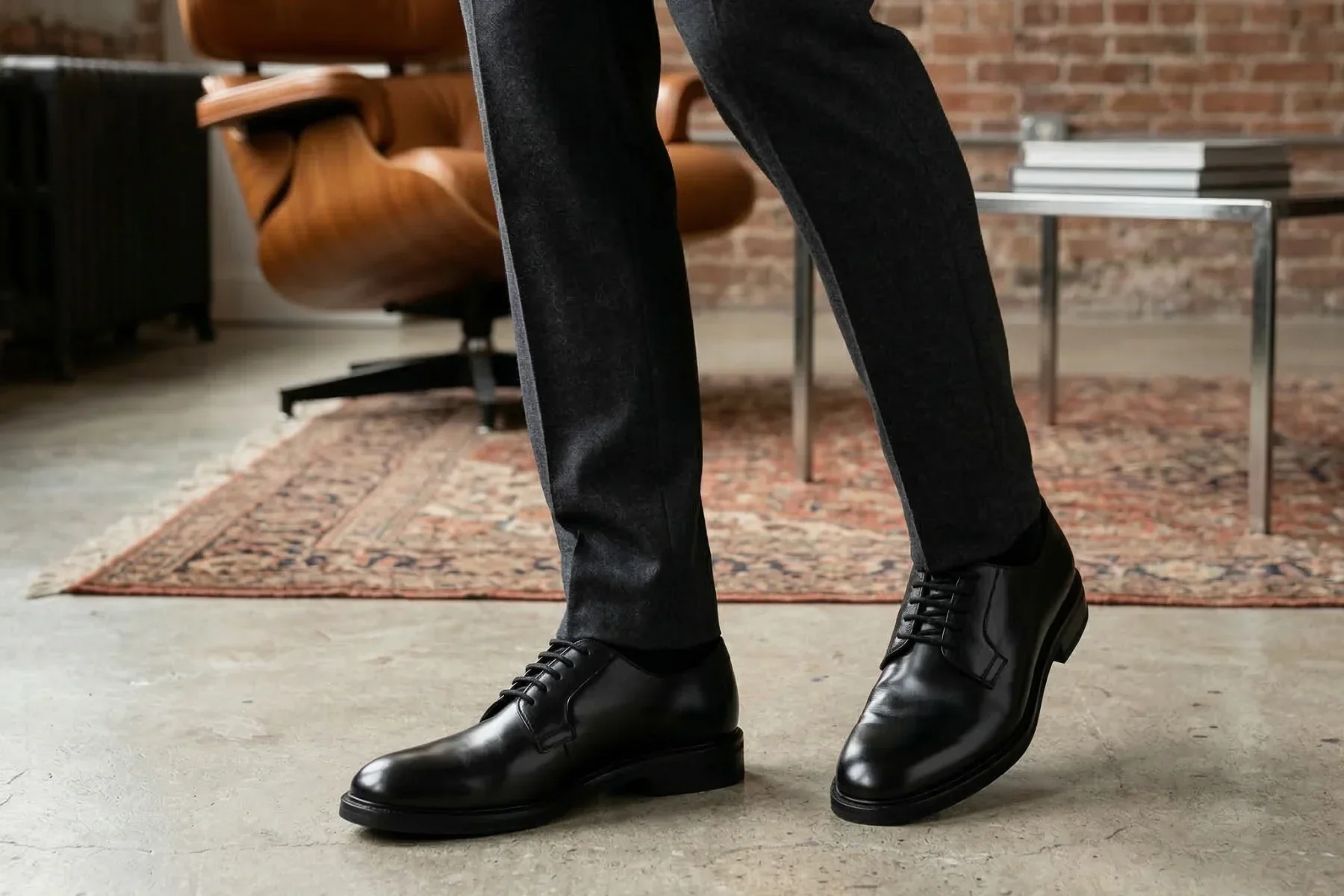
Many still assume attractive shoes require some upfront discomfort before they settle into something wearable. NHS Lanarkshire pushes back on that directly: a correctly fitting shoe should feel comfortable from the start and generally should not need breaking in. We don’t recommend sticking with an uncomfortable pair.
Oxford Health recommends trying new shoes indoors for short periods and checking for redness from rubbing or pressure. That trial assesses the shoe, not your adaptation to it. Check the retailer’s return conditions before wearing them outside. Do not assume that a home trial automatically qualifies for a refund.
A short fitting cannot reproduce every part of an event, but it can reveal an immediate problem before the occasion becomes the first meaningful test.
Finish With the Full Outfit
Once a pair passes the initial fit assessment, return to the complete look. Put on the trousers, dress or other garments you intend to wear, and include any hosiery that forms part of the combination. Assess the visual result, then walk, turn and sit.
These are two connected but distinct checks:
- The fitting asks how the shoe works on your foot
- The styling asks how it works within the outfit
Neither substitutes for the other. A pair can be comfortable but visually wrong for what you are trying to achieve. Another can create exactly the line you wanted while failing the fitting. Recognising that difference leaves room to choose rather than force an early favourite into the answer.
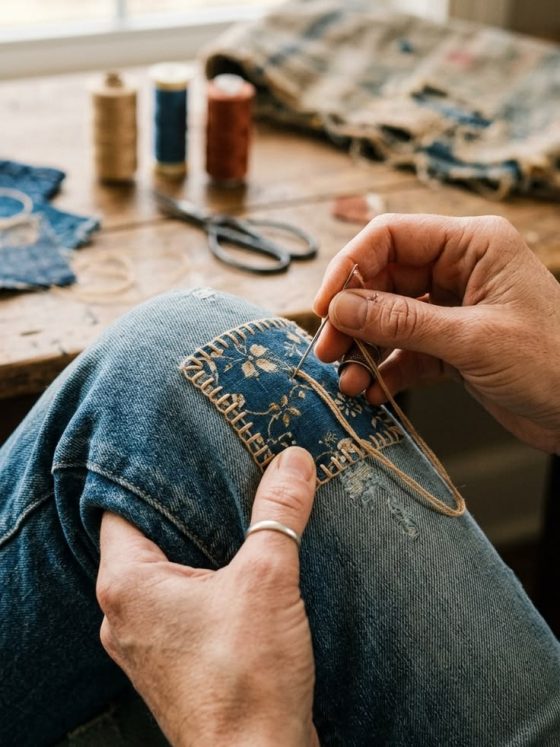
This does not require buying something new. An existing pair that fits and works with the outfit deserves real consideration alongside an untested purchase. Omiren Styles covers the wider garment decision in What Keeps Clothes in Use? Attachment, Care and Repair, for those thinking about how a wardrobe functions over time rather than just for one occasion.
When General Guidance Is Not Enough
This guide is not an individual footwear assessment. If your feet hurt regularly, you have an existing condition affecting your footwear choices, or you use prescribed shoes or insoles, seek advice appropriate to your circumstances. The Royal College of Podiatry identifies foot pain as a reason to consult a podiatrist. Oxford Health advises following the instructions supplied with prescribed footwear. An occasion is not a reason to set aside clinical advice you already have.
The Case for Keeping Both Questions Open
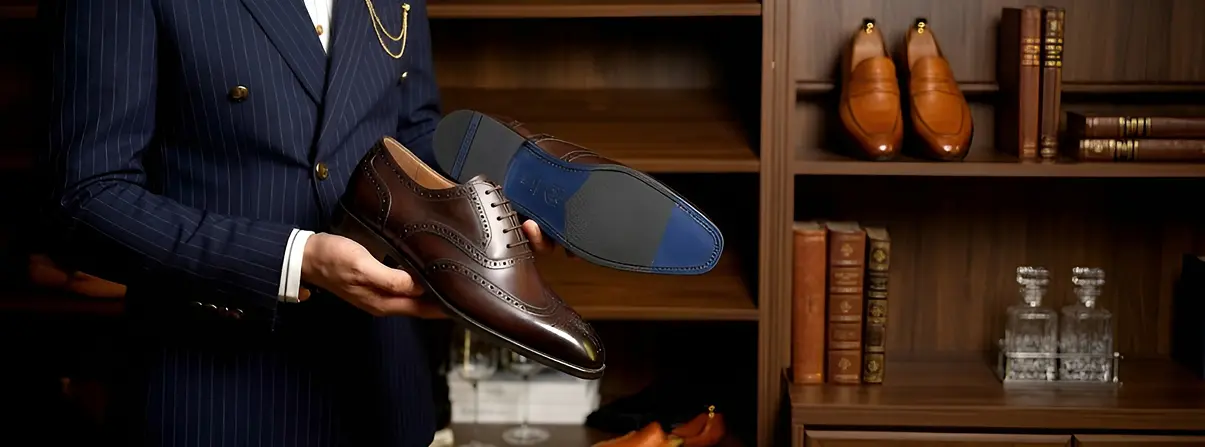
Wearability belongs within the design decision, not after it. The aim is not to reduce occasion dressing to a list of restrictions. It gives the wearer enough information to choose deliberately: fit, fastening, movement, and the demands of the setting alongside silhouette, colour, and finish.
A shoe does not become successful simply because it photographs well. It needs to work for the person whose outfit it completes. Keeping both questions open does not make the choice harder. It makes the outcome more reliable.
Also Read:
- What Keeps Clothes in Use? Attachment, Care and Repair
- Christie Brown: Between the Size Chart and the Garment
- Repair, Alter, Remake: Patch and Stitch’s Approach to Existing Clothes
Frequently Asked Questions
Does a higher price mean better comfort?
Not necessarily. NHS Lanarkshire states directly that a more expensive shoe does not guarantee better support, comfort or fit. Price is not a reliable proxy for how well a shoe suits your foot.
Should occasion shoes require a breaking-in period?
Generally, no. The same NHS Lanarkshire guidance states that correctly fitting shoes should feel comfortable from the start. If a pair is immediately uncomfortable at a fitting, that tells you about the fit, not something to push through.
Are low-heeled shoes automatically suitable for a long event?
Not on their own. Heel height is only one feature. Length, width, depth, and how securely the shoe holds the foot all contribute to whether a pair suits a specific wearer and occasion.
Can I rely on my usual size when buying online?
Use it as a starting point rather than a guarantee. The Royal College of Podiatry recommends measuring your feet if you are unsure of your size. Sizing varies between brands and styles, and feet often differ slightly from one another. Buying online for an upcoming event without a try-on carries more risk than an in-store fitting.