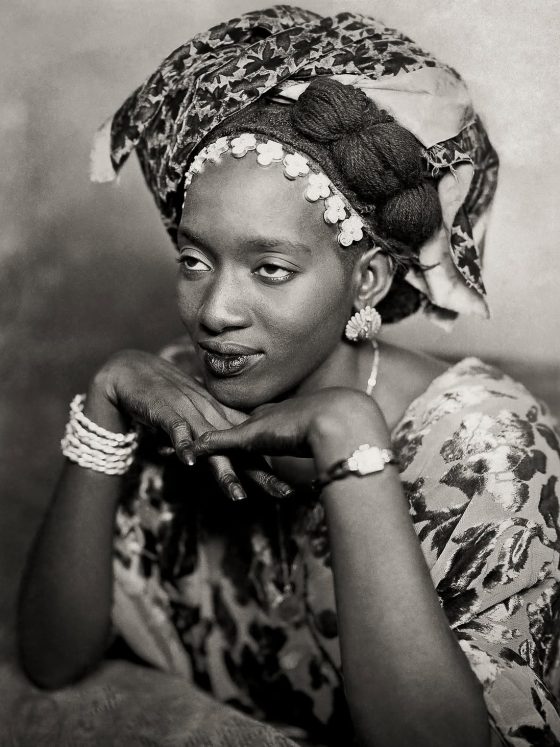
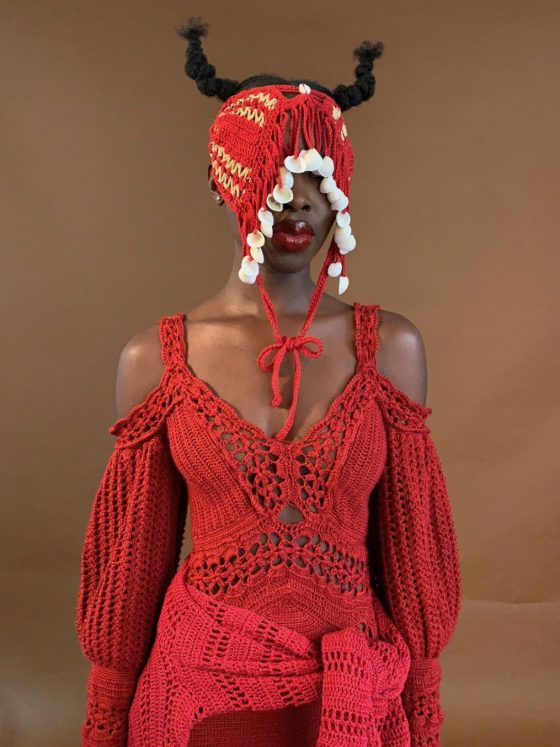
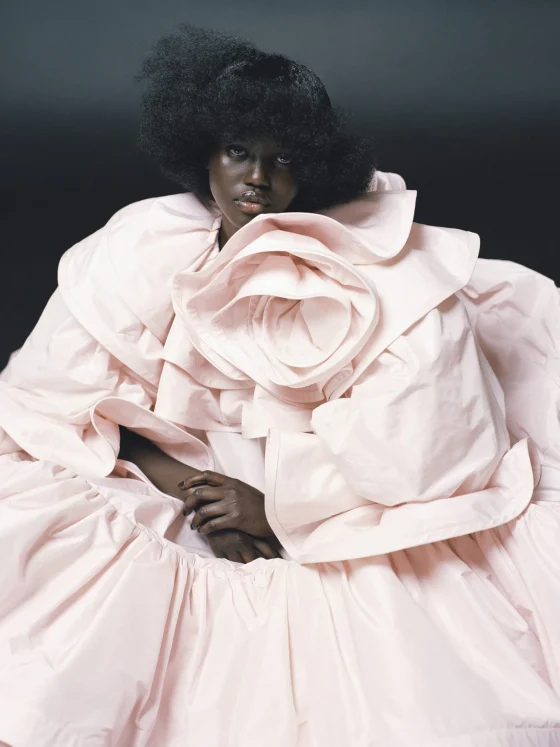
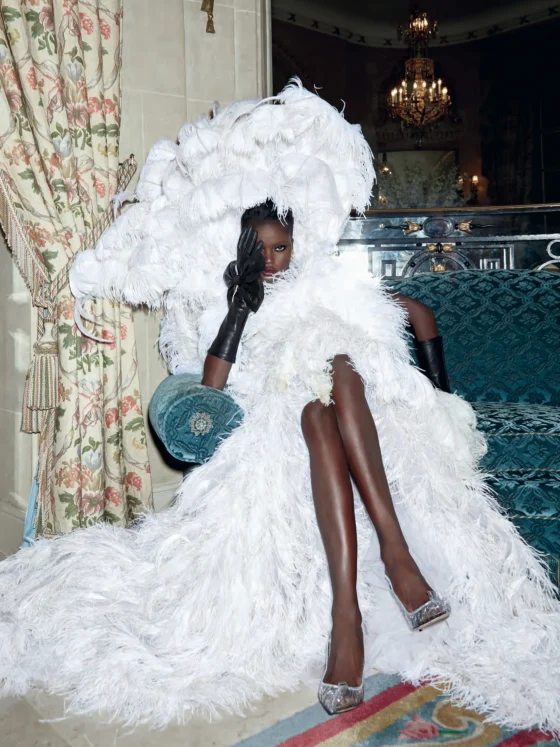
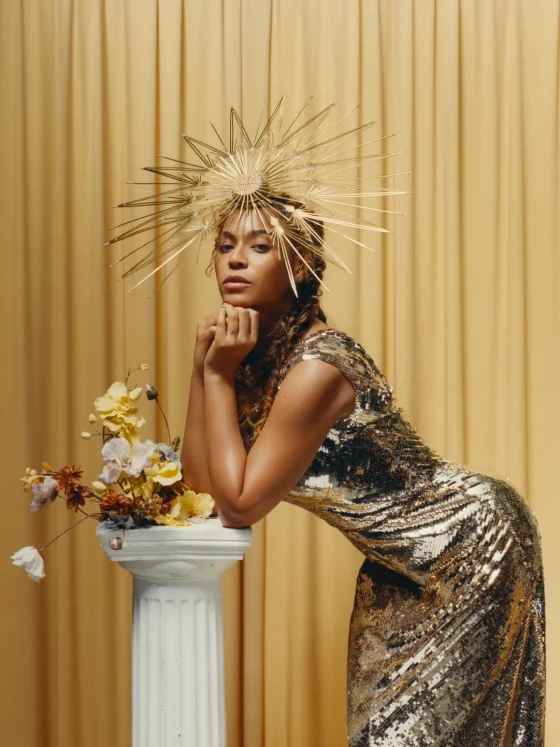
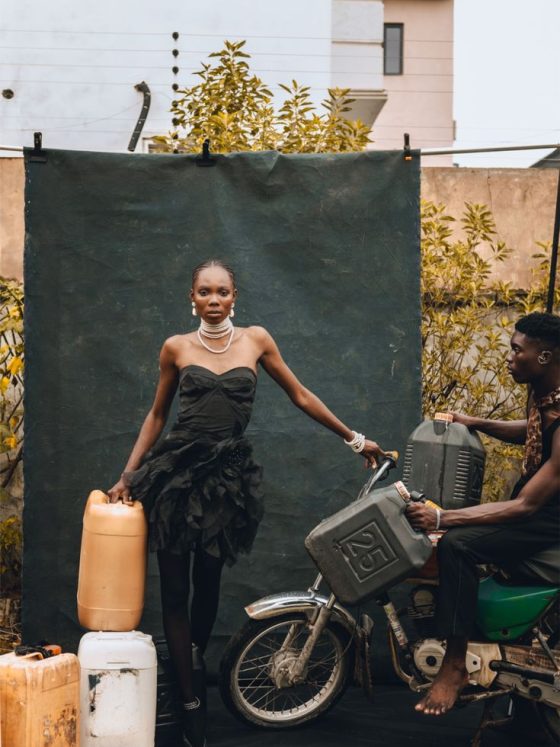
A street style photograph that does not name its subject has already made an ethical decision.
It has decided that the visual is the point and the person is secondary. It has decided that the image belongs to the photographer and the platform that publishes it, rather than to the individual whose dress intelligence, cultural knowledge and self-presentation created the shot’s value. It has decided that the community being documented is available for looking at, and that availability is the extent of the relationship.
That decision is common. It is not inevitable.
Across African cities in 2026, a generation of photographers is making different decisions. Omiren Styles’ documentation of Nairobi and Accra street style shows that the most sophisticated street style work in these cities goes beyond trend capture: it builds a record. It names people. It traces influences. It places specific garments within specific cultural contexts. It asks how the image will be used and who will benefit from that use. The photographers doing this work are not following an ethical framework handed to them by a fashion institution. They are building the framework themselves, through practice, community relationship and sustained presence.
The photograph is not the archive. The photograph plus the name, the context, the credit, the cultural knowledge and the ongoing relationship with the community being documented: that is the archive. Without those elements, street style photography is extraction wearing the clothes of documentation.
This Directory profile covers eight photographers whose work meets the standard Omiren Styles applies to street style documentation: named subjects where consent is given, specific cultural context rather than generic visual energy, a relationship with the communities being photographed that extends beyond the shoot, and a commercial practice that does not extract cultural value from communities whose labour and intelligence created that value. The Omiren Creative Directory is the platform through which practitioners across Africa and the diaspora make their work available to editors, brands, publishers and cultural institutions. These profiles come from the Directory’s Photographers section, which requires portfolio submission, rights confirmation, and a statement of practice before inclusion.
Street style photography is not neutral documentation. Omiren profiles photographers building an ethical record of African street style, with credit, consent and cultural specificity at the centre.
What Ethical Street Style Documentation Requires
Before the profiles, here are the standards they are assessed against.
Consent is the first requirement. A street style photograph taken without the subject’s knowledge or against their explicitly stated wishes doesn’t document their style. It has taken it. In practice, this means a photographer who approaches their subjects before shooting, explains the intended use of the image, and respects a refusal. It means a system for how subjects can request removal of images from a photographer’s archive or publication channels. It means understanding that consent given for a personal Instagram post is not the same as consent for a commercial brand campaign.
Credit is the second requirement. The subject’s name, as they have given it, belongs in the caption. Not “Lagos street style, 2026” but the person’s name, their city and their own description of what they are wearing, where the image is used editorially. This differs from anonymised documentary photography, where subject protection may require anonymity. In street style photography, where the image’s aesthetic value derives from the subject’s creative intelligence, naming them is the minimum acknowledgement that the intelligence existed and belonged to someone.
Cultural specificity is the third requirement. A photograph captioned “African street style” has done nothing to locate the subject in their actual cultural and geographic context. A photograph that names the neighbourhood, the occasion, the fabric tradition the garment draws from, and the designer or market it came from produces a cultural record rather than a visual surface. The difference between those two outcomes determines whether the photograph documents African urban culture or commodifies it.
Commercial accountability is the fourth requirement. When a street style photograph from Lagos is used in a campaign by a brand that has never commissioned a Lagos photographer, never worked with a Lagos designer and never directed any commercial relationship toward the Lagos community whose visual culture the campaign references, something has been extracted. As Credit Is Not Compensation established, the commercial life of a cultural reference extends far beyond the moment of its documentation. A street style photographer who retains the right to approve commercial use of their images, and who negotiates fees and credits that reflect the cultural value being licensed, is protecting not only their own practice but the community that generated the visual intelligence in the frame.
The Photographers: Creative Directory Profiles
The following profiles use the Omiren Creative Directory format. Each entry is drawn from submitted portfolio material, professional statements, and publicly verifiable channel information. Inclusion in the Creative Directory does not constitute editorial endorsement of commercial claims or guarantee of Index inclusion.
Yagazie Emezi — Lagos / Port Harcourt, Nigeria

Documentary and street style photographer. Visual journalist. Getty Images contributor.
Primary discipline: Documentary photography, street style, photojournalism
Working region: Nigeria (Lagos, Port Harcourt), West Africa, international
Career stage: Established
Portfolio: yagazieemezi.com
Yagazie Emezi approaches street style documentation as visual journalism: the image is an argument, not a mood. Her work, spanning street portraiture, documentary reportage, and fashion photography, consistently names its subjects and places them in their full social context. Her Getty Images work has placed Nigerian street subjects on international editorial platforms with the specificity that those platforms rarely apply to African cities. Her statement of practice explicitly addresses the commercial use of her archive: she does not license street portraits for brand campaigns without the named subject’s knowledge and agreement.
Stephen Tayo — Lagos, Nigeria
Street and fashion photographer. Lagos Fashion Week official photographer. Dazed, i-D contributor.
Primary discipline: Street style photography, fashion photography, portraiture
Working region: Nigeria (Lagos), West Africa
Career stage: Established
Portfolio / Instagram: @stephentayo
Stephen Tayo’s Lagos street style documentation is among the most widely published in international fashion media. His approach to Lagos Fashion Week and the city’s street culture combines the visual intelligence of a commercial fashion photographer with the cultural specificity of someone who knows his subjects’ social geography. His editorial work for Dazed and i-D consistently carries specific location, cultural context and subject identity rather than using Lagos as an anonymous backdrop. His practice shows that commercial fashion photography and specific cultural documentation are not mutually exclusive when the photographer has the knowledge and relationships to do both.
Medina Dugger — Lagos, Nigeria / London, UK

Fashion photographer, cultural documentarian. Vogue Africa, The New York Times contributor.
Primary discipline: Fashion photography, street documentation, editorial portraiture
Working region: Nigeria, UK, international diaspora contexts
Career stage: Established
Portfolio: medinadugger.com
Medina Dugger’s street and fashion photography brings the precision of editorial portraiture to street documentation. Her work treats Lagos not as a location backdrop but as a system: a city whose specific social geographies, material cultures, and self-presentation practices require the same research investment as any well-documented cultural subject. Her archive of Lagos street subjects consistently credits names, locations and garment sources. Her diaspora work, shot across London and Lagos, documents the specific dress intelligence of communities that fashion media has historically observed without acknowledging.
Thandiwe Muriu — Nairobi, Kenya

Commercial and conceptual photographer. Textile and pattern specialist. Cantu, Nike, Bumble contributor.
Primary discipline: Conceptual fashion photography, portraiture, textile documentation
Working region: Kenya (Nairobi), East Africa
Career stage: Established
Portfolio / Instagram: @thandiwemuriu
Thandiwe Muriu’s work operates at the intersection of fashion photography and textile documentation. Her pattern-immersive portraiture, in which subjects are styled to merge with or emerge from fabric backgrounds, is simultaneously a commercial statement and a documentation practice: it insists that East African textile knowledge is a sophisticated visual system worthy of international fashion photography’s most rigorous treatment. Her commercial work for Nike, Cantu and Bumble has placed African textile intelligence at the centre of global brand campaigns with full credit to the Nairobi context from which her visual language emerges.
Osborne Macharia — Nairobi, Kenya
Fine art and commercial photographer. Kenyan speculative image-making. International exhibition record.
Primary discipline: Fine art photography, narrative portraiture, conceptual fashion image-making
Working region: Kenya (Nairobi), international
Career stage: Established
Portfolio: osbornmacharia.com
Osborne Macharia’s image-making argues that Nairobi’s visual culture has always been speculative, layered and self-invented, not a reflection of external aesthetic systems. His narrative portraiture documents specific Nairobi subjects in constructed scenarios that draw on Kenyan cultural references, colonial history and post-independence self-fashioning. The documentation argument in his work is specific: these images exist to prove that Nairobi produced a visual intelligence that predates and exceeds global fashion’s interest in it. His practice positions Kenyan subjects as authors of their own visual narratives rather than subjects of external documentation.
Nana Kofi Acquah — Accra, Ghana

Documentary photographer, visual storyteller. National Geographic contributor. Ghana Press Photographer of the Year.
Primary discipline: Documentary photography, street portraiture, visual journalism
Working region: Ghana (Accra), West Africa
Career stage: Established
Portfolio / Instagram: @africashowboy
Nana Kofi Acquah brings documentary rigour to Accra street documentation. His practice is built on sustained relationships with his subjects rather than single-encounter image-taking: the people in his photographs are named, placed, and returned to. His Accra street work documents the specific dress intelligence of a city whose street style, as Omiren has established, operates with a visual vocabulary of deliberate restraint, specific cultural reference and a preference for rewarding careful looking over immediate spectacle. His National Geographic recognition reflects the standing his documentary approach has achieved within international photojournalism, not how easily his Accra subjects can be reduced to editorial imagery for external platforms.
Daniel Obasi — Lagos, Nigeria

Fashion photographer, visual artist, creative director: Vogue Italia, Wonderland, Paper contributor.
Primary discipline: Fashion photography, conceptual image-making, queer visual documentation
Working region: Nigeria (Lagos), international
Career stage: Established
Portfolio / Instagram: @danielobasi
Daniel Obasi’s documentation practice centres subjects not typically seen in mainstream fashion photography. His work centres Nigerian queerness, gender fluidity and self-invention in a context where those identities carry social risk. The ethical dimension of his practice is therefore specific: he is not applying a general consent framework to neutral subjects; he is building a record of communities whose visibility in photography has historically been either absent or extractive. His archive documents queer Lagos with the same specificity and cultural depth that documentary photographers apply to other communities: named people, named places, named cultural contexts.
Fathia Olasupo — Lagos, Nigeria
Street style photographer and writer—Lagos urban fashion documentation.
Primary discipline: Street style photography, fashion writing, urban fashion documentation
Working region: Nigeria (Lagos)
Career stage: Emerging / Independent
Omiren Styles profile: omirenstyles.com/tag/african-urban-style
Fathia Olasupo’s work for Omiren Styles represents the editorial approach this platform applies to African street style documentation: named subjects, specific locations, cultural context placed ahead of visual energy. Her Lagos street work places the subject’s own account of what they are wearing and why at the centre of the record rather than subordinating it to the photographer’s aesthetic or the platform’s editorial direction. Her practice demonstrates what street style documentation looks like when the subject’s knowledge is treated as primary rather than as material for the photographer’s interpretation.
What These Practices Have in Common
The eight photographers profiled above work in different genres, cities, and commercial contexts. None of them has adopted an identical ethics framework. What they share is a set of practices that consistently treat the subject’s identity, cultural knowledge and self-presentation as primary rather than incidental.
They name their subjects. They locate their images in specific cultural and geographic contexts. They maintain relationships with the communities they photograph that extend beyond the image. They have developed positions on the commercial use of their archives that do not allow platforms and brands to license their work for campaigns that extract African urban visual culture without returning value to the communities that built it.
As the ten African fashion photographers shaping a new editorial era documented, the most significant recent development in African fashion photography is not the arrival of new visual talent but the development of new ethical frameworks for how that talent operates. A photographer can have extraordinary visual intelligence and still be building a record that extraction rather than documentation describes. The photographers in this Directory profile have made deliberate decisions to build a different kind of record.
That record has commercial value and cultural authority that the extraction model cannot produce. A brand that licenses an image from Stephen Tayo’s Lagos archive, with a named subject, a specific cultural context and a clear credit chain, is not only receiving a photograph. It is receiving access to the credibility that sustained, ethical, community-rooted documentation produces. As After Attribution: Who Owns the Commercial Life of a Cultural Reference? established, the commercial life of a cultural reference is worth more when its origins are documented with precision than when they are dissolved into generic visual language.
The Omiren Argument
Street style photography from African cities generates significant commercial value for the international fashion media that publishes it. The photographers who produce that work, and the communities whose self-presentation intelligence makes the images worth publishing, are not always the primary beneficiaries of that value.
The ethical photography argument is therefore not only an argument about individual practice. It is an argument about the commercial structure through which African urban visual culture is converted into publishable content, licensable imagery and brand campaign reference. That structure currently distributes value in the same direction as every other extraction pattern this series has documented: upward, toward the platforms and brands with the distribution infrastructure, and away from the photographers and communities who created what was worth distributing.
The photographers in this Directory profile are not waiting for the structure to change. They are building practices within it that refuse the most extractive terms while demonstrating that ethical documentation produces better images, stronger archives and more durable commercial relationships than the alternative. A street style archive built on named subjects, specific cultural contexts and maintained community relationships is not only more ethical. It is more valuable. It is harder to replace. It compounds over time in the way that extraction never does.
The Omiren Creative Directory documents that practice and lets photographers who meet this standard make their work available to editors, brands, publishers, and cultural institutions looking for exactly what this record provides. Submissions are open. The standard is clear. The documentation is the work.
ALSO READ
- 10 African Fashion Photographers Shaping a New Editorial Era
- What Accra Street Style Is Actually Arguing in 2026
- Nairobi Street Style: How Kenya’s Fashion Capital Builds Its Own Aesthetic Without Asking Permission
- Credit Is Not Compensation: What Fashion Owes Beyond Naming a Cultural Source
- After Attribution: Who Owns the Commercial Life of a Cultural Reference?
Frequently Asked Questions
What makes African street style photography ethical rather than extractive?
Ethical street style photography from African cities requires four specific practices. Consent: approach subjects before shooting, explain the intended use of the image, and respect refusals. Credit: include subjects’ names in captions when they consent to be named, rather than treating individuals as anonymous representatives of a city or culture. Cultural specificity: caption images with location, occasion, fabric tradition, and garment source rather than generic labels like “African street style.” Commercial accountability: the photographer retains rights controls that prevent their archive from being licensed for brand campaigns without the subject’s knowledge and without commercial terms that reflect the cultural value being used.
Why does naming subjects matter in street style photography?
A street style photograph whose value derives from the subject’s dress intelligence, cultural knowledge and self-presentation creates a situation in which the subject is the author of the image’s most important content. Not naming them treats that authorship as irrelevant and reduces the subject to visual material available for the photographer’s and platform’s use. Naming them acknowledges that a specific person with a specific cultural identity made specific decisions that created the image’s value. It is also the minimum requirement for the image to function as documentation rather than extraction: a record without named people is an archive of surfaces, not a cultural record.
How should brands use street style photographs from African cities?
A brand using a street style photograph from Lagos, Accra or Nairobi in a campaign should be able to confirm: the photographer was commissioned, or the image was licensed with full rights clearance; the named subject in the image was informed of the commercial use and gave specific consent for it; the photographer received a fee reflecting the commercial value of the use rather than an editorial rate; and the campaign credit chain is complete, naming the photographer, the city and the cultural context. A brand that cannot confirm all four of these elements is using an image from a community whose visual culture it has not compensated and whose consent it has not sought.
How can photographers submit to the Omiren Creative Directory?
The Omiren Creative Directory accepts submissions from photographers, stylists, writers, designers and other creative practitioners working within African, Caribbean and Afro-Latin American fashion and culture. Submission requires a portfolio, a professional statement, confirmation of image rights and usage permissions for submitted material, and identification of working region and career stage. The Directory does not guarantee editorial coverage, Index inclusion, paid work or representation. It is a talent-discovery platform that connects practitioners with editors, brands, publishers, and cultural institutions actively seeking their work. Submissions should be directed to contact@omirenstyles.com.
What is the difference between an Omiren Index record and a Creative Directory profile?
The Omiren Index is an independently curated editorial reference record. Inclusion follows research, verification and editorial judgement. It is selective and cannot be applied for. The Creative Directory is an inclusive, application-led talent-discovery platform for students, emerging practitioners, freelancers and creative professionals. Inclusion follows application, consent, portfolio review, relevance and suitability review. A Creative Directory profile is not an endorsement, an editorial recommendation, or a guarantee of Index inclusion. The two systems serve different functions: the Index documents what Omiren has independently verified; the Directory makes practitioners visible to people looking for talent.
EXPLORE MORE
Browse the full Photographers section of the Omiren Creative Directory for practitioners across African cities and the diaspora. Read the full The Lens and Creative Directory sections at Omiren Styles for ongoing documentation of African fashion photography, street style and the ethical frameworks that distinguish documentation from extraction. Discover travel and heritage intelligence across African cities at Rex Clarke Adventures.