Three things should be clear before the reader starts. Southern African beadwork has a deep and specific historical record. It encodes social and ritual meaning with a precision that fashion journalism loves to celebrate when the tradition comes from Europe or Japan. And contemporary fashion already has the designers and the runway examples to treat beadwork as equal to any celebrated textile tradition. The argument this piece makes is not that beadwork is underappreciated in the abstract.
It is that the editorial classification of beadwork as craft rather than runway fashion is a mechanism of exclusion, not a reflection of creative merit. That mechanism is running out of justifications.
A sharp opinion on why Southern African beadwork deserves the same runway recognition and editorial credit that West African textiles already receive, with the historical and contemporary evidence to prove it.
What Southern African Beadwork Communicates
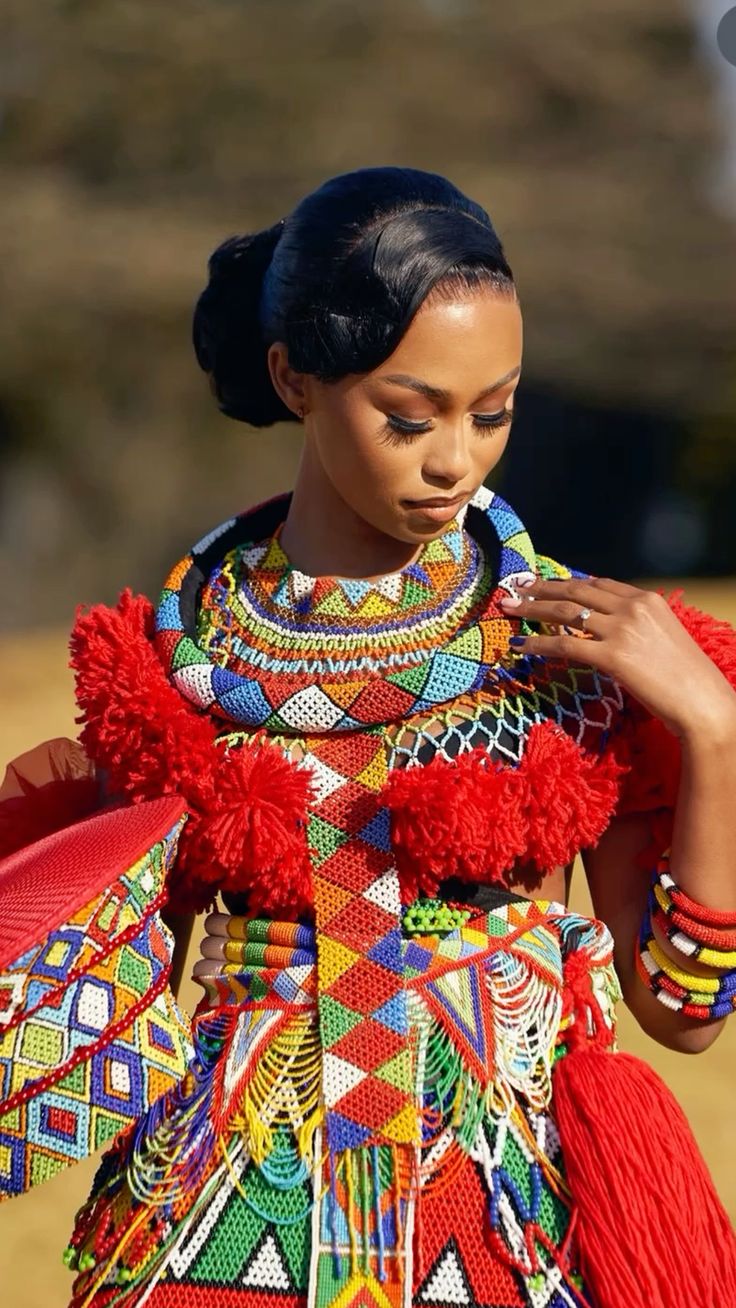
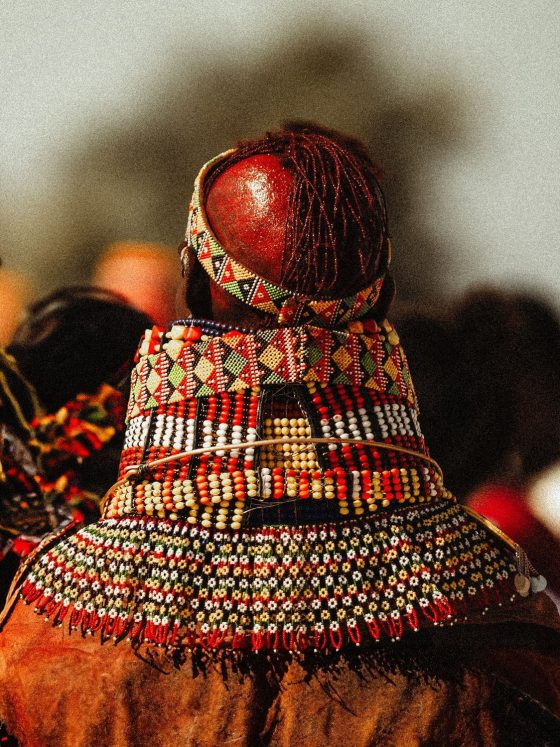
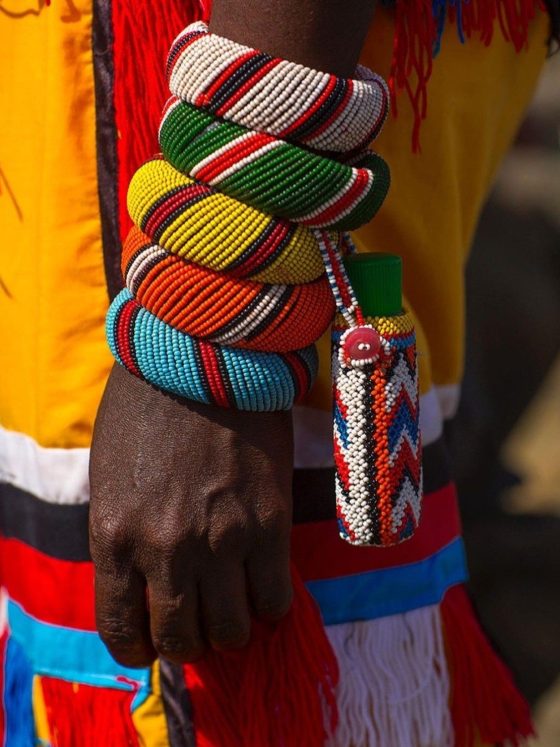
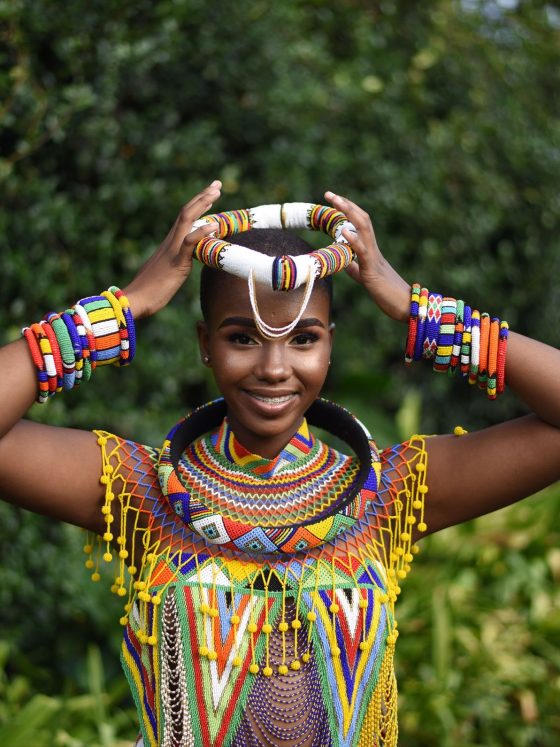
The first mistake fashion media makes is treating beadwork as a decorative layer applied to dress, as if fabric is the real fashion and beads are embellishment in Southern African traditions; that is backwards. Beadwork is structure, symbolism, and communication functioning simultaneously. Among the Zulu, colours encode life stage and social standing with a specificity that requires cultural literacy to read: white is commonly associated with purity and spiritual roles; blue with faithfulness; red with physical vitality; green with domestic life. Among novice traditional healers, simple white bead strings mark entry to a spiritual role. At the same time, more complex arrangements of multiple colours signal advancement through that role, as documented by Google Arts and Culture’s “How African Beadwork Changed the World.” These are not decorative habits. They are design decisions with social consequences.
Among the Ndebele, geometric pattern and colour placement communicate identity with a visual precision that has its own design grammar. Ndebele beadwork uses specific arrangements to signal marital status, age, and community belonging, with different forms worn by girls, married women, and elders, as documented by Omiren Styles in its analysis of Ndebele traditional styles. Among the Xhosa, beadwork is linked to life stages and ritual identity in ways that connect individual expression to community membership: a person’s adornment is readable by others who share the cultural framework, making it a form of social publication worn on the body. That is exactly the kind of design intelligence fashion says it values when it encounters it in other traditions.
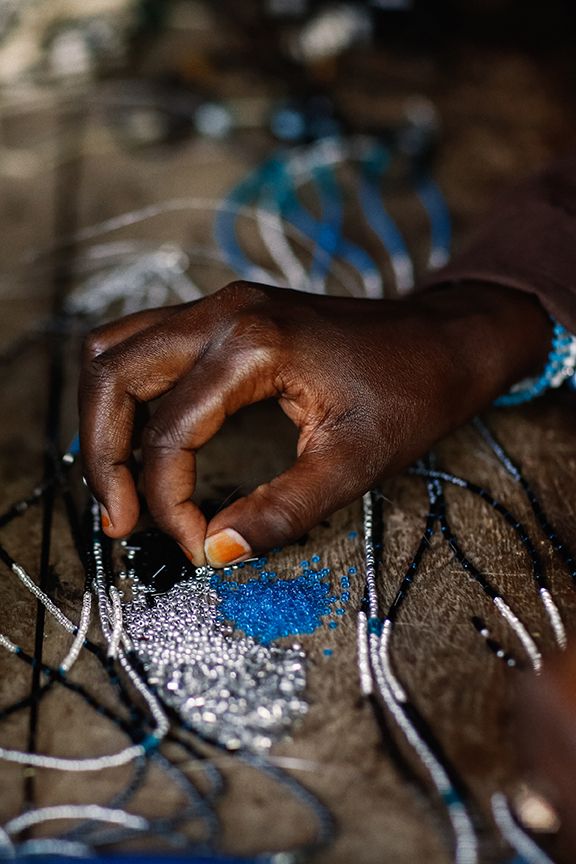
Beadwork is also no less wearable than cloth. This point matters because it is the unconscious hierarchy that underlies most editorial classification of beadwork as craft rather than fashion. In fact, Southern African beadwork traditions are specifically designed to move with the body and to activate the body visually as the wearer moves. A beaded collar that catches light differently at every angle, a beaded belt that marks the waist and moves with the hip, a ceremonial apron that announces the wearer’s social status to everyone within viewing distance: these are not objects that need to be translated into modernity. They were designed to be worn in public, to be seen, and to communicate. That is what runway fashion does. As Omiren Styles has documented in its analysis of Maasai beadwork as a language of identity, what global fashion calls statement jewellery is, within African beadwork traditions, informational design. The difference is profound, and the comparison is the point.
How Its History Stretches from Ancient Roots to Contemporary Runways
Southern African beadwork has an archaeological record that begins before European contact. The Metropolitan Museum of Art’s collection of African beadwork documents bead objects from Southern African traditions whose construction and symbolic use predates colonial trade by centuries. Early beads in Southern Africa were made from organic materials including ostrich eggshell, shell, and bone, with glass beads entering the material vocabulary through Indian Ocean and overland trade networks. The introduction of glass beads through trade expanded the colour range and therefore the symbolic vocabulary available to beadwork traditions: more colours meant more distinctions, more legible messages, more precise communication. This is not a tradition that borrowed foreign materials and was diminished by the contact. It is a tradition that incorporated new materials and became more expressive.
The nineteenth and early twentieth centuries brought colonial pressure against many Southern African cultural practices. Missionary campaigns specifically targeted dress practices associated with bare skin and traditional adornment, as Omiren Styles has documented in its analysis of how colonial law targeted African dress and hair. The apartheid era in South Africa added further pressure: the creation of Bantustans as administrative categories meant that some African cultural traditions were simultaneously preserved as “tribal” markers and stripped of their political and economic agency. The beadwork traditions of Ndebele, Zulu, and Xhosa communities survived this period not by being untouched by it but by continuing to function as cultural language within communities that maintained them despite external pressure. The survival is itself a fashion argument: these are not static traditions preserved under glass. They are living systems that adapted under historical conditions that would have destroyed less robust design cultures.
The current moment, in which The Star’s September 2025 Heritage Day coverage documents that designers like Laduma Ngxokolo of MaXhosa Africa and Thebe Magugu are “reimagining traditional beadwork for modern fashion, creating pieces that are as much about storytelling as they are about style,” is not a contemporary invention. It is the latest chapter in a living tradition that has been adapting and communicating for centuries. The resurgence, as the same source notes, is also creating economic opportunity for rural artisans, many of them women, whose skills are “finally being recognised and appreciated globally.” Finally is the word that carries the critique.
“We evolved our own culture as a means of showcasing to the rest of the world that our artefacts don’t have to sit in museums as a cross-reference to where we come from.” — Laduma Ngxokolo, MaXhosa Africa, WWD Fall 2026 review
Why Fashion Media Repeatedly Downgrades It Into Craft
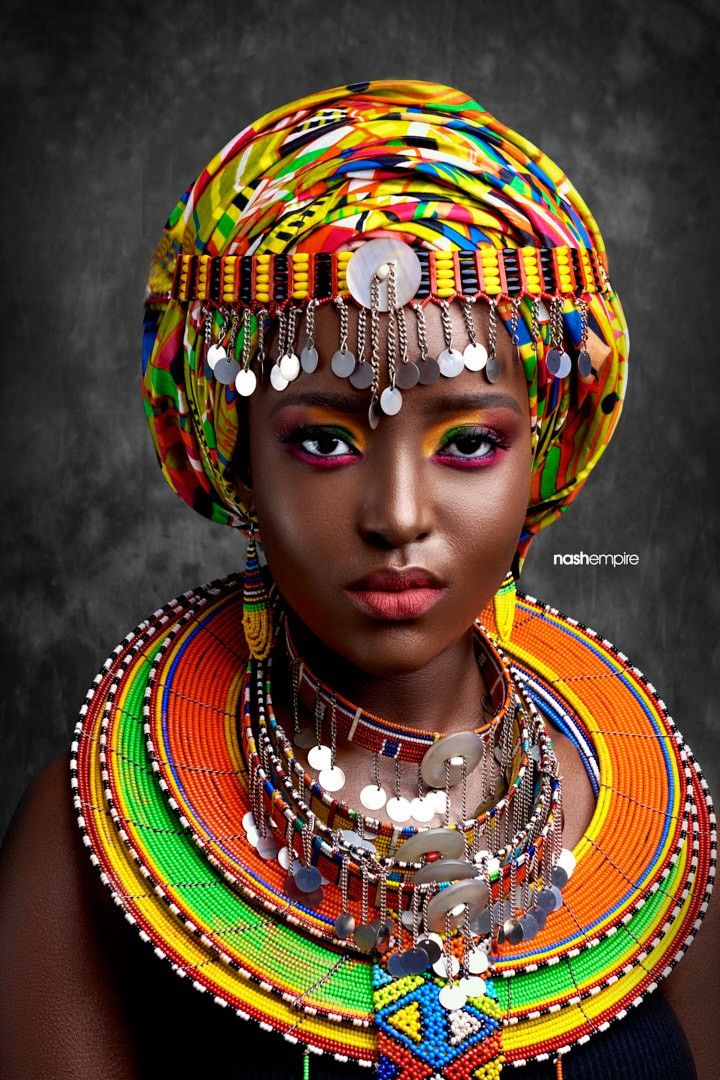
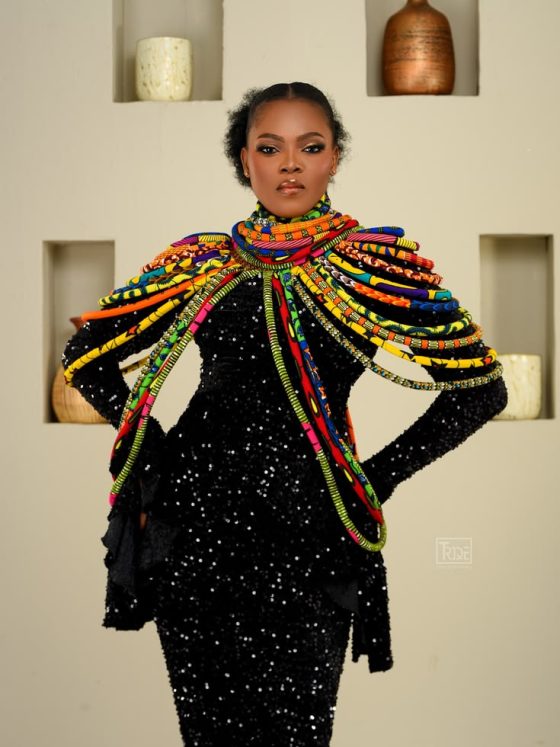
Fashion media has learned how to translate West African textiles into prestige language. Kente is discussed as royal heritage and contemporary luxury simultaneously. Adire is framed as an Abeokuta craft tradition that has achieved international recognition. Aso-oke is positioned as the fabric of Nigerian celebration culture and therefore of Nigerian fashion authority. Bogolanfini is the Malian mud cloth that was already being referenced in European fashion houses in the 1990s. These framings are not wrong. They are well-deserved recognitions of traditions with deep histories and visual sophistication. The problem is not that West African textiles receive them. The problem is that Southern African beadwork receives a different set of framings instead: ethnographic artefact, heritage craft, museum object, tribal ornamentation.
The Metropolitan Museum of Art’s perspectives on beadwork in the arts of Africa document beadwork’s status as a major artistic tradition across the continent. The scholarship exists. The institutional recognition exists. What does not exist in equal measure is the editorial fashion treatment that would position Southern African beadwork the way West African textiles are positioned: as a living, generative tradition that contemporary designers draw from as a luxury reference point. The mechanism of this difference is not creative evaluation. It is editorial habit shaped by which traditions were historically introduced to the fashion industry through which channels. West African textiles entered through trade relationships and diaspora fashion networks that fashion media was already tracking. Southern African beadwork was introduced primarily through ethnographic and museum channels, and that classification has stuck in ways that creative merit alone has not been able to dislodge.
Art Africa Magazine’s analysis of beadwork traditions in South Africa, as documented in scholarly research at the Cape Peninsula University of Technology, addresses this distinction precisely: the difference between how beadwork is understood within its communities of origin and how external institutional frameworks classify it. The external frameworks- museums, ethnographic catalogues, heritage organisations- are not wrong to engage with beadwork. But they are insufficient as the only editorial frame, because they consistently position beadwork as something to be preserved rather than as something currently speaking.
How Contemporary Designers Are Already Proving Its Runway Potential
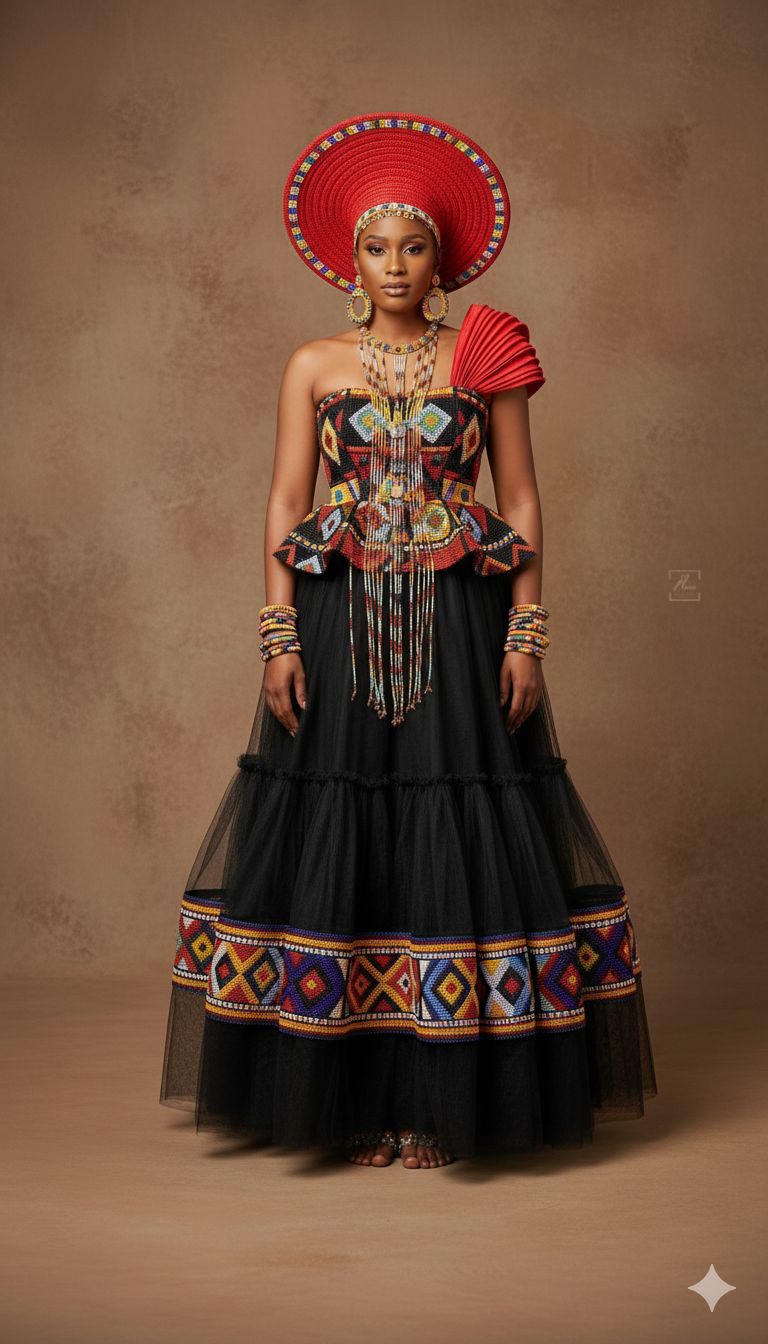
The contemporary runway evidence already exists. It just needs to be read correctly rather than framed as the exception. Laduma Ngxokolo founded MaXhosa Africa in 2010 with a specific design brief: to translate Xhosa beadwork patterns and geometric motifs into contemporary knitwear for international markets. As WWD’s review of MaXhosa’s Fall 2026 Paris collection documents, Ngxokolo continues to “iterate around geometric patterns that sample Xhosa heritage, its beadwork in particular.” He is not referencing beadwork as nostalgic heritage. He is using it as an active design resource, updated season by season, presented in Paris, worn by Beyoncé in Black Is King, and now represented in 10 South African stores with expansion into neighbouring countries confirmed. That is a business built on Xhosa beadwork as a contemporary fashion proposition. Its commercial success is the argument.
Thebe Magugu, the first African designer to win the LVMH Prize (2019), as documented by Your Luxury Africa’s research on South African designers on global runways, brings Southern African visual traditions into his Paris Fashion Week collections through a research-driven practice that treats South African cultural history as primary creative material. His SS24 collection, engaging with the story of Sarah Baartman, used fabric as a narrative medium in the way that beadwork has always used pattern and colour: as structured communication about identity, history, and the politics of how Black bodies are seen. His practice demonstrates that the design intelligence in Southern African material culture is not only available as a luxury proposition but is already functioning as one at the highest level of international fashion validation.
The Design Art Magazine’s review of MaXhosa’s SS26 Paris presentation describes Ngxokolo’s vision as “a meditation on heritage as both inheritance and innovation,” with garments described as “vessels for ancestral memory, a dialogue between the spiritual and the contemporary.” That is the language of runway fashion at its most serious, applied to a collection rooted in Xhosa beadwork patterns. The runway credit is being claimed. The editorial habit of filing it under heritage rather than fashion is what this piece is arguing against.
Why Editorial Categories, Not Creative Merit, Are the Real Problem
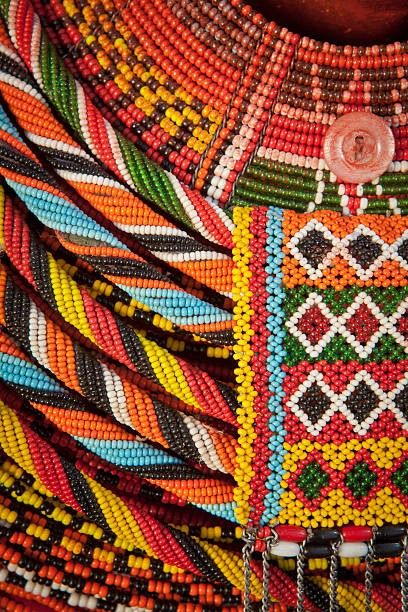
Museums preserve. Academic journals contextualise. Runways activate in the present tense. Southern African beadwork already has preservation, through museum collections documented at the Met and the V&A. It has contextualisation, through the scholarship that has mapped its symbolic systems and historical development. What it lacks is runway activation at the same scale and with the same editorial seriousness that West African textiles receive. The deficit is not in the tradition’s quality. It is in how the tradition is classified when it reaches editorial spaces.
The category error matters because it has real consequences. When beadwork is filed under craft or heritage rather than runway fashion, it does not get styled as current. It does not get discussed as a luxury reference point by the buyers and editors whose opinions shape what major brands commission, what fashion students learn to reference, and what consumers are taught to recognise as high design. It gets admired in museum contexts and then not seen at the fashion table, as Omiren Styles has argued across its analysis of African fashion’s global position. These traditions’ institutional recognition was never absent. Southern African beadwork is not waiting to be discovered. It is waiting to be ranked correctly.
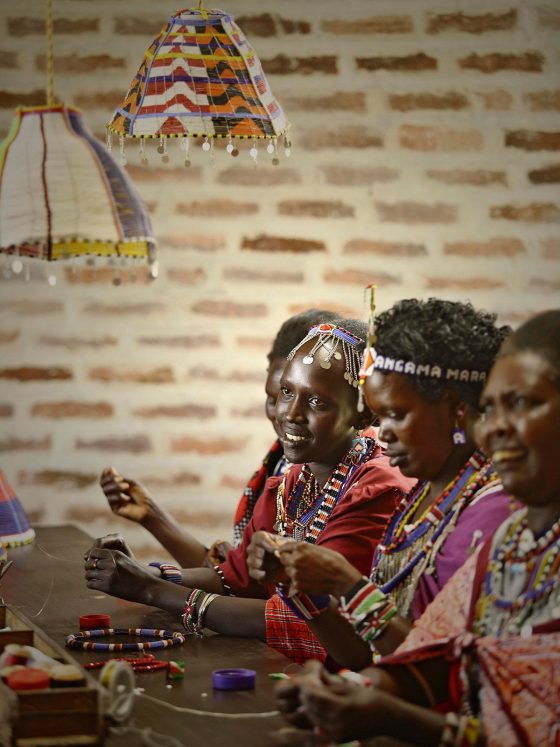
The additional dimension of this category error that the QC for this piece correctly flags is that much of the beadwork tradition is carried by women. The labour is women’s labour, the knowledge transmission is women’s knowledge, and the symbolic systems that beadwork encodes were authored primarily by women working within communities that gave that authorship social legitimacy within those communities, if not outside them. Fashion media loves to celebrate women’s creative work when it comes with the right institutional packaging. Southern African beadwork’s women authors have been doing the work for centuries. The institutional packaging they have received- museum presentation, heritage classification, ethnographic documentation- has protected the tradition from erasure. It has not protected it from underclassification in fashion editorial. That is the correction this piece calls for.
The Omiren Argument
Southern African beadwork deserves the same runway credit West African textiles receive because both are systems of cultural design that communicate identity, status, memory, and modernity through material form. The historical record, from ancient bead production through colonial disruption and apartheid-era suppression to current Paris runways, is deep and specific. The symbolic system, in which Zulu colour encodes life stage, Ndebele geometry communicates social position, and Xhosa adornment marks ritual and community belonging, is precisely the kind of design language that fashion says it values. The contemporary designers, Ngxokolo and Magugu most visibly, are already translating this heritage into international runway propositions that are commercially successful and critically recognised. The tradition is alive, adaptive, and already present on the stages where fashion’s value is determined. The editorial classification that files it under craft rather than fashion is not a response to the tradition’s quality. It is a habit whose justifications have run out.
As Omiren Styles has documented in its analysis of Maasai beadwork as language, when bead collars appear in global editorials without context, the visual impact remains, but the language is muted. The challenge is translation with integrity. Southern African beadwork in the runway context requires the same translation with integrity: the visual impact is already there, the cultural language is already there, and the contemporary designers capable of translating are already doing it. What fashion editorial owes the tradition is the same seriousness it has learned to extend to kente and aso-oke: not discovery, but correct classification.
Southern African beadwork is not waiting to be discovered. It is waiting to be ranked correctly. The fashion world already knows how to praise West African textiles as living heritage. The visual intelligence from the south is just as strong. The cultural stakes are just as high. The justification for the different treatment has expired.
ALSO READ
Frequently Asked Questions
Why compare Southern African beadwork to West African textiles?
Because both are major African design systems that communicate identity, status, and heritage through material culture, West African textiles, including kente, adire, aso-oke, and bogolanfini, are already framed as fashion authorities in global editorial coverage. Southern African beadwork operates with equivalent symbolic sophistication and historical depth but is consistently classified as craft or ethnographic heritage rather than as fashion design. The comparison identifies the editorial imbalance rather than ranking the traditions against each other. As Google Arts and Culture’s documentation of African beadwork confirms, African beadwork has changed the world aesthetically and culturally. The editorial framework that processes it should reflect that.
What makes beadwork fashion and not just decoration?
Beadwork in Southern African traditions is a design system with a syntax. The colour combinations, pattern placements, and forms are deliberate and culturally legible rather than randomly decorative. Among the Zulu, colours encode life stage and social standing. Among the Ndebele, geometric pattern and placement communicate identity, marital status, and community belonging. Among the Xhosa, beadwork marks ritual roles and life stages in ways that connect individual expression to community membership. As the Metropolitan Museum of Art’s collection and perspectives on African beadwork document, this is informational design, not surface embellishment. Beadwork is also not less wearable than cloth: Southern African beadwork traditions are specifically designed to move with the body and activate it visually, which is exactly what runway fashion does.
Which contemporary designers are proving beadwork’s runway potential?
Laduma Ngxokolo of MaXhosa Africa is the most fully documented case. As WWD’s Fall 2026 Paris collection review confirms, Ngxokolo continues to use Xhosa beadwork patterns and geometric motifs as the active design resource for a brand with 10 South African stores and confirmed Paris Fashion Week presence across multiple seasons. Beyonce wore MaXhosa in Black Is King. Thebe Magugu, the first African designer to win the LVMH Prize (2019), brings Southern African cultural heritage into his Paris Fashion Week collections through a research-led practice that uses visual tradition as contemporary design material. Both designers demonstrate that the runway translation is already happening. The editorial category that classifies the source material as craft rather than fashion is the problem this piece identifies, not the tradition itself.
What should the fashion industry do differently?
Apply the same editorial classification to Southern African beadwork that is already applied to West African textiles: position it as a living, generative tradition that contemporary designers draw from as a luxury reference point, not as a heritage object for museum preservation. Name the designers who are doing this work. Cover their collections with the same depth of fashion analysis that kente and aso-oke collections receive. Give the tradition runway credit rather than ethnographic credit. And recognise, as The Star’s Heritage Day 2025 coverage documents, that this resurgence creates economic opportunities for the women artisans whose skills have been undervalued for too long. Fashion media’s editorial choices have economic consequences for the communities those choices do or do not recognise.