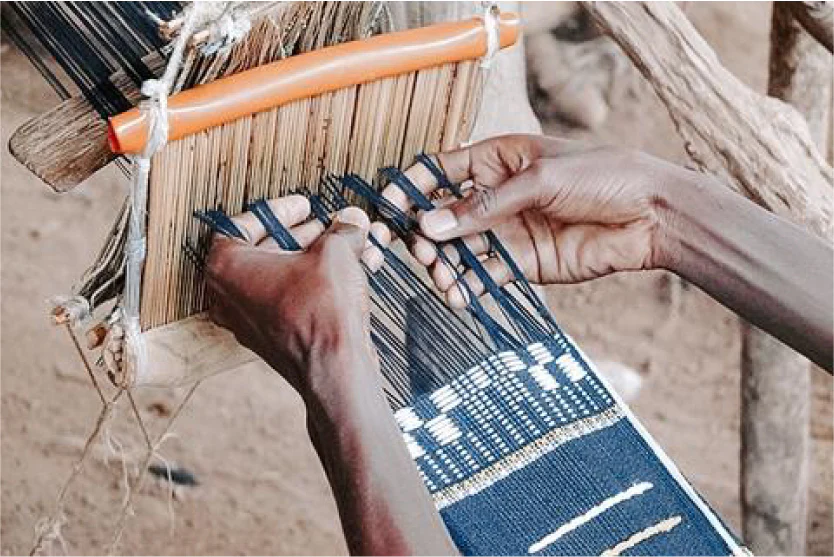
Fabrics defining Ivorian fashion extend far beyond mere decoration. They serve as powerful tools for social communication, economic exchange, and cultural expression across Côte d’Ivoire’s diverse ethnic groups.
Wax prints, particularly Vlisco and its local variants, dominate everyday and ceremonial wear. They are used in carefully styled pagnes that signal status, occasion, and identity. At the same time, handwoven cotton textiles and imported laces continue to play important roles, especially in northern and eastern regions.
These fabrics are actively chosen, named, and reinterpreted by Ivorians themselves. They reflect both deep-rooted traditions and ongoing adaptation to contemporary life. This makes them central to how Ivorian style is created and understood.
Fabrics that define Ivorian fashion go beyond aesthetics, serving as powerful tools of identity and status. This article explores how Ivorians define their style.
The Foundation of Ivorian Textile Culture
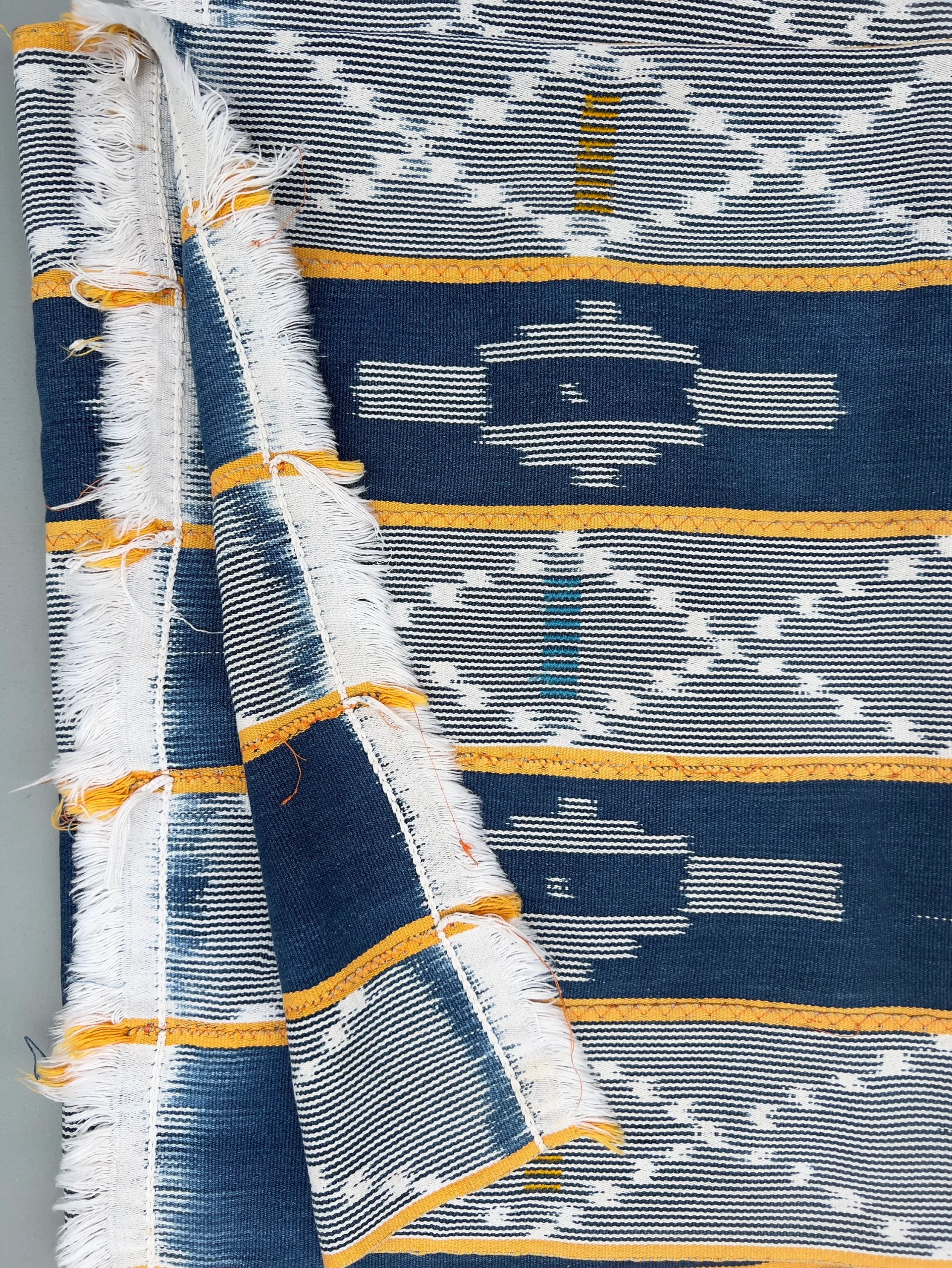
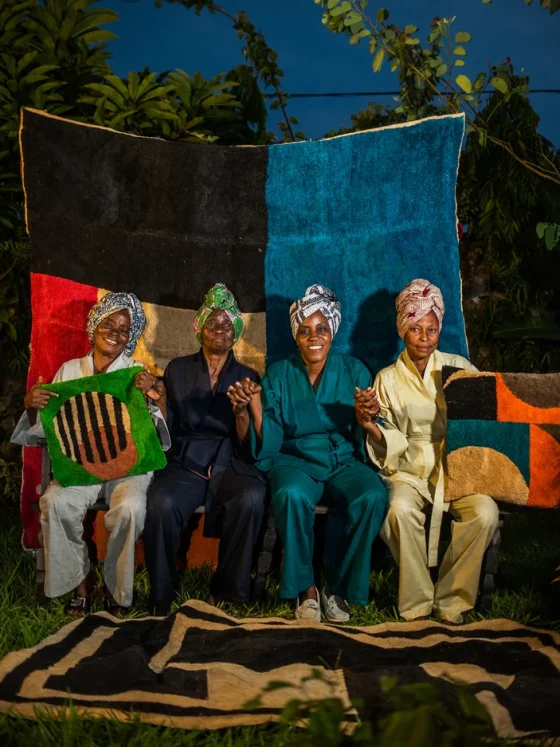
Ivorian textile culture rests on a long history of local cotton cultivation and handwoven production. Before the widespread adoption of wax prints, many ethnic groups developed their own weaving traditions using narrow-strip looms.
The Baoulé and other Akan groups, in particular, produced high-quality handwoven cotton fabrics that served both everyday and ceremonial purposes.
These local Ivorian textiles were deeply integrated into social and economic life. Weavers, spinners, and dyers operated through established community systems that connected raw material production with final cloth use.
This foundation created a strong technical base and cultural appreciation for quality fabric that still influences how Ivorians select and value cloth today.
Although imported and industrially printed textiles later became dominant, this early textile heritage continues to shape Ivorian preferences for texture, durability, and meaning.
Wax Prints and Their Central Role in Ivorian Life
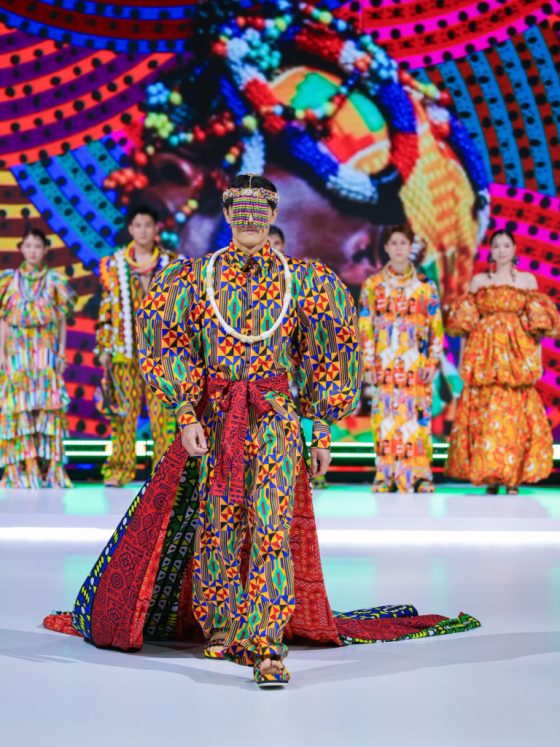
Wax prints occupy the most prominent position among fabrics, defining Ivorian fashion. Since the mid-20th century, Vlisco wax fabric Côte d’Ivoire and its local imitations have become central to everyday and ceremonial dressing across the country.
Ivorians actively name specific patterns and assign them social meanings, turning the cloth into a sophisticated communication tool.
In Ivorian wax print culture, women carefully select and combine prints for pagne sets worn at weddings, funerals, birthdays, and church services.
The quality, freshness, and coordination of the wax print often signal wealth, taste, and respect for the occasion. This practice is so embedded that wax prints function as both fashion and social currency.
These imported and locally printed fabrics, defining Ivorian fashion, have been fully appropriated and reinterpreted by Ivorians. They dictate trends, naming conventions, and styling preferences far more than the original manufacturers.
Ivorian Pagne Styling and Fabric Combinations
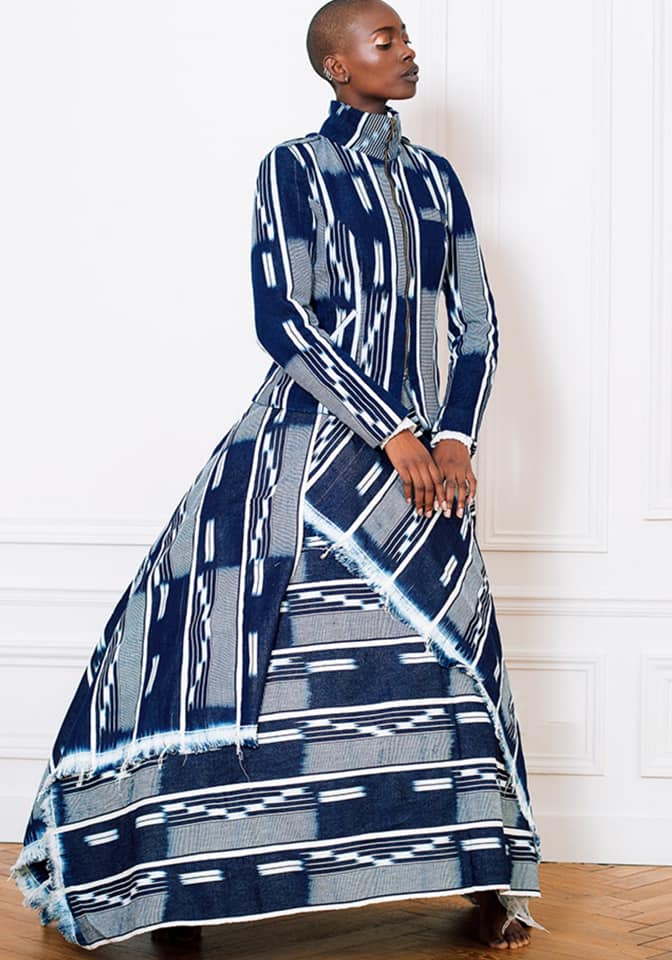
Ivorian pagne styling represents one of the most distinctive expressions of fabrics defining Ivorian fashion. Women typically wear two or three coordinated wax print wrappers.
Then they pair it with tailored blouses or matching tops, creating layered ensembles that demonstrate skill in colour matching and fabric selection.
The way the pagne is tied, folded, and styled communicates social status, marital situation, and the importance of the occasion.
This styling system goes beyond aesthetics. Specific fabric combinations are chosen deliberately for funerals, weddings, naming ceremonies, and religious events.
High-quality Vlisco prints are preferred for major occasions, while more affordable local prints serve everyday use.
Through sophisticated Ivorian pagne styling, fabrics defining Ivorian fashion become active carriers of meaning.
The practice shows how Ivorians have fully internalised and elevated wax prints into a refined cultural code that continues to evolve with new patterns and styling innovations.
Ivorian Textile Trade Networks and Economic Realities
Ivorian textile trade networks play a vital role in defining Ivorian fashion. These networks stretch from importers and wholesalers in Abidjan to retailers in smaller towns and market traders across the country.
The trade in wax prints, lace, and brocade fabrics forms a major economic activity that supports thousands of tailors, seamstresses, and traders.
Local markets such as Treichville and Adjame in Abidjan serve as important distribution centres where new arrivals of Vlisco and other prints are quickly assessed and priced according to quality and demand.
This sophisticated trading system allows Ivorian consumers to access a wide range of fabrics while enabling rapid response to changing fashion preferences.
Through these active Ivorian textile trade networks, fabrics remain dynamic and responsive to both economic conditions and cultural shifts.
The trade continues to influence which fabrics gain popularity and how they are valued within Ivorian society.
Modern Ivorian Fabric Innovation and Contemporary Use
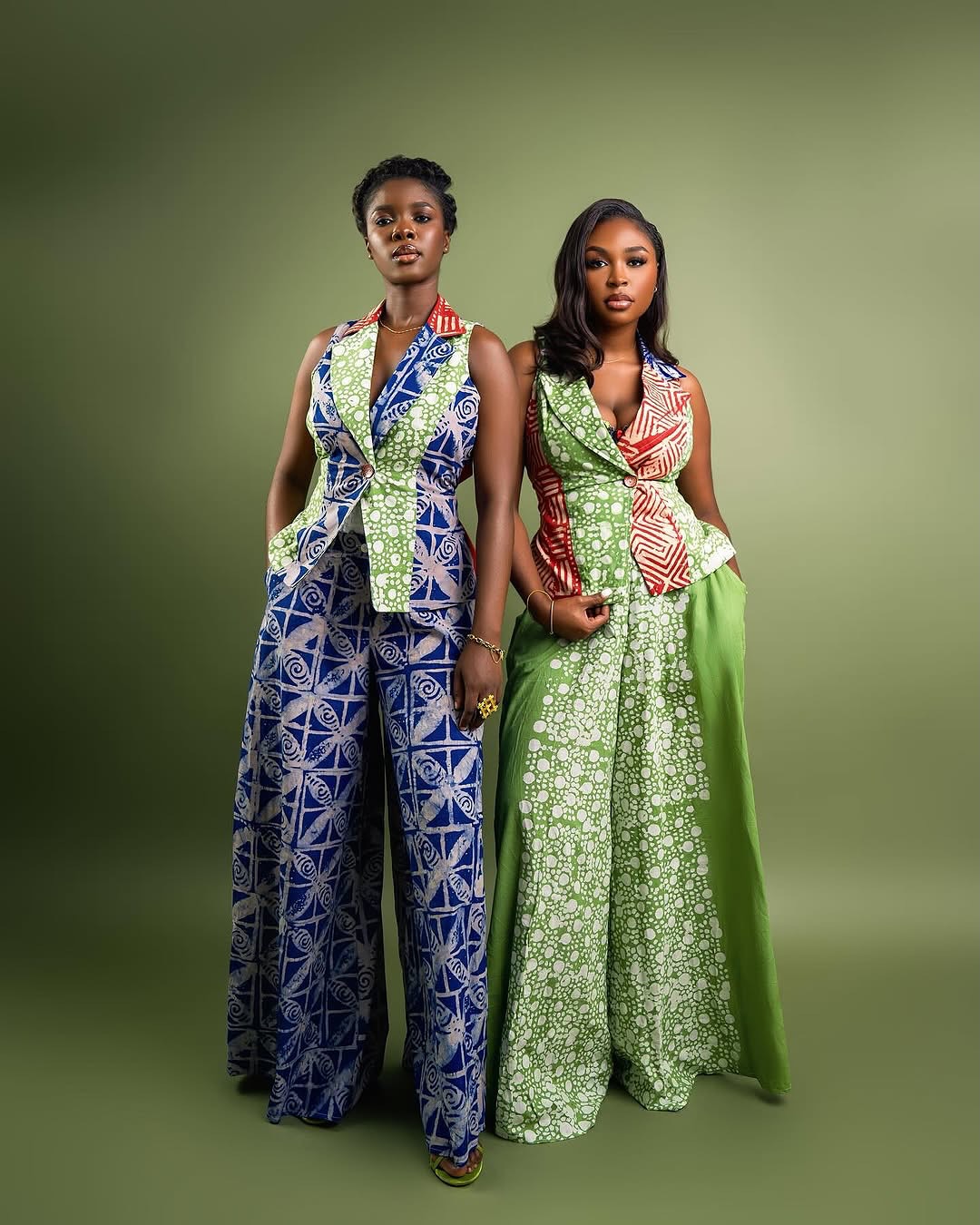
Modern Ivorian fabric innovation is expanding the range of fabrics, defining Ivorian fashion beyond traditional wax prints.
Contemporary designers and artisans are increasingly blending wax prints with lace, embroidery, handwoven cotton Côte d’Ivoire, and new sustainable materials to create fresh silhouettes while respecting cultural expectations.
This innovation is visible in both high-end couture and ready-to-wear garments produced in Abidjan. Many creators experiment with mixing prints, textures, and techniques to produce modern interpretations suitable for urban life and international appeal.
These developments show how Ivorian fashion remains dynamic rather than static. Through modern Ivorian fabric innovation, fabrics defining Ivorian fashion continue to evolve.
They maintain their social and cultural importance while adapting to new economic realities, tastes, and global influences.
Also Read
- Traditional Fashion in Côte d’Ivoire: Culture, Colour, and Identity
- Senegalese Textiles and Craftsmanship: The Art Behind West African Fashion
- Traditional Clothing in Senegal: The Elegance of Boubou and Cultural Identity
The Political and Economic Influence of Fabrics in Ivorian Society
Fabrics defining Ivorian fashion carry significant political and economic weight. Politicians often commission special wax prints featuring their portraits or party symbols during election periods.
Supporters wear these fabrics to display allegiance and mobilise public support. Economically, the trade in wax prints and related textiles sustains large networks of importers, wholesalers, tailors, and market traders.
Control over popular patterns and timely distribution frequently determines commercial success. This political and economic dimension strengthens the power of fabrics defining Ivorian fashion.
They function as instruments of influence and livelihood in addition to cultural expression.
The Omiren Argument
Fabrics defining Ivorian fashion are not passive imports that Ivorians merely wear. They are active materials that Ivorians have seized, renamed, and weaponised to express identity, status, and power.
The widespread assumption is that Ivorian fashion is shaped by European wax print manufacturers. In truth, Ivorians have built sophisticated systems of naming, styling, trading, and social meaning around these fabrics that the original producers do not control.
This reality disrupts the narrative of cultural dependence. By mastering pagne styling, creating local value chains, and continuously innovating with both traditional and imported textiles, Ivorians have turned fabric into a dynamic language of self-definition.
The key insight is this: true ownership in Ivorian fashion lies not in where the cloth is made, but in how Ivorians use it to shape their social world. This active transformation, not consumption, defines the power of fabrics in Ivorian fashion.
Frequently Asked Questions
- What Is Wax Print Fabric?
Wax Print Fabric, also known as African wax prints, Dutch wax prints, or Ankara, is a colorful 100% cotton cloth with bold, vibrant patterns. It is made using a wax-resist dyeing process, resulting in designs that appear equally bright on both sides.
- Can White People Wear African Wax Print?
Yes, people of any background, including white people, can wear African wax print. It is a commercial fabric with a hybrid history involving Indonesia, Europe, and Africa.
It isn’t a sacred or exclusive cultural item. It is widely sold globally for fashion, home decor, and crafts. Respectful use and appreciation are generally encouraged, similar to wearing other international textiles.
- Why Does Yinka Shonibare Use Dutch Wax Fabric?
British-Nigerian artist Yinka Shonibare uses Dutch wax fabric in his sculptures, installations, and artworks to explore themes of cultural hybridity, colonialism, identity, and authenticity.
-
What Is the Name of the African Wax Print?
African wax prints are commonly called Ankara (especially in Nigeria and West Africa), Dutch wax, Wax Hollandais, or simply African wax prints.
Individual patterns often have colorful local names inspired by proverbs, events, animals, or everyday life, given by African traders and consumers.
- What Is Nigerian Print Called?
Nigerian print is most commonly called Ankara. This refers to the vibrant wax print fabric widely used in Nigeria for clothing such as wrappers, dresses, and asoebi (matching fabrics for events).
Nigeria both imports premium brands like Vlisco and produces its own versions. While other traditional Nigerian textiles exist (like Adire), Nigerian print in everyday and fashion contexts usually means Ankara or wax print.