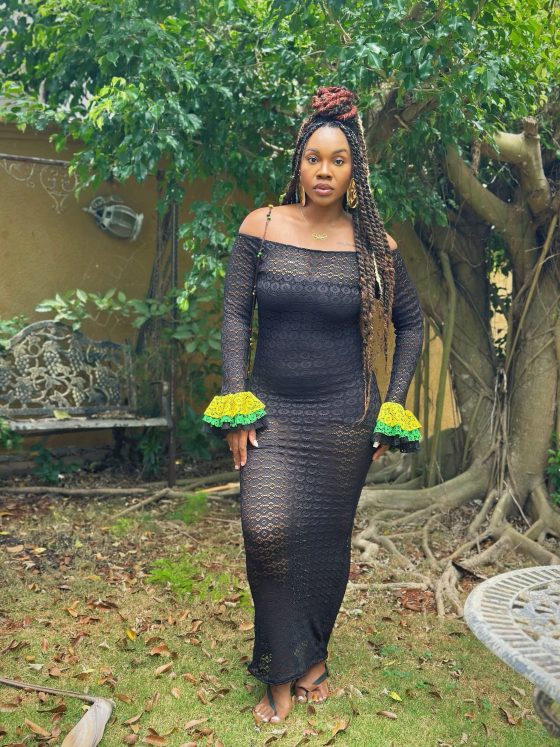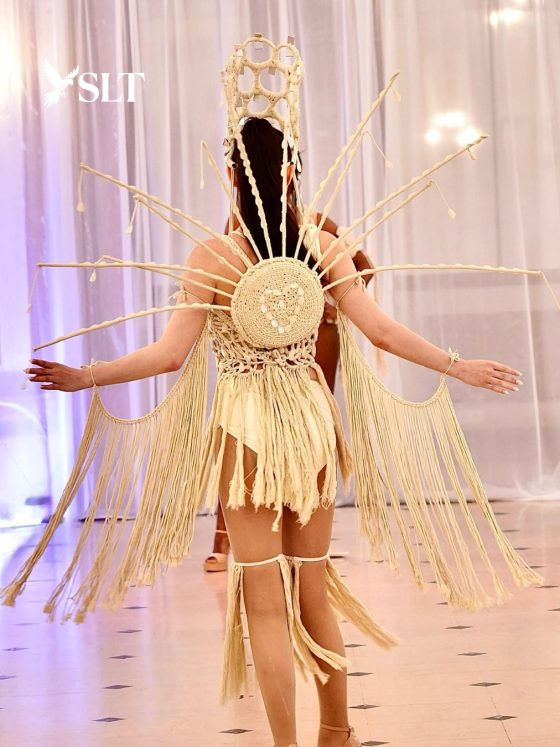
Traditional fashion in Côte d’Ivoire isn’t one unified national style. It is a complex, living system through which different ethnic groups actively express their identity, status, and sense of belonging.
Far from being static relics, these dress practices continue to serve as powerful tools for social communication and cultural affirmation in contemporary Ivorian life.
Clothing choices signal everything from lineage and marital status to wealth, age grade, and spiritual affiliation. Ivorians don’t simply inherit these traditions. They actively shape and adapt them across generations, balancing respect for ancestral codes with modern realities.
This dynamic relationship between dress and identity lies at the heart of traditional fashion in Côte d’Ivoire.
Traditional fashion in Côte d’Ivoire reflects identity, status, and culture through Baoulé, Akan, Senoufo, and Fulani dress traditions. Find out more here.
The Diversity of Traditional Fashion in Côte d’Ivoire
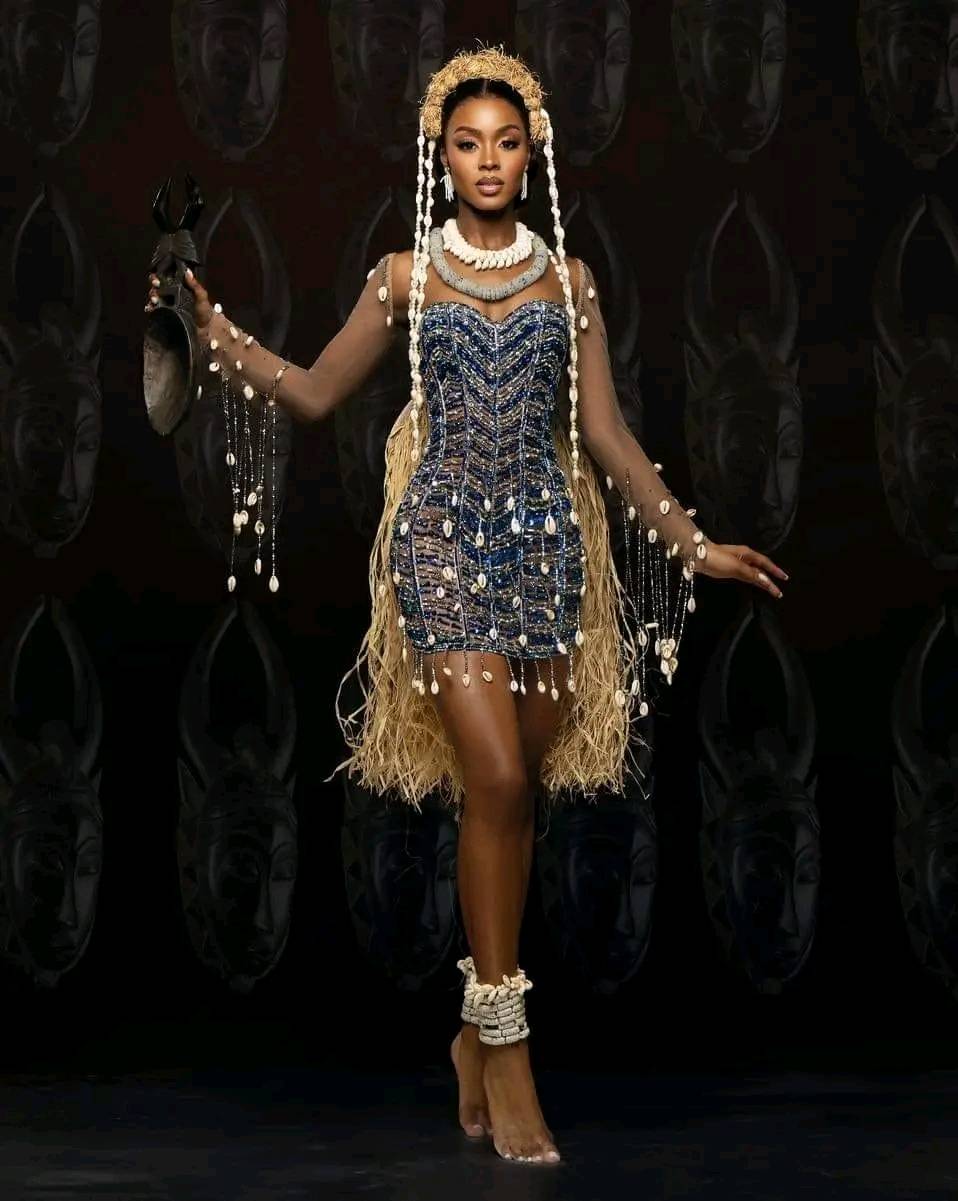
Traditional fashion in Côte d’Ivoire reflects deep ethnic distinctions rather than a unified national aesthetic.
Different communities have developed specific garments, fabrics, and styling conventions shaped by history, environment, and social organisation.
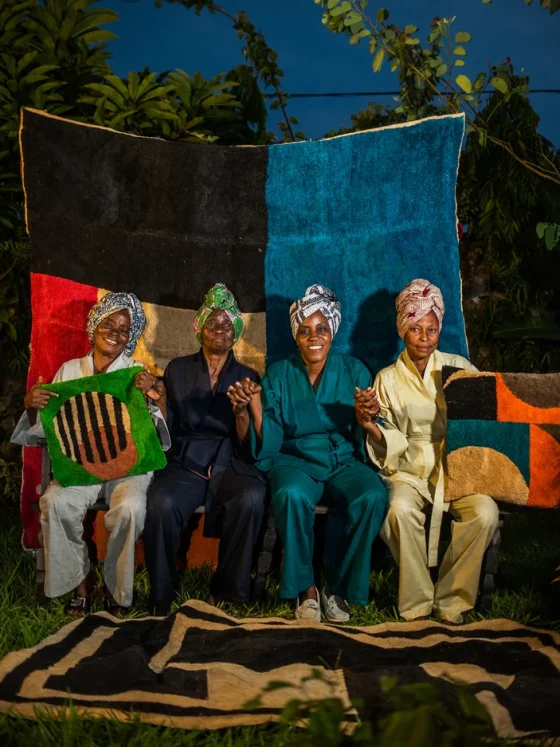
The Baoulé traditional dress, for example, emphasises refined tailoring and handwoven textiles often paired with elaborate headwraps for ceremonial occasions. In contrast, many northern groups favour voluminous robes and tunics suited to both climate and cultural preference.
These variations aren’t superficial. They function as visible markers of group identity, marital status, and generational roles. This diversity demonstrates that traditional fashion in Côte d’Ivoire operates as a flexible system.
Communities actively maintain, adapt, and reinterpret their dress codes in response to changing social and economic conditions. They did this while preserving core symbolic meanings.
Baoulé Traditional Dress and Social Prestige
The Baoulé are one of the largest ethnic groups in Côte d’Ivoire, and their approach to dress remains central to traditional fashion there.
Baoulé women commonly wear the wrappa (wrapper) paired with tailored blouses, while men favour structured tunics and trousers made from handwoven or factory-produced cotton.
These garments are carefully chosen according to occasion and social rank. Bright, high-quality fabrics signal wealth and status during weddings, funerals, and important community gatherings.
Intricate headwraps, also known as turbans, complete women’s ensembles and convey elegance and marital status. Baoulé traditional dress places strong emphasis on neatness, colour coordination, and fabric quality.
This system allows individuals to visibly communicate respectability, achievement, and belonging within Baoulé society. The style continues to evolve as newer textiles are incorporated.
However, it retains its core function as a powerful marker of identity and prestige in traditional fashion in Côte d’Ivoire.
For readers interested in exploring contemporary interpretations of handwoven African textiles, artisan-made woven fabrics and ceremonial-inspired headwraps offer a thoughtful introduction to the aesthetic traditions discussed here. Browse artisan African woven textiles here
Northern Traditions: Fulani and Senoufo Clothing
Northern Côte d’Ivoire presents a distinct expression of traditional fashion.
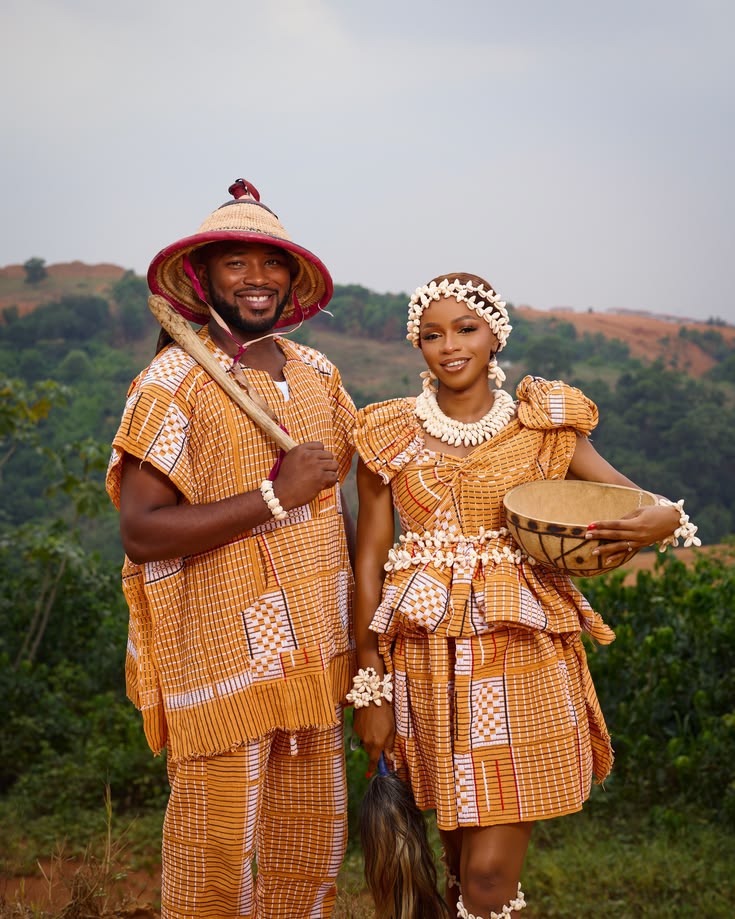
Among the Fulani, Peul men typically wear long, flowing robes known as boubou or grand boubou, often paired with wide trousers and distinctive conical hats.
These garments are made to stay comfortable in the hot savanna climate while still looking elegant for important events.
The Senoufo people also maintain strong clothing traditions, favouring handwoven cotton fabrics and richly embroidered tunics for men, while women wear wrapped skirts combined with tailored tops.
Senoufo dress frequently incorporates symbolic patterns and colours that reflect social rank, initiation status, and spiritual beliefs. These northern styles differ markedly from southern and central Ivorian practices in silhouette, fabric choice, and cultural emphasis.
They highlight how traditional fashion in Côte d’Ivoire functions as a regional language. This allows communities to express identity and values specific to their environment and heritage.
The flowing silhouettes worn across northern Côte d’Ivoire continue to influence contemporary African designers. Similar handcrafted robes, kaftans, and embroidered garments can often be found through independent African makers. Discover handmade African robes and kaftans
Akan and Kru Expressions of Identity
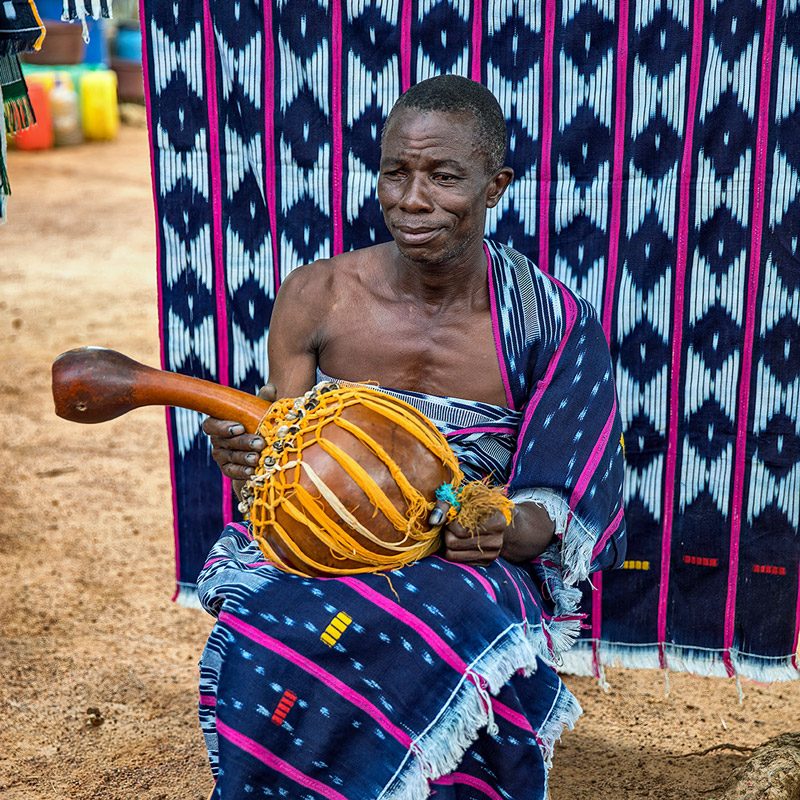
Akan and Kru communities in southern and southeastern Côte d’Ivoire maintain distinctive approaches within traditional fashion.
Akan groups, including the Anyi and Abouré, place great importance on wrapper sets, known as pagne, paired with tailored blouses or shirts. Women often layer multiple wrappers and use elaborate headwraps for ceremonies, while men wear tailored ensembles made from high-quality fabrics.
Kru people are known for their refined use of imported and locally adapted textiles, favouring clean silhouettes and bold colour combinations during weddings, funerals, and chieftaincy events.
These garments serve as important markers of lineage, wealth, and social standing. Both Akan and Kru dress practices demonstrate a strong preference for neatness, fabric quality, and coordinated styling.
This emphasis allows individuals to affirm their position within complex social hierarchies visibly. These southern styles continue to influence urban dress while traditionally retaining their original cultural functions in Côte d’Ivoire.
Beautifully wrapped headscarves remain one of the defining elements of West African ceremonial dressing. Contemporary versions continue to be produced by artisans using traditional techniques. Explore African headwraps and gele inspired scarves
Also Read
- Togolese Textiles and Craftsmanship in Modern Fashion
- Dakar Street Style: How Senegalese Youth Are Redefining African Fashion
- Senegalese Textiles and Craftsmanship: The Art Behind West African Fashion
- The Wob Dwiyet: Dominica’s National Dress and the French Creole Tradition Behind It
Traditional Fashion in Côte d’Ivoire: Living Traditions and Modern Adaptations
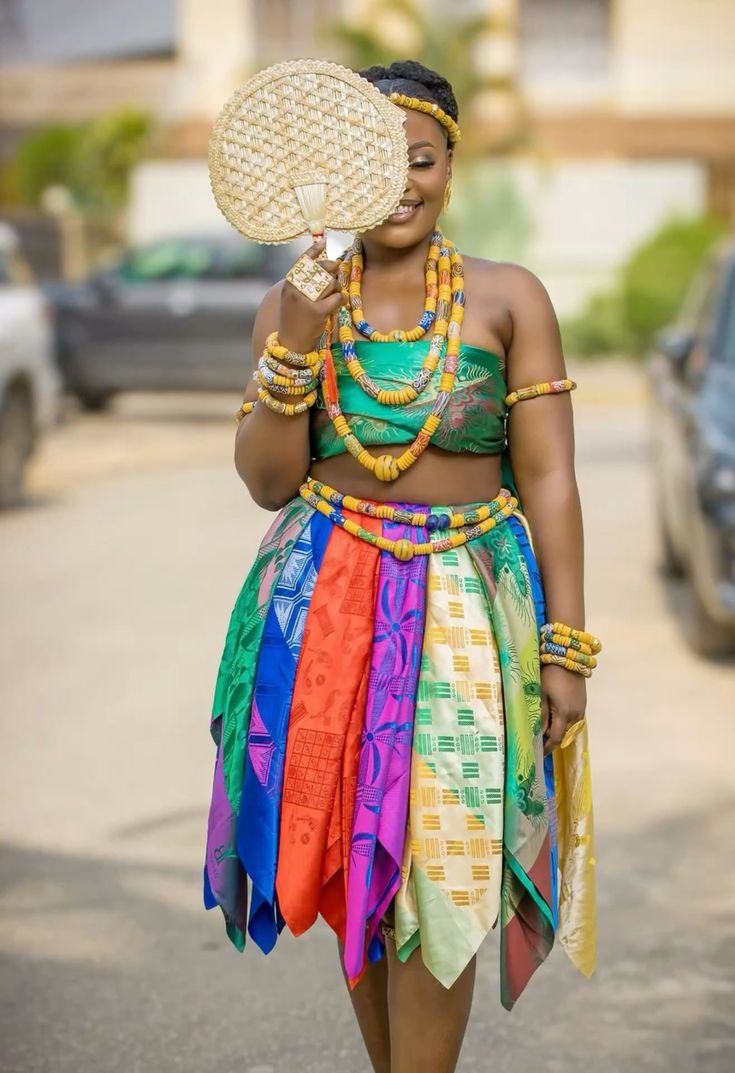
Traditional fashion in Côte d’Ivoire continues to evolve while maintaining its central role in social and cultural life.
Many Ivorians now combine traditional garments with contemporary elements. Some of which include modern tailoring cuts, imported accessories, and urban styling preferences.
This combination is most common among younger generations in Abidjan and other cities. Newer fabrics, including higher-quality wax prints and industrially produced textiles, are frequently integrated into classic styles.
For those interested in incorporating African-inspired textiles into a modern wardrobe, contemporary wax-print fabrics and handcrafted accessories offer an accessible way to appreciate the region’s design traditions. Exlpore contemporary African inspired textiles.
This adaptation allows wearers to honour cultural expectations while expressing individuality and modernity. Ceremonial occasions still demand strict adherence to traditional codes, but everyday and semi-formal wear show increasing flexibility in silhouette and colour choices.
These changes demonstrate that traditional fashion in Côte d’Ivoire is a dynamic practice rather than a static heritage. Communities actively reinterpret their dress codes to meet present-day realities.
This preserves the core symbolic and social functions that have defined Ivorian ethnic dress for generations.
The Omiren Argument
Traditional fashion in Côte d’Ivoire is not a preserved national heritage frozen in time. It is a living, active system through which different ethnic groups constantly express, negotiate, and assert who they are.
Many still assume that traditional fashion in Côte d’Ivoire represents one unified national style. In reality, the Baoulé, Akan, Kru, Senoufo, Fulani and numerous other groups maintain clearly distinct garments, fabrics, and styling rules shaped by their specific histories and social needs.
This ethnic diversity disrupts the idea of a single Ivorian dress identity. Communities are not simply preserving old customs. They actively adapt their clothing to modern life while keeping its powerful social and symbolic roles intact.
The key insight is this: traditional fashion in Côte d’Ivoire functions as a dynamic language rather than a static tradition. Different groups use it to signal status, belonging, and change.
It’s this ongoing negotiation, rather than any attempt at preservation, that gives it real power and relevance in contemporary Côte d’Ivoire.
Further Reading
Fashion traditions are often best understood alongside the history, art, and cultures that shaped them. If you’d like to explore West African heritage beyond this article, these carefully selected books provide valuable historical and cultural context. Explore books on West African culture and textiles
Frequently Asked Questions
- What Is the Traditional Clothing of Côte d’Ivoire?
Traditional clothing in Côte d’Ivoire varies significantly across its more than 60 ethnic groups. The most widespread garment is the pagne (wrapper), often paired with tailored blouses for women and structured tunics or shirts for men.
Iconic fabrics include handwoven Baoulé/Kita cloth and printed wax textiles, which are used for ceremonies and everyday wear.
- What Is the 3-3-3 Rule in Fashion?
The 3-3-3 rule (also called the 333 styling method) is a capsule wardrobe challenge where you select 3 tops, 3 bottoms, and 3 pairs of shoes.
You then mix and match these 9 items to create as many outfits as possible. It was popularised on TikTok as a way to maximise wardrobe versatility and reduce decision fatigue.
- What Is the Traditional Culture of the Ivory Coast?
Côte d’Ivoire has a rich, multi-ethnic culture with over 60 distinct ethnic groups, including the Baoulé, Akan, Kru, Senoufo, and Fulani.
Traditional culture is expressed through music, dance, masquerades, festivals, and a strong emphasis on family, respect for elders, and community ceremonies. Many communities still practise ancestral worship alongside Christianity and Islam.
- What Do Ivorians Wear?
Ivorians commonly wear a combination of Western-style clothing for daily urban life and traditional garments for ceremonies and cultural events.
Women frequently wear the pagne (wrapper) with blouses or dresses, while men wear tailored shirts with trousers or flowing boubou-style robes. Fabric choice and styling often reflect ethnic identity, social status, and the specific occasion.
- What Is the Traditional Name of the Ivory Coast?
The official name of the country is the Republic of Côte d’Ivoire. In English, it is commonly called the Ivory Coast, though the government prefers the French name Côte d’Ivoire for diplomatic and official use.
The name originated from the region’s historical ivory trade.
Editorial Disclosure: Some links are affiliate links. OmirenStyles may earn a commission at no extra cost to you.