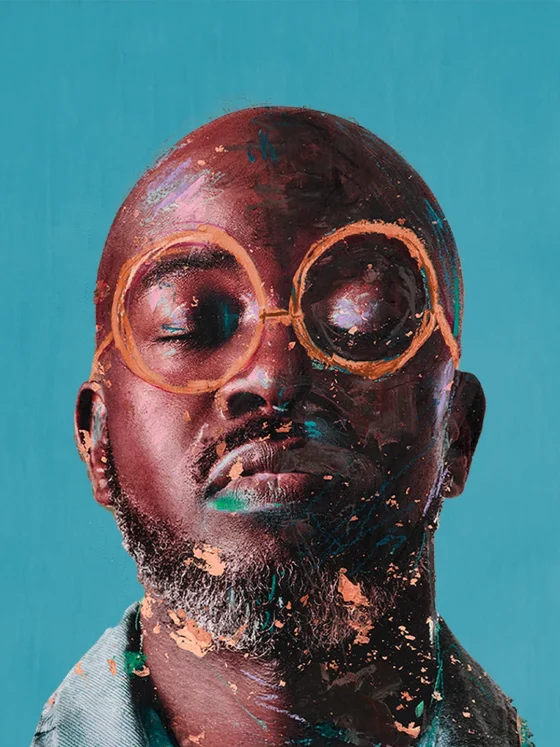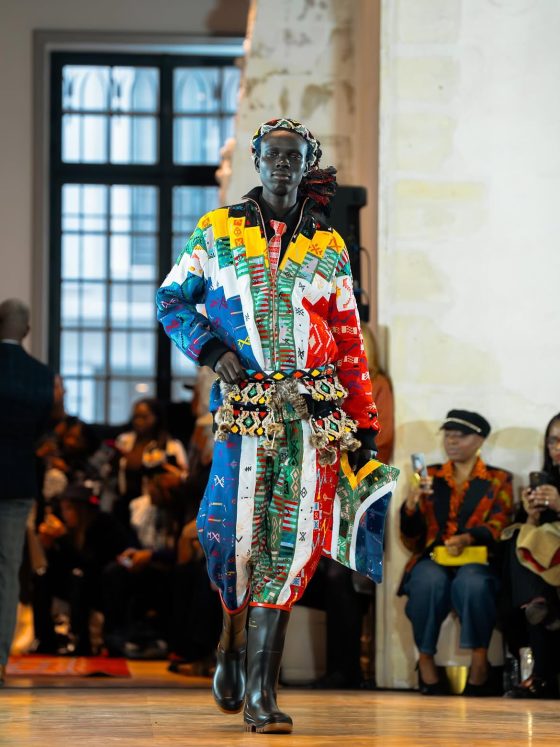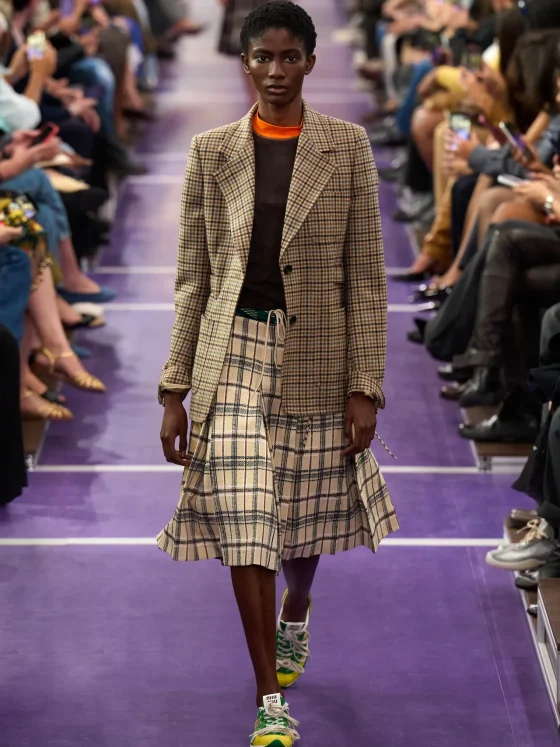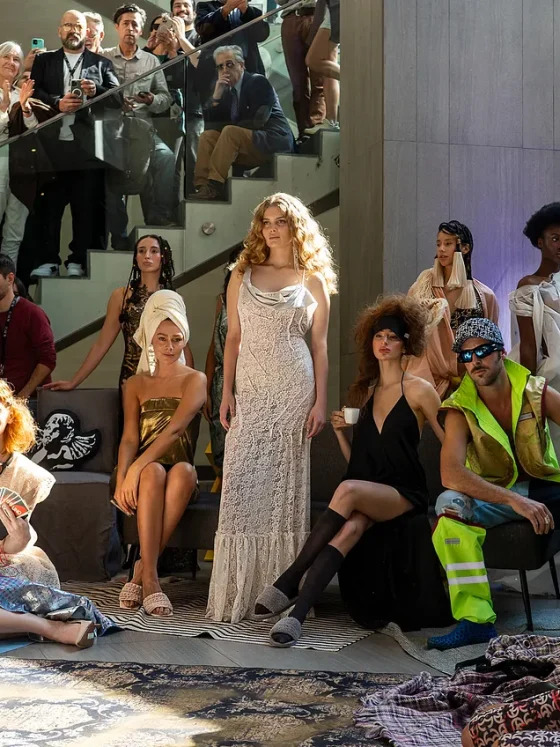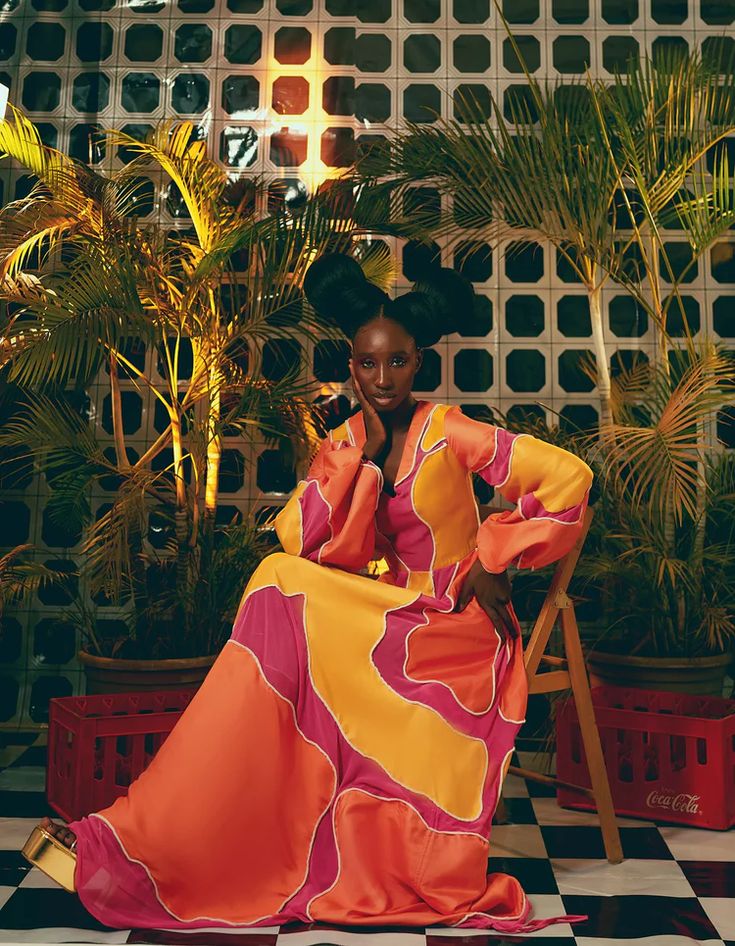
In November 2025, Prince William’s Earthshot Prize awarded Lagos Fashion Week one million pounds sterling in the Build a Waste-Free World category. LFW beat 2,500 nominees from 72 countries. The prize was not awarded for producing the continent’s most celebrated runway shows, though it does that. It was awarded because Lagos Fashion Week had built circular fashion infrastructure at scale: mandatory sustainable practice requirements for every designer on the runway, a circular fashion hub in development for Lagos, and a replication framework targeting Kigali, Dakar, and Accra by 2030. The prize confirmed what the platform’s fifteen-year data had already shown: Lagos Fashion Week is not a fashion event with industry ambitions. It is an industry infrastructure project with a fashion event attached.
Nigeria’s fashion industry was valued at over 4.7 billion US dollars in 2024. The Nigerian creative economy as a whole has a government target of 25 billion dollars by 2025. Lagos Fashion Week is not responsible for those numbers alone. But understanding what it has specifically contributed to designer revenue, career trajectory, and export capacity requires going beyond the runway attendance figures and asking what the platform has actually produced for the people who showed on it.
Lagos Fashion Week has been running for 15 years. This is a precise accounting of what that runway time has actually done for Nigerian designer revenue, careers, and export capacity.
What LFW Was Built to Do, and What It Actually Did in the First Decade
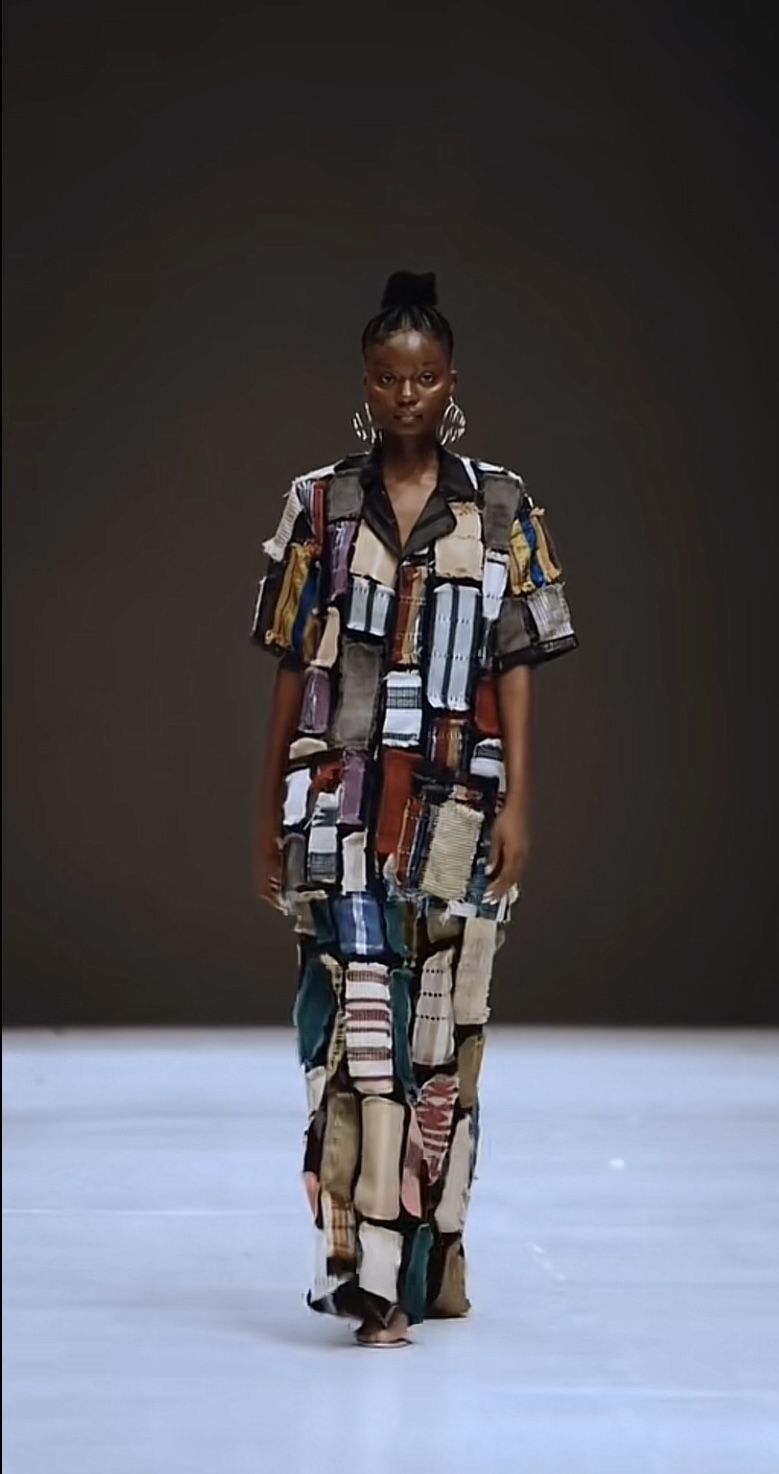
Lagos Fashion Week was founded in 2011 by Omoyemi Akerele, a lawyer who had retrained as a stylist and fashion editor before founding Style House Files in 2008. The inaugural event presented over 40 designers, including Lisa Folawiyo, Nkwo, Maki Oh, and Bridget Awosika. In the same year, the Fashion Focus Fund, then called Young Designer of the Year, was established as a yearlong incubator that provided business development coaching, operational structure, and access to funding for emerging Nigerian designers. The fund’s logic was direct: runway time without business infrastructure produces visibility, not revenue. As Business of Fashion documented, the platform was built to serve a Nigerian fashion market that lacked the institutional scaffolding to convert creative talent into sustainable commercial businesses.
The Fashion Focus Fund alum list tells the first decade’s story more precisely than any attendance figure. Orange Culture, founded by Adebayo Oke-Lawal, launched at the inaugural LFW in 2011. Three years later, it was a finalist for the LVMH Prize alongside Simon Jacquemus and Simone Rocha. It now stocks at Browns, Farfetch, Temple Muse in Lagos, and Merchants of Long in South Africa, and showed its collection at the Victoria and Albert Museum in London. Oke-Lawal also received the Beyoncé BeyGOOD grant. Kenneth Ize built his aso-oke weaving practice into a Paris Fashion Week presence and an internationally stocked label. Emmy Kasbit marked his brand’s tenth anniversary with an off-site show at Paris Fashion Week in 2024. Ejiro Amos Tafiri expanded from Lagos to direct-to-consumer initiatives across Europe and North America. IAMISIGO’s Bubu Ogisi won the International Woolmark Prize. Lagos Space Programme’s Adeju Thompson, who showed at LFW, became the first African to win the International Woolmark Prize in 2024, with an AU$200,000 grant attached.
None of these outcomes is solely attributable to LFW. What LFW provided in each case was a combination of early platform, structured business development, and buyer and press access that would otherwise have required years of independent networking to approximate. The platform collapsed a decade’s worth of institutional relationship-building into a structured annual event.
The Lagos Fashion Week Impact on Nigerian Designers: The Measurable Data
The most specific revenue-related data published about LFW’s commercial impact comes from the platform’s own documented figures and from the Deeds Magazine analysis of the 2025 edition. Sixty-eight per cent of brands attending Lagos Fashion Week secured new funding or distribution deals post-event. The platform has directly impacted over 3,800 beneficiaries and indirectly impacted over 14,000 through its Fashion Focus Africa, Fashion Focus Fund, SHF Trains, Woven Threads, and Green Access initiatives. Heineken Nigeria has been the title sponsor since 2015. The 2025 edition added partnerships with Afreximbank, Bank of Industry, and MTN Nigeria, all of which represent corporate investment in infrastructure rather than one-off sponsorship activations.
The 2024 edition generated approximately 2.50 billion naira through sponsorships, pop-up shops, and international partnerships, according to Business Day Nigeria reporting. Over 10,000 people attended, a 15% increase from 2023. The Rising Stars showcase at the 2024 edition resulted in over 30 international retail partnerships for the 15 emerging designers featured. The Lagos Fashion Season 2025 Trend Report, produced by Clearly Invincible agency founder Sessi K in the first-ever systematic attempt to quantify LFW’s commercial footprint, estimated a media value of 1.7 million US dollars in advertising value equivalent for the 2025 season, with precise analysis of digital visibility and trend saturation across featured brands.
These figures do not capture everything. They do not capture the informal revenue generated by the pop-up economy that surrounds LFW each year, the styling and photography commissions that the event generates, or the value of the supply chain relationships that buyers form during the International Buyers’ Hub that LFW has expanded to connect European, Asian, and American buyers directly with African brands. What they do capture is sufficient to make the case that LFW’s commercial impact on the Nigerian fashion ecosystem is real, measurable, and significantly larger than the runway show metric alone would suggest.
LFW’s most important product was never the runway show. It was the infrastructure built around the runway show. That distinction is what separates it from every other African fashion week.
What the Earthshot Prize Confirmed About the Platform’s Architecture
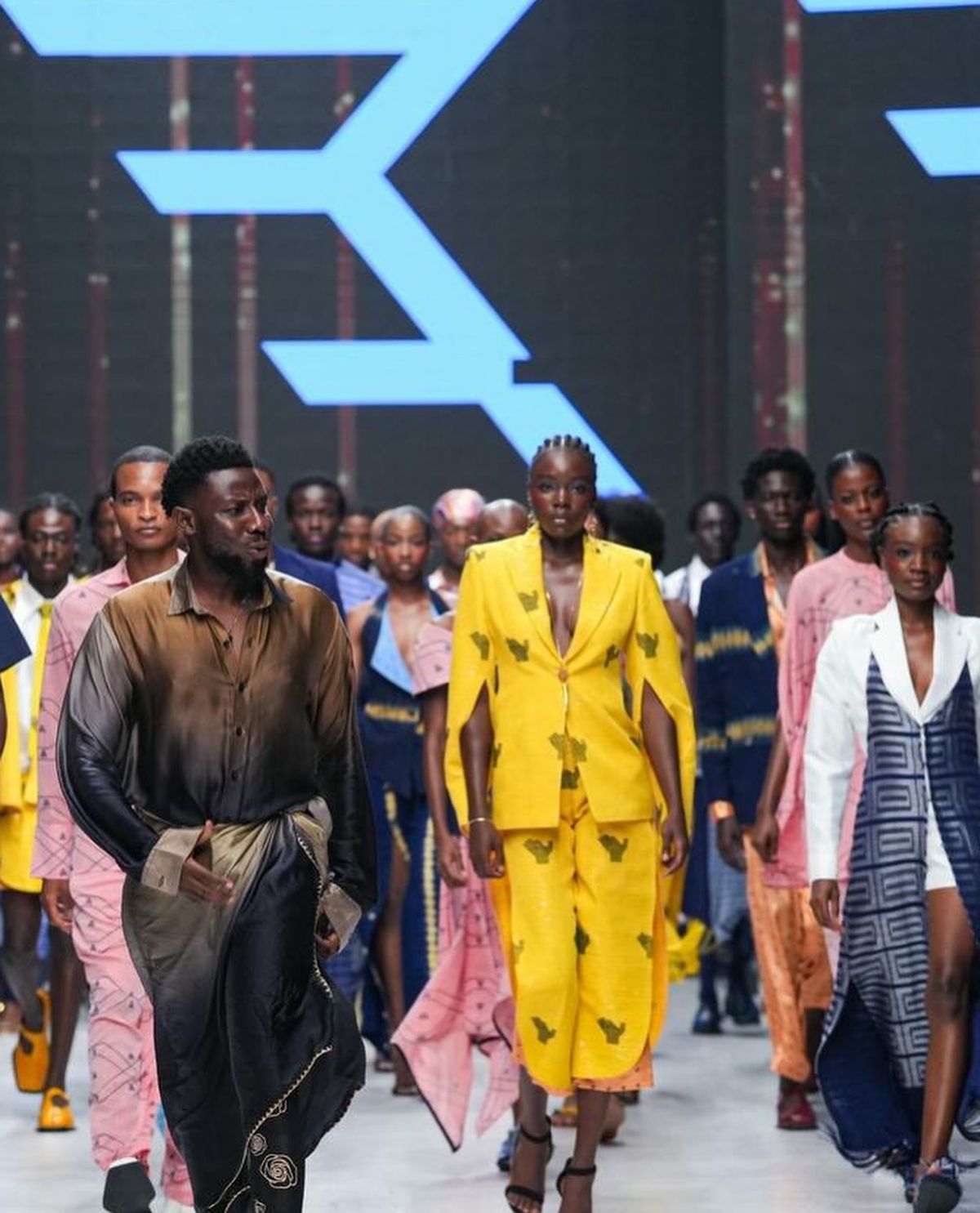
The Earthshot Prize win in November 2025 is worth examining for what it reveals about how LFW has positioned itself over the past 15 years. The prize was awarded in the Build a Waste-Free World category because LFW requires every designer on its runway to demonstrate sustainable practice across material sourcing, dyeing, production methods, and transportation. This is not a voluntary commitment. It is a condition of participation. The Green Access competition, now in its seventh edition, has pushed emerging designers to treat textile waste as a design opportunity rather than a disposal problem since 2015. The SHF Trains programme partners with the Nigerian Export Promotion Council to build garment manufacturing capacity specifically oriented toward fulfilling international orders, addressing the logistics barrier that Fashionista’s 2026 reporting identified as one of the primary constraints on African designers’ scaling.
The Africa Finance Corporation partnership, announced three weeks before the Earthshot win, provides the manufacturing context for the prize’s real significance. AFC’s investee company, ARISE Integrated Industrial Platforms, operates the Glo-Djigbe Industrial Zone in the Benin Republic, where African cotton is processed into finished garments that are exported to global retailers, including The Children’s Store in the United States. The facility runs on 100% renewable energy and recycles 95% of its water. LFW is positioning itself to connect its designer network to that manufacturing infrastructure. The runway show is the front end. The supply chain connection is the back end. The Earthshot Prize recognised the platform for building toward a complete system, not just its visible part.
Also Read
- What African Fashion Brands Get Wrong About Scaling — and the Three That Got It Right
- Lagos vs Accra: Two Cities, Two Dress Philosophies, One Contested Crown
- Who Actually Owns Ankara: The Legal and Cultural Argument the Fashion Industry Has Been Avoiding
- The Secondhand Market as a Design School: How Kantamanto Graduates Are Dressing Ghana’s Streets
What LFW Has Not Solved, and What Fifteen Years Reveals About the Limits
The honest accounting of Lagos Fashion Week’s impact includes its limits. The Nigerian fashion industry, valued at 4.7 billion dollars in 2024, remains structurally constrained by the same barriers that affect the continent’s fashion economy broadly: expensive imports for local producers who source more than 90% of yarn and fabric externally, logistics costs that erode international margin, limited access to capital, and inconsistent policy support. LFW has not resolved any of these at scale. It has built infrastructure adjacent to them and created pathways for individual brands to navigate around them. That is meaningful. It is not the same as solving the structural problem.
The platform’s international advisory reach, which includes Akerele’s advisory roles with MoMA, the V&A, the British Fashion Council, and UNESCO, and her appointment as a climate leadership fellow at Yale’s Jackson School of Global Affairs in 2025, generates institutional legitimacy that translates into buyer relationships and press access for the brands in LFW’s ecosystem. What it does not generate is the domestic manufacturing base that would allow those brands to fulfil consistent international orders without absorbing logistics costs that undermine their margin. The Botho Group’s value chain analysis documents this precisely: the gap between creative output and manufacturing capacity is the structural constraint that no fashion week platform can close through runway curation alone.
The SHF Trains and Afreximbank partnership is the most direct attempt LFW has made to close that gap. Whether they are sufficient to shift the structural reality for the next generation of Nigerian designers is the question the next fifteen years will answer.
The Omiren Argument
Lagos Fashion Week has done more for Nigerian designers’ revenue and international career development than any other single institution in the country’s fashion ecosystem. That is not a claim that requires qualification. The Fashion Focus Fund alum list, the 68% post-event funding and distribution deal rate, the 3,800-plus direct beneficiaries, and the individual career trajectories of Orange Culture, Emmy Kasbit, Kenneth Ize, and IAMISIGO demonstrate that the platform has delivered structural value over fifteen years, not just visibility. The Earthshot Prize in 2025 confirmed that the delivery has been recognised at the highest institutional level.
The harder argument is about what comes next. LFW has built the best fashion week infrastructure on the continent. The Nigerian fashion industry still holds a fraction of the global market share its creative output warrants. The gap between those two facts is not a failure of LFW’s curation or its business development programming. It is a failure of the manufacturing, logistics, and capital infrastructure that no fashion week can provide on its own. The platform’s value for the next fifteen years will be measured not by how many designers it puts on a runway but by how many it connects to supply chains capable of fulfilling the international demand that runway creates. The partnerships between Afreximbank and AFC suggest that Akerele understands this. The proof will be in the production numbers, not the press coverage.
Frequently Asked Questions
How has Lagos Fashion Week directly impacted Nigerian designers’ revenue?
Sixty-eight per cent of brands attending Lagos Fashion Week have secured new funding or distribution deals post-event, according to LFW’s figures. The platform has directly impacted over 3,800 beneficiaries and indirectly impacted over 14,000 through its Fashion Focus Africa, Fashion Focus Fund, SHF Trains, Woven Threads, and Green Access initiatives. The 2024 edition generated approximately 2.50 billion naira through sponsorships, pop-up shops, and international partnerships, with the Rising Stars showcase producing over 30 international retail partnerships for 15 emerging designers.
Who are the most successful designers to emerge from the Lagos Fashion Week ecosystem?
Fashion Focus Fund alums include Orange Culture (Adebayo Oke-Lawal), who was an LVMH Prize finalist in 2014 and stocks at Browns, Farfetch, and Merchants of Long; Emmy Kasbit, who celebrated ten years with a Paris Fashion Week off-site show in 2024; Kenneth Ize, who built an internationally stocked label from aso-oke weaving; Ejiro Amos Tafiri, who leads direct-to-consumer initiatives across Europe and North America; and IAMISIGO’s Bubu Ogisi. Lagos Space Programme’s Adeju Thompson became the first African to win the International Woolmark Prize in 2024, with an AU$200,000 grant.
What did the Earthshot Prize recognise Lagos Fashion Week for in 2025?
Lagos Fashion Week won the Earthshot Prize in the Build a Waste-Free World category in November 2025, receiving one million pounds sterling. The prize recognised LFW’s mandatory sustainable practice requirements for all runway designers, its circular fashion hub in development for Lagos, and its framework to replicate its sustainability model across fashion weeks in Kigali, Dakar, and Accra by 2030. LFW beat 2,500 nominees from 72 countries. The prize was awarded for building industrial infrastructure around circular fashion at scale, not for event production.
What are the limits of Lagos Fashion Week’s impact on the Nigerian fashion industry?
Despite LFW’s institutional achievements, the Nigerian fashion industry remains constrained by manufacturing gaps, logistics costs that erode international margins, limited access to capital, and inconsistent government policy. Local producers source over 90% of yarn and fabric externally. The platform has built pathways for individual brands to navigate these structural barriers, but has not resolved them at scale. The SHF Trains programme and the Afreximbank partnership represent LFW’s most direct attempts to close the manufacturing gap, and their long-term effectiveness will determine whether the next fifteen years deliver systemic change rather than continued individual success stories.
How is Lagos Fashion Week positioning itself for the next phase of Nigerian fashion industry development?
LFW’s 2025 partnerships with Afreximbank, Bank of Industry, and MTN Nigeria signal a shift from event sponsorship to structural investment. The Africa Finance Corporation partnership, announced in 2025, links LFW’s designer network to ARISE Integrated Industrial Platforms’ Glo-Djigbe Industrial Zone in the Republic of Benin, where African cotton is processed into finished garments for export. LFW is also building a circular fashion hub in Lagos, designed to travel to other African cities. Founder Akerele’s stated target is to help turn African fashion apparel and textile exports into a 15 billion dollar industry by 2030.
Explore More
Read the full Industry section for strategy, investment, and business intelligence across the African fashion economy, including analysis of scaling models, capital infrastructure, and what the next decade of Nigerian fashion industry development requires.