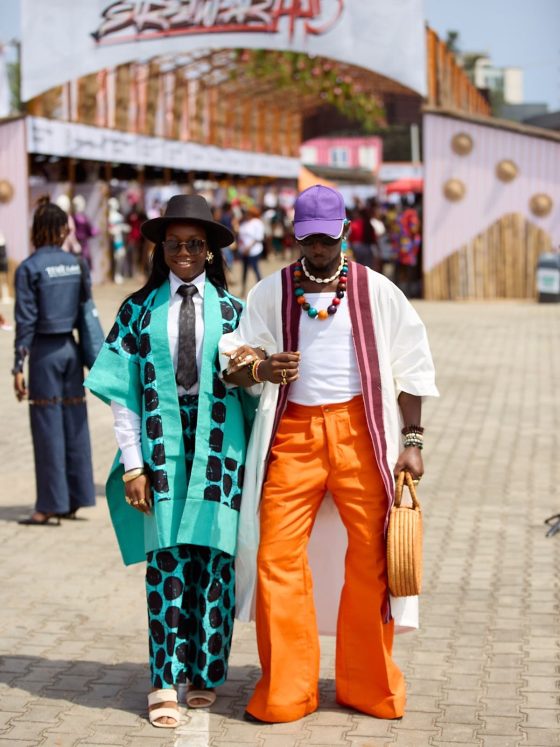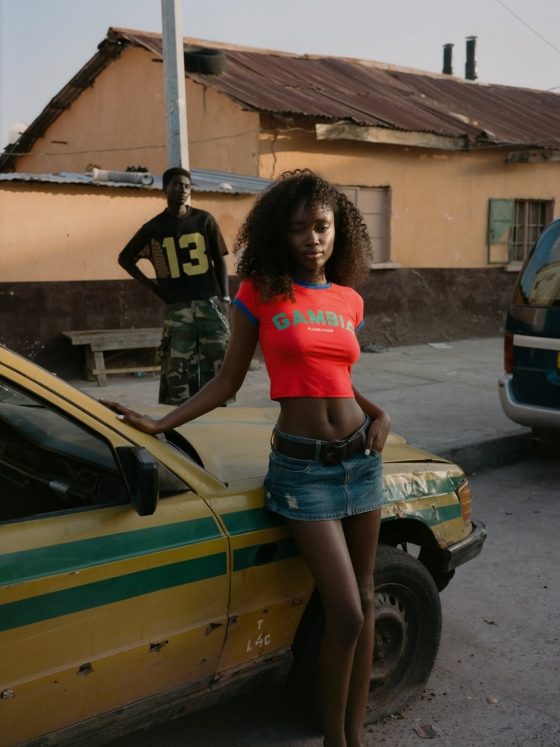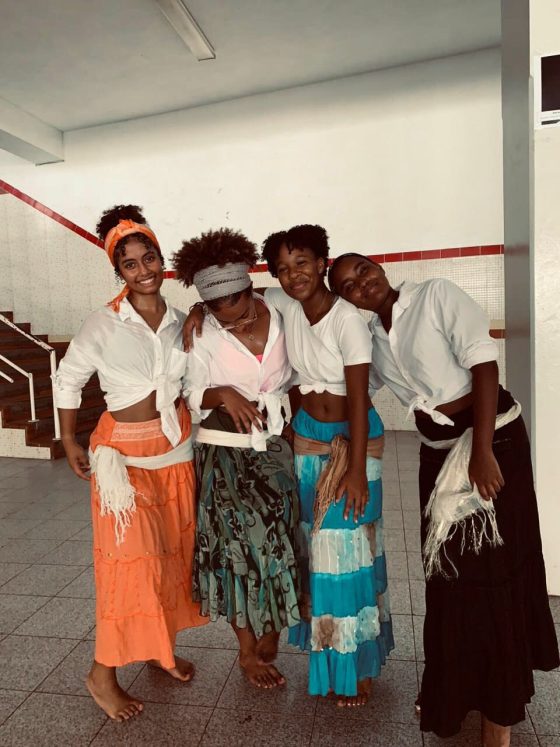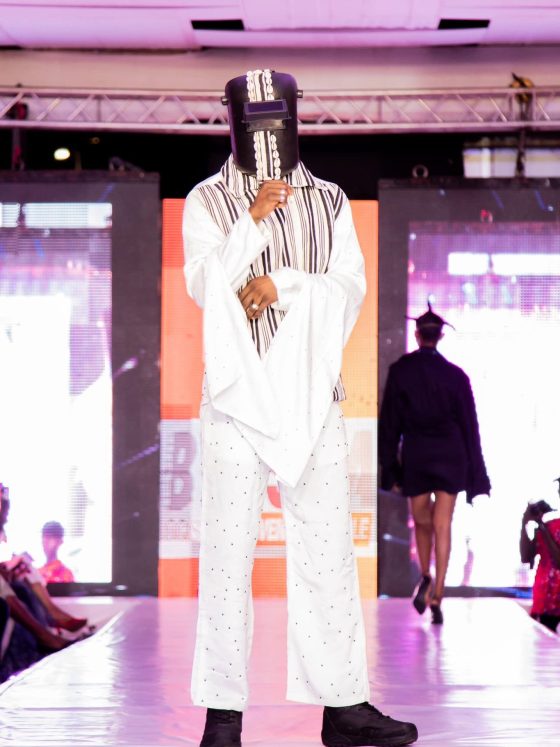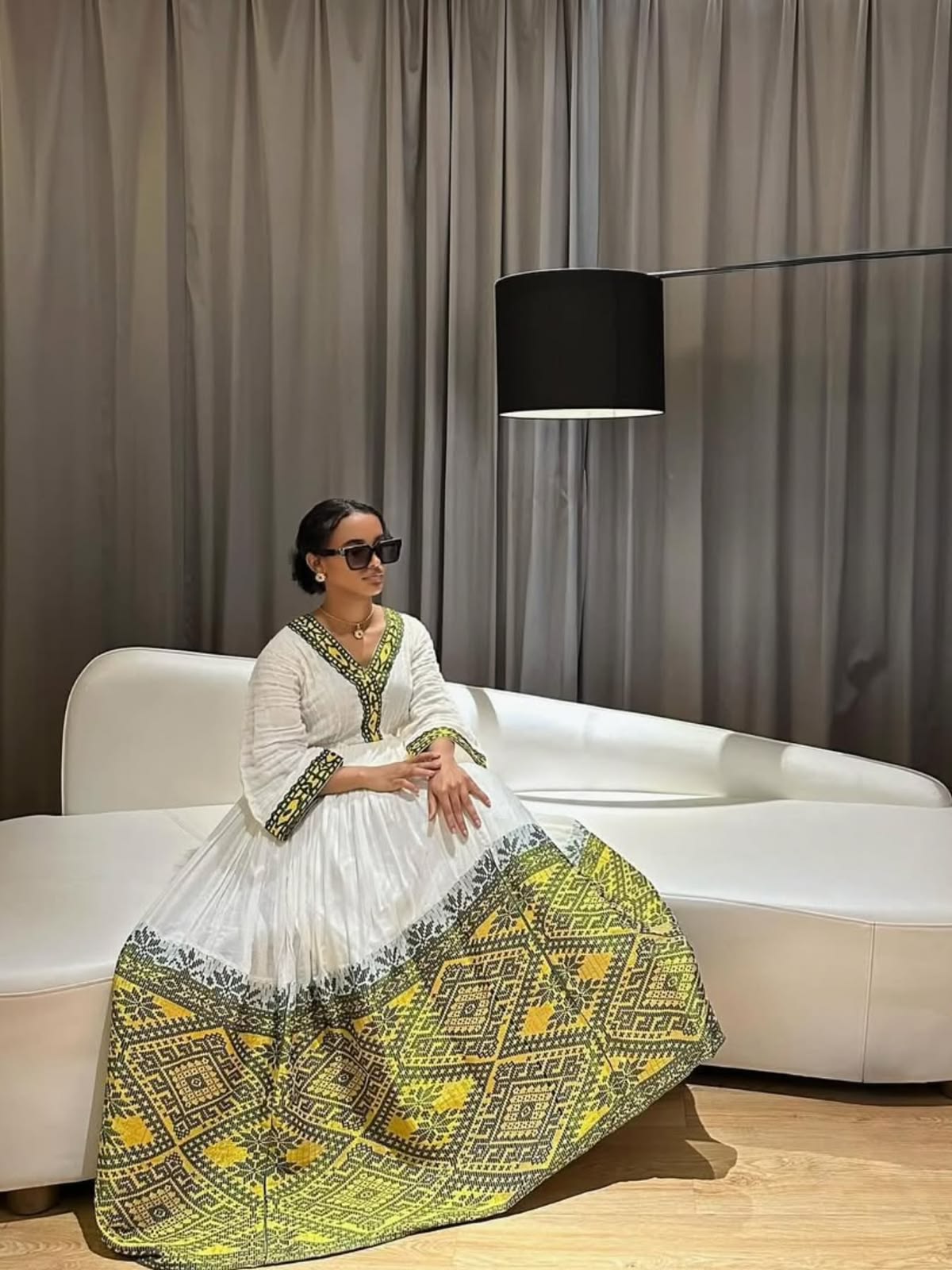
There is a familiar assumption globally. Modernity requires distance from tradition. The more contemporary a city becomes, the less visible its traditional dress is expected to be.
Addis Ababa does not follow that rule.
In Ethiopia’s capital, tradition has not been pushed to the margins of fashion. It remains present, visible, and actively reworked by a younger generation uninterested in choosing between past and present. What emerges is not a compromise, but a different model of style altogether.
The Omiren argument is clear: Addis Ababa’s street style is built on continuity. It shows what modern fashion looks like when cultural identity is not something to move away from but something to design with.
Addis Ababa street style shows how Ethiopian youth dress in a modern way without abandoning culture, blending tradition with everyday urban life.
Textile Tradition as Living Foundation, Not Archived Heritage
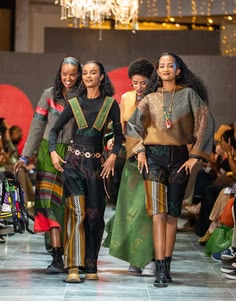
To understand Addis Ababa’s street style, you have to start with its textiles.
Garments such as the Habesha Kemis and the Netela, as well as fabrics made from Shemma, are not confined to ceremonial use. They exist in everyday life, moving between formal occasions and everyday wear with ease.
Shemma, in particular, forms the base of much Ethiopian clothing. Handwoven cotton, often produced on traditional looms, carries a distinct texture and structure that shapes how garments fall on the body. It is light enough for the climate, but structured enough to hold form.
What matters here is not just the existence of these textiles, but their continuity. They are not preserved as static heritage. They are produced, worn, and adapted in the present.
This continuity changes how fashion develops. Instead of looking outward for materials and references, designers and wearers work from an existing system that already holds cultural meaning.
How Young Addis Is Reworking Traditional Silhouettes
The presence of traditional garments does not mean repetition without change.
Across Addis Ababa, younger wearers are adjusting how these pieces function. The Habesha Kemis, once associated more strongly with formal or ceremonial contexts, is being reinterpreted through alterations in cut, length, and styling. Sleeves are reshaped. Lengths are shortened or layered. Embroidery is sometimes reduced for a cleaner look.
The Netela is also being repositioned. Instead of serving only as a traditional wrap, it is styled in ways that align with contemporary dressing, draped loosely, paired with non-traditional outfits, or used to create contrast within a look.
These changes are not attempts to modernise tradition by removing it. They are adjustments that allow traditional forms to function within current urban life.
What emerges is a silhouette that carries history without being fixed by it.
Street Style as a Negotiation Between Continuity and Change
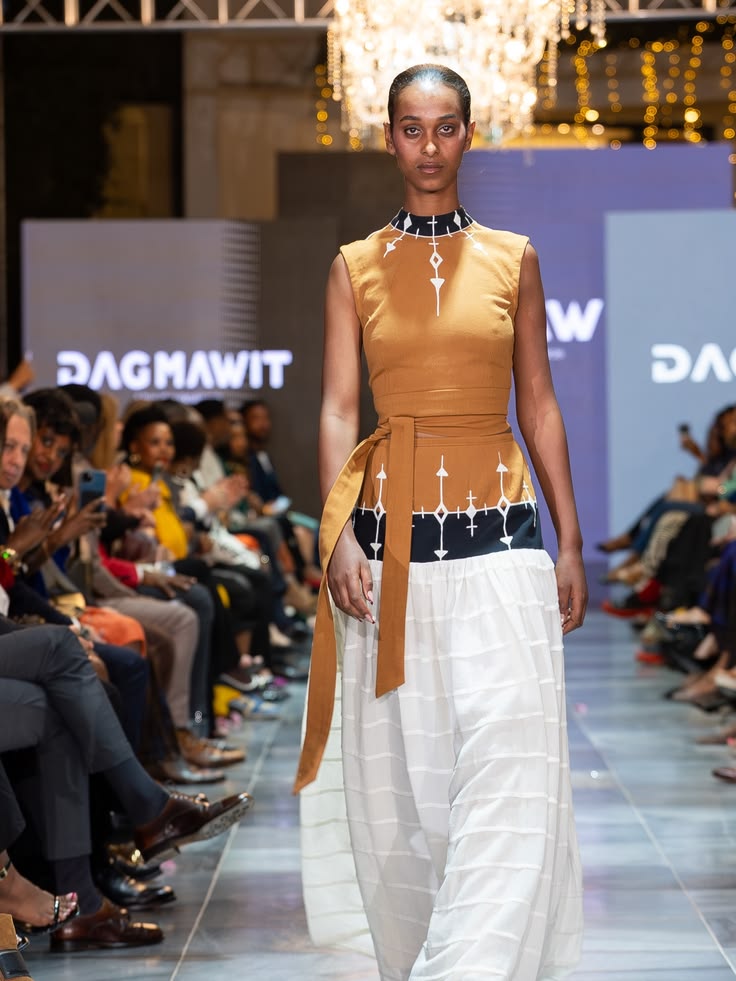
A single aesthetic does not define Addis Ababa’s street style. It is defined by how different elements are combined.
Western garments, such as denim, tailored trousers, and shirts, exist alongside traditional pieces. The difference is in how they are integrated. A pair of jeans may be worn with a shimmer-based top. A structured blazer may sit over a traditional dress. The combinations are deliberate.
This creates a layered visual language.
On one level, there is recognition. The presence of familiar global garments makes the style legible beyond Ethiopia. On another level, there is specificity—the inclusion of traditional textiles anchors the look within a particular cultural context.
The balance between these levels is what defines Addis street style. It does not reject global fashion, but it does not defer to it either.
Why Addis Ababa Does Not Fit the “Emerging Fashion City” Frame
Global fashion discourse often places African cities within a narrative of emergence. They are described as rising, developing, and gaining recognition.
This framing suggests that value comes from moving closer to established fashion capitals.
Addis Ababa challenges that assumption.
The city’s fashion system is not built on the absence of tradition waiting to be filled by modern design. It is built on an existing textile culture that continues to shape how clothing is made and worn. What is happening in Addis is not the creation of something new from nothing. It is the extension of something that has always been there.
Labelling it as ’emerging’ reduces that continuity to a starting point, rather than recognising it as a foundation.
Africa as Subject: Defining Modernity on Its Own Terms
The Omiren position rejects the idea that modern fashion must follow a single trajectory.
In Addis Ababa, modernity is not defined by how closely style aligns with Western fashion systems. It is defined by how effectively clothing responds to the realities of the city while maintaining cultural coherence.
Young people are central to this process. They are not abandoning traditional dress to appear contemporary. They are deciding how those traditions function within their current lives.
This decision is not neutral. It is a form of cultural control.
It determines what is carried forward, what is adjusted, and what is left behind. It keeps the direction of fashion within the community rather than outsourcing it to external standards.
READ ALSO:
- Dressed to Lead: How Heads of State Use Fashion as an Instrument of Soft Power
- How to Develop a Signature Style That Has Nothing to Do With Trends
Cultural Confidence as Everyday Practice
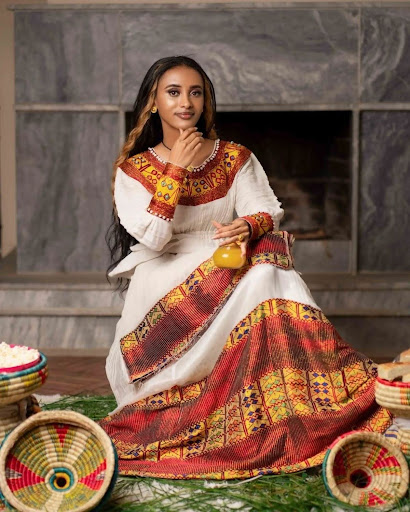
What stands out in Addis Ababa is not the presence of traditional clothing, but the ease with which it is worn.
There is no visible tension between traditional dress and contemporary life. The two operate together. This produces a form of confidence that does not need to be stated.
Clothing does not have to prove its relevance. It already belongs.
This is different from contexts where traditional garments are reintroduced as statements of identity or resistance. In Addis, they have never fully left. Their continued use is not a return. It is a continuation.
That continuity allows for experimentation without loss.
A Different Model of Fashion Development
Addis Ababa offers a model of fashion development that does not rely on separation from tradition.
Its street style shows that cultural textiles and garments can remain central even as they evolve. It demonstrates that modernity does not require erasure.
The argument is not that Addis is unique in holding onto tradition. It has structured its fashion system in a way that allows tradition to remain active amid change.
If global fashion continues to measure progress by distance from cultural origin, cities like Addis Ababa will always appear out of step.
If the measure shifts, they become central.
FAQs
- What defines Addis Ababa street style in 2026?
Addis Ababa street style blends traditional Ethiopian garments with modern clothing, creating a look rooted in cultural continuity.
- What is the Habesha kemis, and how is it worn today?
The Habesha kemis is a traditional dress now styled in modern ways through altered cuts and contemporary layering.
- What role does Ethiopian textile tradition play in street fashion?
Textiles like Shemma remain central, shaping how garments are made, worn, and adapted.
- How do young people influence fashion in Addis Ababa?
They reinterpret traditional clothing, combining it with global styles while maintaining cultural identity.
- Why is Addis Ababa’s fashion considered culturally confident?
Because it integrates tradition into everyday wear without treating it as outdated, showing that modern style can evolve without cultural loss.