Across fashion editorials, runway shows, and major campaigns, a new creative force is changing what beauty looks like, how it is applied, and who gets to define it.
This shift is being driven by African makeup artists rewriting the global beauty conversation one editorial look at a time. They aren’t doing this through statements, but through consistent visual work that challenges long-held norms.
In these editorial spaces, African makeup artists aren’t simply following trends. They are reshaping them by centring African skin tones, textures, and cultural aesthetics in ways that feel intentional and precise.
What was once treated as alternative is now becoming referenced, and what was once excluded is increasingly being seen as standard.
This isn’t just inclusion. It is a steady rewriting of global beauty, one editorial look at a time.
Find out the African makeup artists rewriting the global beauty conversation one editorial look at a time here.
Editorial Spaces and the Rewriting of Beauty Standards
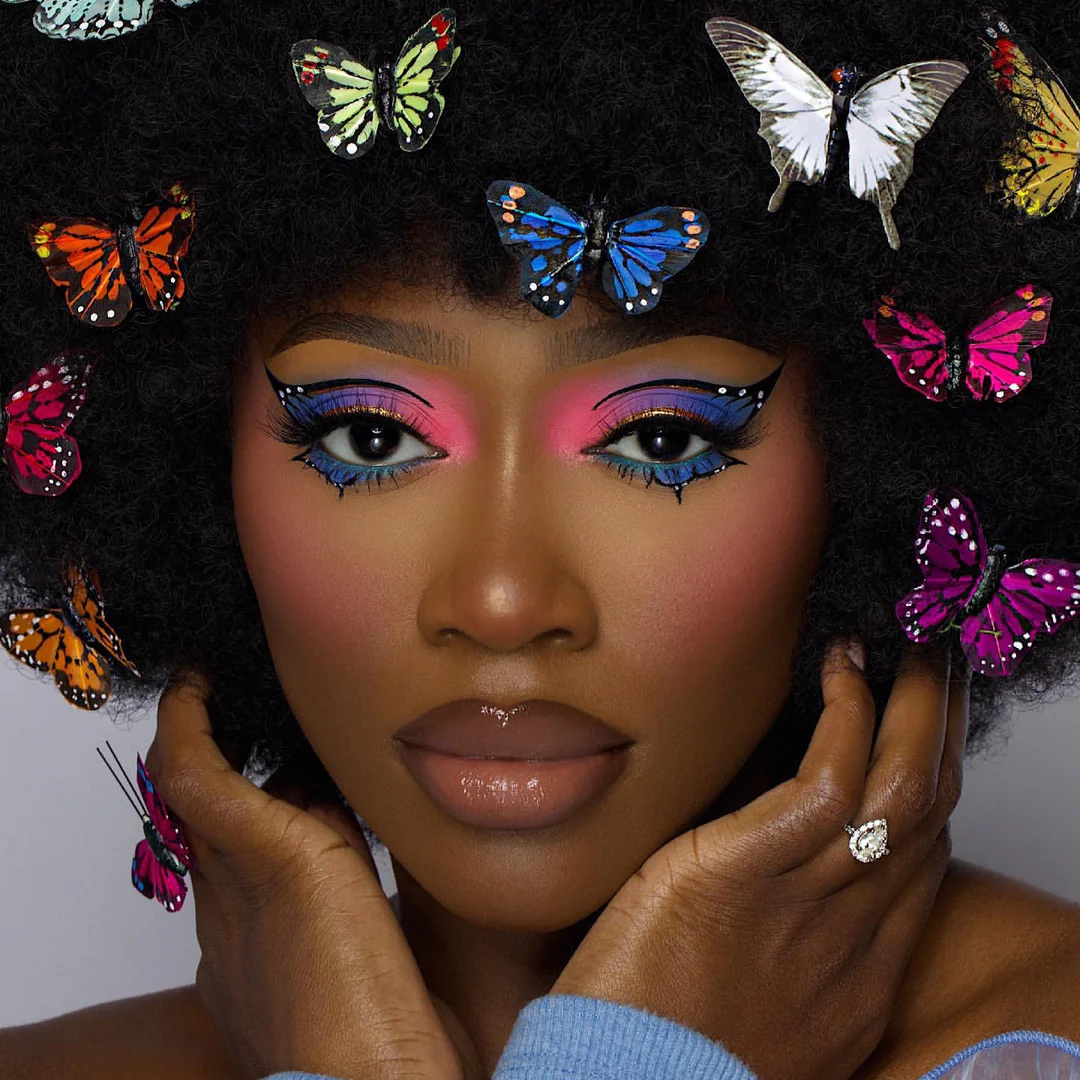
Editorial spaces are where beauty is visually built and repeated. These include fashion magazines, advertising campaigns, and runway shows.
In these settings, makeup isn’t only about appearance but part of visual storytelling that shapes how beauty is understood across the industry.
The looks created in editorial work often become reference points because they are published, shared, and repeated across media platforms.
Over time, these repeated choices influence product development, photography direction, and wider beauty expectations in both fashion and commercial spaces.
For a long time, these systems followed narrow standards that focused on specific ideas of skin finish, undertone balance, and texture control.
As a result, certain features and complexions were often styled within fixed expectations instead of being used to expand what beauty could look like in editorial form.
What is now shifting isn’t the structure of editorial spaces, but who is contributing to them. The presence of African makeup artists in these environments is gradually widening what is considered acceptable in editorial beauty.
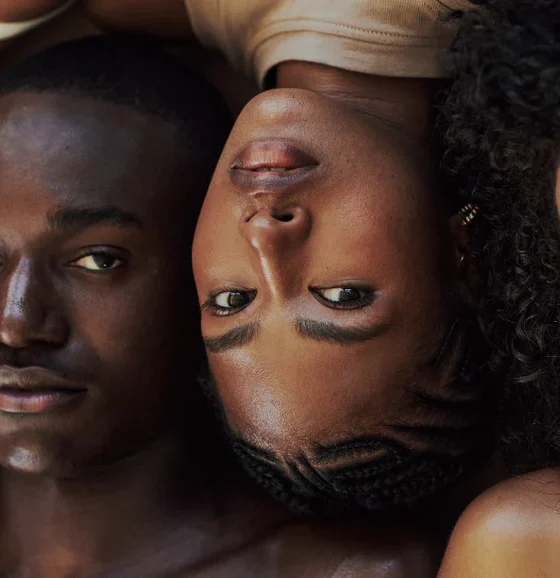
Their work brings African skin tones, textures, and finishes into high-fashion spaces with precision and intention.
This is where African makeup artists rewriting the global beauty conversation, one editorial look at a time, becomes visible in practice.
The Artists Redefining Editorial Standards
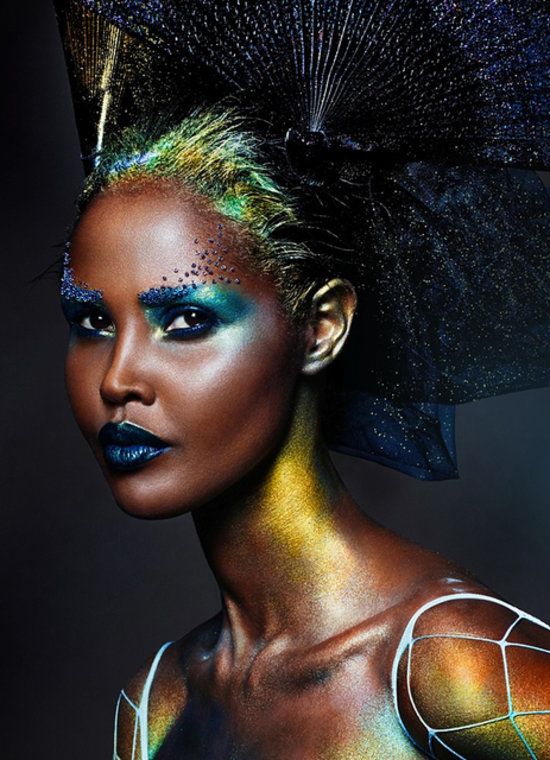
The shift in global beauty is shaped by makeup artists whose work appears in fashion editorials, advertising campaigns, red carpet styling, and runway production.
Some of which are:
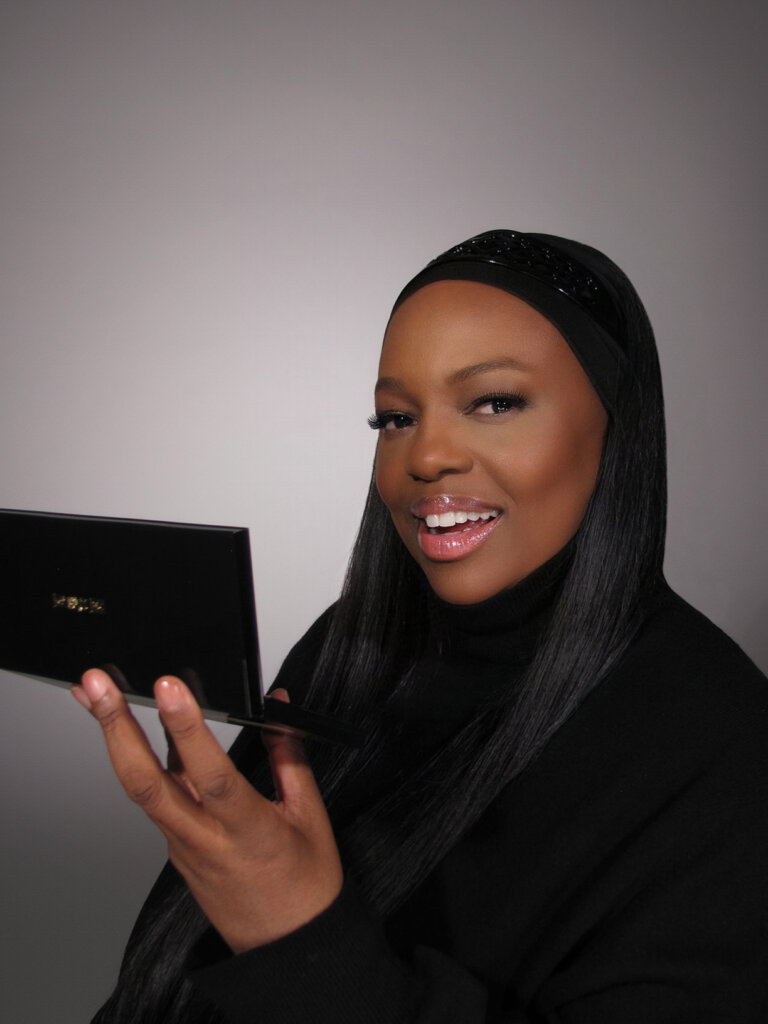
- Pat McGrath is widely recognised for her extensive work in high-fashion runway and editorial makeup. She collaborates with major fashion houses and contributes to global beauty campaigns that prioritise experimental and high-impact makeup design.
- Joy Adenuga is known for editorial and commercial work across fashion and beauty. Her work focuses on polished finishes and precise application techniques suited for photography and campaign visuals.
- Bernicia Boateng works across editorial and commercial beauty projects. She has experience in magazine features and brand campaigns that require clean, skin-focused makeup execution under studio conditions.
- Tolu Amisu is known for skin-focused makeup artistry used in editorial and fashion contexts. Her work places emphasis on natural skin texture, undertone accuracy, and refined finishes.
In editorial production, these roles are not about everyday makeup application. They involve technical decisions that affect how skin appears under controlled lighting.
They also affect how products translate on camera and how looks align with creative direction for publication.
Also Read
- The Skin Barrier and Why African Climates Demand a Completely Different Routine Logic
- Foundation Matching for Deep Skin Tones: Why the Shade Range Problem Still Persists
- Blush That Shows on Deep Skin: The Formulas, Shades, and Application Techniques That Work
- Contouring and Highlighting on Dark Skin Without the Ashy Result That Every Tutorial Gets Wrong
The Looks That Are Redefining Editorial Beauty
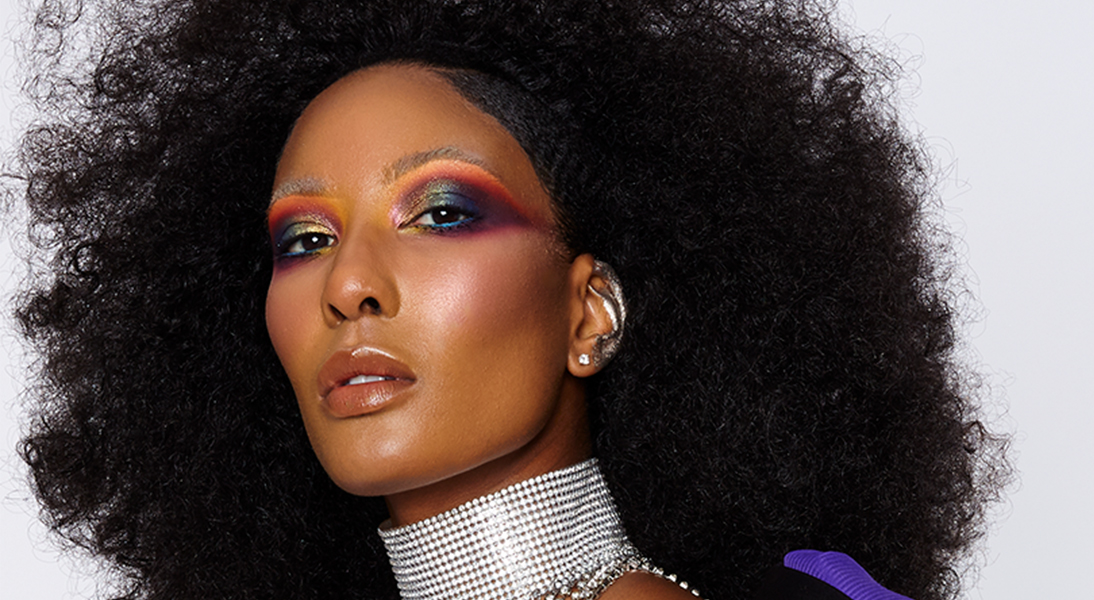
Editorial makeup focuses less on everyday wear and more on how makeup performs in controlled visual conditions such as studio photography, runway lighting, and magazine spreads.
Across editorial work today, several consistent visual approaches are shaping how beauty is presented:
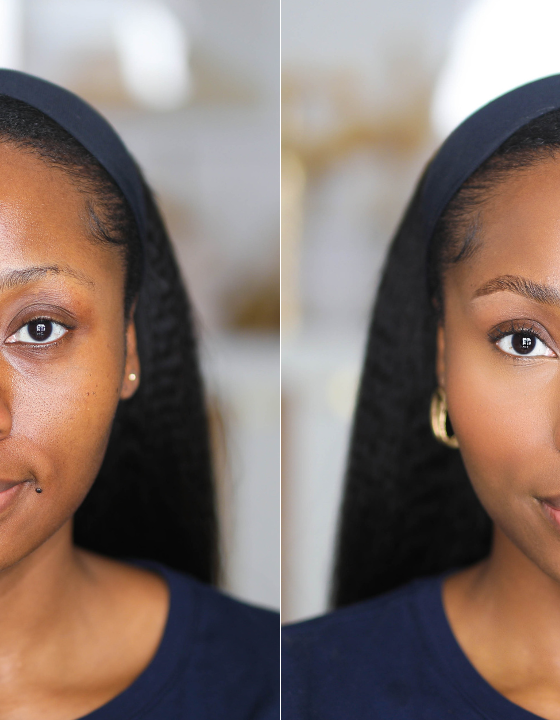
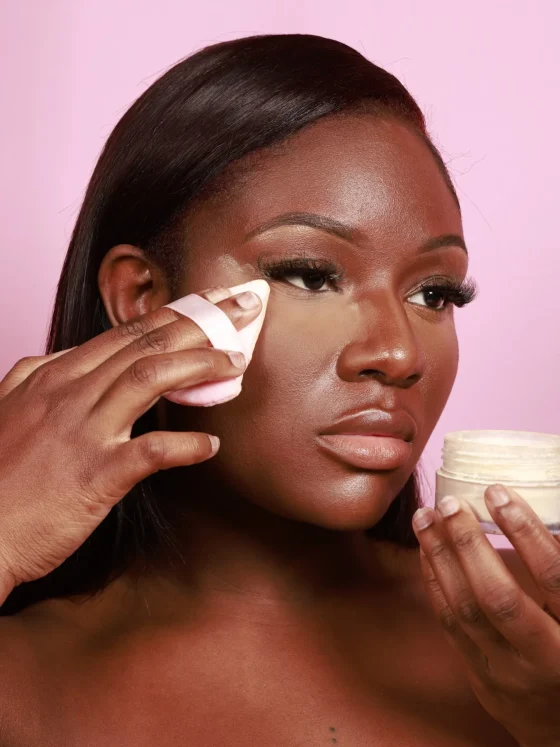
- Skin-focused Finishes: Makeup is applied to enhance skin appearance rather than fully covering texture, ensuring the skin still reads naturally under high-definition lighting.
- Controlled Highlighting and Dimension: Light is placed strategically on high points of the face so features remain visible under studio lighting and photography setups.
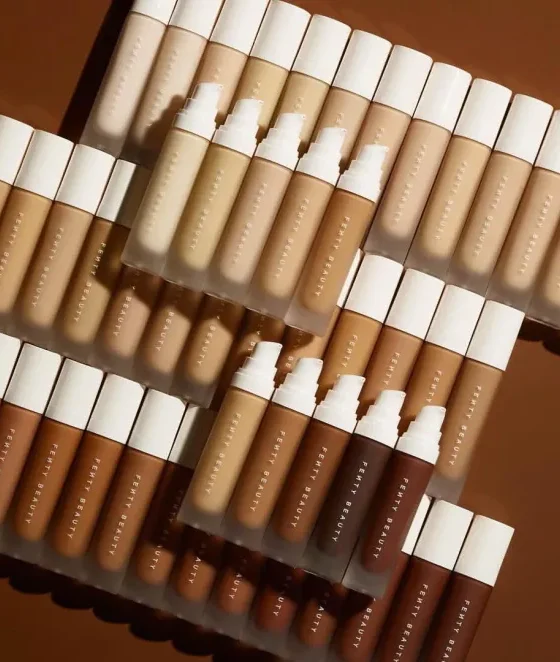
- Precise Undertone Correction and Matching: Foundation and complexion products are selected to ensure skin tones translate accurately on camera without appearing ashy or overly saturated.
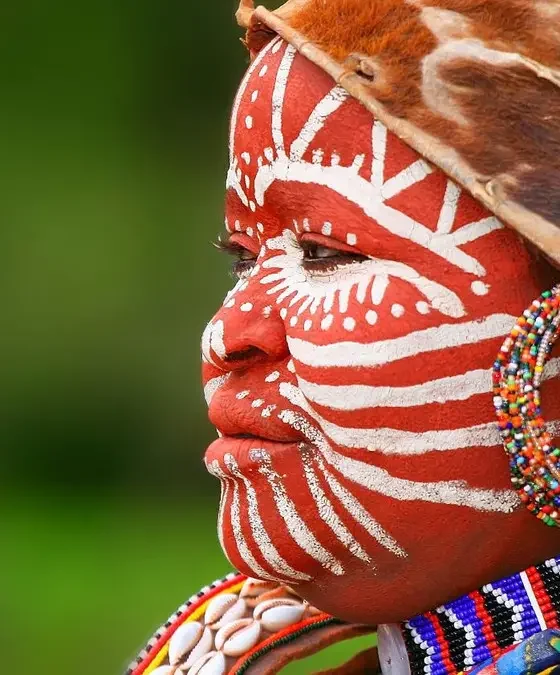
- Graphic Structure and Colour Use: Editorial looks often include defined shapes, bold placement, or contrasting tones that support fashion storytelling rather than everyday makeup wear.
- Texture Variation for Visual Depth: Matte, glow, and sheen finishes are sometimes combined intentionally so makeup reads with dimension in photographs and print layout.
The Omiren Argument
The global beauty conversation isn’t being changed by new trends or viral looks. It is being changed by who gets to define what professional beauty looks like.
For a long time, editorial makeup followed a narrow standard shaped by Western fashion systems. That standard decided what counts as clean, flawless, or camera-ready. It often centred on lighter skin tones and limited undertone ranges.
It also treated texture in a very controlled way that didn’t reflect global diversity.
The common belief is that African makeup artists are now simply being included in that system. That isn’t accurate.
The Omiren Argument is this: African makeup artists aren’t just entering an existing beauty system. They are reshaping what the system accepts as normal.
They do this through editorial work that gets published, repeated, and referenced. This is important because editorial beauty works like a blueprint.
What appears in magazines, campaigns, and runway shows does not stay as isolated images. It gets repeated across other shoots, other brands, and other creative teams.
One Editorial Look at a Time
African makeup artists are shaping global beauty through editorial work that defines how makeup is seen, styled, and repeated in fashion spaces.
Their influence is not separate from the system but built inside it, through looks that appear in magazines, campaigns, and runway presentations.
Over time, these repeated visual choices help expand what is considered standard in global beauty.
This is what African makeup artists rewriting the global beauty conversation, one editorial look at a time, looks like in a gradual shift happening through consistent editorial presence.
Frequently Asked Questions
1. Who Is the Biggest Makeup Artist in Nigeria?
There’s no official “biggest,” but top names include Bimpe Onakoya, Banke Meshida-Lawal (BMPro), and Anita Brows. Bimpe Onakoya is the most internationally recognised.
2. What Is the 2 3 Rule for Makeup?
It’s a balance rule: focus on 2–3 key features max (e.g., eyes, lips, skin) so one bold feature doesn’t clash with others.
3. Who Is Donni Davy?
An American makeup artist known for Euphoria. She creates bold, trend-setting looks and co-founded Half Magic Beauty.
4. Who Is the Richest Makeup Influencer?
Globally, Huda Kattan (Huda Beauty) is widely regarded as the richest makeup influencer/beauty entrepreneur.