Menu
  • CULTURE
    • Style & Identity
    • Ceremony & Ritual
    • Art & Music
    • Cultural Inspirations
    • Black Culture
    • Heritage Stories
  • DIASPORA
    • Diaspora Voices
    • Diaspora Connects
    • UK Scene
    • US Scene
    • Caribbean Diaspora
    • Afro-Latino Identity
    • Migration & Identity
  • FASHION
    • Trends
    • Street Style
    • Runway
    • Sustainable Fashion
    • Tailoring
    • Luxury Fashion
    • Designers & Brands
  • BEAUTY
    • Skincare
    • Makeup
    • Hair & Hairstyle
    • Fragrance
    • Beauty Traditions
    • Natural Beauty
  • Style
    • Women’s Style
    • Evening Glam
    • Workwear & Professional
    • Streetwear for Women
    • Accessories & Bags
    • Bridal
    • Men’s Style
    • Grooming Traditions
    • Traditional & Heritage
    • The Modern African Man
    • Menswear Designers
  • INDUSTRY
    • Editorial Intelligence
    • Market Trends
    • Brand Strategy
    • Retail & Commerce
    • Partnerships
    • Reports
    • Omiren Style Index
    • Insights
  • NEWS
    • Cover Stories
    • Fashion Weeks
    • Opinion & Commentary
    • Style Icons
    • Rising Stars
Omiren Magazine Partner With Us Advertise Style Index
Subscribe
OMIREN STYLES OMIREN STYLES

Fashion · Culture · Identity

OMIREN STYLES OMIREN STYLES OMIREN STYLES OMIREN STYLES
  • CULTURE
    • Style & Identity
    • Ceremony & Ritual
    • Art & Music
    • Cultural Inspirations
    • Black Culture
    • Heritage Stories
  • DIASPORA
    • Diaspora Voices
    • Diaspora Connects
    • UK Scene
    • US Scene
    • Caribbean Diaspora
    • Afro-Latino Identity
    • Migration & Identity
  • FASHION
    • Trends
    • Street Style
    • Runway
    • Sustainable Fashion
    • Tailoring
    • Luxury Fashion
    • Designers & Brands
  • BEAUTY
    • Skincare
    • Makeup
    • Hair & Hairstyle
    • Fragrance
    • Beauty Traditions
    • Natural Beauty
  • Style
    • Women’s Style
    • Evening Glam
    • Workwear & Professional
    • Streetwear for Women
    • Accessories & Bags
    • Bridal
    • Men’s Style
    • Grooming Traditions
    • Traditional & Heritage
    • The Modern African Man
    • Menswear Designers
  • INDUSTRY
    • Editorial Intelligence
    • Market Trends
    • Brand Strategy
    • Retail & Commerce
    • Partnerships
    • Reports
    • Omiren Style Index
    • Insights
  • NEWS
    • Cover Stories
    • Fashion Weeks
    • Opinion & Commentary
    • Style Icons
    • Rising Stars
Uncategorized

The 5-Piece Capsule Wardrobe: Building Style Around Archetypes, Not Trends

  • Fathia Olasupo
  • February 17, 2026
The 5-Piece Capsule Wardrobe: Building Style Around Archetypes, Not Trends
Wolf & Badger/Pinterest.
Total
0
Shares
0
0
0

Trend cycles move quickly. Algorithms accelerate them. What feels current in March often feels dated by September. Building a wardrobe around trends, therefore, requires constant replacement. The result is visual inconsistency and financial drain.

An alternative approach is to organise your wardrobe around archetypes rather than seasons. Archetypes are recurring structural forms that persist across decades. They are not specific items but categories of garment logic. A wardrobe gains cohesion, longevity, and clarity when it anchors itself in a small number of stable archetypes.

The five-piece capsule is not about minimalism for its own sake. It is about structural discipline. By identifying five core archetypes and selecting one defining piece for each, a wardrobe gains internal architecture.

Discover the 5-piece capsule method for building a wardrobe around timeless archetypes, not trends, for cohesion, longevity, and clarity.

Why Archetypes Outlast Trends
Why Archetypes Outlast Trends
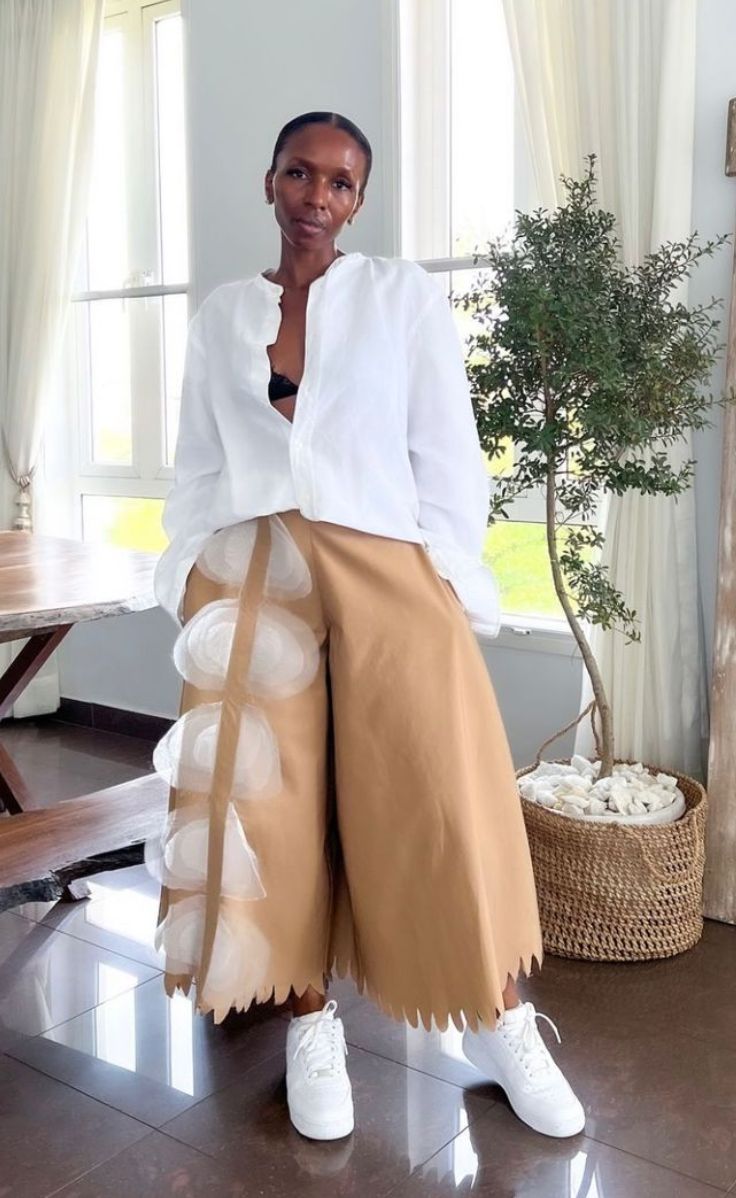
Photo: ADJOAA/Pinterest.

In psychology, archetypes are recurring symbolic patterns that recur across cultures. In fashion, archetypes function similarly. Certain garment forms recur because they repeatedly solve functional and aesthetic needs.

These archetypes include the tailored jacket, the structured coat, the fluid dress, the sharp trousers, and the foundational knit. These forms reappear decade after decade with minor modifications. Their persistence suggests structural necessity rather than trend influence.

When a wardrobe is anchored in archetypes, updates become refinements rather than reinventions. Colour, texture, and detail may shift, but the structural core remains intact.\

The 5-Piece Capsule Framework

The five-piece capsule does not mean owning only five garments. It means identifying five primary structural anchors around which the rest of the wardrobe rotates.

1. The Structured Layer

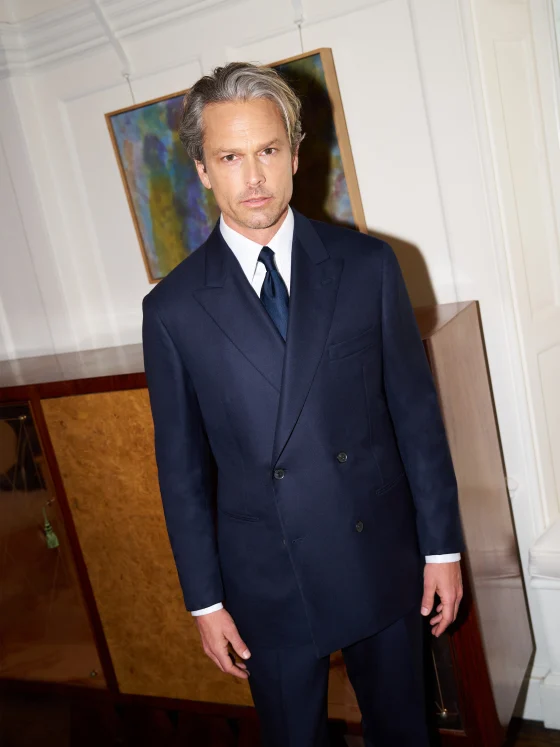
This is the architectural piece. It may be a blazer, tailored jacket, or sharp overshirt. Its role is to create form and authority. The structured layer stabilises soft garments and elevates simple combinations.

Construction matters here. Seam placement, shoulder alignment, and fabric weight determine how effectively this piece frames the body.

2. The Foundational Base

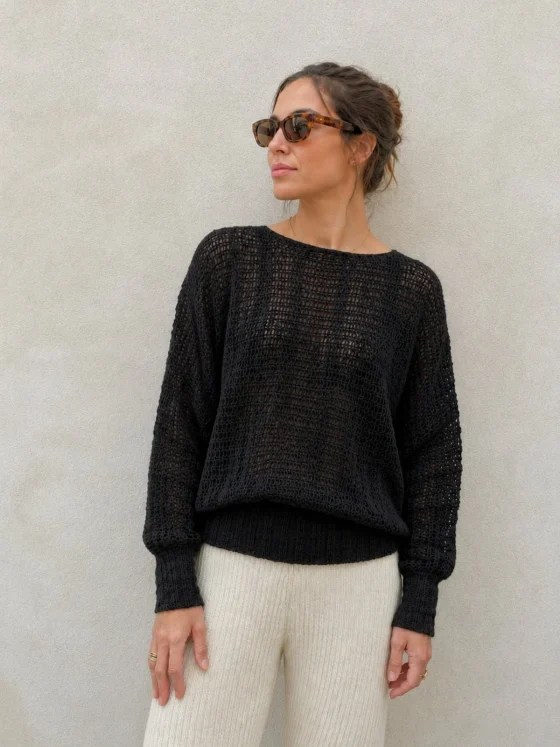
This includes a high-quality knit, tailored shirt, or essential top that integrates easily across contexts. It supports layering without overwhelming it. Neutral tones typically perform best because they maximise combination potential.

This piece should prioritise fabric integrity. Breathability and durability ensure repeated wear.

3. The Defining Bottom

Trousers, tailored shorts, or a structured skirt can serve this role. The defining bottom establishes proportion. Its cut determines how the body is visually balanced.

A straight-leg trouser, for example, has persisted across eras because it harmonises with both structured and relaxed tops. The silhouette should align with body proportions rather than passing trends.

4. The Adaptive Statement

This is the piece that introduces individuality without disrupting the collection. It may be a silk shirt, a textured knit, or a garment with a distinctive but controlled colour.

The adaptive statement allows expression while respecting the system. It refreshes the wardrobe without dismantling its coherence.

5. The Enduring Outer Layer

This piece extends beyond seasonal fluctuation. A well-cut coat, trench, or lightweight outer layer anchors transitional dressing.

Outerwear shapes first impressions. Because it is often the most visible garment, its longevity is essential. Classic construction and restrained detail ensure durability across the years.

Why Five Works
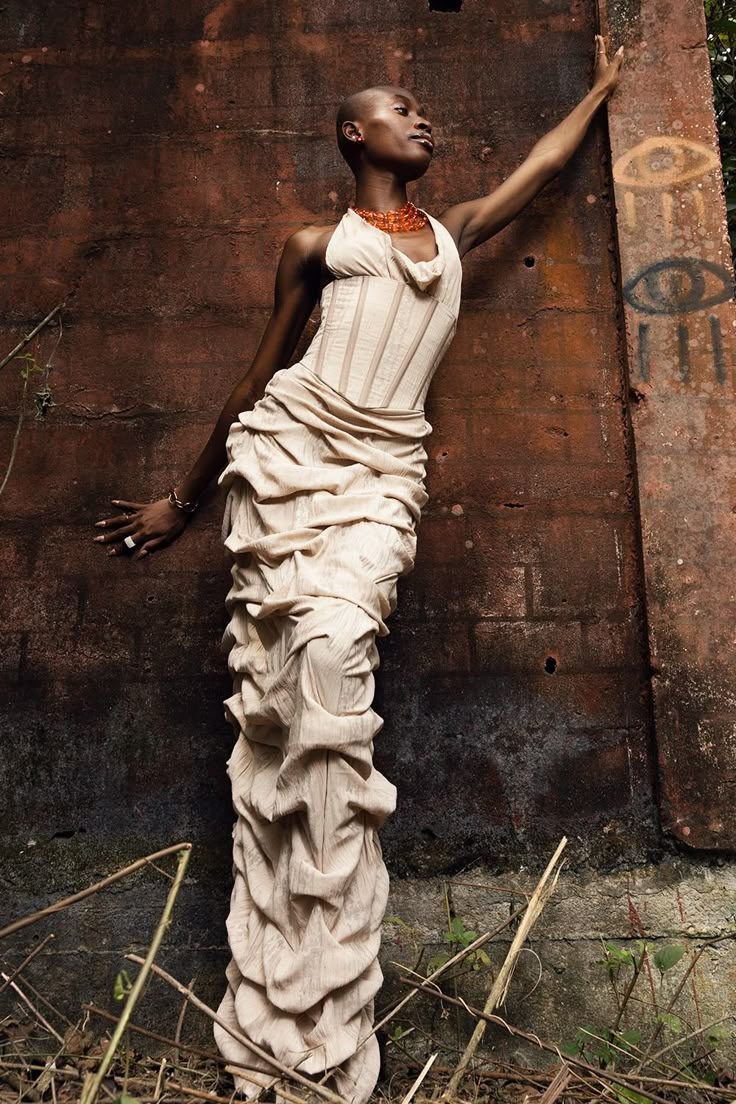
Why Five Works
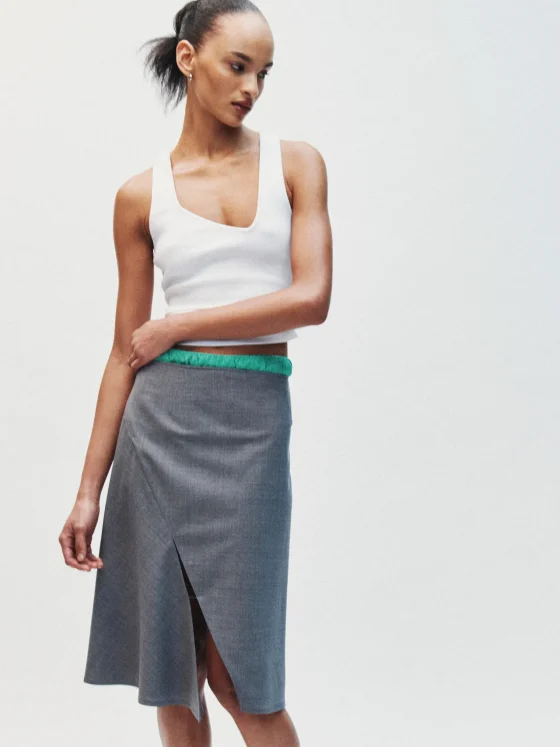
Photo: Hertunba/Pinterest.

Limiting the core to five archetypes creates clarity. Cognitive research suggests that smaller decision frameworks reduce fatigue. When each piece has a defined structural role, outfit construction becomes intuitive.

The five-piece capsule also encourages quality over quantity. If only one garment fulfils each archetype at a time, selection becomes deliberate. It is less about accumulation and more about replacement when necessary.

This structure allows expansion without chaos. Accessories, seasonal fabrics, and secondary pieces can rotate around the five anchors without disrupting cohesion.

READ ALSO:

  • What the Most Influential Fashion Pieces of 2026 Communicate Today
  • Simplify, Then Elevate: The Quiet Power of Digital Minimalism in Fashion

Replacing Trends with Refinement
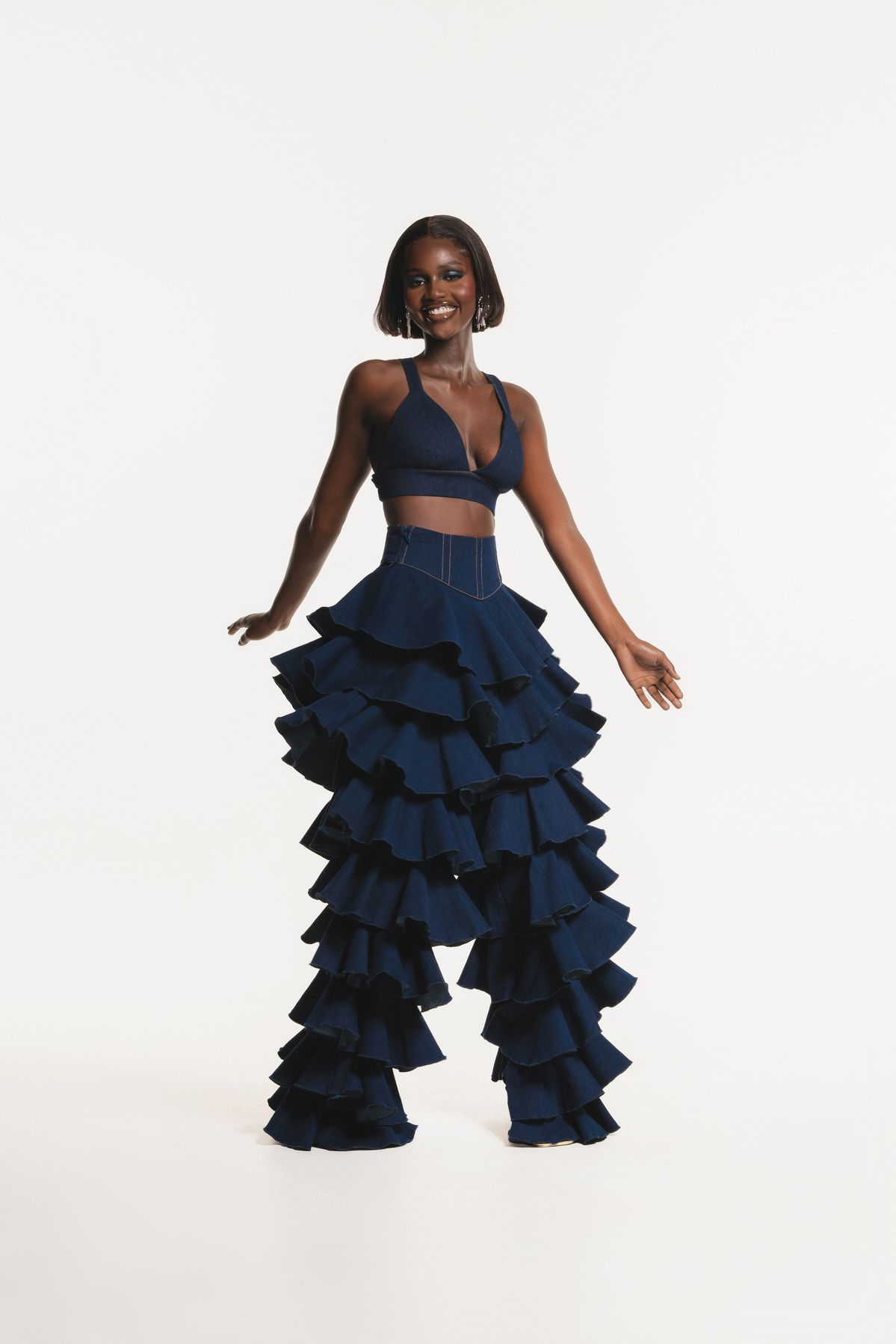
Replacing Trends with Refinement
Photo: Wolf & Badger/Pinterest.

Trends can still enter the wardrobe, but they are filtered through archetype compatibility. A trend-driven colour may appear in the adaptive statement category rather than replace the structured layer.

This system reframes fashion consumption. Instead of reacting to trend forecasts, the wearer refines existing archetypes. Fabric upgrades, tailoring adjustments, and subtle silhouette modifications replace the wholesale replacement.

Over time, the wardrobe develops visual consistency. Others begin to recognise a stable aesthetic identity rather than seasonal experimentation.

Longevity and Identity

Clothing shapes perception. A wardrobe anchored in archetypes signals consistency and intention. It allows evolution without fragmentation.

Financially, this model reduces unnecessary duplication. Structurally, it increases integration. Psychologically, it stabilises personal style.

The five-piece capsule is not restrictive. It is architectural. By building around recurring forms rather than fleeting trends, the wardrobe becomes a system rather than storage.

Conclusion

Fashion often encourages expansion. The five-piece capsule encourages definition.

By identifying five structural archetypes and investing in one strong piece within each category, a wardrobe gains clarity, longevity, and internal logic. Trends may come and go, but archetypes endure because they are built on function and proportion.

When clothing is organised around structure rather than novelty, style becomes less reactive and more deliberate. The result is not fewer options, but stronger ones.

Step into style — explore Fashion on OmirenStyles.

FAQs

  1. What is a 5-piece capsule wardrobe based on archetypes?

A 5-piece capsule wardrobe is a structured system built around five core garment archetypes that anchor your style instead of seasonal trends.

  1. How do I choose the five archetypes for my capsule wardrobe?

Select categories that reflect your lifestyle and silhouette needs, such as structured layering, defining bottoms, foundational bases, statement pieces, and outerwear.

  1. Why is building a wardrobe around archetypes better than following trends?

Archetypes provide structural consistency and longevity, while trends shift quickly and often lead to fragmented, short-term wardrobe purchases.

  1. Can a 5-piece capsule wardrobe work for different seasons?

Yes. The archetypes remain consistent while fabrics, textures, and layering adapt to seasonal temperature and climate changes.

  1. How does a capsule wardrobe reduce decision fatigue?

A defined system limits unnecessary choices, making outfit building faster, more cohesive, and aligned with your personal style identity.


Post Views: 960
Total
0
Shares
Share 0
Tweet 0
Pin it 0
Related Topics
  • African Fashion
  • Capsule Wardrobe Essentials
  • Minimalist Fashion Strategy
  • Timeless Personal Style
Fathia Olasupo

olasupofathia49@gmail.com

You May Also Like
Reporting Pay in Fashion's Creative Economy: Why Comparing Stylist Fees Requires Better Data
View Post
  • Creative Teams

Reporting Pay in Fashion’s Creative Economy: Why Comparing Stylist Fees Requires Better Data

  • Rex Clarke
  • September 12, 2026
Okparan Was Never European Dress: How Itsekiri Style Turned Trade Into Authority
View Post
  • Style & Identity

Okparan Was Never European Dress: How Itsekiri Style Turned Trade Into Authority

  • Rex Clarke
  • September 11, 2026
Laamb Dress as Sporting Image-Making: What Senegalese Wrestling Reveals About Fashion Without Runways
View Post
  • Black Culture

Laamb Dress as Sporting Image-Making: What Senegalese Wrestling Reveals About Fashion Without Runways

  • Tobi Arowosegbe
  • September 11, 2026
When African Makeup Artistry Is Called "Inspiration" Instead of Being Credited as Practice
View Post
  • Makeup

When African Makeup Artistry Is Called “Inspiration” Instead of Being Credited as Practice

  • Adams Moses
  • September 11, 2026
Prestige Cloth After the Ceremony: How Aso-Oke Moves Through Contemporary Luxury
View Post
  • Heritage Clothing

Prestige Cloth After the Ceremony: How Aso-Oke Moves Through Contemporary Luxury

  • Peace Vera
  • September 11, 2026
Menswear, Legibility, and Work: How Dress Codes Decide Who Looks "Professional"
View Post
  • Opinion

Menswear, Legibility, and Work: How Dress Codes Decide Who Looks “Professional”

  • Tobi Arowosegbe
  • September 10, 2026
Beadwork as Record: Why Zulu Colour Meanings Cannot Be Reduced to a Universal Code
View Post
  • Heritage Stories

Beadwork as Record: Why Zulu Colour Meanings Cannot Be Reduced to a Universal Code

  • Rex Clarke
  • September 10, 2026
The Sustainability Metrics That Cannot See a Tailor
View Post
  • Sustainable Fashion

The Sustainability Metrics That Cannot See a Tailor

  • Peace Vera
  • September 10, 2026

Leave a Reply Cancel reply

Your email address will not be published. Required fields are marked *

The Omiren Argument

African fashion and culture are not emerging. They are foundational. We document, interpret, and argue for the full cultural weight of African and diaspora dress. With precision. Without apology.

Omiren Styles Fashion · Culture · Identity

All 54 African Nations
Caribbean · Afro-Latin America
The Global Diaspora

Platform

  • About Omiren Styles
  • Our Vision
  • Our Mission
  • Editorial Pillars
  • Editorial Policy
  • The Omiren Collective
  • Campus Style Initiative
  • Sustainable Style
  • Social Impact & Advocacy
  • Investor Relations

Contribute

  • Write for Omiren Styles
  • Submit Creative Work
  • Join the Omiren Collective
  • Campus Initiative
Contact
contact@omirenstyles.com
Our Reach

Africa — All 54 Nations
Caribbean
Afro-Latin America
Global Diaspora

African fashion intelligence, in your inbox.

Editorial features, designer profiles, cultural commentary. No noise.

© 2026 Omiren Styles — Rex Clarke Global Ventures Limited. All rights reserved.
  • Privacy Policy
  • Editorial Policy
  • Terms of Use
  • Accessibility
Africa · Caribbean · Diaspora
The Omiren Argument

African fashion and culture are not emerging. They are foundational. We document, interpret, and argue for the full cultural weight of African and diaspora dress. With precision. Without apology.

Omiren Styles Fashion · Culture · Identity
  • About Omiren Styles
  • Our Vision
  • Our Mission
  • Editorial Pillars
  • Editorial Policy
  • The Omiren Collective
  • Campus Style Initiative
  • Sustainable Style
  • Social Impact & Advocacy
  • Investor Relations
  • Write for Omiren Styles
  • Submit Creative Work
  • Join the Omiren Collective
  • Campus Initiative
Contact contact@omirenstyles.com

All 54 African Nations · Caribbean
Afro-Latin America · Global Diaspora

African fashion intelligence, in your inbox.

Editorial features, designer profiles, cultural commentary. No noise.

© 2026 Omiren Styles
Rex Clarke Global Ventures Limited.
All rights reserved.

  • Privacy Policy
  • Editorial Policy
  • Terms of Use
  • Accessibility
Africa · Caribbean · Diaspora

Input your search keywords and press Enter.

Newsletter Subscribe

The Omiren Style Index

The reference directory for African, Caribbean and Afro-Latin fashion. New entries, taxonomy updates and intelligence signals — once a month. No noise.

.newsletter-form{
max-width:500px;
margin:auto;
text-align:center;
padding:30px;
}

.newsletter-form h3{
margin-bottom:10px;
font-size:28px;
}

.newsletter-form p{
margin-bottom:20px;
color:#666;
}

.newsletter-form input{
width:100%;
padding:14px 18px;
border:1px solid #ddd;
margin-bottom:15px;
border-radius:4px;
}

.newsletter-form button{
width:100%;
padding:14px;
background:#000;
color:#fff;
border:none;
cursor:pointer;
text-transform:uppercase;
letter-spacing:1px;
}