Menu
  • Fashion
  • Beauty
  • Lifestyle
  • News
  • Women
  • Men
  • Africa
  • Shopping
  • Events
  • Fashion
    • Trends
    • African Fashion Designers
    • Afro-Latin American Designers
    • Caribbean Designers
    • Street Style
    • Sustainable Fashion
    • Diaspora Connects
  • Beauty
    • Skincare
    • Makeup
    • Hair & Hairstyle
    • Fragrance
    • Beauty Secrets
  • Lifestyle
    • Culture & Arts
    • Travel & Destination
    • Celebrity Style
    • Luxury Living
    • Home & Decor
  • News
    • Cover Stories
    • Designer Spotlight
    • Fashion Weeks
    • Style Icons
    • Rising Stars
    • Opinion & Commentary
  • Women
    • Women’s Style
    • Health & Wellness
    • Workwear & Professional Looks
    • Evening Glam
    • Streetwear for Women
    • Accessories & Bags
  • African Style
    • Designers & Brands
    • Street Fashion in Africa
    • Traditional to Modern Styles
    • Cultural Inspirations
  • Shopping
    • Fashion finds
    • Beauty Picks
    • Gift Guides
    • Shop the Look
  • Events
    • Fashion Week Coverage
    • Red Carpet & Galas
    • Weddings
    • Industry Events
    • Omiren Styles Special Features
  • Men
    • Men’s Style
    • Grooming Traditions
    • Menswear Designers
    • Traditional & Heritage
    • The Modern African Man
  • Diaspora
    • Designers
    • Culture
  • Industry
    • Insights
    • Investment
    • Partnerships
    • Retail
    • Strategy
Subscribe
OMIREN STYLES OMIREN STYLES

Fashion · Culture · Identity

OMIREN STYLES OMIREN STYLES OMIREN STYLES OMIREN STYLES
  • Fashion
  • Beauty
  • Lifestyle
  • News
  • Women
  • Men
  • Africa
  • Shopping
  • Events
  • Fashion

Why We Still Iron Clothes: More Than Creases, It’s About Control

  • Heritage Oni
  • March 19, 2026
Why We Still Iron Clothes: More Than Creases, It’s About Control
Total
0
Shares
0
0
0

There is a particular kind of silence that comes with ironing.

Not the absence of noise, but the presence of intention. The steady movement of the hand. The pause to adjust a sleeve. The attention to detail that no one may notice, yet everyone reads.

In a time where speed is rewarded and effort is often hidden, ironing feels almost out of place. Modern fabrics promise ease. Fashion leans into softness, fluidity, and even deliberate imperfection. And still, across cities and continents, people continue to press their clothes.

So this is not a question of necessity.

It is a question of meaning.

Ironing is not just about how fabric looks; it is about how people choose to show up in the world. It is about control, dignity, and the quiet insistence that presentation still matters.

Why we still iron clothes goes beyond smooth fabric; it reflects discipline, identity, and control in everyday life across cultures and time

Order as a Daily Practice

At its core, ironing is a ritual of order.

Heat reshapes fabric, but the act itself reshapes something else. It creates a sense of readiness. A signal that the day has been considered before it begins.

In many African homes, this practice is not occasional. It is embedded. School uniforms are pressed the night before. Work clothes are prepared in advance. Even casual wear is often given attention.

This is not about perfection. It is about discipline.

In environments where unpredictability is part of daily life, small acts of control carry weight. A well-ironed outfit becomes proof that, at the very least, the self is in order.

Clothing as Social Language
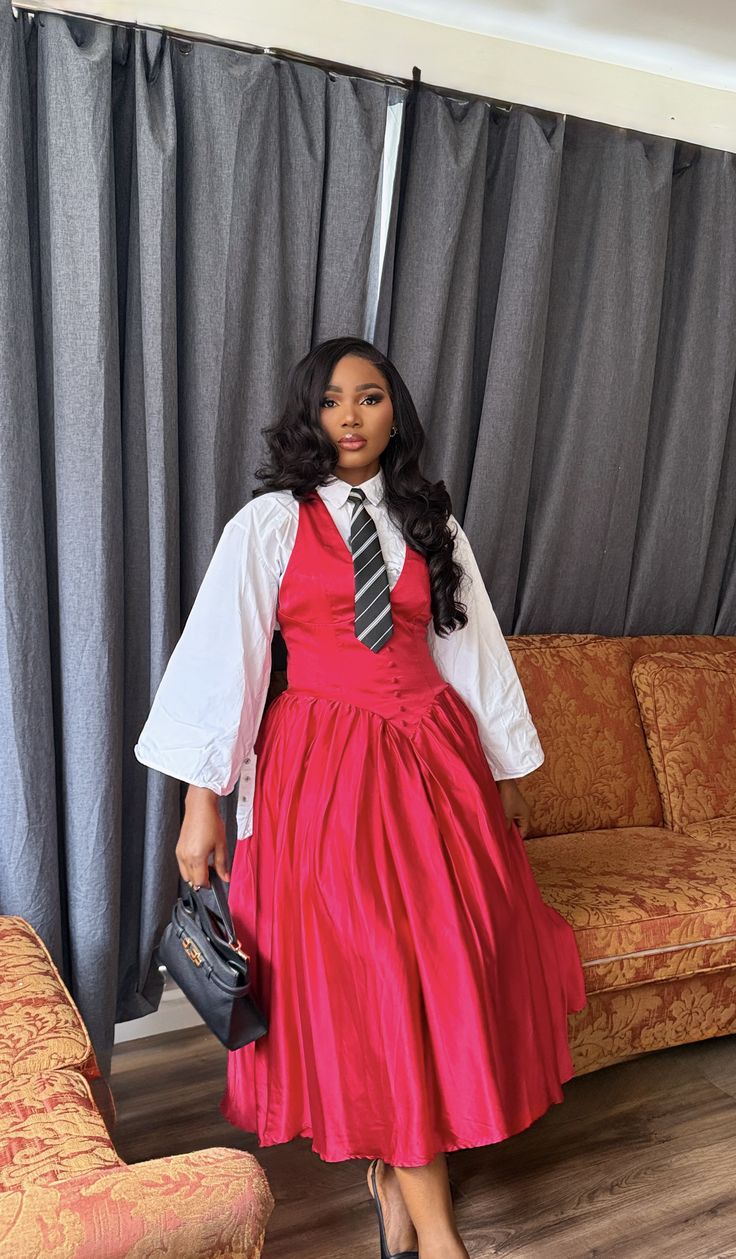
Clothing as Social Language
Created with Lens Buddy.

Clothes do not exist in isolation. They speak.

Across cultures, what you wear communicates respect, awareness, and intention. In African societies in particular, clothing has long functioned as a social language. It marks transitions, signals belonging, and reflects values.

Ironing, in this context, is part of that language.

A wrinkled outfit can suggest carelessness. A pressed one suggests readiness. The difference is subtle, but it is understood.

This is why ironing persists even when technology offers alternatives. Because the meaning attached to clothing has not disappeared. If anything, it has become more layered.

Labour, History, and Dignity

To fully understand ironing, it is important to acknowledge its history.

For many Black women across Africa and the diaspora, ironing was never just a household task. It was labour. Physical, repetitive, and often undervalued.

But it was also a tool of survival.

After periods of economic hardship and systemic exclusion, pressing clothes became a service people could offer. It created income. It supported families. It built independence in spaces where options were limited.

That history still sits inside the act today.

So when ironing continues, it carries both memory and meaning. It is tied to resilience as much as to routine.

The Illusion of Convenience
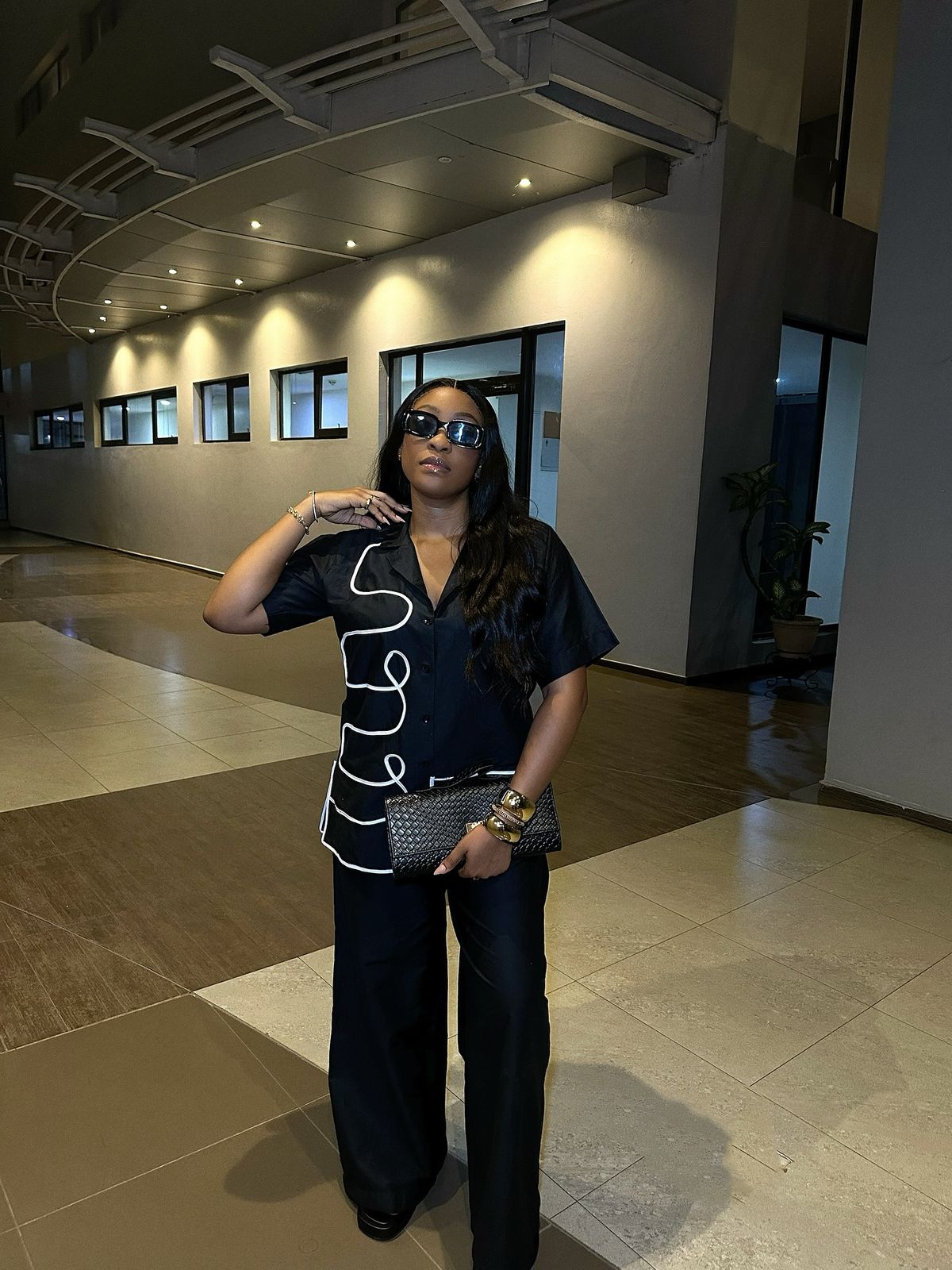
The Illusion of Convenience

Modern fashion often celebrates convenience.

Wrinkle-resistant fabrics, steamers, and relaxed dress codes all point toward a future where effort is reduced. The idea is simple. Life is busy, so clothing should adapt.

But convenience does not always replace culture.

In many communities, the expectation to appear composed has not faded. If anything, it has intensified. The world is more visible now. Appearances travel faster. First impressions carry further.

Ironing survives because it answers a need that convenience cannot fully replace. The need to feel prepared. To look intentional. To communicate something without speaking.

READ ALSO:

  • Handmade Craft in Fashion: Why It Feels Radical Again
  • The Omiren Woman: The After-Hours Blueprint
  • How Emerging Fashion Weeks Are Redefining Global Fashion

Diaspora and the Preservation of Standards

Diaspora and the Preservation of Standards

In diaspora spaces, ironing often becomes even more deliberate.

It is one of those practices that moves across borders without losing its shape. Families carry it with them, not because they have to, but because it holds meaning.

Pressing clothes before church, before school, before work. These moments become anchors. They preserve a sense of identity in environments that may not always reflect it.

Ironing, in this sense, is not just about clothing. It is about continuity.

It answers a quiet question many people in diaspora face. How do you maintain who you are in a place that encourages you to soften it?

The answer, sometimes, is in the details.

Redefining Luxury Through Effort

Luxury is often framed as ease. As the absence of effort.

But that definition does not hold everywhere.

In many African contexts, luxury is expressed through care. Through the time taken to prepare, to refine, to present something well.

A pressed outfit, regardless of its cost, carries intention. It shows that someone has invested time and attention into how they appear.

That is a different kind of value.

It shifts the idea of luxury away from price and toward presence. Away from ownership and toward effort.

Conclusion

We still iron because the world has not outgrown the need for order.

Not the rigid kind, but the personal kind. The kind that begins with small decisions. What to wear. How to present it. How to step into a space with intention.

Ironing remains because it answers something deeper than aesthetics.

It offers structure in uncertain environments. It preserves cultural habits across borders. It reflects a belief that how we show up still matters.

In a world that is constantly loosening its standards, ironing is one of the few rituals that insists on holding shape.

FAQs

1. Why do people still iron clothes when fabrics are now wrinkle-free

Because ironing is not only about removing wrinkles, it is about presentation discipline and how people choose to show up

2. Is ironing more cultural than practical today

In many cases, yes, especially in African and diaspora communities, where clothing carries social meaning

3. What does ironing say about a person

It often signals attention to detail, readiness, and respect for the environment they are stepping into

4. Why is ironing common in African households

It is tied to discipline, routine, and the cultural importance placed on looking prepared and put together

5. Can ironing be considered a form of luxury

Ye,s when luxury is defined as care, effor,t and intentional presentation rather than just cost

Post Views: 106
Total
0
Shares
Share 0
Tweet 0
Pin it 0
Related Topics
  • clothing care rituals
  • fashion and discipline
  • history of ironing
Avatar photo
Heritage Oni

theheritageoni@gmail.com

You May Also Like
The White Shirt: A Study in Minimalist Authority
View Post
  • Men's Style
  • Trends

The White Shirt: A Study in Minimalist Authority

  • Faith Olabode
  • April 15, 2026
The African Men Who Dress to Be Remembered: Style, Power, and the Continent’s Forgotten Dandy Tradition
View Post
  • Diaspora Connects
  • Style & Identity

The African Men Who Dress to Be Remembered: Style, Power, and the Continent’s Forgotten Dandy Tradition

  • Ayomidoyin Olufemi
  • April 15, 2026
KikoRomeo: The Nairobi Brand That Turned Kenyan Craft Into Global Fashion Authority
View Post
  • African Fashion Designers

KikoRomeo: The Nairobi Brand That Turned Kenyan Craft Into Global Fashion Authority

  • Adams Moses
  • April 14, 2026
View Post
  • African Fashion Designers
  • Opinion & Commentary

Why Fashion Brands Don’t Scale: Access Over Design

  • Fathia Olasupo
  • April 14, 2026
Mia Amor Mottley: The Prime Minister Who Wears the Caribbean on the World Stage
View Post
  • Caribbean Designers
  • Celebrity Style
  • Fashion

Mia Amor Mottley: The Prime Minister Who Wears the Caribbean on the World Stage

  • Rex Clarke
  • April 12, 2026
Kenneth Ize: The Man Who Made Aso-Oke a Global Conversation
View Post
  • African Fashion Designers

Kenneth Ize: The Man Who Made Aso-Oke a Global Conversation

  • Faith Olabode
  • April 10, 2026
East African Kikoi: The Coastal Fabric Making Waves in International Fashion
View Post
  • Cultural Inspirations
  • Diaspora Connects

East African Kikoi: The Coastal Fabric Making Waves in International Fashion

  • Philip Sifon
  • April 9, 2026
Leaving and Returning: How Migration Reshapes Fashion Identity in Ways We Don’t Talk About
View Post
  • Diaspora Connects
  • Opinion & Commentary

Leaving and Returning: How Migration Reshapes Fashion Identity in Ways We Don’t Talk About

  • Fathia Olasupo
  • April 9, 2026

Leave a Reply Cancel reply

Your email address will not be published. Required fields are marked *

The Omiren Argument

African fashion and culture are not emerging. They are foundational. We document, interpret, and argue for the full cultural weight of African and diaspora dress. With precision. Without apology.

Omiren Styles Fashion · Culture · Identity

All 54 African Nations
Caribbean · Afro-Latin America
The Global Diaspora

Platform

  • About Omiren Styles
  • Our Vision
  • Our Mission
  • Editorial Pillars
  • Editorial Policy
  • The Omiren Collective
  • Campus Style Initiative
  • Sustainable Style
  • Social Impact & Advocacy
  • Investor Relations

Contribute

  • Write for Omiren Styles
  • Submit Creative Work
  • Join the Omiren Collective
  • Campus Initiative
Contact
contact@omirenstyles.com
Our Reach

Africa — All 54 Nations
Caribbean
Afro-Latin America
Global Diaspora

African fashion intelligence, in your inbox.

Editorial features, designer profiles, cultural commentary. No noise.

© 2026 Omiren Styles — Rex Clarke Global Ventures Limited. All rights reserved.
  • Privacy Policy
  • Editorial Policy
  • Terms of Use
  • Accessibility
Africa · Caribbean · Diaspora
The Omiren Argument

African fashion and culture are not emerging. They are foundational. We document, interpret, and argue for the full cultural weight of African and diaspora dress. With precision. Without apology.

Omiren Styles Fashion · Culture · Identity
  • About Omiren Styles
  • Our Vision
  • Our Mission
  • Editorial Pillars
  • Editorial Policy
  • The Omiren Collective
  • Campus Style Initiative
  • Sustainable Style
  • Social Impact & Advocacy
  • Investor Relations
  • Write for Omiren Styles
  • Submit Creative Work
  • Join the Omiren Collective
  • Campus Initiative
Contact contact@omirenstyles.com

All 54 African Nations · Caribbean
Afro-Latin America · Global Diaspora

African fashion intelligence, in your inbox.

Editorial features, designer profiles, cultural commentary. No noise.

© 2026 Omiren Styles
Rex Clarke Global Ventures Limited.
All rights reserved.

  • Privacy Policy
  • Editorial Policy
  • Terms of Use
  • Accessibility
Africa · Caribbean · Diaspora

Input your search keywords and press Enter.