Walk into a market in Lagos, scroll through fashion pages online, or watch a new music video, and you will notice something familiar. The past keeps returning.
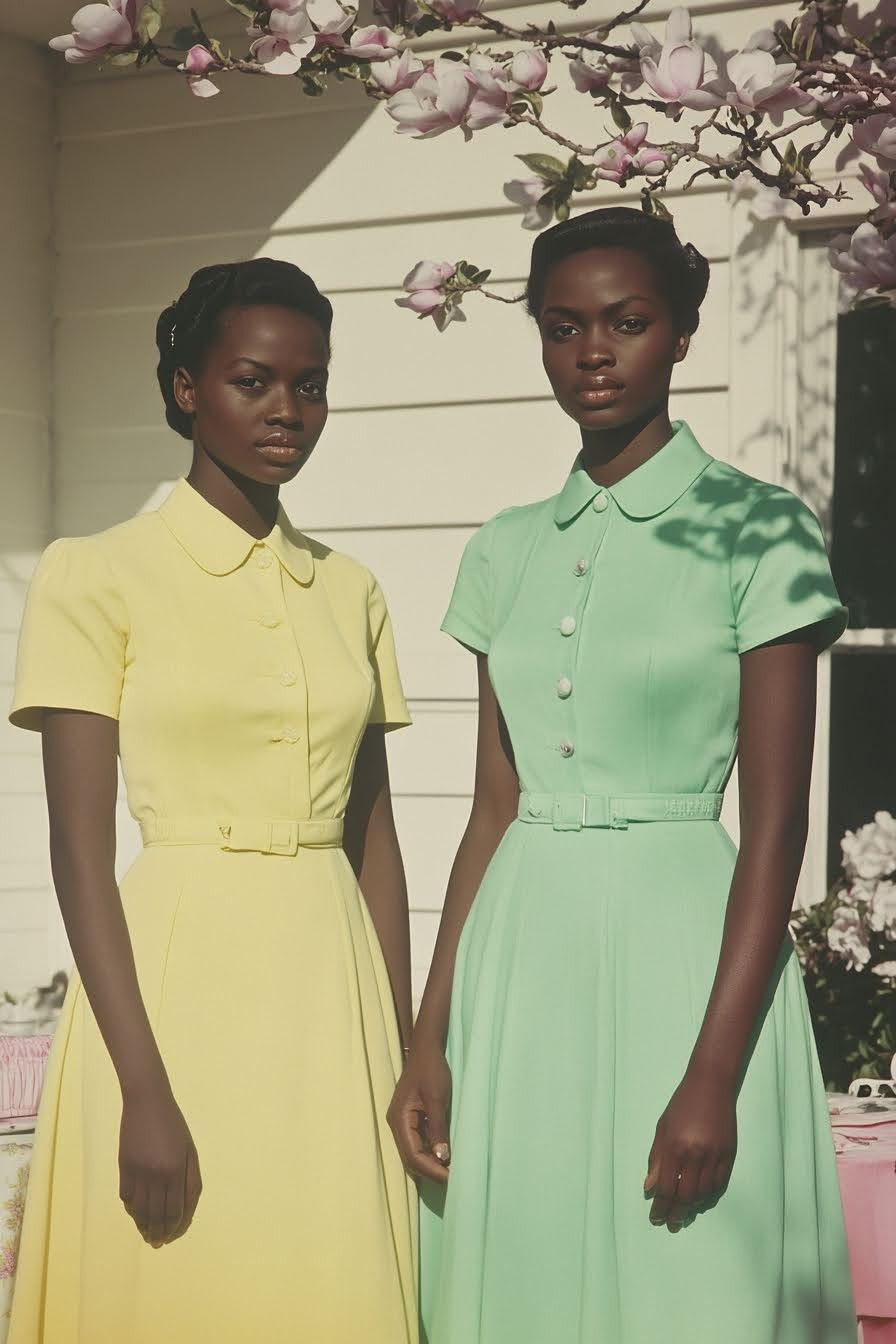
Old silhouettes appear on new bodies. Film cameras replace smartphones for aesthetics. Hairstyles from earlier decades suddenly feel fresh again. Vintage is everywhere, and yet the fascination with it goes deeper than clothing.
People often describe vintage as timeless or classic. But that description hides something more complex. Vintage culture is less about preserving the past and more about reshaping it. We remember certain details and quietly forget others.
Psychologists say nostalgia helps people feel grounded during periods of uncertainty. Sociologists argue that societies revisit old aesthetics when the present feels unstable. Fashion historians point out that trends usually return in cycles of about twenty to thirty years.
Yet none of those explanations alone captures the full picture.
Vintage is not simply memory. It is an interpretation. It reflects what a generation chooses to remember, what it prefers to soften, and what it hopes to carry forward.
Why do we romanticise the vintage from psychology to African history? How nostalgia shapes fashion, memory, identity, and power across generations
Nostalgia is an emotional strategy.
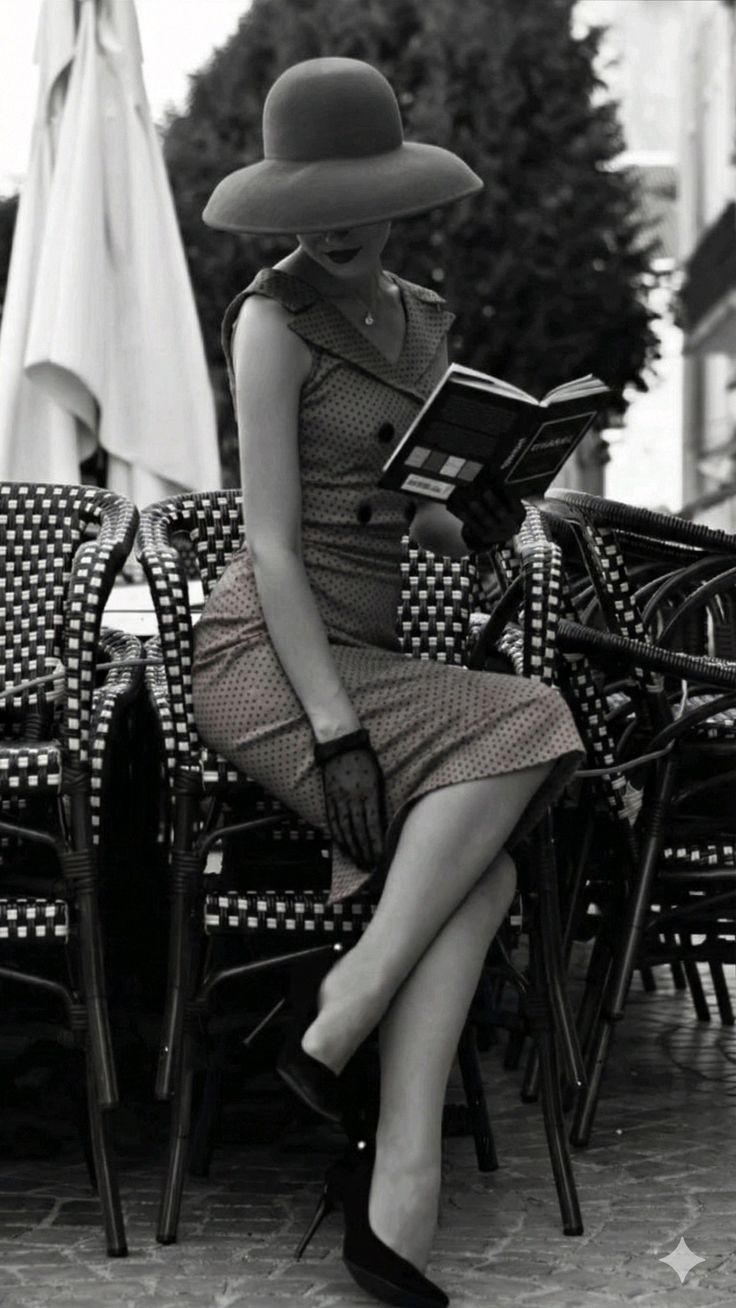
The first reason vintage holds such power is psychological.
Human memory rarely works like an archive. It behaves more like a storyteller. Over time, difficult details fade while emotionally pleasant memories remain. Psychologists often refer to this as rosy retrospection, the tendency to remember the past as better than it actually was.
Vintage aesthetics activate that feeling.
A grainy photograph can feel warmer than a sharp digital image. Vinyl records sound richer even to listeners who never grew up with them. Clothes from past decades appear more expressive than contemporary fashion, which often prioritises speed and scale.
In uncertain moments, nostalgia becomes a stabilising force. It offers a sense of continuity when the present feels fragmented. The past appears calmer because it has already survived.
Vintage, therefore, functions as emotional architecture. It helps people build a sense of identity across time.
Vintage Appears When the Present Feels Unstable
History shows that nostalgia rarely rises during comfortable periods. It tends to appear when societies are experiencing change.
After economic crises, retro fashion often resurfaces. During technological transitions, older analogue tools regain value. When the pace of life accelerates, people begin to romanticise slower eras.
The recent revival of film photography is a clear example. In a world where images are instantly produced and quickly forgotten, the deliberate process of film feels meaningful again.
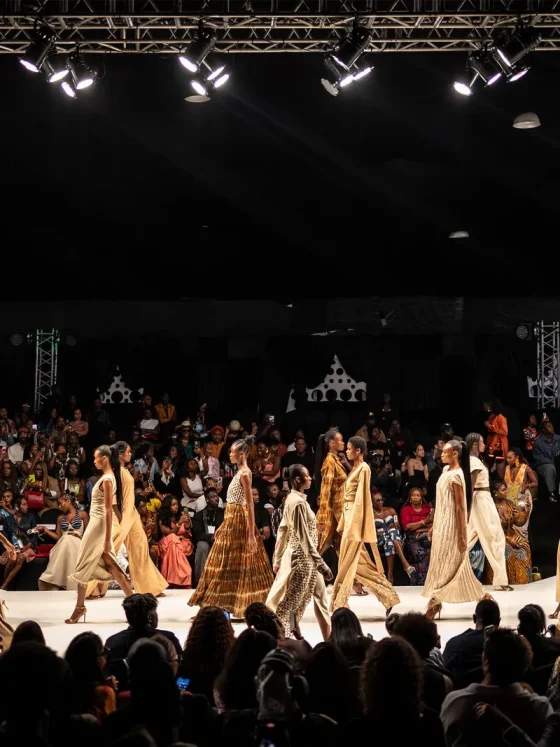
Fashion follows the same rhythm. Designers revisit older decades not because creativity has disappeared but because audiences seek familiarity. Vintage becomes a bridge between uncertainty and memory.
Craftsmanship and the Desire for Permanence
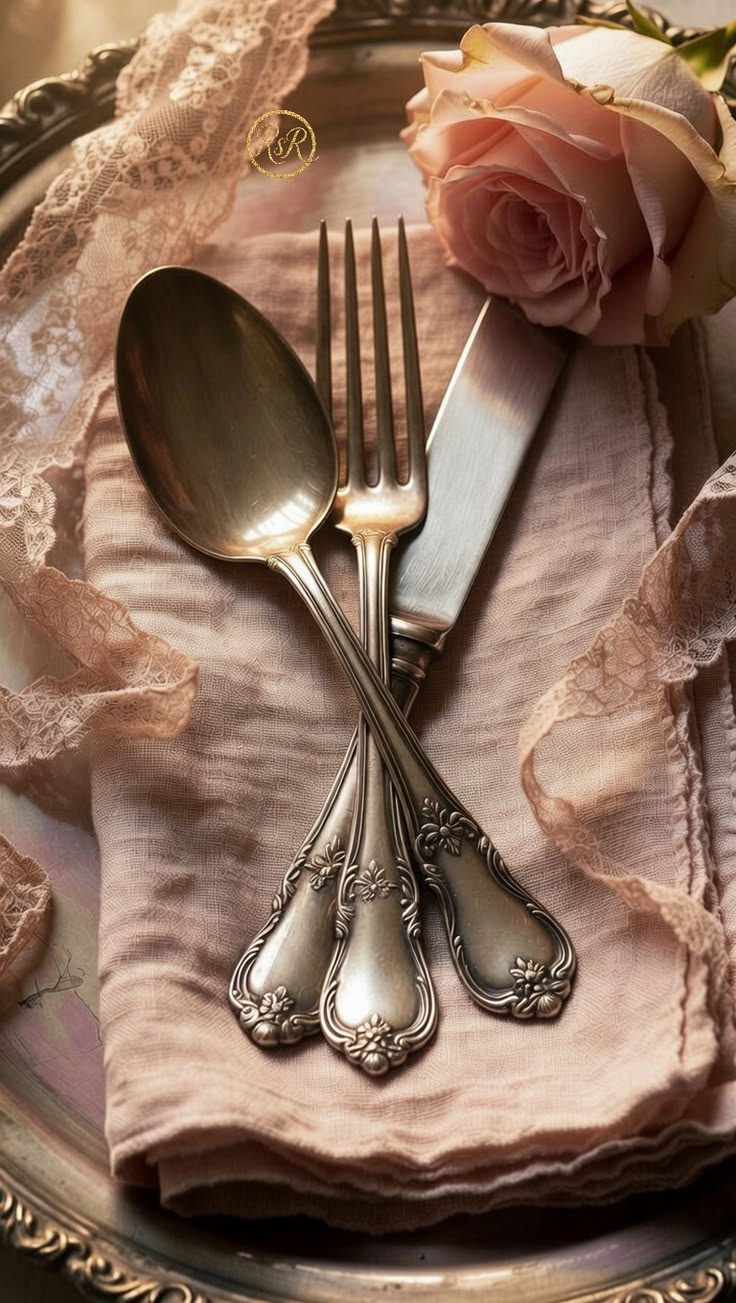
Another reason vintage attracts admiration is craftsmanship.
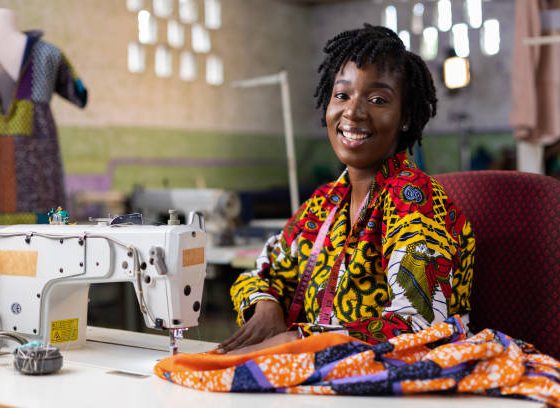
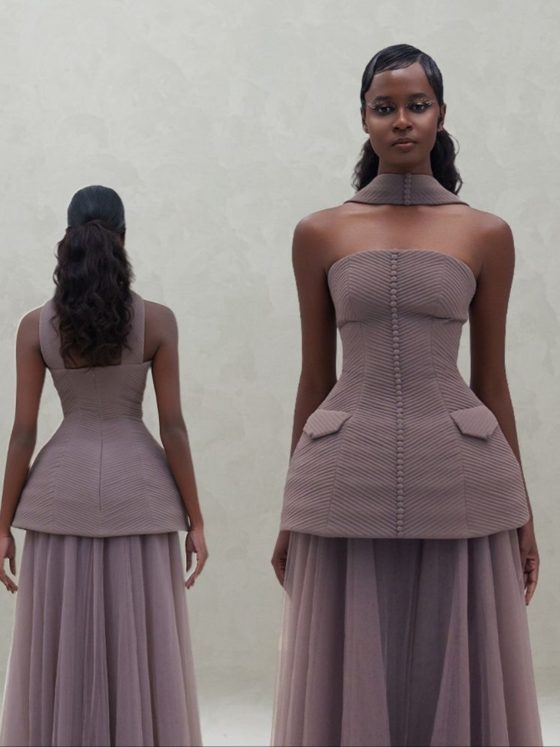
Before industrial-scale production reshaped fashion, many garments were made with greater attention to structure and durability. Tailors worked with heavier fabrics. Stitching techniques emphasised longevity rather than rapid turnover.
Modern fast fashion often prioritises quantity over construction. As a result, vintage clothing can feel more substantial. It carries the impression of having survived the test of time.
This perception matters. Objects that endure create emotional weight. A vintage garment becomes more than clothing. It becomes evidence of another life, another moment.
That sense of continuity is difficult to reproduce through mass production.
The African Lens Complicates Vintage Nostalgia
Much of the global conversation about vintage revolves around Western timelines. The glamour of 1950s cinema, the rebellion of 1970s fashion, or the minimalism of 1990s design often dominate the narrative.
But history looks different from other vantage points.
In many African countries, the decades often romanticised in Western culture coincided with intense political transformation. The 1950s and 1960s were not simply eras of aesthetic experimentation. There were years of anti-colonial struggle and independence movements.
Clothing carried political meaning.
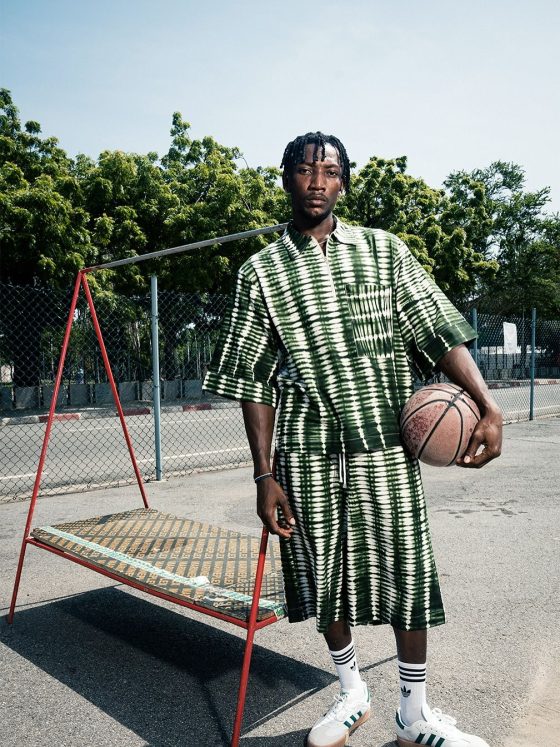
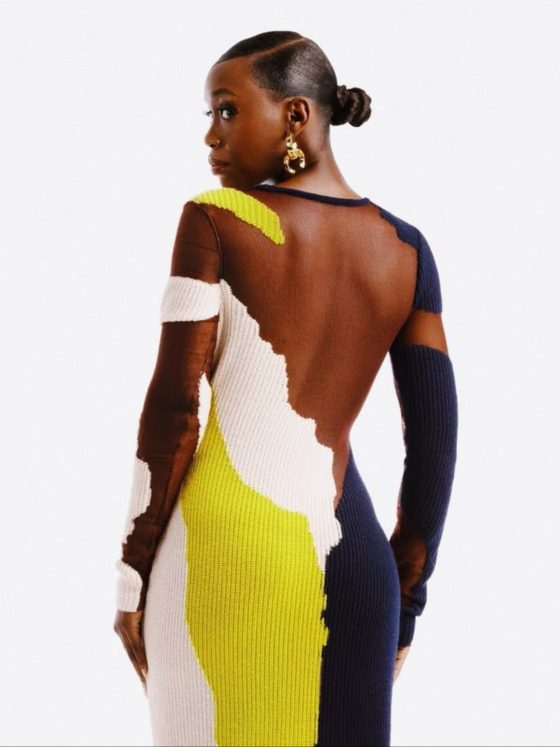
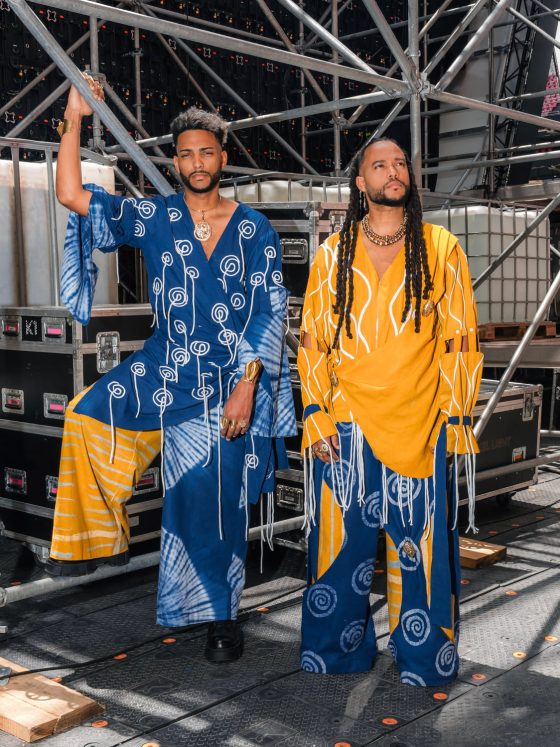
Traditional fabrics such as aso oke in Nigeria or kente in Ghana were worn deliberately as symbols of identity and sovereignty. These garments were not nostalgic. They were declarations.
Viewing vintage through an African lens reveals a crucial truth. What one culture remembers as aesthetic heritage, another may remember as resistance.
Read Also:
Hair and Beauty as Cultural Archives
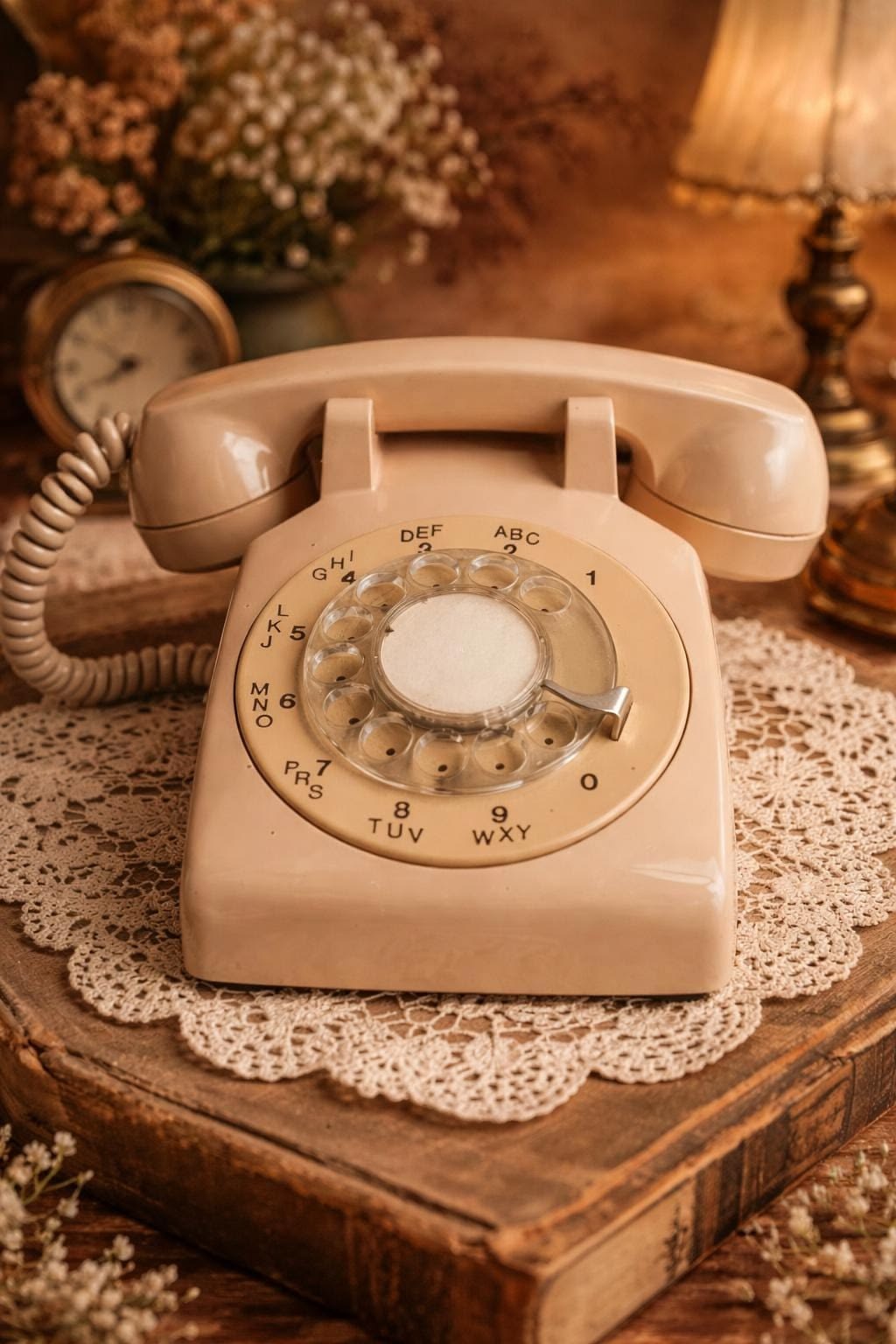
Beauty trends from earlier decades also carry political significance.
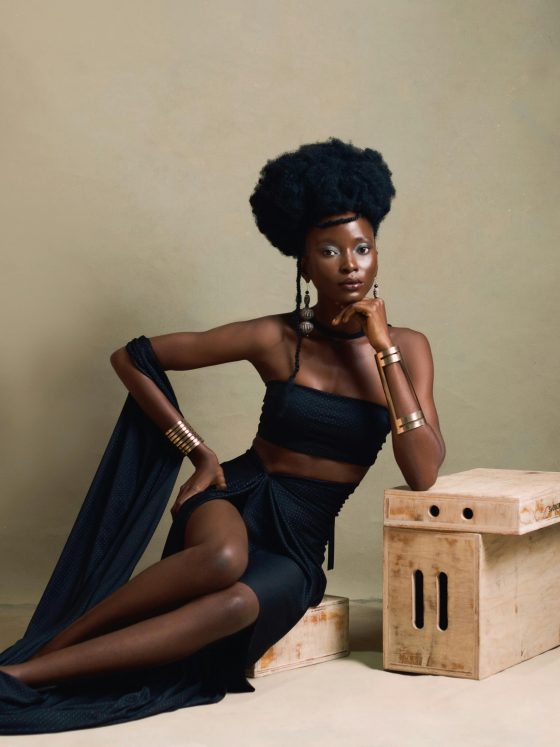
During the 1960s and 1970s, natural hair movements within the African diaspora challenged colonial beauty standards that favoured straightened textures. Hairstyles such as the Afro became visual expressions of pride and cultural affirmation.
Vintage photographs from that period are therefore more than style references. They document a moment when personal appearance became a form of protest.
When contemporary fashion reinterprets these looks, it draws on a deeper cultural archive.
Rethinking Luxury Through Heritage
Vintage also reshapes the definition of luxury.
Traditional Western fashion systems have long centred luxury around European brands and exclusivity. But heritage craftsmanship across Africa challenges that model.
Hand-woven textiles, indigo dyeing traditions, and ceremonial garments carry knowledge passed down through generations. Their value lies not in branding but in cultural continuity.
Seen through this perspective, vintage is not about revisiting old trends. It is about preserving living traditions.
Luxury becomes a story rather than a label.
Conclusion
The romance of vintage is rarely about returning to the past. It is about choosing how the past will be remembered.
Vintage culture blends psychology, history, and identity. It allows societies to hold onto fragments of earlier eras while adapting them to new realities. In times of rapid change, it offers stability and meaning.
But nostalgia can also simplify history. When the past is filtered only through aesthetics, important stories disappear.
Looking at vintage through broader cultural and historical contexts restores those missing layers. It reminds us that clothing, beauty, and design are not just trends. They are records of ambition, resistance, and transformation.
Vintage matters not because it is old, but because it reveals how each generation negotiates its relationship with time.
FAQs
- Why do people feel nostalgic about vintage fashion?
Nostalgia helps people reconnect with memories and identity. Vintage aesthetics evoke emotional warmth and a sense of continuity during uncertain periods.
- Why do fashion trends repeat every few decades?
Fashion typically follows cultural cycles. New generations reinterpret styles from earlier decades, often around twenty to thirty years later.
- Is vintage clothing of better quality than modern fashion?
Many vintage garments were constructed with stronger fabrics and more detailed tailoring, which can make them feel more durable than mass-produced clothing.
- How does African history change the vintage conversation?
Many decades romanticised in Western fashion were periods of political transformation across Africa. Clothing during those times often symbolised cultural independence.
- Why do vintage hairstyles have political meaning?
Certain hairstyles, particularly during the civil rights era, represented resistance to colonial beauty standards and affirmed cultural identity.