Fashion talks constantly about sustainability, but rarely about the materials that enable it.
Behind every garment is a fibre. Cotton, polyester, silk, wool. Each comes with environmental trade-offs. But in recent years, one botanical fabric has moved from a niche to a necessity: Tencel.
Made from wood pulp and processed through a closed-loop system, Tencel represents something rare in fashion. It offers softness, durability, breathability, and a lower environmental impact in a single fibre. It is not just another “eco” alternative. It is a material engineered for the future.
If fashion is serious about sustainability, innovation must start at the fibre level. And that is where Tencel stands out.
Discover why Tencel fabric is reshaping sustainable fashion, from eco-friendly production to softness, durability, and long-term wear value.
What Exactly Is Tencel?
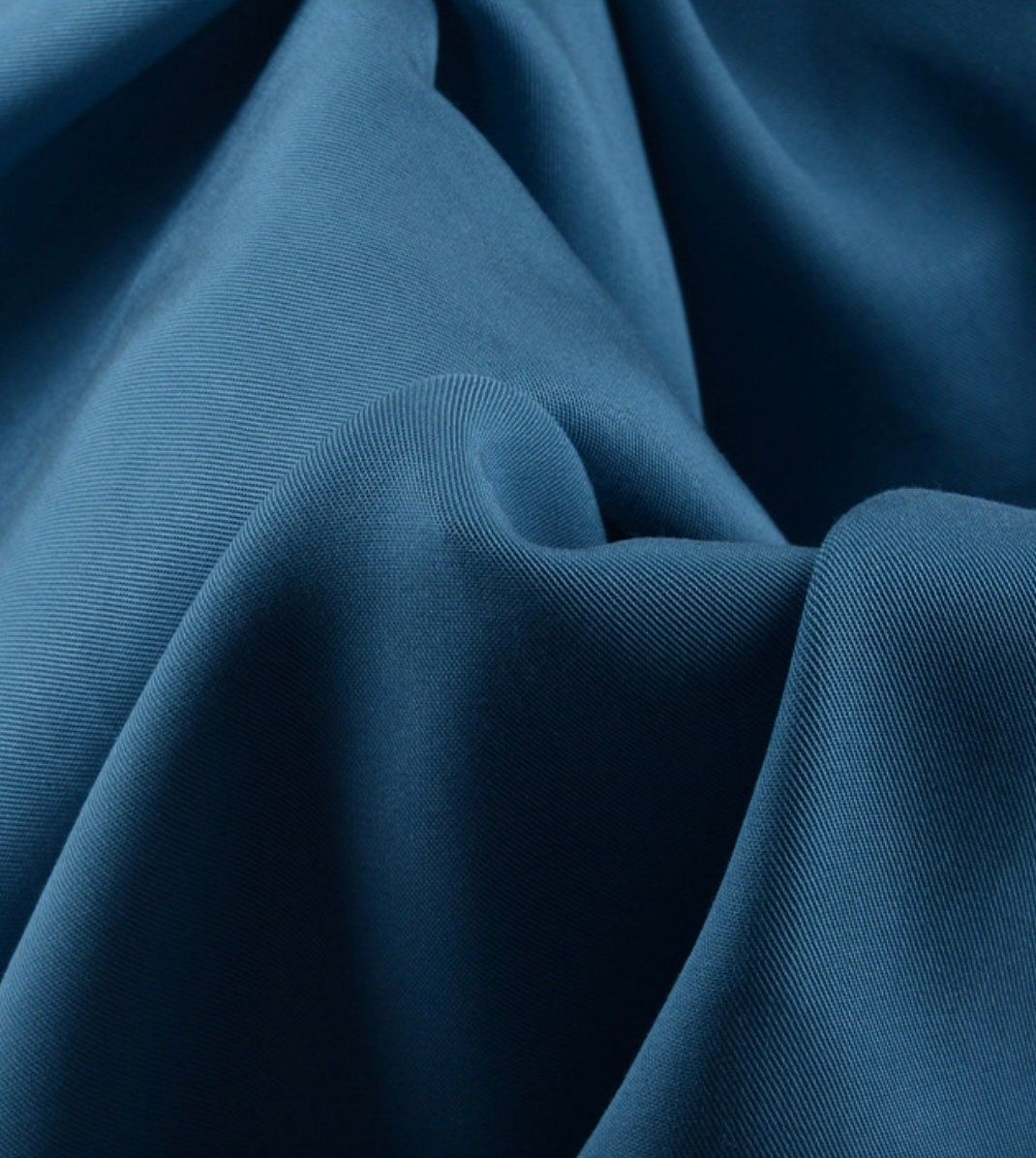
Tencel is a brand name for a type of lyocell fibre produced primarily from sustainably sourced wood, often eucalyptus. Unlike conventional viscose or rayon, Tencel is manufactured using a closed-loop process that recycles both water and solvents, minimising waste.
This matters because traditional viscose production has long been criticised for chemical pollution and deforestation. Tencel was developed to solve those problems through controlled sourcing and cleaner processing.
The result is fibre that feels like silk, drapes like high-quality cotton, and outperforms many synthetic blends.
Why Tencel Is Gaining Ground in Fashion
1. It Is Soft, But Strong
Tencel fibres are smooth and round on a microscopic level. This creates a soft hand feel while also making the fabric durable. It resists pilling better than many cotton knits and maintains its structure after repeated wash cycles.
That combination of comfort and strength makes it ideal for everyday luxury.
2. It Is More Sustainable Than Many Alternatives
Tencel production uses:
- Sustainably managed forests
- Lower water consumption compared to conventional cotton
- A closed-loop system that reuses over 99% of solvents
While no fabric is impact-free, Tencel significantly reduces chemical discharge and water waste compared to traditional viscose.
As brands move toward environmental accountability, materials like Tencel offer measurable improvements.
3. It Breaths and Regulates Temperature
Tencel is naturally breathable and moisture-wicking. It absorbs moisture more efficiently than cotton, making it ideal for warm climates and active wear.
For regions with high heat and humidity, breathable fabrics are not a luxury. They are functional necessities. This performance quality gives Tencel both comfort and versatility.
4. It Blends Well With Other Fibres
Tencel is often blended with cotton, wool, or recycled polyester to improve drape, softness, and moisture control. This makes it adaptable across:
- Tailored pieces
- Casual wear
- Knitwear
- Activewear
- Luxury basics
Its flexibility means designers do not have to compromise aesthetics or structure to achieve sustainability goals.
The Business Case for Tencel
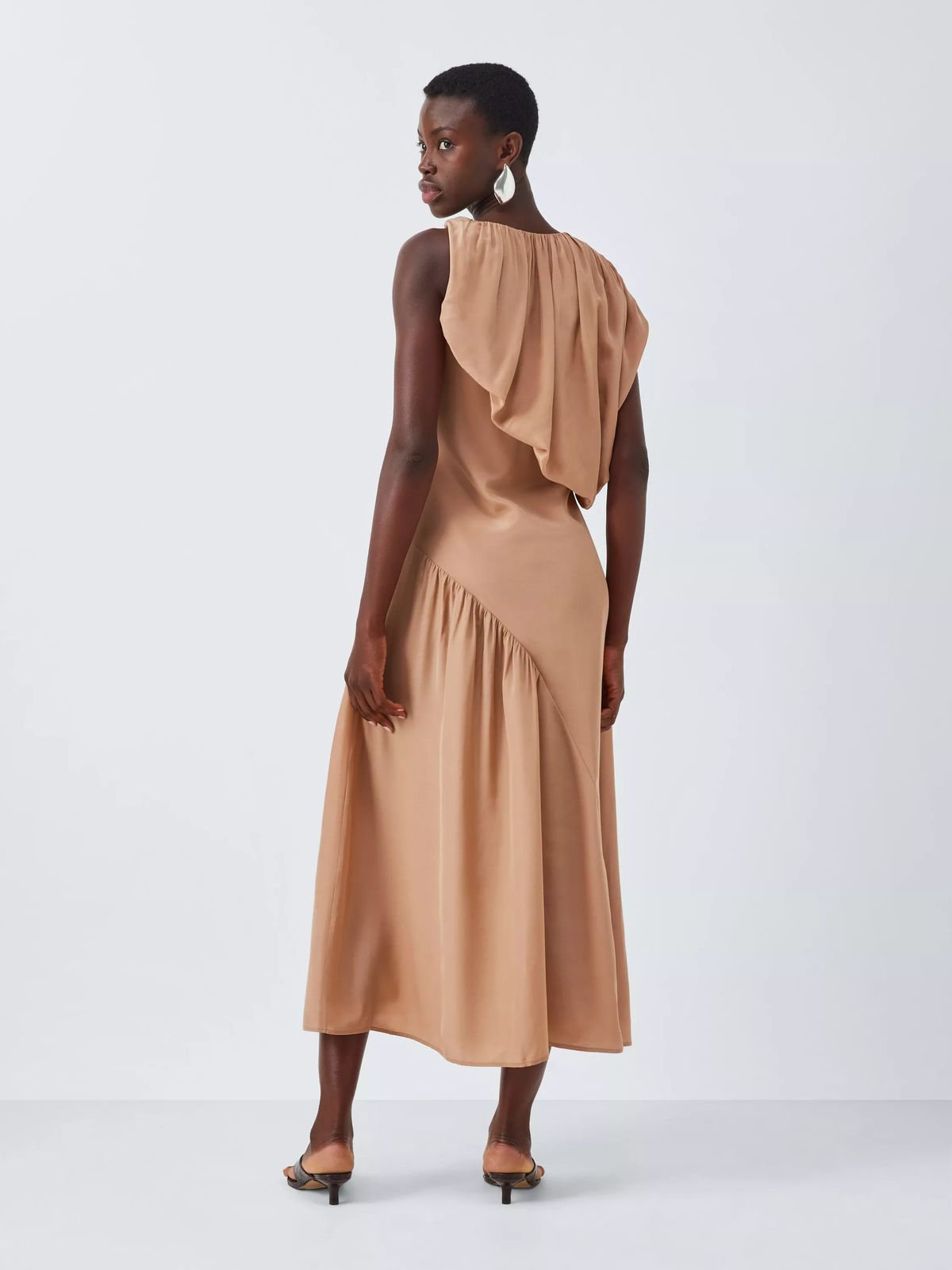
Beyond environmental appeal, Tencel makes economic sense for brands.
Consumers increasingly search for sustainable fabrics and eco-friendly clothing. Material transparency has become a marketing advantage. Garments labelled “Tencel” or “Tencel Lyocell” often perform better in sustainability-driven markets.
This positions Tencel not just as a fibre but as a value signal.
For brands, using Tencel can communicate:
- Environmental awareness
- Fabric innovation
- Modern material literacy
- Responsible sourcing
As regulations around textile waste tighten globally, early adoption of lower-impact fibres may move from optional to strategic.
ALSO CHECK OUT:
- What the Most Influential Fashion Pieces of 2026 Communicate Today
- Simplify, Then Elevate: The Quiet Power of Digital Minimalism in Fashion
Tencel vs Cotton vs Polyester
- Cotton
While cotton is natural and breathable, it requires significant water and is often heavily treated with pesticides in conventional farming.
- Polyester
Although polyester is durable and inexpensive, its petroleum-based nature contributes to microplastic pollution.
- Tencel
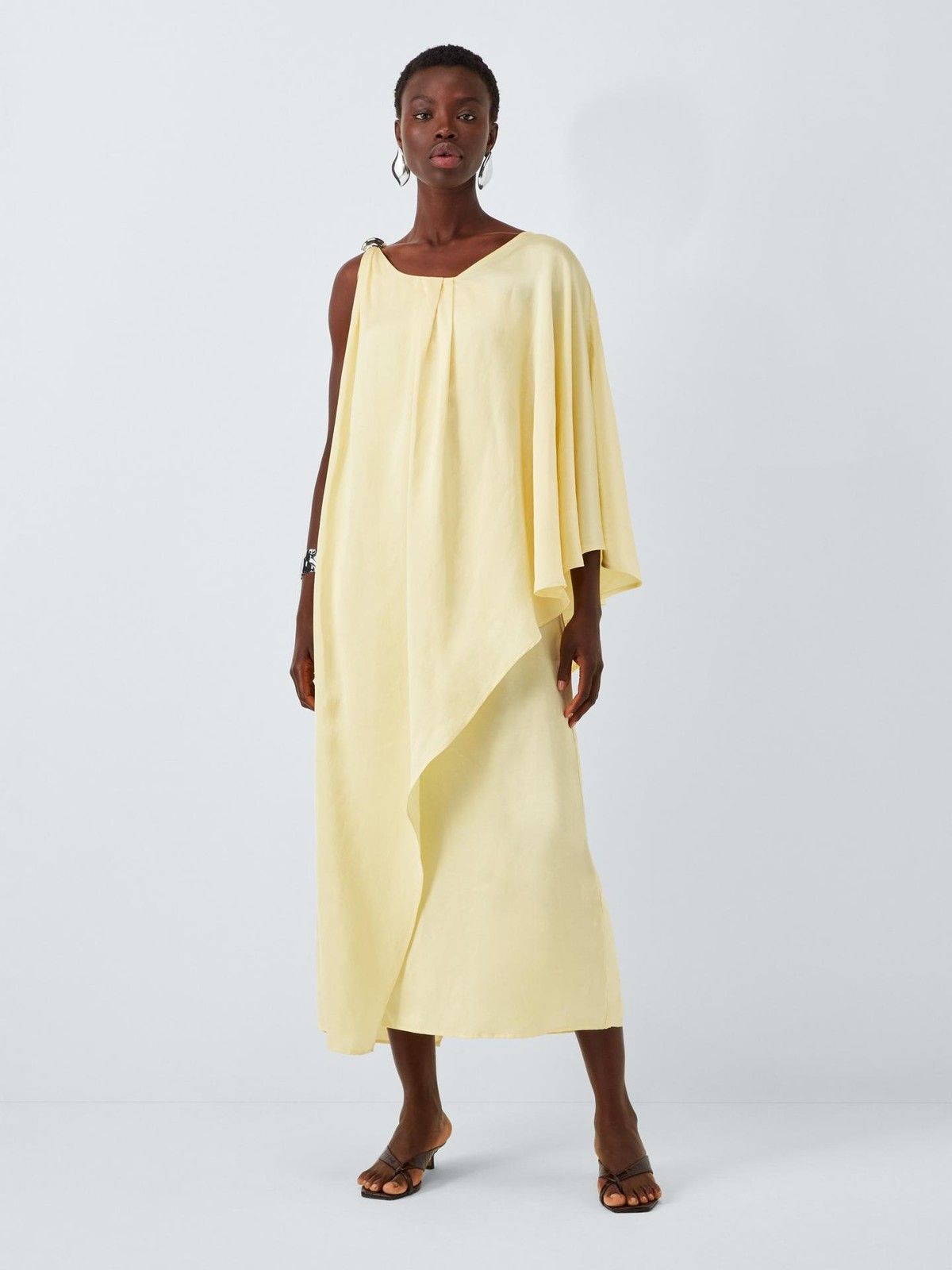
It is botanical, has a lower chemical output, is biodegradable under the right conditions, and is engineered for performance.
It does not completely replace other fibres. But it presents a strong alternative in categories where comfort and sustainability intersect.
Why Tencel Reflects Fashion’s Direction
Three pressures will likely define fashion’s future
- Environmental regulation
- Consumer demand for transparency
- Material innovation
Tencel sits at the intersection of all three.
It offers a pathway toward better sourcing without sacrificing performance. It allows brands to maintain quality while improving environmental narratives. It provides consumers with an accessible entry point to more responsible fashion choices.
In many ways, the future of fashion is quieter. It is smarter. “Smarter fashion starts with smarter fibres.”
Conclusion
The conversation about sustainable fashion often revolves around recycling and reduced consumption. But real change begins before a garment is even cut.
It begins with fibre.
Tencel is not a trend. It is a structural shift in how fashion thinks about materials. Soft yet strong, botanical yet engineered, sustainable yet luxurious, it represents a fabric aligned with where the industry needs to go.
If fashion’s future depends on innovation, Tencel makes a compelling case.
Refresh your wardrobe inspiration — browse Fashion on OmirenStyles.
FAQs
1. What is Tencel fabric made from, and how is it produced?
Tencel is made from sustainably sourced wood pulp, often eucalyptus, and produced using a closed-loop process that recycles water and solvents to reduce waste.
2. Is Tencel more sustainable than cotton and polyester?
Tencel generally uses less water than conventional cotton and produces fewer chemical emissions than traditional viscose, while avoiding the petroleum base of polyester.
3. What are the benefits of wearing Tencel clothing?
Tencel is soft, breathable, moisture-wicking, durable, and pilling-resistant, making it ideal for everyday wear, warm climates, and sensitive skin.
4. Does Tencel shrink or lose shape after washing?
When properly cared for, Tencel resists shrinking and maintains its structure better than many cotton fabrics, especially in blended textiles.
5. Is Tencel biodegradable and environmentally friendly?
Under appropriate industrial composting conditions, Tencel fibres are biodegradable, and their production process significantly reduces chemical waste compared with standard viscose.