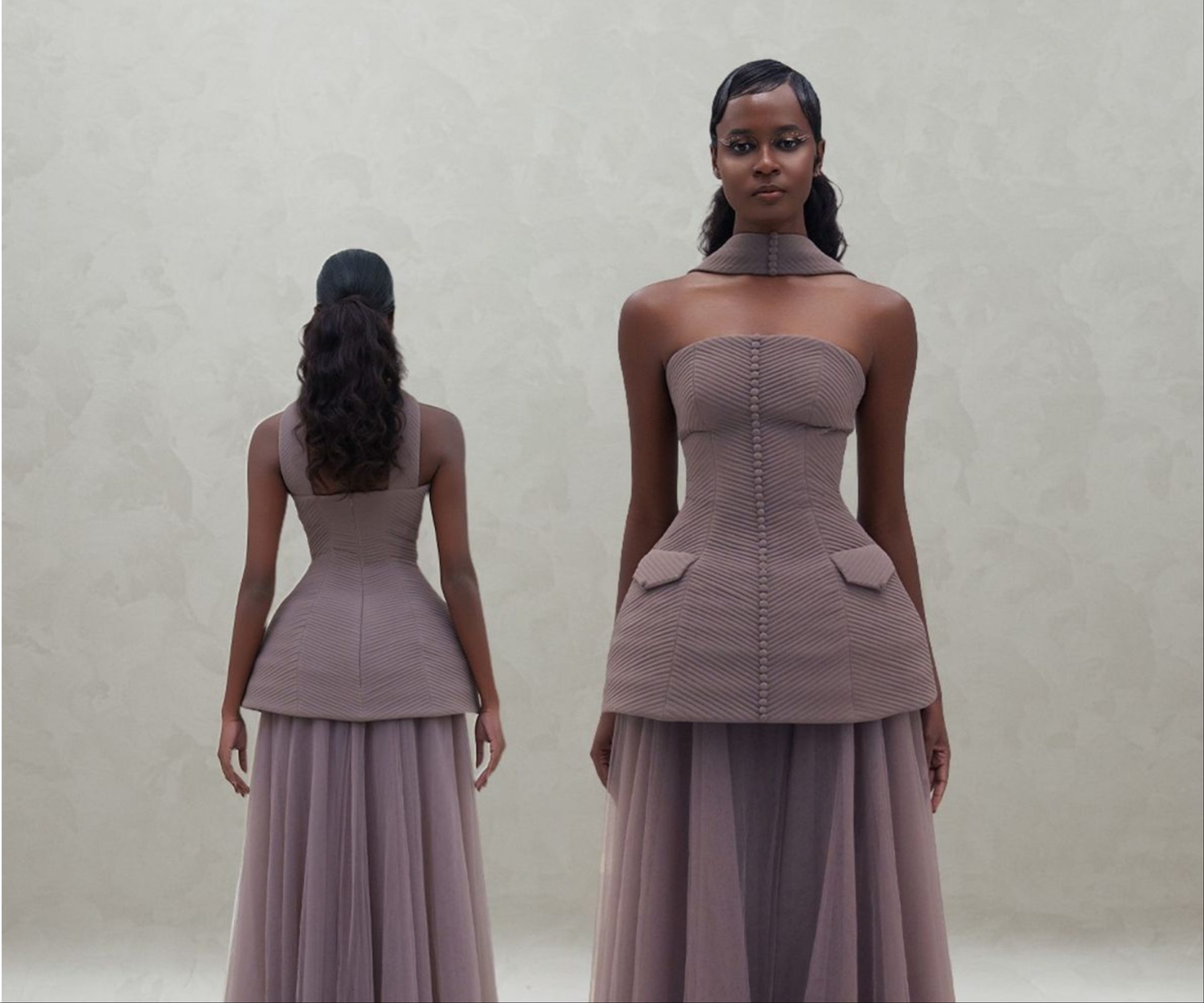
Pleats have always done more than decorate clothing. Across centuries and cultures, they have communicated power, social rank, philosophy, and craftsmanship. They shape how garments breathe, expand, and interact with the body.
Fashion history often treats pleats as a technical detail. But their real significance lies in what they reveal about societies. Pleats tell stories about labour, technology, identity, and the human desire to transform cloth into something alive.
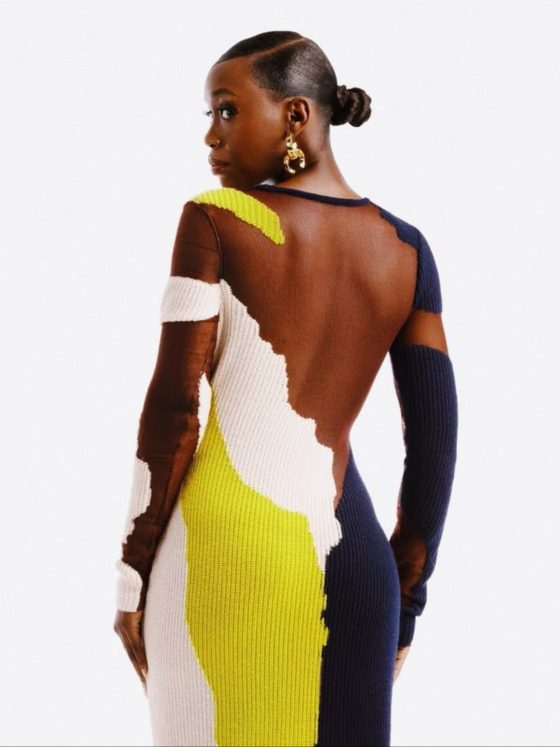
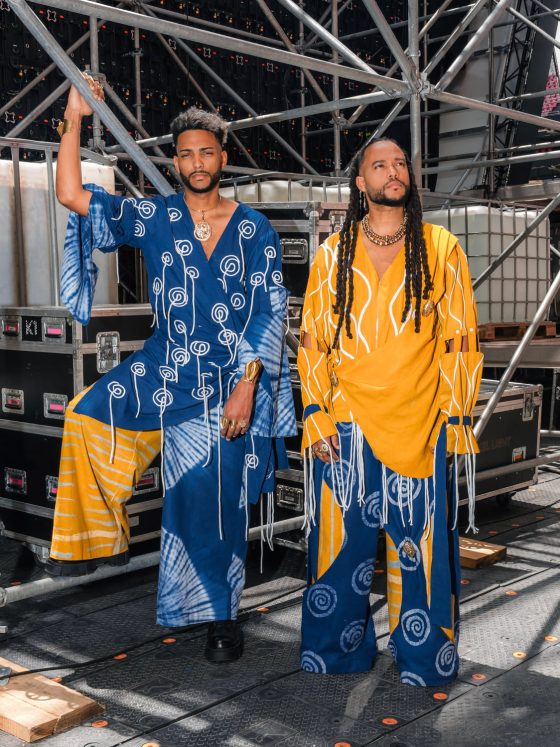
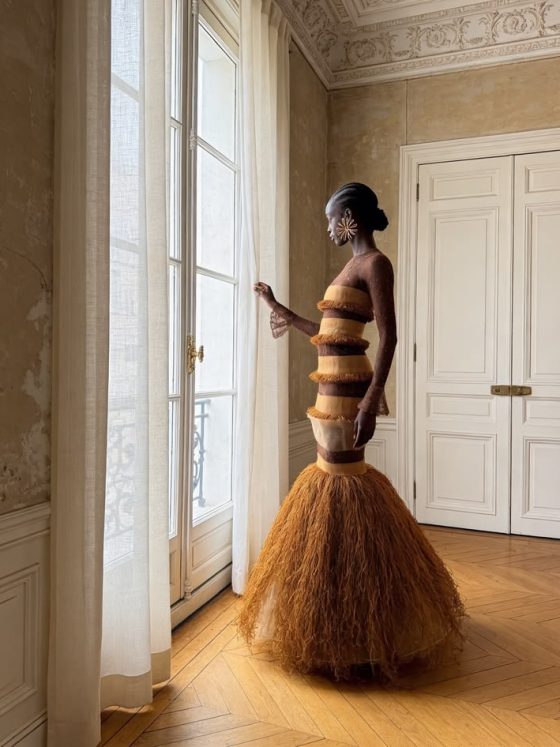
From ancient Egypt to modern African design, pleats reveal how clothing moves with culture, identity, and power stitched into fabric.
Pleats as an Early Marker of Status
One of the earliest examples of pleated clothing appears in ancient Egypt. Linen garments worn by nobility were carefully pleated through starching and pressing techniques. The process required patience and skilled labour.
In a society where most people wore simple garments, pleats signalled something important. They indicated access to resources, time, and craftsmanship.
Wall paintings often show Egyptian elites wearing finely pleated skirts and gowns. These garments created rhythm and texture when the wearer moved. They also reflected a broader cultural principle. Egyptian art favoured order and structure. Pleats mirrored this visual harmony.
Clothing in this context was not simply functional. It expressed social hierarchy and cultural philosophy.
The folds in the cloth were a visual declaration of power.
Movement as Beauty in Classical Greece
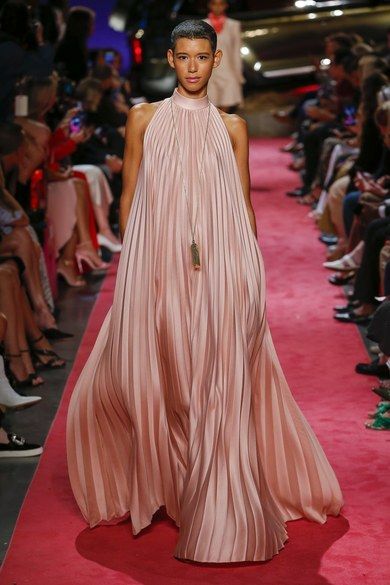
In ancient Greece, pleated garments served a different purpose. Instead of emphasising hierarchy, Greek clothing explored the relationship between fabric and the human body.
Garments such as the chiton used soft folds that followed the contours of movement. Sculptures from this period reveal how cloth clung to the body while still flowing freely.
Greek designers understood something fundamental about clothing. Fabric becomes most expressive when it moves.
Pleats allowed garments to shift between structure and fluidity. A person standing still appeared composed and elegant. When they walked, the folds animated the garment.
The beauty of the clothing was inseparable from the wearer’s movement.
Africa’s Alternative Language of Fabric Movement
Many global fashion histories highlight European pleating traditions while overlooking Africa’s own systems for creating movement in clothing.
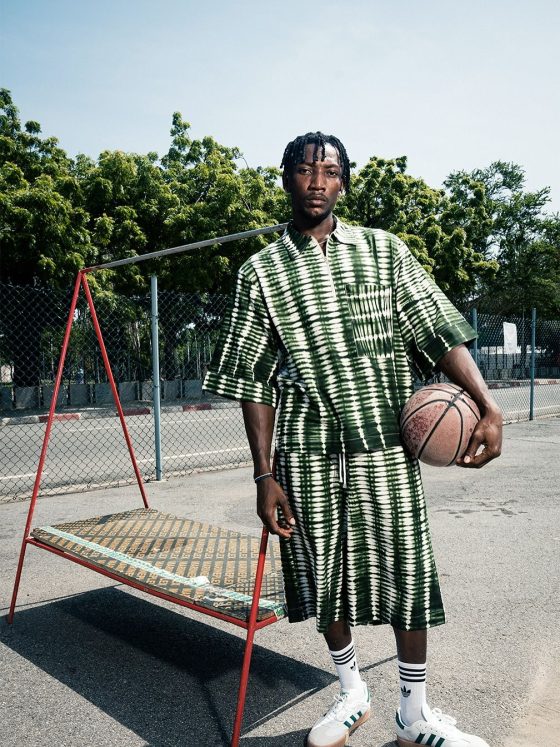
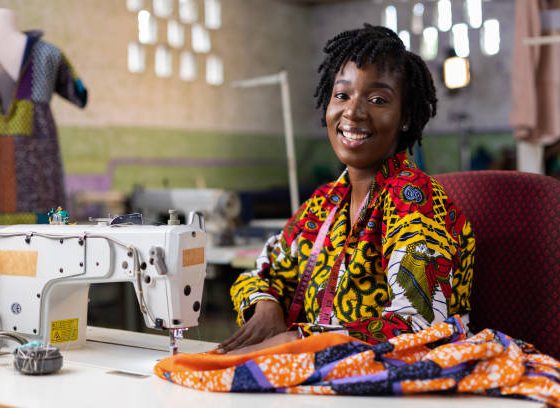
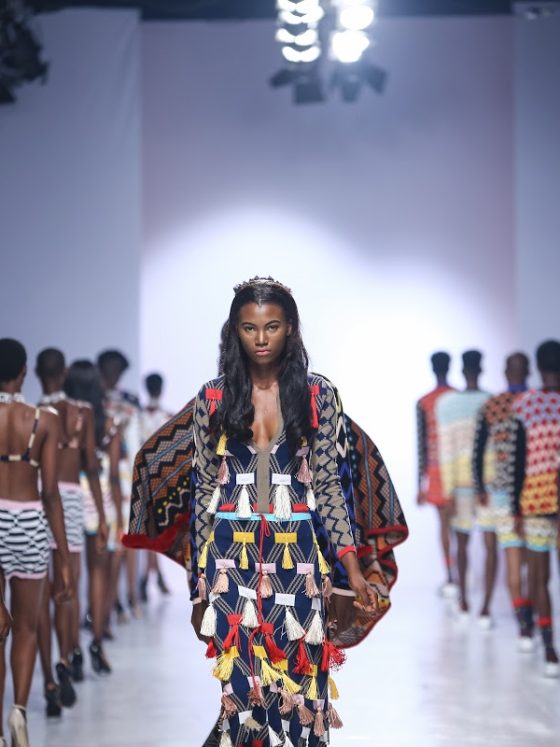
Across West Africa, textile construction has long focused on volume and modular assembly rather than narrow pleats alone. Strip weaving techniques, for example, involve sewing narrow woven panels together to create a larger cloth.
This method produces garments with built-in rhythm. The seams guide how the fabric expands and settles during movement.
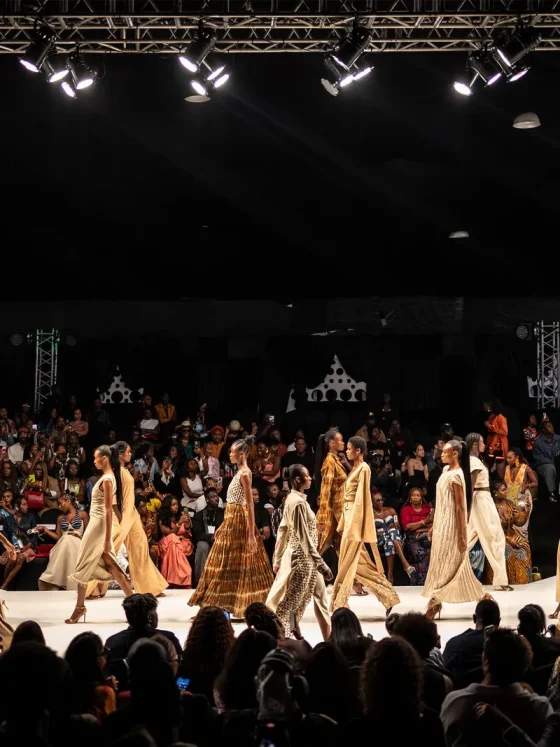
Look at garments like the agbada or boubou. Their power comes from scale and drape. As the wearer walks, the fabric lifts and falls like a wave.
The effect is architectural.
Instead of folding cloth inward as many pleats do, these garments allow fabric to move outward, creating space between the body and the garment. This space carries meaning. It signals dignity, authority, and presence.
In many African cultures, clothing is designed not just to cover the body but to frame it. Movement becomes part of the design.
Luxury in this context is not tight tailoring or minimal fabric. Luxury is the freedom to move.
Read Also:
- When Wedding Fashion Becomes Storytelling: Reading the Style Journey of Simi Sanya & Femi Dapson
- Monuments and Memory: How Diaspora Architecture Is Reshaping Global Landmarkss
- Why Dressing for Your Future Self Is Not Pretending But A Form of Power
The Renaissance and the Theatre of Power
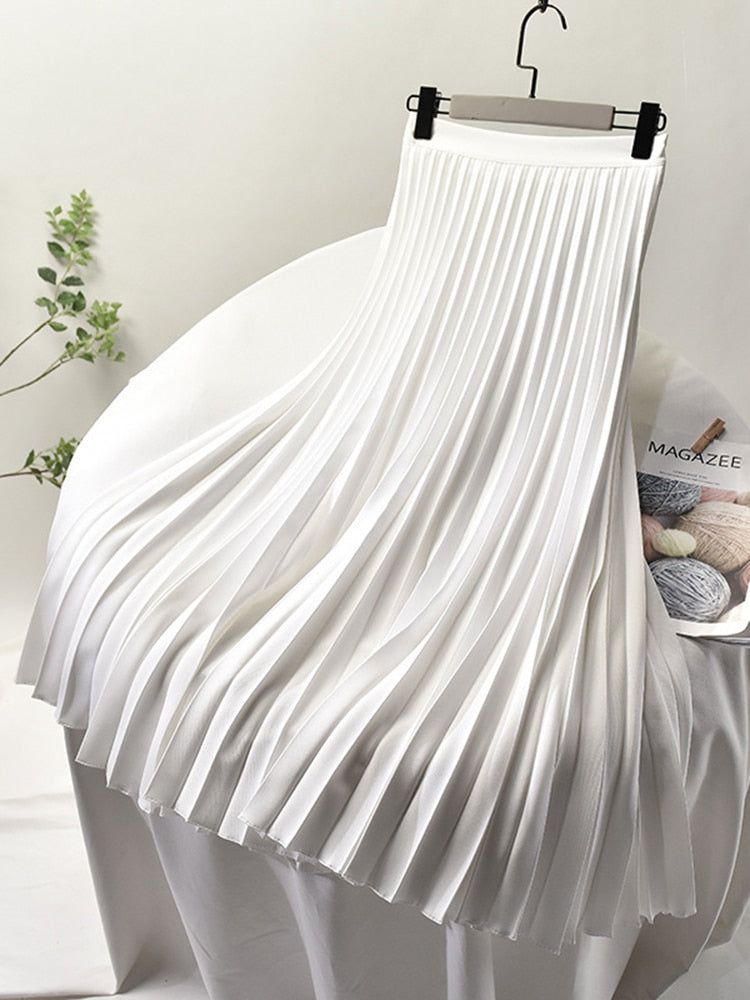
During the Renaissance, pleats became tools of spectacle. One of the most striking examples was the pleated ruff collar worn by European elites.
These collars required large quantities of fabric and frequent starching to maintain their shape. The more elaborate the pleats, the greater the display of wealth.
But the ruff served another purpose. It created distance between the wearer and ordinary life. A person wearing a massive pleated collar could not easily perform manual labour.
The garment communicated a message without words. This person existed above everyday work.
Modern Fashion and the Technology of Pleats
The twentieth century introduced a new chapter in the history of pleats. Designers began exploring how technology could transform the relationship between fabric and motion.
One of the most influential innovators was Issey Miyake. His work reimagined pleats through heat-setting techniques that allowed fabrics to retain folds permanently.
The result was clothing that could stretch, compress, and travel easily while maintaining its shape.
Miyake’s designs demonstrated something profound. Pleats are not just historical artefacts. They are adaptable systems that evolve alongside textile science.
The garment becomes kinetic.
Why Pleats Still Matter
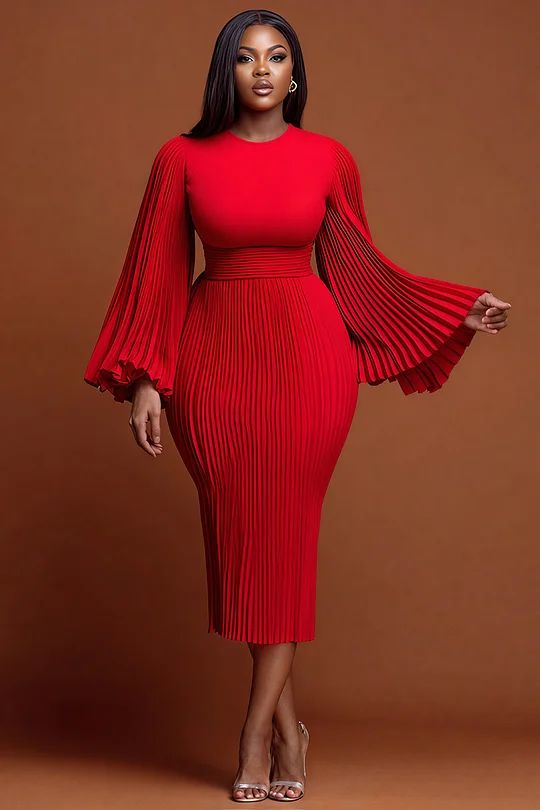
Pleats continue to fascinate designers because they reveal a deeper truth about clothing. Fabric is never truly static. It responds to the body, gravity, and environment.
Pleats highlight this relationship.
They transform a flat piece of cloth into something responsive. Something expressive.
Across cultures, they have symbolised status, philosophy, craftsmanship, and technological innovation.
Their most enduring power lies in how they capture movement.
A pleated garment remembers motion even when it is hanging still.
Conclusion
Pleats may appear simple at first glance. A fold here, a crease there. Yet their cultural history tells a far richer story.
From ancient Egyptian courts to Greek philosophy, from African textile engineering to modern fashion technology, pleats have served as a visual language.
They communicate status, identity, and craftsmanship. They reveal how societies understand the body and its place in the world.
Most importantly, pleats remind us that clothing is not static.
Clothing is a living surface that moves with us through time, culture, and everyday life.
The folds are not merely decorative.
They are movements sewn into fabric.
FAQs
- What is the purpose of pleats in clothing?
Pleats allow fabric to expand and contract, creating flexibility and movement while adding visual texture to garments.
- Where did pleated clothing originate?
Some of the earliest examples appear in ancient Egypt and Greece, where pleats symbolised status and aesthetic philosophy.
- How do African garments create movement without traditional pleats?
Many African garments use strip-woven textiles and large draped silhouettes that create motion through volume and structural design.
- Why are pleats important in fashion design?
Pleats allow designers to shape garments without heavy tailoring while enhancing how fabric moves with the body.
- Are pleats still relevant in modern fashion?
Yes. Advances in textile technology allow designers to create permanent pleats that are lightweight, flexible, and durable.