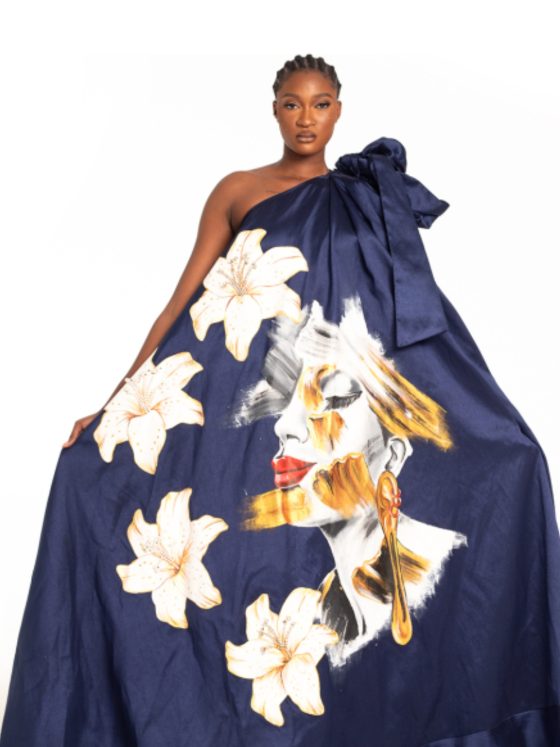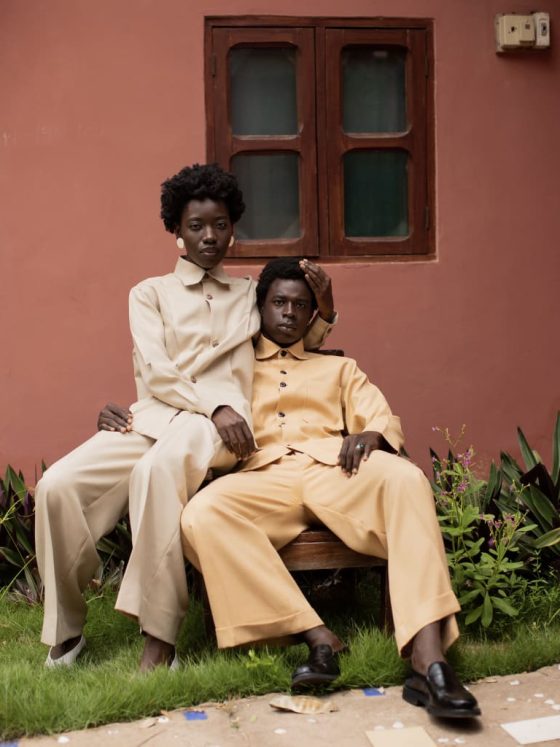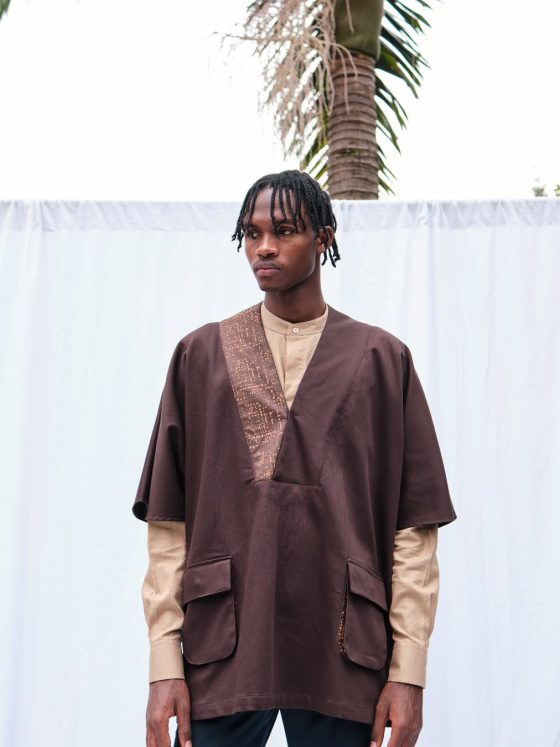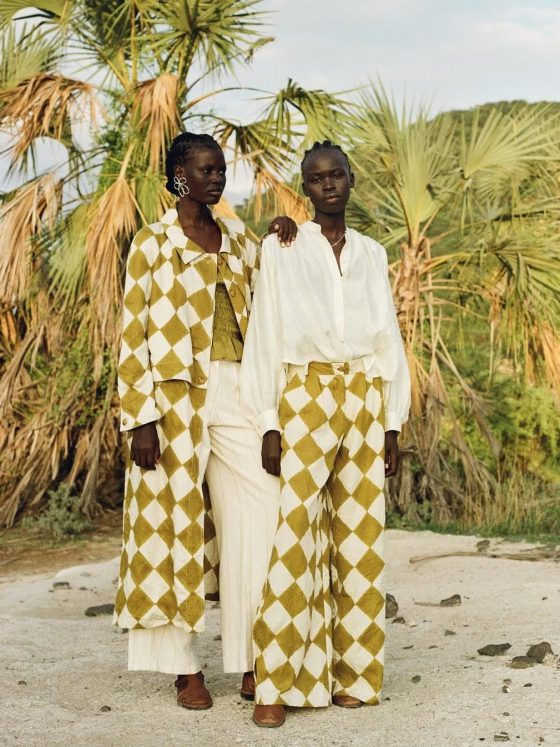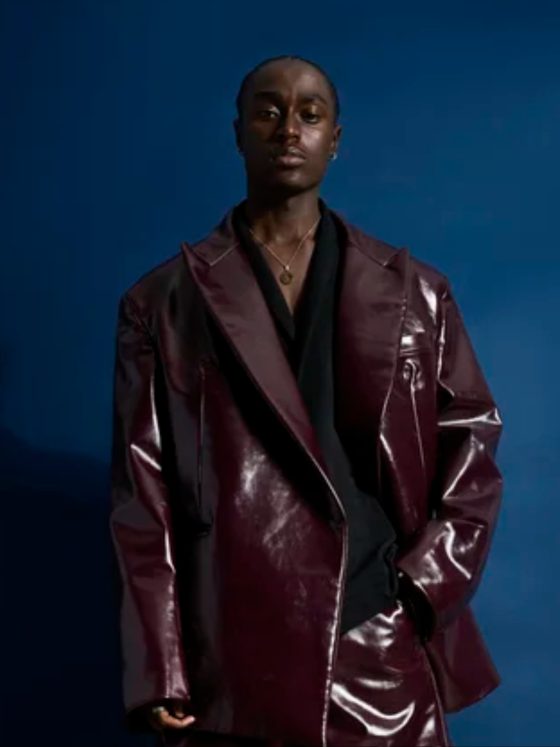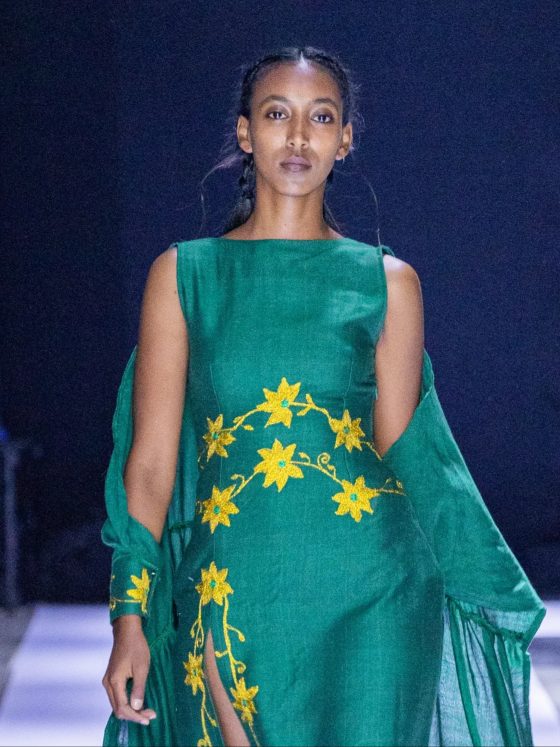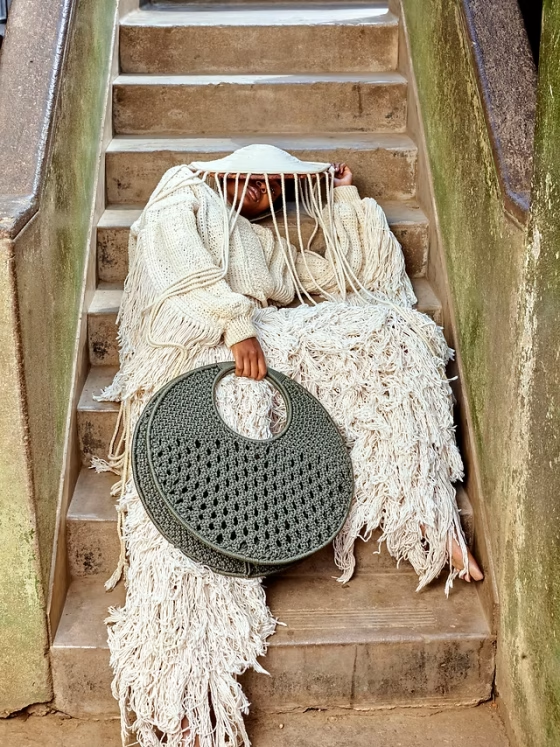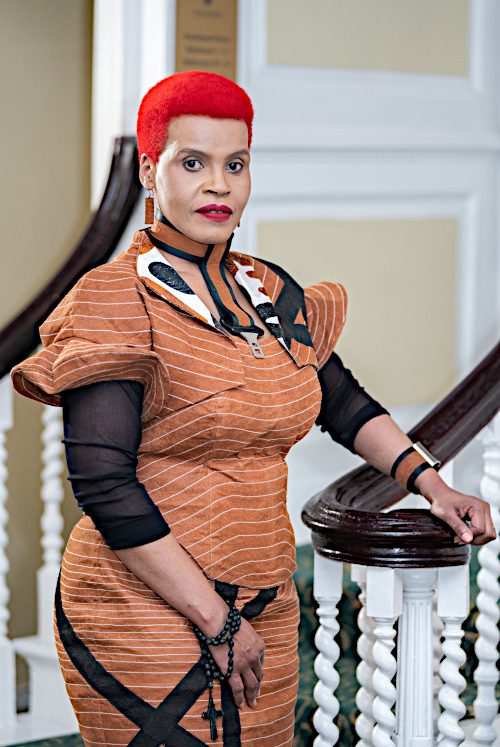
At the core of Nkwo Onwuka’s design philosophy is the principle of Less, a disciplined commitment to simplicity, authenticity, and enduring value. It is not minimalism for effect but a measured refusal of excess, where every material choice, stitch, and silhouette carries meaning. In a global fashion system defined by speed and waste, Nkwo positions restraint as luxury and intention as innovation.
Through the Dakala cloth, the brand bridges two urgent conversations: textile waste reduction and the preservation of traditional craft skills. Discarded denim is not treated as a limitation but as a raw material with history, reworked through meticulous processes that honour artisanal knowledge and cultural continuity. Upcycling, in Nkwo’s hands, becomes a tool for quality creation, transforming what is overlooked into textiles of substance, story, and longevity. This process is where sustainability transcends trends and becomes a design ethic rooted in heritage and led by values.
Discover how Nkwo Onwuka transforms upcycled denim into the Dakala cloth, redefining African craftsmanship through modern luxury and sustainability
Quick Glance Highlights
- Name: Nkwo Onwuka
- Origin: Nigeria, West Africa
- Profession: Fashion designer, textile innovator
- Brand: Nkwo
- Focus: Women’s wear, textile design, sustainable fashion
- Signature: Dakala cloth made from upcycled denim
- Design Language: Heritage-led contemporary design rooted in material intelligence and restraint
- Positioning: African luxury that bridges sustainability, traditional craft, and modern global relevance
- Innovation: Transforming textile waste into culturally resonant, high-quality fabrics
Designing With Less, Creating With Intention
For Nkwo Onwuka, Less is not an aesthetic choice but a governing principle that shapes how value is created. Simplicity, in this context, is discipline, the careful editing of form, material, and process until only what matters remains. This approach allows authenticity to surface naturally, free from excess narrative or decorative compromise.
By working with fewer resources and narrowing focus, Nkwo sharpens her attention to craftsmanship and purpose. Each decision, from fabric selection to construction, is guided by usefulness, longevity, and meaning rather than volume or trend. The result is a design that holds its ground over time, where quality is felt in the weight of the material and the quiet confidence of its finish.
Through this philosophy, value is not added through accumulation but revealed through restraint. Less becomes a framework for clarity, allowing garments and textiles to carry integrity, cultural coherence, and lasting relevance within contemporary African luxury.
The Dakala Cloth and the Reinvention of Denim
Nkwo Onwuka’s engagement with upcycled denim begins as a response to excess but evolves into a language of material renewal. Denim, often discarded after its first life, becomes the starting point for a deeper inquiry into how waste can be redirected into cultural value without losing integrity. Through deliberate reuse, textile surplus is reduced not by elimination, but by transformation.
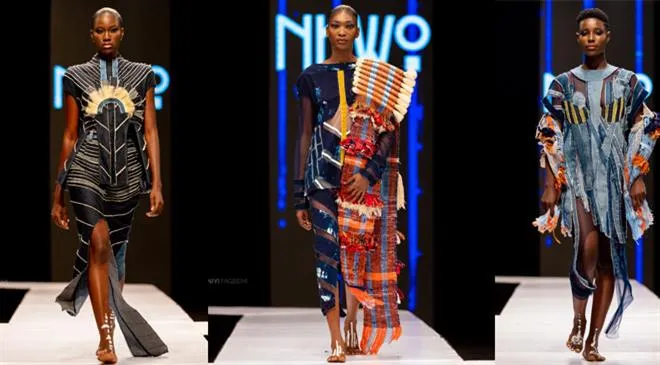
The Dakala cloth emerges through a patient, hands-on process of cutting, sewing, patching, and embroidery. Each stage is intentional, guided by craft practices that privilege care over speed. Fragments of denim are reassembled into new textiles with depth and texture, allowing imperfections to become structures rather than flaws. What might otherwise be discarded is reworked into fabrics that carry weight, variation, and quiet complexity.
In this process, upcycling shifts from environmental necessity to creative invention. The Dakala cloth stands as evidence that waste reduction and traditional craft skills can coexist seamlessly, producing textiles of quality and presence. Denim is no longer just a material; it is a beginning, reshaped into forms that speak to continuity, cultural memory, and modern African design.
Where Tradition Shapes the Process

Within Nkwo Onwuka’s practice, simplicity functions as continuity rather than reduction. It becomes the thread that keeps traditional craft knowledge relevant, carried forward through processes that respect both time and skill. By stripping away excess production and unnecessary complexity, space is created for inherited techniques to operate with clarity and purpose.
Making Dakala cloth relies on hand-led methods that favour patience and repetition, reinforcing the process’s value as cultural memory. Nkwo approaches cutting, reassembly, and surface work not as isolated techniques, but as a sustained dialogue between the maker and the material. This rhythm keeps craft alive not by copying it, but by using it.
In choosing simplicity as a guide, Nkwo ensures that tradition remains active rather than archived. The careful design in each garment and textile helps keep the craft alive, showing that it is a continuous practice influenced by purpose, importance, and attention. This is not preservation for nostalgia’s sake, but an ongoing commitment to meaningful design rooted in heritage and carried confidently into the present.
Global Recognition and Defining Milestones
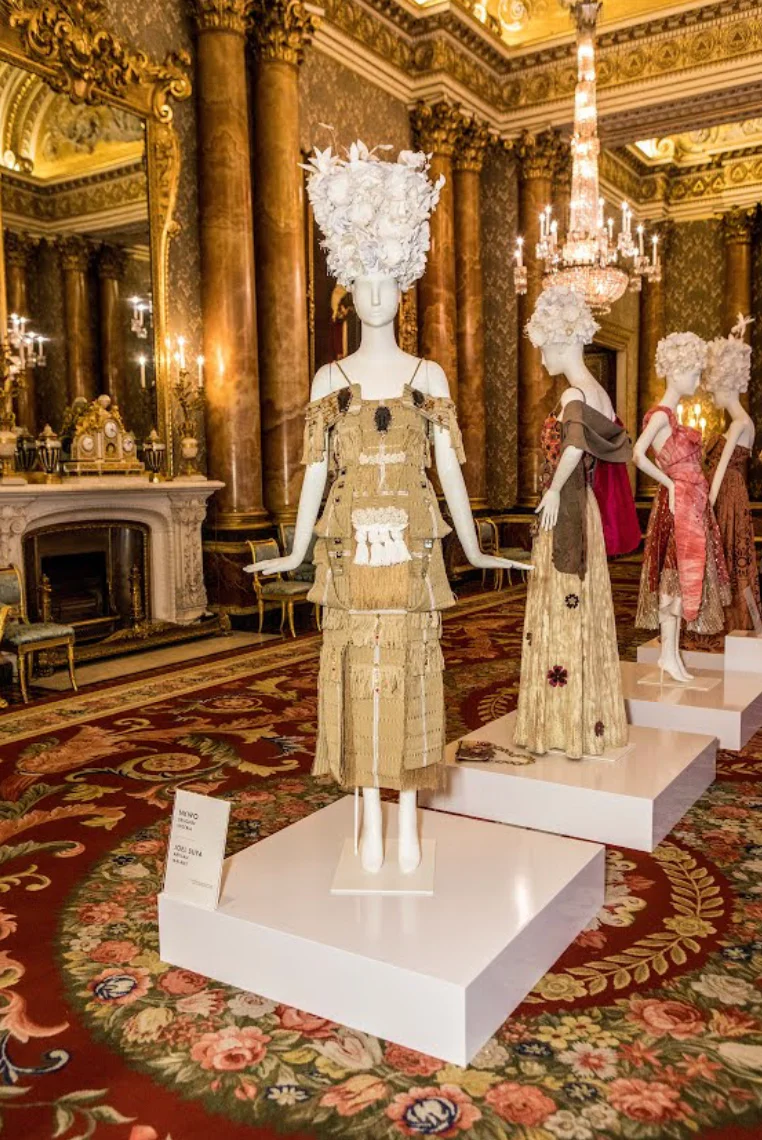
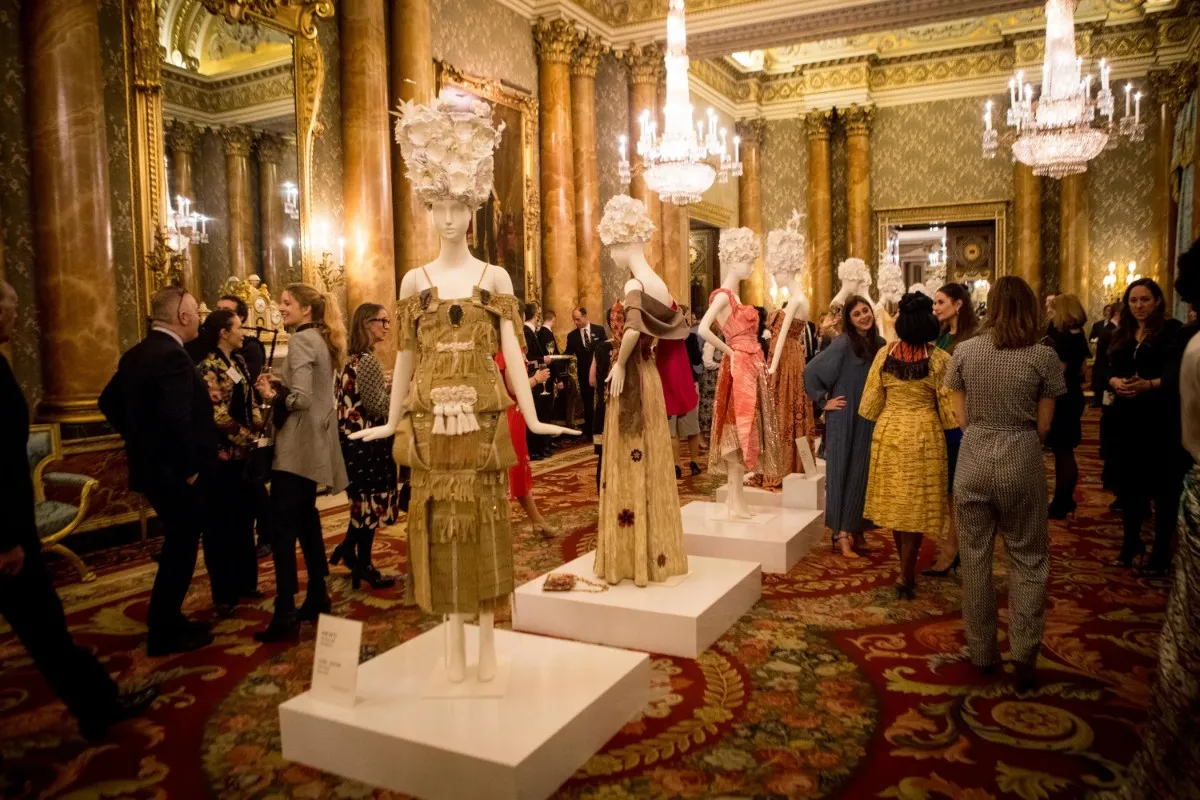
Institutions that examine design as a culture have recognised Nkwo Onwuka’s approach to materials, craftsmanship, and restraint. In 2018, she represented Nigeria at the Commonwealth Fashion Exchange exhibition. She presented her work, Spirit of the Dance, at Buckingham Palace, amidst global interpretations of heritage through fashion.
Her practice has also been included in the Victoria and Albert Museum’s Africa Fashion exhibition, placing Dakala and its underlying philosophy within a broader dialogue on African design history and contemporary expression. Such moments mark more than exposure; they reflect a sustained engagement between Nkwo’s work and platforms that value process, context, and cultural significance.
These milestones do not stand apart from the brand’s philosophy. They affirm it. Nkwo’s presence in these spaces underscores a design practice that moves with quiet consistency, bridging local knowledge with global cultural institutions through clarity, discipline, and material intent.
ALSO READ
A Practice Rooted in Meaning
Nkwo Onwuka’s work resists spectacle. It unfolds instead through restraint, memory, and disciplined making. Through the philosophy of Less, simplicity becomes a method for preserving value, and upcycling evolves into a strategy for cultural continuity rather than correction. The Dakala cloth stands as a material expression of this belief, shaped by time, skill, and intention.
From discarded denim to institutional recognition, Nkwo’s practice demonstrates that heritage and modernity are not opposing forces. When guided with clarity, they sustain one another. Her presence within global cultural spaces affirms a design approach that privileges process over pace, integrity over excess, and meaning over trend. In doing so, Nkwo continues to shape a language of African luxury that is thoughtful, enduring, and quietly assured.
Frequently Asked Questions (FAQs)
1. Who is Nkwo Onwuka?
Nkwo Onwuka is a Nigerian fashion designer and textile innovator known for her heritage-led approach to sustainable fashion. She founded the brand Nkwo.
2. What is the Dakala cloth?
The Dakala cloth is a textile developed through the upcycling of discarded denim using processes such as cutting, sewing, patching, and embroidery. It reflects a fusion of waste reduction and traditional craft skills.
3. What does the philosophy of Less mean in Nkwo’s work?
Less refers to simplicity as a guiding principle. It prioritises authenticity, intentional design, craftsmanship, and long-term value rather than excess production or trend-driven output.
4. How does Nkwo use upcycled denim?
Nkwo reworks used denim into new textiles through hand-led processes, transforming waste materials into structured, culturally resonant fabrics with quality and depth.
5. Where has Nkwo Onwuka’s work been exhibited
Nkwo has represented Nigeria at the Commonwealth Fashion Exchange exhibition in Buckingham Palace and has been featured in the Victoria and Albert Museum’s Africa Fashion exhibition.
6. Why is Nkwo significant in contemporary African fashion
Nkwo’s work is significant for its ability to merge sustainability, traditional craftsmanship, and modern design, contributing to a more thoughtful and globally relevant narrative of African fashion.