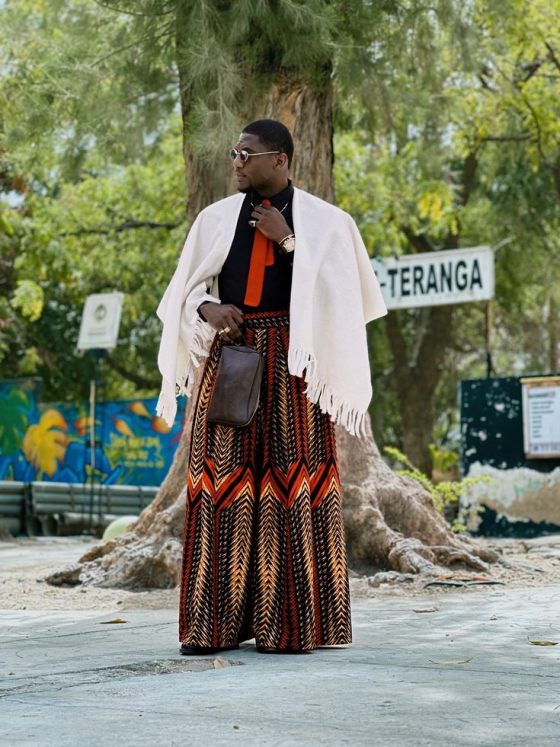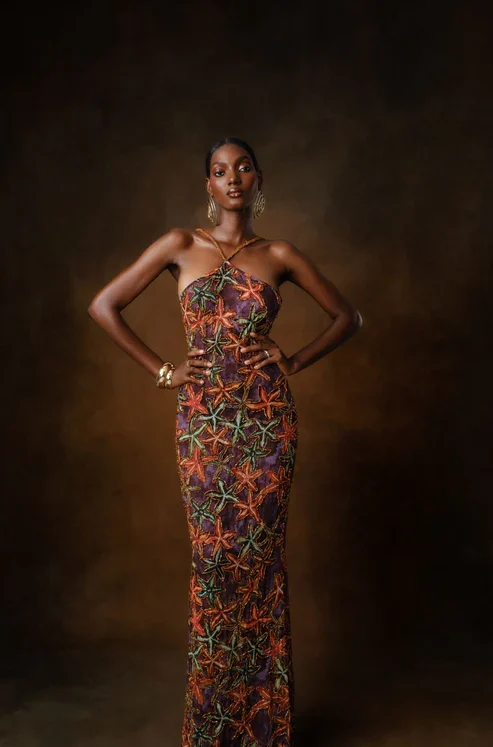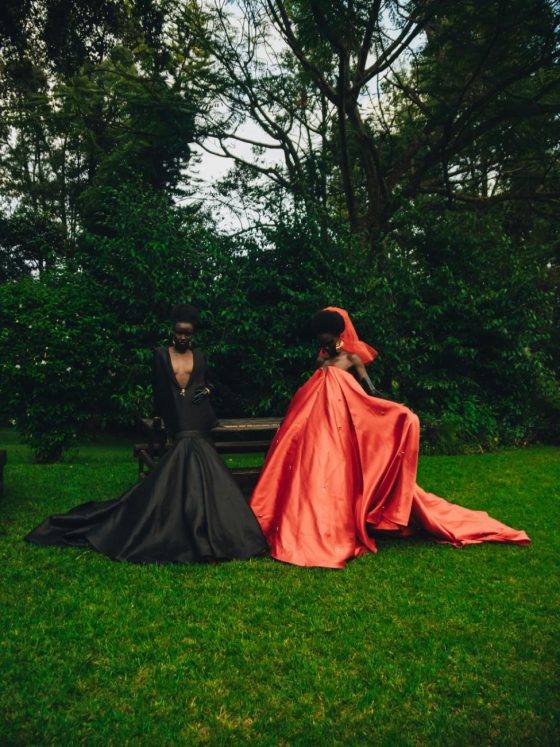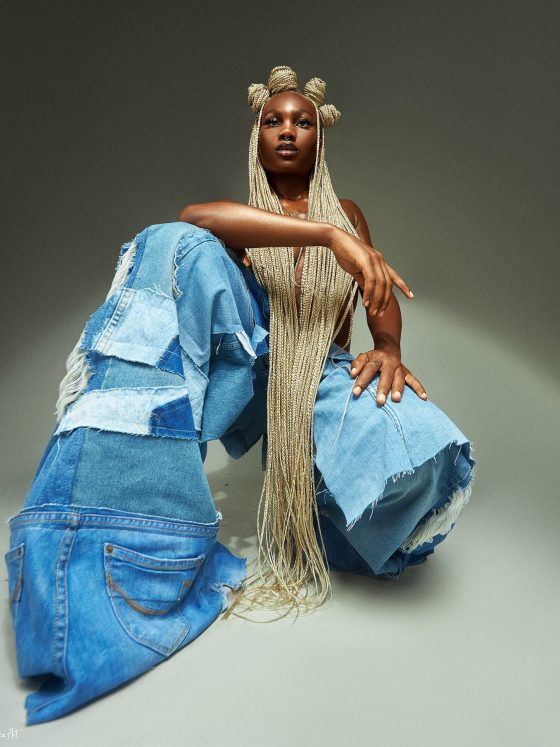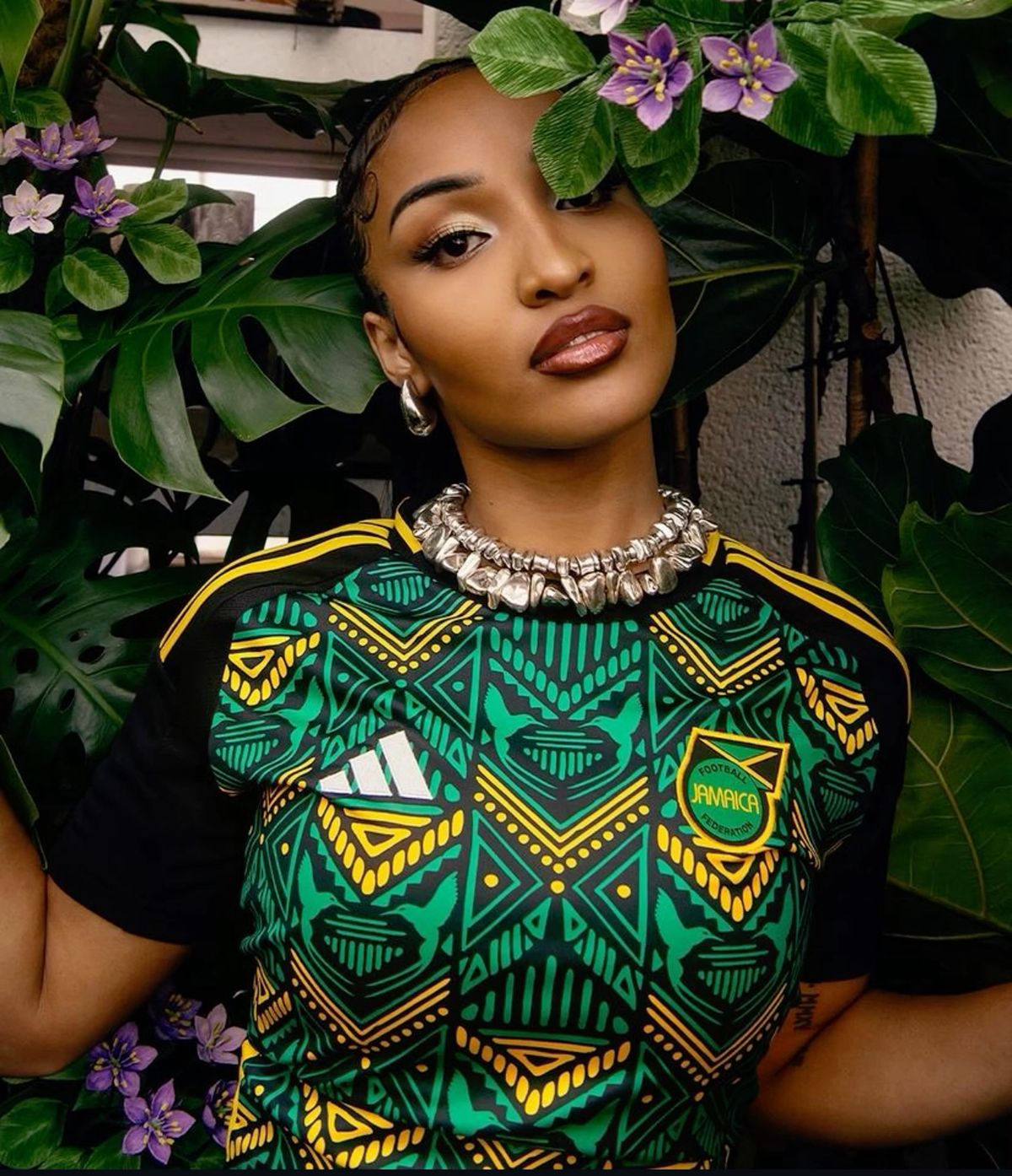
Nigeria’s athletic community is experiencing a subtle fashion revolution that permeates both identity and fabric. These days, sportsmen are more than just competitors; they are cultural ambassadors, bringing bits of home with them in every design, texture, and form. Nigerian sportswear embraces heritage as a means of self-expression and pride.
This movement reflects something more profound than mere fads. It tells the tale of a people who, despite going on, never forget who they are. Warm-up jackets featuring Adire patterns, travel outfits with Ankara touches, post-competition appearances with Aso Oke headpieces, and jewellery made by regional artisans to accompany athlete tunnel walks are all examples. The message is the same whether it is strong or subtle: our culture belongs everywhere in the world.
Every time a Nigerian athlete appears proudly dressed in designs and materials that reflect their hometowns, lineage, and craft traditions, social media comment sections erupt. Fans are now supporting representation rather than just goals or records.
Sports style is more than just performance, as this new period demonstrates. It has to do with visibility, memory, and a sense of belonging. Nigerian athletes are redefining what it means to wear the flag on their bodies, clothing, and in their daily lives, in addition to their jerseys.
Discover how vibrant Nigerian heritage, from Ankara prints to Adire, is revolutionising sports fashion. Explore the fusion of cultural pride with modern athletic performance and style.
The Rise of Heritage-Inspired Sports Kits
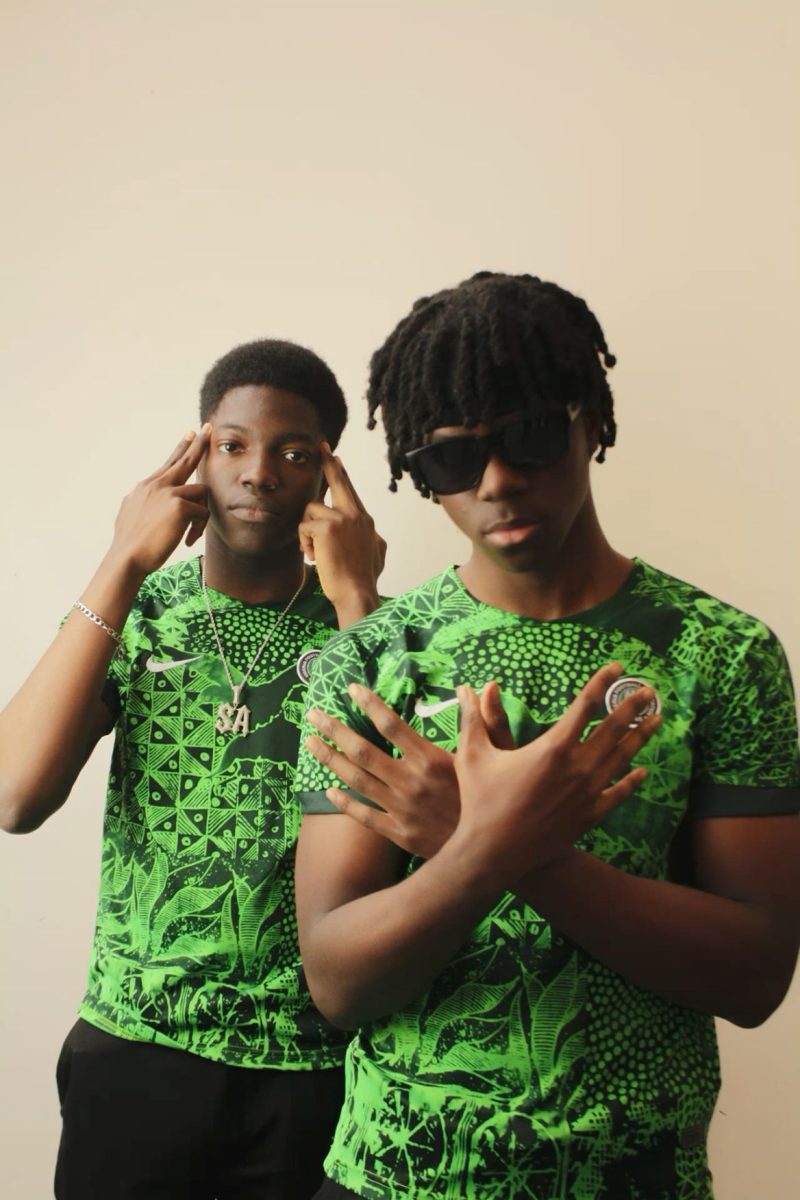
The way athletes and sports brands approach design has undergone significant changes in recent years. Many have started using cultural textiles, themes, and colour schemes derived from this trend. This trend emphasises the use of traditional clothing rather than relying solely on generic designs or corporate branding. This trend represents a more profound need to showcase identity on some of the world’s most prominent sporting stages, extending beyond mere aesthetics. Basketball teams, football players, sprinters, and marathon runners are all wearing uniforms that reflect their origins, giving culture the attention it deserves.
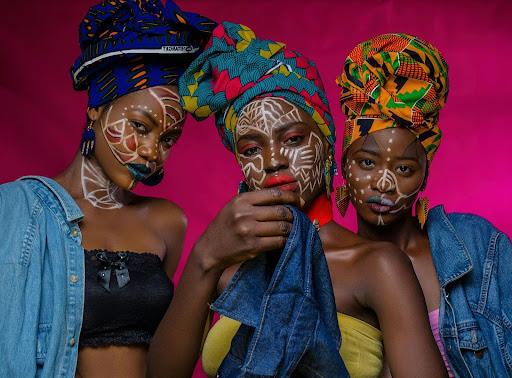
Many African countries now subtly and occasionally boldly incorporate Ankara, Kente, Aso Oke, and Shweshwe prints into their sports outfits. Previously reserved for weddings, festivals, and rites of passage, these designs now find their way into jerseys, tracksuits, scarves, and fan souvenirs. The end product is clothing that is instantly recognisable, aesthetically pleasing, and profoundly meaningful. An athlete represents history, not just a team, when they walk onto the field wearing a pattern that ties them to their hometown.
Local designers, craftspeople, and textile manufacturers now have more opportunities as a result of this change. Craft traditions that were previously overshadowed by Western sportswear corporations have gained international prominence due to partnerships between athletes and independent fashion designers. Performance gear that is fashionable, symbolic, and sustainable has been produced by fusing contemporary sports textiles with designs inspired by the past. Fans have also embraced it. These days, wearing a jersey feels more like donning a piece of culture, something that embodies pride, emotion, and narrative.
Crafting Identity: The Designers Behind the Movement
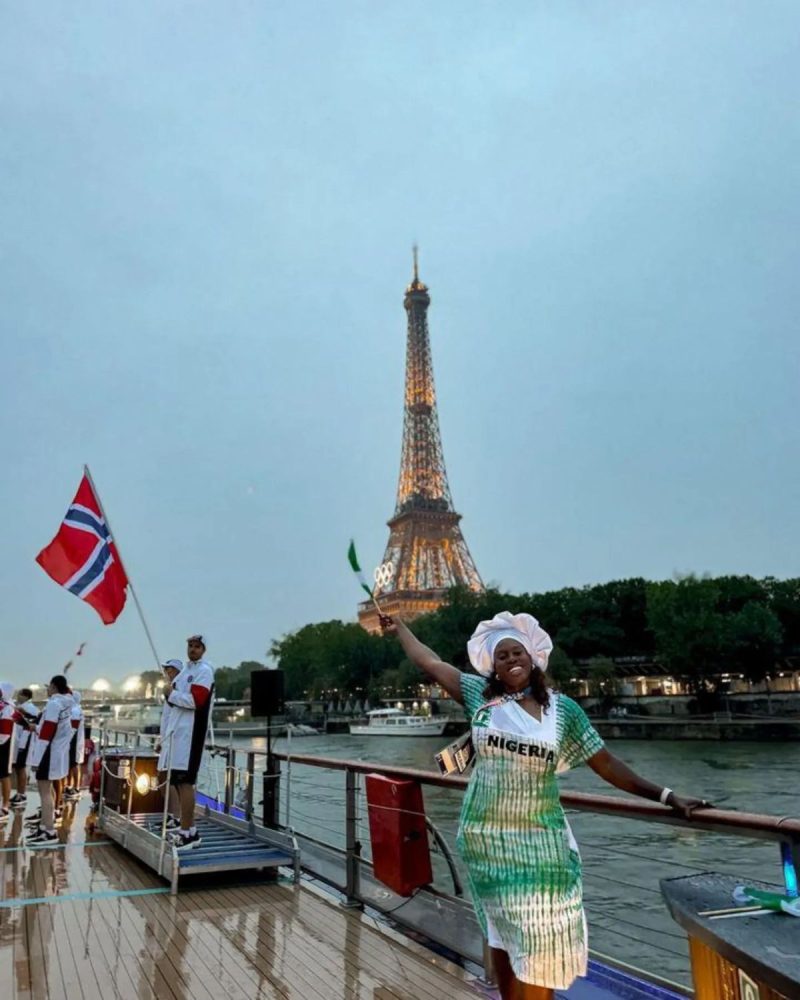
A new generation of Nigerian designers is demonstrating that sports apparel can be both performance-driven and culturally expressive by erasing the distinction between sport and style. To create sportswear that feels distinctly African, these designers draw from rich traditions of fabrics, themes, colours, and narratives. Their designs are declarations of identity, pride, and belonging rather than just athletic apparel.
When many of these artists were growing up, traditional textiles such as Aso Oke, Adire, Kente, and Ankara were utilised for weddings, festivals, and cultural celebrations. These textiles are now being redesigned with lightweight mixes, flexible stitching, and moisture-wicking materials, making them suitable for training sessions, tunnel walks, sports travel suits, and warm-ups. It is a fusion of history and practicality, where culture moves with the body rather than being contained behind glass.
Social media has been the runway. A photo of a footballer in a patchwork Adire tracksuit can spread across timelines within minutes, gathering likes from Lagos to London. Athletes today are walking billboards, not just for corporate sponsors, but for the culture they carry. When they choose local designers, they help the movement scale beyond boutique circles and into mainstream global fashion conversations.
What emerges from this creative shift is more than clothing; it is a reclaiming of narrative. For years, Africa’s cultural fashion influences travelled without credit. Now, the origin is visible, named, celebrated, and worn proudly on the field of competition. Heritage is no longer a memory; it is present, living, and active.
ALSO READ:
The Global Spotlight
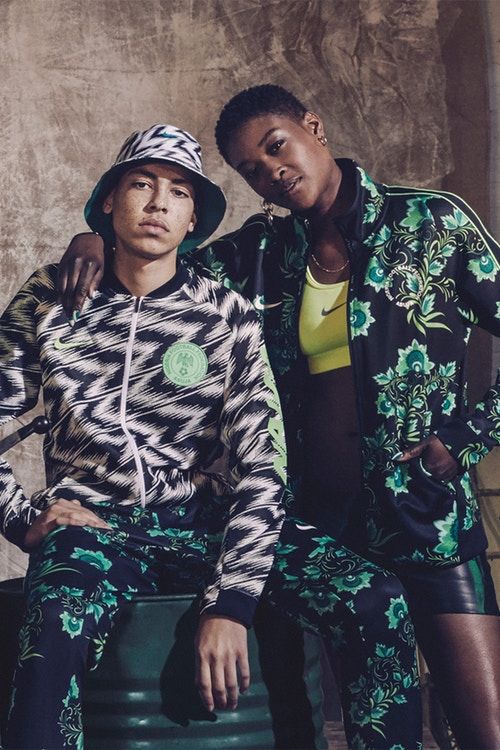
What was once thought to be local, regional, or “just cultural” is now appearing on some of the world’s greatest international sporting and fashion platforms. International sports companies and media outlets have begun to recognise the aesthetic value and cultural significance of African textiles in recent years. Inspired by Northern embroidered motifs, Adire dyeing methods, and Ankara patterns, jerseys have been used in ads, partnerships, runway shows, and even on the sidelines of major competitions.
This change took time to occur. Athletes, designers, stylists, photographers, and cultural storytellers have insisted on recognising Nigeria’s fashion legacy without dilution. Nigerian athletes have contributed to the global relevance of heritage-inspired styling, not as a novelty, but as a competitive and creative expression, by dressing in culturally rooted sports fashion for travel, media appearances, and tunnel walks.
International companies and clubs are paying attention. Football boots with delicate cultural engravings, lifestyle clothing with regional textile textures, and limited-edition warm-up outfits with African geometric motifs are all on display. Fashion events in Johannesburg, Milan, and London are providing runway space to designers who combine traditional craft with athletic shapes.
But the ownership of this moment is just as beautiful as its aesthetics. Nigerians, not about Nigeria, are writing the story. Lagos studios, Kaduna textile collectives, Port Harcourt street stylists, and diaspora creatives who connect identities across seas are providing the creative direction. Nigeria is spearheading the discussion, rather than just drawing inspiration from its culture.
The debate goes beyond style. Cultural diplomacy is what it is. It’s the way identity moves.
It is the process by which heritage is made visible, wearable, memorable, and shareable.
Heritage as a Lifestyle Movement
Beyond jerseys, warm-up gear, or athlete attire selections, this movement has expanded to become a way of life. In Nigeria and the diaspora, streetwear collectives, youth culture, event style, music performances, university fashion, and daily apparel are all being impacted by heritage-inspired sports fashion. It reveals a more profound change: Nigerians are opting to display their heritage boldly in everyday situations as well as during cultural festivities.
Wearing Adire bucket hats or tracksuits with Ankara trimmings is more than just fashionable; it’s a way to feel like you belong. It conveys a sense of belonging, a shared memory, and the tales of ancestors, craftspeople, and communities that created these customs long before they became popular worldwide. Heritage fashion serves as a reminder to many young Nigerians that identity is something to wear loudly and elegantly rather than something to conceal or compromise.
The cultural influence increases with the number of players, performers, content producers, and regular people who accept this blending of sport and tradition. Nigerian youth nowadays are cultural producers, curators, and ambassadors in addition to being consumers. They create the icon. They decide what the world celebrates next.
Sportswear with a heritage influence is a cultural awakening rather than a fad. It symbolises a generation that is fearlessly influencing its future while still being aware of its origins. Nigerians are demonstrating to the world that culture should be lived, worn, and enjoyed daily rather than being conserved in museums by fusing traditional textiles with contemporary athletic shapes.
This movement is changing what it means to express identity through dress, from street courts to football fields, from music videos to campus style. It honours heritage, pride, inventiveness, and memories. Above all, it serves as a reminder that tradition encourages creativity rather than stifling it. This attire is the cosmopolitan, expressive, and intensely personal Nigerian style.
FAQs:
Q1. Could you explain why Nigerian cultural fabrics are increasingly being incorporated into sports fashion?
A: Because more young designers and athletes are embracing cultural identity as a form of self-expression. Heritage fabrics add meaning, history, and pride to athletic wear.
Q2. Is this trend only popular in Nigeria?
A: No. Nigerian and African-inspired sports fashion is gaining global attention, particularly in diaspora communities, the music industry, and international sports showcases.
Q3. Are these heritage sports outfits practical for athletic performance?
A: Often, designers blend traditional fabrics with breathable, performance-friendly materials, making them both stylish and functional.
Q4. Can everyday people wear these pieces, or are they only for athletes and influencers?
A: Everyone can wear them. The movement is rooted in community identity and everyday pride, not just celebrity culture.
Q5: Are there Nigerian brands creating sports-inspired streetwear and jerseys?
A: Yes. AFA Sports is currently the most prominent Nigerian sportswear brand, known for designing performance kits for national teams, including the D’Tigress basketball team. You’ll also find Nigerian streetwear brands like NACK and Ashluxe creating designs that merge athletic silhouettes with cultural motifs. In contrast, youth-led brands such as WafflesNBeverages continue to shape what sporty street culture looks like in Nigeria. These brands blend functionality, heritage, and fashion, reflecting how sports culture continues to influence everyday Nigerian style.