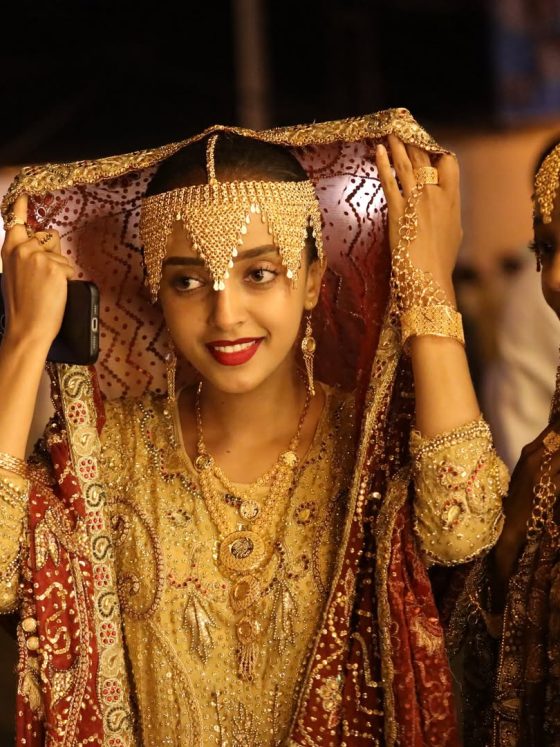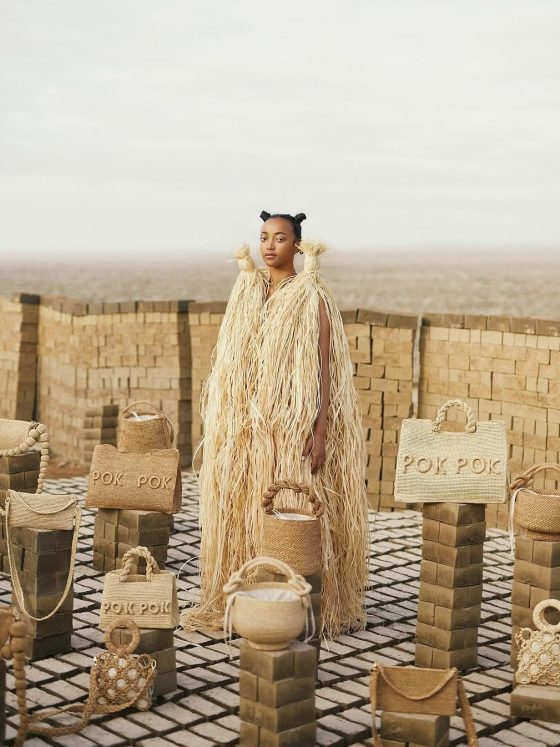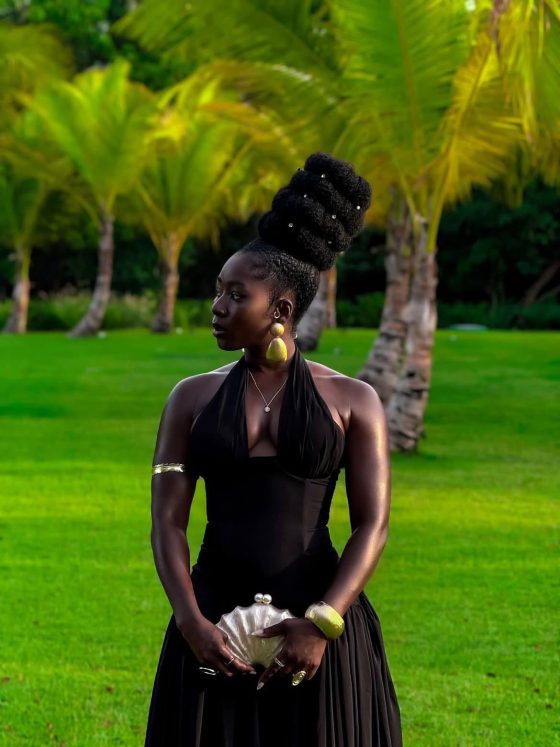
There is a quiet shift happening in Nairobi, but its impact is loud.
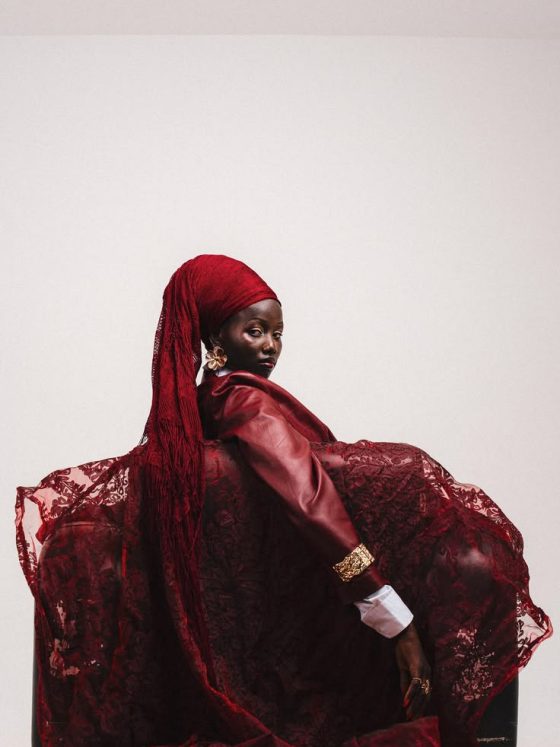
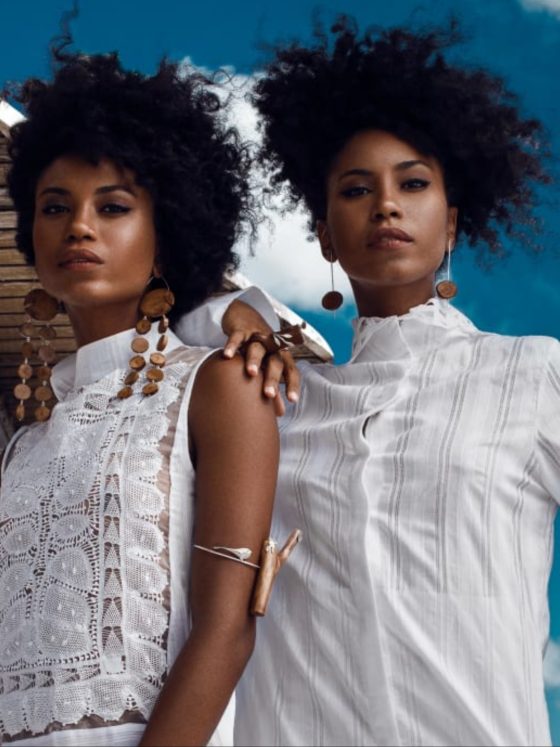
You see it in the way light hits skin without apology. In the way clothes move through streets instead of studios. In this way, subjects look back at the camera, not as objects to be framed, but as people who understand they are being seen on their own terms.
For a long time, African fashion photography was interpreted from the outside. Images were often filtered through foreign eyes, shaped by distance, curiosity, or control. What is happening now feels different. Nairobi’s photographers are not trying to correct the narrative. They are building something new entirely.
This is not about catching up to Paris or New York. It is about shifting the centre of gravity. The work coming out of Nairobi stands on its own, grounded in place but fluent in a global visual language.
And that is what makes it matter.
From Nairobi’s streets to global feeds, photographers are redefining beauty and authorship, shaping a bold visual language beyond the Western gaze.
Light, Land, and Legacy
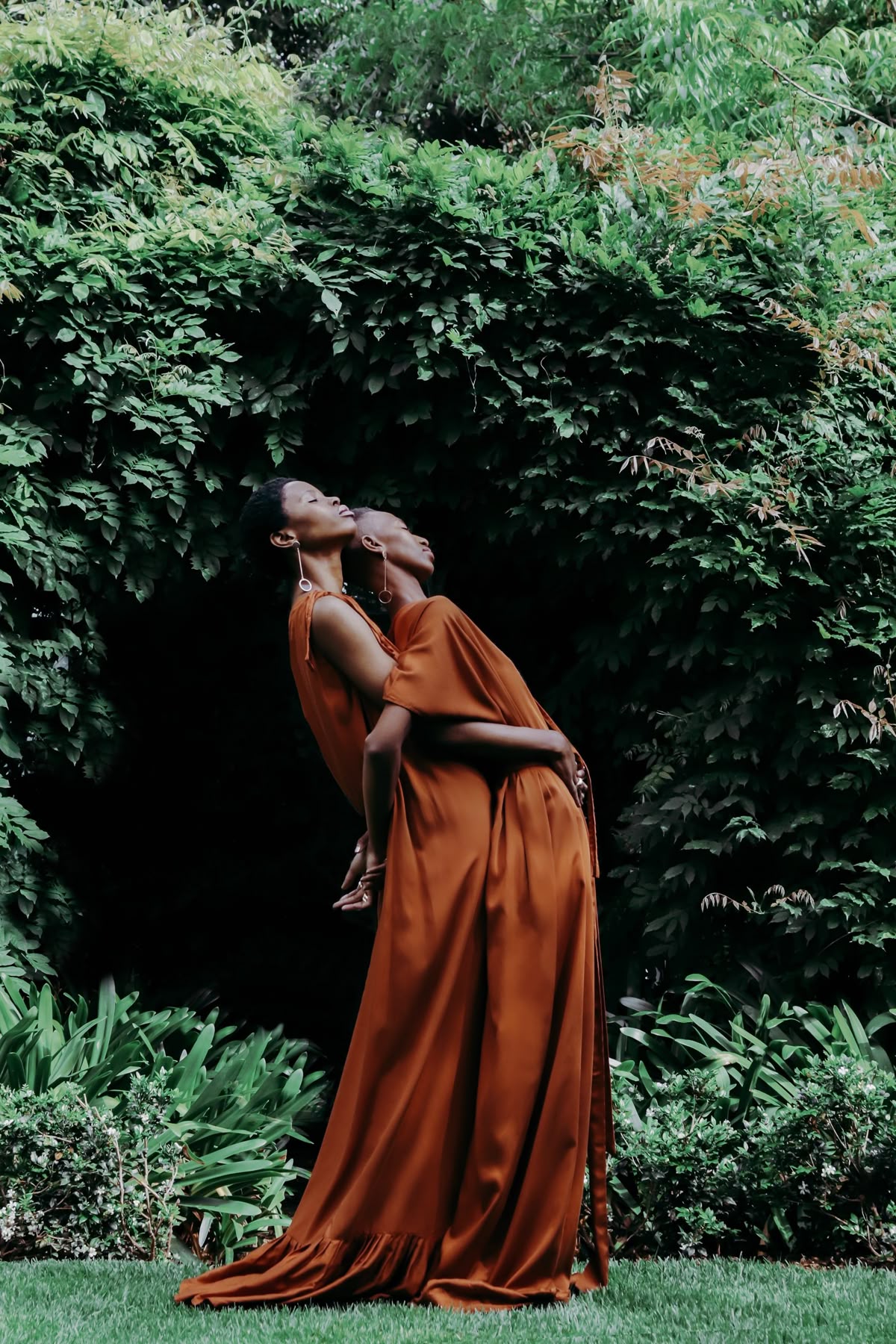
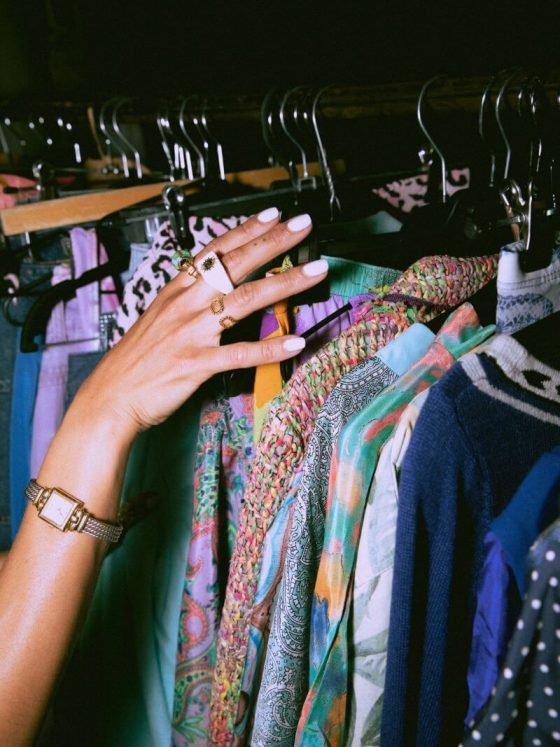
The visual identity of Nairobi’s fashion photography begins with its environment. The city offers a kind of natural light that does not soften for the camera. It is direct, sometimes harsh, and often unpredictable. Instead of resisting it, photographers use it as a defining tool. Skin tones are rendered with depth, not correction. Shadows are allowed to exist. The result is imagery that feels honest rather than engineered.
Then there is the land itself. Within a single day, a shoot can move from dense urban streets to open landscapes. This creates a visual rhythm that blends structure with freedom. Fashion is no longer confined to controlled interiors. It exists in motion, shaped by the same spaces people live in.
This approach reflects something deeper. Nairobi’s photography does not separate fashion from life. It treats clothing as part of a broader story about identity, movement, and environment. The image becomes a record of how people exist, not just how they present.
The Photographers Reshaping How Africa Sees Itself
At the centre of this shift are image-makers who approach photography as an act of authorship rather than as a service.
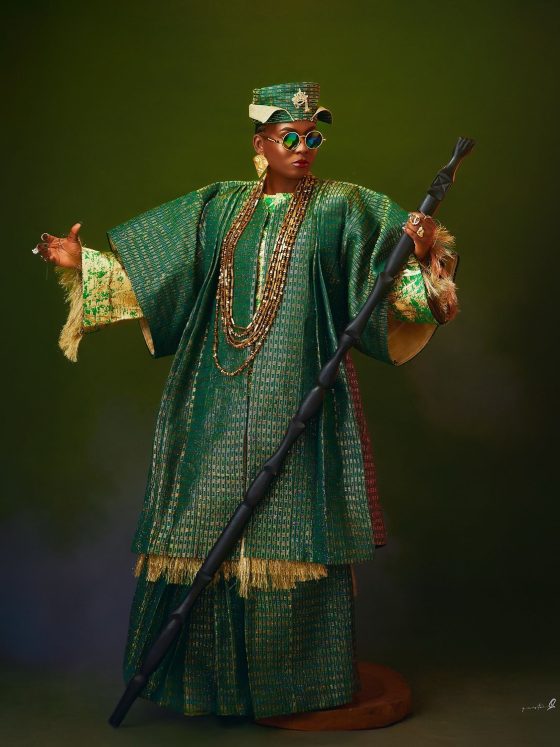
Thandiwe Muriu builds worlds through colour and pattern. Her work does not ask for approval. It celebrates presence. By blending subjects into vibrant backdrops, she plays with visibility, forcing the viewer to look again and reconsider what they think they see.
Barbara Minishi moves in a different direction. Her images feel almost mythological, layered with symbolism and emotion. She treats fashion as a narrative tool, not decoration. In her work, clothing becomes part of a larger conversation about belonging and transformation.
Lyra Aoko focuses on intimacy. Her lens is less about spectacle and more about connection. She frames her subjects in ways that feel close, deliberate, and human. This shift in perspective matters. It changes how African subjects are seen, not as distant figures, but as individuals with presence and agency.
What connects these photographers is not style, but intention. They are not translating Africa for an external audience. They are speaking from within it. That difference shapes everything.
Read Also:
From Commission to Authorship
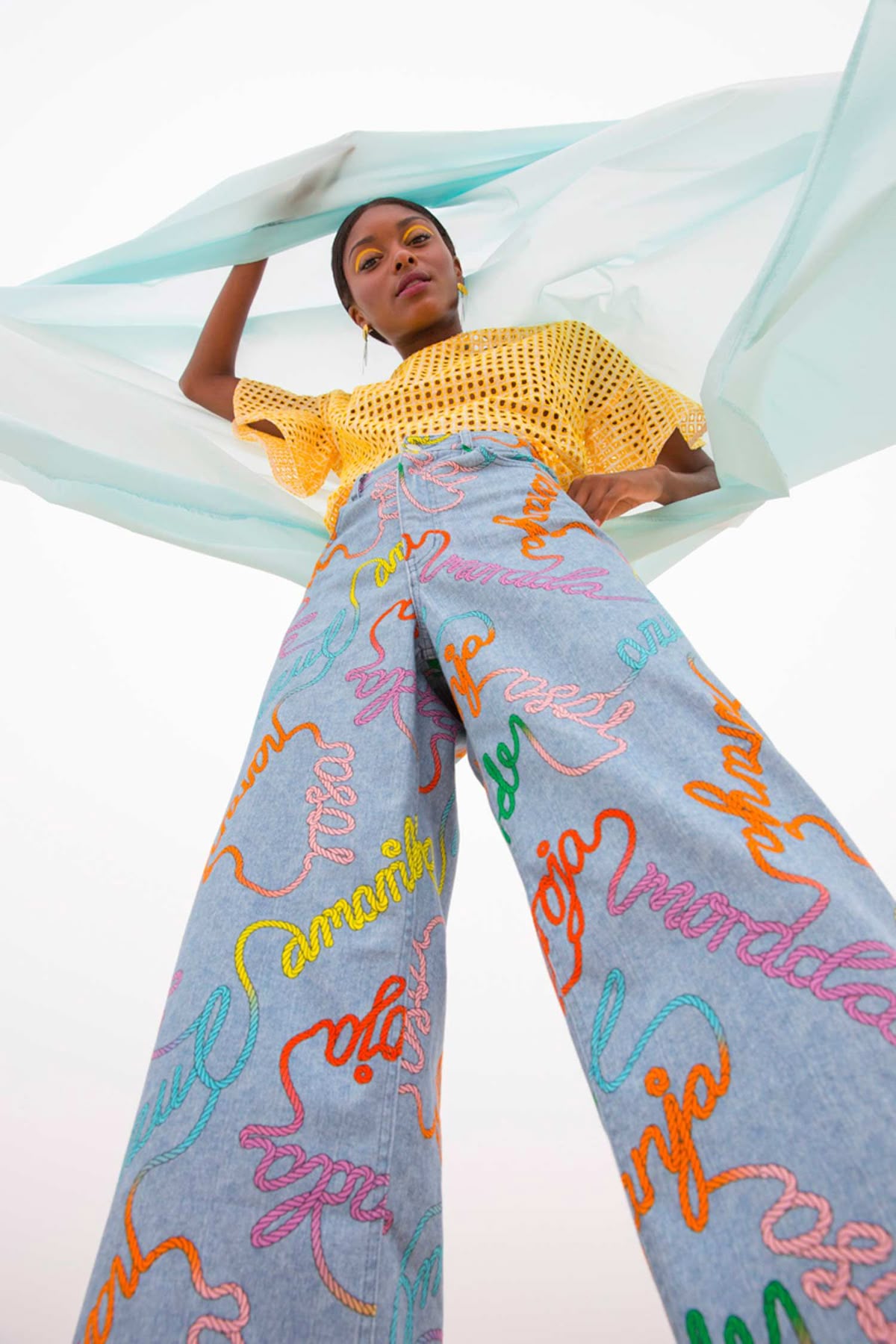
For years, much of the imagery of African fashion was driven by external commissions. International brands and publications controlled both the narrative and the final image. Local creatives often worked within those limits.
That structure is loosening.
Photographers in Nairobi are building their own bodies of work, independent of traditional gatekeepers. They are initiating projects, collaborating across disciplines, and defining their own visual language. This shift from commission to authorship changes the balance of power.
It also changes what gets documented. Instead of producing images that fit existing expectations, creatives are exploring themes that matter locally. Street culture, identity, work, and everyday life become central subjects. Fashion is no longer separate from reality. It is embedded within it.
This is where the new visual vocabulary begins to take shape. It is rooted in specificity, not generalisation. And that is what gives it global relevance.
Distribution Without Permission
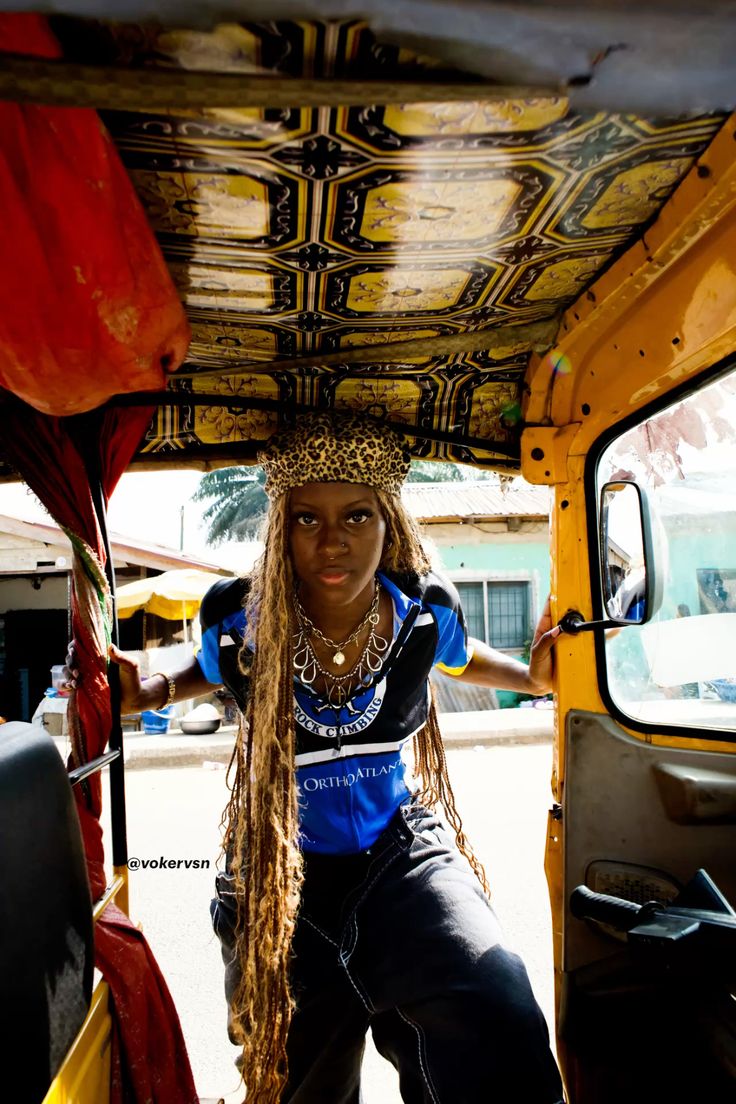
Technology has accelerated this transformation. Platforms like Instagram have removed the need for traditional approval systems. Photographers can publish directly, build audiences, and attract international attention without waiting to be discovered.
This shift is not just about access. It is about control.
When images are shared on their own terms, the narrative remains intact. There is no need to reshape the work to fit external expectations. The audience encounters the image as intended.
This has also weakened the long-standing ethnographic gaze that once defined much of Western photography of African subjects. Instead of being framed as distant or exotic, subjects are presented with familiarity and depth. The camera becomes part of the environment, not an outsider observing it.
Social media, in this context, is not just a tool. It is an infrastructure that supports creative independence.
Conclusion
What is happening in Nairobi is not a trend. It is a structural shift in how images are created, shared, and understood.
Fashion photography here is not trying to fit into an existing system. It is building a new one. A system where light is not corrected, but embraced. Where subjects are not interpreted, but expressed. Where creatives are not commissioned voices, but authors of their own narratives.
The significance goes beyond aesthetics. It reshapes how identity is seen and who gets to define it.
In that sense, Nairobi is not just producing images. It is redefining the language of fashion itself.
And the rest of the world is beginning to learn how to read it.
FAQs
- Why is Nairobi becoming important in fashion photography?
Nairobi offers a mix of natural light, diverse environments, and a growing creative community. This combination allows photographers to create work that feels distinct and globally relevant.
- How is Nairobi’s style different from Western fashion photography?
It relies less on controlled studio setups and more on real environments. The images feel grounded in everyday life rather than constructed for perfection.
- Who are some notable photographers from Nairobi?
Photographers like Thandiwe Muriu, Barbara Minishi, and Lyra Aoko are shaping the scene with distinct visual approaches.
- How has social media influenced this movement?
Platforms like Instagram allow photographers to share their work directly with global audiences, removing the need for traditional gatekeepers.
- Why does this shift matter globally?
It challenges long-standing ideas about who defines beauty and visual culture. Nairobi’s photographers are contributing to a more diverse and balanced global perspective.