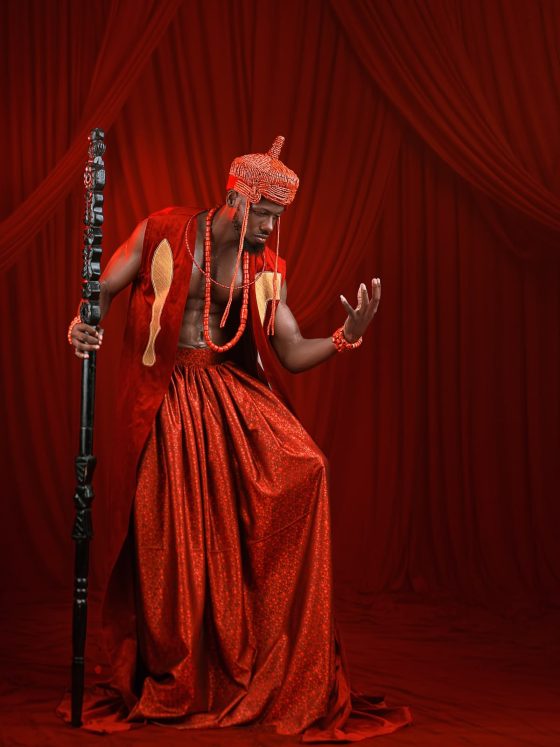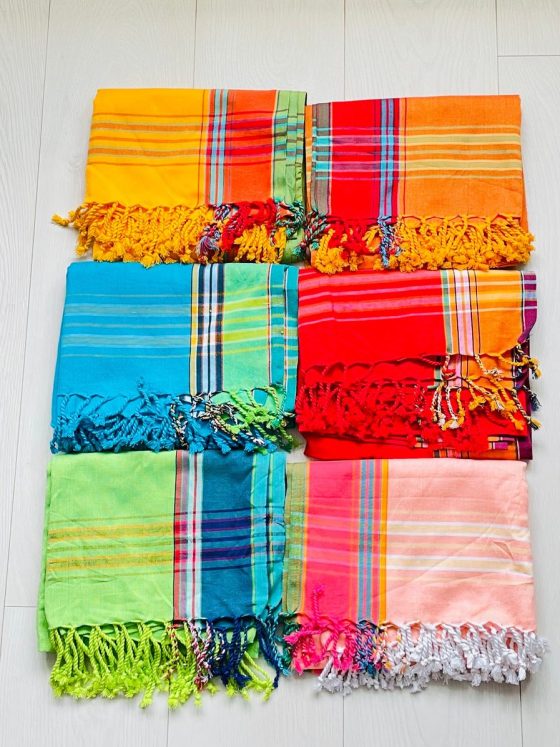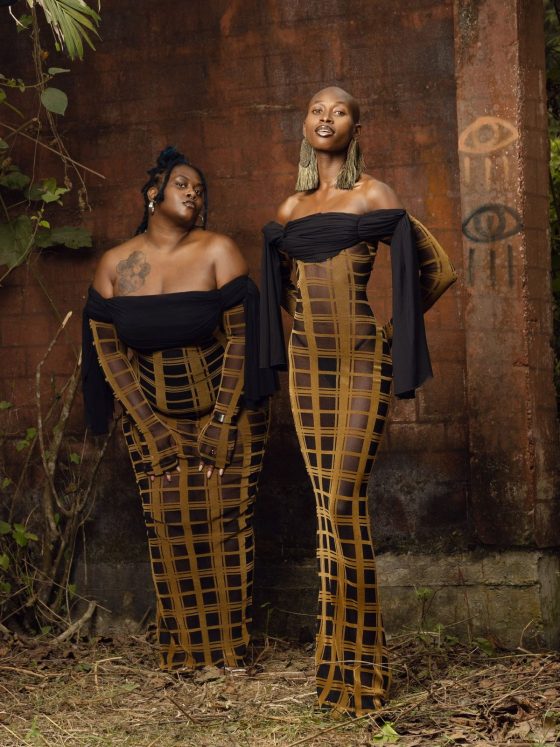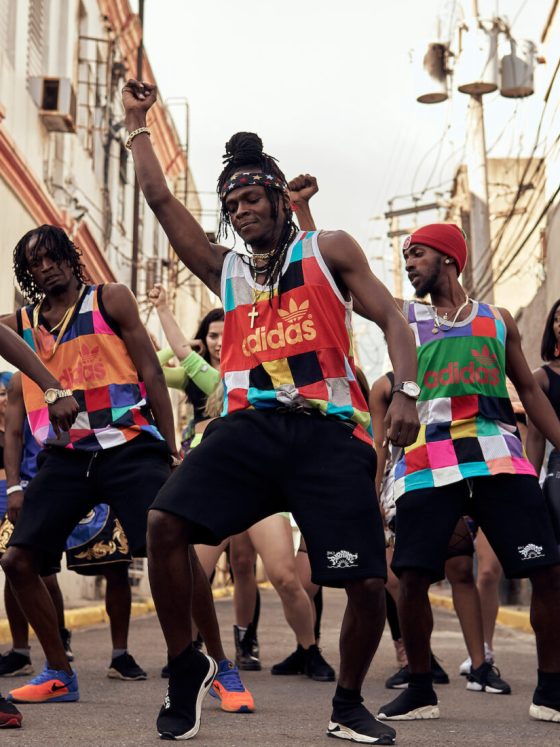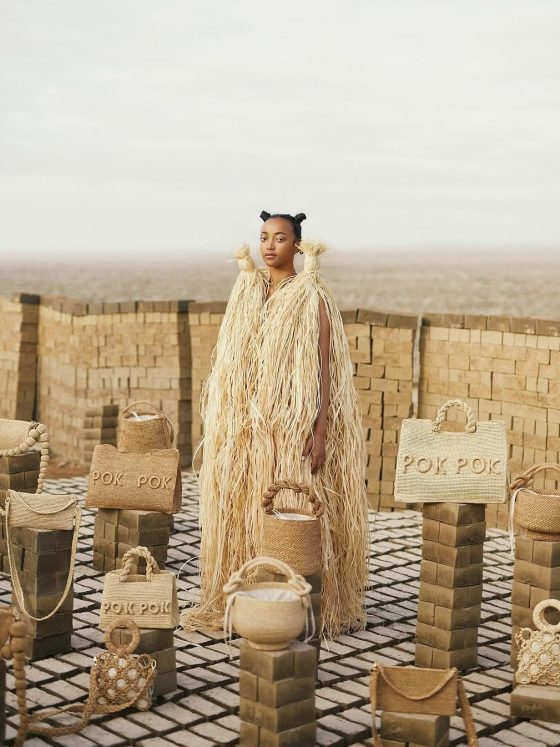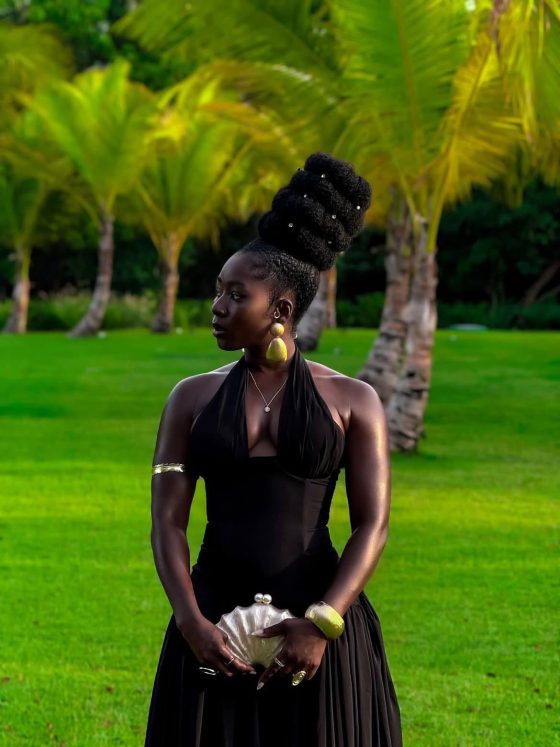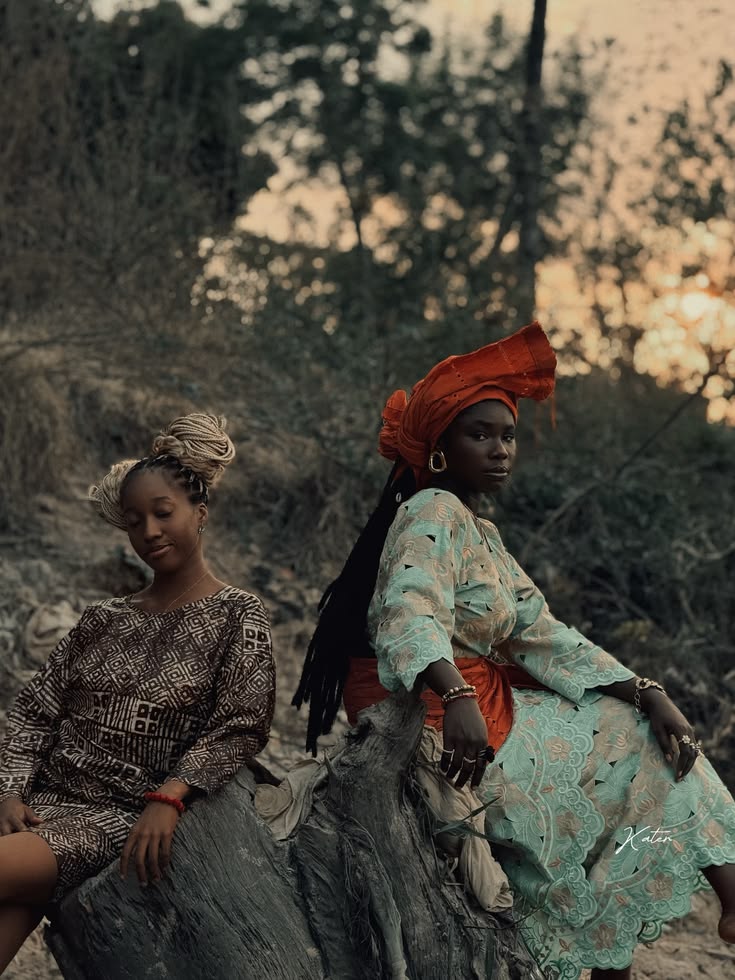
Migration is often discussed in terms of opportunity, movement, and adaptation. Less discussed is how deeply it reshapes personal identity, especially in ways that are immediately visible. One of the clearest expressions of this change appears in how people dress.
Clothing becomes a record of transition. It reflects new environments, new expectations, and new forms of awareness. These changes do not usually happen all at once. They develop gradually through daily interactions, observations, and adjustments. Over time, what began as an adaptation becomes part of how a person naturally presents themselves.
By the time someone returns home, their appearance carries traces of everywhere they have been.
Explore how migration reshapes diaspora fashion identity across Africa, the Caribbean, and Latin America, and what clothing reveals when people return home and change.
Adapting to a New Visual Environment

Every society operates with its own expectations around appearance. These expectations are not always stated directly, but they are consistently reinforced through workplaces, public spaces, and social interactions.
When people move across borders, they are exposed to a different set of visual norms. In many cases, these norms emphasise restraint, subtlety, and uniformity. To function comfortably within these spaces, individuals begin to adjust how they dress.
These adjustments may include changes in silhouette, colour selection, and overall styling. The goal is not necessarily to abandon personal identity, but to align with what is considered appropriate within that environment. Over time, these changes become internalised. They stop feeling like adjustments and begin to feel natural.
Designers such as Grace Wales Bonner have explored this layered identity by combining cultural references with structured tailoring. Similarly, Ozwald Boateng has redefined traditional menswear by introducing colour and cultural influence into spaces that once resisted it. Their work reflects the reality that migration expands it.
Dressing Between Visibility and Acceptance
For many people living outside their home countries, clothing becomes a way of managing how they are perceived. There is often a need to balance self-expression with social awareness.
In certain environments, standing out can attract attention that feels uncomfortable or unnecessary. In response, individuals may choose to dress in ways that reduce visibility. This can involve selecting neutral colours, simpler silhouettes, or widely accepted styles.
At the same time, there are moments when expression becomes important. Cultural events, social gatherings, and familiar spaces often provide opportunities to dress more freely. In these settings, clothing becomes a way to reconnect with identity and community.
This constant adjustment creates a dual approach to dressing. It is not about inconsistency, but about navigating different expectations with intention.
The Complexity of Returning Home
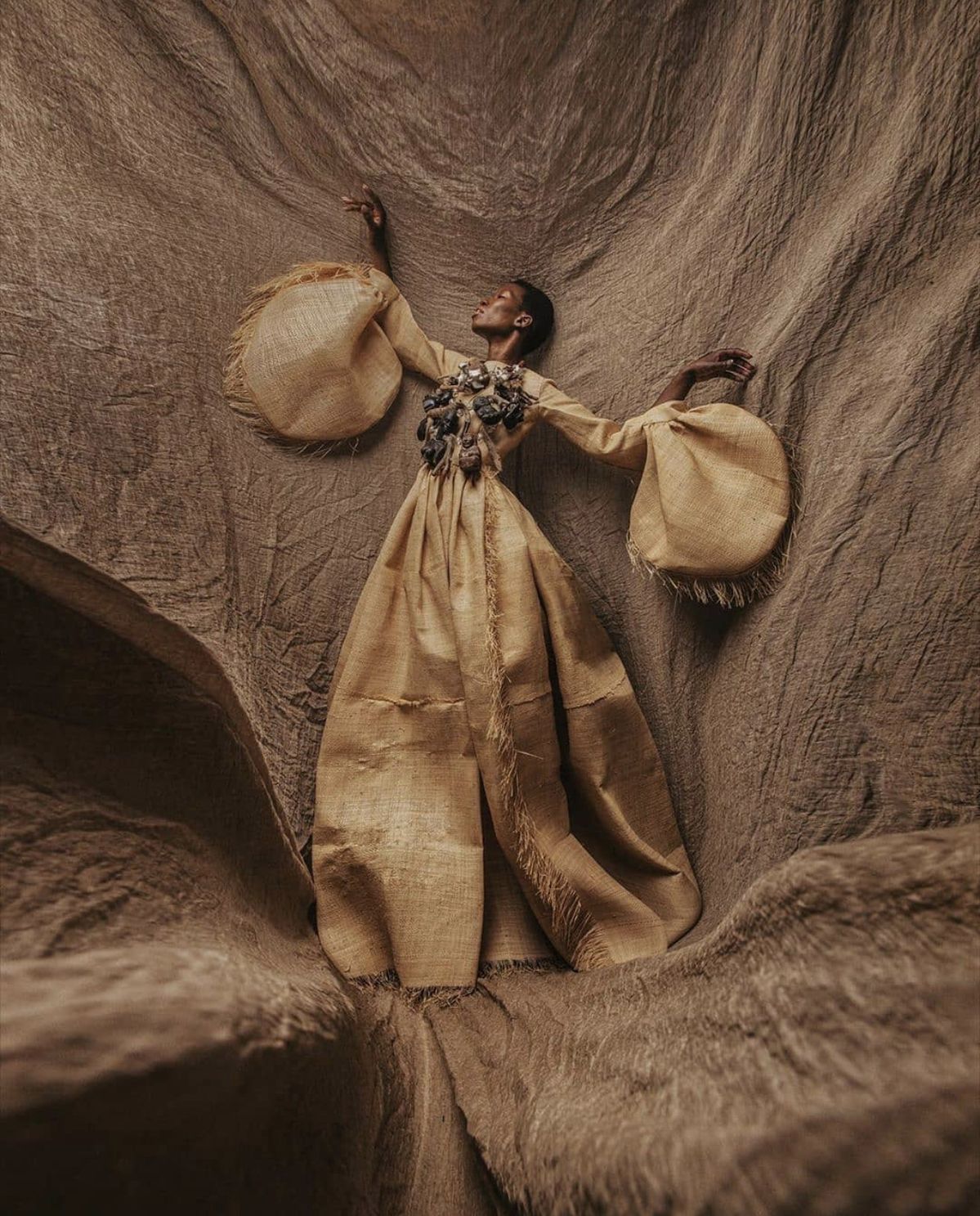
Returning home is often imagined as a return to familiarity. However, the experience is more complex than it appears. Migration changes how individuals see themselves, and this shift becomes visible in how they dress.
Clothing that once felt effortless may now feel deliberate. Once automatic choices may require thought. The individual has changed, even if the environment has remained the same.
Others often notice this difference. People who have spent time abroad are sometimes described as dressing differently. This observation is not always negative, but it highlights a shift that is difficult to ignore.
At the same time, the returning individual may also feel a sense of distance. Local styles may appear more expressive or more rooted than what they are used to. This creates a tension between familiarity and change.
A Style That Exists Across Borders
From this experience, a distinct form of fashion identity emerges. It is not fully defined by the place of origin, nor is it entirely shaped by the new environment. Instead, it exists between both.
This identity often combines elements that would not traditionally appear together. A structured jacket may be paired with culturally significant accessories. Locally made garments may be styled with global influences. The result is a form of expression that reflects movement rather than fixed belonging.
Designers like Thebe Magugu continue to demonstrate how cultural narratives can be preserved while engaging with global fashion systems. Their work shows that identity does not need to be simplified to be understood. It can remain layered and still be coherent.
Reconnection Is Not Always Immediate
When people return home, there is often an expectation that they will immediately reconnect with familiar ways of dressing. In reality, this process takes time.
Reconnection involves more than wearing certain garments. It requires an adjustment in perspective. Individuals must find a way to integrate what they have learnt abroad with what they have always known.
This process can be gradual. It may involve reintroducing certain elements of cultural dressing, experimenting with combinations, or redefining what feels authentic. The goal is not to return to a previous version of self but to create a version that reflects the full experience of movement.
Fashion as a Record of Movement
Fashion, in this context, becomes more than appearance. It becomes a record of migration. Every choice carries traces of exposure, adaptation, and reflection.
The way a person dresses after migration tells a story that is not always spoken. It reveals how they have navigated different environments, how they have responded to expectations, and how they have chosen to present themselves within those conditions.
This is why fashion identity among migrants often feels layered. It is shaped by multiple influences that continue to coexist.
READ ALSO:
- Dressed to Lead: How Heads of State Use Fashion as an Instrument of Soft Power
- How to Develop a Signature Style That Has Nothing to Do With Trends
The Omiren Argument
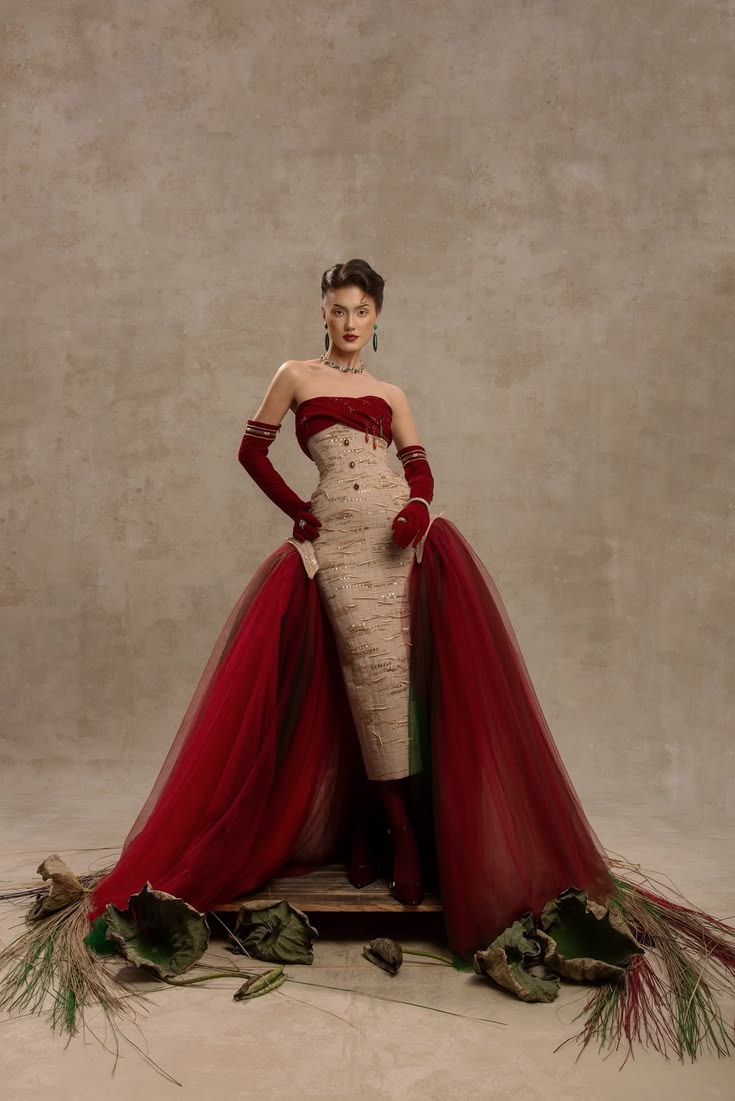
There is a particular kind of dressing that no fashion week has ever addressed. It does not appear on a mood board or inside a trend report. It happens in the privacy of a wardrobe, somewhere between one country and another, when a person stands in front of their clothes and realises that none of them is entirely honest anymore.
Migration does this. It does not announce itself through dramatic transformation. It works gradually, through daily adjustments, small concessions, and accumulated observations about what is accepted and what is not. By the time the shift becomes visible, it has already become permanent. The garment has changed. The person wearing it has changed. And the version of home they are returning to exists now only in memory.
What Omiren Styles recognises in this is not a problem of identity loss. It is a problem of legibility. The diaspora wardrobe is one of the most complex documents a person can carry, and almost nobody reads it correctly. The neutral palette adopted in a European workplace is not assimilation. The Ankara print worn to a cultural event is not nostalgia. The structured jacket paired with locally made accessories on the day of return is not confusing. These are precise, deliberate statements made by someone who has learned to hold more than one visual language at once.
That is the argument this article is making, and it is an Omiren argument. Fashion as evidence. The wardrobe is a record of everywhere a person has had to negotiate who they are and how much of that they were permitted to show.
The global woman Omiren speaks to already lives inside this negotiation. She does not need fashion to tell her that identity is layered. She needs fashion to take that layering seriously. And the designers who understand migration, who build collections from the experience of being between places rather than from the fantasy of belonging to one, are the ones producing work that actually reflects her life.
That is the Omiren argument. Dress is the record of a life in motion. And the most honest wardrobe is the one that has never stopped moving.
Identity Does Not Return to Its Original Form
Migration does not leave identity unchanged, and it does not reverse itself upon return. The experience creates a lasting shift that continues to influence how individuals see themselves and how they present that identity to others.
Fashion makes this shift visible. It reflects both continuity and change, showing how people carry their origins while adapting to new realities.
The idea of returning to who one was before migration is rarely accurate. What emerges instead is something more complex: a form of identity that is informed by movement, shaped by experience, and expressed through a style that cannot be reduced to a single place.
FAQs
- How does migration influence fashion identity?
Migration influences fashion identity by exposing individuals to new cultural norms, which gradually shape how they dress and present themselves.
- Why do people dress differently after living abroad?
People adapt to the expectations of their new environment, and over time, these adaptations become part of their personal style.
- What is diaspora fashion identity?
Diaspora fashion identity refers to a style that blends cultural heritage with influences from other environments, creating a layered form of expression.
- Why can returning home feel different after migration?
Returning home can feel different because personal identity has changed, making familiar environments feel slightly unfamiliar.
- Can fashion reflect personal migration experiences?
Yes. Clothing choices often reflect exposure to different cultures, making fashion a visible expression of migration and identity.